The growing interest in peptide therapeutics has brought considerable attention to smaller, naturally occurring peptides that demonstrate powerful biological effects. Among these compounds, GHK peptide has emerged as a significant research focus due to its remarkable regenerative properties and multi-faceted mechanisms of action. This tripeptide, composed of glycine-histidine-lysine, was first identified in human plasma and has since been extensively studied for its role in wound healing, tissue remodeling, and anti-aging applications. Understanding the science behind this compound reveals why it has become a valuable tool in regenerative medicine and aesthetic applications.
Understanding the Structure and Discovery of GHK Peptide
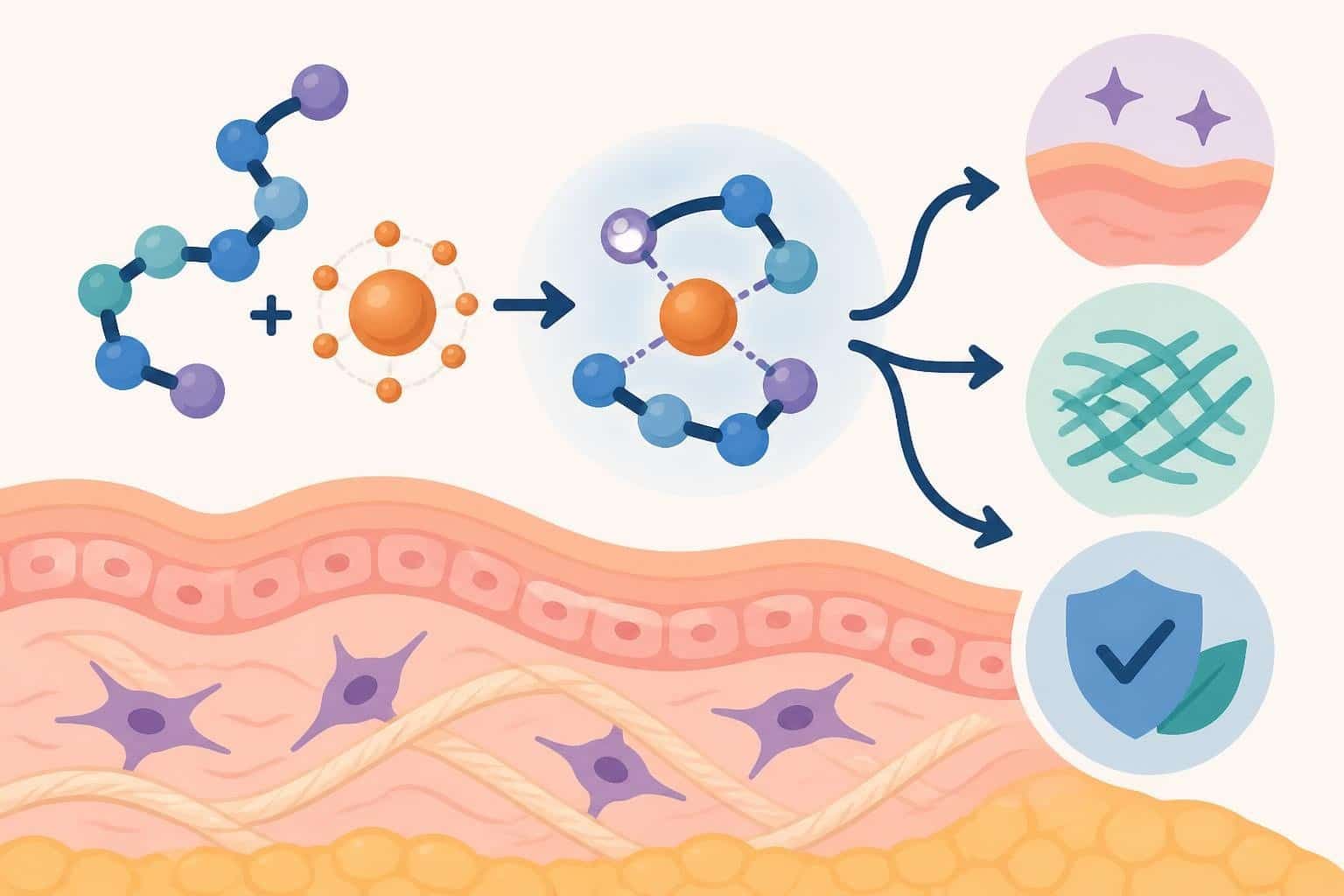
GHK peptide represents one of the smallest bioactive peptides with documented therapeutic potential. Its three-amino-acid sequence creates a unique molecular structure that readily binds copper ions, forming the GHK-Cu complex. This copper-binding capacity is central to the peptide's biological activity, as the resulting complex interacts with cellular receptors and signaling pathways in ways that the peptide alone cannot achieve.
The discovery of GHK occurred during research into age-related changes in blood plasma composition. Scientists observed that younger individuals possessed higher concentrations of certain plasma factors that promoted tissue repair and regeneration. Isolation and identification of these factors led to the characterization of GHK as a key component with regenerative properties that declined with age. This finding sparked decades of research into the peptide's mechanisms and potential therapeutic applications.
Molecular Properties and Bioavailability
The molecular weight of GHK peptide is approximately 340 daltons, making it small enough to penetrate skin barriers and cross cellular membranes efficiently. This characteristic has important implications for topical applications and systemic delivery methods. When bound to copper, the complex demonstrates enhanced stability and bioactivity compared to the peptide alone.
Key molecular characteristics include:
- High affinity for copper (II) ions with a binding constant that favors complex formation
- Ability to chelate copper in a 1:1 ratio, creating a stable coordination complex
- Water solubility that facilitates formulation in various delivery systems
- Resistance to rapid enzymatic degradation compared to longer peptides
Research published in studies examining GHK’s influence on gene expression has revealed that this peptide modulates hundreds of genes involved in tissue remodeling, inflammation control, and cellular protection.
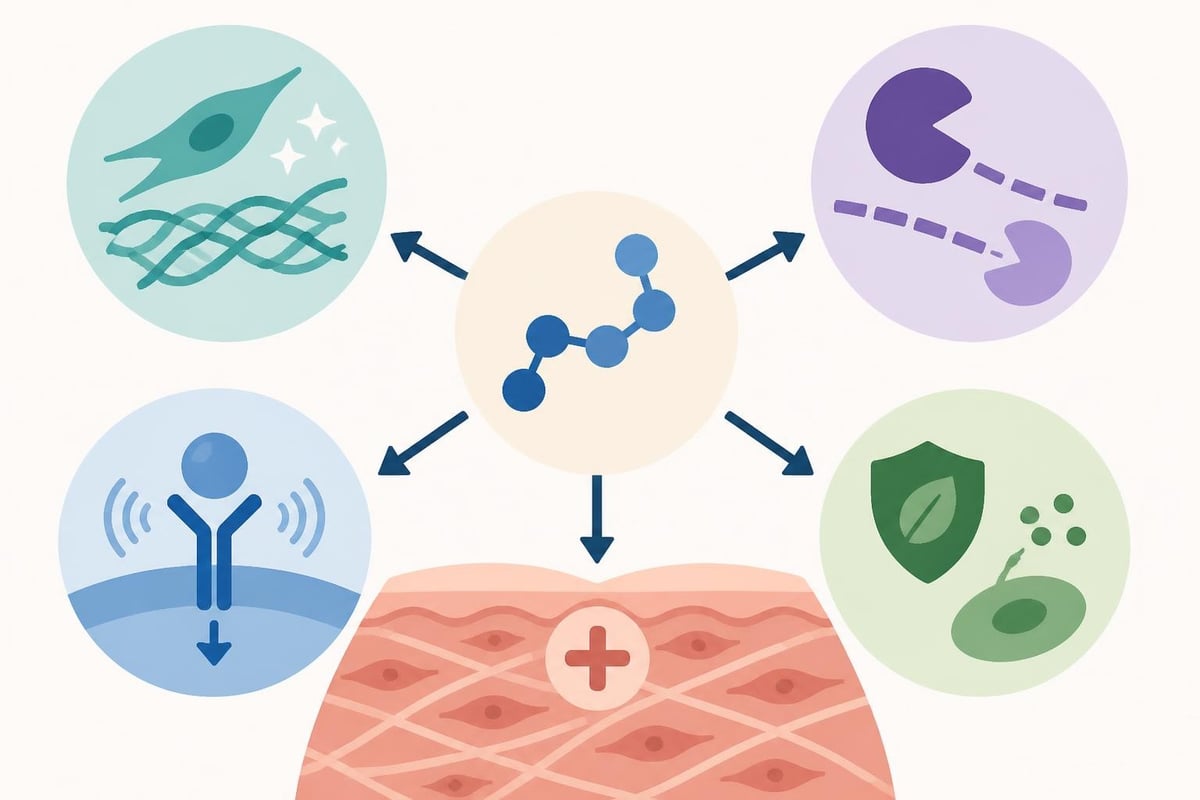
Mechanisms of Action in Tissue Regeneration
The therapeutic effects of GHK peptide stem from its ability to influence multiple cellular pathways simultaneously. Rather than targeting a single receptor or process, this compound acts as a signaling molecule that coordinates complex regenerative responses across different cell types and tissue systems.
Collagen Production and Extracellular Matrix Remodeling
One of the most well-documented effects of GHK peptide involves its stimulation of collagen synthesis. The peptide upregulates genes encoding type I collagen, the predominant structural protein in skin, tendons, and connective tissues. Beyond simply increasing collagen production, GHK also influences the organization and cross-linking of collagen fibers, resulting in improved tissue strength and elasticity.
The peptide's impact on the extracellular matrix extends to glycosaminoglycans, proteoglycans, and other structural components. This comprehensive effect on matrix composition supports tissue architecture and provides scaffolding for cellular migration during wound healing. According to research on GHK’s role in skin regeneration, the peptide modulates matrix metalloproteinases and their inhibitors, creating a balanced environment for controlled tissue remodeling.
Anti-Inflammatory and Antioxidant Properties
GHK peptide demonstrates significant anti-inflammatory activity through multiple mechanisms. It reduces the production of pro-inflammatory cytokines including interleukin-6 and tumor necrosis factor-alpha, which are elevated in chronic inflammation and aging. This cytokine modulation helps create a cellular environment more conducive to healing rather than persistent inflammatory damage.
| Anti-Inflammatory Mechanism | Effect on Tissue |
|---|---|
| Cytokine regulation | Reduced inflammatory signaling |
| NF-κB pathway inhibition | Decreased inflammatory gene expression |
| Antioxidant enzyme upregulation | Protection against oxidative stress |
| Free radical scavenging | Cellular damage prevention |
The antioxidant properties documented in studies of GHK’s anti-aging potential show that the peptide increases expression of antioxidant enzymes while directly neutralizing reactive oxygen species. This dual approach to oxidative stress management protects cellular components from damage and supports longevity pathways.
Clinical Applications in Skin Health and Aesthetics
The regenerative properties of GHK peptide have found extensive application in dermatology and aesthetic medicine. Its effects on skin structure, appearance, and healing have made it a sought-after ingredient in formulations designed to address aging, photo-damage, and wound recovery.
Anti-Aging and Skin Rejuvenation
As skin ages, several structural and functional changes occur that affect appearance and barrier function. GHK peptide addresses multiple aspects of skin aging through its influence on dermal fibroblasts, the cells responsible for producing and maintaining the extracellular matrix. The peptide stimulates fibroblast proliferation and activity, leading to increased production of collagen, elastin, and hyaluronic acid.
Clinical observations have documented improvements in skin thickness, firmness, and elasticity following GHK peptide application. These changes reflect genuine structural improvements rather than temporary cosmetic effects. The peptide also influences melanocyte function and can contribute to more even skin tone by modulating pigmentation pathways.
For those interested in exploring GHK-Cu formulations, products are available that combine the peptide with copper for enhanced bioactivity in skin applications.
Wound Healing and Tissue Repair
The wound healing process involves a coordinated sequence of inflammation, proliferation, and remodeling phases. GHK peptide supports each of these phases through distinct mechanisms. During the inflammatory phase, it helps resolve excessive inflammation while promoting the recruitment of repair cells to the wound site. In the proliferative phase, the peptide stimulates angiogenesis (new blood vessel formation) and granulation tissue development.
Benefits for wound healing include:
- Accelerated closure of acute wounds
- Improved scar quality with better collagen organization
- Enhanced vascularization supporting nutrient delivery
- Reduced risk of excessive scarring or keloid formation
- Support for chronic wound healing in challenging cases
The peptide's influence on matrix metalloproteinases is particularly important in wound remodeling, as these enzymes must be precisely regulated to remove damaged tissue while preserving healthy structures. Comprehensive information about GHK research can be found in academic compilations that track clinical and experimental studies.
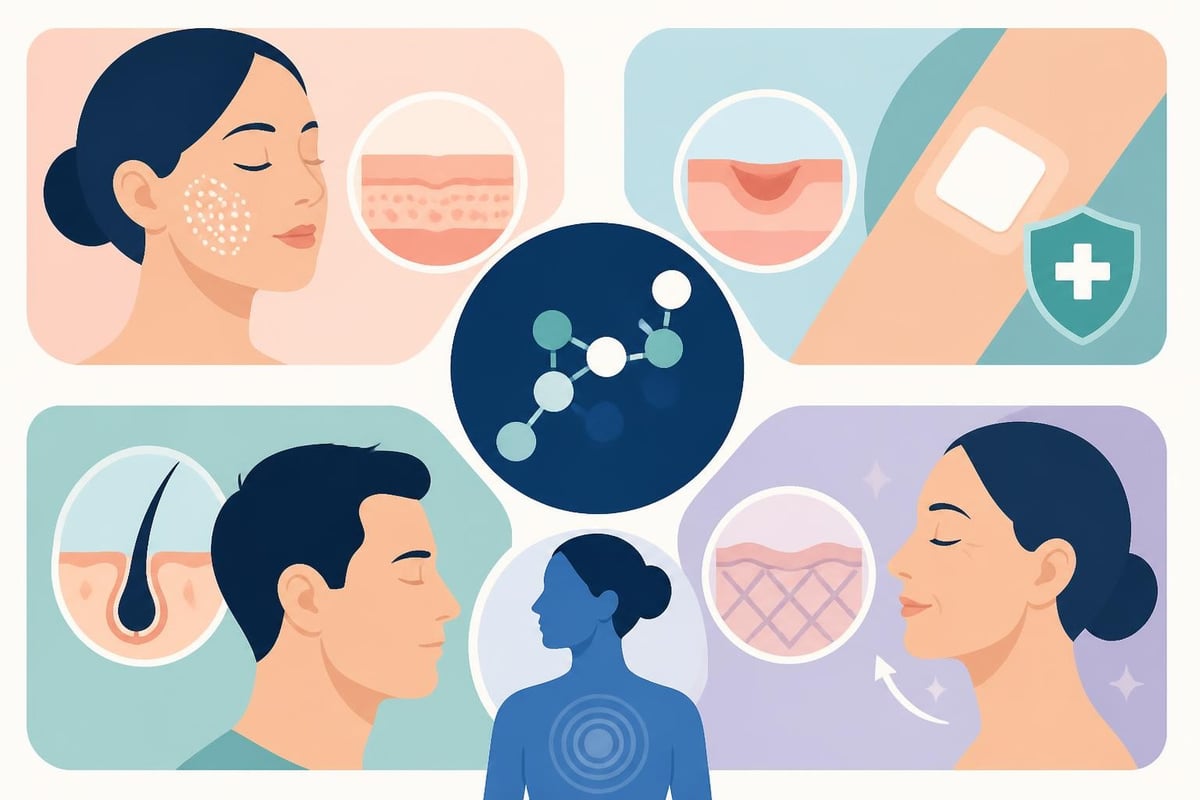
Effects on Hair Growth and Follicle Health
Beyond skin applications, GHK peptide has demonstrated effects on hair follicle biology that have generated interest in treating hair loss conditions. The peptide influences the hair growth cycle, particularly the transition from the resting (telogen) phase to the active growth (anagen) phase.
Follicle Stimulation and Thickness Enhancement
Hair follicles are complex mini-organs that undergo continuous cycles of growth, regression, and rest. GHK peptide appears to extend the anagen phase while shortening telogen, resulting in a higher proportion of actively growing follicles at any given time. This shift translates to increased hair density and coverage over time.
The peptide also affects the diameter of individual hair shafts by supporting the dermal papilla cells that regulate follicle size. Studies have shown improvements in hair thickness and strength with GHK peptide application, addressing both hair loss and hair quality concerns. Those exploring various peptide options may find GHK particularly relevant for comprehensive hair and skin health strategies.
Scalp Health and Follicle Environment
The scalp environment significantly influences hair growth potential. GHK peptide improves scalp health through its anti-inflammatory and circulation-enhancing properties. By reducing follicle inflammation and supporting blood vessel formation around follicles, the peptide creates conditions favorable for sustained hair growth.
Systemic Effects and Anti-Aging Mechanisms
While topical applications of GHK peptide focus on skin and hair, systemic administration reveals broader effects on aging processes throughout the body. The peptide's influence on gene expression extends to pathways involved in cellular senescence, metabolic function, and stress resistance.
Gene Expression Modulation
Analysis of GHK peptide's effects on gene expression has revealed modulation of over 4,000 genes in various cell types. This extensive influence includes upregulation of genes associated with tissue repair, antioxidant protection, and cellular maintenance while downregulating genes linked to inflammation, fibrosis, and cellular degradation.
The pattern of gene modulation suggests that GHK peptide helps restore a more youthful expression profile in aged cells. This systemic reset effect extends beyond cosmetic improvements to potentially impact overall tissue function and resilience. Detailed research activity can be explored through resources like PeptiTrace’s GHK compound overview.
Stem Cell Support and Regenerative Capacity
Emerging research indicates that GHK peptide may support stem cell function and tissue regeneration capacity. The peptide influences mesenchymal stem cells, which give rise to fibroblasts, osteoblasts, and other tissue-specific cells. By supporting stem cell proliferation and differentiation, GHK may contribute to maintaining regenerative reserves that typically decline with age.
| Systemic Effect | Mechanism | Potential Benefit |
|---|---|---|
| Stem cell activation | Enhanced proliferation and differentiation | Improved tissue repair capacity |
| Mitochondrial function | Respiratory chain optimization | Increased cellular energy |
| DNA repair | Upregulation of repair enzymes | Reduced mutation accumulation |
| Protein homeostasis | Chaperone protein support | Better cellular stress response |
Dosage, Administration, and Safety Considerations
The optimal use of GHK peptide depends on the intended application, delivery method, and individual factors. Understanding proper dosing parameters and safety profiles helps maximize benefits while minimizing potential adverse effects.
Topical Application Parameters
For cosmetic and dermatological applications, GHK peptide is typically formulated in concentrations ranging from 0.001% to 2% depending on the specific product design and intended use. Lower concentrations may be sufficient for maintenance and prevention, while higher concentrations are often used for active treatment of aging signs or wound healing.
Topical formulation considerations:
- pH optimization to maintain peptide stability (typically pH 5-7)
- Carrier selection to enhance skin penetration
- Combination with complementary ingredients like antioxidants or growth factors
- Storage conditions to preserve peptide integrity
Application frequency varies from once daily for maintenance to twice daily for intensive treatment protocols. The peptide demonstrates good tolerability in topical applications with minimal irritation reported in clinical trials.
Injectable and Systemic Protocols
When administered systemically through subcutaneous injection, GHK peptide dosing typically ranges from 0.5 mg to 2 mg per administration. Frequency varies based on treatment goals, with some protocols using daily administration while others employ intermittent dosing schedules.
The peptide demonstrates favorable safety profiles in research settings with few reported adverse effects at therapeutic doses. Most side effects, when they occur, are mild and transient, including injection site reactions or temporary changes in copper metabolism with prolonged high-dose use. For those researching dosing protocols, tools like Soma Peptide’s peptide calculator can assist in proper reconstitution and measurement.
Research Directions and Future Applications
The expanding understanding of GHK peptide mechanisms continues to reveal new potential applications and optimization strategies. Current research explores enhanced delivery systems, novel combination therapies, and applications in conditions beyond skin aging and wound healing.
Emerging Therapeutic Areas
Preliminary research suggests GHK peptide may have applications in conditions involving chronic inflammation, fibrosis, and tissue degeneration. Studies examining the peptide's effects on lung fibrosis, liver damage, and cardiovascular tissue have shown promising results in animal models. While clinical translation remains in early stages, these findings suggest broader therapeutic potential.
The peptide's influence on cancer-related gene expression has also generated research interest. Studies available through resources like Pepcodex’s GHK information indicate that the peptide may modulate genes involved in tumor suppression and cancer cell proliferation, though much more research is needed to understand clinical relevance.
Combination Strategies and Synergistic Effects
Research into combining GHK peptide with other bioactive compounds has revealed synergistic effects that enhance overall outcomes. Combinations with other peptides, growth factors, or conventional treatments may provide superior results compared to single-agent approaches.
Promising combination strategies include:
- GHK with vitamin C for enhanced collagen synthesis
- Pairing with retinoids for comprehensive anti-aging effects
- Integration with other peptides targeting complementary pathways
- Combination with platelet-rich plasma in regenerative protocols
- Use alongside hyaluronic acid for moisture retention and structural support
These combination approaches leverage the multi-targeted nature of GHK peptide while addressing additional aspects of tissue health and aging. For comprehensive approaches, exploring options at Soma Peptide reveals various formulations designed for specific therapeutic goals.
Quality Considerations and Product Selection
The therapeutic effects of GHK peptide depend critically on product purity, stability, and proper formulation. Understanding quality markers helps ensure that products deliver the expected biological activity and safety profile.
Purity and Manufacturing Standards
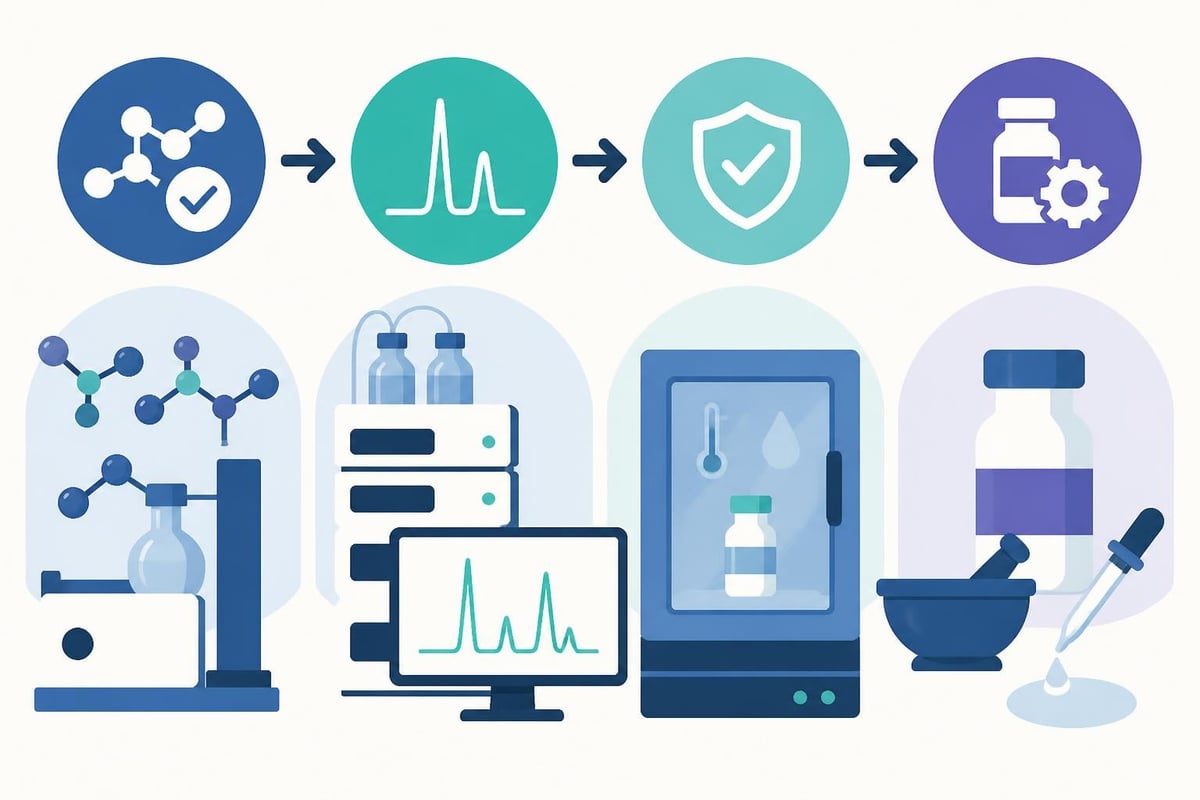
High-quality GHK peptide should demonstrate purity levels of 95% or higher, verified through analytical methods such as high-performance liquid chromatography (HPLC) and mass spectrometry. Impurities can include synthesis byproducts, degradation products, or contaminating peptides that may reduce efficacy or introduce unwanted effects.
Manufacturing processes should follow good manufacturing practices (GMP) to ensure consistent quality, proper handling, and contamination prevention. Reputable suppliers provide certificates of analysis documenting purity, identity confirmation, and the absence of microbial contamination. Those seeking verified products can review documentation through resources like Soma Peptide’s certificate of analysis page.
Storage and Stability Requirements
GHK peptide stability varies with formulation and storage conditions. Lyophilized (freeze-dried) powder forms typically demonstrate superior stability compared to solutions, often remaining stable for years when stored properly at refrigerated or frozen temperatures. Once reconstituted, peptide solutions require refrigeration and should be used within recommended timeframes to maintain potency.
| Storage Form | Temperature | Shelf Life | Handling Notes |
|---|---|---|---|
| Lyophilized powder | -20°C to 4°C | 2-3 years | Protect from moisture and light |
| Reconstituted solution | 2°C to 8°C | 2-4 weeks | Use sterile technique, avoid freeze-thaw |
| Topical formulation | Room temperature | 6-12 months | Airtight container, avoid heat exposure |
Integration into Therapeutic Protocols
Effectively incorporating GHK peptide into treatment regimens requires understanding how it complements other interventions and fits within comprehensive health optimization strategies. The peptide's multi-faceted mechanisms make it suitable for various protocols targeting different health goals.
Anti-Aging and Longevity Protocols
In anti-aging applications, GHK peptide addresses multiple hallmarks of aging including cellular senescence, inflammation, and extracellular matrix degradation. Integration into longevity protocols typically combines the peptide with lifestyle modifications, nutritional support, and complementary therapies that target different aging mechanisms.
A comprehensive anti-aging protocol might include GHK peptide for tissue regeneration and gene expression optimization, combined with metabolic optimization strategies, stress management, and targeted supplementation. The synergistic approach addresses aging from multiple angles, potentially providing superior results compared to isolated interventions.
Recovery and Performance Enhancement
Athletes and individuals focused on physical performance have explored GHK peptide for its potential to accelerate recovery from training stress and support tissue repair. The peptide's effects on collagen synthesis and inflammation control may benefit connective tissue health, reducing injury risk and supporting faster recovery from musculoskeletal stress.
When integrated into recovery protocols, GHK peptide is often combined with adequate protein intake, sleep optimization, and other recovery modalities. The timing of administration may be optimized around training schedules to maximize repair processes during critical recovery windows. For comprehensive peptide information, resources at Soma Peptide’s FAQ section address common questions about usage and integration.
GHK peptide represents a compelling example of how small, naturally occurring molecules can exert profound effects on tissue health, regeneration, and aging processes through multi-targeted mechanisms. From its discovery in plasma to its current applications in dermatology, wound healing, and anti-aging medicine, this tripeptide continues to reveal new therapeutic potential. Whether you're seeking to optimize skin health, support tissue repair, or explore comprehensive anti-aging strategies, working with high-quality peptide products from trusted sources ensures you receive the purity and potency necessary for meaningful results. Soma Peptide provides rigorously tested formulations backed by stringent quality control, helping you integrate these powerful compounds into your health optimization journey with confidence.