


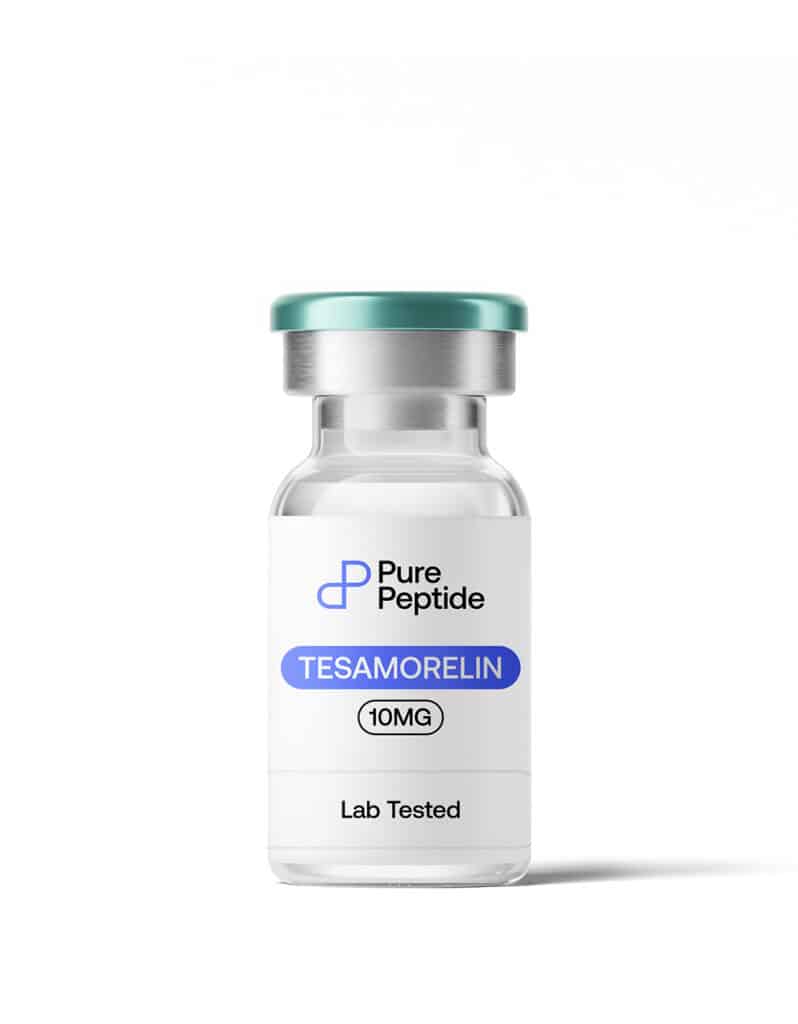

The peptide industry has experienced remarkable growth as researchers and health enthusiasts discover the powerful benefits these short-chain amino acid compounds offer. Identifying the best peptides for your specific goals requires understanding how different compounds interact with biological systems, their purity standards, and their demonstrated effects. From muscle recovery to cognitive enhancement, peptides have become essential tools for those seeking to optimize their health and performance through scientifically-backed approaches.
Understanding Peptide Categories and Applications
Peptides function as signaling molecules that communicate instructions to cells throughout the body. These compounds differ fundamentally from complete proteins due to their smaller size, typically containing between 2 and 50 amino acids. This compact structure allows them to penetrate tissues more effectively and trigger specific biological responses.
The classification of peptides depends on their primary mechanisms and target systems. Growth hormone secretagogues stimulate natural hormone production, healing peptides accelerate tissue repair, and metabolic peptides influence energy expenditure and fat oxidation. According to Peptipedia’s comprehensive database, understanding these categories helps users select compounds aligned with their physiological goals.
Bioavailability and Administration Methods
Peptide effectiveness depends heavily on delivery method and absorption rates. Injectable formulations typically provide superior bioavailability compared to oral supplements, as digestive enzymes can break down amino acid chains before systemic absorption occurs.
Common administration approaches include:
- Subcutaneous injections for sustained release
- Intramuscular administration for rapid uptake
- Nasal sprays for blood-brain barrier penetration
- Topical applications for localized effects
Proper reconstitution with bacteriostatic water maintains peptide stability and potency. Storage conditions significantly impact compound integrity, with most peptides requiring refrigeration between 36-46°F to preserve molecular structure.
Best Peptides for Muscle Growth and Recovery
Muscle development and post-exercise recovery represent primary applications for many seeking performance enhancement. The best peptides in this category stimulate protein synthesis, reduce inflammation, and accelerate tissue regeneration following intense training sessions.
Growth Hormone Releasing Peptides
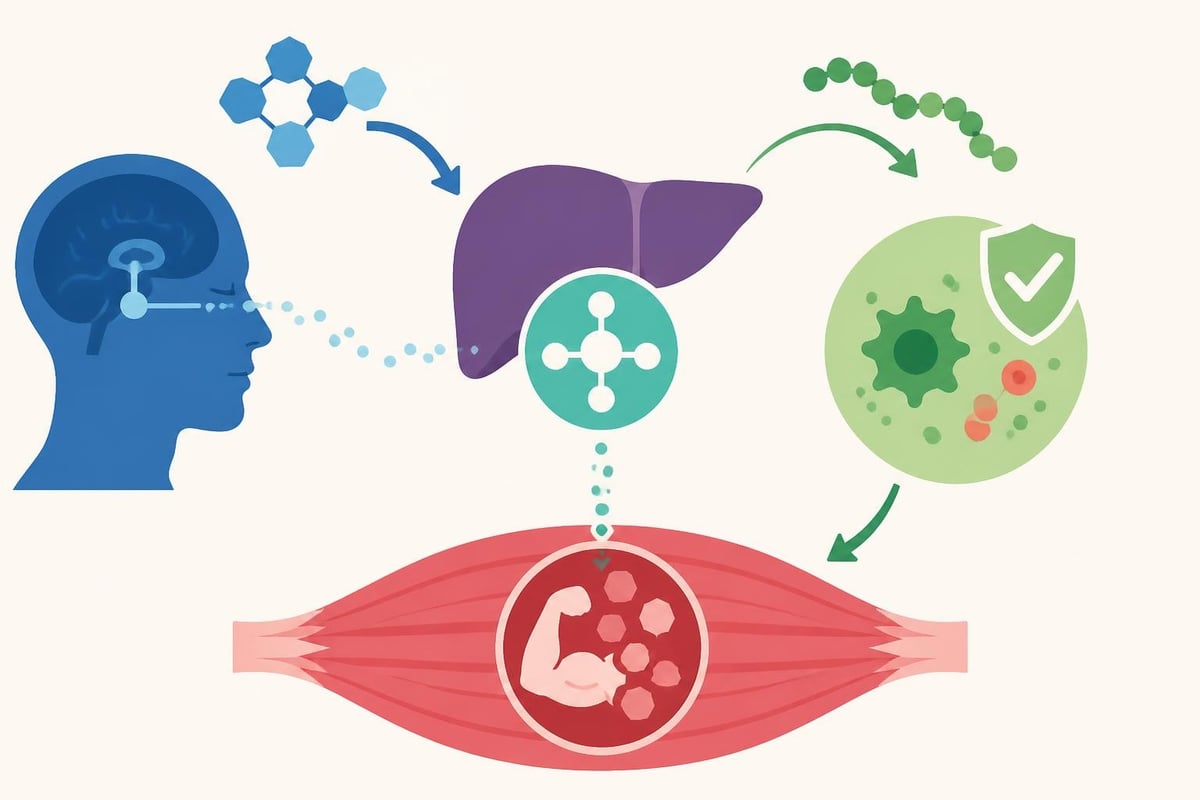
Growth hormone releasing peptides (GHRPs) and growth hormone releasing hormones (GHRHs) work synergistically to elevate natural hormone production. These compounds stimulate the pituitary gland, resulting in increased IGF-1 levels and enhanced anabolic processes.
CJC-1295 exemplifies a modified GHRH with extended half-life properties. The peptide's ability to maintain elevated growth hormone levels makes it valuable for sustained muscle protein synthesis. Research documented in PeptaHub’s evidence-based profiles demonstrates consistent increases in lean body mass when combined with resistance training.
| Peptide Type | Primary Mechanism | Typical Dosage Range | Administration Frequency |
|---|---|---|---|
| CJC-1295 (No DAC) | GHRH analog | 100-200 mcg | 1-3x daily |
| Ipamorelin | Ghrelin mimetic | 200-300 mcg | 2-3x daily |
| Hexarelin | GHS receptor agonist | 100-200 mcg | 2x daily |
| GHRP-6 | Growth hormone secretagogue | 100-300 mcg | 2-3x daily |
Tissue Repair and Recovery Compounds
Recovery peptides address the inflammatory cascade and cellular damage that follows intensive physical stress. These compounds accelerate healing timelines and reduce soreness duration, allowing for more frequent training sessions.
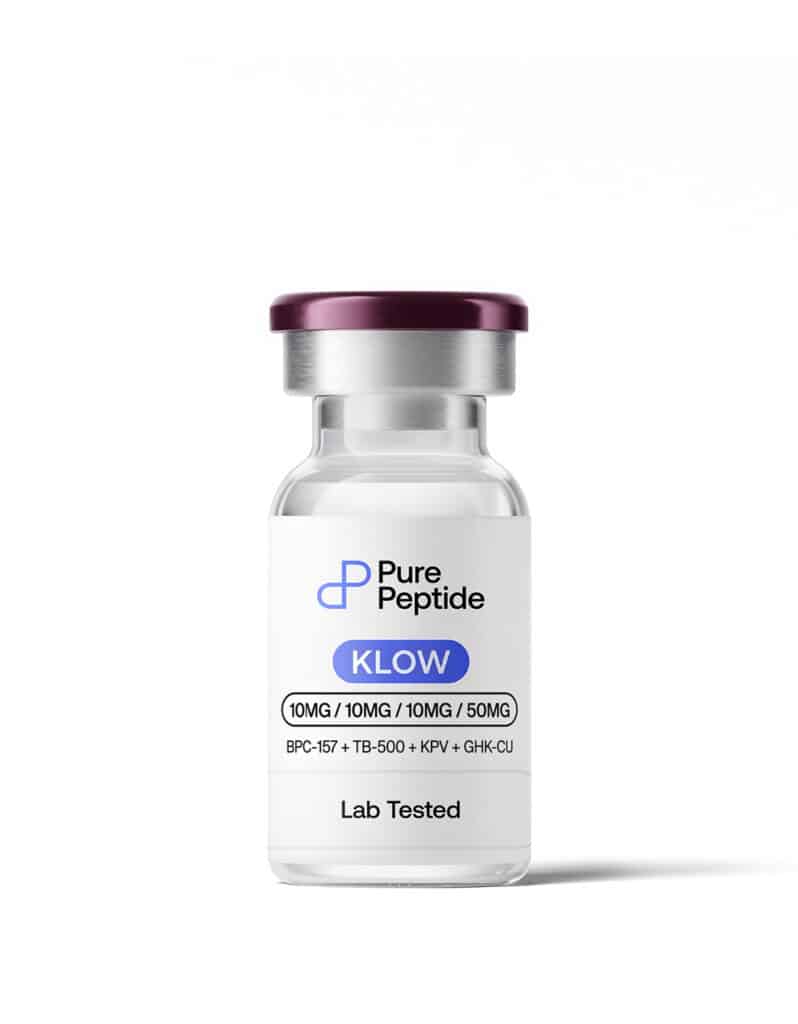
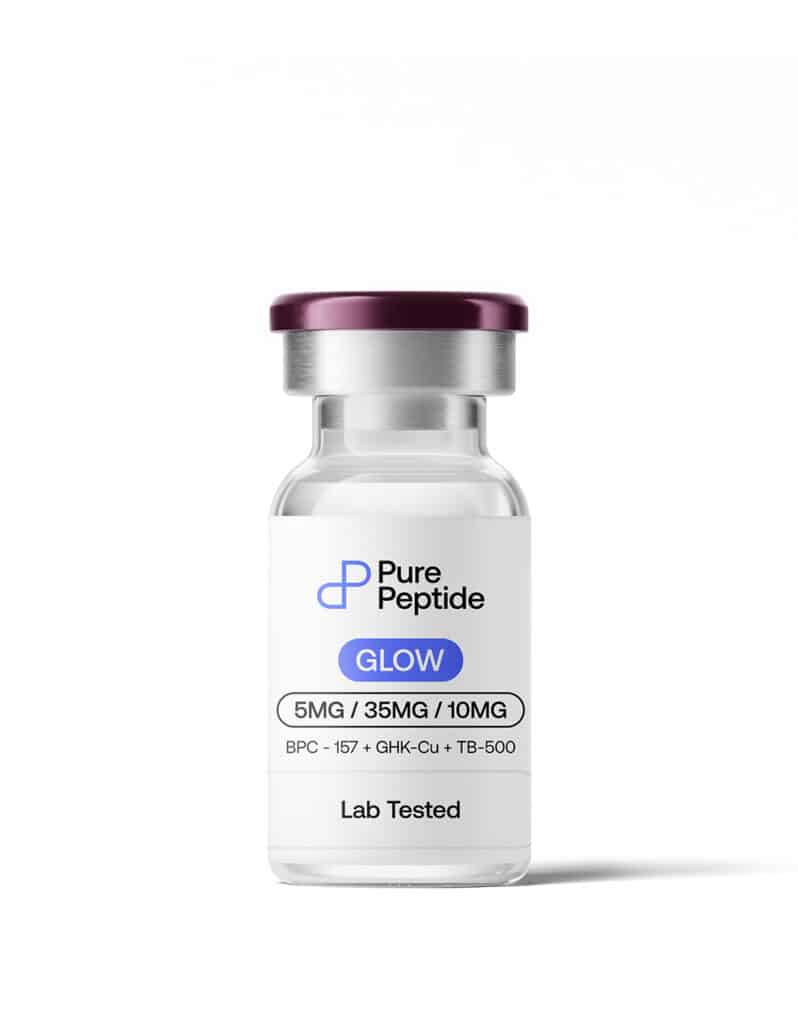
BPC-157 demonstrates remarkable tissue repair properties across multiple systems. The synthetic peptide, derived from a protective gastric protein, enhances angiogenesis and collagen formation. Athletes commonly combine BPC-157 with TB-500 to maximize regenerative effects on muscle, tendon, and ligament injuries.
TB-500 contains the active region of Thymosin Beta-4, promoting cell migration to injury sites and reducing inflammatory markers. This combination provides comprehensive support for structural tissue healing while minimizing recovery downtime.
Best Peptides for Weight Loss and Metabolic Enhancement
Metabolic optimization represents another major category where specific peptides demonstrate exceptional results. The best peptides for fat reduction work through multiple pathways: increasing lipolysis, suppressing appetite, improving insulin sensitivity, and elevating metabolic rate.
GLP-1 Receptor Agonists
Glucagon-like peptide-1 (GLP-1) receptor agonists have revolutionized weight management approaches. These peptides slow gastric emptying, enhance satiety signaling, and improve glucose metabolism. Research institutions have validated their effectiveness for sustainable fat loss.
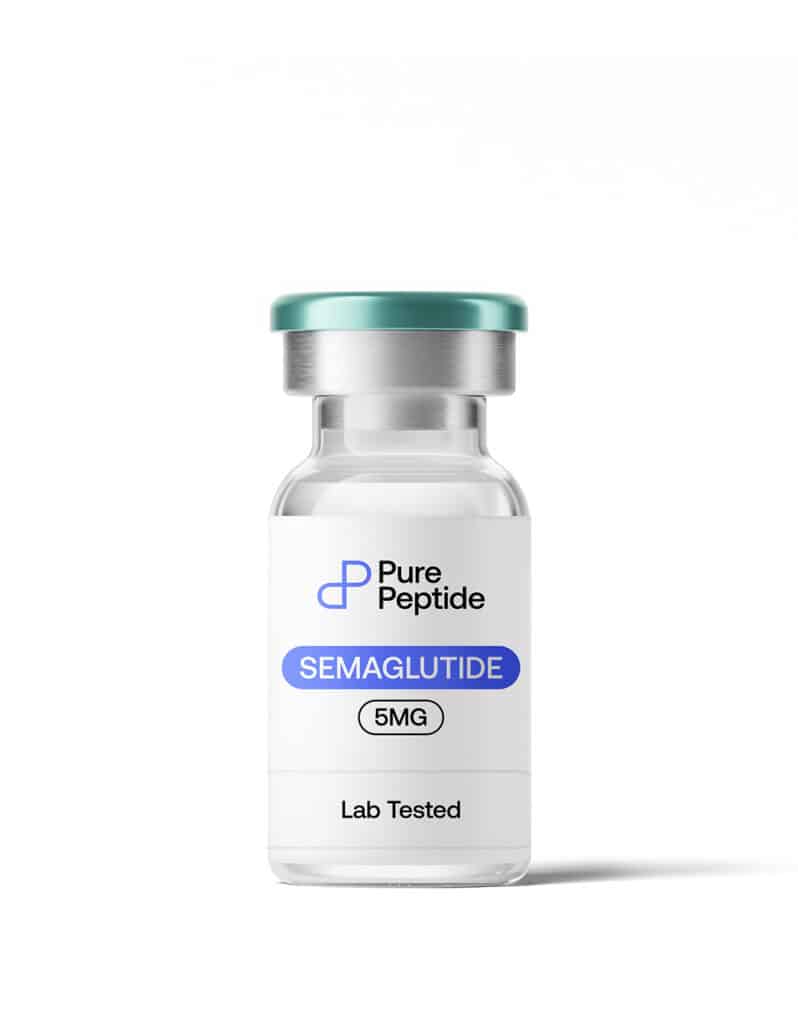
Semaglutide and tirzepatide represent the most potent compounds in this class. Studies show average weight reductions of 15-20% of body weight when combined with lifestyle modifications. Understanding semaglutide’s mechanisms helps users implement proper protocols for optimal results.
The gradual dose escalation protocol minimizes gastrointestinal side effects while allowing metabolic adaptation:
- Begin with minimal effective dose (0.25 mg weekly)
- Maintain initial dose for 4 weeks
- Increase by 0.25-0.5 mg increments monthly
- Monitor tolerance and adjust accordingly
- Reach maintenance dose based on individual response
Growth Hormone Peptides for Fat Oxidation
Growth hormone elevation indirectly promotes fat loss through enhanced lipolysis and improved body composition. The best peptides in this category stimulate hormone release without the side effects associated with synthetic growth hormone administration.
Modified GRF (1-29) combined with growth hormone releasing peptides creates a synergistic effect that maximizes natural hormone pulses. This approach preserves the body's feedback mechanisms while achieving therapeutic hormone elevations conducive to fat metabolism.
Key metabolic benefits include:
- Increased resting metabolic rate
- Enhanced fat oxidation during fasted states
- Improved insulin sensitivity
- Preservation of lean muscle during caloric restriction
- Reduced visceral adiposity
Best Peptides for Anti-Aging and Longevity
Cellular aging involves complex processes including telomere shortening, oxidative stress accumulation, and declining regenerative capacity. The best peptides for longevity target these fundamental mechanisms, potentially extending healthspan and improving age-related biomarkers.

Skin Rejuvenation and Collagen Production
Cosmetic applications represent a rapidly growing peptide segment. Compounds that stimulate collagen synthesis, improve skin elasticity, and reduce oxidative damage demonstrate visible anti-aging effects.
GHK-Cu (copper peptide) enhances wound healing and skin remodeling through multiple mechanisms. This tripeptide increases collagen and elastin production while providing antioxidant protection. Research on GHK-Cu applications confirms improvements in skin thickness, firmness, and wrinkle depth after consistent use.
Topical and injectable formulations offer different benefits. Injectable administration provides systemic effects including improved hair follicle health and enhanced tissue repair, while topical applications concentrate benefits on dermal layers.
Immune Function and Cellular Health
Thymosin Alpha-1 supports immune system optimization and cellular defense mechanisms. This 28-amino acid peptide enhances T-cell function, modulates cytokine production, and improves resistance to pathogens. Longevity-focused protocols often incorporate immune-supporting peptides to maintain robust cellular defenses.
Epitalon represents one of the most researched longevity peptides. Studies suggest it may influence telomerase activity, potentially slowing cellular aging markers. While human research remains limited, preliminary data indicates improvements in melatonin production and circadian rhythm regulation.
Quality Standards and Purity Verification
Peptide effectiveness depends entirely on compound purity and proper handling. The best peptides undergo rigorous testing to verify amino acid sequences, confirm concentration accuracy, and detect contamination. Understanding quality markers helps consumers make informed purchasing decisions.
Testing Methods and Certifications
High-performance liquid chromatography (HPLC) serves as the gold standard for peptide purity verification. This analytical technique separates compounds and quantifies the percentage of active ingredient versus impurities. Premium suppliers provide HPLC reports showing purity levels exceeding 98%.
Mass spectrometry confirms molecular weight and amino acid sequence accuracy. This testing ensures the peptide matches its intended structure without substitutions or deletions. Combined HPLC-MS analysis provides comprehensive quality verification.
| Quality Metric | Standard Threshold | Verification Method | Importance |
|---|---|---|---|
| Purity | ≥98% | HPLC analysis | Ensures potency and reduces side effects |
| Sequence accuracy | 100% match | Mass spectrometry | Confirms correct molecular structure |
| Endotoxin levels | <1 EU/mg | LAL testing | Prevents immune reactions |
| Sterility | No growth | USP sterility test | Eliminates contamination risk |
Independent third-party testing provides additional assurance. The Peptide Alliance’s vendor rankings evaluate suppliers based on testing transparency, certification documentation, and consistent quality metrics.
Storage and Handling Best Practices
Peptide degradation occurs rapidly under improper conditions. Lyophilized (freeze-dried) peptides remain stable at room temperature for short periods but require refrigeration for long-term storage. Once reconstituted, most peptides maintain potency for 28-30 days when refrigerated.
Critical storage guidelines include:
- Store lyophilized peptides at 36-46°F
- Protect from light exposure using amber vials
- Avoid repeated freeze-thaw cycles
- Reconstitute with bacteriostatic water for multi-dose vials
- Use sterile technique during preparation
- Discard after expiration dates
Combining Peptides for Synergistic Effects
Strategic peptide stacking amplifies individual compound benefits through complementary mechanisms. The best peptides for combination protocols target different pathways without competing for the same receptors or causing contradictory effects.
Growth and Recovery Stacks
Combining growth hormone releasing compounds with healing peptides addresses both anabolic and regenerative needs. A typical stack pairs CJC-1295 with ipamorelin for hormone optimization while adding BPC-157 for tissue repair.
This approach maximizes protein synthesis while simultaneously reducing inflammation and accelerating recovery. Athletes report reduced injury frequency and shortened rehabilitation periods when implementing comprehensive peptide protocols.
Timing considerations optimize absorption and effectiveness. Growth hormone releasing peptides work best on an empty stomach, typically upon waking or before bed. Healing peptides like BPC-157 can be administered with meals without significant bioavailability reduction.
Metabolic Optimization Protocols
Weight loss stacks combine appetite suppression with metabolic enhancement. GLP-1 agonists reduce caloric intake while growth hormone peptides preserve lean tissue during caloric restriction.
Exploring comprehensive peptide options allows users to design protocols matching their specific metabolic goals. Advanced protocols may incorporate additional compounds targeting insulin sensitivity or mitochondrial function.
Safety Considerations and Side Effect Management
While the best peptides demonstrate favorable safety profiles compared to many pharmaceutical interventions, understanding potential adverse effects ensures responsible use. Most side effects remain mild and dose-dependent, resolving with protocol adjustments.

Common Adverse Reactions
Growth hormone peptides may cause temporary water retention, joint discomfort, or numbness in extremities. These effects typically diminish as the body adapts to elevated hormone levels. Reducing dosage or splitting administrations often alleviates symptoms.
GLP-1 receptor agonists commonly produce nausea, especially during initial weeks or after dose increases. Gradual titration protocols minimize gastrointestinal disturbances while allowing metabolic adaptation.
Injection site reactions including redness, swelling, or mild pain occur occasionally. Rotating injection locations and ensuring proper sterile technique reduces these occurrences. Severe allergic reactions remain extremely rare but require immediate medical attention.
Medical Supervision and Contraindications
Professional guidance optimizes peptide protocols while identifying potential contraindications. Individuals with active malignancies should avoid growth-promoting compounds until cleared by oncologists. Diabetics require careful monitoring when using peptides affecting glucose metabolism.
Pregnancy and breastfeeding represent absolute contraindications for most research peptides due to insufficient safety data. Cardiovascular conditions may require modified protocols or alternative approaches depending on compound mechanisms.
Blood work monitoring tracks relevant biomarkers during peptide use. IGF-1 levels, glucose homeostasis markers, thyroid function, and lipid panels provide objective data for protocol optimization. Evidence-based peptide information helps users understand appropriate monitoring parameters.
Research and Future Developments
The peptide research landscape continues expanding as scientists identify new compounds and applications. Current investigations explore neuroprotective peptides, bone density enhancement, and targeted cancer therapies. Understanding emerging research helps identify promising future applications.
Clinical Trials and Emerging Compounds
Multiple peptides currently undergo clinical trials for various therapeutic indications. Researchers study thymosin beta-4 derivatives for cardiac repair following myocardial infarction. Other investigations examine peptides targeting neurodegenerative conditions through neuroprotective mechanisms.
The regulatory landscape evolves as more peptides transition from research compounds to approved therapeutics. FDA approval processes require extensive safety and efficacy data, but several peptides have achieved prescription status for specific medical conditions.
Academic institutions continue publishing research on peptide mechanisms and applications, expanding the knowledge base supporting therapeutic use. This growing body of evidence helps practitioners develop more effective protocols and identify optimal use cases.
Personalized Peptide Protocols
Genetic testing and biomarker analysis enable increasingly personalized peptide selection. Understanding individual hormone levels, metabolic markers, and genetic predispositions allows for tailored compound selection and dosing strategies.
The future of peptide therapy likely involves more sophisticated stacking protocols based on comprehensive health assessments. Artificial intelligence applications may soon analyze individual data to recommend optimal peptide combinations for specific goals.
Implementing Effective Peptide Protocols
Success with peptides requires more than compound selection. Proper implementation encompasses reconstitution technique, injection methodology, cycle design, and lifestyle factors that influence results. The best peptides deliver optimal benefits when supported by appropriate protocols.
Reconstitution and Preparation
Lyophilized peptides require reconstitution with bacteriostatic water before administration. The process demands sterile technique to prevent contamination and proper mixing to ensure even distribution.
Step-by-step reconstitution process:
- Cleanse vial stoppers with alcohol swabs
- Draw appropriate volume of bacteriostatic water
- Inject water slowly down vial wall (not directly onto powder)
- Allow gentle mixing without shaking
- Swirl gently if needed to complete dissolution
- Store reconstituted peptide in refrigerator immediately
Calculating proper volumes ensures accurate dosing. Most peptides arrive in 2mg or 5mg vials, requiring mathematical conversion to achieve desired microgram doses per injection.
Cycle Design and Timing
Peptide cycles vary based on goals and compound characteristics. Growth hormone peptides often follow protocols of 3-6 months with periodic breaks to maintain receptor sensitivity. Healing peptides may be used continuously during injury recovery or intermittently for maintenance.
Circadian timing influences peptide effectiveness. Growth hormone releasing compounds work optimally when administered before sleep or upon waking, coinciding with natural hormone pulses. Multiple daily administrations maintain more stable blood levels for compounds with shorter half-lives.
Understanding muscle growth peptide applications helps athletes design cycles supporting their training phases. Bulking, cutting, and recovery periods may benefit from different peptide selections and dosing strategies.
Evaluating Peptide Suppliers and Products
Market growth has attracted both legitimate suppliers and questionable sources. Identifying reputable vendors protects consumers from counterfeit products, contaminated compounds, or inaccurately dosed formulations. The best peptides come from suppliers demonstrating consistent quality and transparency.
Vendor Selection Criteria
Legitimate peptide suppliers provide comprehensive testing documentation for each batch. Certificate of Analysis (COA) documents should include HPLC purity results, mass spectrometry data, and sterility testing from independent laboratories.
Essential supplier characteristics:
- Third-party testing for all products
- Transparent labeling with batch numbers
- Secure payment and shipping systems
- Responsive customer support
- Educational resources and proper disclaimers
Independent peptide vendor reviews compare suppliers across quality metrics, pricing, and customer service factors. These evaluations help consumers navigate the expanding peptide marketplace effectively.
Customer reviews provide insights into product effectiveness and supplier reliability. Consistent feedback regarding results, packaging quality, and shipping practices indicates established operations versus newly formed entities.
Price Versus Quality Considerations
While cost considerations matter, the best peptides justify premium pricing through superior purity and testing. Dramatically discounted products often indicate compromised quality, incorrect dosing, or contamination issues.
Bulk purchasing from verified suppliers reduces per-unit costs while maintaining quality standards. Established relationships with reputable vendors often provide access to loyalty programs or volume discounts without sacrificing compound integrity.
Selecting the best peptides requires understanding your specific health objectives, quality standards, and proper implementation protocols. Whether targeting muscle growth, fat loss, recovery enhancement, or anti-aging benefits, premium peptides combined with evidence-based protocols deliver measurable results. Soma Peptide provides rigorously tested, high-purity compounds backed by comprehensive quality documentation, ensuring you receive effective peptides that meet the highest industry standards for your health optimization journey.