


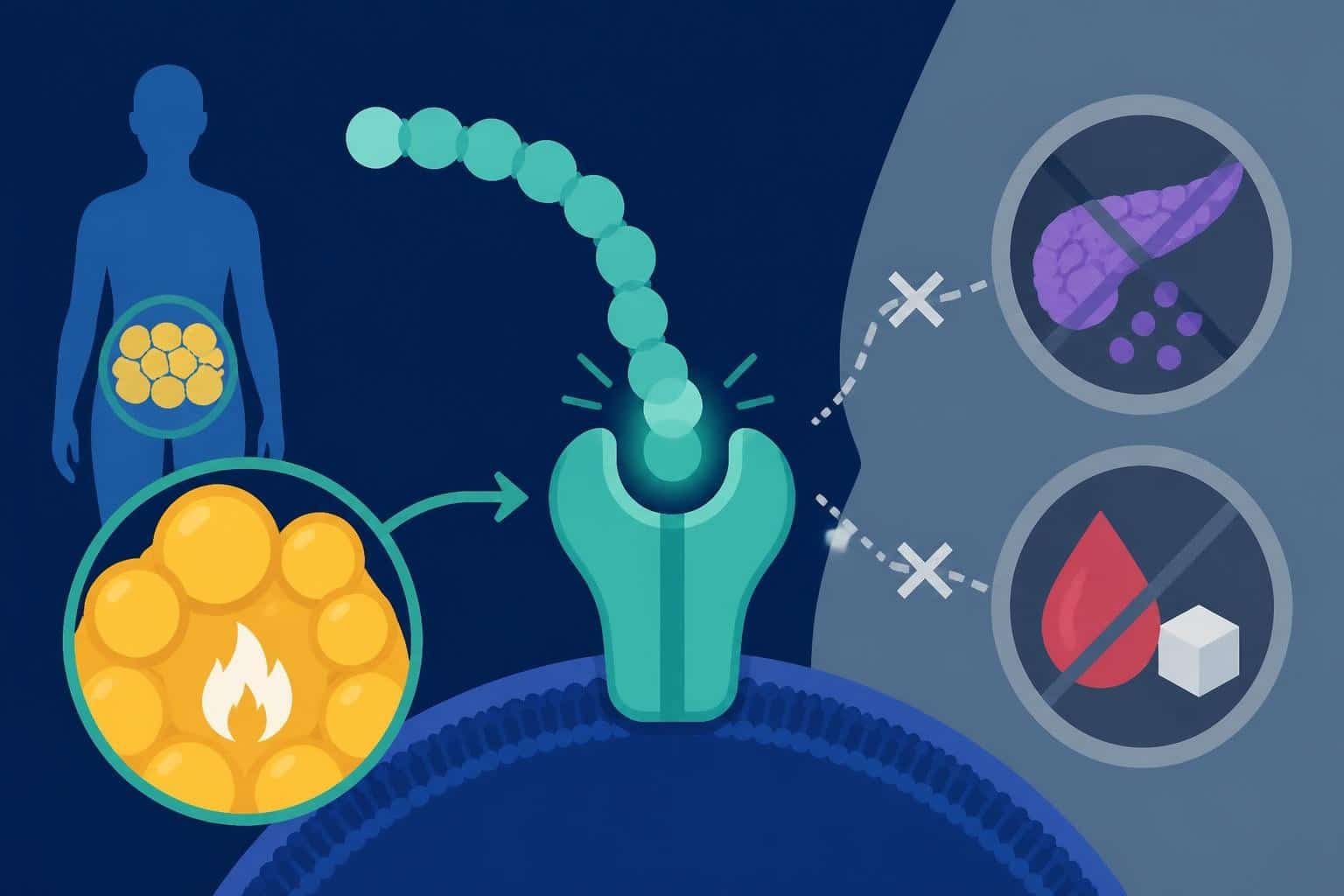
HGH Frag, formally known as HGH Fragment 176-191, represents a modified segment of the human growth hormone molecule specifically engineered to promote lipolysis without triggering the broader metabolic effects associated with full-length growth hormone. This synthetic peptide consists of amino acids 176 through 191 of the 191-amino acid growth hormone chain, isolating the region responsible for fat metabolism while eliminating interactions with insulin sensitivity and blood glucose regulation. As research continues to evolve in 2026, understanding the mechanisms, applications, and evidence surrounding this peptide has become increasingly important for those exploring targeted fat loss strategies.
Understanding the Science Behind HGH Frag
HGH frag operates through a distinct mechanism that differentiates it from complete growth hormone molecules. The peptide binds to beta-3 adrenergic receptors on adipocytes, initiating a cascade of cellular events that promote the breakdown of stored triglycerides into free fatty acids and glycerol. This process, known as lipolysis, allows the body to mobilize fat stores for energy utilization.
Molecular Structure and Function
The fragment's shortened sequence eliminates the N-terminal region of growth hormone responsible for binding to growth hormone receptors. This structural modification produces several key advantages:
- No impact on IGF-1 production or insulin-like growth factor signaling
- Preserved fat-mobilizing properties from the C-terminal domain
- Reduced binding to growth hormone receptors in liver and muscle tissue
- Selective action on adipose tissue without systemic growth effects
Research evidence demonstrates that HGH frag retains approximately 12.5 times the fat-reducing potency of unmodified growth hormone on a per-weight basis, while avoiding hyperglycemia and other metabolic complications.
Comparison with Full-Length Growth Hormone
| Property | HGH Frag 176-191 | Full-Length HGH |
|---|---|---|
| Amino Acids | 15 (positions 176-191) | 191 |
| Lipolytic Effect | High (targeted) | Moderate |
| IGF-1 Increase | None | Significant |
| Insulin Sensitivity | No negative impact | Can impair |
| Blood Glucose | No elevation | May elevate |
| Anabolic Effects | Minimal | Pronounced |
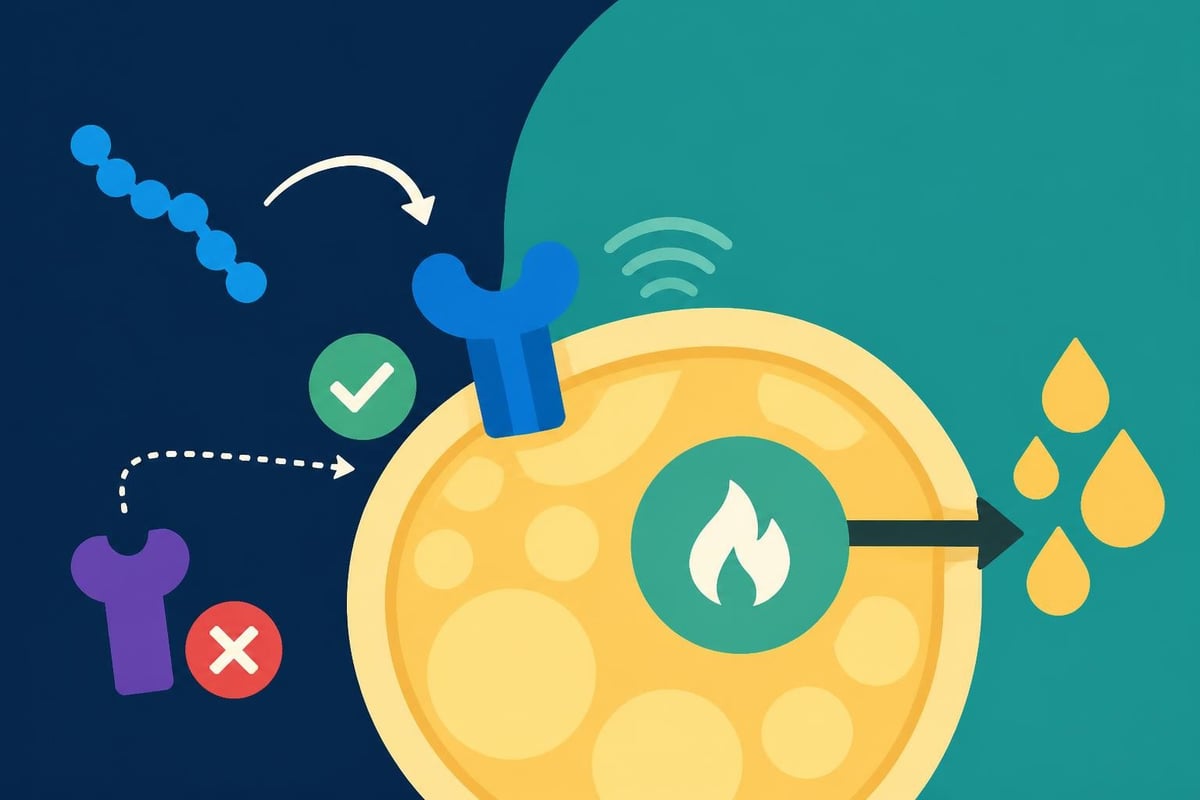
The mechanism of action involves multiple steps at the cellular level, beginning with receptor binding and culminating in the activation of hormone-sensitive lipase, the rate-limiting enzyme in fat breakdown.
Clinical Research and Evidence Quality
The body of evidence surrounding HGH frag has expanded considerably over the past two decades, though most studies remain in preclinical or early-phase human trials. Understanding the current research landscape helps establish realistic expectations about this peptide's capabilities and limitations.
Key Research Findings
Studies examining HGH frag have focused primarily on its effects in animal models and small human cohorts. A compilation of peer-reviewed studies reveals several consistent patterns:
Animal Model Results:
- Dose-dependent reduction in adipose tissue mass
- Enhanced fat oxidation during caloric restriction
- No measurable impact on glucose homeostasis
- Preserved lean body mass during weight loss
Human Clinical Data:
- Modest but measurable fat loss in overweight subjects
- Greater effectiveness when combined with caloric deficit
- Minimal adverse effects reported in short-term trials
- Individual response variability observed
The regulatory status as of 2026 remains investigational in most jurisdictions, with HGH frag not approved by the FDA for medical use. This classification reflects both the limited scope of large-scale human trials and the ongoing need for long-term safety data.
Limitations and Research Gaps
Current evidence contains several notable gaps that warrant consideration. Most published studies utilize relatively short intervention periods, typically ranging from 4 to 12 weeks. Long-term metabolic effects, potential adaptation responses, and sustained fat loss maintenance beyond initial treatment phases remain inadequately characterized.
Critical analysis of research quality identifies common methodological limitations, including small sample sizes, heterogeneous dosing protocols, and insufficient control for confounding variables such as diet composition and exercise regimens.
Practical Applications and Dosing Protocols
For individuals exploring HGH frag as part of a comprehensive body composition strategy, understanding proper administration techniques and timing considerations proves essential for optimizing outcomes while minimizing unnecessary complications.
Standard Dosing Guidelines
Based on available research and practical application patterns observed in clinical settings, typical dosing approaches follow these general parameters:
| Dosing Factor | Recommendation |
|---|---|
| Typical Daily Dose | 250-500 mcg |
| Administration Frequency | 1-2 times daily |
| Preferred Timing | Morning fasted state, pre-exercise |
| Cycle Duration | 3-6 months |
| Injection Route | Subcutaneous |
| Reconstitution | Bacteriostatic water |
The peptide requires refrigeration after reconstitution and maintains stability for approximately 30 days when properly stored between 36-46°F (2-8°C). Some practitioners advocate for divided dosing to maintain more consistent blood levels throughout the day, though evidence comparing single versus split administration remains limited.
Administration Best Practices
Optimal results appear to correlate with strategic timing relative to meals and physical activity. Many protocols recommend administration during fasted periods, as insulin presence may theoretically blunt lipolytic signaling. Common approaches include:
- Morning fasted protocol: Inject upon waking, delay first meal 30-60 minutes
- Pre-workout application: Administer 20-30 minutes before training sessions
- Evening option: Use before bedtime on empty stomach (3+ hours post-meal)

Rotation of injection sites helps prevent lipohypertrophy and ensures consistent absorption. Common areas include the abdomen, thighs, and upper arms, with specific sites rotated every 3-4 injections.
Integration with Comprehensive Fat Loss Strategies
While HGH frag demonstrates fat-mobilizing properties in controlled settings, its effectiveness depends substantially on the broader metabolic context in which it operates. No peptide functions as a standalone solution, and understanding how to integrate this compound within evidence-based nutrition and training frameworks determines real-world outcomes.
Nutritional Considerations
The peptide's mechanism centers on liberating fatty acids from storage, but effective fat loss ultimately requires that these mobilized lipids undergo oxidation for energy. This process demands appropriate caloric positioning and macronutrient distribution:
Caloric Framework:
- Moderate energy deficit (15-25% below maintenance)
- Sufficient protein intake (0.8-1.2g per pound bodyweight)
- Strategic carbohydrate timing around training
- Adequate essential fatty acid provision
Research examining HGH frag’s structural context and research findings emphasizes that the peptide functions as a metabolic facilitator rather than a caloric bypass. Energy balance laws remain operative, and sustained fat loss requires appropriate dietary adherence regardless of peptide intervention.
Exercise Programming Synergies
Physical activity creates metabolic conditions that enhance fatty acid utilization after HGH frag-induced mobilization. Both resistance training and cardiovascular exercise contribute complementary benefits:
- Resistance training preserves lean mass during caloric restriction
- Moderate-intensity cardio enhances fat oxidation capacity
- High-intensity intervals increase post-exercise energy expenditure
- Morning fasted training may amplify lipolytic effects
The combination of HGH frag with structured exercise programming appears more effective than either intervention alone, though controlled comparative studies specifically testing this interaction remain limited.
Safety Profile and Potential Considerations
Understanding the safety characteristics of HGH frag helps individuals make informed decisions and recognize when professional guidance becomes necessary. While the peptide demonstrates a relatively favorable safety profile compared to full-length growth hormone, several considerations merit attention.
Reported Side Effects
The detailed properties and side effect profile indicates that most users tolerate HGH frag well when following standard dosing protocols. Documented adverse effects typically include:
Common (generally mild):
- Injection site reactions (redness, minor swelling)
- Transient headaches during initial use
- Mild lethargy or fatigue in some individuals
- Occasional flushing sensations
Uncommon:
- Increased hunger paradoxically reported in some cases
- Sleep pattern disruptions with evening dosing
- Temporary water retention
- Minor joint discomfort
Serious adverse events appear rare in documented cases, though comprehensive long-term safety data spanning multiple years remains limited. The peptide's selective mechanism eliminates many concerns associated with full growth hormone administration, including insulin resistance development and acromegaly-related complications.
Contraindications and Special Populations
Certain populations should exercise additional caution or avoid HGH frag entirely:
| Population | Consideration |
|---|---|
| Pregnant/Nursing | Insufficient safety data, avoid use |
| Active Cancer | Growth-related peptides require oncologist consultation |
| Type 1 Diabetes | Monitor closely, though glucose impact minimal |
| Adolescents | Open growth plates contraindicate use |
| Kidney Disease | Peptide clearance may be impaired |
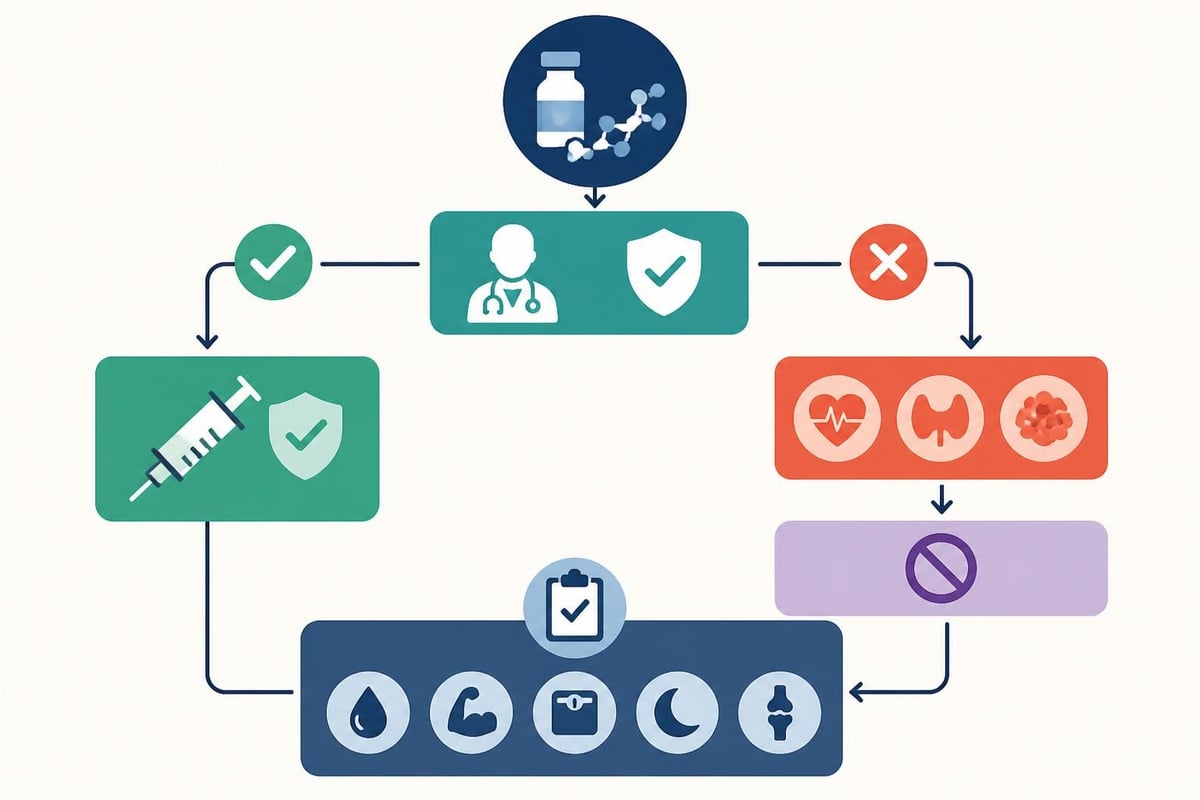
Individuals with existing medical conditions should pursue comprehensive medical evaluation before initiating any peptide protocol. While HGH frag demonstrates better metabolic tolerance than complete growth hormone, appropriate screening ensures safe application.
Combining HGH Frag with Other Compounds
Many individuals explore peptide combinations to address multiple aspects of body composition and metabolic health simultaneously. Understanding potential synergies and interaction considerations helps optimize protocols while avoiding unnecessary complications.
Complementary Peptide Strategies
Several peptides demonstrate mechanisms that may complement HGH frag's lipolytic properties. While direct studies examining specific combinations remain limited, theoretical rationale and practical observations suggest potential benefits from strategic pairing.
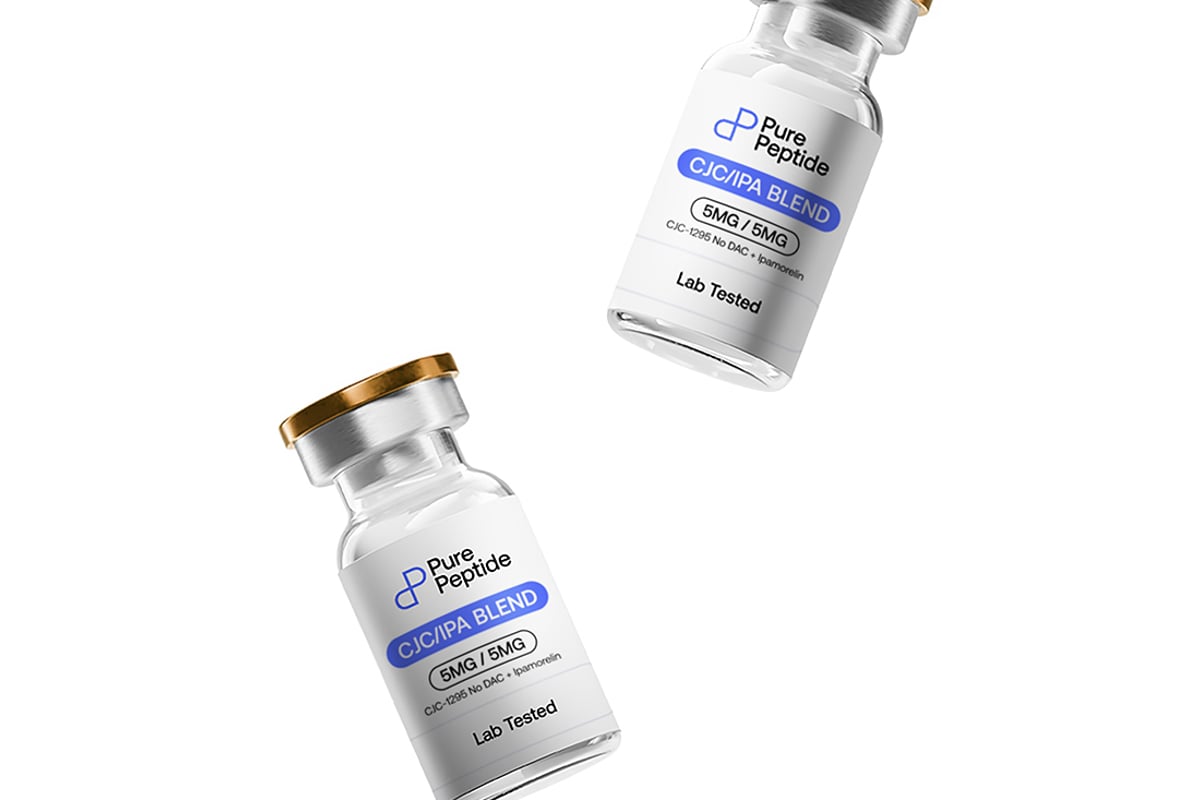
Growth hormone secretagogues like CJC-1295 and Ipamorelin elevate endogenous growth hormone production through different pathways than HGH frag's direct fat-cell targeting. The CJC-1295 NO DAC / Ipamorelin Blend promotes natural growth hormone pulses that may enhance overall metabolic rate and recovery capacity while HGH frag specifically addresses adipose tissue mobilization.
Other peptides address distinct aspects of body composition optimization:
- Recovery-focused compounds: BPC-157 and TB-500 support tissue repair during aggressive training
- Metabolic modulators: MOTS-c enhances cellular energy efficiency
- Lipotropic agents: Certain peptides influence fat distribution patterns
- Anti-aging support: NAD+ promotes cellular function and mitochondrial health
Stacking Considerations and Timing
When combining multiple peptides, strategic timing prevents interference and maintains injection site tolerability:
Timing Separation Guidelines:
- Allow 15-30 minutes between different peptide injections
- Rotate injection sites to prevent localized tissue stress
- Consider morning versus evening administration based on mechanisms
- Monitor cumulative injection frequency for practical sustainability
The comprehensive peptide resources available through specialized providers help individuals navigate complex protocols while maintaining appropriate quality standards. Proper peptide selection, purity verification, and storage protocols prove essential for both safety and effectiveness.
Quality, Purity, and Sourcing Considerations
The effectiveness and safety of HGH frag depend fundamentally on the quality of the peptide itself. Variability in synthesis methods, purification processes, and storage handling creates substantial differences between products marketed under the same name.
Purity Standards and Testing
Pharmaceutical-grade peptides undergo rigorous quality control processes that recreational-grade products may not meet. Key quality indicators include:
Critical Quality Markers:
- HPLC purity testing showing 98%+ primary sequence
- Mass spectrometry confirmation of molecular weight
- Bacterial endotoxin testing (LAL assay)
- Sterility verification for injectable formulations
- Heavy metal screening
- Residual solvent analysis
The certificate of analysis documentation provides transparency regarding product specifications and allows independent verification of peptide identity and purity. Reputable suppliers maintain batch-specific testing and make these results accessible to customers.
Storage and Handling Requirements
Proper storage maintains peptide integrity from manufacturing through administration. HGH frag demonstrates stability under specific conditions but degrades when exposed to inappropriate temperatures or handling:
| Storage Phase | Temperature | Duration | Notes |
|---|---|---|---|
| Lyophilized (powder) | -20°C to -80°C | 2-3 years | Keep desiccated, protect from light |
| Lyophilized (powder) | 2-8°C | 12-18 months | Acceptable short-term |
| Reconstituted | 2-8°C | 28-30 days | Refrigerate immediately |
| Reconstituted | Room temperature | 8-12 hours | Minimize exposure |
Freeze-thaw cycles significantly degrade peptide chains and should be strictly avoided. Once reconstituted, the solution should never be refrozen. Using the peptide calculator helps determine appropriate reconstitution volumes and ensures accurate dosing throughout the vial's usable life.
Realistic Expectations and Individual Response
Setting appropriate expectations based on available evidence prevents disappointment and helps individuals evaluate whether HGH frag aligns with their specific goals and circumstances. The peptide demonstrates measurable effects in controlled settings, but real-world outcomes depend on numerous variables.
Anticipated Results Timeline
Based on detailed database insights and practical application patterns, users typically observe the following progression:
Weeks 1-2:
- Minimal visible changes in most cases
- Possible mild appetite suppression
- Initial adaptation to injection routine
- Establishment of consistent administration timing
Weeks 3-6:
- Gradual improvements in body composition measurements
- Enhanced definition in previously stubborn areas
- Potential improvements in energy levels
- Continued fat mobilization with appropriate diet
Weeks 7-12:
- More pronounced visual changes in responsive individuals
- Maintenance of lean tissue during caloric restriction
- Optimization of protocol adjustments based on individual response
- Assessment of continuation versus cycling off
Individual factors substantially influence outcomes, including baseline body composition, hormonal status, dietary adherence quality, training program effectiveness, stress management, and sleep consistency.
Factors Affecting Individual Response
Response variability represents one of the most consistent findings across peptide research. Several factors explain why identical protocols produce different outcomes across individuals:
- Receptor sensitivity variations: Genetic polymorphisms affect beta-3 adrenergic receptor density and signaling efficiency
- Baseline hormone levels: Existing growth hormone, thyroid, and insulin status influence overall metabolic context
- Body composition starting point: Leaner individuals may experience diminishing returns compared to those with higher body fat
- Lifestyle variables: Sleep quality, stress levels, and overall health status impact peptide effectiveness
- Diet quality and adherence: Consistent nutritional execution proves more influential than peptide choice
The complete research overview emphasizes that HGH frag functions as one component within a comprehensive approach rather than a singular solution. Those achieving optimal results typically demonstrate consistency across multiple health domains simultaneously.
Cost Analysis and Value Considerations
Financial investment in peptide protocols requires thoughtful evaluation of costs relative to expected benefits and alternative approaches. Understanding the complete economic picture helps individuals make informed allocation decisions.
Direct and Indirect Costs
A complete HGH frag protocol involves several cost categories:
Primary Expenses:
- Peptide acquisition (varies significantly by source and quantity)
- Reconstitution supplies (bacteriostatic water, sterile vials)
- Administration materials (insulin syringes, alcohol swabs)
- Proper storage solutions (dedicated refrigerator space)
Secondary Considerations:
- Potential medical consultation and monitoring
- Body composition assessment tools
- Supporting supplements and nutrition
- Time investment in protocol management
A 12-week protocol at standard dosing typically requires 21-45mg total peptide, with costs varying based on source, purity level, and bulk purchasing options. The return policy provisions offered by reputable suppliers provide some protection against defective products, though most peptides cannot be returned once shipped due to temperature sensitivity concerns.
Comparative Value Assessment
When evaluating HGH frag's value proposition, comparison with alternative fat loss approaches provides useful context:
| Approach | Typical Cost (12 weeks) | Effectiveness Level | Sustainability |
|---|---|---|---|
| HGH Frag Protocol | Variable ($200-800) | Moderate (with proper diet) | Medium-term |
| Full GH Therapy | High ($1,500-4,000) | High (broader effects) | Requires monitoring |
| Pharmaceutical Fat Loss Agents | Moderate ($300-1,200) | Varies significantly | Often limited duration |
| Optimized Diet/Training Only | Low ($0-200) | High (with adherence) | Long-term sustainable |
The most cost-effective approach combines evidence-based nutrition and training with strategic peptide enhancement rather than viewing peptides as replacements for fundamental practices. No amount of HGH frag compensates for inconsistent dietary habits or inadequate training stimulus.
HGH frag represents a targeted approach to fat metabolism that demonstrates measurable effects when integrated within comprehensive body composition strategies, though individual outcomes depend substantially on lifestyle factors and baseline metabolic health. For those seeking premium quality peptides with verified purity and rigorous testing standards, Soma Peptide provides access to research-grade compounds supported by transparent analytical documentation, advanced purification methods, and expert guidance to help you navigate your body composition journey with confidence and clarity.