




Understanding the fundamental building blocks of life requires a deep exploration of polypeptide protein structures and their critical roles in biological systems. These molecular chains serve as the backbone of countless physiological processes, from cellular repair to metabolic regulation. As scientific research advances in 2026, the distinction between polypeptides and proteins becomes increasingly important for both researchers and those seeking therapeutic applications. The intricate relationship between amino acid sequences and functional outcomes continues to shape how we approach health optimization, recovery, and longevity.
What Defines a Polypeptide Protein
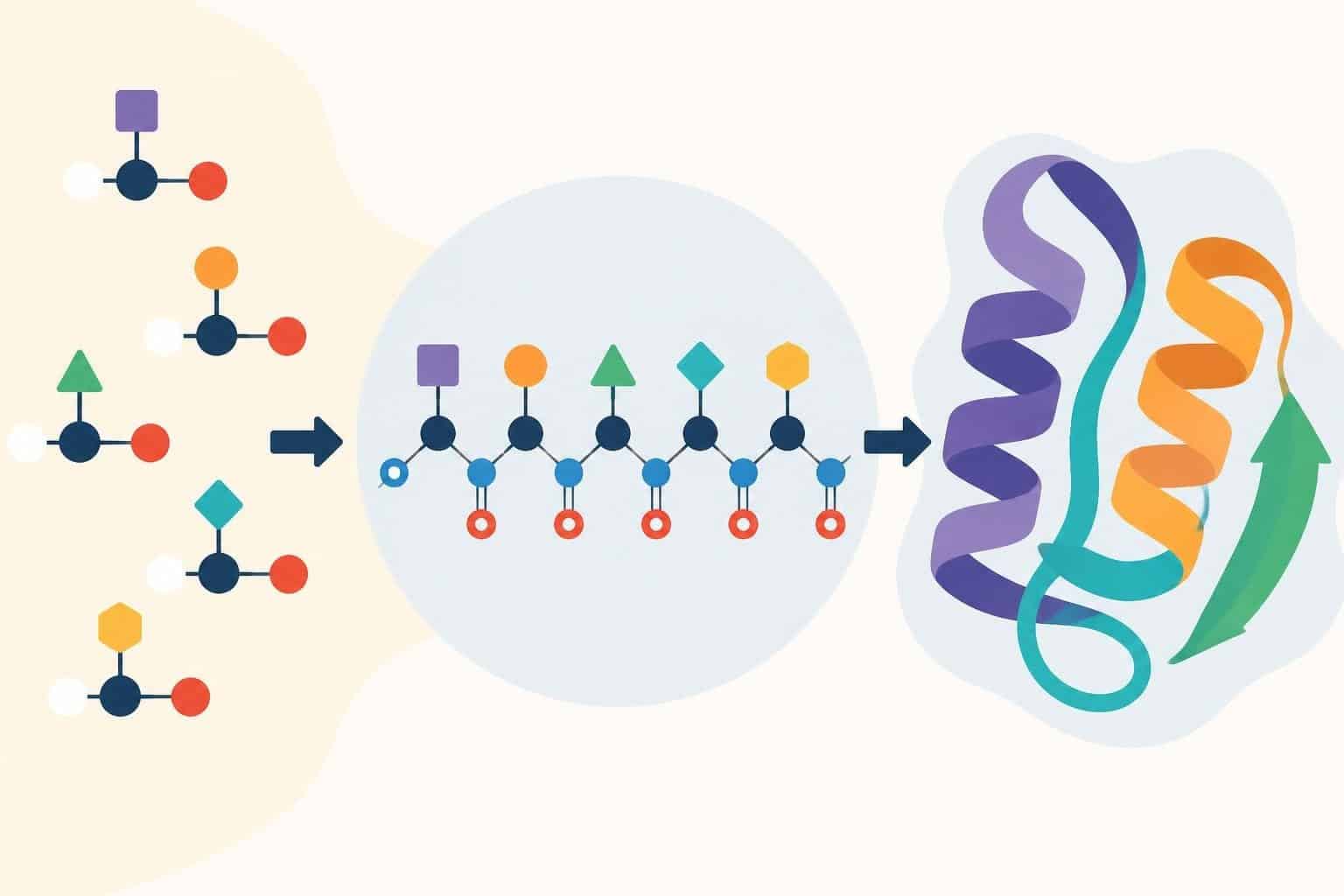
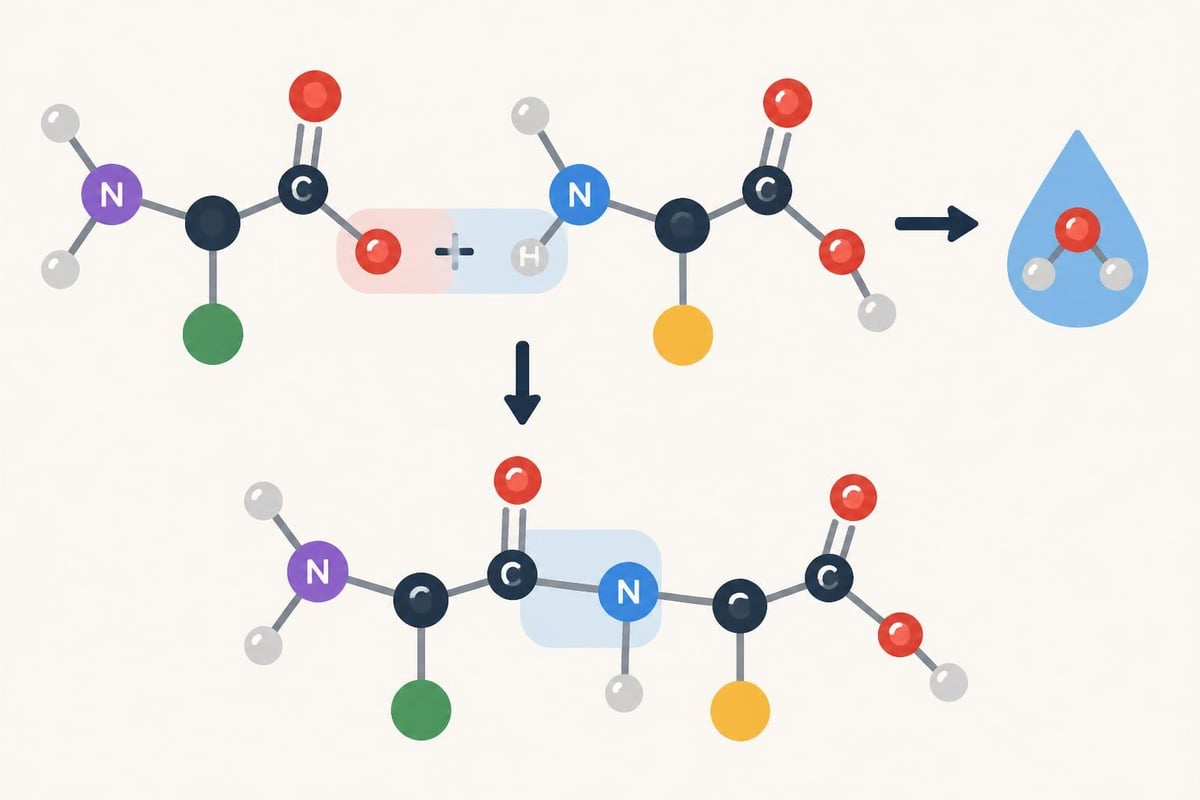
A polypeptide protein represents a fundamental macromolecule composed of amino acids linked together through peptide bonds. The National Cancer Institute defines ‘polypeptide’ as a chain of amino acids that serves as the building block for more complex protein structures. The distinction between a simple polypeptide and a fully functional protein lies primarily in size, structure, and biological activity.
Structural Characteristics
Polypeptide chains exhibit several key structural features:
- Linear sequence of amino acids connected by covalent peptide bonds
- Variable length ranging from dozens to thousands of amino acid residues
- Primary structure determined by genetic encoding
- Capacity to fold into secondary, tertiary, and quaternary structures
The formation of these chains occurs through a precisely orchestrated process called translation, where ribosomes read messenger RNA sequences and catalyze peptide bond formation between successive amino acids. This process demonstrates remarkable accuracy, with error rates typically below one mistake per 10,000 amino acids incorporated.
Size and Complexity Distinctions
The boundary between peptides, polypeptides, and proteins remains somewhat flexible in scientific literature. Generally, chains containing fewer than 50 amino acids are classified as peptides, while those exceeding this threshold enter polypeptide territory. When a polypeptide protein achieves functional three-dimensional conformation and biological activity, it earns full protein designation.
| Classification | Amino Acid Count | Functional Status | Examples |
|---|---|---|---|
| Peptide | 2-50 residues | Limited or specific | Oxytocin, vasopressin |
| Polypeptide | 50-300 residues | Intermediate | Insulin precursor, small enzymes |
| Protein | 300+ residues | Fully functional | Hemoglobin, antibodies |
This classification system helps researchers and practitioners understand the complexity and potential applications of different molecular chains. Biology Online provides an in-depth explanation of how these distinctions manifest in biological systems.
Biosynthesis and Formation Mechanisms
The creation of polypeptide protein structures represents one of the most fundamental processes in cellular biology. Every cell in the human body continuously synthesizes these molecules to maintain life, repair damage, and respond to environmental challenges.
The Translation Process
Protein biosynthesis occurs in three distinct phases: initiation, elongation, and termination. During initiation, ribosomal subunits assemble on messenger RNA at the start codon. Research examining polypeptide chain elongation reveals the intricate mechanisms that ensure accuracy during this critical process.
Key steps in polypeptide synthesis:
- Initiation – Ribosome binds to mRNA start codon
- Elongation – Sequential amino acid addition via tRNA delivery
- Peptide bond formation – Catalyzed by ribosomal peptidyl transferase
- Translocation – Ribosome moves to next codon
- Termination – Release factors recognize stop codons
- Folding – Polypeptide assumes functional conformation
The elongation phase proceeds at remarkable speed, with bacterial ribosomes incorporating approximately 20 amino acids per second. Human ribosomes operate more slowly at roughly 6 amino acids per second, allowing additional time for proper folding and quality control.
Post-Translational Modifications
Once a polypeptide protein chain emerges from the ribosome, it typically undergoes various modifications that enhance functionality or direct cellular localization. These modifications include phosphorylation, glycosylation, acetylation, and proteolytic cleavage.
Phosphorylation serves as a critical regulatory mechanism, activating or deactivating enzymes in response to cellular signals. Glycosylation involves adding carbohydrate groups, often essential for proper protein folding and cellular recognition. These modifications can dramatically alter a polypeptide's properties without changing its underlying amino acid sequence.
Structural Levels and Folding Patterns
The journey from linear polypeptide protein chain to functional three-dimensional structure involves multiple organizational levels, each contributing to ultimate biological activity.
Primary Through Quaternary Structure
Primary structure represents the linear amino acid sequence dictated by genetic code. This sequence determines all subsequent folding patterns through the chemical properties of individual amino acids. Hydrophobic residues tend to cluster away from aqueous environments, while hydrophilic residues orient toward water-rich surroundings.
Secondary structure emerges as the backbone adopts regular patterns like alpha helices and beta sheets. These structures form through hydrogen bonding between backbone atoms, creating stable, recurring motifs. Alpha helices appear as right-handed spirals, while beta sheets consist of extended strands lying adjacent to one another.
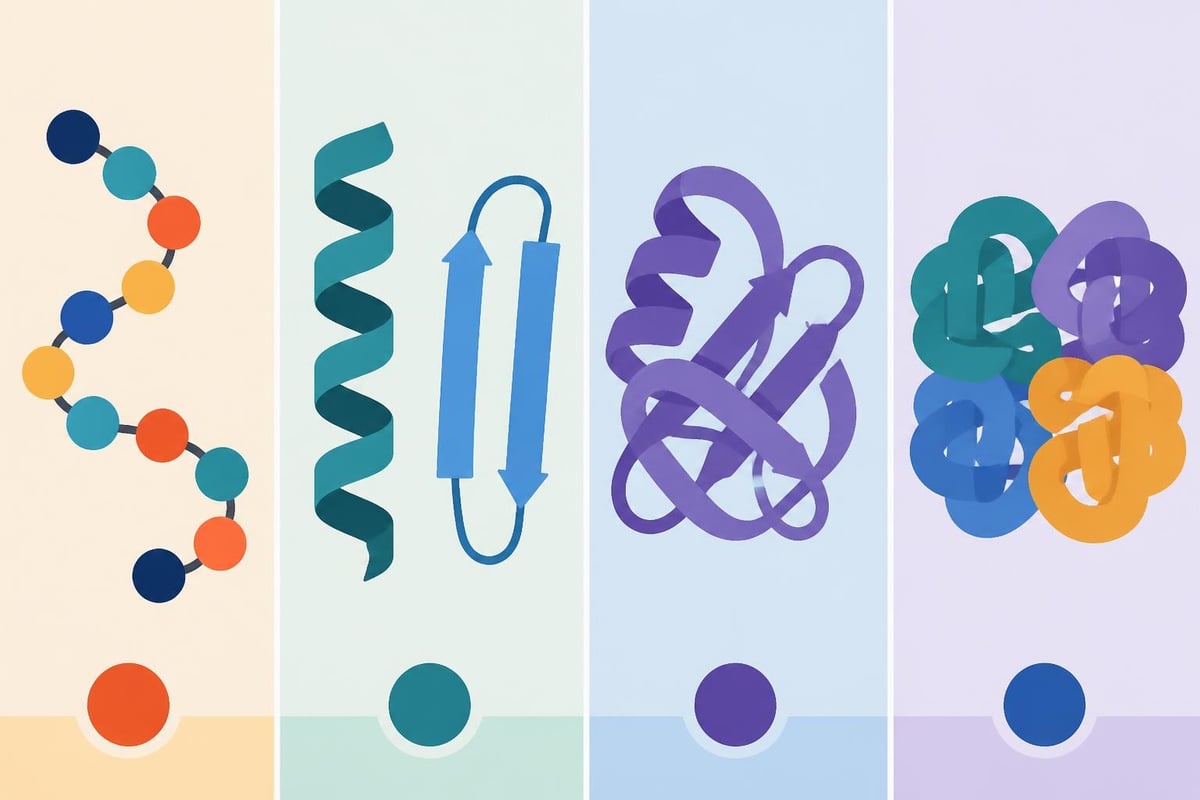
Tertiary structure describes the complete three-dimensional arrangement of a single polypeptide protein chain. This level incorporates all secondary structure elements plus additional folding driven by interactions between amino acid side chains. Disulfide bonds between cysteine residues often stabilize tertiary structures.
Quaternary structure applies only to proteins comprising multiple polypeptide subunits. Hemoglobin exemplifies this level, consisting of four separate chains that must associate properly to transport oxygen efficiently.
Folding Dynamics and Chaperones
Proper folding represents a critical challenge for cells. Research on polypeptide chain aggregation demonstrates how misfolding can lead to protein aggregation and disease states. Molecular chaperones assist folding by preventing inappropriate interactions and providing protected environments for nascent polypeptides.
The complexity of achieving correct conformation increases exponentially with chain length. A polypeptide protein containing 100 amino acids theoretically could adopt more conformations than atoms exist in the universe. Yet cells accomplish proper folding within seconds to minutes through thermodynamic favorability and chaperone assistance.
Functional Roles in Biological Systems
Polypeptide protein molecules execute virtually every biological function necessary for life. Their structural diversity enables remarkable functional versatility across all living organisms.
Enzymatic Catalysis
Enzymes represent specialized proteins that accelerate chemical reactions by factors of millions or billions. These catalytic polypeptides achieve specificity through precisely shaped active sites that complement substrate molecules. The induced fit model explains how enzymes undergo conformational changes upon substrate binding, optimizing catalytic efficiency.
Major enzyme classes and functions:
- Oxidoreductases – Catalyze electron transfer reactions
- Transferases – Move functional groups between molecules
- Hydrolases – Break bonds using water molecules
- Lyases – Form or break double bonds
- Isomerases – Rearrange molecular structures
- Ligases – Join molecules using ATP energy
Metabolic pathways depend entirely on sequential enzyme action, with each polypeptide protein catalyst controlling reaction rate and direction. Without enzymatic acceleration, most biochemical reactions would proceed too slowly to sustain life.
Structural Support and Movement
Structural proteins provide mechanical support and shape to cells and tissues. Collagen, the most abundant protein in mammals, consists of three polypeptide chains wound into a triple helix. This arrangement creates exceptional tensile strength in connective tissues, skin, and bones.
Contractile proteins like actin and myosin generate movement through coordinated conformational changes. These polypeptide protein complexes convert chemical energy from ATP into mechanical work, enabling muscle contraction and cellular motility. The precision of their interaction determines the efficiency and control of movement at all scales.
Therapeutic Applications and Peptide Innovation
The understanding of polypeptide protein structures has revolutionized therapeutic development. Peptide-based treatments offer targeted approaches to addressing metabolic dysfunction, tissue repair, and age-related decline.
Growth Hormone Regulation
Several therapeutic polypeptides influence growth hormone pathways to support various health objectives. These compounds work by mimicking natural signaling molecules or modulating hormone release patterns. Growth hormone-releasing peptides have shown promise for supporting muscle retention, metabolic health, and recovery processes.
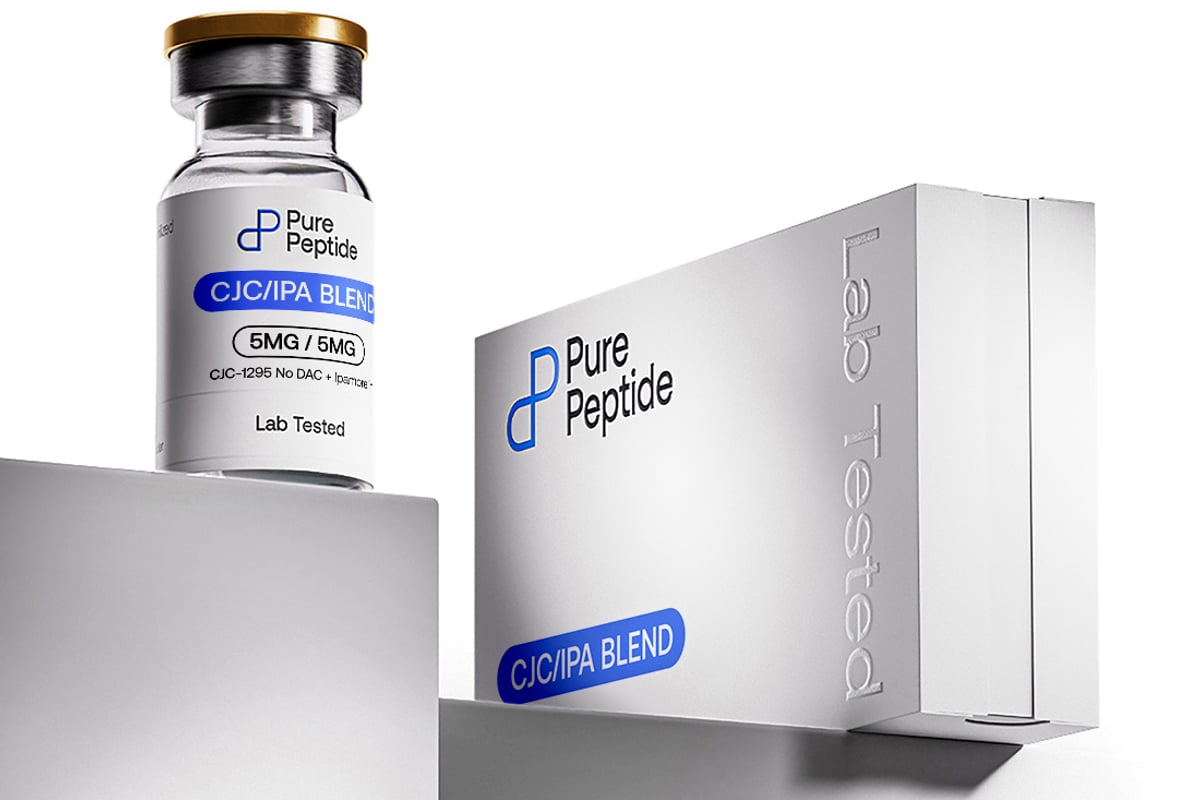
For individuals seeking synergistic approaches to growth hormone optimization, specialized formulations provide complementary mechanisms. CJC-1295 NO DAC / Ipamorelin Blend combines two growth hormone-releasing peptides that work through different pathways, potentially amplifying natural GH secretion while maintaining physiological balance.
Tissue Repair and Recovery
Certain polypeptide protein sequences demonstrate remarkable capacity to accelerate healing and tissue regeneration. These peptides interact with cellular receptors to upregulate repair mechanisms, reduce inflammation, and enhance blood flow to damaged areas. Applications span from sports injuries to surgical recovery and chronic conditions affecting connective tissues.
Studies on peptide biochemistry reveal how specific amino acid sequences trigger cascades of cellular responses that promote healing. The stability and bioavailability of synthetic polypeptides make them attractive alternatives to whole protein therapeutics in many contexts.
Quality Considerations in Peptide Formulations
The effectiveness of therapeutic polypeptide protein products depends critically on purity, stability, and proper formulation. Manufacturing standards and testing protocols ensure that peptides maintain biological activity and safety profiles.
Purity and Analytical Testing
Critical quality parameters for peptide products:
- Sequence accuracy – Confirmed through mass spectrometry
- Purity percentage – Typically ≥98% for research-grade peptides
- Peptide content – Actual active ingredient per milligram
- Sterility – Freedom from microbial contamination
- Endotoxin levels – Below specified thresholds
- pH and stability – Appropriate for biological activity
Advanced purification methods like high-performance liquid chromatography (HPLC) separate target polypeptides from synthesis byproducts and impurities. Multiple purification cycles may be necessary to achieve pharmaceutical-grade purity levels. Soma Peptide employs rigorous purification protocols to ensure consistent quality across all formulations.
Storage and Stability Factors
Polypeptide protein stability varies based on sequence composition, formulation, and storage conditions. Most lyophilized peptides remain stable for extended periods when stored at appropriate temperatures, typically between 2°C and 8°C. Reconstituted solutions generally require more careful handling and shorter storage windows.
| Storage Condition | Lyophilized Stability | Reconstituted Stability |
|---|---|---|
| Room Temperature (20-25°C) | 2-4 weeks | 24-48 hours |
| Refrigerated (2-8°C) | 6-12 months | 7-14 days |
| Frozen (-20°C) | 1-2 years | 30-60 days |
| Ultra-cold (-80°C) | 2-3 years | 3-6 months |
Exposure to light, repeated freeze-thaw cycles, and pH extremes can degrade polypeptide structures. Proper handling protocols preserve biological activity and ensure consistent therapeutic outcomes.
Design and Engineering of Polypeptide Proteins
Modern biotechnology enables rational design of polypeptide protein sequences optimized for specific functions. This capability has accelerated therapeutic development and expanded potential applications.
Computational Design Approaches
Research on rational polypeptide design demonstrates how computational methods identify stable structural motifs and predict folding patterns. Machine learning algorithms now analyze vast databases of protein structures to identify relationships between sequence and function.
Design strategies include:
- De novo design – Creating entirely new sequences for desired functions
- Directed evolution – Iteratively improving existing sequences
- Domain shuffling – Combining functional modules from different proteins
- Chemical modification – Incorporating non-natural amino acids
These approaches enable creation of polypeptide protein variants with enhanced stability, specificity, or potency compared to naturally occurring counterparts. Therapeutic peptides often incorporate modifications that resist enzymatic degradation or improve cellular uptake.
Synthesis Methods and Scalability
Solid-phase peptide synthesis (SPPS) remains the dominant method for producing polypeptides up to approximately 50 amino acids. This technique builds chains by sequentially adding protected amino acids to a growing chain anchored to solid resin. After synthesis completion, protecting groups are removed and the polypeptide protein is cleaved from the resin.
For longer sequences, recombinant DNA technology offers advantages. Genetically engineered bacteria or yeast express target polypeptides, which are then harvested and purified. This approach becomes more cost-effective for large-scale production of longer chains.
Analytical Techniques for Characterization
Accurate characterization of polypeptide protein structures requires sophisticated analytical methods. These techniques confirm identity, assess purity, and detect potential degradation or modifications.
Mass Spectrometry Applications
Mass spectrometry provides definitive identification by measuring the precise mass-to-charge ratio of polypeptide ions. Modern instruments achieve resolution sufficient to distinguish single amino acid differences or post-translational modifications. Tandem mass spectrometry sequences peptides by fragmenting them and analyzing the resulting pieces.
Common mass spectrometry techniques:
- MALDI-TOF (Matrix-Assisted Laser Desorption/Ionization Time-of-Flight)
- ESI-MS (Electrospray Ionization Mass Spectrometry)
- LC-MS/MS (Liquid Chromatography tandem Mass Spectrometry)
These methods detect impurities, degradation products, and verify sequence accuracy with exceptional sensitivity. Wikipedia’s comprehensive peptide article explains how these analytical approaches contribute to peptide characterization.
Chromatographic Methods
High-performance liquid chromatography separates polypeptide protein mixtures based on chemical properties like hydrophobicity, charge, or size. Reversed-phase HPLC is particularly valuable for purity assessment, generating chromatograms that reveal the percentage of target peptide versus impurities.
Analytical HPLC confirms batch-to-batch consistency and detects degradation over time. For quality assurance, certificate of analysis documentation provides detailed chromatographic data demonstrating product purity and identity.
Emerging Applications and Research Directions
The field of polypeptide protein therapeutics continues expanding as researchers discover new biological targets and develop innovative delivery methods. Current trends point toward increasingly sophisticated applications across diverse health domains.
Personalized Medicine Approaches
Genetic profiling enables identification of individuals who may respond optimally to specific polypeptide interventions. Variations in receptor expression, metabolic enzymes, and signaling pathways influence therapeutic outcomes. Personalized approaches consider these individual differences to optimize peptide selection and dosing.
Pharmacogenomic testing may eventually guide peptide therapy decisions, similar to how genetic markers inform drug selection in oncology. This precision approach promises enhanced efficacy and reduced side effects compared to one-size-fits-all protocols.
Nanotechnology Integration
Researchers are developing nanoparticle delivery systems that protect polypeptide protein molecules from degradation while targeting specific tissues or cells. These carriers can respond to environmental triggers like pH changes or enzyme activity, releasing their peptide cargo precisely where needed.
Advantages of nanoparticle delivery:
- Enhanced stability in biological fluids
- Controlled release kinetics
- Targeted tissue accumulation
- Reduced off-target effects
- Improved bioavailability
Such technologies may transform how therapeutic polypeptides are administered, potentially enabling oral delivery of peptides that currently require injection.
Safety Profiles and Considerations
Understanding the safety characteristics of polypeptide protein therapeutics informs appropriate use and risk management. Most therapeutic peptides exhibit favorable safety profiles due to their specific mechanisms and biological degradation pathways.
Metabolic Breakdown
Unlike small molecule drugs that may require hepatic metabolism through cytochrome P450 enzymes, polypeptides undergo enzymatic breakdown into constituent amino acids. These amino acids then enter normal metabolic pools for reuse in protein synthesis or energy production. This natural degradation pathway typically reduces concerns about toxic accumulation or metabolite formation.
Factors influencing peptide safety:
| Factor | Impact on Safety | Considerations |
|---|---|---|
| Sequence specificity | Determines receptor interactions | Off-target binding potential |
| Dosing frequency | Affects steady-state levels | Accumulation risks |
| Administration route | Influences systemic exposure | Local versus systemic effects |
| Individual sensitivity | Varies by physiology | Monitoring requirements |
The specificity of polypeptide protein interactions with biological targets generally translates to predictable effects and manageable side effect profiles. Most adverse events relate to excessive activation of intended pathways rather than unpredictable toxicity.
Individual Response Variability
Genetic differences, health status, and concurrent medications can influence how individuals respond to peptide therapeutics. Receptor density variations affect sensitivity, while differences in peptidase activity alter how quickly polypeptides are metabolized. Monitoring individual responses allows for dosing adjustments that optimize benefits while minimizing risks.
Healthcare providers should consider comprehensive health assessments before initiating peptide protocols, particularly for individuals with complex medical histories or multiple concurrent therapies.
Polypeptide protein structures represent the fundamental workhorses of biological systems, executing critical functions from catalysis to cellular communication. Understanding their formation, structure, and function provides essential context for appreciating therapeutic applications. Whether you're seeking to optimize recovery, support metabolic health, or address age-related changes, working with high-quality peptide formulations makes a significant difference in outcomes. Soma Peptide provides rigorously tested polypeptide products backed by advanced purification methods and comprehensive quality documentation, ensuring you receive compounds that meet the highest standards for purity and efficacy. Explore the range of premium peptide options designed to support your specific health and performance goals.