


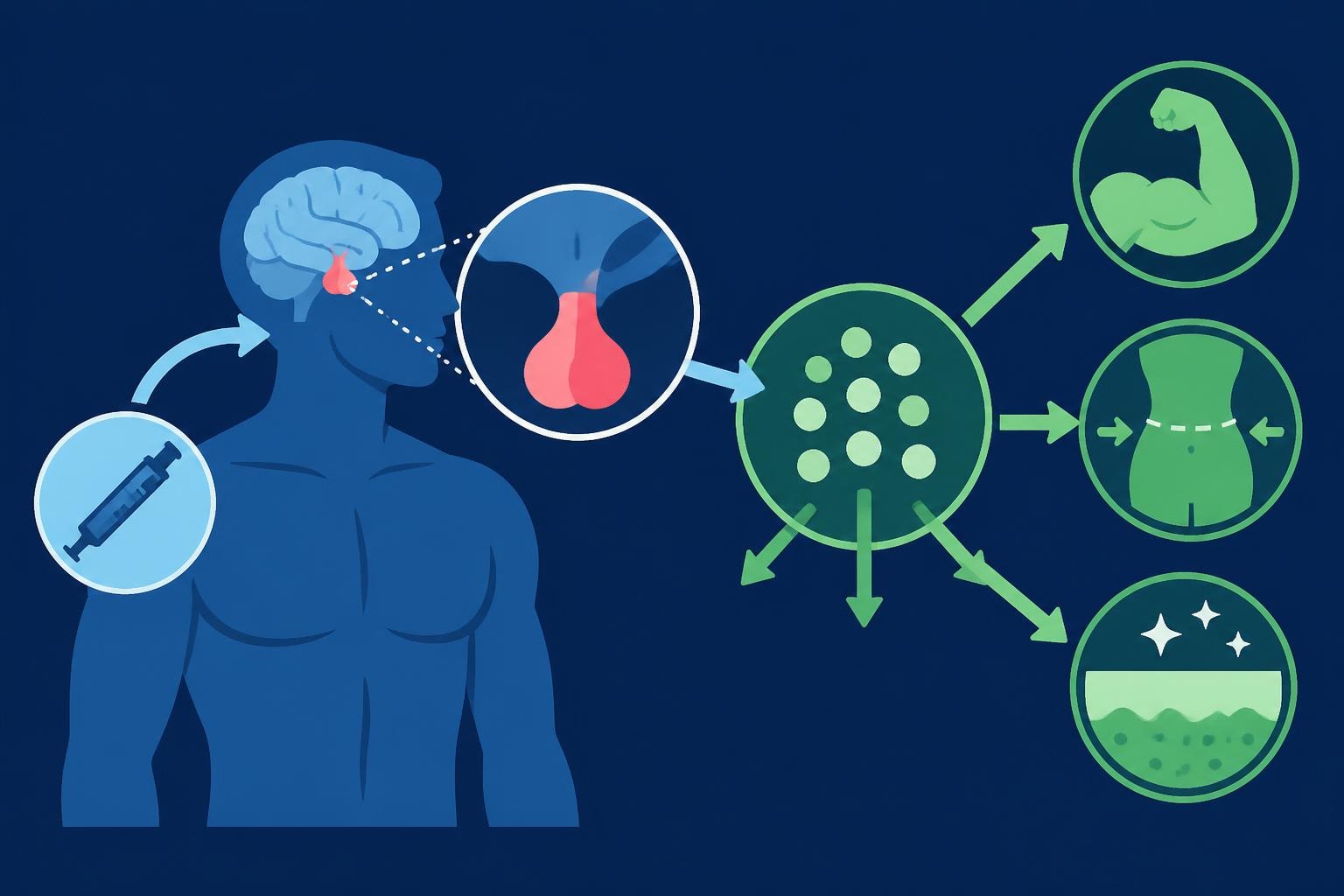
Growth hormone optimization has become a focal point for individuals seeking enhanced physical performance, accelerated recovery, and anti-aging benefits. HGH peptides represent a sophisticated approach to stimulating the body's natural growth hormone production, offering advantages over synthetic human growth hormone while maintaining efficacy. These specialized peptides work by targeting specific receptors in the pituitary gland, triggering endogenous hormone release rather than introducing external hormones into the system. Understanding how these compounds function, their various classifications, and proper implementation strategies is essential for anyone considering peptide therapy as part of their health optimization protocol.
Understanding Growth Hormone Releasing Peptides
Growth hormone releasing peptides (GHRPs) constitute a family of synthetic peptides designed to stimulate the pituitary gland's natural production of growth hormone. Unlike exogenous HGH injections, these peptides leverage the body's existing biological pathways. Research on the physiology of growth hormone demonstrates how these compounds interact with specific receptors to initiate hormone cascades.
The mechanism of action centers on mimicking ghrelin, the hunger hormone, which also plays a crucial role in growth hormone secretion. When hgh peptides bind to ghrelin receptors (GHSR-1a) in the hypothalamus and pituitary gland, they trigger a signaling cascade that results in GH release. This process occurs in pulsatile waves, similar to natural hormone secretion patterns, which helps maintain the body's regulatory feedback mechanisms.
Categories of HGH Peptides
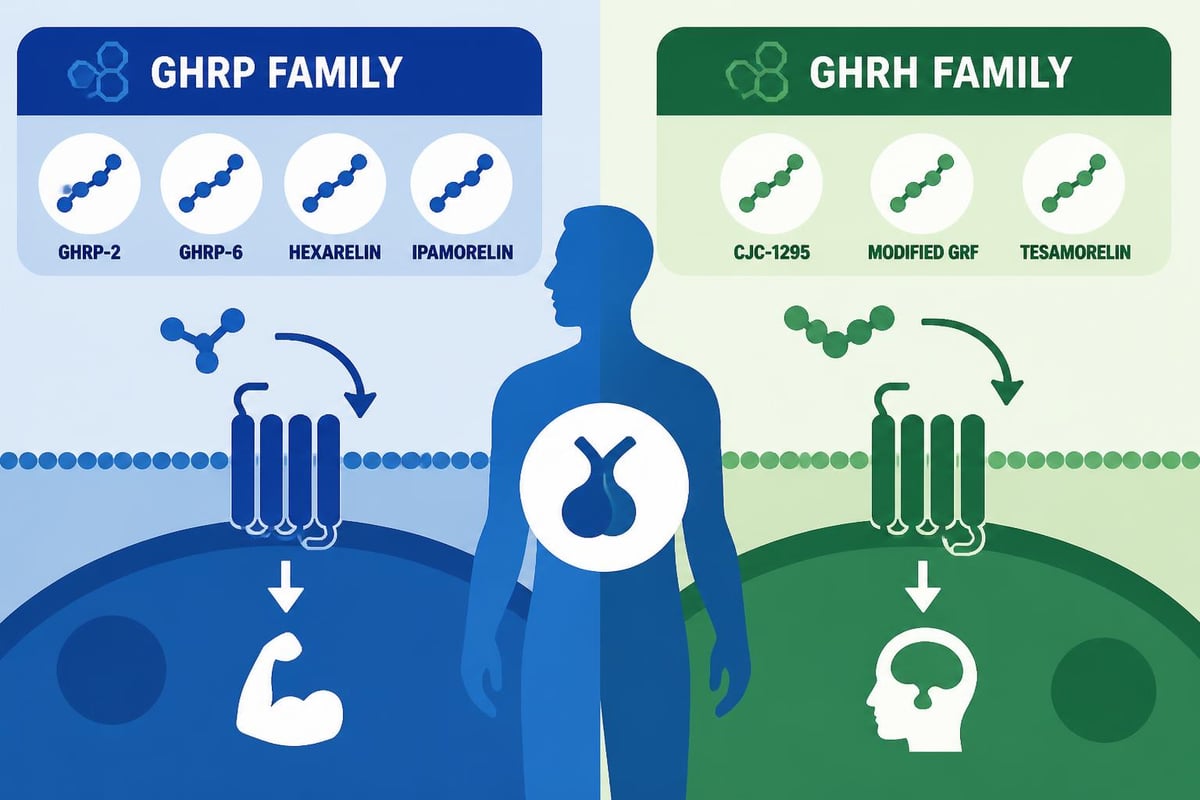
The peptide landscape includes several distinct categories, each with unique characteristics and applications:
GHRP Family:
- GHRP-2: Moderate ghrelin mimetic with strong GH release
- GHRP-6: Powerful secretagogue with increased appetite effects
- Hexarelin: Most potent GHRP with cardiac benefits
- Ipamorelin: Selective agonist with minimal side effects
GHRH Family:
- CJC-1295: Long-acting growth hormone releasing hormone analog
- Modified GRF (1-29): Short-acting GHRH variant
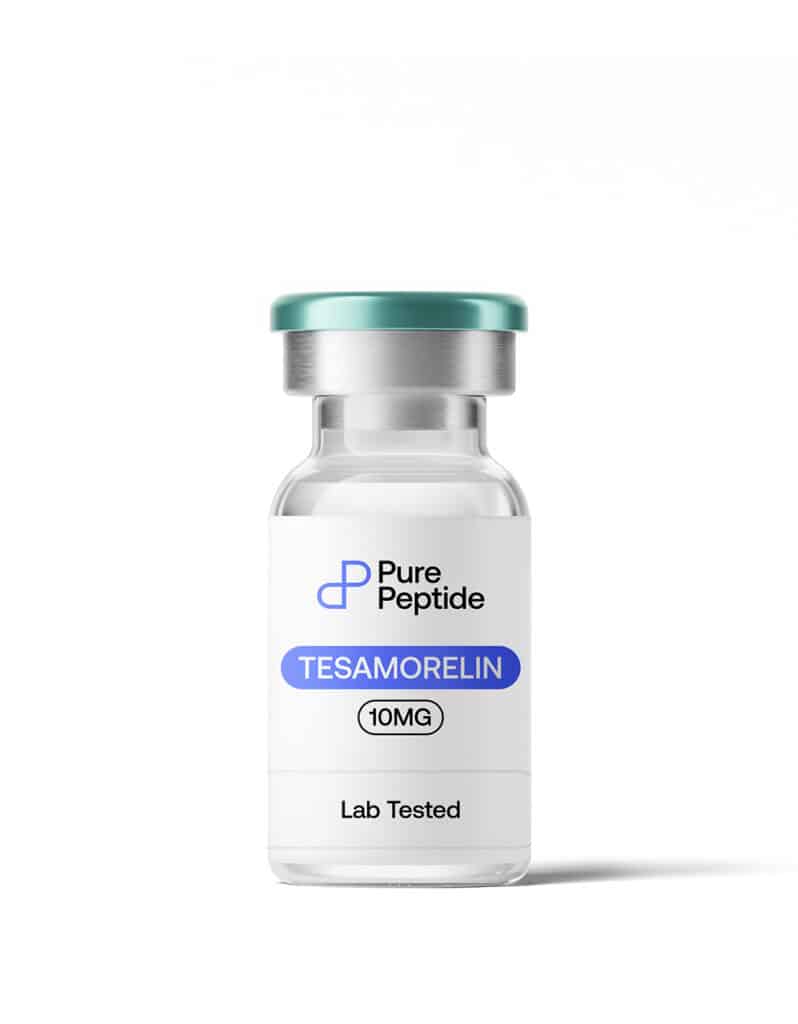
- Tesamorelin: FDA-approved for lipodystrophy treatment
Each category serves specific therapeutic objectives. Studies examining peptide structures and kinetics reveal how molecular modifications affect binding affinity, half-life, and overall efficacy.
Physiological Benefits and Applications
The therapeutic applications of hgh peptides extend across multiple domains of health and performance optimization. Clinical evidence supports their use in various contexts, from athletic performance to metabolic health management.
Body Composition and Metabolic Effects
Growth hormone exerts profound effects on body composition through multiple pathways. Enhanced lipolysis leads to reduced body fat, particularly visceral adipose tissue. Evidence regarding HGH for weight loss suggests peptides may offer similar benefits with fewer complications than synthetic hormone replacement.
Simultaneously, protein synthesis acceleration promotes lean muscle development. This dual action creates favorable recomposition effects even without significant dietary changes, though optimal results require proper nutrition and training protocols.
| Metabolic Parameter | Effect | Timeframe |
|---|---|---|
| Fat oxidation | 15-20% increase | 4-8 weeks |
| Lean mass gain | 2-4 kg | 12-16 weeks |
| Insulin sensitivity | Improved | 8-12 weeks |
| Resting metabolism | 5-10% elevation | 6-10 weeks |
Recovery and Tissue Repair
Hgh peptides demonstrate remarkable capacity for accelerating recovery processes. Elevated growth hormone levels enhance collagen synthesis, supporting connective tissue repair in tendons, ligaments, and cartilage. Athletes using these compounds frequently report reduced recovery times between training sessions and improved resilience against overuse injuries.
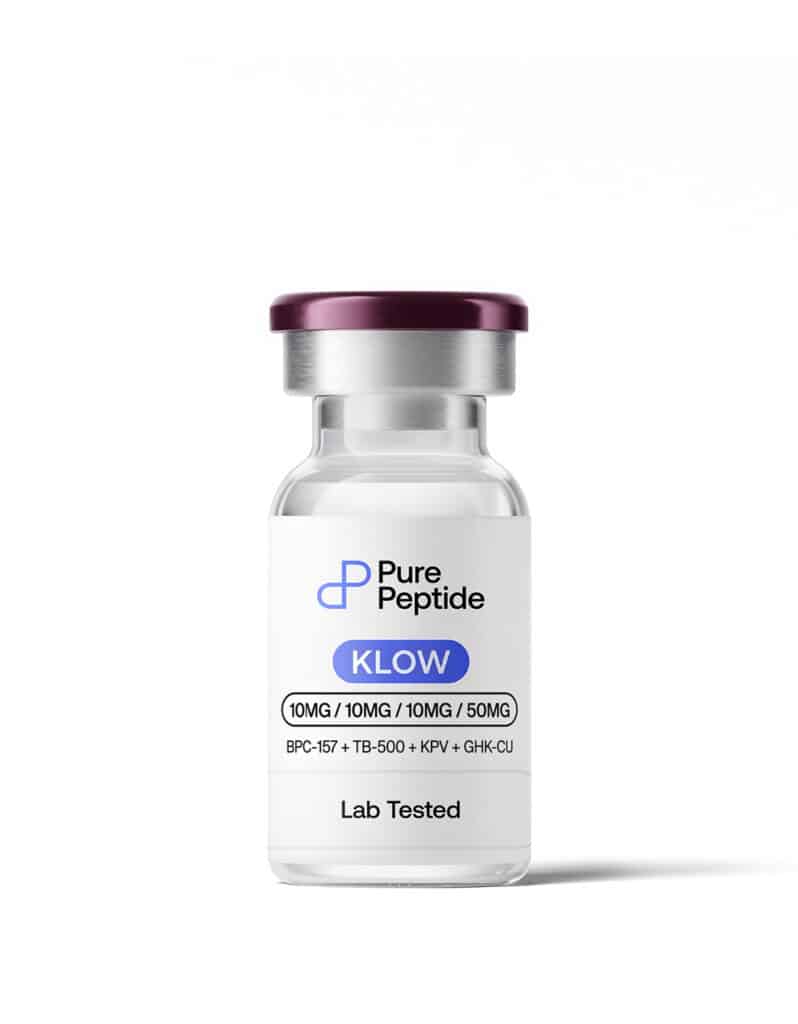
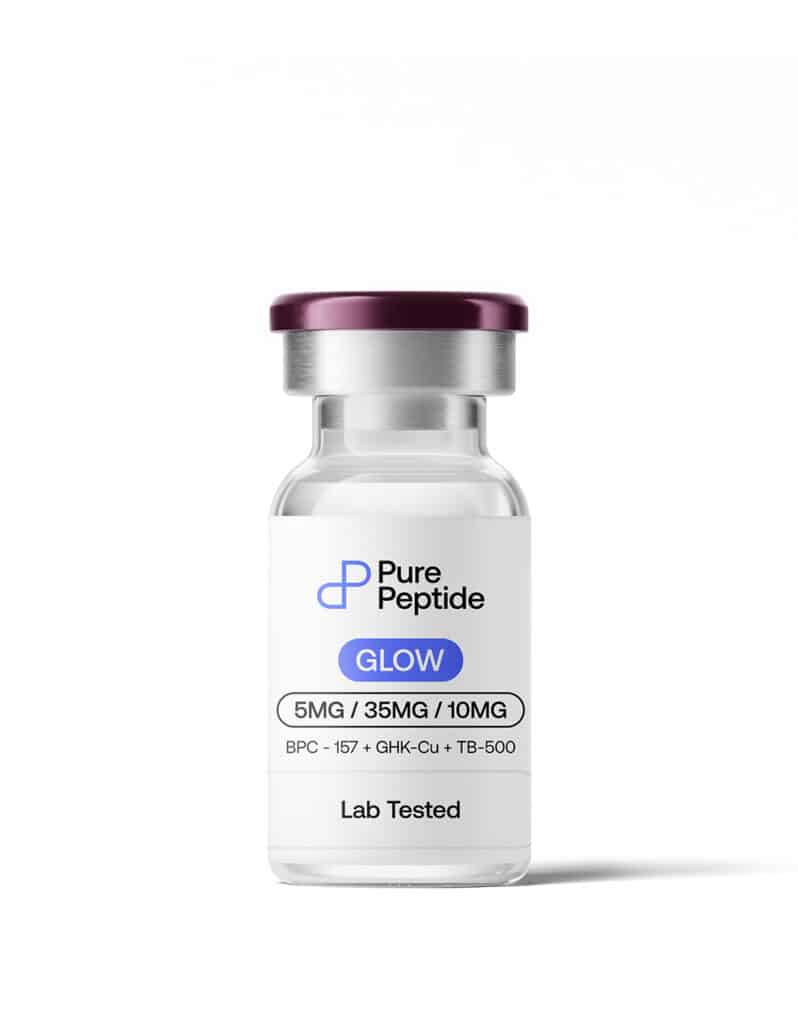
The regenerative effects extend to cellular repair mechanisms throughout the body. Enhanced protein synthesis supports muscle recovery post-exercise, while improved sleep architecture during peptide therapy contributes to overall recuperation. Many users combine hgh peptides with other recovery-focused compounds like BPC-157 and TB-500 blends for synergistic healing effects.
Protocols and Administration Strategies
Implementing hgh peptides requires understanding proper dosing, timing, and injection techniques. Protocol optimization significantly influences outcomes and side effect profiles.
Dosing Guidelines
Effective dosing varies based on peptide type, individual goals, and user characteristics. General recommendations include:
GHRP Dosing:
- Beginner: 100-200 mcg per injection
- Intermediate: 200-300 mcg per injection
- Advanced: 300-500 mcg per injection
GHRH Dosing:
- Modified GRF (1-29): 100-200 mcg per injection
- CJC-1295 DAC: 1-2 mg weekly
- Tesamorelin: 2 mg daily
Frequency matters significantly. Most practitioners recommend 2-3 daily injections for short-acting peptides, administered at strategic times to maximize natural GH pulse amplification. Morning upon waking and pre-workout represent optimal timing windows, as they coincide with periods of low blood glucose and increased growth hormone receptor sensitivity.

Injection Techniques and Safety
Subcutaneous administration remains the standard delivery method for hgh peptides. Understanding proper injection sites and techniques ensures safety and efficacy. Recommended injection sites include:
- Abdominal region (2 inches from navel)
- Lateral thigh areas
- Deltoid region
- Gluteal fat pads
Rotating injection sites prevents lipohypertrophy and maintains consistent absorption rates. Proper reconstitution procedures require bacteriostatic water and sterile technique. Peptides should be stored refrigerated at 2-8°C after reconstitution, maintaining potency for approximately 30 days.
Combining Peptides for Enhanced Results
Strategic peptide stacking amplifies benefits beyond what single compounds provide. The synergistic relationship between GHRPs and GHRHs creates particularly powerful effects.
GHRP and GHRH Synergy
Combining peptides from different families produces supra-additive growth hormone release. When Ipamorelin pairs with Modified GRF (1-29), the resulting GH spike exceeds what either compound achieves independently. This occurs because GHRPs stimulate hormone release while GHRHs amplify the magnitude of that release.
A typical synergistic protocol includes:
Morning dose:
- Ipamorelin: 200 mcg
- Modified GRF (1-29): 100 mcg
Pre-workout dose:
- Ipamorelin: 200 mcg
- Modified GRF (1-29): 100 mcg
Evening dose:
- Ipamorelin: 200 mcg
- Modified GRF (1-29): 100 mcg
This approach maintains elevated growth hormone throughout the day while preserving natural pulsatile secretion patterns.
Advanced Applications and Specialized Peptides
Beyond basic growth hormone stimulation, specialized peptides target specific aspects of GH physiology. Research on growth hormone receptor agonists and antagonists reveals sophisticated mechanisms for fine-tuning hormonal responses.
Tesamorelin for Metabolic Health
Tesamorelin represents an FDA-approved growth hormone releasing hormone analog specifically indicated for reducing excess abdominal fat. Clinical trials demonstrate significant visceral adipose tissue reduction in patients with lipodystrophy, with applications extending to general metabolic optimization.
The compound's selective action on abdominal fat makes it particularly valuable for individuals struggling with central obesity despite adequate diet and exercise. Standard dosing involves 2 mg daily via subcutaneous injection, typically administered before bedtime to coincide with natural nocturnal GH release patterns.
Hexarelin and Cardiac Benefits
Hexarelin distinguishes itself through cardioprotective properties beyond growth hormone stimulation. Studies indicate this peptide improves cardiac contractility, reduces fibrosis, and enhances overall cardiovascular function. These effects occur partially through GH-independent mechanisms, involving direct cardiac tissue receptor activation.
Athletes and aging populations particularly benefit from these cardiac advantages, though desensitization remains a concern with extended use. Cycling protocols typically involve 4-6 weeks of administration followed by equal rest periods to maintain receptor sensitivity.
Quality Considerations and Purity Standards
The efficacy and safety of hgh peptides depend fundamentally on product quality. Manufacturing processes, purity testing, and storage conditions all influence therapeutic outcomes.
Analytical Testing Methods
Reputable suppliers employ multiple analytical techniques to verify peptide identity, purity, and potency:
| Testing Method | Purpose | Standard |
|---|---|---|
| HPLC | Purity quantification | ≥98% purity |
| Mass spectrometry | Molecular weight verification | Within 0.1% of theoretical |
| LAL testing | Endotoxin detection | <1.0 EU/mg |
| Amino acid analysis | Sequence confirmation | 100% match |
Advanced peptide research databases provide frameworks for understanding peptide characterization and quality assessment. These resources help consumers evaluate product specifications and understand testing methodologies.
Storage and Handling
Proper storage preserves peptide integrity from manufacture through administration. Lyophilized (freeze-dried) peptides remain stable at room temperature for short periods but benefit from refrigeration for long-term storage. Once reconstituted, bacterial growth prevention requires bacteriostatic water and refrigeration.
Exposure to heat, light, and repeated freeze-thaw cycles degrades peptide bonds, reducing potency. Amber vials protect against light degradation, while single-use aliquots eliminate freeze-thaw concerns for frequently used compounds.

Side Effects and Risk Management
While hgh peptides generally demonstrate favorable safety profiles compared to synthetic growth hormone, potential adverse effects warrant consideration. Understanding and mitigating these risks optimizes therapeutic outcomes.
Common Side Effects
Most users tolerate hgh peptides well, though some experience minor reactions:
- Water retention and temporary edema
- Joint discomfort during initial weeks
- Increased hunger (particularly GHRP-6)
- Injection site reactions
- Temporary insulin resistance
These effects typically diminish with continued use as the body adapts to elevated growth hormone levels. Starting with conservative doses and gradually increasing helps minimize initial reactions.
Long-Term Considerations
Extended peptide use requires monitoring specific health markers. Regular assessment includes:
Blood work parameters:
- Fasting glucose and HbA1c
- IGF-1 levels
- Thyroid function (TSH, T3, T4)
- Lipid profiles
Growth hormone's effects on insulin sensitivity necessitate glucose monitoring, particularly for individuals with diabetes risk factors. Understanding peptide-based therapy responses helps users recognize when medical supervision becomes necessary.
Desensitization represents another long-term concern, particularly with potent GHRPs like Hexarelin. Cycling protocols and periodic breaks maintain receptor sensitivity and sustained efficacy over extended timeframes.
Integration with Lifestyle Factors
Maximizing hgh peptide benefits requires synergy with nutrition, training, and recovery practices. These compounds amplify existing efforts rather than replacing foundational health practices.
Nutritional Optimization
Growth hormone's metabolic effects interact significantly with dietary choices. Timing nutrient intake around peptide administration enhances results:
Pre-injection considerations:
- Maintain fasted state for 2-3 hours before dosing
- Avoid simple carbohydrates that spike insulin
- Allow 30-45 minutes before consuming protein
Post-injection nutrition:
- Consume protein within 60-90 minutes
- Include complex carbohydrates for muscle glycogen
- Maintain adequate hydration
The elevation in growth hormone creates an anabolic window that benefits from strategic protein intake. Users often report enhanced nutrient partitioning, with calories preferentially directed toward muscle tissue rather than fat storage.
Training Synergies
Exercise naturally stimulates growth hormone release, and hgh peptides amplify this response. Pre-workout administration maximizes the synergistic effect, creating substantial GH elevation during and after training sessions.
Resistance training combined with peptide therapy produces particularly pronounced muscle growth and strength gains. The enhanced recovery capacity allows increased training frequency and volume tolerance, accelerating progress toward physique and performance goals.
Regulatory Status and Availability
The regulatory landscape surrounding hgh peptides varies globally, affecting availability and legal status. In the United States, these compounds exist in a regulatory gray area. While not approved for human use outside specific FDA-approved applications like Tesamorelin, they remain available for research purposes.
Athletes subject to anti-doping regulations should note that most hgh peptides appear on prohibited substance lists. Testing methodologies for detecting these compounds continue advancing, making detection increasingly likely for competitive athletes.
Accessing quality peptides requires identifying reputable suppliers committed to purity standards and proper manufacturing practices. Resources like Soma Peptide’s educational materials help consumers navigate the marketplace and make informed decisions about peptide therapy.
Comparing HGH Peptides to Synthetic Growth Hormone
Understanding the distinctions between peptide therapy and synthetic HGH injections helps individuals choose appropriate interventions.
| Factor | HGH Peptides | Synthetic HGH |
|---|---|---|
| Mechanism | Stimulates natural production | Exogenous replacement |
| Cost | Moderate | Very expensive |
| Natural rhythms | Preserves pulsatile release | Disrupts feedback loops |
| Side effect profile | Generally milder | More pronounced |
| Legal status | Research compounds | Prescription required |
| Shutdown risk | Minimal | Potential suppression |
Peptides offer the advantage of working with the body's existing regulatory mechanisms rather than overriding them. This approach typically produces fewer complications related to hormone feedback disruption and maintains more natural physiological patterns.
HGH peptides provide a sophisticated approach to growth hormone optimization, offering benefits for body composition, recovery, and overall health through natural hormone stimulation. Success requires understanding proper protocols, quality considerations, and integration with comprehensive health practices. For those seeking premium quality peptides backed by rigorous testing and purity standards, Soma Peptide delivers therapeutic-grade compounds designed to support your health and performance goals with confidence and reliability.