



IGF-1 LR3 represents a synthetic modification of naturally occurring insulin-like growth factor 1, designed specifically to address the limitations of the native compound. Through strategic alterations to its molecular structure, this research peptide exhibits substantially different pharmacokinetic properties compared to endogenous IGF-1. As a laboratory research compound, igf 1 lr3 has attracted considerable scientific attention for its potential applications in studying cellular growth, metabolism, and tissue development, though it remains unapproved for human therapeutic use by regulatory agencies.
Understanding the Molecular Structure and Modifications
The term "LR3" refers to specific structural changes that distinguish this variant from natural IGF-1. The designation breaks down into two key modifications: "L" indicates a leucine substitution at position 3 of the amino acid sequence, while "R3" denotes the addition of 13 amino acids to the N-terminal region of the peptide.
These deliberate alterations fundamentally change how the molecule interacts with IGF binding proteins (IGFBPs) in biological systems. Native IGF-1 binds readily to these carrier proteins, which significantly limits its bioavailability and reduces its half-life to mere minutes in circulation. The modified structure of igf 1 lr3 demonstrates approximately 1000-fold lower affinity for IGFBPs compared to natural IGF-1.
Extended Half-Life Characteristics
The reduced binding affinity translates into markedly different pharmacokinetics. While endogenous IGF-1 typically circulates for only 10-15 minutes before degradation or cellular uptake, the modified version exhibits a half-life extending to approximately 20-30 hours in animal models.
This extended circulation time means the peptide remains active in biological systems substantially longer than its natural counterpart. According to comprehensive research evidence on IGF-1 LR3, this prolonged activity window has made it a valuable tool for laboratory investigations into growth factor signaling pathways.
Mechanism of Action and Cellular Signaling
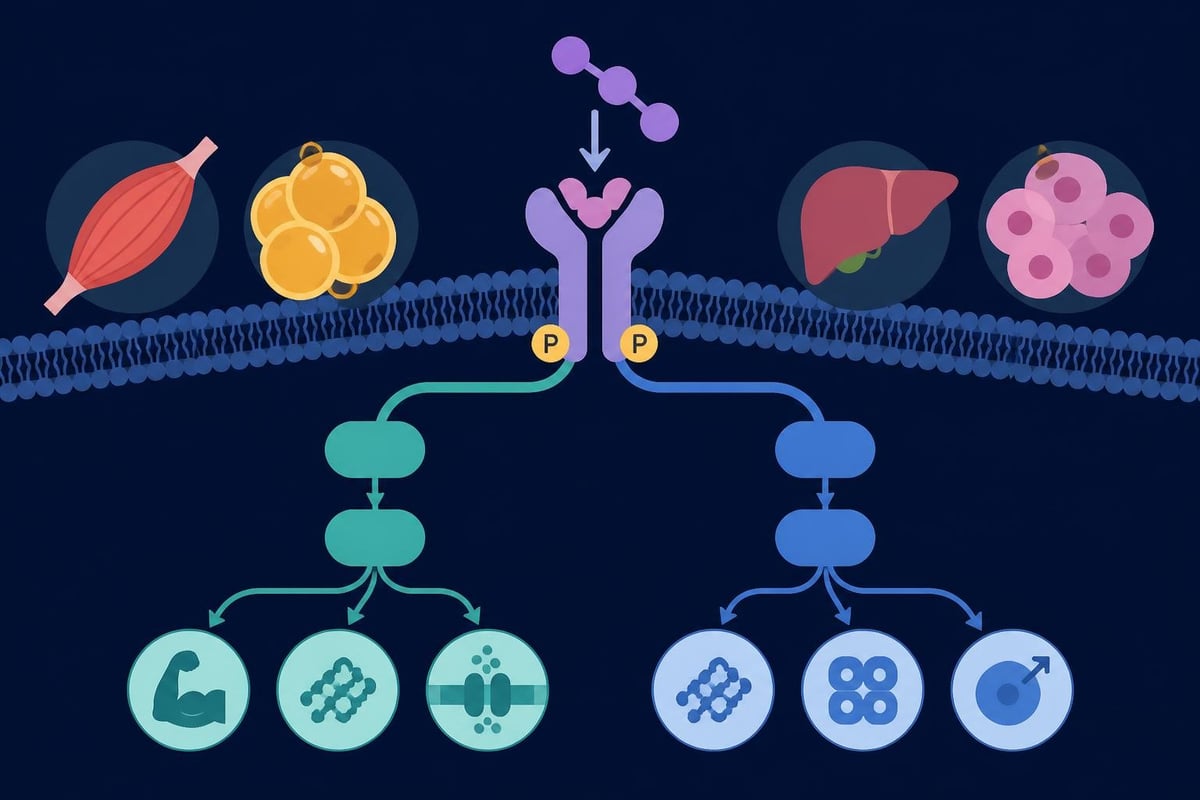
IGF-1 LR3 exerts its biological effects primarily through activation of the IGF-1 receptor, a transmembrane tyrosine kinase that initiates multiple intracellular signaling cascades. When the peptide binds to this receptor, it triggers phosphorylation events that activate two major pathways: the PI3K/AKT pathway and the MAPK/ERK pathway.
Key signaling outcomes include:
- Activation of mTOR (mammalian target of rapamycin) promoting protein synthesis
- Enhancement of glucose transporter expression increasing cellular glucose uptake
- Inhibition of apoptotic pathways supporting cell survival
- Stimulation of mitochondrial biogenesis improving cellular energy production
- Modulation of gene transcription affecting growth and differentiation
The PI3K/AKT pathway particularly influences metabolic processes, promoting anabolic activities such as glycogen synthesis, protein production, and lipogenesis. Simultaneously, the MAPK pathway drives cell proliferation and differentiation signals.
Receptor Selectivity and Cross-Reactivity
While designed to target IGF-1 receptors specifically, igf 1 lr3 demonstrates some cross-reactivity with insulin receptors due to structural similarities between these receptor families. This overlap occurs because IGF-1 receptors and insulin receptors share approximately 60% amino acid sequence homology in their binding domains.
Research indicates the modified peptide maintains high selectivity for IGF-1 receptors, with binding affinity roughly 100-fold greater for IGF-1 receptors compared to insulin receptors. This selectivity profile differs somewhat from native IGF-1, which shows even greater discrimination between receptor types.
Research Applications and Laboratory Studies
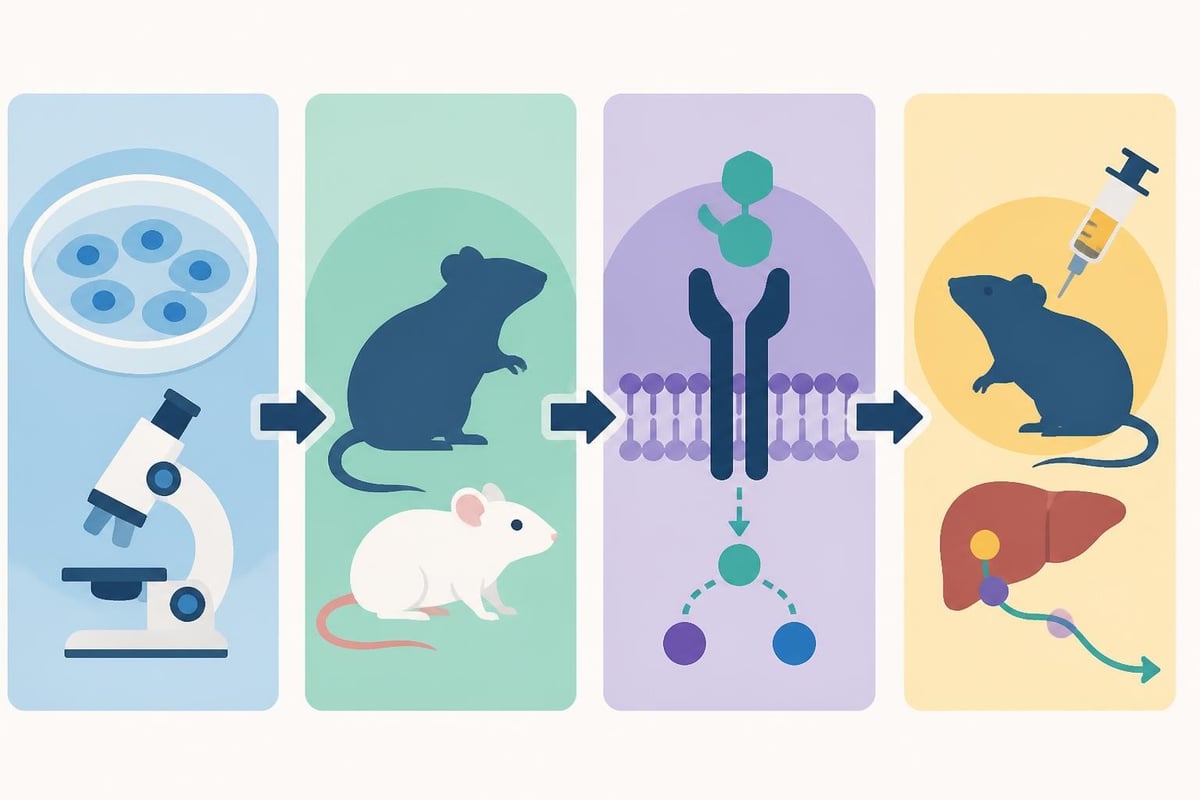
The scientific community has explored igf 1 lr3 extensively as a research tool for understanding growth factor biology. Laboratory investigations have examined its effects across multiple model systems, from isolated cell cultures to whole animal studies.
Cell Culture and In Vitro Research
Cell-based studies represent the foundation of IGF-1 LR3 research. Scientists have utilized this peptide to investigate:
- Myoblast proliferation and differentiation – examining muscle cell growth mechanisms
- Adipocyte metabolism – studying fat cell development and function
- Neuronal survival and plasticity – exploring protective effects on nerve cells
- Cartilage and bone cell activity – investigating skeletal tissue development
- Hepatocyte glucose metabolism – analyzing liver cell metabolic responses
These controlled laboratory environments allow researchers to isolate specific cellular responses to IGF-1 receptor activation without the complex variables present in living organisms. The Peptide Science Institute’s peptide library provides detailed documentation of such research applications.
Animal Model Investigations
Preclinical animal studies have examined igf 1 lr3 in various contexts, though these investigations serve purely research purposes rather than supporting therapeutic development. Studies in rodent models have explored effects on muscle mass, body composition, wound healing, and metabolic parameters.
| Research Area | Primary Findings | Model Systems |
|---|---|---|
| Muscle Biology | Enhanced protein synthesis, increased fiber size | Mouse, rat myoblast cultures |
| Metabolic Function | Improved glucose tolerance, altered fat distribution | Rodent in vivo models |
| Tissue Repair | Accelerated healing processes, enhanced regeneration | Various injury models |
| Neuroprotection | Reduced neuronal death in stress conditions | Cell culture, animal CNS models |
Dosing Protocols in Research Settings
Research protocols involving igf 1 lr3 vary considerably based on the specific investigation goals, model system, and parameters being measured. The IGF-1 LR3 dosage guide emphasizes that protocols exist solely for laboratory research contexts, not clinical applications.
Laboratory Dosing Considerations
In cell culture experiments, researchers typically use concentrations ranging from 10 to 100 nanomolar, though specific concentrations depend on cell type and experimental objectives. These concentrations allow receptor activation while minimizing non-specific effects.
Animal research protocols generally calculate dosing based on body weight, with most studies using ranges between 0.1 to 1.0 milligrams per kilogram. Administration timing also varies, with some protocols using daily injections while others employ alternate-day schedules to examine different exposure patterns.
Research protocol variables include:
- Concentration or dose amount
- Frequency of administration
- Duration of treatment period
- Route of administration (subcutaneous, intraperitoneal, intravenous)
- Timing relative to feeding or activity cycles
- Combination with other research compounds
For those exploring peptide research applications more broadly, CJC-1295 No DAC represents another growth hormone-related compound frequently studied in laboratory settings.
Safety Profile and Potential Adverse Effects
Understanding the safety considerations surrounding igf 1 lr3 remains critical for responsible research practices. The comprehensive side effects profile highlights several areas of concern that have emerged from preclinical investigations.
Hypoglycemia Risk
The peptide's insulin-like effects create potential for blood glucose disruption. By enhancing glucose uptake into cells and improving insulin sensitivity, igf 1 lr3 can lower blood sugar levels, particularly when administered without adequate nutritional support.
Animal studies have documented hypoglycemic episodes characterized by lethargy, weakness, and metabolic stress. This effect appears dose-dependent, with higher concentrations producing more pronounced glucose-lowering effects.
Cellular Proliferation Concerns
As a potent mitogenic factor, IGF-1 LR3 stimulates cell division across multiple tissue types. While beneficial for studying growth mechanisms, this proliferative activity raises theoretical concerns about uncontrolled cellular growth.
Research has shown that sustained elevation of IGF-1 signaling in animal models can promote hyperplasia (increased cell number) in various tissues. The safety profile documentation notes these proliferative effects warrant careful monitoring in any research application.
Other Documented Effects
Additional observations from preclinical research include:
- Joint discomfort or stiffness, particularly with sustained use
- Fluid retention and edema in peripheral tissues
- Headaches potentially related to fluid shifts
- Potential interactions with insulin signaling pathways
- Cardiovascular effects requiring monitoring
The side effects and contraindications resource emphasizes that comprehensive safety data in humans remains limited due to the compound's research-only status.
Regulatory Status and Legal Considerations
IGF-1 LR3 occupies a unique position in the regulatory landscape. No regulatory authority has approved this compound for human therapeutic use, and it remains classified strictly as a research chemical intended for laboratory investigation only.
The FDA has not evaluated igf 1 lr3 for safety or efficacy in humans, and it does not appear on any approved drug lists. Similarly, the World Anti-Doping Agency (WADA) prohibits its use in competitive sports, classifying it as a banned substance under growth factor regulations.
| Regulatory Body | Classification | Status |
|---|---|---|
| FDA (United States) | Unapproved research compound | Not approved for human use |
| EMA (European Union) | Research reagent | No marketing authorization |
| WADA (Sports) | Prohibited substance | Banned in competition |
| WHO | Not evaluated | No therapeutic recommendations |
Research Compound Designation
Legitimate suppliers market igf 1 lr3 exclusively for laboratory research purposes, with clear labeling indicating "not for human consumption." This designation reflects both the absence of clinical safety data and regulatory prohibitions on therapeutic use.
Researchers working with this compound must maintain appropriate laboratory protocols, documentation, and safety measures consistent with handling experimental biochemical reagents. Soma Peptide maintains strict quality standards for research-grade peptides, ensuring purity and consistency for scientific applications.

Comparison with Related Growth Factors
Understanding igf 1 lr3 requires context within the broader family of growth factors and related compounds. Several peptides share mechanistic similarities or complementary actions worth examining.
IGF-1 LR3 Versus Native IGF-1
The most direct comparison involves the natural hormone from which the modified version derives. Native IGF-1 circulates bound to IGFBPs, limiting its bioavailability but providing precise physiological regulation. The body produces IGF-1 primarily in the liver in response to growth hormone stimulation.
In contrast, the synthetic variant bypasses this regulatory system through its reduced IGFBP binding. This creates a fundamentally different pharmacological profile, with the modified version showing sustained activity independent of normal physiological control mechanisms.
Growth Hormone Releasing Peptides
Compounds like the CJC-1295 No DAC/Ipamorelin blend work upstream of IGF-1 by stimulating growth hormone release from the pituitary gland. This approach indirectly increases IGF-1 through natural pathways rather than providing exogenous growth factor directly.
Mechano Growth Factor (MGF)
MGF represents another IGF-1 splice variant that appears in muscle tissue following mechanical stress. While both MGF and igf 1 lr3 derive from IGF-1 genetics, they exhibit distinct properties. MGF shows more localized effects on muscle repair and satellite cell activation, whereas the LR3 variant demonstrates broader systemic activity.
Current Research Directions and Future Investigations
The scientific exploration of igf 1 lr3 continues evolving as researchers develop more sophisticated tools for studying growth factor biology. According to the comprehensive research index cataloging peer-reviewed studies, several emerging areas show particular promise.
Metabolic Research Applications
Recent investigations have focused on understanding how IGF-1 signaling influences metabolic health, insulin sensitivity, and energy homeostasis. These studies examine the peptide's effects on glucose metabolism, mitochondrial function, and substrate utilization in various tissue types.
Emerging research topics include:
- Skeletal muscle glucose uptake mechanisms and insulin sensitization pathways
- Adipose tissue remodeling and fat distribution alterations
- Hepatic glucose production and glycogen metabolism regulation
- Mitochondrial biogenesis and oxidative capacity enhancement
- Cross-talk between IGF-1 and insulin signaling cascades
Tissue Engineering and Regenerative Medicine
Laboratory scientists are exploring how igf 1 lr3 might support cell culture systems used in regenerative medicine research. The peptide's ability to promote cell survival and proliferation makes it potentially useful for maintaining certain cell types in culture or supporting tissue development in engineered constructs.
These applications remain firmly in early research stages, with investigations focusing on understanding optimal culture conditions rather than therapeutic development.
Interactions with Other Research Compounds
Scientists often investigate igf 1 lr3 alongside other peptides or compounds to understand synergistic effects or mechanistic interactions. The Peptide Association research overview discusses several common combination protocols in laboratory settings.
Growth Hormone Secretagogues
Combining IGF-1 LR3 with compounds that stimulate endogenous growth hormone release creates a multi-level approach to studying growth factor biology. This strategy allows researchers to examine how exogenous IGF-1 supplementation interacts with elevated endogenous production.
Insulin and Glucose Metabolism Compounds
Given the glucose-lowering effects of igf 1 lr3, researchers carefully consider its interaction with insulin and related metabolic factors. Studies examining these interactions help clarify the distinct and overlapping roles of insulin and IGF-1 signaling in metabolic regulation.
Recovery and Repair Peptides
Some investigations combine IGF-1 LR3 with peptides like BPC-157 to study potential synergies in tissue repair mechanisms. These combination studies help delineate which aspects of healing involve growth factor signaling versus other biological pathways.
Quality and Purity Considerations for Research Applications
For laboratory investigations to yield reliable, reproducible results, the quality of research compounds proves absolutely critical. Impurities, degradation products, or concentration inconsistencies can introduce confounding variables that compromise experimental validity.
Analytical Verification Methods
Legitimate research-grade igf 1 lr3 undergoes rigorous analytical testing to verify identity, purity, and concentration. High-performance liquid chromatography (HPLC) provides detailed purity profiles, typically targeting purity levels exceeding 98% for research applications.
Mass spectrometry confirms molecular weight and structural integrity, ensuring the peptide matches expected specifications. These analytical methods detect even minor variations in amino acid sequence or post-translational modifications that could affect biological activity.
| Quality Parameter | Testing Method | Acceptable Range |
|---|---|---|
| Purity | HPLC | ≥98% |
| Identity | Mass Spectrometry | Exact mass match ±0.5 Da |
| Concentration | UV Spectroscopy | ±5% of stated value |
| Sterility | USP <71> | No growth |
| Endotoxins | LAL Test | <1 EU/mg |
Storage and Handling Requirements
Peptides require specific storage conditions to maintain stability and biological activity. IGF-1 LR3 in lyophilized (freeze-dried) form typically remains stable when stored at -20°C or colder, protected from light and moisture.
Once reconstituted with bacteriostatic water or other appropriate solvents, the peptide should be refrigerated at 2-8°C and used within the manufacturer's recommended timeframe, usually 30 days. Freeze-thaw cycles should be minimized, as repeated temperature fluctuations can degrade peptide integrity.
Reconstitution and Preparation Protocols
Proper reconstitution procedures ensure igf 1 lr3 maintains its structural integrity and biological activity for research applications. The process requires attention to detail and adherence to sterile technique principles.
Step-by-Step Reconstitution Process
- Remove vials from cold storage – Allow the lyophilized peptide and bacteriostatic water to reach room temperature (15-20 minutes)
- Clean vial tops – Wipe both vial stoppers with alcohol pads to ensure sterility
- Draw bacteriostatic water – Use an appropriate syringe to draw the calculated volume of diluent
- Add diluent slowly – Inject the water down the inside wall of the vial, not directly onto the powder
- Gentle mixing – Swirl gently (do not shake vigorously) until the powder fully dissolves
- Verify complete dissolution – Ensure no visible particles remain in the solution
- Label and date – Mark the reconstituted vial with the date and concentration
- Store properly – Place in refrigerator (2-8°C) immediately after reconstitution
Calculating Concentrations
Researchers must calculate appropriate concentrations based on the amount of lyophilized peptide and the volume of diluent added. For example, adding 2.0 mL of bacteriostatic water to a 1 mg vial creates a concentration of 0.5 mg/mL or 500 mcg/mL.
This concentration information proves essential for accurate dosing in experimental protocols. The research bibliography includes references to various dosing calculations and concentration optimization studies.
Understanding Research Results and Data Interpretation
Scientific investigations involving igf 1 lr3 generate complex datasets requiring careful interpretation. Researchers must consider numerous variables that can influence outcomes and potentially confound results.
Experimental Variables Affecting Outcomes
Multiple factors influence how cells or animal models respond to IGF-1 LR3 exposure. Genetic background, age, nutritional status, circadian timing, and environmental conditions all modulate growth factor sensitivity and response magnitude.
Dose-response relationships rarely follow simple linear patterns. Many biological systems exhibit biphasic responses where low doses produce different effects than moderate doses, and high doses may trigger compensatory mechanisms or adverse effects that mask beneficial outcomes.
Translational Limitations
The evidence review emphasizes significant gaps between laboratory findings and potential real-world applications. Cell culture studies occur in highly artificial environments lacking the complexity of intact organisms. Animal models, while more physiologically relevant, differ substantially from humans in metabolism, receptor expression, and signaling pathway regulation.
These translational challenges mean that even robust laboratory findings may not predict outcomes in other contexts. The absence of controlled human trials for igf 1 lr3 leaves substantial uncertainty about how research observations might translate to human biology.
IGF-1 LR3 represents a powerful research tool for understanding growth factor biology, with its modified structure providing unique advantages for laboratory investigations into cellular growth, metabolism, and signaling pathways. While extensive preclinical research has explored its mechanisms and effects, this compound remains strictly a research chemical without approval for human therapeutic use. For researchers and scientists seeking premium-quality peptides backed by rigorous purity testing and analytical verification, Soma Peptide offers research-grade compounds manufactured under stringent quality control standards to support reliable, reproducible scientific investigations.