


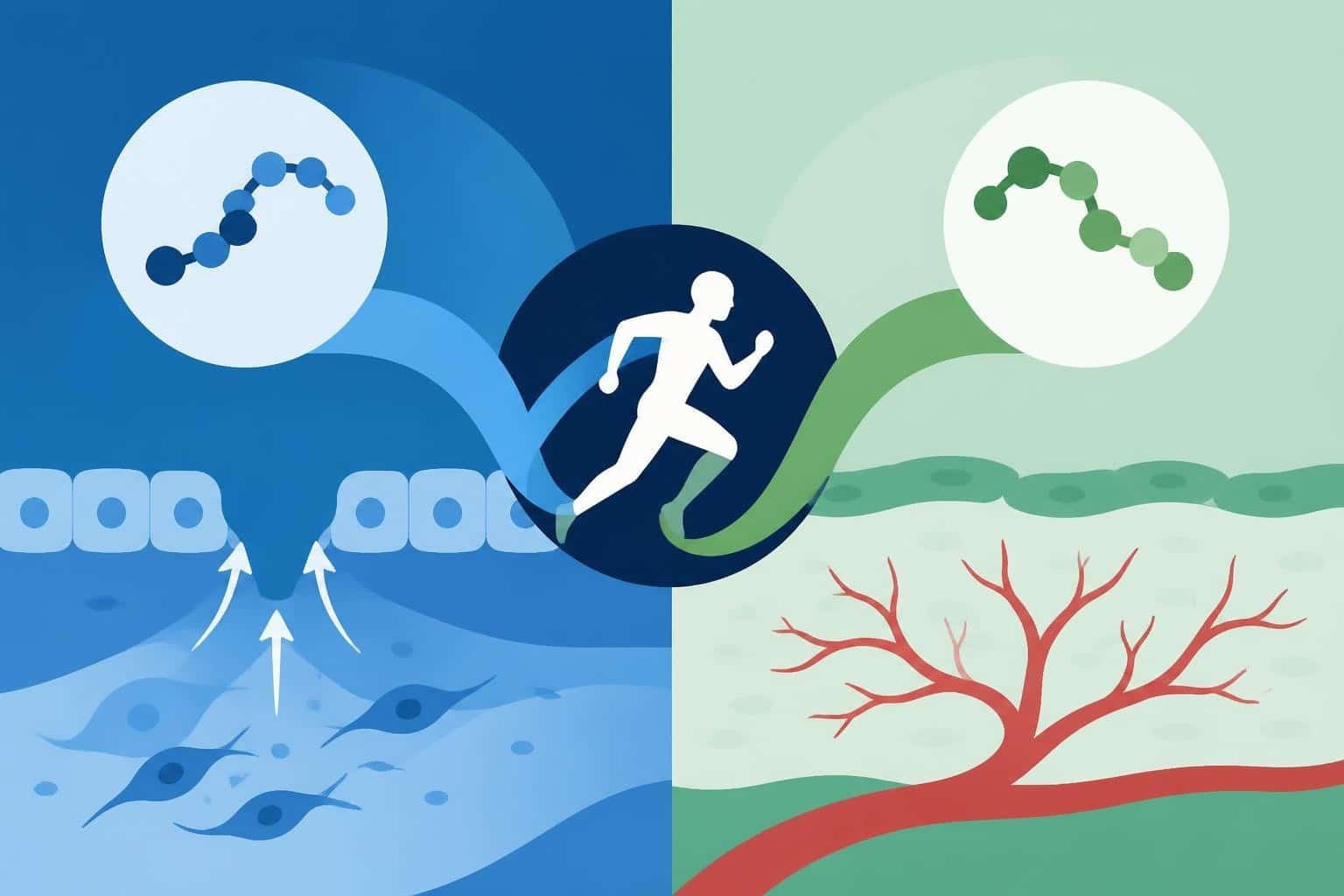
Research peptides have emerged as powerful tools for supporting recovery, tissue repair, and athletic performance. Among the most widely studied and discussed are two compounds that frequently appear together in recovery protocols: tb 500 and bpc 157. These peptides have gained attention from athletes, fitness enthusiasts, and medical professionals seeking alternatives to traditional recovery methods. Understanding how each peptide works, their unique mechanisms, and the evidence supporting their combined use can help individuals make informed decisions about incorporating them into recovery protocols.
Understanding TB-500: The Thymosin Beta-4 Fragment
TB-500 is a synthetic version of Thymosin Beta-4, a naturally occurring protein present throughout the human body. This peptide consists of 43 amino acids and plays a crucial role in cellular migration, proliferation, and differentiation. The compound works primarily by regulating actin, a protein that forms part of the cellular cytoskeleton.
Mechanism of Action for TB-500
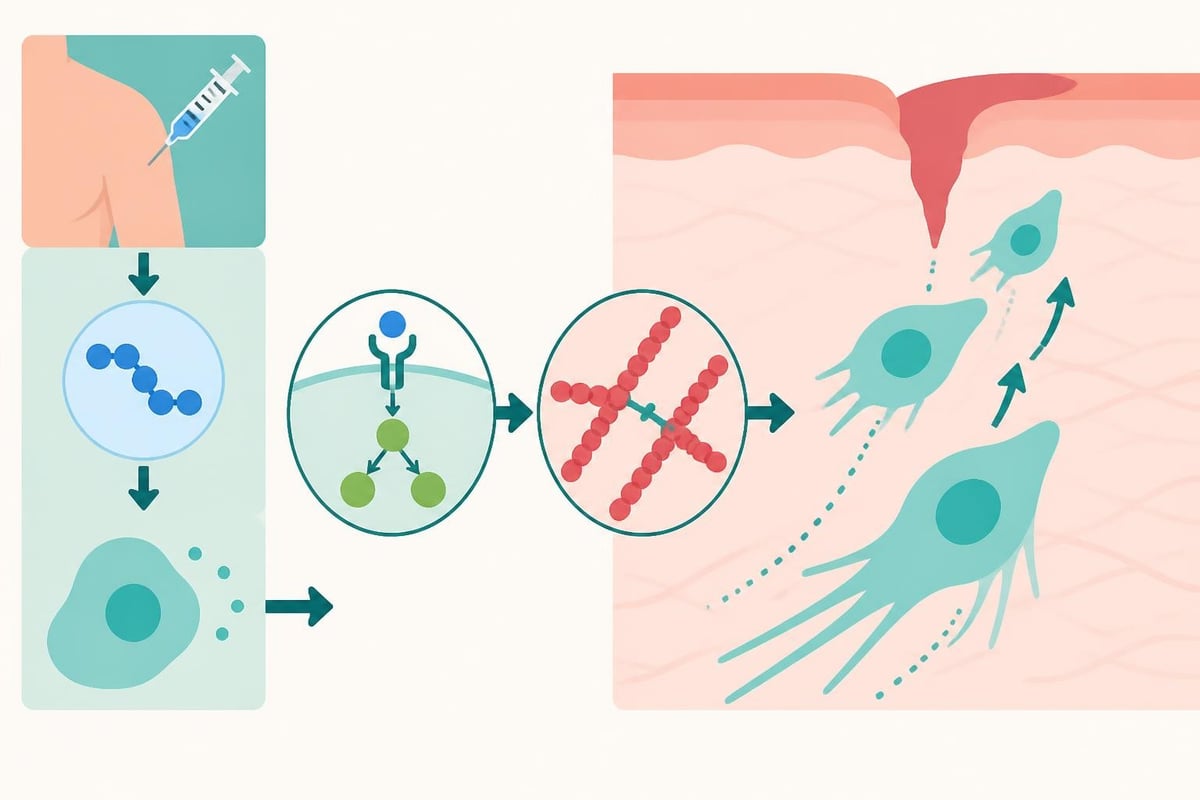
The primary function of TB-500 centers on its ability to upregulate actin-sequestering proteins. This mechanism allows cells to move more freely through tissue, which becomes especially important during injury recovery. When tissue damage occurs, cells must migrate to the injury site to begin repair processes.
TB-500 supports this migration by:
- Promoting angiogenesis (formation of new blood vessels)
- Reducing inflammation markers throughout damaged tissue
- Supporting keratinocyte migration for wound closure
- Encouraging differentiation of stem cells into specialized tissue
Research has demonstrated that TB-500 can cross cell membranes more easily than many other peptides due to its molecular structure. This property allows it to reach injury sites systemically, potentially making it effective for both localized and widespread tissue damage.
Documented Effects and Research Findings
Studies on Thymosin Beta-4 and its synthetic analog TB-500 have shown promising results across multiple tissue types. Animal models have demonstrated accelerated healing in tendons, ligaments, and muscle tissue. One significant finding involves the peptide's ability to reduce fibrosis formation during healing, which can lead to improved flexibility and reduced scar tissue formation.
The compound has also shown potential in cardiovascular research, with studies indicating possible protective effects on heart tissue following injury. While much of this research remains in preclinical stages, the consistency of findings across different tissue types suggests broad regenerative properties.
BPC-157: The Gastric Peptide with Systemic Effects
BPC-157, short for Body Protection Compound-157, is a pentadecapeptide derived from a protective protein found in gastric juice. This 15-amino-acid sequence has demonstrated stability in human gastric juice and represents a stable fragment of the larger parent protein. According to recent FDA discussions, BPC-157 has become one of the most scrutinized peptides in compounding pharmacy debates.
How BPC-157 Works in the Body
BPC-157 operates through multiple pathways that collectively support tissue healing and protection. Unlike TB-500, which primarily targets cellular migration, BPC-157 appears to work through angiogenic mechanisms and modulation of growth factor expression.
The peptide's key mechanisms include:
- Promoting VEGF expression for blood vessel formation
- Modulating nitric oxide production to support vascular health
- Influencing the FAK-paxillin pathway for cell adhesion
- Supporting collagen formation during tissue repair
Research suggests BPC-157 may also interact with several neurotransmitter systems, potentially explaining its reported effects on both physical and neurological recovery. The peptide has demonstrated stability at varying pH levels, which may contribute to its effectiveness when administered through different routes.
| Feature | TB-500 | BPC-157 |
|---|---|---|
| Amino Acid Length | 43 | 15 |
| Primary Mechanism | Actin regulation | Growth factor modulation |
| Origin | Thymosin Beta-4 | Gastric protective protein |
| Key Benefit | Cellular migration | Angiogenesis |
| Stability | High | Extremely high |
The Synergistic Combination of TB 500 and BPC 157
Many recovery protocols combine tb 500 and bpc 157 based on the theory that their complementary mechanisms may produce enhanced results. While TB-500 facilitates cellular movement and reduces inflammation, BPC-157 supports new blood vessel formation and tissue organization. This dual approach targets multiple aspects of the healing cascade.
Why These Peptides Work Well Together
The combination addresses different stages and aspects of tissue repair. TB-500's ability to promote cell migration helps ensure adequate healing cells reach damaged areas, while BPC-157's angiogenic properties ensure those cells receive sufficient blood supply. Additionally, both peptides demonstrate anti-inflammatory effects through different pathways, potentially providing broader inflammation control than either compound alone.
Athletes and individuals recovering from injuries often report subjective improvements when using both peptides simultaneously. These anecdotal reports align with the theoretical mechanisms, though controlled clinical trials specifically examining the combination remain limited. Research guides have begun documenting these combination protocols more systematically.
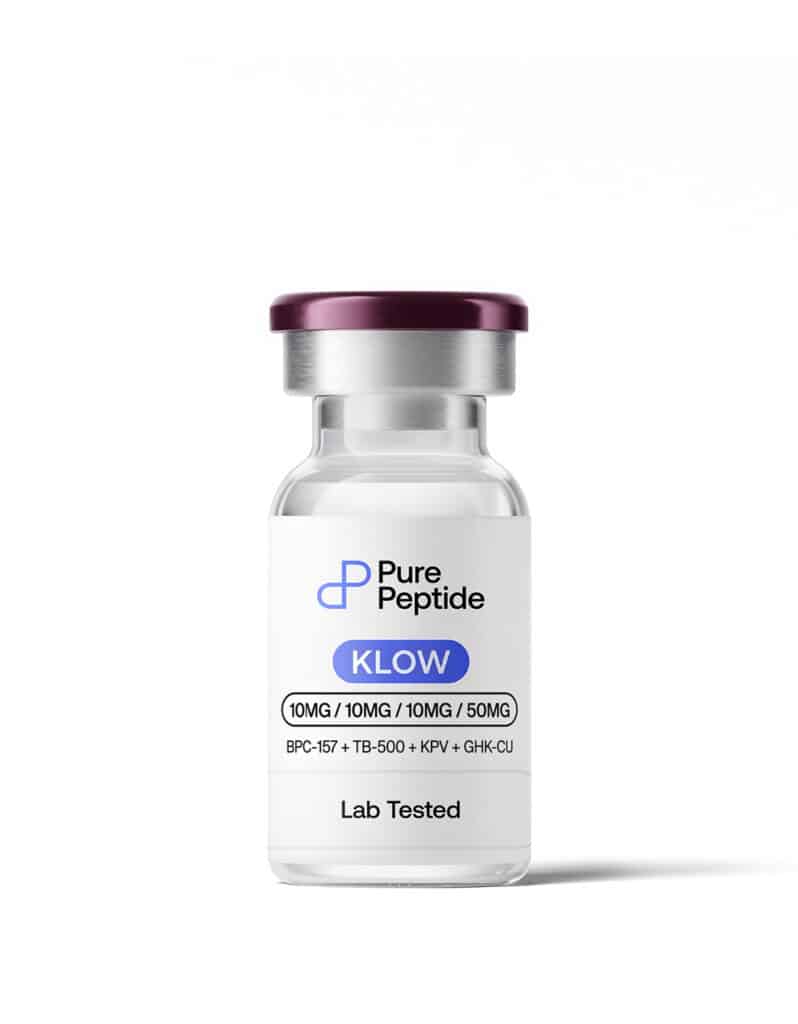
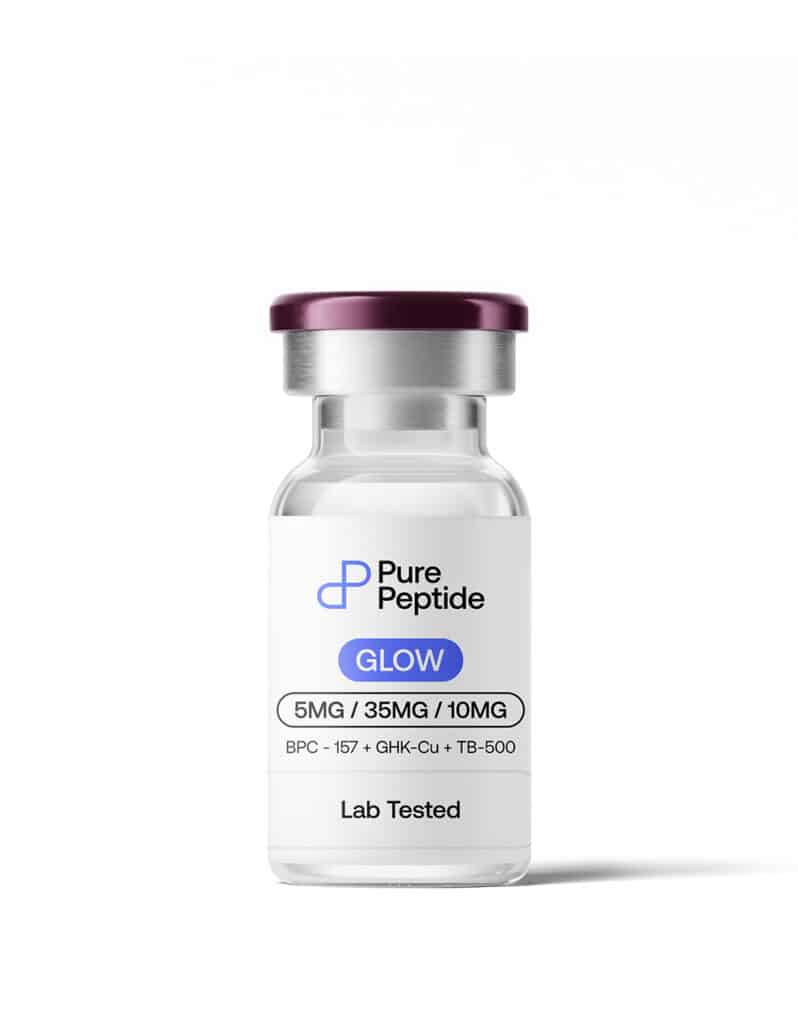
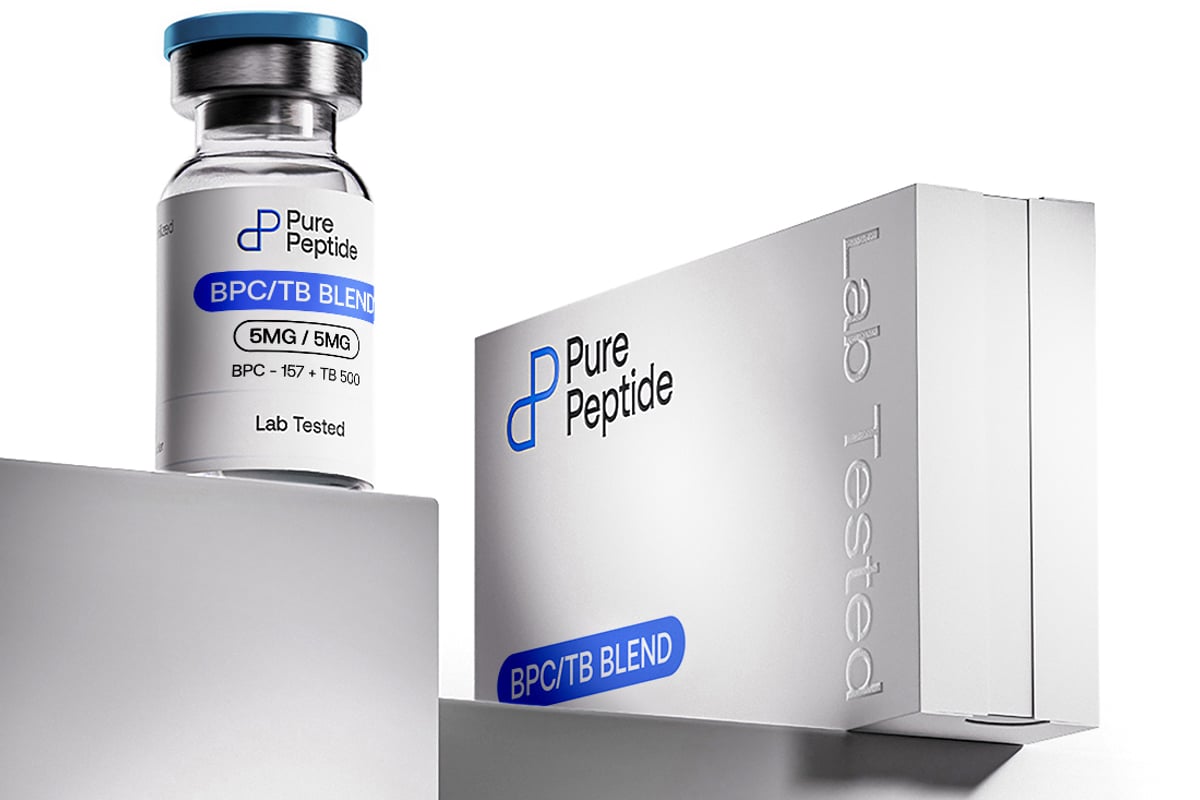
For those interested in exploring the benefits of these complementary healing compounds, the BPC-157 / TB-500 Blend offers a convenient formulation designed to harness the synergistic potential of both peptides for enhanced tissue repair and recovery support.
Dosing Considerations for Combined Use
Standard protocols for tb 500 and bpc 157 typically involve subcutaneous injection, though some research has explored oral administration for BPC-157 specifically. Dosing strategies vary based on injury severity, body weight, and recovery goals.
Common dosing patterns include:
- TB-500: 2-5 mg per week, often split into two doses
- BPC-157: 250-500 mcg daily, administered once or twice per day
- Duration: 4-8 week cycles with evaluation periods between
Some protocols involve loading phases with higher doses followed by maintenance periods at reduced amounts. The timing of injections may also vary, with some users administering doses near injury sites and others using systemic injection locations. Many enthusiasts interested in peptides for tendon repair specifically explore these combination protocols.
Applications Across Different Injury Types
The versatility of tb 500 and bpc 157 extends across multiple tissue types and injury categories. Understanding how these peptides may benefit specific conditions helps individuals determine whether they might be appropriate for their recovery needs.
Musculoskeletal Injuries
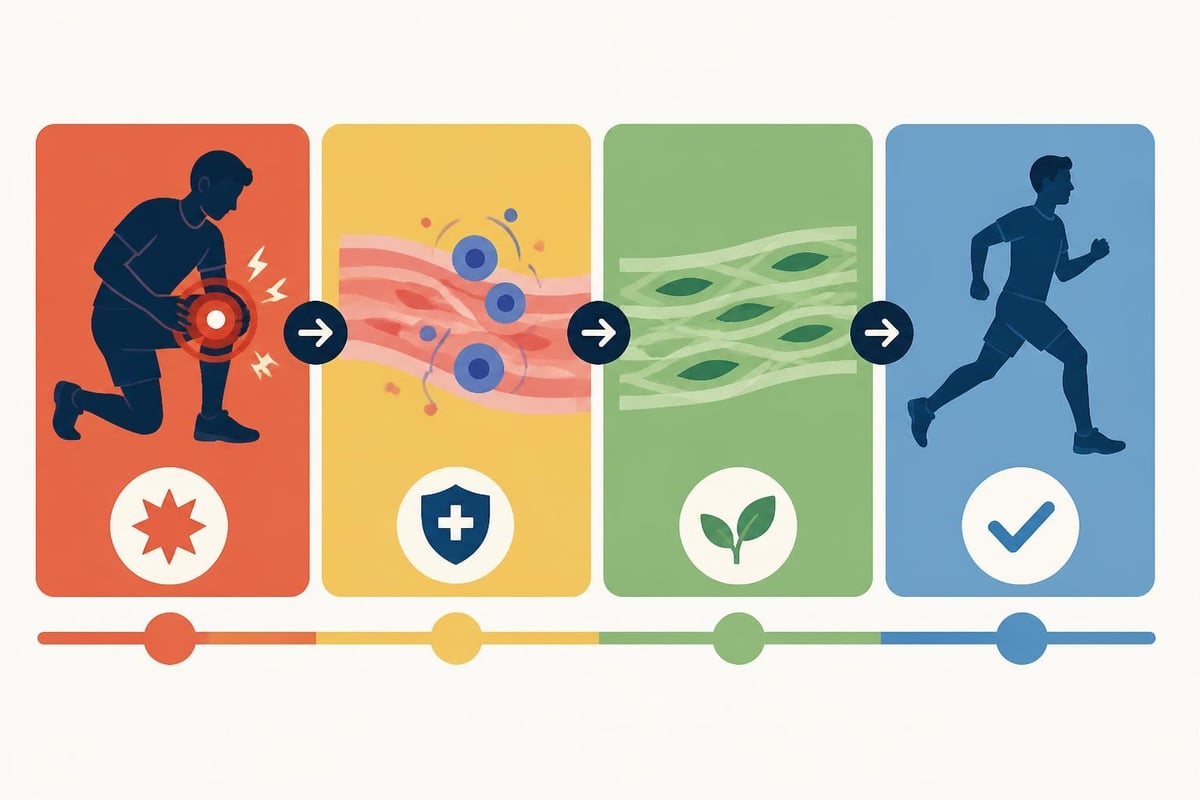
Muscle strains, ligament sprains, and tendon damage represent some of the most common applications for these peptides. The combination may support faster recovery by:
- Reducing the initial inflammatory response
- Supporting collagen synthesis during tissue remodeling
- Minimizing scar tissue formation
- Improving tissue flexibility during healing
Athletes experiencing chronic tendinopathies have shown particular interest in these compounds, as traditional treatments often involve lengthy rest periods. The peptides theoretically support active healing rather than passive rest-based recovery.
Joint and Connective Tissue Support
Joint injuries involving cartilage damage present unique healing challenges due to the limited blood supply in cartilaginous tissue. BPC-157's angiogenic properties may help address this limitation by promoting vascular formation around damaged areas, while TB-500 supports the migration of chondrocytes and other repair cells.
Research examining wound-healing mechanisms has documented both peptides' effects on various connective tissue types, providing insights into their potential applications for joint recovery.
Gastrointestinal Applications
BPC-157's origin as a gastric peptide suggests particular relevance for digestive system healing. Studies have examined its effects on:
- Inflammatory bowel conditions
- Gastric ulcer healing
- Intestinal permeability
- Esophageal tissue repair
While TB-500 is less commonly associated with gastrointestinal applications, its anti-inflammatory properties may provide complementary benefits when addressing systemic inflammation that affects the digestive tract.
Safety Profile and Regulatory Considerations
Understanding the safety and legal status of tb 500 and bpc 157 requires examining both clinical evidence and regulatory frameworks. These peptides exist in a complex regulatory environment that continues to evolve as usage increases and research expands.
Current Safety Data
Animal studies and limited human data suggest both peptides demonstrate relatively favorable safety profiles at commonly used doses. Reported side effects typically remain mild and may include:
- Temporary lethargy or fatigue
- Headaches in some users
- Injection site reactions
- Occasional lightheadedness
Serious adverse events appear rare in the available literature, though comprehensive long-term human safety data remains limited. The lack of extensive clinical trials means unknown risks may exist, particularly with prolonged use or higher doses.
Regulatory Status and FDA Position
Neither TB-500 nor BPC-157 has received FDA approval for human use as therapeutic agents. These compounds fall into a regulatory gray area that has generated significant debate. Recent Atlantic coverage highlights how public figures have influenced peptide accessibility despite regulatory uncertainty.
The FDA has taken steps to restrict these peptides from compounding pharmacies, citing safety concerns and the lack of approved applications. However, advisory panels have recently discussed potentially easing some restrictions, recognizing the compounds' widespread use and emerging research base.
Key regulatory points:
- Not approved for human therapeutic use
- Available through research chemical suppliers
- Subject to changing regulatory interpretations
- Legal status varies by jurisdiction
Comparing TB 500 and BPC 157 to Other Recovery Peptides
The peptide landscape includes numerous compounds targeting recovery and tissue repair. Understanding how tb 500 and bpc 157 compare to alternatives helps contextualize their unique properties and applications.
TB-500 vs. Other Growth Factor Peptides
TB-500 occupies a distinct niche compared to peptides that directly stimulate growth hormone release. While compounds explored in growth hormone peptide therapy work primarily through endocrine pathways, TB-500 operates through direct tissue-level mechanisms. This difference means it may complement rather than duplicate the effects of growth hormone secretagogues.
| Peptide Category | Primary Mechanism | Best Application |
|---|---|---|
| TB-500 | Cellular migration | Acute injury recovery |
| Growth Hormone Secretagogues | Hormone stimulation | Overall recovery and body composition |
| BPC-157 | Angiogenesis | Chronic tissue damage |
| Collagen Peptides | Direct structural support | Long-term tissue maintenance |
BPC-157 Compared to Traditional Anti-Inflammatories
Unlike NSAIDs or corticosteroids that suppress inflammatory pathways, BPC-157 appears to modulate inflammation while supporting active healing processes. This distinction may make it more suitable for situations where inflammation control must balance with tissue repair. Comparative analyses provide detailed breakdowns of these mechanistic differences.
Practical Implementation and Recovery Protocols
Successfully incorporating tb 500 and bpc 157 into a recovery program requires attention to several practical factors beyond simple dosing. Comprehensive protocols address injection techniques, timing strategies, and complementary interventions.
Injection Methods and Site Selection
Subcutaneous injection remains the most common administration route for both peptides. Some protocols suggest injecting near injury sites for localized effects, while others use standard subcutaneous locations like the abdomen for systemic distribution. The choice between local and systemic injection depends partly on injury location and individual preference.
Injection best practices include:
- Rotating injection sites to prevent tissue irritation
- Using proper sterile technique for all administrations
- Allowing peptides to reach room temperature before injection
- Monitoring injection sites for any adverse reactions
Supporting Recovery with Complementary Therapies
Peptides work most effectively as part of comprehensive recovery strategies. Supporting interventions might include:
- Physical therapy to maintain range of motion during healing
- Nutritional optimization with adequate protein and micronutrients
- Sleep hygiene to support natural recovery processes
- Cold therapy through tools like those offered by Plunge N’ Tubs for inflammation management
The combination of peptide therapy with evidence-based recovery modalities may produce superior results compared to any single intervention alone. Recovery peptide guides often emphasize this multimodal approach.

Monitoring Progress and Adjusting Protocols
Tracking recovery progress helps determine protocol effectiveness and guides dosing adjustments. Useful metrics include:
- Pain levels on standard scales (0-10)
- Range of motion measurements
- Functional capacity for specific movements
- Tissue palpation findings
- Imaging results when appropriate
Regular assessment allows for evidence-based protocol modifications rather than relying solely on subjective impressions. Some users benefit from working with healthcare providers familiar with peptide therapy to interpret progress and make informed adjustments.
Research Gaps and Future Directions
Despite growing interest in tb 500 and bpc 157, significant research gaps remain. Understanding these limitations helps set appropriate expectations and identifies areas where future studies could provide valuable insights.
Current Research Limitations
Most existing research on these peptides comes from animal models rather than controlled human trials. While animal studies provide valuable mechanistic insights, they cannot fully predict human responses, optimal dosing, or long-term safety profiles. Research examining sports injury applications highlights both the promise and the evidence gaps in current literature.
The lack of standardized dosing protocols across studies makes comparing results challenging. Different research teams use varying doses, administration routes, and treatment durations, complicating efforts to synthesize findings into clear recommendations.
Promising Research Directions
Emerging research areas include:
- Combination protocols examining synergistic effects with other recovery compounds
- Biomarker studies identifying objective measures of peptide effectiveness
- Mechanism research clarifying exact pathways through which these peptides operate
- Long-term safety studies tracking extended use in human populations
As peptide research continues expanding, more rigorous clinical trials may provide the evidence needed for clearer medical applications and potentially FDA approval for specific indications.
Quality and Sourcing Considerations
The unregulated nature of research peptides creates challenges around product quality and authenticity. Understanding quality indicators helps individuals source reliable products when choosing to use tb 500 and bpc 157.
Purity Testing and Quality Markers
Reputable suppliers provide third-party testing documentation showing:
- Peptide purity percentages (typically 98% or higher)
- Mass spectrometry results confirming peptide identity
- Bacterial endotoxin testing ensuring product safety
- HPLC analysis demonstrating minimal contaminants
These quality controls ensure that products contain the intended peptides at stated concentrations without harmful impurities. Without such testing, products may contain incorrect compounds, inadequate concentrations, or dangerous contaminants.
Storage and Handling Requirements
Both peptides require careful storage to maintain stability and potency:
- Store lyophilized powder at 2-8°C (refrigerated)
- Reconstituted solutions should be kept refrigerated and used within recommended timeframes
- Avoid freezing reconstituted peptides
- Protect from light exposure during storage
Proper handling throughout the supply chain-from manufacturer to end user-significantly impacts peptide effectiveness. Detailed guides often include storage protocols as critical components of successful peptide use.
Frequently Asked Questions About TB 500 and BPC 157
Common questions about these peptides reflect both scientific interest and practical implementation concerns. Addressing these questions provides additional context for individuals considering these compounds.
How long does it take to see results?
Response times vary based on injury severity and individual factors. Some users report noticeable improvements within 1-2 weeks, while significant tissue healing may require 4-8 weeks of consistent use.
Can these peptides be taken orally?
BPC-157 has shown stability in gastric juice and may be effective orally for gastrointestinal applications. TB-500 typically requires injection for systemic effects. Most recovery protocols use injectable forms of both peptides.
Are there any drug interactions to consider?
Limited data exists on specific drug interactions. Users taking anticoagulants, immunosuppressants, or other medications affecting healing should consult healthcare providers before beginning peptide protocols.
Can these peptides be used preventatively?
While primarily studied for injury recovery, some athletes use lower maintenance doses between injury periods. The evidence supporting preventative use remains largely anecdotal.
For additional information about peptide protocols and applications, the FAQ section addresses common questions specific to high-quality peptide sourcing and use.
Understanding the complementary mechanisms of tb 500 and bpc 157 empowers informed decisions about incorporating these research peptides into recovery protocols. While significant research gaps remain, existing evidence and theoretical frameworks suggest potential benefits for tissue repair, inflammation management, and accelerated healing across multiple injury types. Soma Peptide provides premium-quality peptides manufactured under stringent quality control standards, ensuring the purity and potency necessary for effective research and recovery applications.