


IGF-1 LR3 has emerged as one of the most discussed peptides in research communities focused on muscle growth and metabolic enhancement. As interest in this modified form of insulin-like growth factor continues to expand, understanding what to evaluate before making a purchase becomes increasingly important. Whether you're a researcher, athlete, or wellness enthusiast exploring peptide therapy, knowing the critical factors that separate premium products from questionable alternatives can make a substantial difference in outcomes and safety. This comprehensive guide examines the essential considerations when you're ready to igf 1 lr3 buy, from understanding the peptide's unique properties to identifying quality suppliers and navigating proper usage protocols.
Understanding IGF-1 LR3 and Its Unique Properties
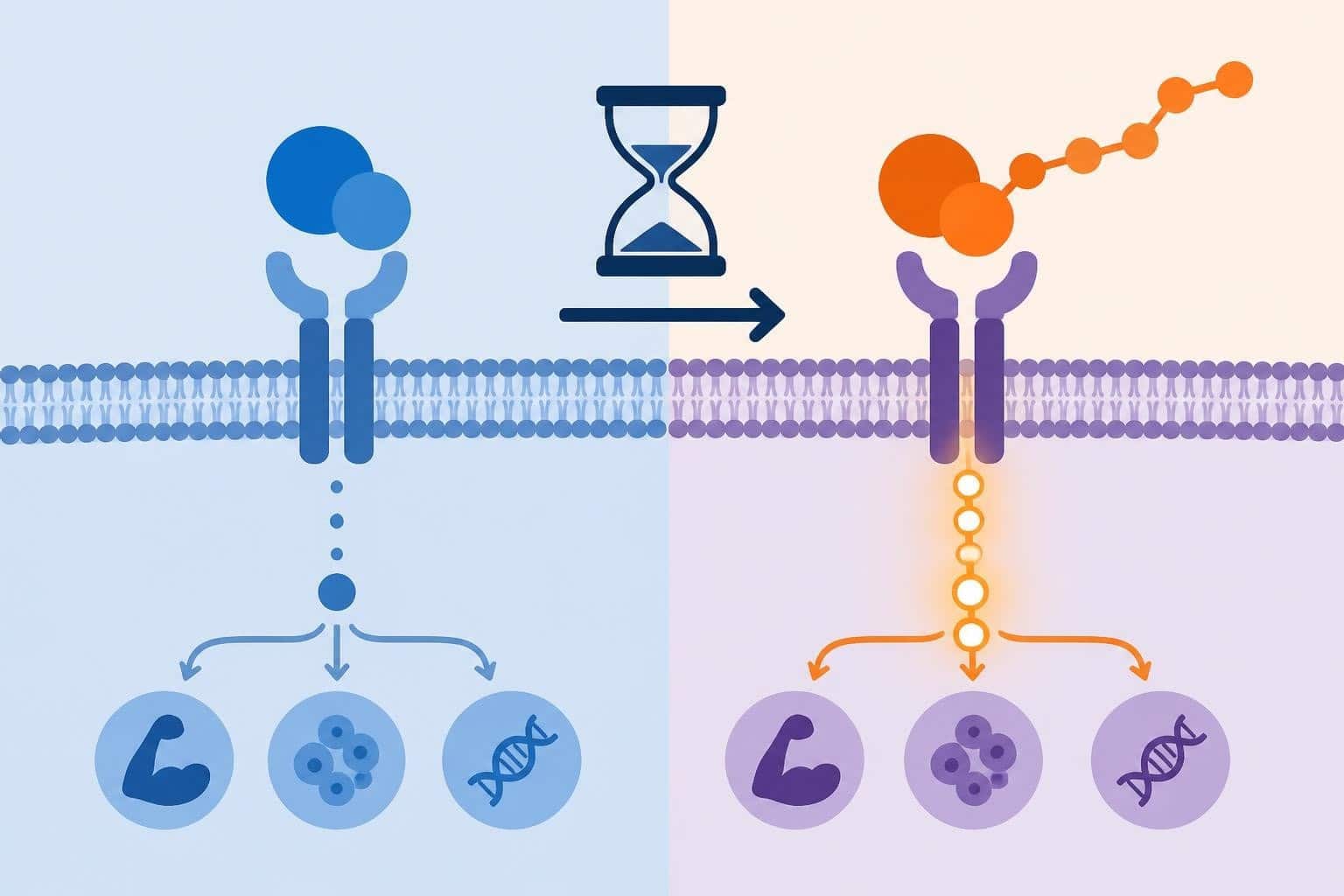
IGF-1 LR3, or Insulin-Like Growth Factor-1 Long R3, represents a synthetic analog of naturally occurring IGF-1. The modification includes an arginine substitution at position 3 (the "R3") and an extension of 13 additional amino acids at the N-terminus. These structural changes result in significantly reduced binding affinity to IGF binding proteins, allowing the peptide to remain active in the body for considerably longer periods than native IGF-1.
The extended half-life of IGF-1 LR3 offers several distinct advantages:
- Prolonged biological activity lasting 20-30 hours compared to minutes for standard IGF-1
- Enhanced systemic circulation without rapid protein binding
- More consistent anabolic signaling throughout the day
- Reduced frequency of administration required
This peptide functions by binding to IGF-1 receptors throughout the body, triggering cellular pathways associated with protein synthesis, glucose uptake, and tissue growth. The mechanism of IGF-1 LR3 demonstrates its capacity to stimulate muscle cell proliferation and differentiation while supporting metabolic efficiency. Research applications have explored its potential in muscle wasting conditions, metabolic disorders, and age-related tissue decline.
Biochemical Mechanisms and Research Applications
IGF-1 LR3 activates the PI3K/Akt pathway, a critical signaling cascade for cellular growth and survival. This activation promotes mTOR signaling, which directly influences protein synthesis rates in muscle tissue. Additionally, the peptide enhances glucose and amino acid uptake into cells, creating an anabolic environment conducive to tissue building and repair.
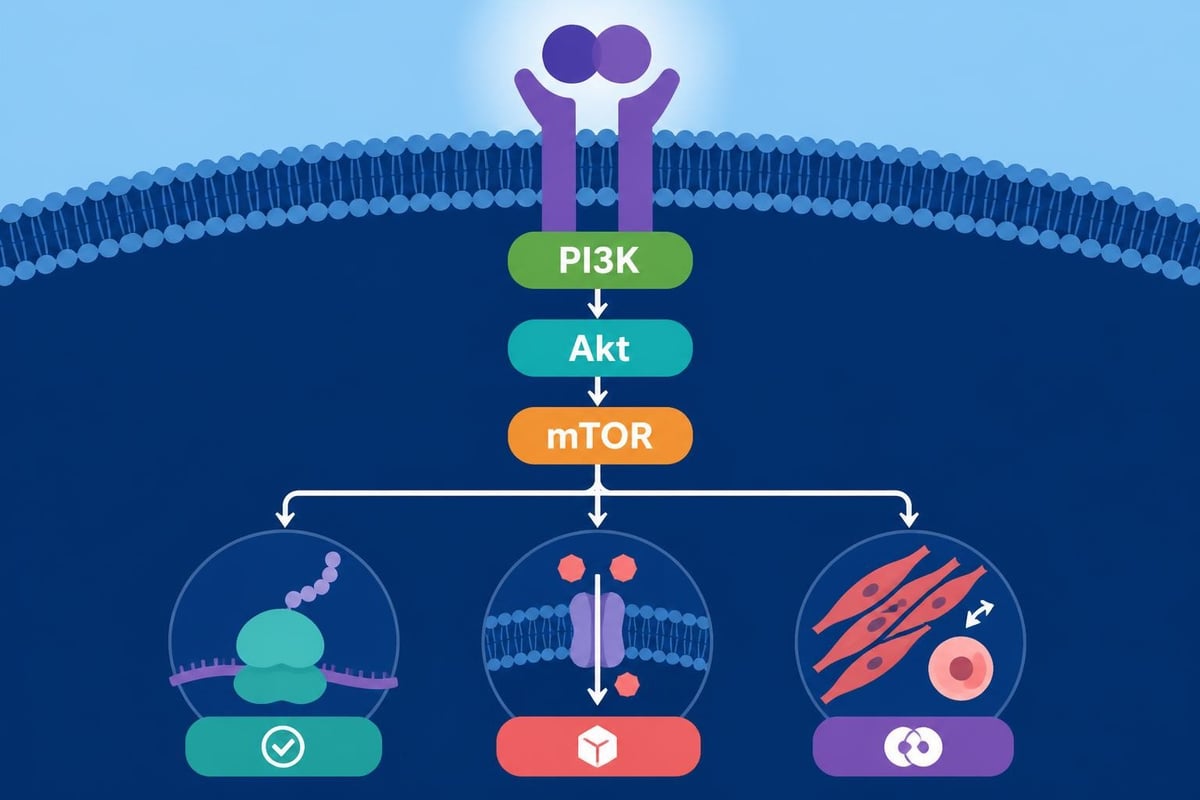
The research landscape surrounding IGF-1 LR3 includes studies on muscle hypertrophy, bone density maintenance, neurological health, and metabolic regulation. Laboratory investigations have demonstrated its capacity to stimulate satellite cell activation, the precursor cells responsible for muscle repair and growth. When evaluating whether to igf 1 lr3 buy, understanding these fundamental mechanisms helps establish realistic expectations for research outcomes.
Quality Standards and Purity Considerations
The peptide market contains significant variation in product quality, making purity verification essential before any purchase. Premium-grade IGF-1 LR3 should meet stringent purity thresholds, typically exceeding 98% as verified through high-performance liquid chromatography (HPLC) testing. Reputable suppliers provide certificates of analysis from independent laboratories, offering transparency about each batch's composition.
| Quality Indicator | Premium Standard | Warning Signs |
|---|---|---|
| Purity Level | ≥98% HPLC verified | No testing documentation |
| Appearance | White lyophilized powder | Discoloration or clumping |
| Documentation | Third-party COA provided | Supplier-only testing claims |
| Storage | Properly refrigerated | Room temperature storage |
| Packaging | Sealed vials with proper labeling | Generic or unmarked containers |
Manufacturing processes significantly impact final product quality. Advanced purification methods, including multiple chromatography stages and sterile filtration, ensure peptide integrity and minimize contamination. Suppliers utilizing pharmaceutical-grade facilities and good manufacturing practices (GMP) demonstrate commitment to quality control standards that protect end users.
When you plan to igf 1 lr3 buy, requesting batch-specific documentation should be standard practice. This documentation confirms the peptide's molecular weight, amino acid sequence verification, and absence of bacterial endotoxins. Counterfeit or underdosed products remain prevalent in less regulated markets, making supplier verification a critical first step.
Reconstitution and Storage Requirements
Proper handling after purchase directly affects peptide stability and efficacy. IGF-1 LR3 arrives as a lyophilized powder requiring reconstitution with bacteriostatic water or sterile water. The reconstitution process should occur in clean conditions, with the diluent added slowly along the vial wall to prevent excessive agitation that could denature the peptide chain.
Storage guidelines for optimal peptide preservation:
- Store lyophilized powder at 2-8°C (refrigerated)
- Reconstituted solution remains stable refrigerated for 2-4 weeks
- For extended storage, freeze at -20°C in individual-use aliquots
- Protect from light exposure using amber vials when possible
- Never refreeze previously thawed solutions
Temperature fluctuations and improper storage can degrade peptide bonds, reducing biological activity. The peptide calculator available from quality suppliers helps determine appropriate reconstitution volumes based on desired concentrations, ensuring accurate dosing throughout the product's usable life.
Dosing Protocols and Administration Methods
Research protocols for IGF-1 LR3 typically employ doses ranging from 20 to 100 micrograms per administration, though optimal dosing remains highly individual based on body weight, research objectives, and previous peptide experience. The IGF-1 LR3 dosage guide provides structured protocols emphasizing gradual introduction and response monitoring.
Conservative approaches recommend starting at the lower end of the dosing spectrum, particularly for first-time users. A common initiation protocol involves 20-40 mcg administered subcutaneously, with careful observation of metabolic responses and potential side effects before any dose escalation. This measured approach allows for individual tolerance assessment while minimizing risk factors.
Administration timing influences peptide effectiveness due to IGF-1 LR3's impact on nutrient partitioning. Many research protocols position doses post-workout when muscle cells demonstrate heightened insulin sensitivity and nutrient uptake capacity. Alternative timing strategies include pre-workout administration to enhance training performance or split dosing to maintain more consistent serum levels throughout the day.
Injection Techniques and Site Rotation
Subcutaneous injection represents the standard administration route for IGF-1 LR3, offering reliable absorption and user convenience. Common injection sites include abdominal tissue, upper thighs, and deltoid regions. Proper technique using injection syringes designed for subcutaneous use ensures accurate dosing and minimizes tissue irritation.
Site rotation prevents localized tissue damage and maintains consistent absorption rates. A systematic rotation pattern might involve dividing the abdomen into quadrants, cycling through each area across multiple administrations. Maintaining injection logs helps track rotation patterns and identify any sites demonstrating adverse reactions.
Intramuscular administration represents an alternative approach, potentially offering more localized effects in target muscle groups. However, this method requires greater technical precision and carries slightly elevated risks of injection site complications. When deciding to igf 1 lr3 buy, considering your comfort level with various administration methods helps determine practical implementation strategies.

Safety Considerations and Potential Side Effects
Understanding the side effects associated with IGF-1 LR3 proves essential for informed decision-making and risk mitigation. The most frequently reported acute effect involves hypoglycemia resulting from enhanced glucose uptake into cells. This blood sugar reduction can manifest as shakiness, sweating, confusion, or fatigue, particularly when administered without adequate carbohydrate intake.
Common side effects and management strategies:
- Hypoglycemia: Consume fast-acting carbohydrates with administration
- Injection site reactions: Rotate sites and ensure sterile technique
- Joint discomfort: Monitor dosing and consider reduction if persistent
- Headaches: Stay well-hydrated and assess dose appropriateness
- Water retention: Temporary effect typically resolving with continued use
The risks and legal status of IGF-1 LR3 warrant careful consideration before purchase. Long-term safety data remains limited in human populations, with most evidence derived from animal models and anecdotal reports. Theoretical concerns include potential effects on insulin sensitivity, organ growth with prolonged high-dose use, and interactions with endogenous growth hormone pathways.
Monitoring and Health Screening
Baseline health assessment before initiating IGF-1 LR3 helps establish reference points for monitoring. Recommended screening includes fasting glucose levels, insulin sensitivity markers (HbA1c), and comprehensive metabolic panels. Individuals with pre-existing metabolic conditions, particularly diabetes or insulin resistance, require additional caution and medical consultation.
Regular monitoring during use enables early detection of adverse trends. Blood glucose tracking, especially in the hours following administration, identifies hypoglycemic patterns requiring protocol adjustments. Some researchers implement glucose meters for real-time monitoring, particularly during dose escalation phases.
The long-term risks associated with extended IGF-1 LR3 use remain incompletely characterized. Cycling protocols, which alternate periods of use with equal or greater recovery phases, represent a risk reduction strategy employed by many experienced users. These cycles allow endogenous growth factor production to normalize while minimizing potential receptor desensitization.
Evaluating Suppliers and Making Informed Purchases
The decision of where to igf 1 lr3 buy requires thorough supplier vetting to ensure product authenticity and quality. Established suppliers with transparent business practices, comprehensive product information, and responsive customer support demonstrate professionalism that correlates with product reliability. Red flags include excessively low pricing, absence of testing documentation, and reluctance to answer technical questions about sourcing and manufacturing.
Supplier evaluation checklist:
- Third-party testing verification with batch-specific results
- Clear product specifications including peptide sequence and purity
- Proper pharmaceutical packaging with lot numbers and expiration dates
- Responsive customer service addressing technical inquiries
- Secure payment processing and discrete shipping options
- Positive customer reviews from verified purchasers
- Educational resources demonstrating peptide knowledge
Pricing analysis helps identify reasonable market rates while avoiding suspiciously low-cost alternatives that may indicate inferior quality. While premium peptides command higher prices reflecting their production costs, the most expensive options don't automatically guarantee superiority. Comparing multiple reputable sources establishes realistic price expectations for authentic IGF-1 LR3.
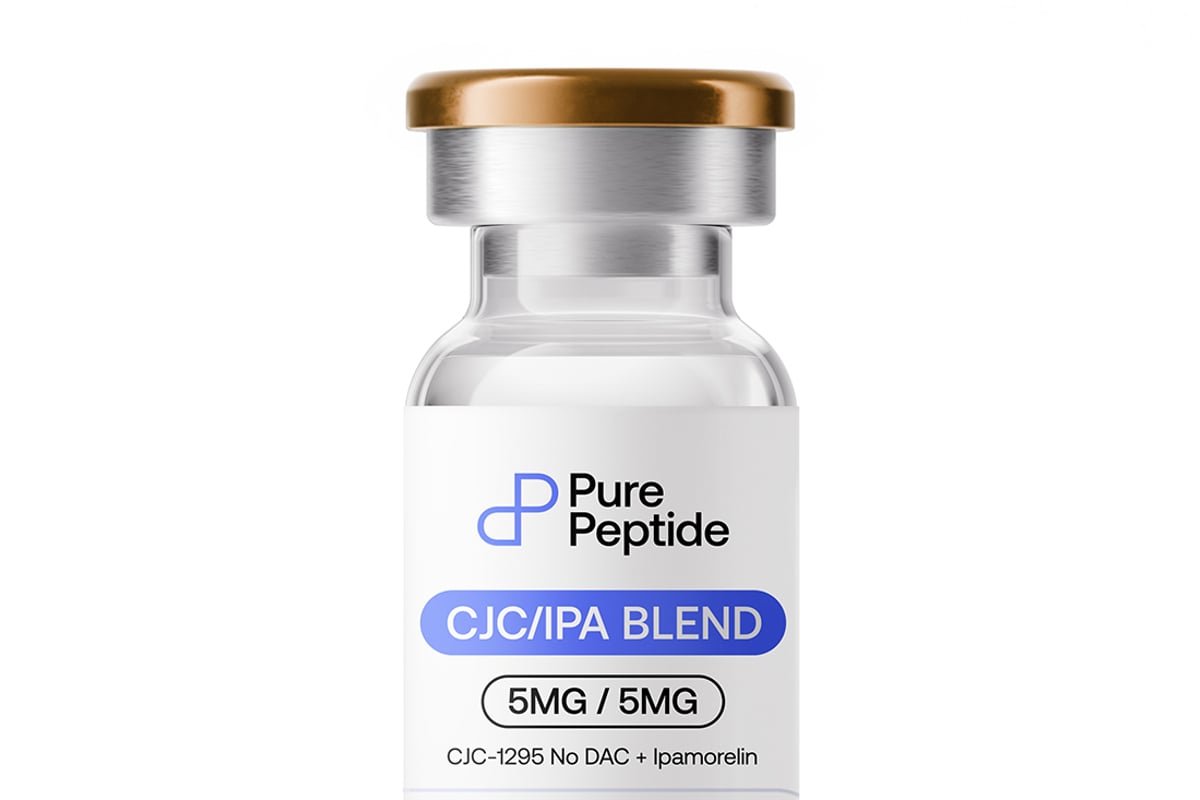
For those seeking reliable peptide sources, companies specializing in research-grade compounds with documented quality control processes offer greater assurance than general supplement retailers. When combined with other growth-promoting peptides like the CJC-1295 NO DAC / Ipamorelin Blend, which works synergistically by stimulating GH release through complementary pathways, IGF-1 LR3 can be part of a comprehensive approach to supporting physiological optimization.
Legal and Regulatory Landscape
The regulatory status of IGF-1 LR3 varies significantly across jurisdictions, affecting both purchase legality and permitted uses. In the United States, IGF-1 LR3 remains unapproved for human therapeutic use by the FDA, limiting legitimate acquisition to research purposes. Athletes subject to World Anti-Doping Agency (WADA) regulations should note that IGF-1 LR3 appears on prohibited substance lists.
Importation regulations add another complexity layer for international purchases. Customs authorities may seize peptide shipments lacking proper documentation or exceeding personal research quantities. Understanding local regulations before attempting to igf 1 lr3 buy prevents legal complications and wasted investment in confiscated products.
Research chemicals designation allows for legal purchase and possession in many regions when obtained for legitimate scientific investigation rather than human consumption. This distinction creates a gray area requiring individual assessment based on specific jurisdictional requirements and intended applications.
Integration with Comprehensive Protocols
IGF-1 LR3 demonstrates enhanced effectiveness when integrated into structured protocols addressing multiple physiological systems. Nutritional strategies supporting anabolic processes include adequate protein intake (typically 1.6-2.2 grams per kilogram body weight), strategic carbohydrate timing around training sessions, and micronutrient sufficiency for cellular metabolism.
| Protocol Element | Optimization Strategy | Rationale |
|---|---|---|
| Protein Intake | 1.8-2.2g/kg body weight | Provides amino acids for IGF-1 stimulated synthesis |
| Carbohydrate Timing | Post-administration and training | Prevents hypoglycemia and supports glycogen replenishment |
| Training Frequency | 4-6 sessions weekly | Maximizes muscle stimulation during elevated IGF-1 |
| Sleep Duration | 7-9 hours nightly | Supports growth hormone release and recovery |
| Hydration | 3-4 liters daily | Maintains cellular function and nutrient transport |
Training periodization aligns exercise stimulus with enhanced recovery capacity. Progressive overload principles ensure continued adaptation, while adequate rest intervals prevent overtraining that could compromise results. The anabolic environment created by IGF-1 LR3 theoretically supports faster recovery between sessions, potentially allowing increased training volume when properly managed.
Complementary peptide stacking represents an advanced strategy employed by experienced researchers. Combinations might include peptides targeting different aspects of the growth pathway, such as growth hormone secretagogues or recovery-focused compounds. For instance, combining IGF-1 LR3 with BPC-157 could theoretically support both muscle growth and tissue repair processes simultaneously. However, such approaches require careful consideration of potential interactions and cumulative effects.
Cycle Planning and Recovery Phases
Structured cycling prevents potential receptor downregulation and maintains peptide responsiveness over time. Common cycle lengths range from 4 to 8 weeks of active use, followed by equal or longer recovery periods. During recovery phases, endogenous IGF-1 production can normalize, and any accumulated side effects typically resolve.
Post-cycle support focuses on maintaining gains achieved during active phases through continued training stimulus and nutritional discipline. Some researchers implement bridge protocols using alternative compounds during recovery periods to sustain progress without continuous IGF-1 LR3 exposure.
Detailed logging throughout cycles enables objective assessment of individual response patterns. Recording daily doses, injection times, body composition measurements, strength metrics, and subjective wellness markers creates a comprehensive dataset for optimizing future protocols. This systematic approach to igf 1 lr3 buy decisions and usage patterns supports evidence-based refinement over speculation.
Research Evidence and Scientific Perspective
The research dossier on IGF-1 LR3 includes studies examining its effects on muscle protein synthesis, satellite cell activation, and metabolic parameters in various model systems. Animal research demonstrates significant muscle mass increases and enhanced recovery rates following injury. These findings provide mechanistic insights into potential human applications, though direct extrapolation requires caution given species differences in growth factor physiology.
Human studies remain limited due to regulatory constraints and safety considerations. Available clinical data primarily derives from investigations of native IGF-1 rather than the LR3 analog, though mechanistic similarities suggest comparable biological effects. The academic and clinical bibliography provides comprehensive citation lists for those seeking deeper scientific understanding.
Key research findings relevant to IGF-1 LR3 applications:
- Demonstrates potent muscle hypertrophy effects in rodent models
- Enhances protein synthesis rates through mTOR pathway activation
- Improves glucose uptake independent of insulin signaling
- Supports satellite cell proliferation and differentiation
- Exhibits neuroprotective properties in certain experimental conditions
Critical evaluation of research quality remains essential when interpreting study findings. Methodological limitations, funding sources, and publication bias all influence the available evidence base. The relative scarcity of long-term human safety data represents a significant knowledge gap requiring acknowledgment when making informed decisions about peptide use.
Translating Research to Practice
Bridging the gap between controlled laboratory conditions and real-world application requires understanding contextual differences. Research studies typically employ precise dosing, standardized protocols, and controlled variables that differ substantially from practical implementation. Individual variability in genetics, lifestyle factors, and baseline physiology creates response heterogeneity not captured in averaged study results.
Anecdotal reports from research communities supplement formal scientific evidence, though such information requires careful interpretation due to confirmation bias and reporting selectivity. Online forums and peptide research communities share experiences that can inform protocol development, but distinguishing reliable information from exaggeration or misinformation demands critical thinking skills.
Consulting with knowledgeable healthcare practitioners familiar with peptide therapeutics provides professional guidance for those considering IGF-1 LR3 research. While many conventional physicians lack expertise in this specialized area, sports medicine doctors, anti-aging specialists, and functional medicine practitioners increasingly offer informed perspectives on peptide applications and safety monitoring.
Cost Analysis and Value Assessment
Financial considerations factor prominently when deciding to igf 1 lr3 buy, as quality peptides represent a significant investment. Typical pricing for pharmaceutical-grade IGF-1 LR3 ranges from $40 to $80 per milligram, with bulk purchases sometimes offering volume discounts. A standard research cycle using 40-60 mcg daily for 6-8 weeks requires approximately 1.7-3.4 mg, translating to $70-270 depending on sourcing and dosing protocols.
Value assessment extends beyond unit pricing to include quality considerations, supplier reliability, and potential health impacts of inferior products. Investing in verified, high-purity peptides reduces risks associated with contaminated or underdosed alternatives that could compromise research outcomes or create safety concerns. The true cost calculation must factor in testing supplies, administration equipment, and potential monitoring expenses.
Budget considerations for comprehensive IGF-1 LR3 research:
- Peptide procurement: $150-300 for typical cycle
- Bacteriostatic water and supplies: $15-30
- Insulin syringes (100 count): $15-25
- Blood glucose monitor and strips: $30-50
- Optional third-party testing verification: $100-200
Alternative peptide options may offer comparable benefits at different price points, warranting consideration based on individual research goals and budget constraints. Growth hormone secretagogues, for example, typically cost less than IGF-1 LR3 while supporting similar anabolic pathways through endogenous hormone stimulation. Exploring resources at Soma Peptide provides information on various peptide categories and their respective applications.
The long-term cost-benefit analysis should account for sustainable implementation rather than one-time experimentation. Establishing reliable supplier relationships, developing effective protocols through systematic testing, and maintaining detailed records create infrastructure supporting ongoing research efficiency.
Approaching the decision to purchase IGF-1 LR3 requires comprehensive evaluation of quality standards, safety protocols, and individual research objectives. By prioritizing supplier verification, understanding proper administration techniques, and maintaining realistic expectations grounded in available evidence, researchers can make informed decisions that support their specific goals. Soma Peptide provides premium-grade peptides manufactured under stringent quality control standards, offering the purity and consistency essential for reliable research outcomes. Whether you're exploring IGF-1 LR3 or other peptide options, starting with trusted suppliers ensures your research foundation rests on products meeting the highest industry standards.