

The pursuit of enhanced muscle growth, accelerated recovery, and effective anti-aging strategies has led researchers and athletes to explore various peptide compounds. Among these, the igf 1 peptide stands out as one of the most studied and discussed molecules in performance optimization and regenerative medicine. This naturally occurring polypeptide plays a fundamental role in human growth, cellular repair, and metabolic regulation. Understanding its mechanisms, applications, and quality considerations is essential for anyone considering peptide-based approaches to health optimization.
Understanding the Biology of IGF 1 Peptide
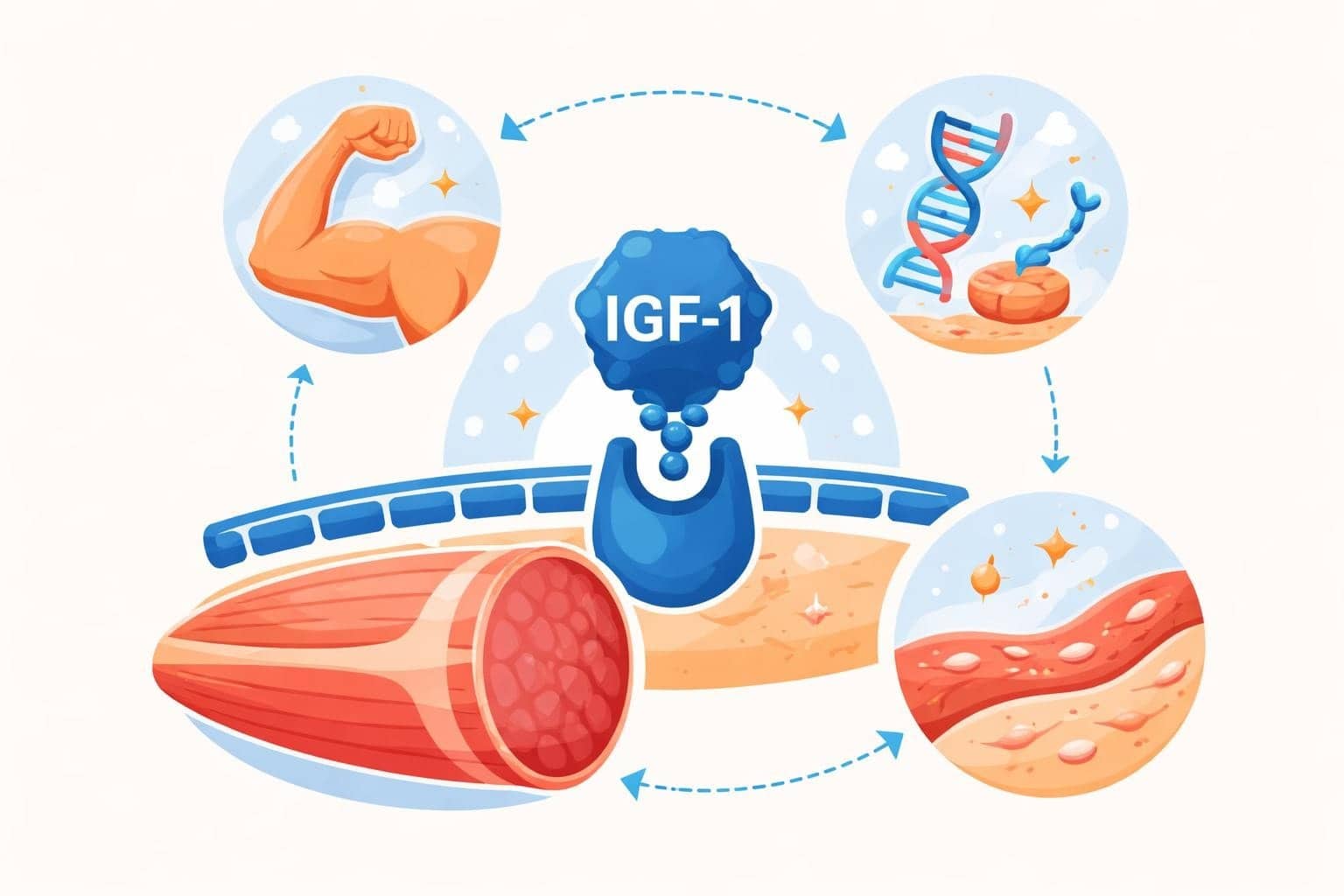
IGF 1 peptide, or Insulin-like Growth Factor 1, is a hormone similar in molecular structure to insulin. The body produces this 70-amino-acid peptide primarily in the liver in response to growth hormone stimulation. However, nearly every tissue in the human body can produce IGF-1 locally, making it a crucial mediator of growth hormone effects throughout the organism.
The peptide binds to specific receptors on cell surfaces, triggering a cascade of intracellular signals that promote growth, survival, and differentiation. These receptors are present in muscle tissue, bone, cartilage, nerve cells, and various organs, explaining the widespread influence of this compound.
Primary Mechanisms of Action
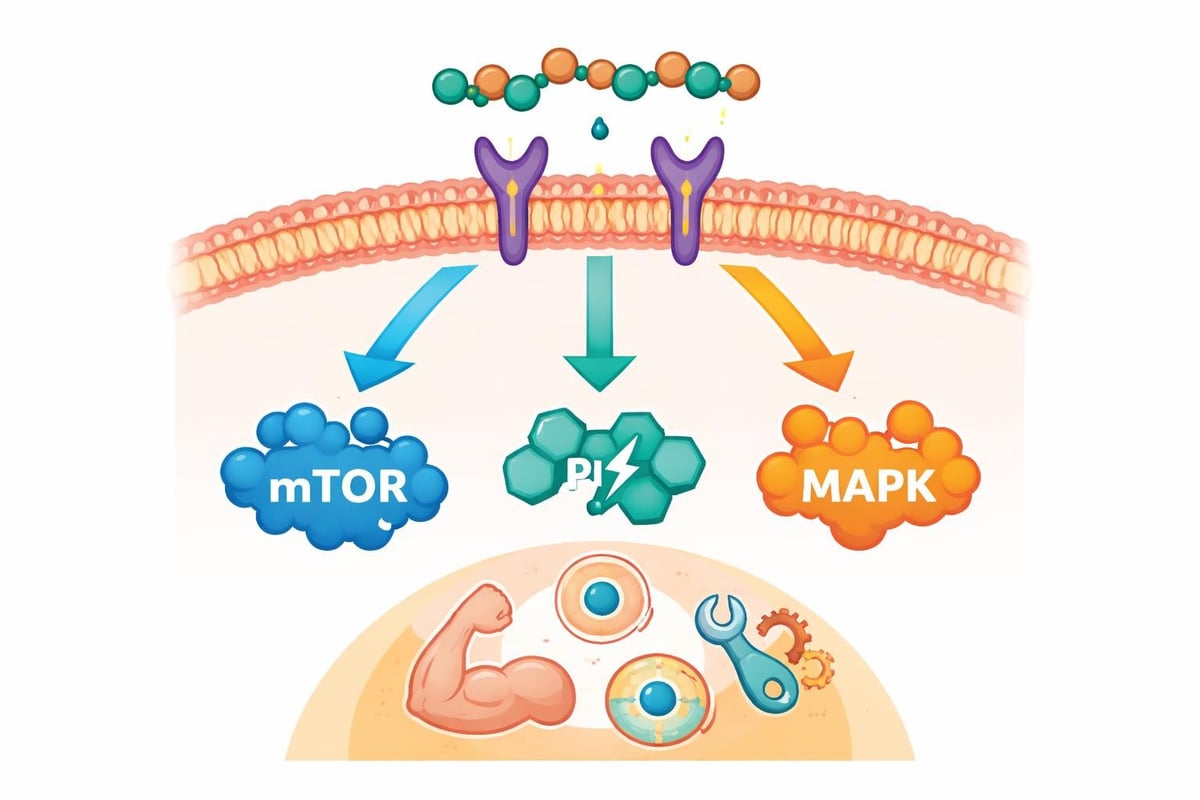
When igf 1 peptide binds to its receptor, it activates several critical pathways:
- Protein synthesis activation through the mTOR pathway, leading to muscle tissue growth
- Cell proliferation stimulation that supports tissue repair and regeneration
- Glucose uptake enhancement in muscle cells, improving nutrient partitioning
- Anti-apoptotic effects that protect cells from programmed death
- Collagen synthesis promotion for connective tissue health
Research has demonstrated that IGF-1 and its active peptide derivatives enhance synaptic marker expression through distinct cellular mechanisms, highlighting the compound's importance in neural plasticity and cognitive function.
Historical Development and Research Evolution
The history of IGF-1 traces back to the 1950s when researchers first identified "sulfation factor" activities in serum that promoted cartilage growth. Scientists later renamed this activity as "somatomedin" because it mediated the effects of somatotropin (growth hormone). The modern era of IGF-1 research began in the 1980s with the successful isolation, purification, and sequencing of the peptide.
Understanding this historical context reveals how scientific knowledge has evolved from basic growth studies to sophisticated applications in muscle development, recovery enhancement, and neuroprotection. The peptide's role extends far beyond simple growth promotion, encompassing metabolic regulation, tissue repair, and cellular longevity.
IGF 1 Peptide Variants and Modifications
The standard igf 1 peptide exists in several forms, each with distinct characteristics and applications. Natural IGF-1 has a relatively short half-life of approximately 10-20 minutes in circulation, which limits its practical utility for performance enhancement or therapeutic applications.
Common Variants
| Variant | Structure Modification | Half-Life | Primary Advantage |
|---|---|---|---|
| IGF-1 DES | First 3 amino acids removed | 20-30 minutes | Increased potency, localized effects |
| IGF-1 LR3 | Arginine substitution at position 3, 13 amino acid extension | 20-30 hours | Extended activity, systemic distribution |
| Standard IGF-1 | Natural sequence | 10-20 minutes | Rapid action, natural profile |
IGF-1 LR3 represents the most commonly discussed modified version. This variant includes an arginine substitution at the third position and a 13-amino-acid N-terminal extension. These modifications reduce binding to IGF-binding proteins, allowing the peptide to remain active in circulation for significantly longer periods. The comprehensive safety analysis of IGF-1 LR3 provides valuable insights into potential considerations associated with extended-release formulations.
Applications in Muscle Growth and Recovery
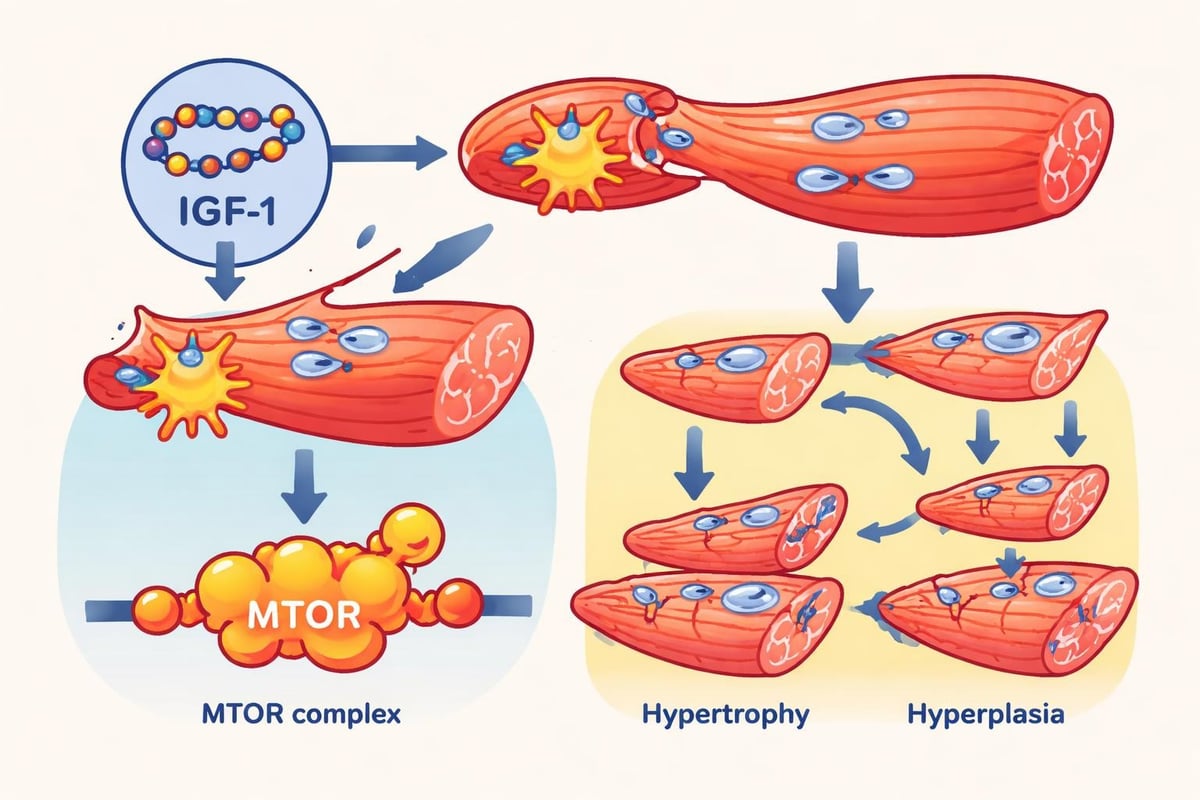
The igf 1 peptide has gained significant attention in athletic and bodybuilding communities due to its pronounced effects on muscle tissue. The compound stimulates both muscle cell hypertrophy (enlargement) and hyperplasia (cell number increase), offering potential advantages over interventions that only promote one mechanism.
Muscle Development Mechanisms
Satellite cells, the muscle tissue's resident stem cells, respond particularly well to IGF-1 signaling. When activated, these cells proliferate and fuse with existing muscle fibers, contributing to growth and repair. This process becomes especially important during recovery from intense training or injury.
The peptide also enhances nutrient uptake in muscle cells, improving the delivery of amino acids and glucose to working tissues. This nutrient partitioning effect means more of what you consume goes toward building and repairing muscle rather than being stored as fat.
Key benefits for muscle development include:
- Increased protein synthesis rates in muscle tissue
- Enhanced satellite cell activation and proliferation
- Improved nutrient partitioning toward muscle cells
- Reduced protein breakdown during catabolic periods
- Accelerated recovery from training-induced damage
Those exploring peptide options for muscle growth often consider compounds like HGH, which works synergistically with the body's natural IGF-1 production.
Neuroprotective and Cognitive Benefits
Beyond its well-known effects on physical tissue, the igf 1 peptide demonstrates remarkable neuroprotective properties. Brain tissue produces IGF-1 locally, and this production plays a crucial role in neuronal survival, synaptic plasticity, and cognitive function.
Research indicates that IGF-1-derived neuropeptides represent a promising pharmaceutical strategy for managing ischemic brain injury. The peptide protects neurons from various forms of stress, including oxidative damage, inflammation, and reduced blood flow.
Cognitive Enhancement Mechanisms
The compound supports brain health through several distinct pathways. It promotes the growth of new neurons in the hippocampus, a brain region critical for memory formation. It also enhances the formation and strengthening of synaptic connections, the communication points between neurons.
Additionally, IGF-1 stimulates the production of brain-derived neurotrophic factor (BDNF), another crucial molecule for neuronal health and plasticity. This creates a synergistic effect that supports both structural and functional aspects of brain performance.
For those interested in cognitive enhancement through peptides, options like Selank offer complementary mechanisms that support mental clarity and stress resilience.
Anti-Aging and Regenerative Properties
The relationship between igf 1 peptide and aging has generated substantial research interest. IGF-1 levels naturally decline with age, and this reduction correlates with various age-related changes including muscle loss, bone density reduction, and decreased skin elasticity.
The peptide influences aging processes through multiple mechanisms:
- Promotion of cellular repair and regeneration across tissues
- Enhancement of collagen and elastin synthesis for skin health
- Support for bone mineral density maintenance
- Improvement in muscle mass preservation during aging
- Stimulation of immune system function
However, the relationship between IGF-1 and longevity presents a complex picture. While the peptide supports tissue health and function, some research suggests that chronically elevated levels might influence certain aging pathways differently than moderate, physiological levels.
Those exploring anti-aging peptides often consider Epitalon, which works through distinct mechanisms related to telomere preservation and circadian rhythm regulation.
Quality and Purity Considerations
When evaluating any igf 1 peptide product, quality and purity represent paramount concerns. The complex structure of this 70-amino-acid peptide makes it susceptible to degradation, misfolding, or contamination during synthesis and storage.
Critical Quality Factors
| Quality Parameter | Importance | Verification Method |
|---|---|---|
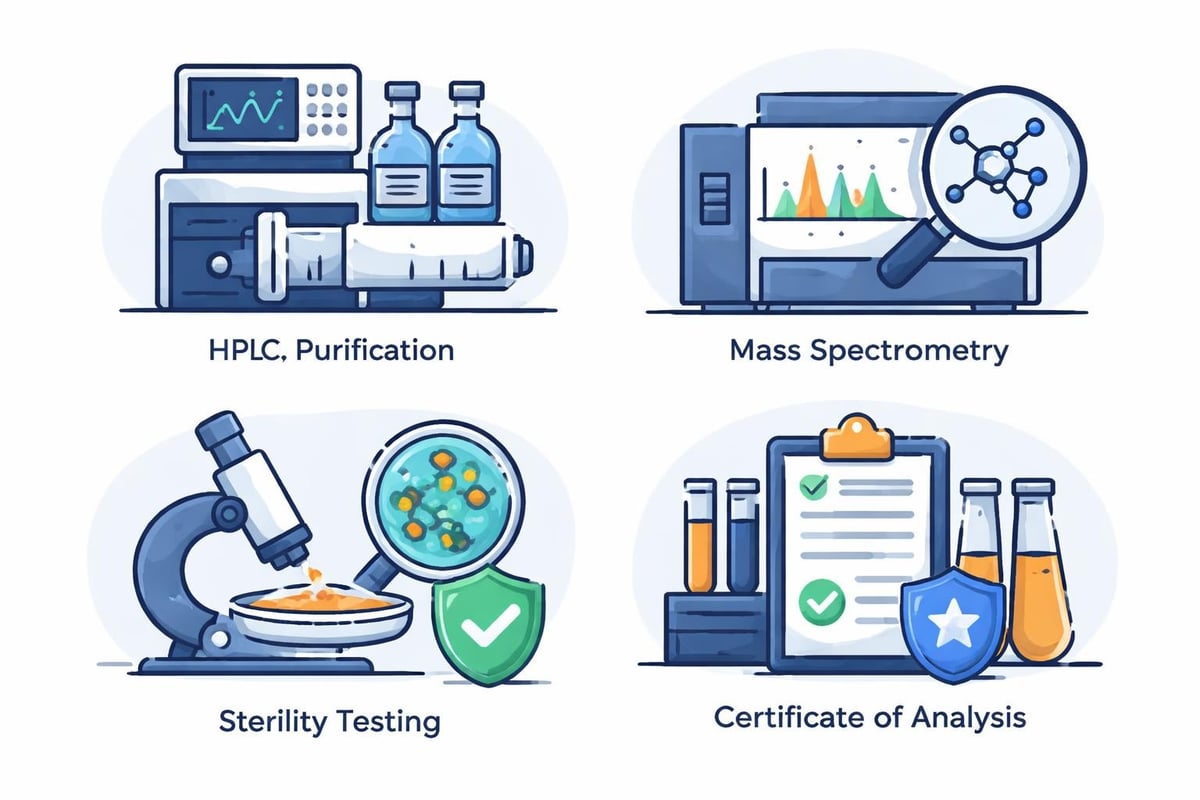
| Purity percentage | Determines active ingredient concentration | HPLC analysis |
| Sequence accuracy | Ensures correct amino acid order | Mass spectrometry |
| Sterility | Prevents bacterial contamination | Endotoxin testing |
| Storage stability | Maintains potency over time | Stability testing |
| Reconstitution quality | Proper dissolution characteristics | Visual and chemical inspection |
Advanced purification methods, including high-performance liquid chromatography (HPLC) and reverse-phase chromatography, remove impurities and ensure the final product contains the correct peptide sequence. Reputable suppliers provide certificates of analysis (COAs) documenting these quality parameters.
The detailed pharmacology and quality standards for IGF-1 peptides highlight the importance of stringent manufacturing processes. Products should meet pharmaceutical-grade standards, with purity levels typically exceeding 98%.
Dosing Protocols and Administration
The igf 1 peptide requires careful consideration regarding administration methods and dosing protocols. The peptide's structure makes it unsuitable for oral consumption, as digestive enzymes would break down the amino acid chain before absorption.
Administration Methods
Subcutaneous injection represents the most common administration route for research purposes. This method involves injecting the reconstituted peptide into the fatty tissue beneath the skin, typically in the abdominal area. The peptide then absorbs into the bloodstream over time.
Intramuscular injection offers another option, particularly for those seeking more localized effects in specific muscle groups. Some research suggests that site-specific administration might enhance local tissue responses.
Typical protocol considerations include:
- Injection timing relative to training or meals
- Frequency of administration based on variant half-life
- Rotation of injection sites to prevent tissue irritation
- Proper reconstitution with bacteriostatic water
- Refrigerated storage of reconstituted solutions
For comprehensive peptide support, many individuals combine IGF-1 variants with other compounds. The wide range of premium quality peptides available allows for customized protocols targeting specific goals.
Regulatory Status and Athletic Considerations
The regulatory landscape surrounding igf 1 peptide varies significantly across jurisdictions and contexts. In competitive athletics, the World Anti-Doping Agency (WADA) classifies IGF-1 and its variants as prohibited substances. The role of IGF-1 in sports includes discussion of both its performance-enhancing potential and regulatory restrictions.
Athletes subject to drug testing should be aware that IGF-1 peptides appear on prohibited substance lists. Testing methods have become increasingly sophisticated, capable of detecting both exogenous IGF-1 administration and abnormal endogenous levels.
For research purposes and personal health optimization outside competitive sports contexts, regulatory considerations differ. Many jurisdictions allow the purchase and possession of peptides for research purposes, though regulations continue to evolve.
Synergistic Combinations and Protocol Design
The igf 1 peptide rarely functions in isolation within the body. It interacts with numerous other hormones, growth factors, and signaling molecules. Understanding these interactions helps optimize protocol design for specific goals.
Common Synergistic Approaches
Growth hormone and IGF-1 work in tandem naturally, with GH stimulating IGF-1 production. Some protocols combine these compounds to maximize anabolic effects while managing individual dosing.
Insulin represents another synergistic compound, as IGF-1 shares structural similarities and some receptor cross-reactivity. The combination can enhance nutrient delivery and utilization, though it requires careful management.
For those focused on metabolic optimization and body composition, compounds like Tirzepatide or Semaglutide offer complementary mechanisms that support fat loss while IGF-1 promotes muscle preservation.
Research Directions and Future Applications
Current research continues to explore novel applications for igf 1 peptide beyond traditional muscle growth and recovery. The comprehensive research studies on IGF-1 peptides highlight emerging areas including cardiovascular health, metabolic syndrome management, and neurodegenerative disease prevention.
Scientists are investigating modified versions with improved stability, targeted delivery systems, and reduced side effect profiles. Gene therapy approaches that enhance endogenous IGF-1 production in specific tissues represent another frontier.
The peptide's role in tissue engineering and regenerative medicine shows particular promise. Researchers are exploring how IGF-1 can enhance the growth and differentiation of stem cells for therapeutic applications.
Safety Profile and Monitoring
While the igf 1 peptide demonstrates a generally favorable safety profile when used appropriately, understanding potential considerations remains essential. The peptide's growth-promoting effects require careful monitoring to ensure they remain within desired parameters.
Monitoring Recommendations
Regular assessment of relevant biomarkers helps ensure safe and effective use:
- Blood glucose levels to monitor metabolic effects
- IGF-1 serum concentrations to track circulating levels
- Liver function markers given the liver's role in IGF-1 production
- General health indicators including blood pressure and lipid profiles
The comprehensive evidence synthesis on IGF-1 LR3 includes detailed safety information from clinical literature and regulatory documents.
Individuals with certain health conditions, particularly those involving abnormal cell growth, should exercise additional caution and consult healthcare professionals before considering IGF-1 peptides.
Storage and Handling Best Practices
Proper storage and handling significantly impact the igf 1 peptide's stability and effectiveness. The peptide's complex structure makes it sensitive to temperature, light, and contamination.
Storage guidelines include:
- Lyophilized (powder) form: Store at 2-8°C (refrigerated) or -20°C (frozen)
- Reconstituted solution: Refrigerate at 2-8°C, use within 14-30 days
- Protect from direct light and excessive temperature fluctuations
- Use sterile technique during reconstitution and handling
- Consider using alcohol pads for proper injection site preparation
Following manufacturer guidelines for specific products ensures optimal peptide stability throughout the usage period.
The igf 1 peptide represents a powerful tool for those seeking enhanced muscle growth, accelerated recovery, and comprehensive anti-aging support through evidence-based approaches. Understanding its mechanisms, variants, and quality considerations enables informed decision-making about peptide protocols. When you're ready to explore premium-grade peptides manufactured with advanced purification methods and stringent quality control, Soma Peptide provides the purity and efficacy necessary for optimal results in your health optimization journey.