
For lean muscle, three peptide classes have the most credible rationale: GH-axis secretagogues (ipamorelin, CJC-1295, sermorelin, MK-677), tissue-repair peptides (BPC-157, TB-500), and characterised plant-derived hydrolysates like PeptiStrong™ (NPN_1). None of these replaces progressive overload or adequate protein. What they can do, when sourced cleanly and used with medical oversight, is modestly shift the hormonal or recovery environment in your favour.
- Realistic outcome: modest body-composition shifts and faster recovery, not steroid-level hypertrophy. Evidence grading consistently frames peptides as adjuncts, not drivers.
- Timeline: GH secretagogues take 4–8 weeks before IGF-1 changes are measurable. Recovery peptides can show subjective benefits within days to weeks.
- Immediate next step: get a baseline IGF-1 and fasting glucose before starting anything, and request a Certificate of Analysis (COA) from any supplier before you order.
Key takeaways
The clearest finding across all the evidence: peptides are adjuncts to training and nutrition, not replacements, and the compounds with the best human-trial support are not the ones most aggressively marketed.
| Point | Details |
|---|---|
| GH-axis peptides raise IGF-1, not muscle | Ipamorelin, CJC-1295, and MK-677 shift hormonal environment; strength gains are modest and inconsistent. |
| NPN_1 (PeptiStrong™) has the cleanest human trial | NCT05159375 showed improved strength recovery (p = 0.027) and myostatin suppression in 30 males over 72 hours. |
| Baseline bloodwork is non-negotiable | Get IGF-1, fasting glucose, and HbA1c before starting any GH-axis compound. |
| COAs and LC-MS/MS reports separate real suppliers | Ask for batch-specific peptidomics reports, not just an HPLC number, before purchasing. |
| Soma Peptide | Supplies >99% purity peptides with COAs; a direct option for athletes prioritising documentation and clinical-grade sourcing. |
Table of Contents
- Which lean muscle peptides are worth knowing?
- How peptides actually influence muscle physiology
- What are the safety risks and monitoring requirements?
- How to integrate peptides with training and nutrition
- How do you choose a safe peptide supplier?
- Key studies and their limitations
- How to think about peptides as a serious athlete
- Soma Peptide: clinical-grade purity for serious athletes
- Sources
Which lean muscle peptides are worth knowing?
The field splits cleanly into four classes, each with a different mechanism, evidence tier, and legal status.
| Class | Exemplars | Primary goal | Mechanism | Evidence level | Route | Typical cadence | Key risks |
|---|---|---|---|---|---|---|---|
| GH-axis secretagogues | Ipamorelin, CJC-1295, Sermorelin, MK-677 | Lean mass, fat loss | Stimulate GH → IGF-1 | Small human trials; mixed strength data | Injectable (most); oral (MK-677) | Daily or pulsed; 4–8 weeks | Insulin resistance, fluid retention, appetite changes |
| IGF-1 variants | IGF-1 LR3, PEG-MGF | Muscle protein synthesis, satellite-cell activation | Direct mTOR activation; IGF-1 receptor binding | Preclinical; very limited human data | Injectable | Cyclical; short windows | Hypoglycaemia, potential proliferative risk |
| Tissue-repair peptides | BPC-157, TB-500, GHK-Cu | Injury healing, reduced DOMS | Anti-inflammatory, angiogenic, actin-binding signalling | Preclinical (rodent); anecdotal human | Injectable or oral (BPC-157) | As needed or short cycles | Limited long-term human safety data |
| Plant/food-derived hydrolysates | PeptiStrong™ (NPN_1), pea peptide hydrolysates | Recovery, strength preservation | Myostatin modulation, anti-fatigue signalling | Small RCT (NPN_1); preclinical (pea) | Oral | Daily; 4–8 weeks | Generally well tolerated; limited long-term data |
Legal status note: In Canada, GH-axis secretagogues and IGF-1 variants are not approved for muscle building and are typically available only through compounding pharmacies with a prescription, or as research chemicals. Oral hydrolysates like PeptiStrong™ sit in a different regulatory category. Confirm current status with a licensed pharmacist or clinician before purchasing anything.
How peptides actually influence muscle physiology
Peptides do not build muscle directly. That distinction matters more than most marketing copy lets on.
GH secretagogues trigger the pituitary to release growth hormone, which then stimulates hepatic IGF-1 production. IGF-1 activates the mTOR pathway, which drives muscle protein synthesis and satellite-cell proliferation. The chain is real, but overview analyses confirm that raising GH and IGF-1 does not reliably translate into strength gains. MK-677, for instance, increased fat-free mass in older adults in a two-year RCT but produced mixed functional results and raised concerns about glucose and insulin sensitivity.
IGF-1 LR3 bypasses the liver and binds IGF-1 receptors directly, producing a longer half-life than endogenous IGF-1. The mechanistic logic is sound; the human trial data is not yet there to match it.
Recovery peptides work differently. BPC-157 and TB-500 appear to reduce inflammation and support angiogenesis in preclinical models, which can accelerate tissue repair after training stress. The indirect path to lean mass is real: faster recovery means higher sustainable training volume over time.

The strongest human-trial evidence in the plant-derived category comes from the NPN_1 (PeptiStrong™) randomised double-blind placebo-controlled trial (NCT05159375). In 30 healthy male volunteers taking 2.4 g/day, NPN_1 produced significantly better strength recovery over 72 hours post-exercise (p = 0.027), reduced fatigue (p = 0.041), and suppressed myostatin expression (p = 0.006) compared with placebo. Sample size is small, and the endpoints are recovery-focused rather than hypertrophy-focused. Still, it is one of the cleaner controlled trials in this space.
A preclinical study on pea peptide supplementation combined with resistance training showed increased muscle mass, strength, and fibre cross-section in a rodent model, supporting the biological plausibility of plant-derived hydrolysates. Rodent data does not confirm human outcomes, but the mechanistic signals are consistent with the NPN_1 human trial findings.
Evidence-grading reviews note that no peptide currently carries regulatory approval specifically for muscle building. Tesamorelin has an approved niche indication (HIV-associated lipodystrophy), which gives it the strongest regulatory signal in the GH class. Popular stacks like CJC-1295 combined with ipamorelin lack robust controlled human outcome data for hypertrophy.
What are the safety risks and monitoring requirements?
Safety monitoring is not optional with GH-axis peptides. The hormonal changes they produce are real, and so are the metabolic consequences if they go unmonitored.
Common side effects by class:
- GH secretagogues: fluid retention, increased appetite, transient insulin resistance, joint discomfort, potential worsening of pre-existing glucose dysregulation
- IGF-1 variants: hypoglycaemia risk, potential proliferative signals (caution with personal or family history of cancer), injection-site reactions
- Tissue-repair peptides: limited long-term human safety data; injection-site irritation; unknown interactions with immunosuppressants
- Oral hydrolysates: generally well tolerated in short trials; long-term data sparse
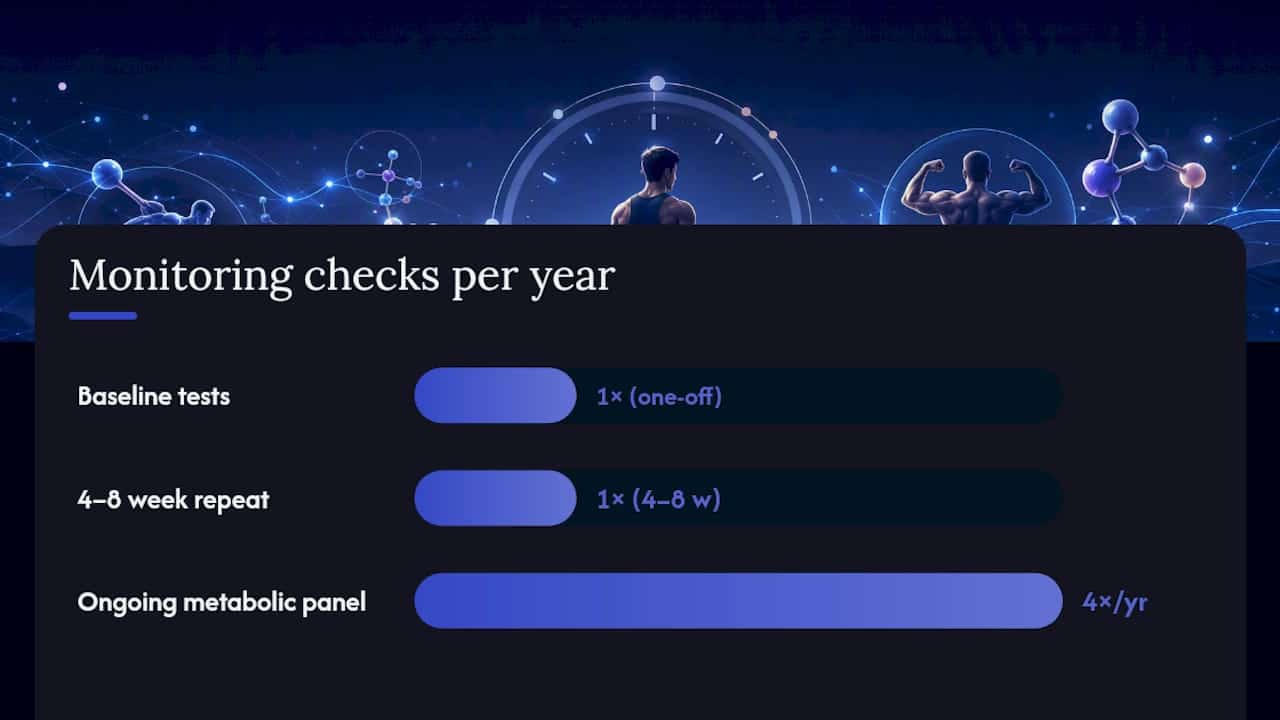
Recommended monitoring plan:
- Baseline (before starting): IGF-1, fasting glucose, HbA1c, full metabolic panel, liver enzymes, lipid panel, and a targeted hormone panel if using GH-axis compounds.
- 4–8 weeks in: Repeat IGF-1 and fasting glucose. Clinical guidance identifies this window as when measurable IGF-1 changes typically appear.
- Ongoing: Full metabolic panel every 3 months; adjust or pause based on results.
- Stop immediately and seek medical attention if you experience severe hypoglycaemia, unexplained rapid growth of any tissue, significant oedema, or signs of infection at an injection site.
Recognising counterfeit or adulterated products: Vials with inconsistent fill levels, labels with spelling errors, no lot number, or packaging that differs from what the supplier’s website shows are all red flags. Peptides degrade quickly without proper cold-chain handling; a product that arrived warm or was stored at room temperature for extended periods may be inactive or degraded rather than counterfeit, but the safety concern is the same.
How to integrate peptides with training and nutrition
Peptides are an adjunct. If your training programme, protein intake, and sleep are not already dialled in, adding a peptide will not compensate.
| Compound class | Route | Typical cadence | Time to first measurable change |
|---|---|---|---|
| GH secretagogues (ipamorelin, CJC-1295) | Subcutaneous injection | Daily or pulsed | IGF-1 shift: 4–8 weeks |
| MK-677 (ibutamoren) | Oral | Daily | IGF-1 shift: 4–8 weeks; lean mass: — |
| BPC-157 / TB-500 | Subcutaneous or intramuscular | Short cycles around injury or heavy training blocks | Subjective recovery: days to weeks |
| PeptiStrong™ (NPN_1) | Oral | Daily | Strength recovery improvement: within 72 h post-exercise in the RCT |
Integration points:
- Progressive overload remains the primary driver of lean mass. Peptides do not substitute for adding load or volume over time.
- Protein intake of 1.6–2.2 g/kg of body weight per day is the evidence-based range for muscle protein synthesis support. Peptides work within this environment, not around it.
- Sleep is where GH pulses are largest. GH secretagogues dosed before bed align with this natural rhythm.
- Volume management matters: recovery peptides may allow you to sustain higher training frequency, but accumulating fatigue faster than you recover still leads to injury.
Interaction cautions: GLP-1 agonists used concurrently with GH secretagogues may compound appetite suppression unpredictably. Anyone with pre-diabetes or insulin resistance should treat MK-677 with particular caution given its documented glucose effects. Pause peptide use during acute illness, planned surgery, or any period requiring immunosuppressive medication, and inform your clinician of everything you are taking.
How do you choose a safe peptide supplier?
Purity claims without documentation are marketing. A legitimate supplier can back every batch with paperwork.
COA checklist:
- Third-party HPLC purity report showing >99% purity for the stated peptide
- LC-MS/MS peptidomics report identifying known bioactive sequences and confirming batch consistency (this is stronger evidence than an HPLC number alone, and it is the method used to characterise PeptiStrong™/NPN_1 batches)
- Batch number and expiry date on both the COA and the vial
- Cold-chain shipping confirmation and storage instructions
- GMP-compliant or equivalent manufacturing facility documentation
Questions to ask before you order:
- “Can you provide the LC-MS/MS peptidomics report for this specific batch?”
- “What is the peptide purity by HPLC, and who performed the third-party testing?”
- “What is the lot number on the COA, and does it match the vial I will receive?”
- “How is this product shipped, and what temperature range is maintained?”
Red flags: no COA available, a lab name that returns no verifiable results online, pricing dramatically below market rates, vague storage instructions, or packaging that does not match the supplier’s product photos.
Key studies and their limitations
Primary studies referenced in this guide:
| Study / Source | What it shows | Main limitation |
|---|---|---|
| NCT05159375 — NPN_1 (PeptiStrong™) RCT | Improved strength recovery (p = 0.027), reduced fatigue (p = 0.041), suppressed myostatin (p = 0.006) over 72 h | n = 30 healthy males; recovery endpoints only, not hypertrophy |
| Pea peptide + resistance training (PubMed) | Increased muscle mass, strength, and fibre cross-section | Rodent model; human translation unconfirmed |
| MK-677 two-year RCT (older adults) | Increased fat-free mass; mixed strength results; glucose concerns | Older adult population; not directly applicable to trained athletes |
| GH-axis overview (Healthline) | GH secretagogues raise GH/IGF-1 but do not reliably produce strength gains | Narrative overview; not a primary trial |
| Evidence grading (Peptides Academy) | No peptide approved for muscle building; tesamorelin has the strongest regulatory signal | Grading based on available literature, which is sparse for many compounds |
How to think about peptides as a serious athlete
The most common mistake is treating peptides as the variable that will finally unlock progress. They are not. The athletes who get the most from peptides are the ones who already have their training, nutrition, and recovery infrastructure in place and are looking for a marginal edge, not a shortcut.
Start with baseline bloodwork before you touch anything. If your IGF-1 is already at the high end of the normal range, a GH secretagogue is unlikely to move the needle further and may create metabolic stress without benefit. If your fasting glucose is already elevated, MK-677 is a poor choice regardless of what you have read about its lean-mass effects.
Conservative choices and clinician oversight are not bureaucratic hurdles. They are how you avoid spending months managing a side effect instead of training. The recovery peptides, particularly characterised oral hydrolysates like PeptiStrong™, carry a more favourable risk profile for most people because the route of administration and the regulatory category are both less fraught.
If you experience unexplained rapid tissue growth, severe hypoglycaemia, or significant cardiovascular symptoms after starting any peptide, stop immediately and seek medical attention.
Soma Peptide: clinical-grade purity for serious athletes
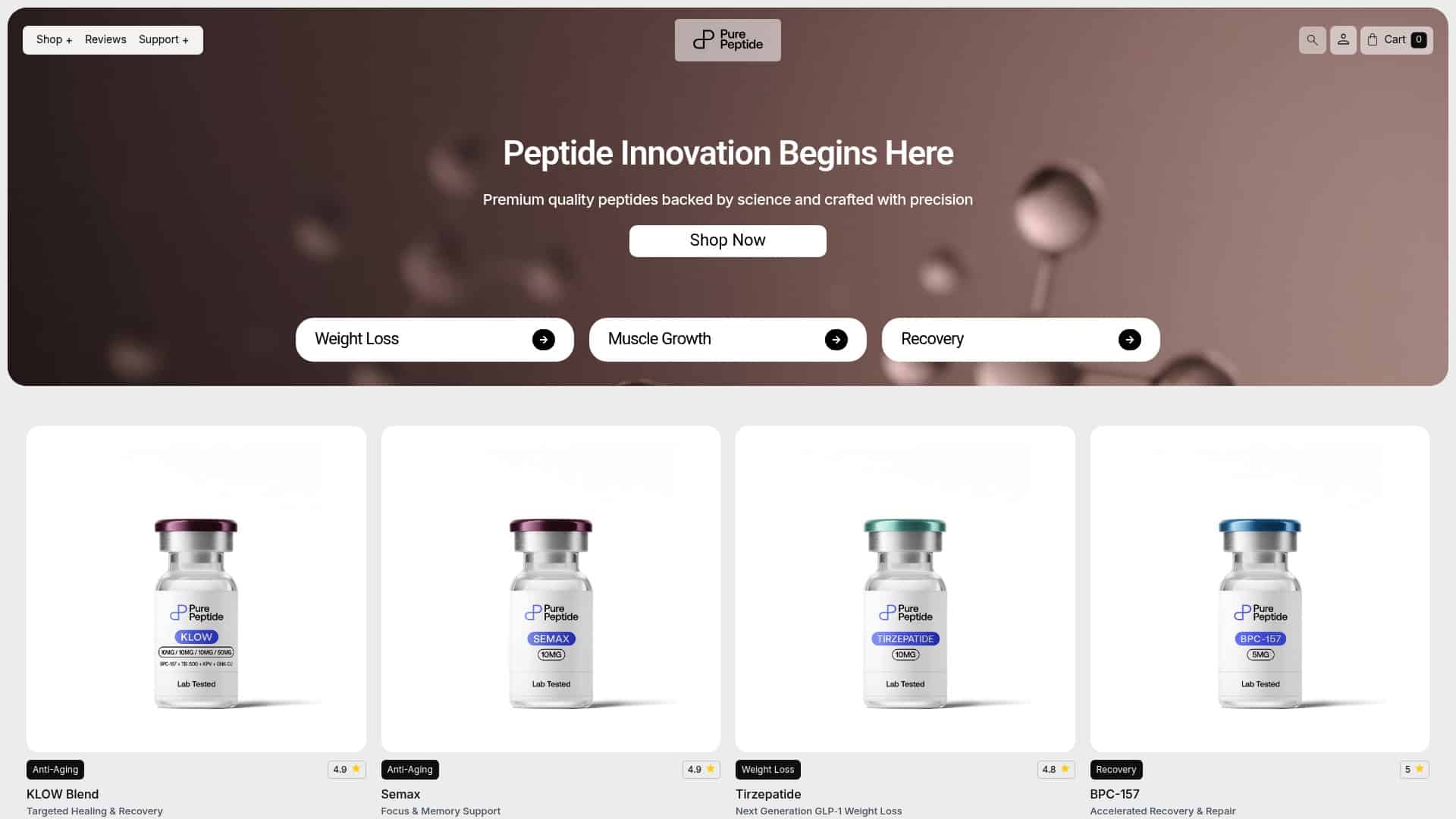
The peptides for bodybuilding guide covers the full range of GH-axis and recovery compounds with clinical context. For recovery-specific compounds, the peptides for recovery page details NPN_1 (PeptiStrong™) and tissue-repair options with sourcing information. For IGF-1 LR3 specifically, IGF-1 LR3 results outlines what the science currently supports.
Browse the full catalogue and request COAs at Purepeptide.
This content is general information only and does not constitute personalised medical advice. Consult a licensed clinician before starting any peptide regimen.
Sources
- PeptiStrong™ (NPN_1) randomized trial — PMC
- Pea peptide plus resistance exercise increases muscle mass and strength — PubMed
- Peptides for bodybuilding: mechanisms and safety — Healthline
- Peptides for muscle performance and monitoring — Rite Aid
- Muscle building peptides: the evidence | Peptides Academy
- Best peptides for muscle growth — PeptideMark
This article is general information, not a substitute for advice from a qualified doctor. Consult a qualified healthcare professional about your own circumstances before acting on anything here.