


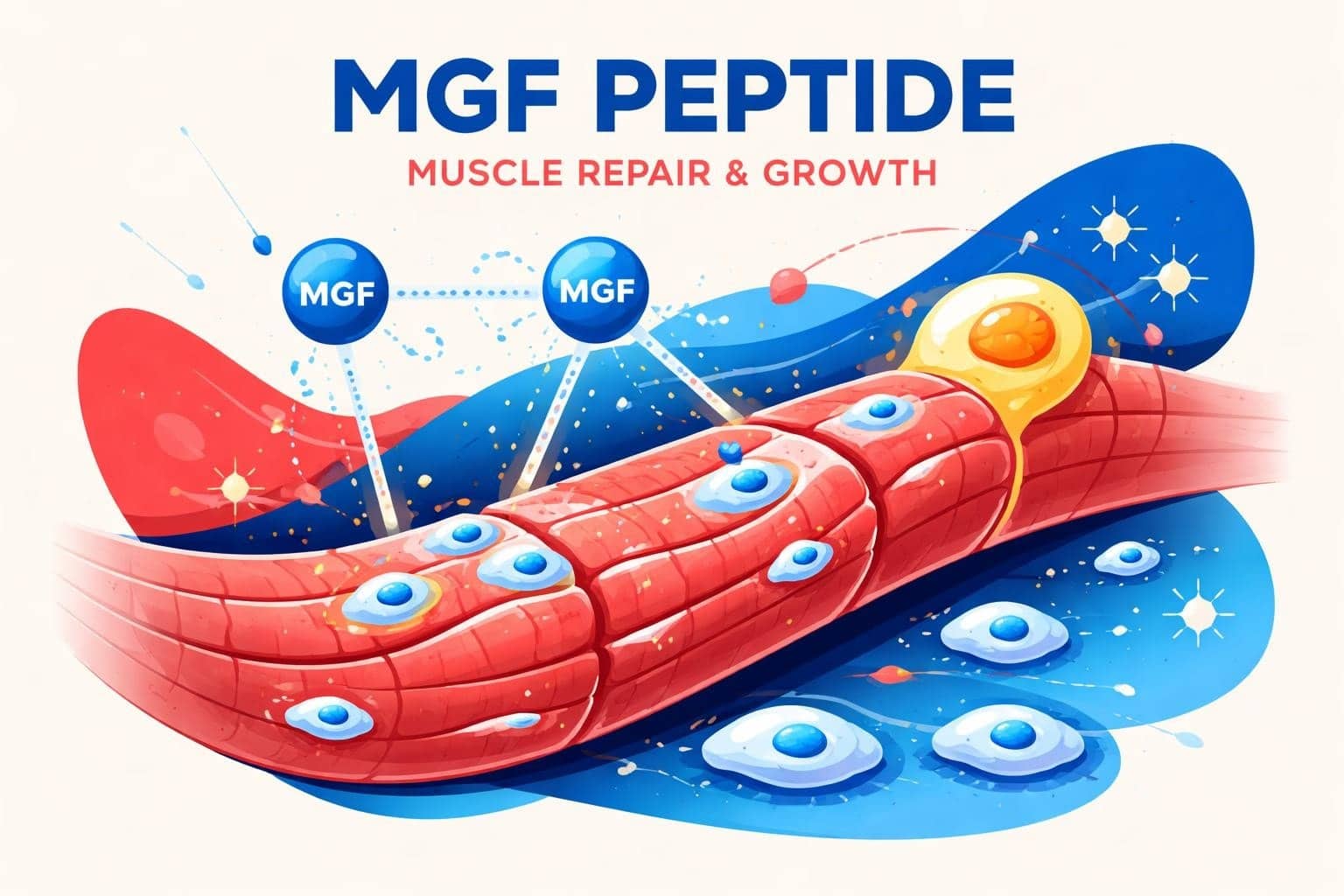
Mechano Growth Factor (MGF) represents a compelling advancement in peptide therapy research, offering unique mechanisms for muscle repair and tissue regeneration. This splice variant of Insulin-like Growth Factor 1 (IGF-1) has garnered significant attention from researchers and fitness enthusiasts due to its potential to activate satellite cells and promote muscle hypertrophy following mechanical stress or injury. Understanding the science behind this specialized peptide can help individuals make informed decisions about incorporating it into their recovery and performance enhancement protocols.
Understanding the Biological Mechanisms of MGF Peptide
MGF peptide functions through distinct pathways compared to other growth factors in the IGF-1 family. When muscle tissue experiences mechanical stress through resistance training or injury, the IGF-1 gene undergoes alternative splicing to produce this specialized variant. This natural response represents the body's attempt to repair and strengthen damaged muscle fibers.
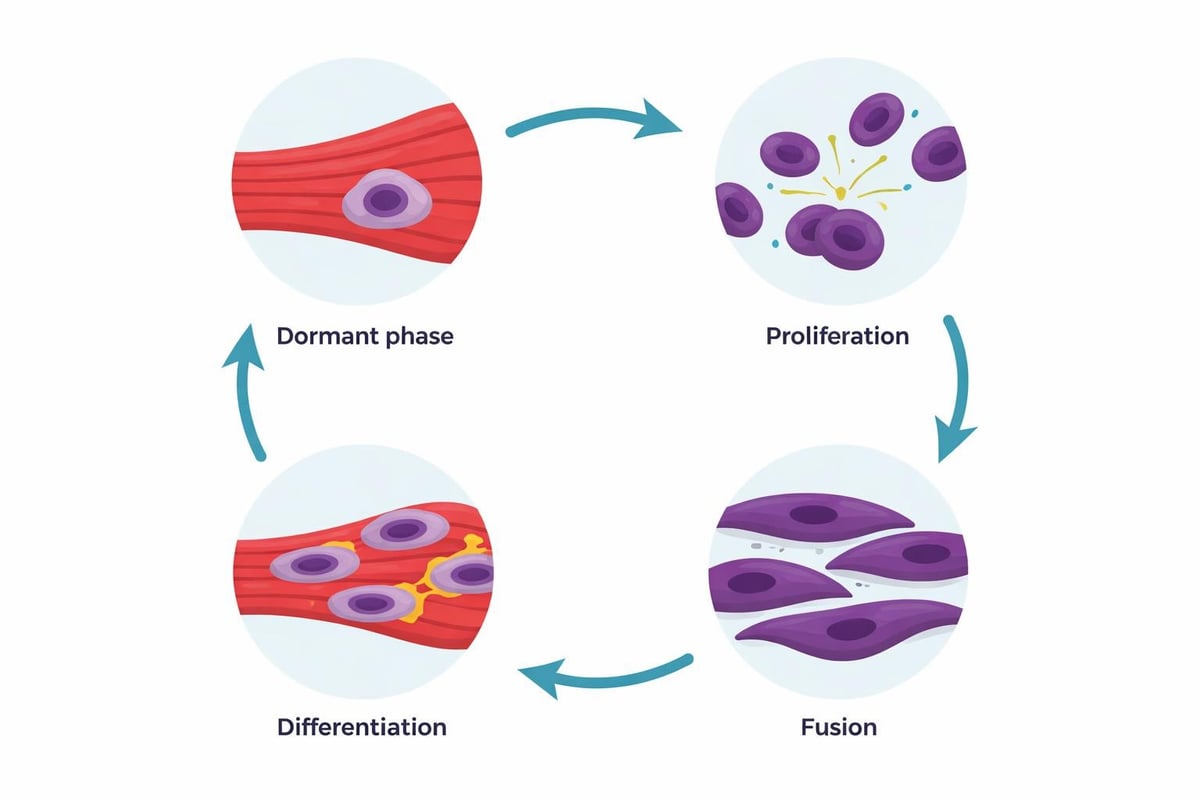
The primary mechanism involves satellite cell activation. These dormant cells reside along muscle fibers and remain inactive until triggered by growth signals. Research on MGF-E peptide demonstrates how this molecule activates muscle progenitor cells and enhances their fusion potential, contributing to muscle regeneration processes.
Satellite Cell Proliferation and Differentiation
When mgf peptide binds to receptors on satellite cells, it initiates a cascade of cellular events:
- Activation phase: Dormant satellite cells transition into an active state
- Proliferation phase: Activated cells rapidly multiply to increase their numbers
- Differentiation phase: New cells transform into muscle-specific cells called myoblasts
- Fusion phase: Myoblasts merge with existing muscle fibers or form new ones
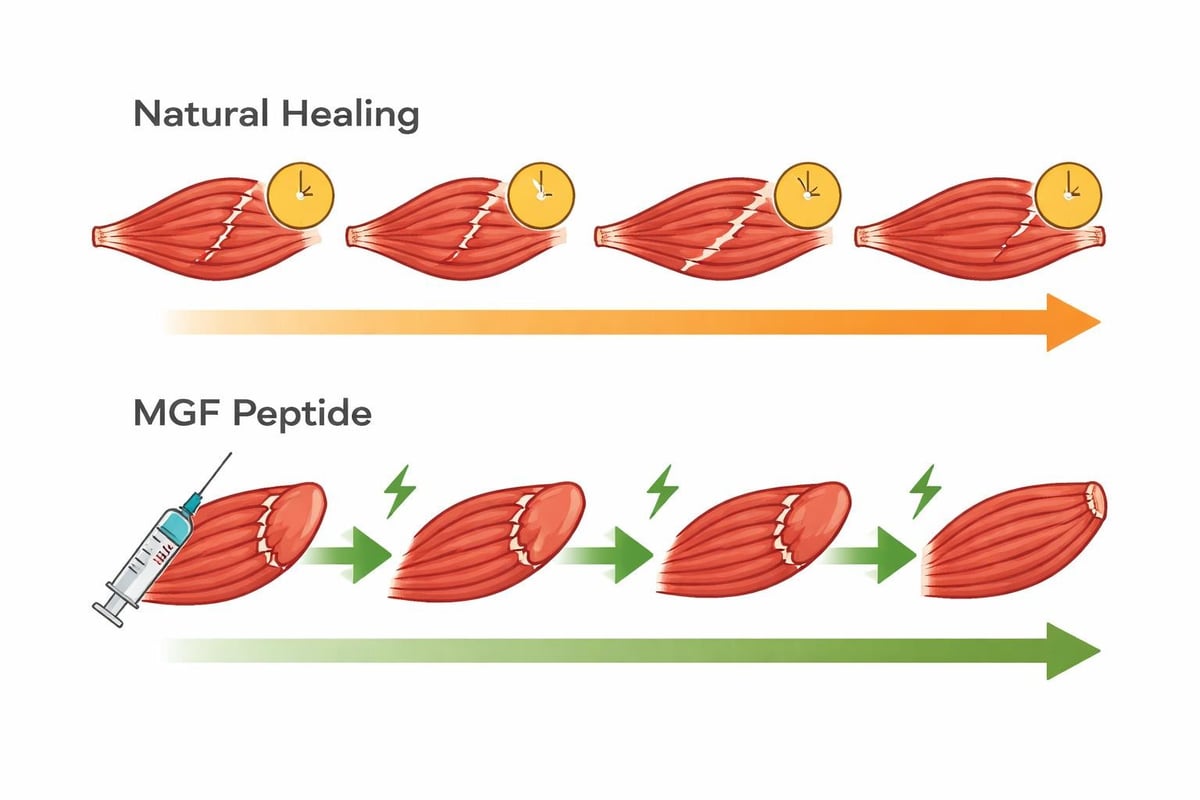
This four-stage process represents the foundation of muscle repair and growth. The peptide's ability to accelerate each phase translates to faster recovery times and enhanced muscle development compared to natural healing processes alone.
MGF Peptide Versus PEG-MGF: Understanding the Differences
Two primary forms exist in research and therapeutic applications. The naturally occurring version has a relatively short half-life in the body, typically measured in minutes. This rapid degradation limits its effectiveness for sustained muscle repair processes.
PEG-MGF represents a modified version where polyethylene glycol (PEG) molecules attach to the peptide structure. This pegylation process significantly extends the compound's half-life, allowing for prolonged activity within the body. Comprehensive information on PEG-MGF structure and mechanisms highlights how this modification enhances therapeutic potential.
| Characteristic | Standard MGF | PEG-MGF |
|---|---|---|
| Half-life | Minutes | Several hours |
| Injection frequency | Multiple daily | Once or twice daily |
| Systemic distribution | Limited | Enhanced |
| Research applications | Acute studies | Extended protocols |
| Cost effectiveness | Lower per dose | Higher per dose |
The choice between forms depends on specific goals, administration preferences, and protocol requirements. Those seeking localized effects immediately post-workout might prefer standard mgf peptide, while individuals focused on systemic recovery benefits often select the pegylated version.
Applications in Muscle Growth and Athletic Performance
Athletes and bodybuilders have shown considerable interest in this peptide due to its targeted mechanisms for muscle development. Unlike anabolic steroids that broadly affect multiple tissues, MGF peptide works specifically through satellite cell pathways, offering a more targeted approach to muscle enhancement.
Hypertrophy Enhancement Protocols
The peptide's role in muscle hypertrophy extends beyond simple protein synthesis stimulation. By increasing the number of available muscle cells through satellite cell activation, it creates greater potential for overall muscle fiber growth. Detailed research on MGF peptide’s role in muscle regeneration explains how satellite cell proliferation contributes to long-term hypertrophy.
Training protocols incorporating this peptide typically focus on:
- Post-workout administration: Timing injections immediately after resistance training to capitalize on natural mechanical stress signals
- Target muscle selection: Administering locally to specific muscle groups requiring enhanced development
- Training intensity optimization: Ensuring adequate mechanical stress to trigger natural MGF expression alongside supplemental dosing
- Recovery period management: Allowing sufficient time between sessions for satellite cell processes to complete
Many individuals exploring muscle growth peptides incorporate MGF as part of comprehensive enhancement stacks designed to address multiple pathways simultaneously.
Recovery and Tissue Repair Applications
Beyond muscle building, mgf peptide demonstrates significant potential in accelerated recovery from injuries and intense training sessions. The satellite cell activation mechanism proves equally valuable for repairing damaged tissue as for building new muscle mass.
Injury recovery protocols leverage the peptide's ability to:
- Accelerate healing timelines for muscle tears and strains
- Reduce inflammatory responses associated with tissue damage
- Enhance tissue quality through proper cellular repair mechanisms
- Prevent muscle atrophy during recovery periods with limited activity
Recovery-focused peptides often complement MGF therapy, creating synergistic effects that address multiple aspects of the healing process. Combining this approach with peptides like BPC-157 or TB-500 may provide comprehensive recovery support.
Neuroprotective Properties and Beyond Muscle Tissue
Emerging research reveals that MGF peptide's benefits extend beyond skeletal muscle. Studies examining neuroprotective effects of MGF demonstrate potential therapeutic applications in brain ischemia and neurological conditions, highlighting the peptide's diverse biological activities.
Cognitive and Neurological Applications
The C-terminal peptide fragment shows promise in protecting neural tissue from various forms of damage. This neuroprotective activity operates through mechanisms including:
- Reduction of oxidative stress in neural cells
- Enhancement of cellular survival signals
- Modulation of inflammatory responses in brain tissue
- Support for neural repair processes following injury
While muscle applications remain the primary focus for most users, these additional properties suggest broader therapeutic potential that researchers continue to explore.
Administration Protocols and Dosing Considerations
Proper administration requires understanding both timing and dosing strategies. Most research protocols utilize subcutaneous injection as the preferred delivery method, allowing for controlled absorption and bioavailability.
Standard Dosing Guidelines
Typical research dosing ranges vary based on the specific form used and individual goals:
Standard MGF Peptide:
- Dosage: 100-200 mcg per administration
- Frequency: Immediately post-workout
- Duration: 4-6 week cycles
- Administration site: Localized to target muscles
PEG-MGF:
- Dosage: 200-400 mcg per administration
- Frequency: Once daily or every other day
- Duration: 4-6 week cycles
- Administration site: Subcutaneous, various locations
Individuals new to peptide therapy should start at lower dosages to assess individual response and tolerance. Consulting with healthcare professionals familiar with peptide protocols ensures safe and effective implementation.
Quality Standards and Purity Considerations
The effectiveness of mgf peptide therapy depends significantly on product quality and purity. Inferior products may contain impurities, incorrect concentrations, or degraded peptides that compromise results and potentially introduce safety concerns.
Evaluating Peptide Quality
High-quality peptides should meet specific standards:
| Quality Indicator | Standard Requirement | Testing Method |
|---|---|---|
| Purity | >98% | HPLC analysis |
| Sterility | No bacterial growth | USP sterility testing |
| Endotoxin levels | <1 EU/mg | LAL testing |
| Correct sequence | 100% match | Mass spectrometry |
| Proper storage | 2-8°C refrigerated | Temperature monitoring |
Reputable suppliers provide third-party testing certificates verifying these quality metrics. Soma Peptide maintains rigorous quality control standards through advanced purification methods, ensuring each peptide meets the highest purity and efficacy benchmarks.

Synergistic Combinations with Other Peptides
Many advanced protocols combine mgf peptide with complementary compounds to address multiple physiological pathways simultaneously. These strategic combinations can enhance overall results beyond what single-peptide approaches achieve.
Common Peptide Stacks
Growth Hormone Secretagogues:
Combining MGF with peptides like Ipamorelin or CJC-1295 creates complementary effects. While MGF works directly on satellite cells, growth hormone secretagogues stimulate natural GH production, supporting muscle growth through different mechanisms.
Recovery Enhancement Stacks:
Pairing MGF with healing peptides creates comprehensive recovery protocols:
- MGF for satellite cell activation
- BPC-157 for connective tissue repair
- TB-500 for systemic healing promotion
- Combined protocols address muscle, tendon, and ligament recovery
Performance Optimization Protocols:
Athletes seeking maximum performance benefits often incorporate:
- MGF for muscle fiber development
- IGF-1 LR3 for extended growth factor activity
- Growth hormone peptides for metabolic support
- Recovery peptides for training frequency optimization
Research Applications and Clinical Studies
Scientific investigation continues to reveal new insights about MGF peptide's mechanisms and potential applications. Clinical studies compiled on PEG-MGF provide valuable data on efficacy, safety profiles, and molecular mechanisms that inform both research and practical applications.
Current research explores several promising areas:
- Age-related muscle loss: Investigating whether MGF can counteract sarcopenia in aging populations
- Metabolic disorders: Examining potential benefits for conditions affecting muscle metabolism
- Injury rehabilitation: Developing protocols for accelerating recovery from surgical procedures
- Athletic performance: Quantifying performance improvements in controlled studies
Future Research Directions
Ongoing investigations aim to:
- Establish optimal dosing protocols for specific conditions
- Identify potential long-term effects of extended use
- Determine ideal combination therapies for various goals
- Explore tissue-specific applications beyond skeletal muscle
Comprehensive research on MGF mechanisms continues to expand understanding of how this peptide functions at molecular and cellular levels.
Safety Profile and Considerations
Understanding the safety profile helps users make informed decisions about incorporating mgf peptide into their protocols. While research suggests generally favorable safety characteristics, several considerations warrant attention.
Reported Side Effects
Most users report minimal adverse effects when following proper protocols. Potential considerations include:
- Injection site reactions: Temporary redness, swelling, or discomfort at administration sites
- Water retention: Mild fluid retention in some individuals
- Headaches: Occasional mild headaches, typically resolving quickly
- Fatigue: Temporary tiredness as the body adapts to enhanced recovery processes
Serious adverse effects remain rare in research contexts when products meet quality standards and dosing remains within established guidelines.
Contraindications and Precautions
Certain individuals should exercise caution or avoid MGF peptide:
- Those with active cancer or history of malignancy (due to cell proliferation mechanisms)
- Pregnant or nursing women (insufficient safety data)
- Individuals with severe diabetes (potential effects on glucose metabolism)
- People with known hypersensitivity to peptide compounds
Medical supervision for MGF peptide therapy provides personalized guidance accounting for individual health status and goals.
Storage and Handling Best Practices
Proper storage ensures peptide stability and effectiveness throughout its usable lifespan. MGF peptide, like most biological compounds, requires specific conditions to maintain potency.
Reconstituted Peptide Storage
Once reconstituted with bacteriostatic water, follow these guidelines:
- Refrigerate immediately at 2-8°C (36-46°F)
- Use within 30 days for optimal potency
- Avoid freezing reconstituted solutions
- Protect from light by storing in original vial
- Minimize temperature fluctuations through consistent refrigeration
Lyophilized Powder Storage
Unreconstituted peptide powder maintains stability longer:
- Store at -20°C (-4°F) for extended periods
- Keep in original sealed vials until ready to use
- Allow to reach room temperature before opening to prevent condensation
- Protect from light exposure
- Use proper sterile technique during reconstitution
Practical Implementation Strategies
Successfully incorporating mgf peptide requires thoughtful planning and consistent execution. A structured approach maximizes benefits while maintaining safety and monitoring progress.
Creating an Effective Protocol
Step 1: Define Clear Objectives
Establish specific, measurable goals such as targeted muscle growth, injury recovery timelines, or performance benchmarks.
Step 2: Select Appropriate Form
Choose between standard MGF and PEG-MGF based on administration preferences, budget, and desired duration of action.
Step 3: Determine Dosing Schedule
Create a consistent administration schedule aligned with training sessions and recovery needs.
Step 4: Acquire Quality Products
Source peptides from reputable suppliers with verified testing and quality certifications.
Step 5: Monitor and Adjust
Track progress through measurements, performance metrics, and subjective assessments, adjusting protocols as needed.
Tracking Progress Effectively
Maintain detailed records including:
- Baseline measurements (muscle circumference, strength levels, recovery times)
- Administration dates, dosages, and injection sites
- Training intensity and volume
- Subjective recovery assessments
- Any observed side effects or concerns
- Progress photos at regular intervals
This data-driven approach enables informed decisions about protocol adjustments and helps identify what works best for individual responses.
Integration with Training and Nutrition
MGF peptide works most effectively when supported by appropriate training stimulus and nutritional strategies. The peptide enhances the body's response to mechanical stress, but that stress must exist to trigger optimal effects.
Training Considerations
Progressive Overload:
Continuously challenge muscles with increasing resistance or volume to provide the mechanical stress that naturally triggers MGF expression.
Recovery Balance:
Allow adequate recovery between sessions for satellite cell processes to complete their cycle of activation, proliferation, differentiation, and fusion.
Periodization:
Structure training in cycles that align with peptide administration phases, potentially intensifying during on-cycle periods.
Nutritional Support
Proper nutrition provides building blocks necessary for the enhanced muscle protein synthesis and satellite cell activity that MGF promotes:
- Adequate protein intake: 1.6-2.2 grams per kilogram bodyweight
- Sufficient calories: Slight surplus for muscle building or maintenance for recomposition
- Micronutrient density: Vitamins and minerals supporting cellular processes
- Hydration: Proper fluid intake for optimal cellular function
Those exploring comprehensive approaches to body composition often combine MGF with weight loss peptides during cutting phases or anti-aging protocols for overall health optimization.
MGF peptide represents a sophisticated tool for enhancing muscle growth, accelerating recovery, and supporting tissue repair through targeted satellite cell activation. When implemented with proper quality standards, dosing protocols, and supportive strategies, it offers significant potential for those seeking advanced approaches to performance and physique enhancement. Soma Peptide provides premium quality MGF and comprehensive peptide solutions backed by rigorous testing and quality control, ensuring you receive products that meet the highest standards for purity and effectiveness. Explore the complete selection to find peptides tailored to your specific muscle growth, recovery, and wellness goals.