


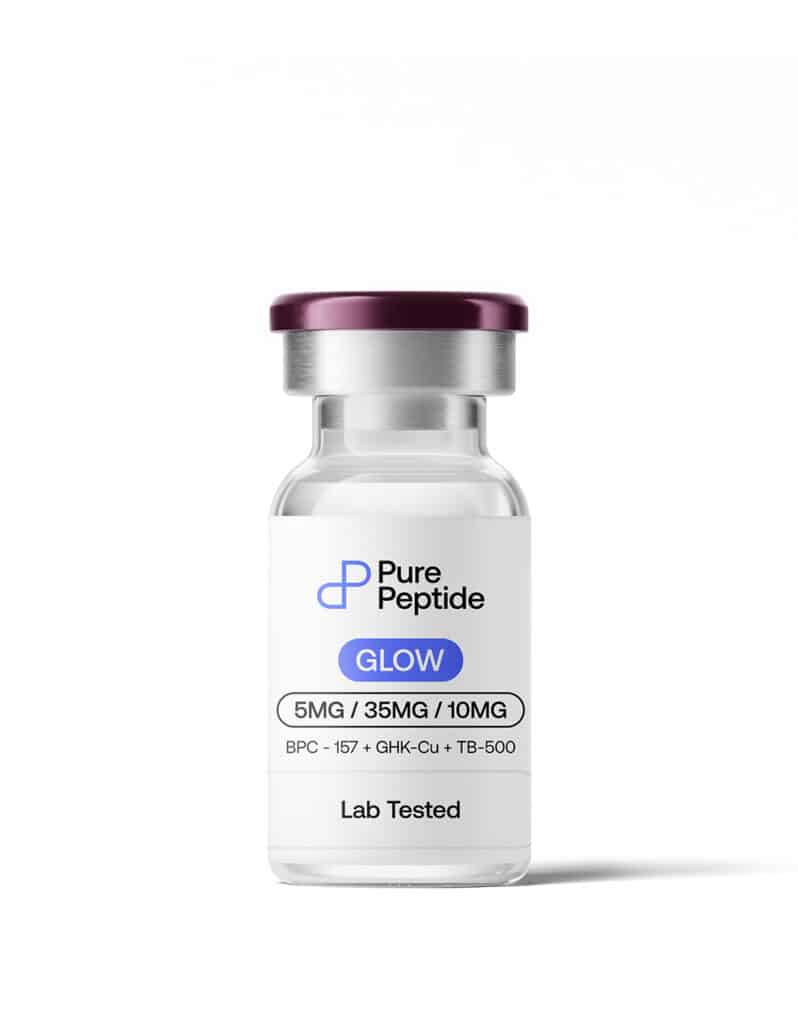
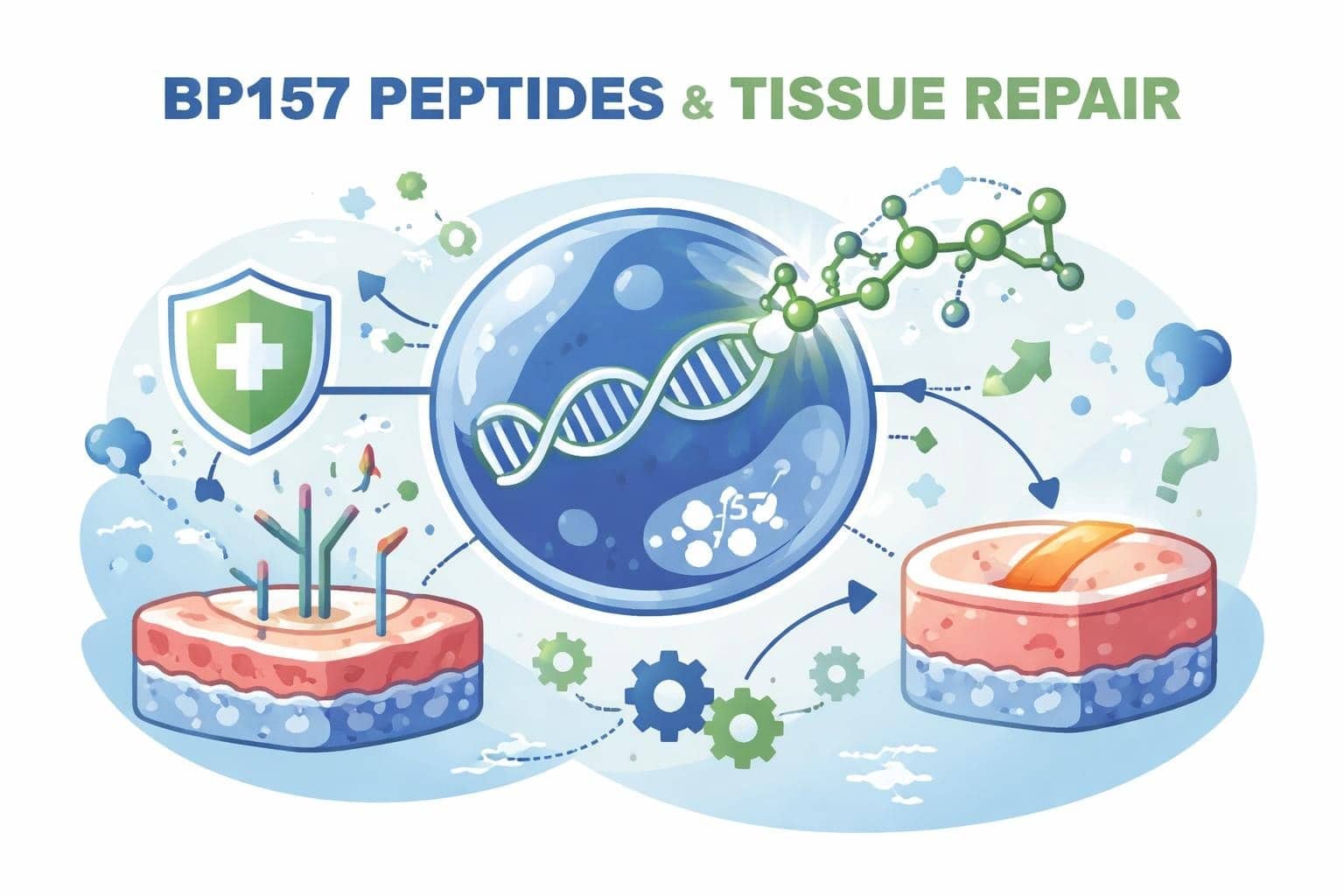
The world of therapeutic peptides continues to expand as researchers uncover compounds with remarkable healing properties. Among these, bp157 peptides have emerged as a subject of significant scientific interest, particularly for their potential role in tissue repair, recovery, and overall cellular health. This synthetic peptide sequence has attracted attention from both the research community and individuals seeking advanced recovery solutions. Understanding the science behind bp157 peptides, their mechanisms of action, and their safety profile is essential for anyone considering these compounds as part of their wellness strategy.
Understanding BP157 Peptides and Their Origin
BP157 peptides represent a synthetic derivative inspired by a protective protein found naturally in human gastric juice. This compound consists of a specific sequence of 15 amino acids that researchers have identified as possessing cytoprotective and regenerative properties.
The development of bp157 peptides originated from studies examining the body's natural healing mechanisms. Scientists discovered that certain sequences within protective gastric proteins demonstrated exceptional stability and biological activity. By isolating and synthesizing these sequences, researchers created a peptide that maintains effectiveness across various tissue types.
Chemical Structure and Stability
The molecular composition of bp157 peptides provides several advantages over naturally occurring proteins:
- Enhanced stability in gastric environments and bloodstream
- Resistance to enzymatic breakdown allowing prolonged activity
- Selective binding to specific cellular receptors
- Water solubility facilitating administration flexibility
This structural integrity enables bp157 peptides to remain active throughout the body, reaching target tissues where healing and repair are needed. The compound's stability also contributes to its consistency in research settings, allowing for reproducible results across multiple studies.

Mechanisms of Action in Tissue Repair
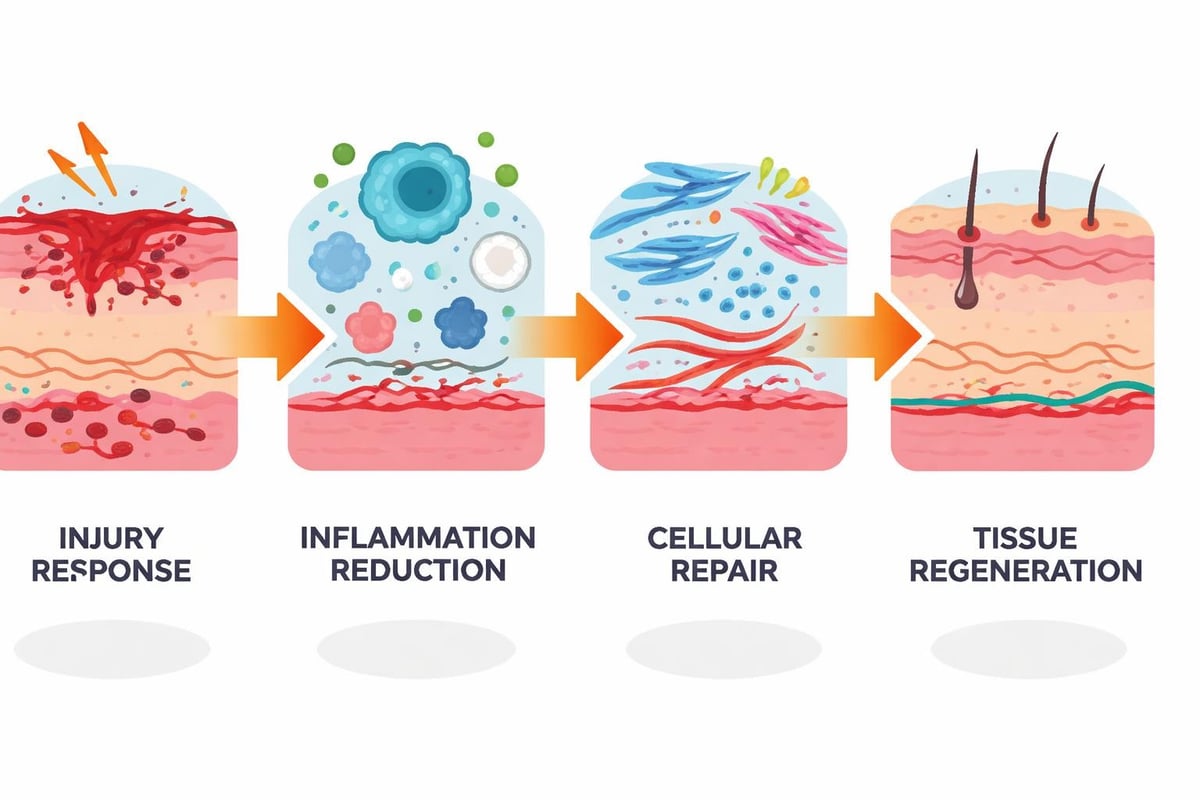
The therapeutic potential of bp157 peptides stems from their interaction with multiple cellular pathways involved in healing and recovery. Research has identified several key mechanisms through which these peptides exert their effects on damaged tissues.
Nitric Oxide Pathway Modulation
One of the primary mechanisms involves nitric oxide pathway regulation, which plays a crucial role in vascular function and tissue healing. BP157 peptides appear to influence nitric oxide synthase activity, promoting optimal blood flow to injured areas. This enhanced circulation delivers essential nutrients and oxygen while removing metabolic waste products.
The nitric oxide system impacts several physiological processes:
- Vascular dilation improving blood flow to healing tissues
- Immune response modulation balancing inflammation levels
- Cellular signaling coordinating repair mechanisms
- Angiogenesis promotion supporting new blood vessel formation
Growth Factor Activation
BP157 peptides demonstrate the ability to stimulate various growth factors essential for tissue regeneration. These include vascular endothelial growth factor (VEGF) and fibroblast growth factor (FGF), both critical for wound closure and structural repair. The peptide's influence on growth factor expression creates an environment conducive to healing across multiple tissue types.
| Growth Factor | Primary Function | Impact on Healing |
|---|---|---|
| VEGF | Blood vessel formation | Improved tissue perfusion |
| FGF | Cell proliferation | Accelerated wound closure |
| TGF-β | Collagen synthesis | Enhanced structural integrity |
| EGF | Epithelial regeneration | Faster surface healing |
Research Applications and Clinical Insights
Scientific investigation into bp157 peptides has explored their potential across various therapeutic areas. The compound's versatility in promoting healing has led to research examining everything from musculoskeletal injuries to gastrointestinal damage.
Cardiovascular Protection Studies
Recent research examining cytoprotective therapy has investigated bp157 peptides' potential role in heart disturbances, including myocardial infarction and heart failure scenarios. These studies suggest that the peptide may help protect cardiac tissue from ischemic damage while supporting recovery processes following cardiac events.
The cardiovascular research has revealed several promising findings:
- Reduction in infarct size following coronary artery occlusion
- Improved functional recovery of cardiac muscle
- Protection against arrhythmias in experimental models
- Enhanced angiogenesis in ischemic cardiac tissue
Musculoskeletal Healing Research
Athletes and individuals recovering from musculoskeletal injuries represent a significant area of interest for bp157 peptides research. Studies have examined the peptide's effects on tendon healing, ligament repair, and muscle regeneration. The compound appears to accelerate the healing timeline while improving the quality of repaired tissue.
For those exploring recovery peptides, understanding the specific mechanisms involved in musculoskeletal repair provides valuable context. BP157 peptides promote collagen organization during the healing phase, potentially reducing scar tissue formation and improving functional outcomes.
Safety Profile and Preclinical Evaluation
Safety considerations remain paramount when evaluating any therapeutic compound. BP157 peptides have undergone preclinical safety evaluation examining their potential as a treatment for various wounds and tissue damage scenarios.
Adverse Event Assessment
Comprehensive safety data collection has examined bp157 peptides across multiple administration routes and dosing schedules. Safety data analysis indicates a favorable profile with minimal adverse events reported in research settings.
The documented safety characteristics include:
- Low incidence of injection site reactions
- Absence of systemic toxicity at therapeutic doses
- No evidence of organ damage in long-term studies
- Minimal impact on standard laboratory parameters
Dosing Considerations and Administration
Research protocols have utilized various administration methods, each with distinct absorption characteristics and bioavailability profiles. Subcutaneous injection remains the most common route in research settings, providing consistent absorption and sustained activity.
| Administration Route | Bioavailability | Onset Time | Duration |
|---|---|---|---|
| Subcutaneous | High | 15-30 minutes | 4-6 hours |
| Intramuscular | High | 10-20 minutes | 3-5 hours |
| Oral | Variable | 30-60 minutes | 2-4 hours |
Proper reconstitution using bacteriostatic water and sterile administration techniques remain essential for maintaining peptide integrity and minimizing contamination risk.
Molecular Pathways and Healing Insights
The complexity of bp157 peptides' therapeutic effects involves multiple interconnected pathways at the cellular level. Molecular pathways research has revealed how this peptide coordinates various aspects of the healing response.
Cellular Signaling Cascades
BP157 peptides influence several intracellular signaling pathways that regulate cell survival, proliferation, and differentiation. These include the FAK-paxillin pathway, which plays a critical role in cell migration and wound closure. The peptide's interaction with these pathways helps coordinate the movement of cells into damaged areas.
The signaling effects extend to:
- Activation of survival kinases preventing cell death
- Upregulation of protective proteins in stressed tissues
- Enhanced expression of extracellular matrix components
- Coordination of inflammatory cell recruitment and resolution
Anti-Inflammatory Properties
While bp157 peptides promote healing, they simultaneously help manage excessive inflammation that could impede recovery. This dual action represents a sophisticated regulatory mechanism, allowing the body to mount an appropriate immune response without chronic inflammatory damage.
The anti-inflammatory effects manifest through several mechanisms including cytokine modulation, macrophage polarization toward healing phenotypes, and reduction of oxidative stress markers in damaged tissues. This balanced approach supports optimal healing conditions without suppressing necessary immune functions.
Comparative Analysis with Other Healing Peptides
Understanding how bp157 peptides compare to other therapeutic peptides helps clarify their unique properties and potential applications. Several peptides share overlapping mechanisms, yet each possesses distinct characteristics.
BP157 Versus TB-500
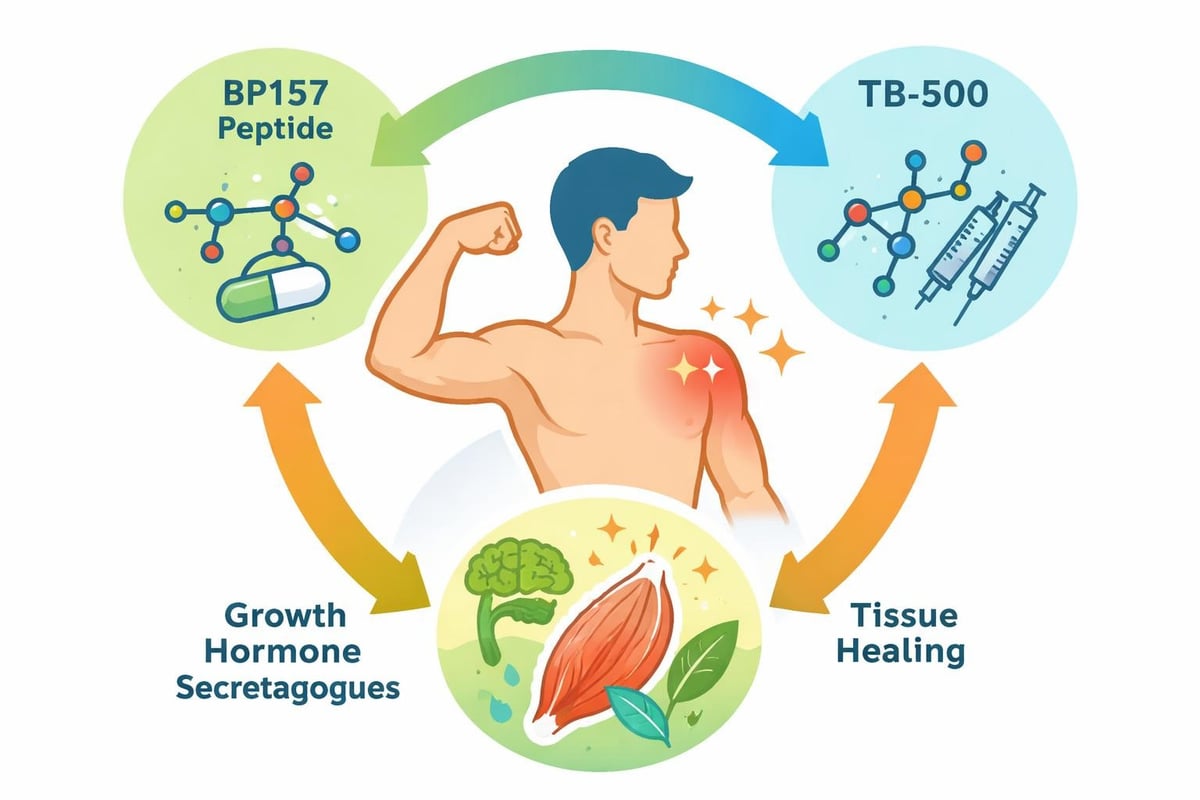
Both bp157 peptides and TB-500 demonstrate healing-promoting properties, yet their mechanisms differ significantly. TB-500 primarily works through actin regulation, promoting cell migration and blood vessel formation. BP157 peptides employ a broader mechanism involving multiple pathways simultaneously.
Key Differences:
- TB-500 focuses on cytoskeletal reorganization and cell mobility
- BP157 peptides engage nitric oxide pathways and growth factor activation
- TB-500 shows particular efficacy in muscle and connective tissue
- BP157 peptides demonstrate broader tissue applicability including gastrointestinal healing
Combination Approaches
Some research protocols have examined combining bp157 peptides with other therapeutic compounds to potentially enhance healing outcomes. These combination strategies aim to address multiple aspects of tissue repair simultaneously.
Practical Considerations for Research Use
For researchers and individuals exploring bp157 peptides, several practical factors influence successful implementation and optimal outcomes.
Storage and Handling Requirements
Maintaining peptide stability requires proper storage conditions. Lyophilized bp157 peptides remain stable at room temperature for short periods but benefit from refrigerated storage for extended shelf life. Once reconstituted, the solution requires refrigeration and typically maintains stability for several weeks when stored properly.
Storage Guidelines:
| Form | Temperature | Duration | Notes |
|---|---|---|---|
| Lyophilized | 2-8°C (refrigerated) | 6-12 months | Protect from light |
| Lyophilized | -20°C (frozen) | 12-24 months | Long-term storage |
| Reconstituted | 2-8°C (refrigerated) | 2-4 weeks | Use sterile water |
| Reconstituted | -20°C (frozen) | Not recommended | May affect potency |
Quality and Purity Standards
The therapeutic potential of bp157 peptides depends heavily on product quality. Reputable suppliers employ advanced purification methods and stringent quality control standards to ensure consistency and efficacy. High-performance liquid chromatography (HPLC) testing verifies peptide purity, typically exceeding 98% for research-grade compounds.
Quality markers to consider include:
- Third-party testing verification confirming peptide identity
- Certificate of Analysis (COA) documentation for each batch
- Endotoxin testing ensuring absence of bacterial contamination
- Mass spectrometry confirmation validating molecular weight
Those exploring premium quality peptides should prioritize suppliers demonstrating transparent quality assurance practices and comprehensive testing protocols.
Research Protocols and Administration Guidelines
Scientific research has established various protocols for bp157 peptides administration, each designed to address specific research objectives and tissue targets.
Dosing Frameworks in Research
Research protocols typically employ dosing strategies based on body weight and specific healing objectives. Most studies utilize doses ranging from 200 to 500 micrograms per administration, with frequency varying from once to twice daily depending on the severity of tissue damage and desired outcomes.
Common Research Protocols:
- Acute injury protocols – Higher initial doses with gradual reduction
- Chronic condition protocols – Moderate consistent doses over extended periods
- Preventive protocols – Lower maintenance doses for tissue protection
- Intensive healing protocols – Multiple daily administrations for severe damage
Cycle Duration and Rest Periods
Research examining bp157 peptides has explored various cycle lengths, with many protocols implementing 4-8 week active periods. Understanding bp157 benefits and safety requires consideration of appropriate cycle duration and potential rest periods between courses.
Unlike some peptides that require cycling to maintain receptor sensitivity, bp157 peptides appear to maintain efficacy across extended administration periods. However, many researchers implement strategic breaks to assess healing progress and determine if continued administration remains necessary.
Future Research Directions and Potential Applications
The expanding body of evidence supporting bp157 peptides has opened numerous avenues for future investigation. Researchers continue exploring novel applications while seeking to understand the full scope of this peptide's therapeutic potential.
Emerging Research Areas
Current investigation extends beyond traditional wound healing to examine bp157 peptides' potential in neurological protection, inflammatory bowel conditions, and systemic inflammatory disorders. Studies on wound healing peptides provide insights into broader applications for peptide-based therapies.
Promising research directions include:
- Neuroprotective applications in brain injury recovery
- Gastrointestinal healing in inflammatory conditions
- Bone healing and density improvement studies
- Skin regeneration and anti-aging applications
Integration with Other Therapeutic Approaches
Future research may examine how bp157 peptides integrate with other recovery modalities. Combining peptide therapy with physical rehabilitation, nutritional optimization, and other therapeutic interventions could potentially enhance overall outcomes beyond what any single approach achieves alone.
For individuals interested in comprehensive recovery strategies, exploring muscle growth peptides and anti-aging peptides alongside recovery compounds may provide synergistic benefits addressing multiple aspects of tissue health and regeneration.
Quality Sourcing and Verification Methods
The therapeutic value of bp157 peptides depends entirely on product authenticity and purity. Understanding how to verify peptide quality protects researchers and users from ineffective or contaminated products.
Authentication Methods
Legitimate peptide suppliers provide comprehensive documentation verifying product identity and purity. This includes detailed COAs showing HPLC results, mass spectrometry data, and endotoxin testing outcomes. These analytical methods confirm that the peptide matches its claimed composition and meets purity standards.
Verification checklist:
- Request batch-specific COA before purchase
- Verify testing performed by independent laboratories
- Confirm peptide sequence matches published research
- Check for proper storage and shipping conditions
- Review supplier reputation and customer feedback
Red Flags and Quality Concerns
Several warning signs indicate potentially substandard peptide products. Unusually low prices often signal reduced purity or improper storage. Suppliers unwilling to provide testing documentation or lacking transparent quality processes should raise concerns about product authenticity.
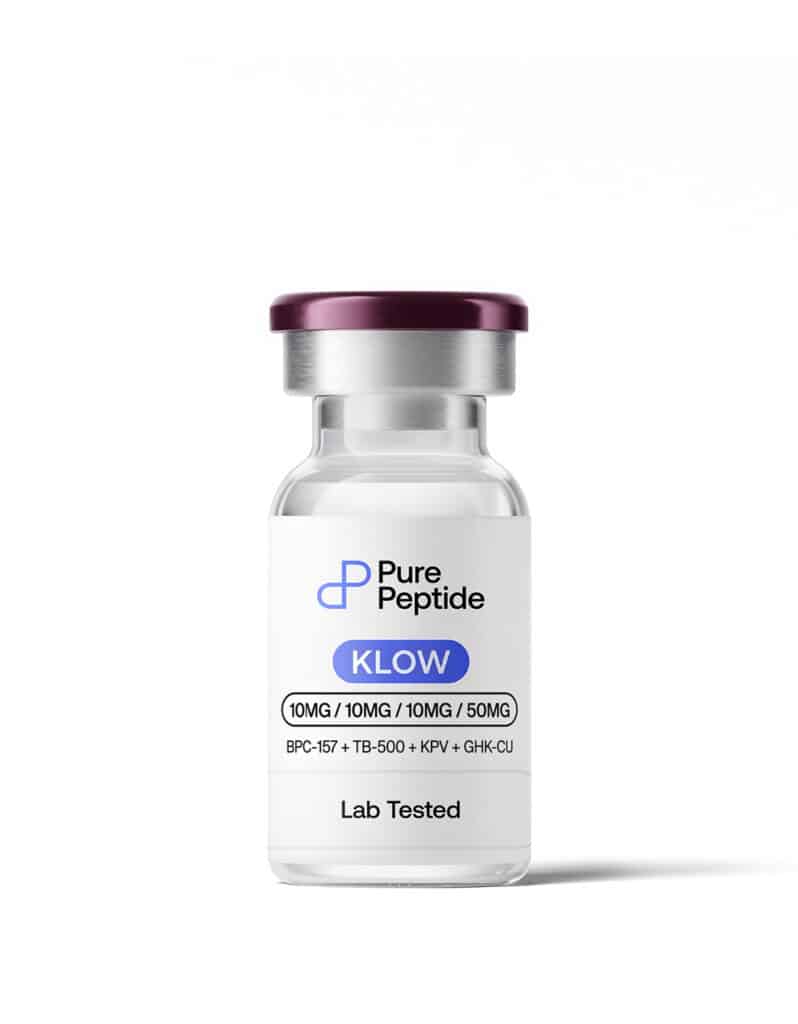
Reputable suppliers like those offering BPC-157 maintain rigorous quality standards and provide complete transparency regarding testing procedures and results. This commitment to quality ensures researchers receive compounds that match published research specifications.
BP157 peptides represent a fascinating area of therapeutic research with substantial evidence supporting their role in tissue healing and recovery processes. Understanding the mechanisms, safety profile, and proper handling of these compounds enables informed decisions about their potential applications. Whether you're exploring advanced recovery solutions or seeking to optimize healing outcomes, working with premium quality peptides remains essential for achieving the results documented in scientific literature. Soma Peptide provides rigorously tested, high-purity peptides backed by comprehensive quality assurance, ensuring you receive compounds that meet the standards established in clinical research.