
The therapeutic peptide market has witnessed remarkable growth as researchers and health-conscious individuals recognize the potential of these bioactive compounds. Among the various delivery formats available, peptide liquid formulations have become increasingly popular due to their stability, ease of administration, and efficient absorption characteristics. Understanding the nuances of liquid peptide preparations, from manufacturing standards to storage requirements, empowers users to make informed decisions about their health and wellness goals.
Understanding Peptide Liquid Formulations
Peptide liquid represents a carefully engineered suspension where short chains of amino acids remain stable in solution. Unlike solid forms that require reconstitution, these preparations arrive ready for administration, maintaining molecular integrity through precise pH balancing and stabilizing agents.
The composition of peptide liquid extends beyond the active ingredient itself. Manufacturers incorporate specific buffers, preservatives, and excipients that prevent degradation while ensuring biocompatibility. Bacteriostatic water serves as a common base, containing benzyl alcohol to inhibit bacterial growth without compromising peptide structure.
Key Components of Quality Formulations
- pH-balanced solutions that protect peptide bonds from hydrolysis
- Antimicrobial preservatives preventing contamination during storage
- Osmotic agents maintaining isotonic conditions for cellular compatibility
- Stabilizing compounds reducing aggregation and oxidation
Research into peptide-based liquid droplets has revealed innovative approaches to delivery vehicle design, demonstrating how molecular architecture influences stability and bioavailability. These advancements have direct implications for commercial formulations, enabling manufacturers to optimize therapeutic outcomes.
Temperature sensitivity represents a critical consideration for liquid peptides. Most formulations require refrigeration between 36°F and 46°F to maintain potency throughout their shelf life. Freeze-thaw cycles can disrupt molecular structure, making proper handling protocols essential for preserving efficacy.

Quality Standards and Manufacturing Excellence
The production of pharmaceutical-grade peptide liquid demands adherence to stringent quality benchmarks. Good Manufacturing Practice (GMP) certification ensures that facilities maintain controlled environments, validated processes, and comprehensive documentation throughout production cycles. Companies committed to GMP standards demonstrate their dedication to product safety and consistency.
Purity levels directly correlate with therapeutic efficacy and safety profiles. High-performance liquid chromatography (HPLC) serves as the gold standard for purity verification, with premium formulations typically exceeding 98% purity thresholds. This analytical technique separates peptide molecules from contaminants, providing quantitative data about composition.
Quality Control Checkpoints
| Testing Phase | Method | Purpose |
|---|---|---|
| Raw Material Screening | Mass Spectrometry | Verify peptide sequence accuracy |
| Mid-Production | Sterility Testing | Confirm absence of microbial contamination |
| Final Product | HPLC Analysis | Quantify purity percentage |
| Stability Study | Accelerated Aging | Predict shelf life under various conditions |
Third-party laboratory verification adds an additional layer of credibility. Independent testing facilities analyze peptide liquid samples without manufacturer bias, confirming label claims regarding concentration, purity, and sterility. Transparent companies publish certificates of analysis (COAs), making this data accessible to customers who prioritize verification.
Advanced purification methods distinguish premium peptide liquid from lower-grade alternatives. Reverse-phase chromatography removes synthesis byproducts, while lyophilization followed by reconstitution can enhance stability. Soma Peptide employs comprehensive quality control measures throughout production, ensuring each batch meets rigorous standards for purity and potency.
The reconstitution process itself requires technical precision when working with lyophilized peptides. Users must select appropriate diluents, control injection speed to prevent foaming, and allow adequate dissolution time. Peptide liquid formulations eliminate this complexity, reducing user error while maintaining consistent dosing accuracy.
Application Categories and Therapeutic Goals
Different peptide liquid formulations target distinct physiological objectives. Understanding these categories helps individuals align their selections with specific health outcomes, whether pursuing metabolic optimization, tissue repair, or aesthetic enhancement.
Weight Loss and Metabolic Support
Metabolic peptides influence hormonal pathways that regulate appetite, energy expenditure, and fat oxidation. These formulations work through receptor activation, mimicking natural hormones that signal satiety and glucose metabolism.
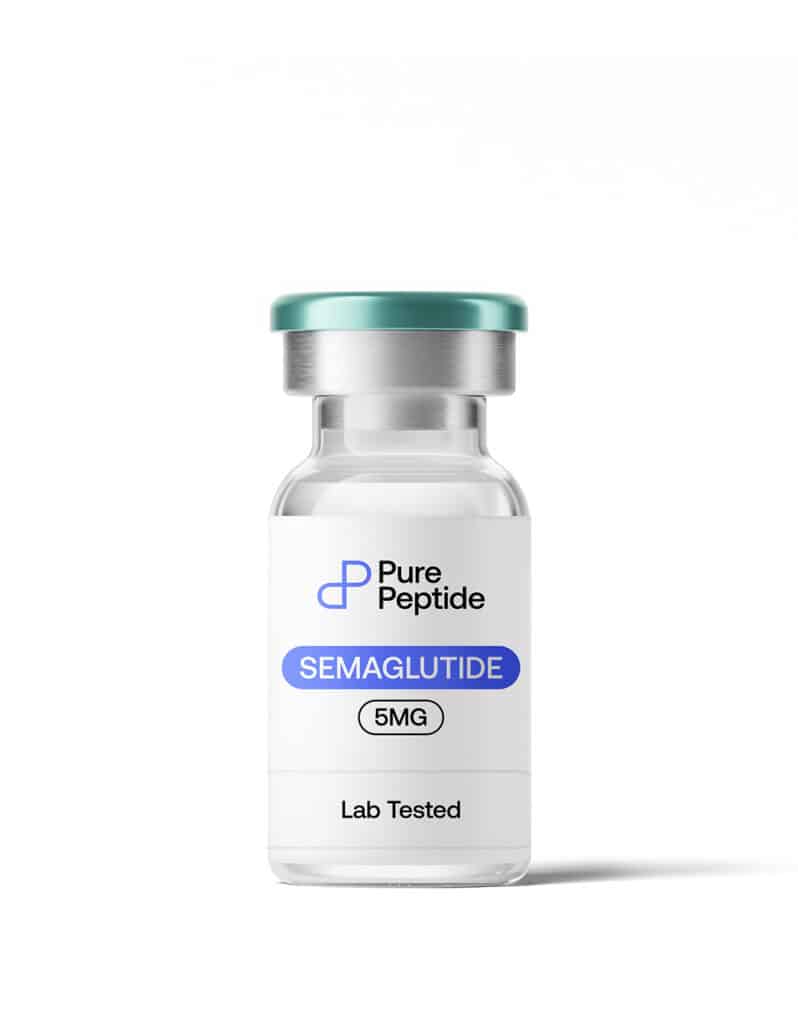
For those exploring advanced metabolic support options, weight loss peptides from specialized manufacturers offer formulations backed by clinical research and quality assurance protocols. The mechanism typically involves GLP-1 receptor agonism, which slows gastric emptying and reduces caloric intake through central nervous system signaling.
Users report enhanced results when combining peptide liquid protocols with structured nutrition plans and regular physical activity. The compounds facilitate adherence to dietary modifications by reducing cravings and supporting steady energy levels throughout caloric restriction phases.
Recovery and Tissue Repair
Recovery peptides represent a distinct category focused on accelerating healing processes and reducing inflammation. These formulations often contain sequences that stimulate angiogenesis, collagen synthesis, and cellular migration to injury sites.
Athletes and active individuals utilize these preparations to shorten downtime between training sessions. The peptides support connective tissue integrity, potentially reducing injury risk during high-intensity activities. Studies exploring liquid-liquid phase separation in proteins provide molecular insights into how peptides interact within cellular environments, informing development of more effective therapeutic formulations.

Anti-Aging and Regenerative Applications
Peptide liquid designed for aesthetic and regenerative purposes typically targets collagen production, cellular turnover, and oxidative stress reduction. These formulations contain sequences that signal fibroblasts to increase extracellular matrix production, improving skin elasticity and reducing visible aging signs.
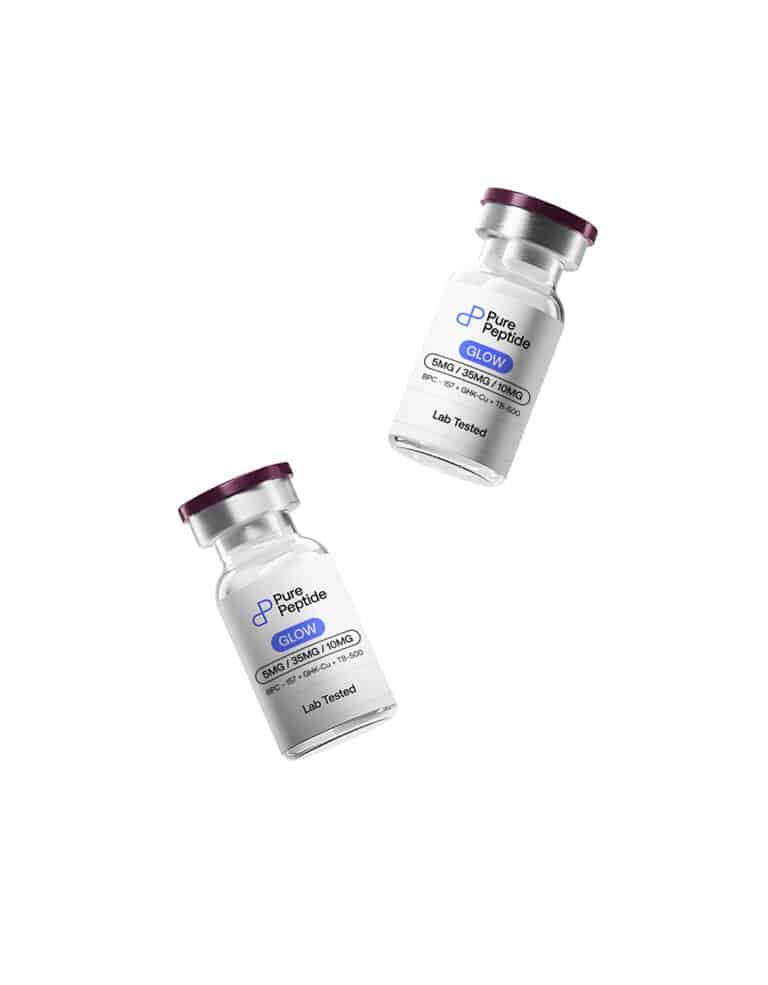
The anti-aging peptide category encompasses various molecular targets, from copper-binding peptides that support wound healing to growth hormone secretagogues that enhance tissue repair capacity. Users seeking comprehensive skin rejuvenation often explore blended formulations that combine multiple peptide sequences for synergistic effects.
Topical delivery methods have evolved significantly, with research into ionic liquid microemulsions demonstrating improved penetration through the stratum corneum barrier. While injectable formulations remain popular for systemic effects, transdermal options expand accessibility for individuals uncomfortable with needle administration.
Many grooming and personal care brands have begun incorporating peptide technology into their product lines. Companies like Onesociety, known for their natural beard grooming products, recognize the potential of bioactive ingredients in supporting healthy hair growth and skin maintenance, reflecting broader consumer interest in science-backed formulations.
Selection Criteria for Optimal Results
Choosing appropriate peptide liquid requires careful evaluation of multiple factors beyond marketing claims. Informed selection increases likelihood of achieving desired outcomes while minimizing potential complications from substandard products.
Source verification stands as the foundational step in peptide selection. Reputable suppliers maintain transparent supply chains, providing documentation about synthesis location, purity testing, and handling procedures. Companies that manufacture domestically often face more rigorous regulatory oversight compared to offshore operations.
Concentration specifications determine dosing convenience and cost-effectiveness. Higher-concentration formulations reduce injection volumes but may require more precise measurement tools. Users should calculate total peptide content rather than focusing solely on vial size when comparing products.
Comparative Analysis Framework
| Criterion | Premium Product | Standard Product | Substandard Product |
|---|---|---|---|
| Purity Level | >98% (verified) | 95-97% (claimed) | <95% (untested) |
| COA Availability | Third-party tested | In-house only | Not provided |
| Storage Guidelines | Detailed protocol | Basic refrigeration | Vague instructions |
| Regulatory Compliance | GMP certified | Self-reported standards | Unknown facility conditions |
Customer support quality often correlates with overall product reliability. Manufacturers invested in customer success provide detailed reconstitution instructions, dosing calculators, and responsive technical assistance. This support infrastructure proves especially valuable for individuals new to peptide protocols.
Expiration dating and lot tracking enable users to verify product freshness and trace specific batches if questions arise. Peptide liquid stability varies by formulation, with some maintaining potency for months when properly stored while others degrade more rapidly. Clear labeling prevents accidental use of expired products.
The choice between single peptides and blended formulations depends on individual objectives and experience levels. Newcomers often benefit from standalone compounds to assess tolerance and response, while experienced users may prefer synergistic combinations that target multiple pathways simultaneously.
Storage, Handling, and Administration Best Practices
Proper handling protocols preserve peptide liquid integrity from receipt through final administration. Temperature excursions, light exposure, and contamination risks can compromise product quality even when purchasing from reputable sources.
Upon delivery, immediate refrigeration prevents degradation during the critical transition period. Many shipping services use insulated packaging with cold packs, but transfer to controlled refrigeration should occur within 24 hours to maintain optimal conditions.
Storage Protocol Checklist
- Temperature monitoring using refrigerator thermometers to confirm 36-46°F range
- Light protection by storing vials in original packaging or opaque containers
- Contamination prevention through sealed storage in dedicated refrigerator sections
- Inventory tracking with expiration dates prominently marked on each vial
- Backup cooling preparations for power outages or equipment failures
Vial access requires aseptic technique to prevent bacterial introduction. Alcohol swabs should contact rubber stoppers for minimum 30 seconds before needle insertion, allowing sufficient disinfection time. Drawing liquid with steady, controlled movements prevents particle generation from mechanical stress.
Syringe selection impacts dosing accuracy and injection comfort. Insulin syringes with 29-31 gauge needles provide precise measurement increments while minimizing tissue trauma. Needle length varies by administration route, with subcutaneous injections requiring shorter needles than intramuscular delivery.

Rotation of injection sites prevents localized irritation and lipodystrophy development. Common subcutaneous locations include lower abdominal quadrants, upper thighs, and posterior upper arms. Maintaining a site rotation log helps ensure adequate recovery time between injections in the same area.
Advanced analytical techniques like liquid-liquid electroextraction enable precise peptide quantification, though such methods remain primarily in research settings. For practical purposes, relying on manufacturer concentration specifications and careful measurement techniques provides sufficient accuracy for therapeutic use.
Emerging Trends and Future Developments
The peptide industry continues evolving with novel synthesis methods, delivery mechanisms, and application areas. Understanding these developments helps users anticipate improvements in product quality and therapeutic options.
Soluble-support-assisted synthesis represents an advancement in production efficiency, as explored in recent chemical research. These techniques reduce production costs while maintaining purity standards, potentially making premium formulations more accessible to broader audiences.
Personalized peptide protocols based on genetic testing and biomarker analysis represent an emerging frontier. Rather than universal dosing recommendations, future approaches may tailor peptide liquid selection and administration to individual metabolic profiles and health status. This precision medicine approach maximizes therapeutic benefits while minimizing unnecessary exposure.
Nanotechnology integration offers potential for enhanced delivery efficiency. Encapsulation systems protect peptides from enzymatic degradation while enabling targeted release at specific tissue sites. These innovations could expand oral peptide viability, currently limited by gastrointestinal breakdown.
The beauty and wellness industries increasingly recognize peptide potential beyond traditional medical applications. Brands like SOBER BERLIN, offering clean beauty and sustainable skincare products, reflect growing consumer demand for science-backed ingredients in personal care formulations, paralleling trends in therapeutic peptide adoption.
Environmental monitoring technologies also impact peptide storage and handling. Smart refrigeration systems with remote temperature tracking prevent spoilage from equipment malfunctions, while sensor-equipped storage containers alert users to exposure events. These tools reduce product waste and ensure consistent quality maintenance.
Regulatory frameworks continue adapting to increased peptide availability. Enhanced oversight may improve consumer protection while potentially affecting access and pricing structures. Staying informed about regulatory changes helps users navigate evolving market conditions effectively.
For individuals exploring metabolic optimization, NAD+ supplementation represents complementary support for cellular energy production and healthy aging processes. This coenzyme works synergistically with certain peptide protocols to enhance overall therapeutic outcomes.
Detection technologies have also advanced in unrelated fields, with systems like those from Vape Guardian demonstrating how sophisticated monitoring can create safer environments. Similarly, quality control in peptide manufacturing benefits from enhanced detection capabilities that identify impurities at increasingly minute concentrations.
Integration with Comprehensive Wellness Strategies
Peptide liquid achieves maximum effectiveness when incorporated within broader health optimization frameworks. Isolated supplementation rarely produces dramatic results without addressing foundational lifestyle factors that influence biological responses.
Nutritional adequacy forms the cornerstone of successful peptide protocols. Adequate protein intake provides amino acid building blocks for tissue synthesis, while micronutrient sufficiency supports enzymatic processes involved in peptide metabolism. Deficiencies in vitamins D, B12, or magnesium can limit therapeutic potential regardless of peptide quality.
Sleep optimization deserves equal priority as supplementation choices. Growth hormone secretion follows circadian rhythms, with peak release occurring during deep sleep stages. Peptides influencing these pathways operate most effectively when natural biological rhythms remain intact through consistent sleep schedules and quality rest.
Exercise programming should align with peptide objectives. Recovery-focused formulations pair well with high-intensity training that creates micro-trauma requiring repair, while metabolic peptides complement caloric restriction and cardiovascular activity. Training volume, intensity, and frequency all influence how effectively the body responds to peptide signals.
Stress management practices enhance peptide efficacy by reducing cortisol interference with anabolic processes. Chronic stress creates hormonal environments that counteract peptide benefits, making relaxation techniques, meditation, or adaptogenic herbs valuable adjuncts to supplementation protocols.
Hydration status affects peptide distribution and cellular uptake. Adequate fluid intake supports blood volume, enabling efficient nutrient delivery to target tissues. Users should maintain baseline hydration of at least half their body weight in ounces daily, adjusting upward for exercise or environmental conditions.
Monitoring and adjustment protocols allow users to optimize their approaches over time. Tracking metrics like body composition, recovery markers, or subjective wellness indicators reveals response patterns that inform dosage modifications or formulation changes. This data-driven approach prevents wasted effort on ineffective strategies.
Peptide liquid formulations offer versatile therapeutic potential when selected carefully and handled properly, from metabolic support to enhanced recovery and anti-aging applications. Success depends on understanding quality indicators, proper storage protocols, and integration within comprehensive wellness strategies. For those seeking premium peptide solutions backed by rigorous quality standards, Soma Peptide provides extensively tested formulations designed to support your specific health and performance goals with confidence in purity and efficacy.