Copper peptide GHK-Cu has emerged as one of the most scientifically studied regenerative compounds in peptide research, with over five decades of clinical investigation supporting its diverse biological activities. This naturally occurring tripeptide complex consists of glycyl-L-histidyl-L-lysine bound to a copper ion, forming a powerful molecule that influences multiple cellular pathways involved in tissue repair, collagen synthesis, and anti-aging processes. Originally discovered in human plasma, GHK-Cu concentrations naturally decline with age, dropping from approximately 200 ng/mL at age 20 to around 80 ng/mL by age 60, which correlates with visible signs of aging and reduced healing capacity.
Understanding Copper Peptide GHK-Cu Structure and Function
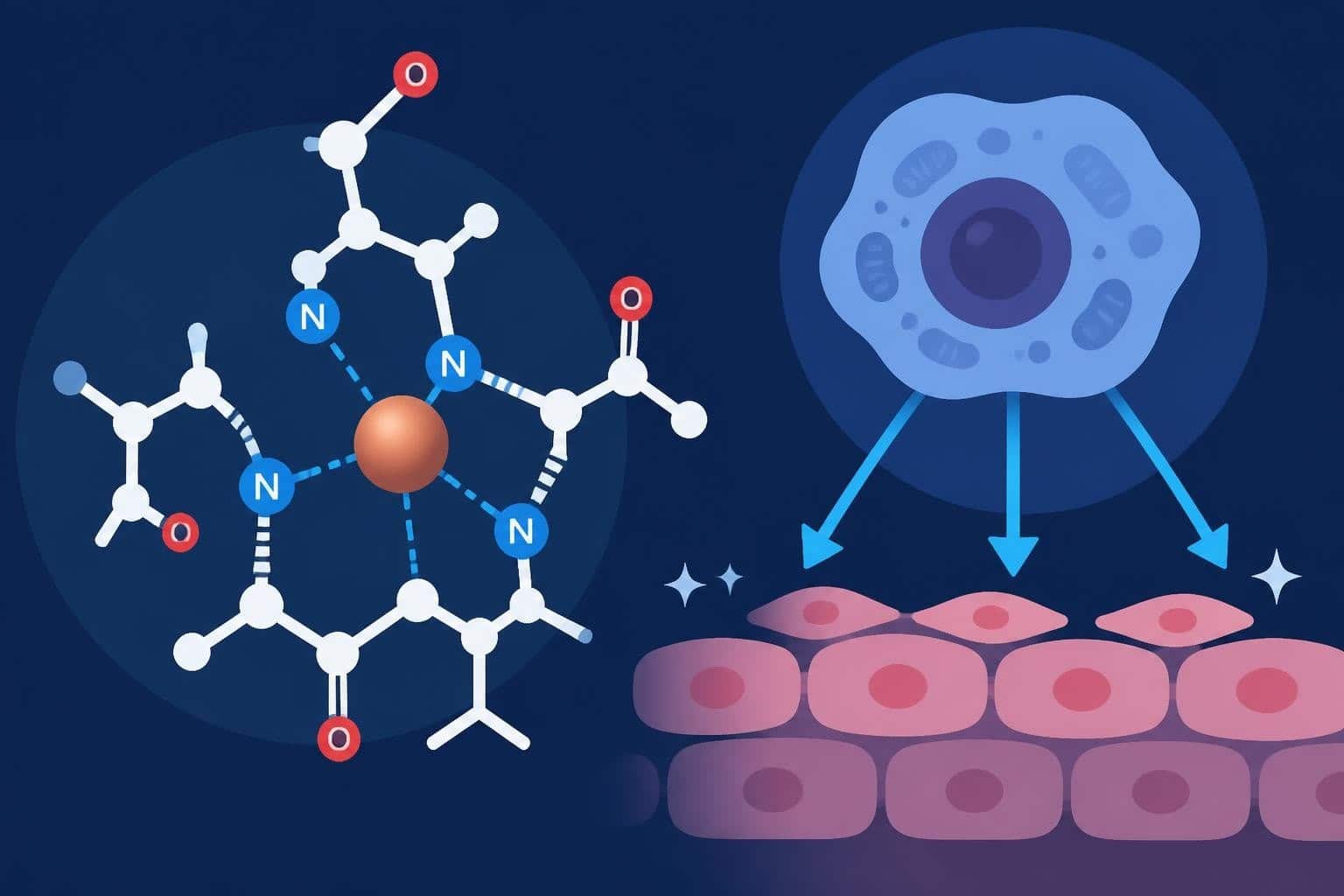
The molecular architecture of copper peptide GHK-Cu distinguishes it from other peptides through its unique copper-binding capability. The tripeptide sequence creates a specific chelation site that binds copper with high affinity, forming a stable complex that can interact with cellular receptors and influence gene expression. This copper-binding property is essential to its biological activity, as the copper ion serves as a critical cofactor in numerous enzymatic reactions throughout the body.
Biological Mechanisms of Action
GHK-Cu operates through multiple complementary pathways that collectively support tissue regeneration and cellular health. The peptide activates transforming growth factor-beta (TGF-β), a signaling protein that regulates cell proliferation, differentiation, and extracellular matrix production. By modulating TGF-β activity, copper peptide GHK-Cu influences fibroblast behavior, promoting collagen and elastin synthesis while supporting healthy tissue remodeling.
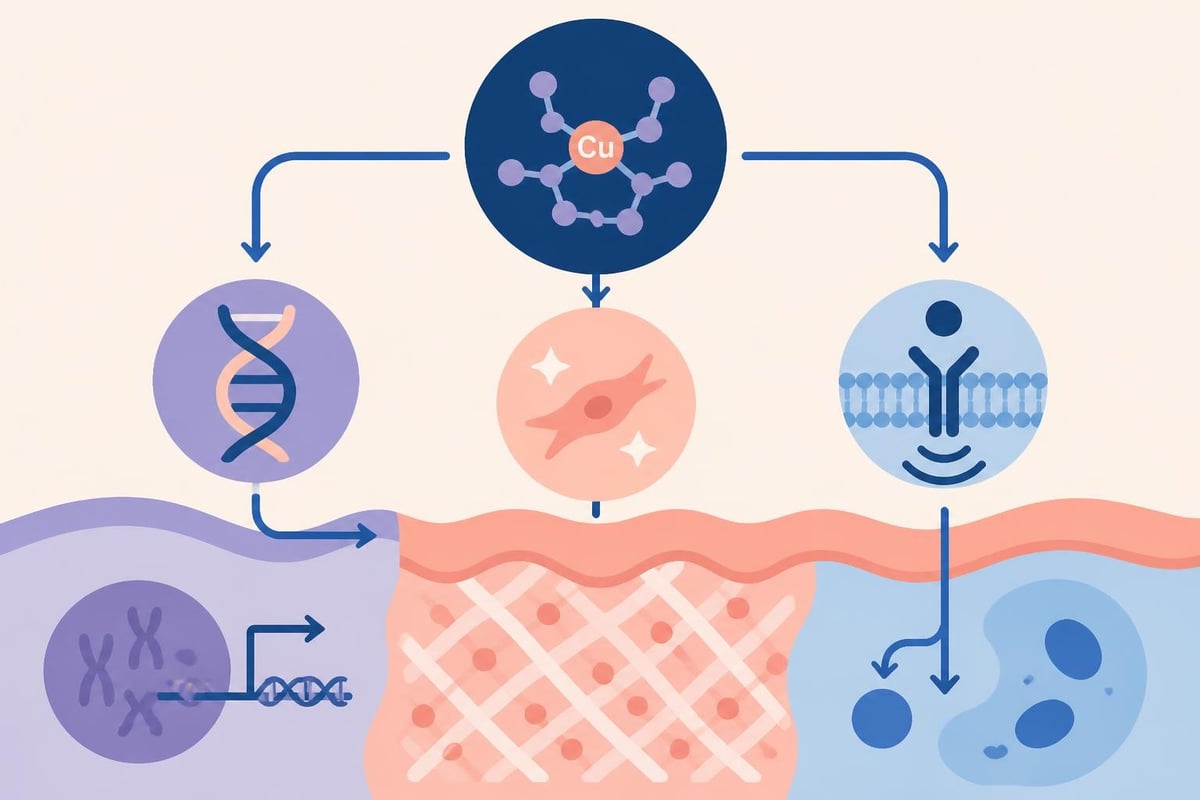
Research has identified that GHK-Cu affects the expression of over 4,000 genes, with particularly notable effects on genes involved in:
- Collagen synthesis and matrix remodeling
- Antioxidant enzyme production
- Inflammatory response regulation
- Angiogenesis and vascular health
- Cellular differentiation and repair
According to comprehensive research compiled by Peptide Helper, these gene-regulatory effects position GHK-Cu as a multi-functional regenerative compound with applications extending far beyond simple cosmetic improvements.
Clinical Applications and Research Evidence
The scientific literature on copper peptide GHK-Cu spans multiple medical and cosmetic disciplines, with particularly robust evidence in dermatology, wound healing, and tissue regeneration. Studies conducted between 1973 and the present have established GHK-Cu as one of the most well-documented peptides in regenerative medicine.
Skin Regeneration and Anti-Aging Effects
The dermatological applications of copper peptide GHK-Cu represent its most extensively studied area. Clinical trials have demonstrated measurable improvements in skin thickness, elasticity, density, and clarity following topical application. A controlled study published in the early 2000s showed that GHK-Cu treatment increased skin thickness by 17.8% and improved elasticity by 27.5% over a 12-week period.
| Study Parameter | Baseline | After 12 Weeks | Improvement |
|---|---|---|---|
| Skin Thickness | 1.12 mm | 1.32 mm | +17.8% |
| Elasticity | 0.42 units | 0.54 units | +27.5% |
| Wrinkle Depth | 58 μm | 42 μm | -27.6% |
| Skin Density | 22.3 units | 28.1 units | +26.0% |
These improvements stem from GHK-Cu's ability to stimulate glycosaminoglycan production, enhance proteoglycan synthesis, and promote healthy collagen turnover. The peptide also supports the removal of damaged collagen fragments while simultaneously encouraging new collagen deposition, creating a net improvement in skin architecture.
Wound Healing and Tissue Repair
Beyond cosmetic applications, copper peptide GHK-Cu demonstrates significant therapeutic potential in wound healing. The peptide accelerates the healing process through multiple mechanisms, including enhanced keratinocyte migration, improved angiogenesis, and optimized inflammatory response. Studies have shown that GHK-Cu-treated wounds exhibit faster closure rates, improved tensile strength, and reduced scarring compared to controls.
The extensive research activity documented by PeptiTrace highlights GHK-Cu's role in promoting granulation tissue formation, re-epithelialization, and proper wound contraction. These effects make it particularly valuable for addressing chronic wounds, surgical recovery, and tissue damage resulting from injury or disease.
Dosing Protocols and Administration Methods
Copper peptide GHK-Cu can be administered through multiple routes, each with distinct pharmacokinetic properties and applications. The optimal dosing strategy depends on the intended use, target tissue, and individual response characteristics.
Topical Application Parameters
For skin-directed applications, topical formulations typically contain GHK-Cu concentrations ranging from 0.05% to 3%. Lower concentrations (0.05-0.5%) are commonly used in daily maintenance products, while higher concentrations (1-3%) appear in intensive treatment serums and recovery formulations. Topical application provides direct delivery to skin tissue while minimizing systemic exposure.
The effectiveness of topical copper peptide GHK-Cu depends on formulation factors including pH, vehicle composition, and penetration enhancers. Optimal formulations maintain a slightly acidic pH (4.5-5.5) to support skin barrier function while facilitating peptide stability and absorption.
Subcutaneous and Intramuscular Dosing
For systemic effects or applications targeting deeper tissues, subcutaneous or intramuscular administration may be employed. Research protocols have utilized doses ranging from 0.5 mg to 3 mg per administration, with frequency varying from daily to three times weekly depending on the application.
Many practitioners following peer-reviewed research protocols detailed by the Peptide Science Institute implement cycling strategies to optimize receptor sensitivity and minimize adaptation. A common approach involves 4-6 week active phases followed by 2-4 week rest periods.
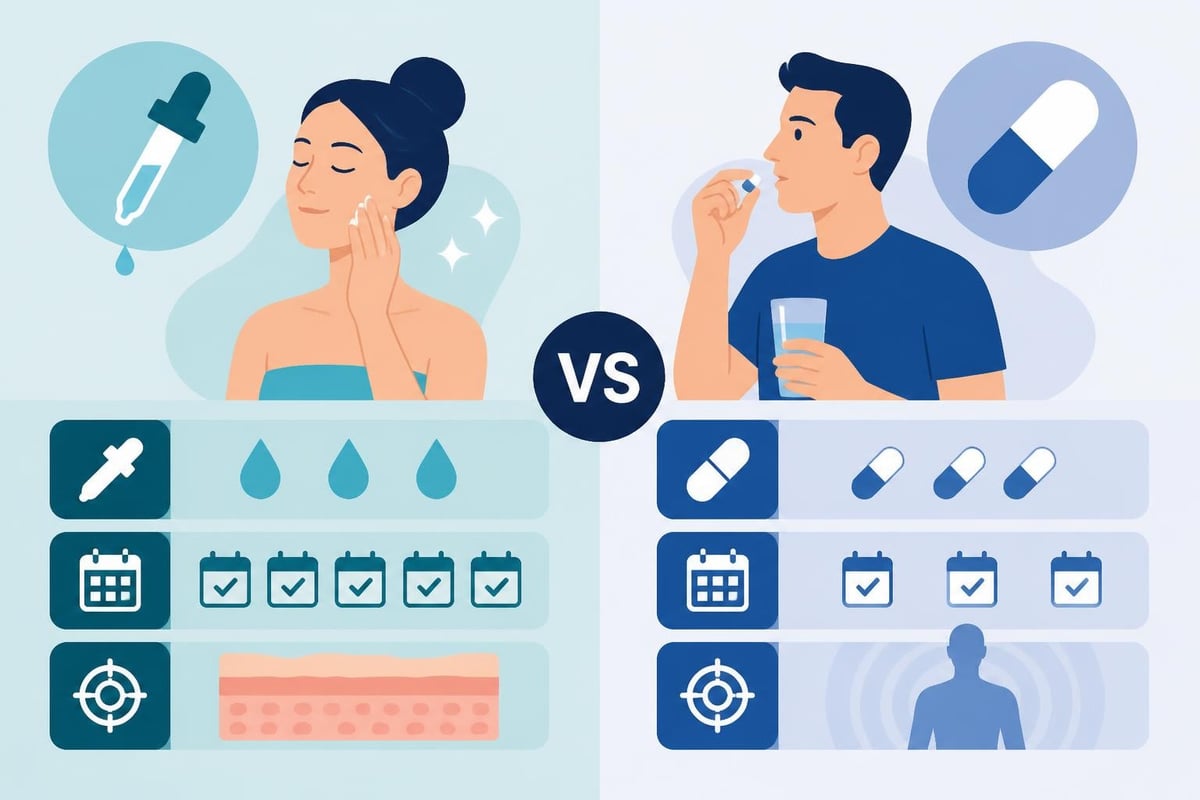
Mechanism-Based Benefits and Outcomes
The diverse mechanisms through which copper peptide GHK-Cu operates translate into a broad spectrum of observable benefits across multiple physiological systems. Understanding these mechanism-outcome relationships helps optimize application strategies and set realistic expectations.
Collagen and Extracellular Matrix Enhancement
GHK-Cu's stimulation of collagen synthesis represents one of its most clinically significant effects. The peptide upregulates genes encoding for collagen types I and III while simultaneously promoting the production of decorin, a proteoglycan that organizes collagen fibers into properly aligned bundles. This dual action results in not just more collagen, but better-organized collagen that provides superior structural support.
The peptide also influences matrix metalloproteinases (MMPs), enzymes responsible for breaking down damaged or excessive extracellular matrix components. By modulating MMP activity, copper peptide GHK-Cu helps maintain optimal matrix turnover, preventing both excessive degradation and pathological accumulation.
Antioxidant and Anti-Inflammatory Properties
Copper peptide GHK-Cu demonstrates potent antioxidant activity through multiple pathways. The compound enhances superoxide dismutase (SOD) activity, a critical antioxidant enzyme that neutralizes superoxide radicals. Additionally, GHK-Cu chelates free copper ions that could otherwise participate in harmful Fenton reactions, effectively preventing oxidative damage at the cellular level.
The anti-inflammatory effects of GHK-Cu involve downregulation of pro-inflammatory cytokines including TNF-α and IL-6, while supporting the resolution phase of inflammation through specialized pro-resolving mediators. This balanced approach to inflammation management allows for beneficial acute inflammatory responses while preventing chronic inflammation that contributes to aging and tissue degradation.
Comparative Analysis with Other Regenerative Peptides
The peptide landscape includes numerous compounds with regenerative and anti-aging properties, each with distinct mechanisms and applications. Understanding how copper peptide GHK-Cu compares to other peptides helps inform strategic selection and potential combination approaches.
GHK-Cu Versus Matrixyl and Other Palmitoyl Peptides
While both GHK-Cu and palmitoyl peptides (like Matrixyl/palmitoyl pentapeptide-4) stimulate collagen production, they operate through different mechanisms. Matrixyl primarily works by mimicking matricryptic sites exposed during matrix degradation, triggering repair responses. In contrast, copper peptide GHK-Cu directly modulates gene expression and provides copper as a cofactor for enzymatic processes.
The copper-binding property of GHK-Cu gives it unique antioxidant and anti-inflammatory capabilities not shared by palmitoyl peptides. However, palmitoyl peptides often demonstrate superior skin penetration due to their lipophilic modifications. Many advanced formulations combine both peptide types to leverage complementary mechanisms.
Integration with Growth Hormone Secretagogues
For individuals exploring comprehensive peptide protocols available at Soma Peptide, copper peptide GHK-Cu can complement growth hormone-related peptides through non-overlapping mechanisms. While growth hormone secretagogues support overall anabolic processes and metabolic health, GHK-Cu specifically targets tissue regeneration, wound healing, and matrix remodeling.
When implementing GHK-Cu protocols, many practitioners incorporate this copper peptide alongside compounds targeting different aspects of regeneration and recovery. This multi-modal approach addresses tissue repair from multiple angles, potentially producing synergistic benefits.
Safety Profile and Contraindications
The safety record of copper peptide GHK-Cu has been extensively documented through decades of research and clinical use. The compound generally demonstrates excellent tolerability across multiple administration routes, though specific considerations apply depending on dosing and application method.
Documented Safety Parameters
Clinical studies have reported minimal adverse effects with properly dosed GHK-Cu protocols. Topical applications occasionally produce mild, transient irritation in sensitive individuals, typically resolving with continued use or slight concentration adjustments. Systemic administration through subcutaneous or intramuscular routes shows similarly favorable safety profiles when following established dosing guidelines.
According to comprehensive safety data reviewed by NST Research, GHK-Cu does not demonstrate the hormonal disruption potential associated with some other anti-aging interventions, making it suitable for long-term application in most individuals.
Considerations for Specific Populations
Individuals with Wilson's disease or other copper metabolism disorders should avoid GHK-Cu due to the copper component. Pregnant or nursing individuals should consult healthcare providers before initiating any peptide protocol, as safety data in these populations remains limited. Those with active skin infections or open wounds should address these conditions before starting topical GHK-Cu applications.
Drug interactions with copper peptide GHK-Cu appear minimal, though individuals taking copper supplements or medications affecting copper metabolism should monitor total copper intake to avoid excessive accumulation.
Formulation Quality and Sourcing Considerations
The therapeutic and cosmetic outcomes achieved with copper peptide GHK-Cu depend critically on product quality, purity, and proper formulation. Variations in manufacturing processes, storage conditions, and formulation design significantly impact peptide stability and bioactivity.
Purity Standards and Testing
High-quality GHK-Cu preparations should meet minimum purity standards of 98% or higher, verified through independent laboratory testing using high-performance liquid chromatography (HPLC) and mass spectrometry. These analytical methods confirm both peptide identity and the absence of contaminants that could compromise safety or efficacy.
The molar ratio of GHK to copper in properly formulated products should approximate 1:1, ensuring optimal copper binding without excess free copper that could promote oxidative stress. Premium peptide suppliers provide certificates of analysis documenting purity, composition, and sterility testing for each production batch.
Storage and Stability Requirements
Copper peptide GHK-Cu exhibits good stability under proper storage conditions but degrades when exposed to light, heat, or extreme pH environments. Lyophilized (freeze-dried) powder formulations demonstrate superior long-term stability compared to pre-constituted solutions, often remaining stable for 12-24 months when stored at -20°C.
Once reconstituted, GHK-Cu solutions should be stored at 2-8°C and used within 30-60 days to ensure optimal potency. Topical formulations require careful pH adjustment and may incorporate stabilizing agents to extend shelf life while maintaining bioactivity.
Current Research Directions and Future Applications
The scientific investigation of copper peptide GHK-Cu continues to expand, with recent studies exploring novel applications and mechanism insights that may broaden its therapeutic utility. Research published in 2024-2026 has identified new gene targets, cellular pathways, and potential clinical indications for this versatile peptide.
Emerging Research in Neural and Cognitive Health
Recent studies have begun examining GHK-Cu's effects on neural tissue and cognitive function. Preliminary research suggests the peptide may support neuroplasticity, reduce neuroinflammation, and protect against oxidative stress in neural tissue. According to research overviews provided by Dr. GHK-Cu, these neuroprotective properties warrant further investigation in age-related cognitive decline and neurodegenerative conditions.
The peptide's ability to modulate genes involved in neural growth factors and synaptic plasticity has generated interest in its potential applications beyond traditional dermatological and wound-healing uses. While human clinical trials in cognitive health remain limited, preclinical models show promising results.
Advanced Formulation Technologies
Nanotechnology and advanced delivery systems represent frontier areas in copper peptide GHK-Cu research. Nanoparticle encapsulation, liposomal delivery, and microneedle patch technologies aim to enhance peptide penetration, extend release profiles, and improve targeted delivery to specific tissue layers.
Research presented in 2025-2026 has demonstrated that liposomal GHK-Cu formulations achieve deeper dermal penetration compared to conventional topical applications, potentially enhancing therapeutic outcomes for photoaged skin and deep wrinkles. These technologies may enable lower doses to achieve equivalent or superior results compared to traditional formulations.
Integration into Comprehensive Wellness Protocols
Copper peptide GHK-Cu achieves optimal outcomes when integrated into holistic wellness approaches addressing multiple aspects of health, recovery, and aging. Strategic combination with complementary interventions amplifies benefits while supporting overall physiological function.
Nutritional and Lifestyle Synergies
The regenerative effects of GHK-Cu are enhanced when supported by adequate nutritional status, particularly sufficient protein intake to provide amino acid substrates for collagen synthesis. Vitamin C serves as an essential cofactor in collagen hydroxylation, making adequate ascorbic acid intake critical for maximizing GHK-Cu benefits.
Lifestyle factors including sleep quality, stress management, and protection from environmental damage complement copper peptide GHK-Cu's biological activities. UV protection remains particularly important, as chronic sun exposure degrades newly synthesized collagen and counteracts the peptide's regenerative effects.
Complementary Peptide Protocols
Many practitioners implement copper peptide GHK-Cu alongside other peptides with complementary mechanisms. Recovery-focused peptide combinations may pair GHK-Cu with compounds supporting tissue repair through different pathways, creating multi-faceted regenerative protocols.
The strategic sequencing of different peptides throughout the day or across training cycles allows practitioners to target specific recovery windows and physiological processes while minimizing receptor desensitization. GHK-Cu's unique copper-binding mechanism provides benefits distinct from growth hormone secretagogues, thymosin derivatives, and other common peptides.
Practical Implementation Guidelines
Successfully incorporating copper peptide GHK-Cu into personal wellness protocols requires understanding practical considerations including administration timing, combination strategies, and outcome monitoring. These implementation factors determine real-world results achieved with otherwise high-quality peptide products.
Optimal Timing and Frequency
For topical applications, consistent twice-daily use typically produces superior results compared to sporadic application. Morning application supports daytime protection and repair, while evening application takes advantage of nighttime cellular renewal processes. Allowing 2-3 minutes for absorption before applying additional skincare products optimizes peptide penetration.
Systemic administration protocols often implement evening injections to align with natural growth hormone release patterns and nocturnal repair processes. Frequency recommendations vary based on individual goals, with maintenance protocols often using 2-3 administrations weekly, while intensive repair phases may employ daily dosing.
Tracking Outcomes and Adjusting Protocols
Objective outcome monitoring helps optimize copper peptide GHK-Cu protocols over time. For skin applications, standardized photography under consistent lighting conditions at 4-week intervals allows visual documentation of changes in texture, tone, and wrinkle depth. Skin elasticity can be measured using durometer devices or professional skin analysis systems.
For tissue repair applications, tracking recovery rates, pain levels, and functional improvements provides valuable feedback on protocol effectiveness. Most users begin observing initial benefits within 4-6 weeks, with continued improvements accumulating over 3-6 months of consistent use as documented in clinical research reviewed by Reta Labs.
| Timeline | Expected Outcomes | Monitoring Methods |
|---|---|---|
| 2-4 weeks | Improved skin texture, enhanced hydration | Visual assessment, touch evaluation |
| 6-8 weeks | Visible reduction in fine lines, increased firmness | Photography comparison, elasticity testing |
| 12-16 weeks | Measurable collagen density increase, improved healing | Skin density analysis, recovery rate tracking |
| 6+ months | Sustained anti-aging benefits, optimized tissue health | Comprehensive before/after assessment |
The growing interest in copper peptide GHK-Cu within wellness and aesthetic communities reflects broader trends toward evidence-based, mechanism-focused interventions. As consumers become more sophisticated in their understanding of anti-aging science, demand increases for compounds with robust research foundations rather than purely marketing-driven claims.
Popular skincare publications including Marie Claire have highlighted GHK-Cu as a scientifically credible alternative to more aggressive interventions, noting its compatibility with various skin types and ability to address multiple aging mechanisms simultaneously. This mainstream recognition has accelerated adoption among individuals seeking comprehensive regenerative approaches.
Professional Applications and Clinical Integration
Aesthetic practitioners and regenerative medicine specialists increasingly incorporate copper peptide GHK-Cu into professional treatment protocols. The peptide serves as both a standalone intervention and an adjunct to procedures including microneedling, laser treatments, and radiofrequency therapies, where it may enhance healing and amplify results.
Clinical integration requires understanding how GHK-Cu interacts with professional-grade treatments and medications. The peptide's anti-inflammatory properties make it particularly valuable in post-procedure protocols, potentially reducing downtime and optimizing healing outcomes.
Advanced Combination Strategies
Sophisticated practitioners often combine copper peptide GHK-Cu with other evidence-based compounds to create synergistic protocols addressing multiple aspects of regeneration and aging. These combinations require careful consideration of mechanisms, timing, and individual response patterns.
Peptide Stacking Approaches
GHK-Cu pairs effectively with peptides targeting different cellular pathways. When combined with thymosin beta-4 derivatives, the copper peptide's collagen-stimulating effects complement thymosin's cell migration and angiogenesis properties. Similarly, pairing with epithalon or other telomerase-modulating peptides addresses both matrix regeneration (GHK-Cu) and cellular senescence (epithalon).
The key to effective peptide stacking lies in selecting compounds with complementary rather than redundant mechanisms. GHK-Cu's gene-regulatory and copper-dependent pathways rarely overlap significantly with other common peptides, making it a versatile component in multi-peptide protocols.
Integration with NAD+ Precursors and Senolytics
Copper peptide GHK-Cu demonstrates particularly interesting synergies with NAD+ precursors and senolytic compounds. While NAD+ supports cellular energy metabolism and mitochondrial function, GHK-Cu addresses extracellular matrix health and tissue structure. This inside-out approach to cellular and tissue regeneration may produce comprehensive anti-aging effects.
Emerging research suggests that combining matrix-focused interventions like GHK-Cu with cellular-focused approaches creates multi-level regenerative effects that exceed either intervention alone. Video analysis by Dr. Quinn Stillson explores these synergistic mechanisms in detail.
Understanding Individual Response Variability
Not all individuals respond identically to copper peptide GHK-Cu protocols, with variations in outcomes reflecting differences in baseline health status, genetic factors, and environmental influences. Recognizing this response variability helps set realistic expectations and guides protocol optimization.
Factors Influencing Outcomes
Age significantly impacts GHK-Cu response patterns, with younger individuals (under 40) often experiencing more subtle benefits given their higher baseline GHK-Cu levels. Older individuals frequently report more dramatic improvements as they're replacing more profoundly depleted endogenous levels. Skin type, UV exposure history, and baseline collagen status also influence observable outcomes.
Genetic variations in copper metabolism, collagen synthesis pathways, and receptor expression may explain why some individuals achieve exceptional results while others experience modest improvements with identical protocols. Lifestyle factors including nutrition, sleep quality, and stress levels modulate the cellular environment in which GHK-Cu operates, affecting its efficacy.
Optimizing Personal Protocols
Individual response patterns often become apparent within the first 4-6 weeks of consistent GHK-Cu use. Those experiencing minimal initial benefits may benefit from dosage adjustments, administration route changes, or enhanced supporting interventions. Conversely, individuals achieving rapid improvements may optimize protocols by reducing frequency to maintenance levels once desired outcomes are reached.
Periodic protocol breaks (2-4 weeks every 3-6 months) may help maintain receptor sensitivity and prevent adaptation, though the necessity of cycling with GHK-Cu remains debated among practitioners. Monitoring outcomes objectively guides these protocol adjustments more effectively than subjective impressions alone.
Copper peptide GHK-Cu represents one of the most thoroughly researched regenerative compounds available, with applications spanning skin health, wound healing, tissue repair, and anti-aging. Its unique copper-binding structure, diverse mechanisms of action, and extensive safety record make it a cornerstone intervention for individuals seeking evidence-based approaches to regeneration and longevity. Whether you're exploring topical applications for skin enhancement or systemic protocols for comprehensive tissue support, partnering with a trusted source ensures access to the purity and quality necessary for optimal outcomes. Soma Peptide provides premium-grade peptides backed by rigorous testing and quality control, supporting your journey toward enhanced recovery, regeneration, and vitality.