
Understanding the relationship between peptides and proteins represents a fundamental aspect of biochemistry and therapeutic science. While these terms are often used interchangeably in casual conversation, they describe distinct molecular structures with unique properties and applications. A peptide protein, technically speaking, refers to either a peptide chain that functions as a protein or the broader category of amino acid sequences that form the building blocks of biological function. In 2026, advanced purification methods and quality control standards have elevated peptide protein applications across multiple wellness domains, from muscle development to cellular regeneration.
The Molecular Architecture of Peptide Protein
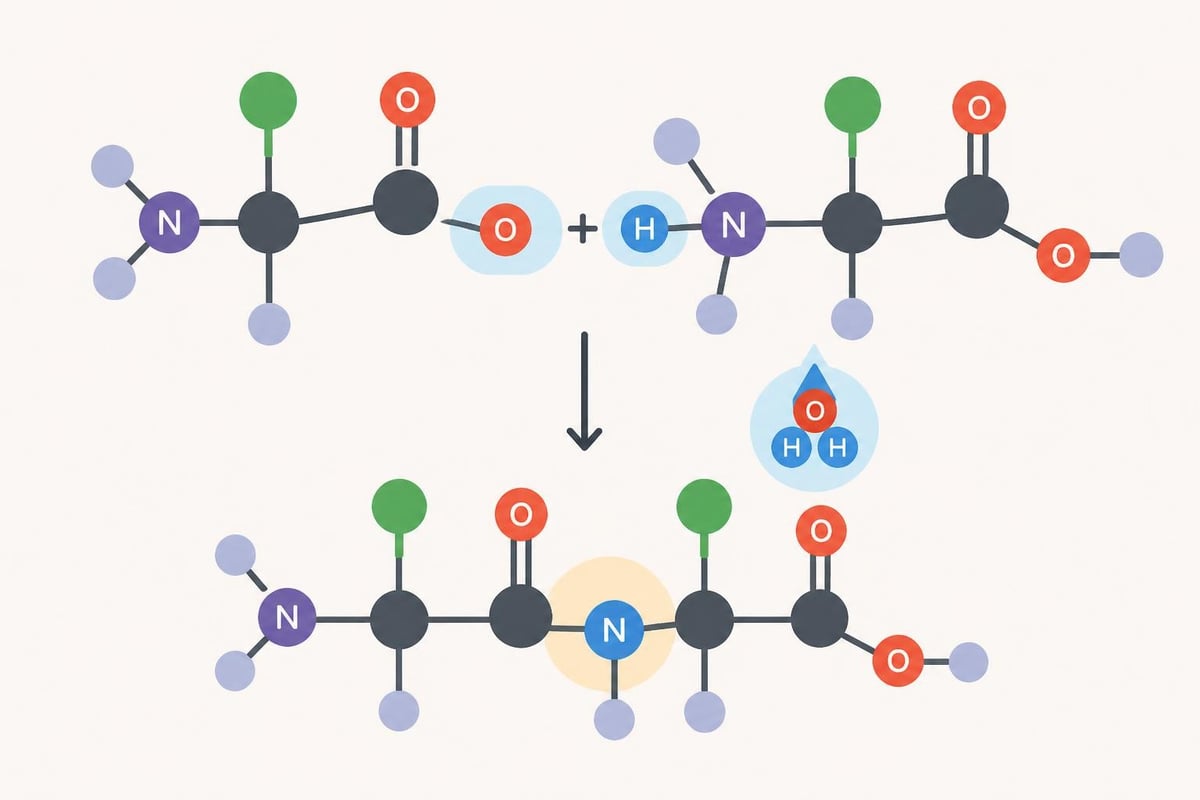
At the molecular level, both peptides and proteins consist of amino acids linked together through peptide bonds. The primary distinction lies in size and complexity. Peptides typically contain between 2 and 50 amino acids, while proteins comprise longer chains often exceeding 50 amino acids and folding into complex three-dimensional structures.
Amino Acid Chains and Bond Formation
The peptide bond represents the fundamental connection between individual amino acids. This covalent bond forms when the carboxyl group of one amino acid reacts with the amino group of another, releasing a water molecule in the process. This dehydration synthesis creates the backbone of every peptide protein structure.
Key characteristics of peptide bonds include:
- Planar configuration that restricts rotation
- Partial double-bond character providing stability
- Trans orientation in most naturally occurring sequences
- Resistance to hydrolysis under physiological conditions
The sequence of amino acids determines not just the primary structure but ultimately influences how the molecule folds and functions. Research from peptide databases and structural repositories demonstrates that even minor variations in amino acid order can dramatically alter biological activity.
From Peptides to Functional Proteins
The progression from simple peptides to complex proteins involves multiple levels of structural organization. Primary structure defines the linear amino acid sequence. Secondary structure encompasses alpha helices and beta sheets formed through hydrogen bonding. Tertiary structure represents the overall three-dimensional folding pattern, while quaternary structure describes how multiple peptide chains assemble into functional protein complexes.
Short-chain peptides often exhibit biological activity without requiring the complex folding seen in larger proteins. This characteristic makes them particularly valuable for therapeutic applications, as they can maintain stability while delivering specific signals to cellular receptors.
Biological Functions and Therapeutic Applications
Peptide protein molecules serve countless functions within biological systems. They act as hormones, neurotransmitters, growth factors, and structural components. Understanding these roles has driven significant advances in therapeutic peptide development.
Signaling and Cellular Communication
Many peptide protein molecules function primarily as signaling agents. Growth hormone-releasing peptides, for example, stimulate the pituitary gland to produce endogenous growth hormone. This mechanism supports natural hormonal balance rather than introducing synthetic hormones directly into the system.
The specificity of peptide protein signaling derives from precise receptor binding. Each peptide sequence recognizes specific receptor sites on cell surfaces, triggering cascades of intracellular events. This targeted approach minimizes off-target effects common with broader pharmaceutical interventions.
| Function Category | Peptide Type | Primary Action | Application Area |
|---|---|---|---|
| Growth Regulation | GHRH Analogs | Stimulate GH release | Muscle development, recovery |
| Tissue Repair | Regenerative Peptides | Accelerate healing | Injury recovery, anti-aging |
| Metabolic Support | Mitochondrial Peptides | Enhance energy production | Weight management, vitality |
| Immune Modulation | Thymic Peptides | Support immune function | Overall wellness, resilience |
Structural and Mechanical Roles
Beyond signaling, certain peptide protein structures provide mechanical support and structural integrity. Collagen, the most abundant protein in mammals, consists of three peptide chains wound together in a characteristic triple helix. This arrangement provides tensile strength to skin, tendons, and ligaments.
Shorter peptides can stimulate collagen production without being collagen themselves. Copper-binding peptides, for instance, promote collagen synthesis by activating specific cellular pathways involved in tissue remodeling and regeneration.
Quality Standards and Purity Considerations
The efficacy of any peptide protein therapeutic depends critically on purity and structural integrity. Advances in synthesis and purification technologies have dramatically improved the quality of available peptides since the early 2020s.
Synthesis Methods and Contamination Control
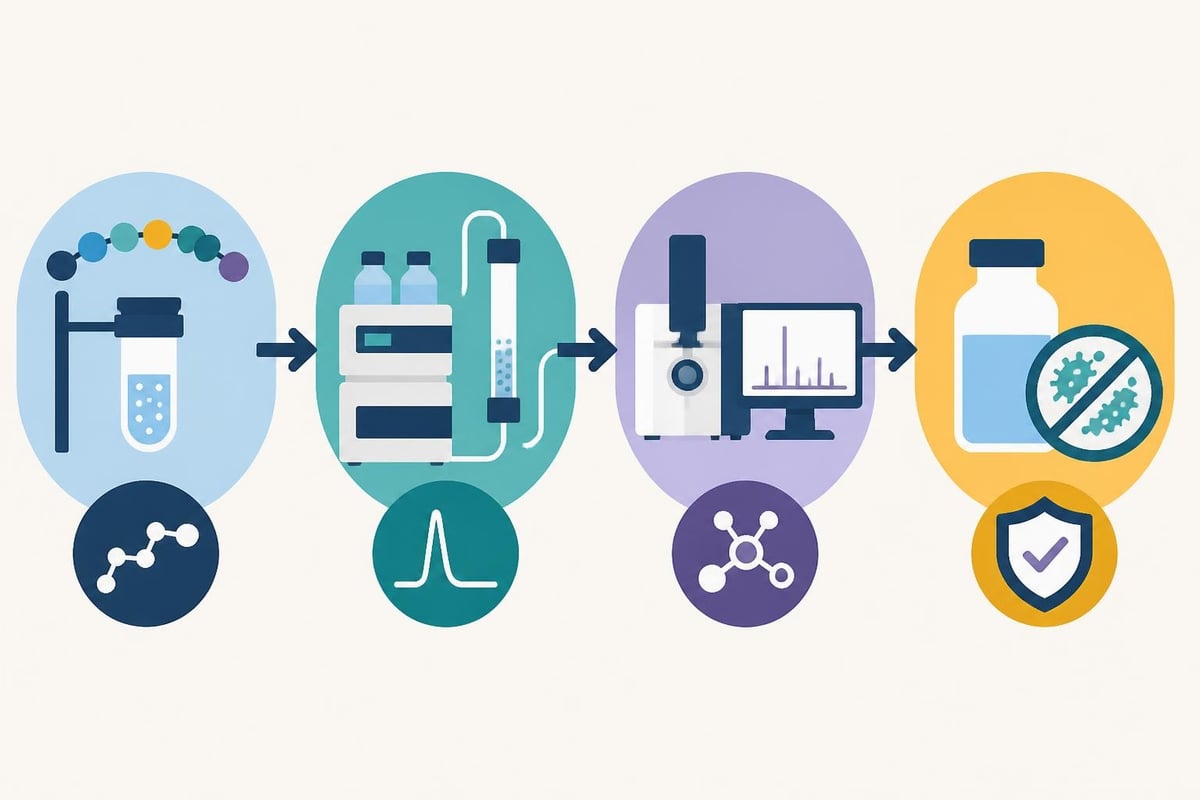
Modern peptide synthesis employs solid-phase peptide synthesis (SPPS) as the gold standard methodology. This approach builds peptide chains one amino acid at a time on a solid resin support, allowing for precise sequence control and efficient purification between addition steps.
Critical quality control measures include:
- High-performance liquid chromatography (HPLC) analysis
- Mass spectrometry verification of molecular weight
- Amino acid analysis for sequence confirmation
- Endotoxin testing for safety assurance
- Sterility testing for injectable preparations
Contaminants can significantly compromise peptide protein effectiveness. Deletion sequences (missing amino acids), insertion errors, or chemical modifications from incomplete reactions all reduce potency. Premium suppliers maintain purity levels exceeding 98% through rigorous purification protocols.
Storage and Stability Factors
Peptide protein stability varies significantly based on sequence composition and storage conditions. Most lyophilized (freeze-dried) peptides remain stable for extended periods when stored at temperatures below -20°C. Once reconstituted with bacteriostatic water, stability windows narrow considerably.
Environmental factors affecting peptide protein stability include temperature fluctuations, pH variations, light exposure, and mechanical agitation. Proper handling protocols extend shelf life and preserve biological activity. When choosing the right preparation methods, attention to sterile technique and storage guidelines ensures optimal results.
Applications in Performance and Recovery
The performance enhancement and recovery support markets have embraced peptide protein therapeutics extensively. Unlike traditional anabolic steroids, peptides work through natural biological pathways to optimize physiological function.
Muscle Growth and Development
Growth hormone secretagogues represent one category of peptide protein compounds used for muscle development. These molecules stimulate endogenous growth hormone production, which subsequently increases insulin-like growth factor 1 (IGF-1) levels. The GH/IGF-1 axis plays central roles in muscle protein synthesis, satellite cell activation, and muscle fiber hypertrophy.
Research into peptides for bodybuilding applications has documented measurable improvements in lean body mass, strength metrics, and recovery capacity. The mechanisms involve enhanced nitrogen retention, increased amino acid uptake into muscle cells, and improved mitochondrial function.
For those seeking comprehensive research peptides backed by quality assurance, understanding the specific mechanisms of action helps inform appropriate selection.
Tissue Repair and Regeneration
Regenerative peptides have gained substantial attention for their capacity to accelerate healing across multiple tissue types. These peptide protein compounds influence growth factor expression, modulate inflammatory responses, and promote angiogenesis (new blood vessel formation).
BPC-157 represents a well-studied regenerative peptide derived from a protective gastric protein. It has demonstrated capacity to support healing in muscles, tendons, ligaments, and the gastrointestinal tract through multiple mechanisms including enhanced growth factor production and optimized collagen formation.
The combination of complementary peptides often produces synergistic effects. Blended formulations targeting specific recovery goals have become increasingly sophisticated as understanding of peptide protein interactions advances.
Metabolic and Anti-Aging Benefits
Beyond performance applications, peptide protein therapeutics offer promising avenues for metabolic optimization and age-related decline mitigation.
Metabolic Function Enhancement
Mitochondrial-derived peptides represent an emerging category of metabolic modulators. These short peptide protein sequences encode within mitochondrial DNA and influence cellular energy production, glucose metabolism, and stress resistance pathways.
By supporting mitochondrial efficiency, these peptides may help optimize how cells convert nutrients into usable energy. This translates to improved physical stamina, enhanced mental clarity, and more efficient recovery from metabolic stress.
Metabolic benefits associated with specific peptide protein types:
- Enhanced insulin sensitivity and glucose disposal
- Increased fatty acid oxidation and metabolic rate
- Improved mitochondrial biogenesis and function
- Better adaptation to caloric restriction
- Reduced oxidative stress and inflammatory markers
Advanced metabolic peptides available through specialized peptide suppliers provide targeted support for individuals seeking optimization beyond conventional nutritional approaches.
Age-Related Decline and Cellular Senescence
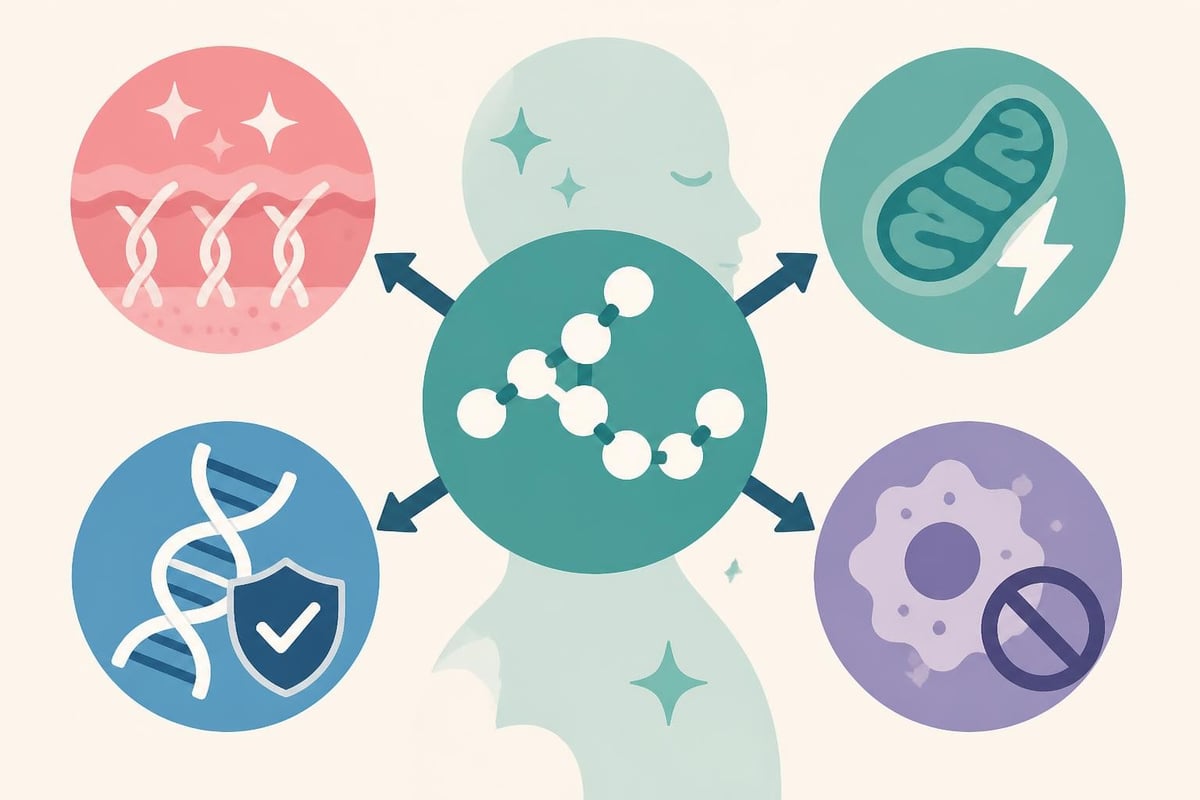
Aging fundamentally involves accumulated cellular damage, declining regenerative capacity, and progressive loss of physiological resilience. Certain peptide protein compounds address these processes through multiple complementary mechanisms.
Copper-binding peptides stimulate collagen and elastin production while promoting removal of damaged proteins. This supports skin firmness, wound healing, and overall tissue quality. NAD+ precursors and related compounds support cellular energy production and DNA repair mechanisms that typically decline with advancing age.
| Anti-Aging Mechanism | Peptide Category | Observable Effects | Timeline for Results |
|---|---|---|---|
| Collagen Stimulation | Copper Peptides | Skin firmness, elasticity | 4-8 weeks |
| Cellular Energy | NAD+ Boosters | Vitality, mental clarity | 2-6 weeks |
| Tissue Regeneration | Growth Factors | Healing capacity, recovery | 3-12 weeks |
| Inflammation Control | Immune Modulators | Reduced chronic inflammation | 6-12 weeks |
Dosing Protocols and Administration Methods
Effective peptide protein therapy requires understanding appropriate dosing strategies and administration routes. Bioavailability varies significantly based on delivery method, with subcutaneous injection providing the most consistent absorption for most peptide sequences.
Subcutaneous vs. Other Routes
Subcutaneous injection delivers peptides into the fatty tissue layer beneath the skin, allowing for gradual absorption into the bloodstream. This method preserves peptide integrity better than oral administration, which exposes peptides to digestive enzymes that can break peptide bonds.
Intramuscular injection provides faster absorption but may be unnecessary for most peptide protein applications. Some peptides designed for localized effects benefit from direct injection near the target tissue, though systemic distribution still occurs.
Timing and Frequency Considerations
Peptide protein dosing schedules depend on the compound's half-life and intended effects. Growth hormone secretagogues typically work best when administered before sleep, aligning with natural growth hormone pulse patterns. Metabolic peptides may perform optimally when taken before exercise or early in the day.
General dosing principles include:
- Start with conservative doses to assess individual response
- Maintain consistent timing for compounds with cumulative effects
- Cycle certain peptides to prevent receptor desensitization
- Adjust based on measured outcomes and individual goals
- Follow reconstitution and storage protocols precisely
Accessing comprehensive resources through platforms like Soma Peptide’s help center provides valuable guidance for those new to peptide protein therapeutics.
Safety Profile and Considerations
Peptide protein therapeutics generally exhibit favorable safety profiles compared to many pharmaceutical alternatives. Their mechanism of working through natural biological pathways typically results in fewer side effects than compounds that override normal physiology.
Potential Adverse Effects
Most side effects associated with peptide protein use relate to administration technique rather than the compounds themselves. Injection site reactions, including redness, swelling, or temporary discomfort, represent the most common complaints.
Specific peptides may produce predictable responses based on their mechanisms. Growth hormone secretagogues occasionally cause temporary water retention or mild carpal tunnel symptoms. Metabolic peptides might initially affect appetite or energy patterns as the body adjusts.
Contraindications and Precautions
Certain medical conditions warrant caution with specific peptide protein compounds. Active cancer represents a contraindication for growth-promoting peptides, as these could theoretically support tumor growth. Pregnancy and breastfeeding require avoiding most research peptides due to limited safety data in these populations.
Individuals with autoimmune conditions should consult healthcare providers before using immune-modulating peptides. Those with diabetes need to monitor blood glucose carefully when using metabolic peptides that influence insulin sensitivity.
Integration with Comprehensive Wellness Strategies
Peptide protein therapeutics deliver optimal results when integrated into comprehensive wellness protocols rather than used in isolation. Nutrition, exercise, sleep quality, and stress management all influence how effectively the body responds to peptide interventions.
Nutritional Support for Peptide Efficacy
Adequate protein intake supports the amino acid pool necessary for endogenous protein synthesis stimulated by growth-promoting peptides. Micronutrient sufficiency, particularly minerals like zinc and magnesium, supports the enzymatic processes involved in tissue repair and cellular regeneration.
Hydration status affects peptide distribution and cellular uptake. Maintaining consistent hydration supports optimal subcutaneous absorption and systemic circulation of administered peptide protein compounds.
Exercise Synergy
Resistance training creates the stimulus for muscle adaptation that growth-promoting peptides enhance. The combination of mechanical tension from exercise and the hormonal environment created by peptides produces superior results compared to either intervention alone.
Cardiovascular exercise supports the metabolic adaptations promoted by certain peptide protein compounds. Improved mitochondrial density from endurance training complements the mitochondrial efficiency enhancements from metabolic peptides.
Recovery and Sleep Optimization
Sleep represents the primary recovery window when growth hormone levels naturally peak and tissue repair processes accelerate. Peptides that support these processes work synergistically with quality sleep to maximize regenerative capacity.
Recovery protocols including adequate rest between training sessions, stress management techniques, and inflammation control through nutrition all enhance peptide protein effectiveness. The body's capacity to respond to therapeutic interventions depends substantially on its overall recovery state.
Future Directions in Peptide Protein Research
The peptide protein therapeutic field continues evolving rapidly. Computational approaches using machine learning models like PeptideBERT for property prediction accelerate discovery of novel sequences with desired characteristics. Advanced docking simulations help researchers understand peptide-protein interactions at molecular resolution.
Standardized notation systems such as ProForma for encoding peptide variations facilitate data sharing across research institutions. These collaborative frameworks speed the translation of basic research into practical applications.
Emerging areas include tissue-specific peptides that accumulate preferentially in target organs, oral delivery systems that protect peptides from digestive degradation, and sustained-release formulations that reduce injection frequency. The integration of peptide therapeutics into personalized medicine protocols represents another frontier, with genetic testing informing optimal peptide selection for individual biochemistry.
Peptide protein therapeutics offer targeted support for diverse wellness goals, from muscle development and recovery to metabolic optimization and age-related decline mitigation. The molecular precision of these compounds, combined with rigorous quality standards and advancing scientific understanding, positions them as valuable tools in comprehensive health optimization strategies. Whether you're seeking enhanced recovery, improved body composition, or cellular rejuvenation, Soma Peptide provides premium quality peptide compounds backed by advanced purification methods and stringent testing protocols to support your wellness journey.