

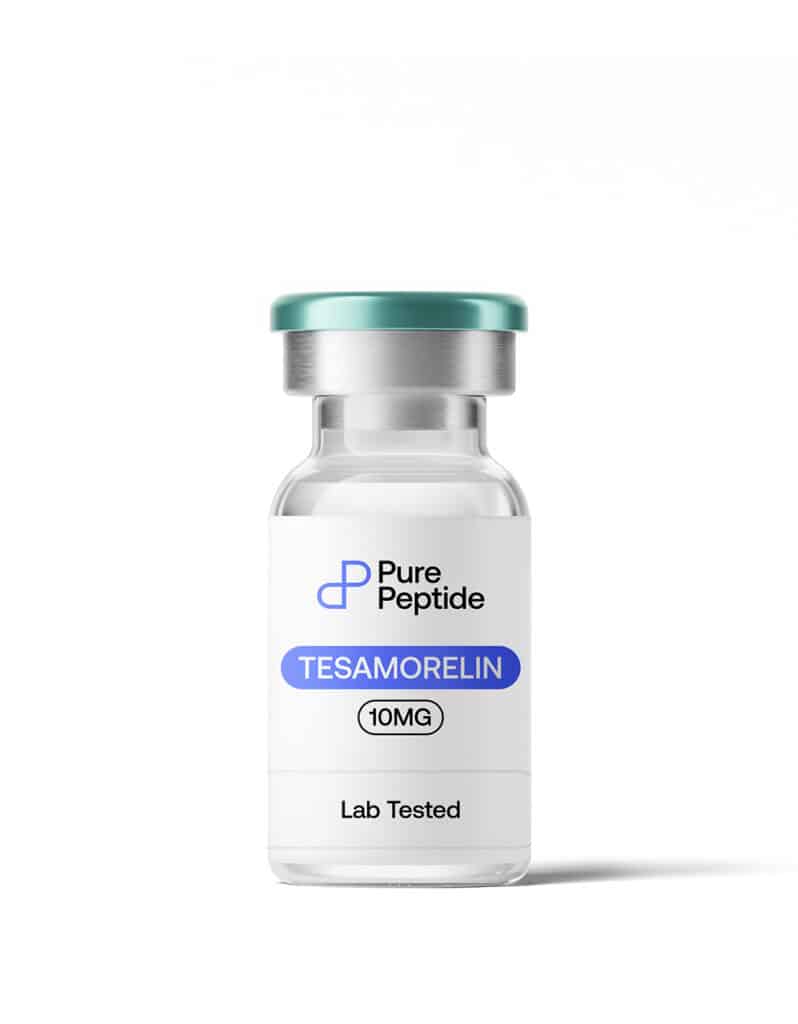
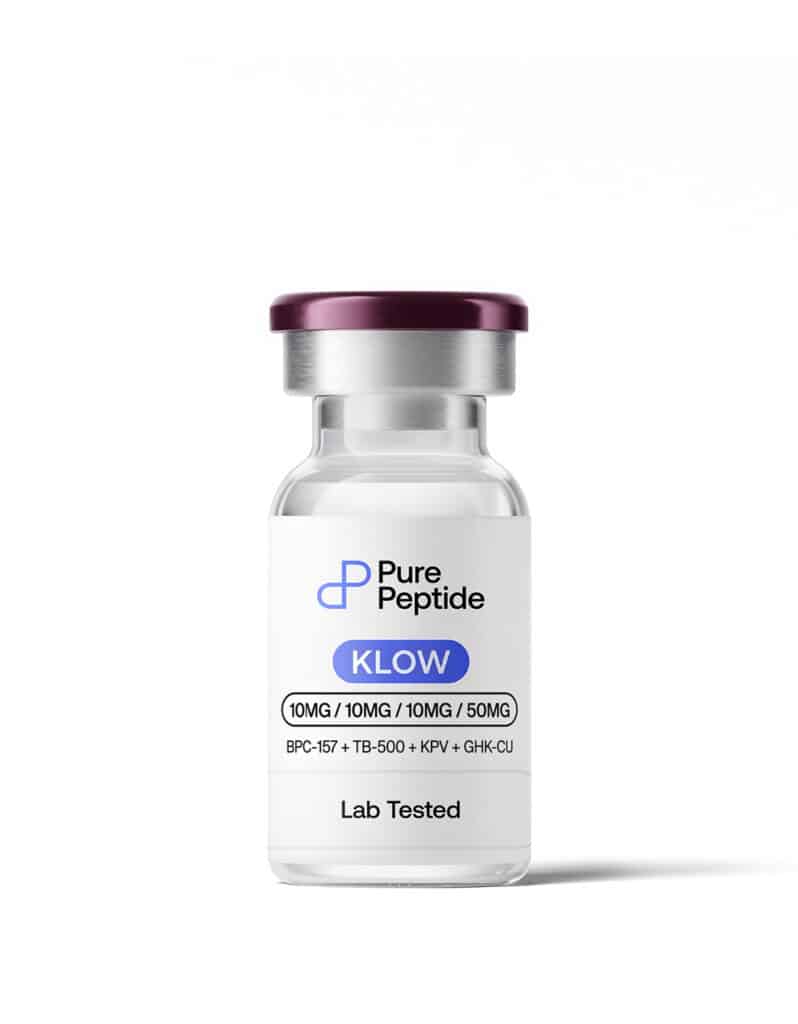
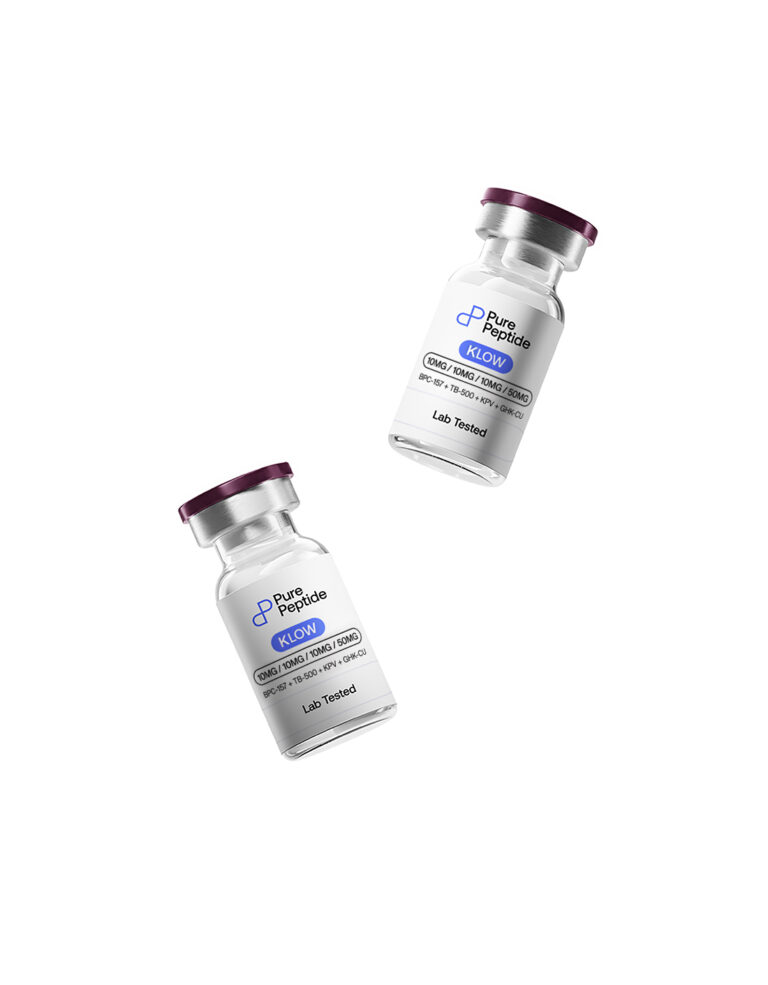
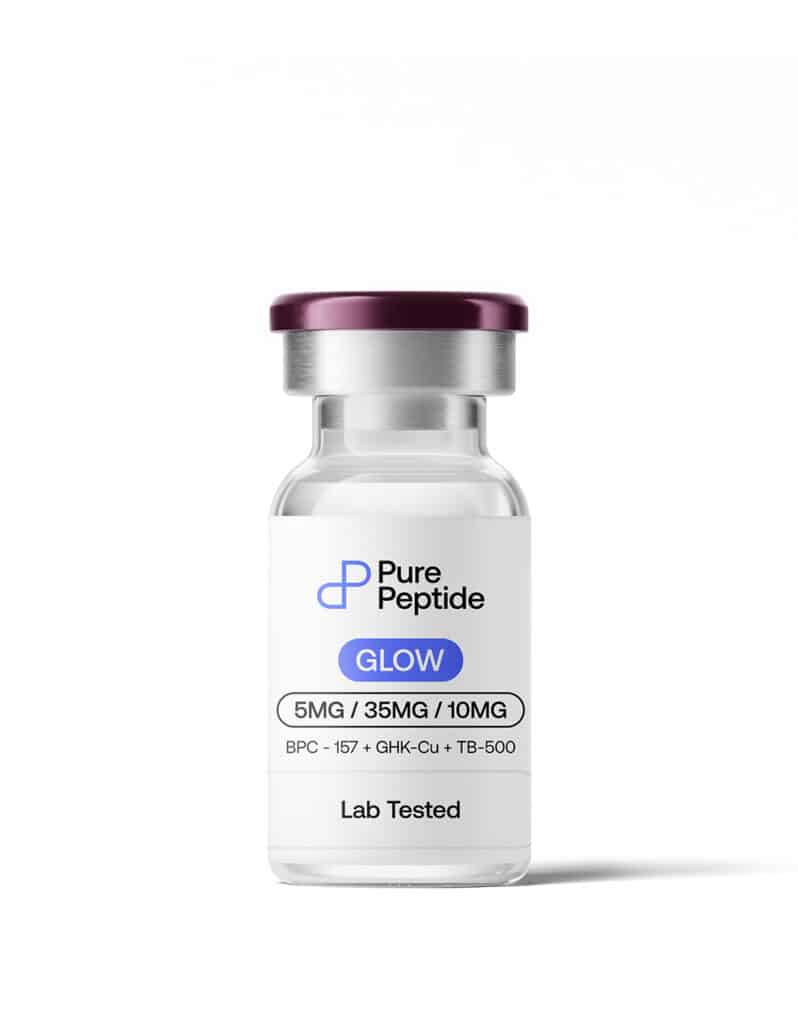
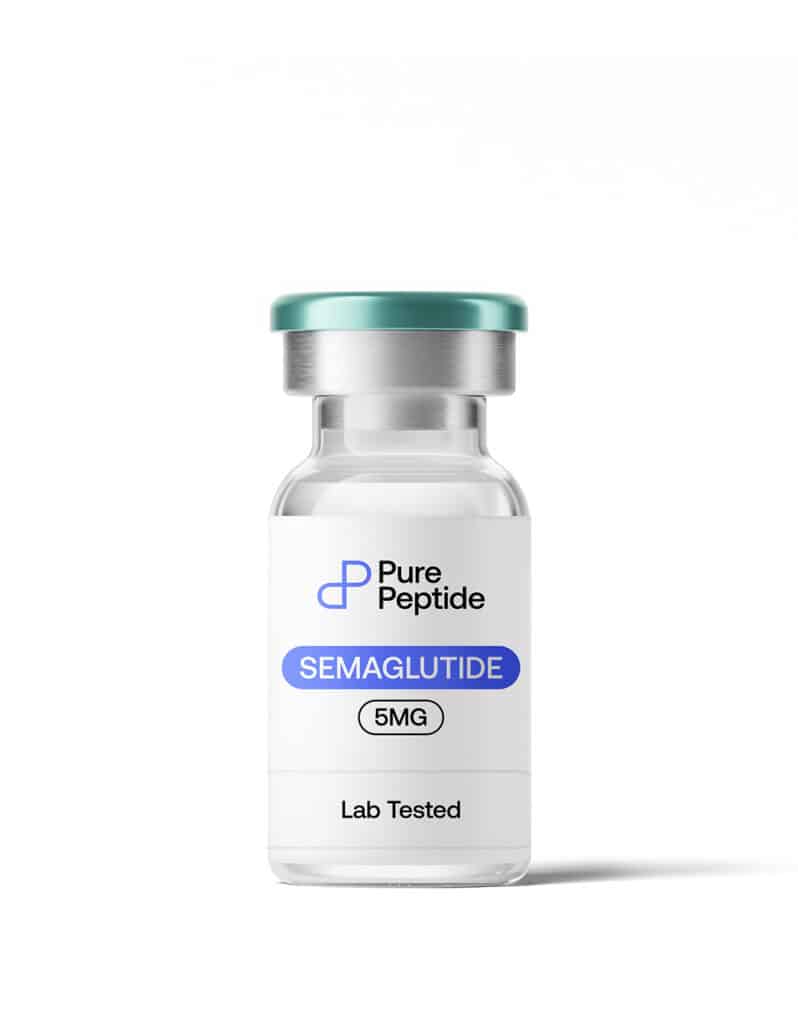
The demand for high-quality therapeutic peptides has surged across the United States as more individuals seek advanced solutions for weight management, muscle development, recovery, and anti-aging. When searching for these compounds, the distinction between domestic and imported products becomes crucial. Peptides made in USA undergo rigorous manufacturing protocols, quality control measures, and regulatory oversight that set them apart from international alternatives. Understanding what makes American-produced peptides unique helps consumers make informed decisions about their health and wellness investments.
Manufacturing Standards for American-Produced Peptides
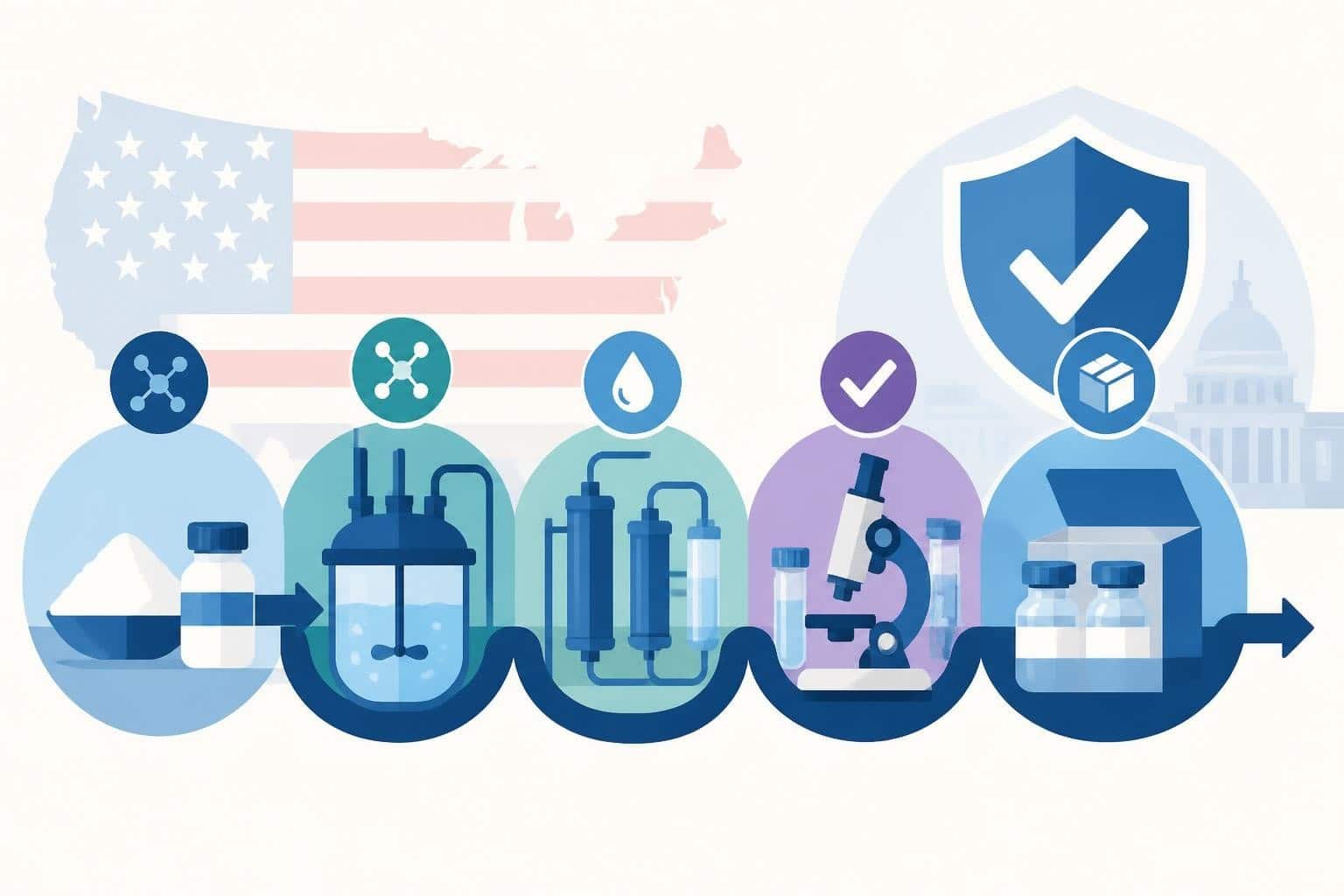
Domestic peptide production operates under comprehensive regulatory frameworks established by federal agencies. The Food and Drug Administration (FDA) maintains strict guidelines for facilities manufacturing pharmaceutical compounds, including peptides. These standards encompass everything from raw material sourcing to final product testing.
Manufacturing facilities producing peptides made in USA must adhere to Good Manufacturing Practices (GMP), which mandate controlled environments, validated processes, and thorough documentation. Temperature-controlled cleanrooms, sterile equipment, and trained personnel are non-negotiable requirements. This level of oversight ensures each batch maintains consistent quality and purity.
Quality Control Protocols
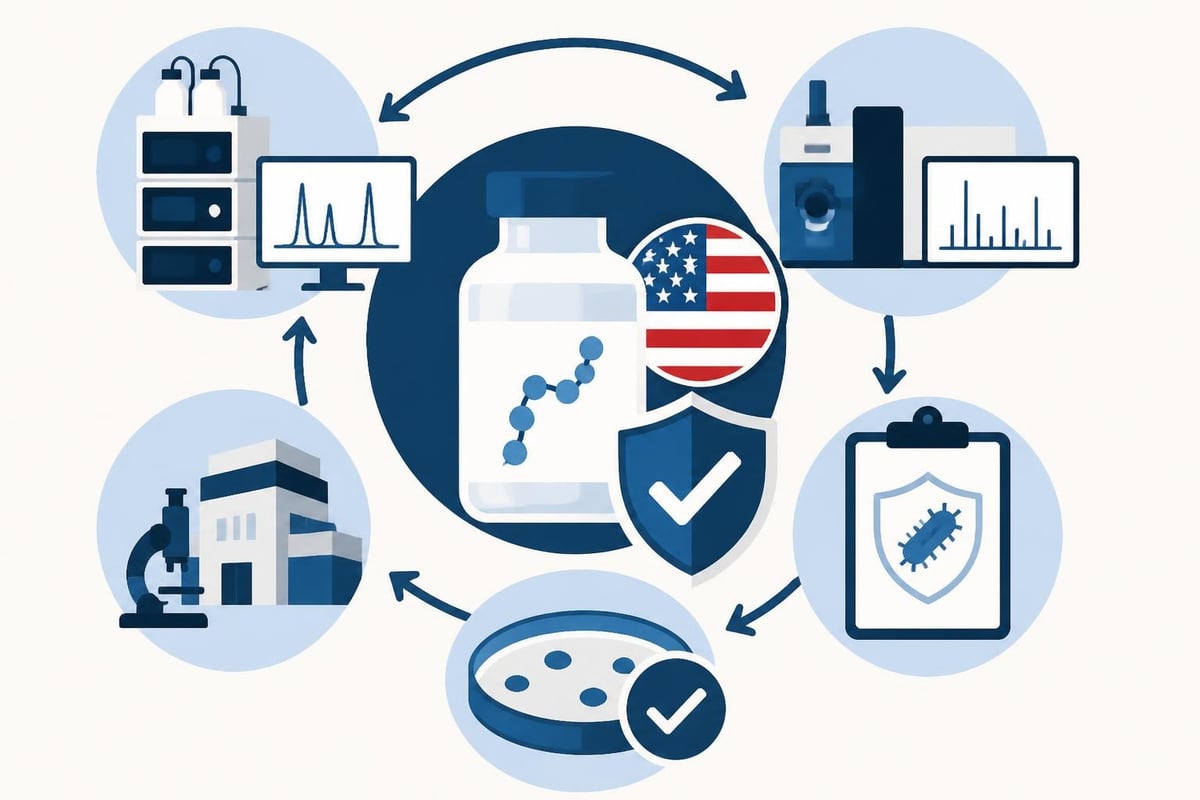
American peptide manufacturers implement multi-stage testing procedures that far exceed baseline requirements. Each production batch undergoes:
- High-Performance Liquid Chromatography (HPLC) to verify purity levels
- Mass spectrometry analysis to confirm molecular structure
- Endotoxin testing to ensure biological safety
- Sterility assessments to detect contamination
- Potency verification to validate efficacy
Third-party laboratory testing provides an additional verification layer. Independent analysis confirms manufacturer claims and offers transparency that builds consumer confidence. Certificates of Analysis (COAs) document these results and should accompany every product.
Regulatory Landscape and Recent Developments
The regulatory environment surrounding peptides made in USA continues evolving. Recent FDA advisory panel discussions have addressed the availability of certain peptides through compounding pharmacies, reflecting ongoing efforts to balance access with safety concerns.
These regulatory discussions highlight the complexity of peptide oversight in the United States. While some compounds face restrictions, others remain available through legitimate channels. The narrow vote by FDA advisors to ease restrictions on specific injectable peptides demonstrates the careful consideration given to peptide regulation.
Consumer Protection Measures
Federal oversight protects consumers from substandard products flooding the market. The growing trend of unapproved peptides promoted by influencers underscores why purchasing from verified domestic sources matters. Peptides made in USA from reputable manufacturers provide documented purity, proper storage conditions, and accurate labeling.
State-level regulations add another protection layer. Many states impose additional requirements on peptide retailers and compounding pharmacies. This dual oversight system creates accountability throughout the supply chain.
Advantages of Domestically Produced Peptides
Choosing peptides made in USA offers distinct benefits beyond regulatory compliance. Supply chain transparency represents a significant advantage. American manufacturers typically source raw materials from verified suppliers and maintain detailed records of each ingredient's origin.
Faster shipping and reduced transit times minimize degradation risks. Peptides are sensitive compounds that require proper temperature control during transport. Domestic shipping usually takes days rather than weeks, preserving product integrity.
| Domestic Production | International Sourcing |
|---|---|
| GMP-certified facilities | Variable standards |
| FDA oversight | Limited regulation |
| Third-party testing | Inconsistent verification |
| Fast delivery | Extended shipping |
| Supply chain transparency | Unclear origins |
Customer support and communication become simpler with domestic suppliers. Time zone alignment, English-language support, and familiarity with American regulations facilitate problem resolution. Questions about proper peptide administration receive prompt, accurate answers.
Scientific Innovation in American Peptide Research
The United States leads global peptide research and development efforts. Academic institutions, pharmaceutical companies, and specialized laboratories advance understanding of peptide mechanisms and applications. Recent innovations demonstrate this commitment to scientific progress.
Computational tools revolutionize peptide design and optimization. Artificial intelligence frameworks for taste peptide design showcase technological integration with peptide science. Standardized benchmarks for peptide machine learning accelerate development timelines and improve accuracy.
Advanced Manufacturing Techniques
American facilities employ cutting-edge synthesis methods that enhance peptide quality:
- Solid-phase peptide synthesis (SPPS) enables precise sequence control
- Liquid-phase synthesis accommodates longer, complex peptides
- Recombinant DNA technology produces certain bioidentical peptides
- Advanced purification systems achieve exceptional purity levels
- Lyophilization processes ensure product stability
Research into unified peptide language models demonstrates how American scientists push boundaries in peptide therapeutics. These computational advances translate to better products reaching consumers faster.

Specific Applications and Product Categories
Peptides made in USA serve diverse wellness objectives. Understanding available categories helps consumers identify appropriate options for their goals.
Weight Management Peptides have gained substantial attention. These compounds support metabolic function and body composition changes through various mechanisms. Products targeting fat reduction work through different pathways than appetite regulation compounds.
Recovery and Healing Peptides address tissue repair and regeneration. Athletes and active individuals particularly value these compounds for supporting natural healing processes. One popular example, BPC-157, demonstrates the type of healing support many seek from quality peptide sources.
Anti-Aging and Regenerative Peptides
The anti-aging category encompasses numerous compounds with distinct mechanisms. Collagen-stimulating peptides support skin structure, while others address cellular function and energy metabolism.
GHK-Cu represents a powerful copper-binding peptide that promotes tissue regeneration. Its ability to stimulate collagen production and support healthy blood vessel formation makes it valuable for those seeking comprehensive anti-aging support. This naturally occurring compound demonstrates how peptides made in USA can deliver targeted benefits through well-researched mechanisms.
Growth hormone-related peptides constitute another significant category. These compounds stimulate natural hormone production rather than introducing synthetic hormones directly. The distinction matters for safety profiles and regulatory considerations.
Sourcing Considerations and Vendor Selection
Identifying reliable suppliers of peptides made in USA requires careful evaluation. Not all domestic vendors maintain equivalent standards despite operating within the same regulatory framework.
Verification Criteria
Examine these factors when selecting a peptide source:
- Transparent testing practices with readily available COAs
- Clear origin statements confirming domestic manufacturing
- Professional customer support knowledgeable about products
- Proper storage and shipping methods preserving peptide integrity
- Educational resources demonstrating expertise and commitment
Legitimate suppliers welcome questions about their manufacturing processes, testing protocols, and quality assurance measures. Reluctance to provide this information signals potential concerns. Reputable companies offering research peptides should demonstrate comprehensive knowledge and transparent practices.
Price and Value Considerations
Premium pricing for peptides made in USA reflects genuine cost differences. American labor, facility compliance, testing requirements, and quality materials increase production expenses. Suspiciously low prices often indicate compromised quality or unclear origins.
| Quality Indicator | Premium Product | Questionable Product |
|---|---|---|
| Purity level | ≥98% verified | Unverified or <95% |
| Testing documentation | Complete COAs | Missing or incomplete |
| Manufacturing location | USA facility named | Vague or undisclosed |
| Customer support | Responsive, knowledgeable | Limited or evasive |
| Storage conditions | Temperature-controlled | Unclear handling |
Value encompasses more than initial cost. Consider effectiveness, safety, and long-term results when evaluating peptide investments. Higher-quality peptides made in USA often deliver better outcomes, potentially reducing overall expenses through improved efficacy.
Storage and Handling Best Practices
Proper storage preserves peptide integrity from manufacturing through administration. Peptides made in USA arrive with specific storage instructions that must be followed precisely.
Lyophilized (freeze-dried) peptides require refrigeration but tolerate brief temperature excursions during shipping. Once reconstituted with bacteriostatic water, refrigeration becomes mandatory. Most reconstituted peptides remain stable for 28-30 days when properly stored.
Reconstitution technique impacts peptide quality. Add bacteriostatic water slowly along the vial wall, avoiding direct contact with the peptide cake. Gentle swirling, never shaking, ensures complete dissolution without degrading delicate peptide bonds.
Common Storage Mistakes
Avoid these errors that compromise peptide quality:
- Storing reconstituted peptides at room temperature
- Exposing vials to direct sunlight or heat sources
- Freezing reconstituted peptides (causes degradation)
- Using incorrect reconstitution volumes
- Contaminating vials through improper handling
Understanding proper injection techniques and equipment selection ensures optimal results from quality peptides. Even premium peptides made in USA lose effectiveness through improper administration.
Integration with Wellness Programs
Peptides work most effectively within comprehensive wellness approaches. Isolated supplementation rarely produces optimal results compared to integrated programs addressing nutrition, exercise, sleep, and stress management.
Nutritional support becomes particularly important with metabolic peptides. Adequate protein intake supports muscle development peptides, while appropriate caloric balance enhances weight management compounds. Micronutrient sufficiency ensures peptides have necessary cofactors for optimal function.
Exercise programming should align with peptide objectives. Recovery peptides pair naturally with intense training programs, while metabolic peptides complement structured fitness routines. Timing administration relative to workouts may enhance specific effects.
Professional Guidance
Consulting qualified healthcare providers optimizes peptide protocols. Professionals can:
- Assess individual suitability for specific peptides
- Recommend appropriate dosing strategies
- Monitor progress and adjust protocols
- Identify potential interactions with medications
- Provide comprehensive health optimization plans
Many peptide users find value in working with practitioners experienced in peptide therapy. This expertise proves particularly valuable when combining multiple compounds or addressing complex health objectives.
Future Directions in American Peptide Development
The peptide industry in the United States continues advancing rapidly. Pre-trained peptide representation models demonstrate computational capabilities that will accelerate discovery and refinement of therapeutic peptides.
Personalized peptide therapy represents an emerging frontier. As understanding of individual genetic variations expands, tailored peptide protocols may address specific metabolic profiles more effectively than standardized approaches.
Manufacturing innovations promise improved purity, stability, and bioavailability. Novel synthesis techniques and delivery systems may enhance effectiveness while reducing administration frequency. These advances will likely emerge from American research institutions leading peptide science.
Market Growth and Accessibility
Increased consumer awareness drives market expansion for peptides made in USA. As more individuals experience benefits and share results, demand continues rising. This growth encourages investment in domestic production capacity and quality improvements.
Education initiatives help consumers make informed decisions. Resources explaining peptide mechanisms, appropriate applications, and selection criteria empower individuals to choose quality products confidently. Access to comprehensive peptide information supports this educational mission.
Selecting peptides made in USA provides assurance of quality, purity, and regulatory compliance that international alternatives often cannot match. The combination of rigorous manufacturing standards, advanced testing protocols, and transparent supply chains creates a foundation for safe, effective supplementation. Soma Peptide upholds these high standards through advanced purification methods and stringent quality control, delivering premium peptides that support your weight loss, muscle growth, recovery, and anti-aging goals with confidence and reliability.