


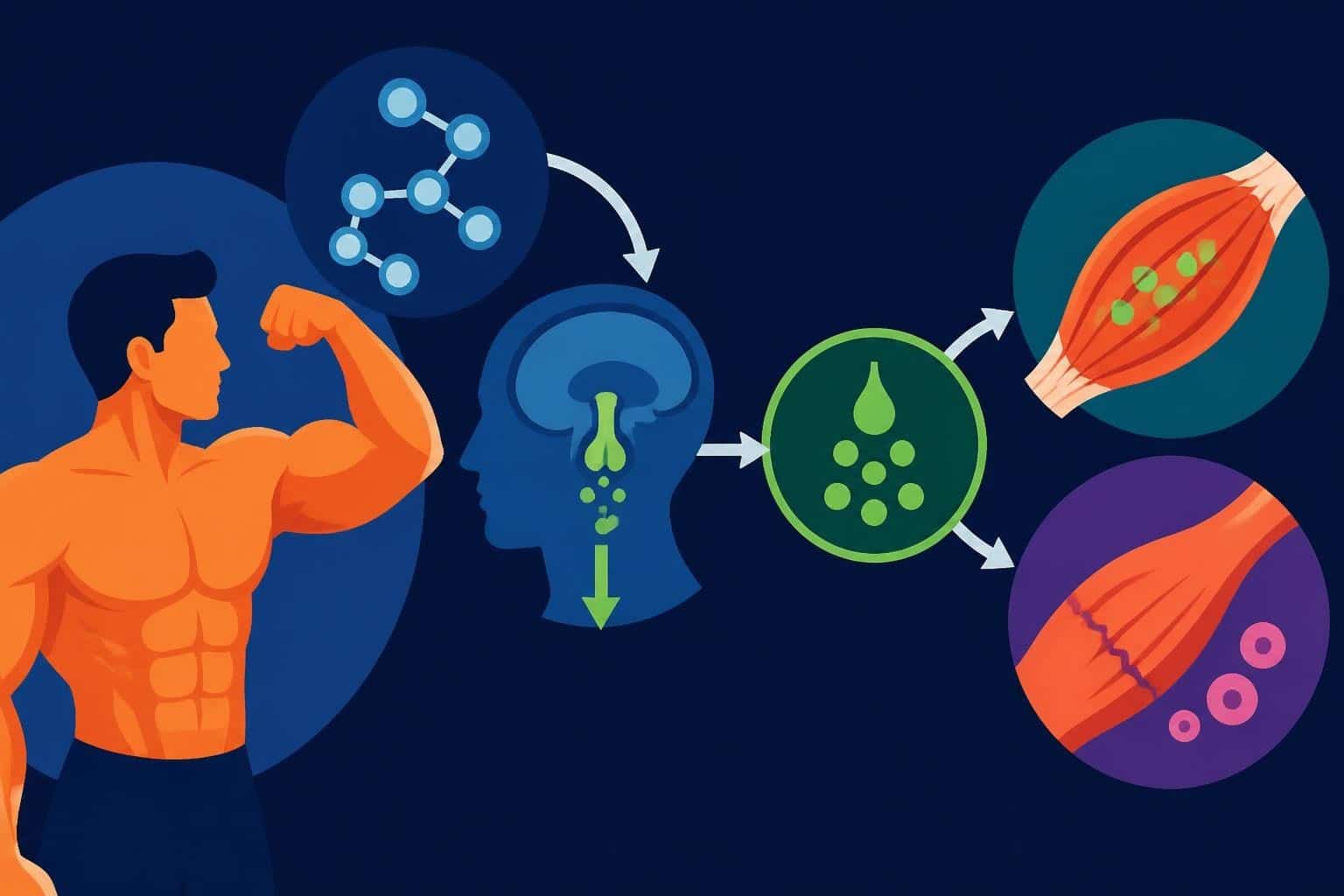
The landscape of bodybuilding supplementation has evolved dramatically over the past decade, with peptides emerging as one of the most discussed and researched areas for athletes seeking to maximize muscle growth, enhance recovery, and optimize body composition. These short-chain amino acids have captured the attention of competitive bodybuilders and fitness enthusiasts alike, offering targeted approaches to performance enhancement that work through the body's natural biochemical pathways. Understanding how peptides function, their potential applications, and the critical considerations surrounding their use has become essential knowledge for anyone serious about advancing their physique and performance goals.
Understanding Peptides and Their Role in Muscle Development
Peptides are essentially chains of amino acids linked together by peptide bonds, typically consisting of 2 to 50 amino acids in length. When these chains exceed 50 amino acids, they transition into what we classify as proteins. The distinction matters significantly in the context of bodybuilding because peptides' shorter structure allows them to interact with specific receptors in the body with remarkable precision.
In peptides bodybuilding applications, these compounds function primarily as signaling molecules that communicate with cells to trigger specific biological responses. Unlike traditional anabolic steroids that flood the body with synthetic hormones, peptides work by stimulating the body's own production of hormones like growth hormone (GH) and insulin-like growth factor 1 (IGF-1). This fundamental difference represents a shift toward more physiologically aligned approaches to performance enhancement.
The body naturally produces numerous peptides that regulate everything from appetite to tissue repair. When we introduce specific synthetic peptides designed for bodybuilding purposes, we're essentially amplifying processes that already exist within human physiology. This targeted approach has generated substantial interest among researchers and athletes looking for evidence-based strategies for muscle building and recovery.
How Peptides Influence Growth Hormone Pathways
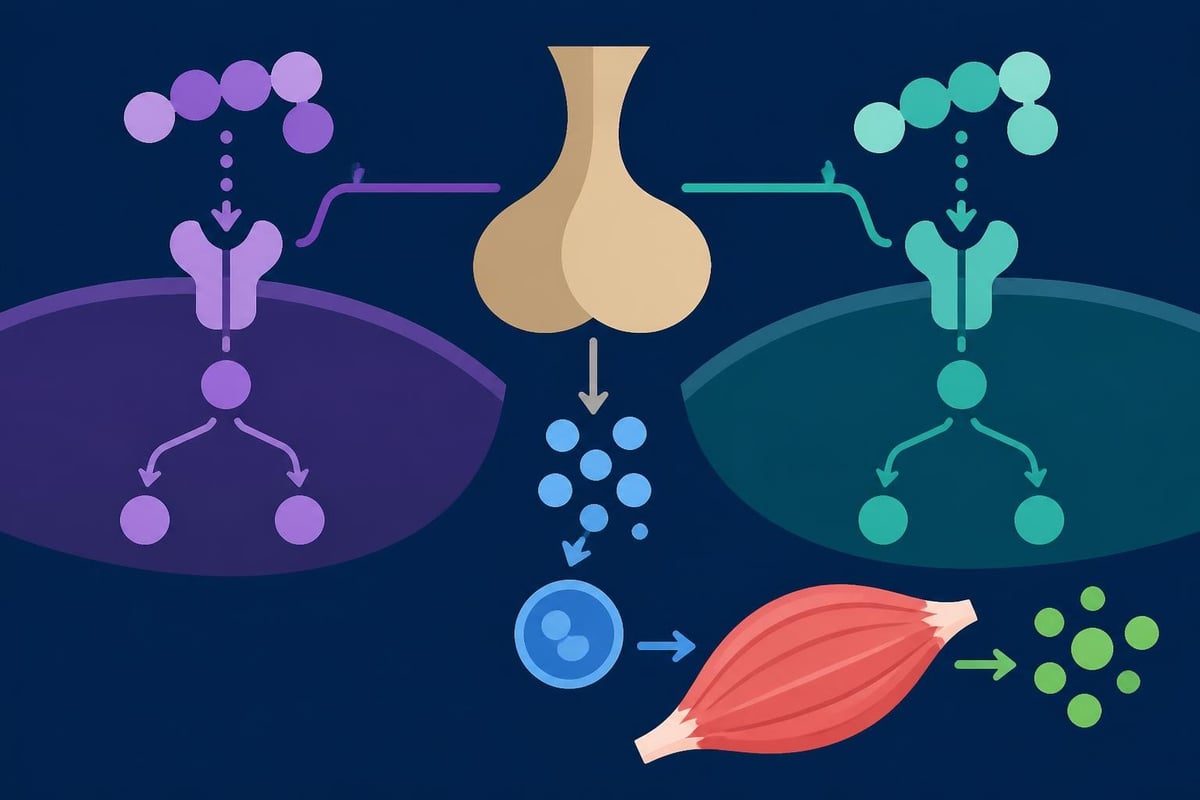
Growth hormone plays a central role in muscle protein synthesis, lipolysis, and overall body composition. Many peptides used in bodybuilding contexts function as growth hormone secretagogues (GHS), meaning they stimulate the pituitary gland to release more GH into circulation. This indirect mechanism preserves the body's natural pulsatile GH release pattern rather than introducing exogenous hormones that can suppress natural production.
The growth hormone-releasing peptides (GHRPs) and growth hormone-releasing hormone (GHRH) analogs represent two primary categories within this space. GHRPs like ipamorelin and hexarelin bind to ghrelin receptors, triggering GH release through a distinct pathway. GHRH analogs, by contrast, stimulate GH release by mimicking the natural GHRH that the hypothalamus produces. When used strategically in peptides bodybuilding protocols, these compounds can work synergistically to produce greater GH elevation than either category alone.
Categories of Peptides Used in Bodybuilding
Growth Hormone Secretagogues
The most commonly discussed peptides in bodybuilding circles belong to the growth hormone secretagogue family. These compounds have been extensively studied for their ability to elevate GH levels without directly introducing synthetic growth hormone.
CJC-1295 stands out as a modified version of GHRH with an extended half-life due to drug affinity complex (DAC) binding. The "No DAC" version offers a shorter duration of action, making it popular for combination protocols. This peptide has demonstrated the ability to increase GH and IGF-1 levels substantially when administered consistently.
Ipamorelin has gained favor among bodybuilders for its selective action and minimal impact on cortisol and prolactin levels. Unlike some earlier GHRPs, ipamorelin produces a more controlled GH release that closely mimics natural patterns. The combination of these two peptides represents one of the most researched approaches in peptides bodybuilding strategies.
Hexarelin offers potent GH-releasing properties but may lead to desensitization with prolonged use. Athletes typically cycle this peptide carefully to maintain its effectiveness while minimizing potential receptor downregulation.
| Peptide | Primary Action | Half-Life | Typical Dosing Frequency |
|---|---|---|---|
| CJC-1295 (DAC) | GHRH analog | 6-8 days | 1-2x weekly |
| CJC-1295 (No DAC) | GHRH analog | 30 minutes | 2-3x daily |
| Ipamorelin | GHRP | 2 hours | 2-3x daily |
| Hexarelin | GHRP | 70 minutes | 2-3x daily |
Recovery and Healing Peptides
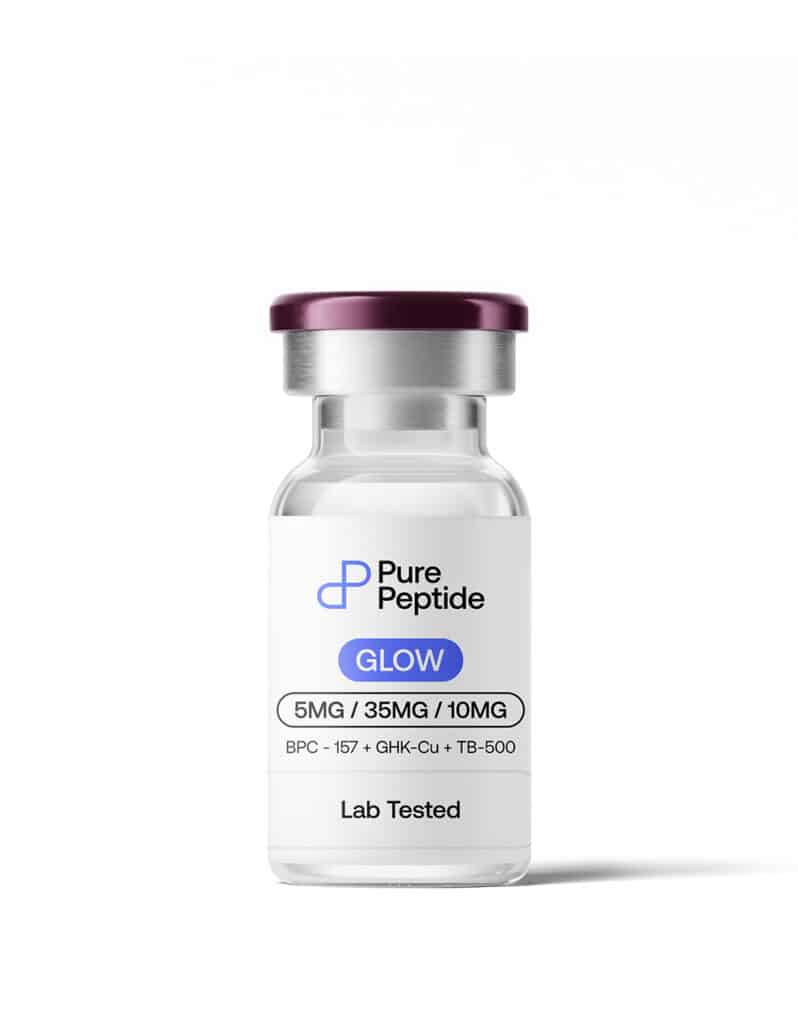
Beyond growth hormone modulation, certain peptides have gained attention for their tissue repair and recovery properties. BPC-157 (Body Protection Compound-157) has emerged as one of the most discussed peptides for accelerated healing of muscles, tendons, and ligaments. Derived from a protective protein found in gastric juice, BPC-157 has shown promise in animal studies for enhancing angiogenesis and supporting tissue regeneration.
TB-500, a synthetic version of Thymosin Beta-4, represents another recovery-focused peptide that bodybuilders incorporate during injury rehabilitation or intense training phases. This peptide appears to promote cell migration, reduce inflammation, and support the formation of new blood vessel pathways to injured areas.
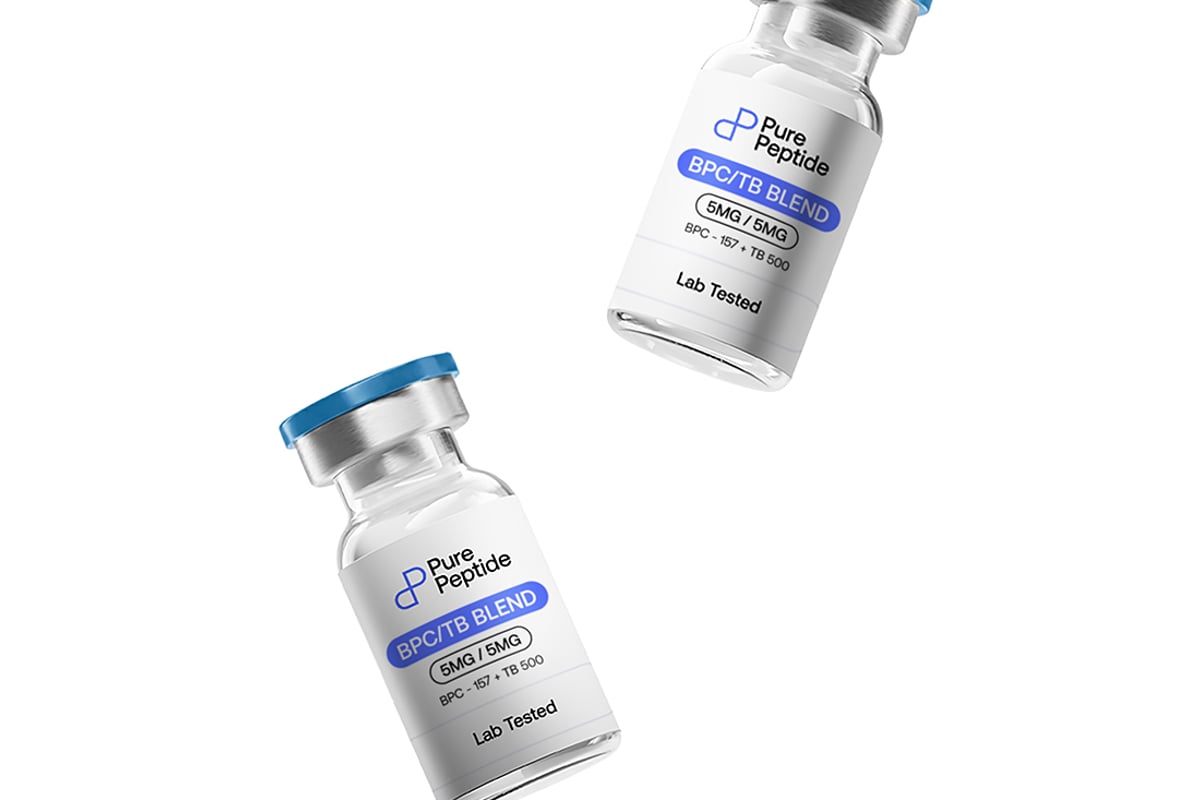
Athletes frequently combine these recovery peptides with growth-focused protocols, particularly during periods of high training volume or when recovering from injury. The BPC-157 / TB-500 Blend has become particularly popular for its synergistic approach to accelerating healing and supporting comprehensive tissue repair across multiple biological pathways.
Fat Loss and Body Composition Peptides
Several peptides have demonstrated specific effects on lipolysis and metabolic function, making them valuable tools for bodybuilders during cutting phases or body recomposition efforts.
Fragment 176-191 represents a modified section of the human growth hormone molecule specifically associated with fat metabolism. This peptide appears to stimulate lipolysis while avoiding some of the other systemic effects of full GH administration.
AOD-9604 similarly focuses on the fat-reducing properties of growth hormone without affecting blood sugar regulation or insulin sensitivity. These targeted approaches align with the precision that defines modern peptides bodybuilding applications.
MOTS-c functions differently by influencing mitochondrial metabolism and cellular energy utilization. This mitochondria-derived peptide has shown potential for improving metabolic flexibility and supporting efficient fat oxidation during training.
Scientific Evidence and Research Landscape
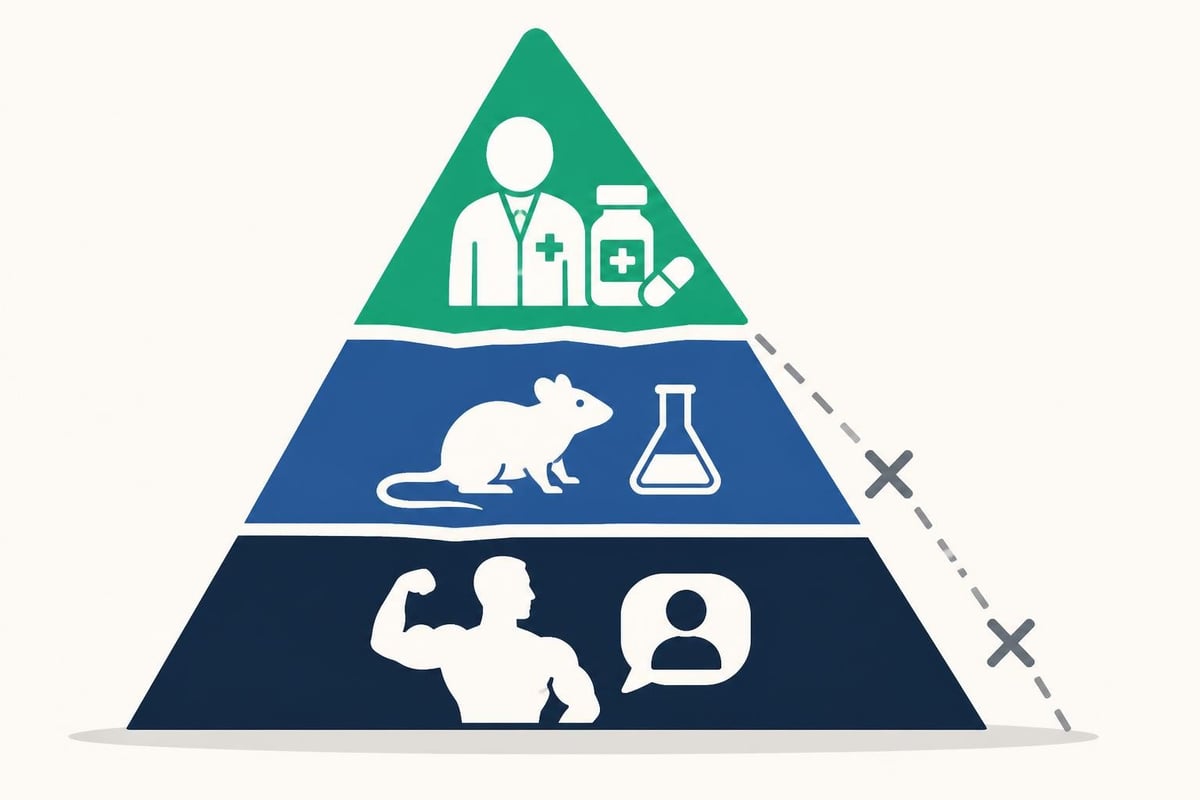
The research surrounding peptides bodybuilding use presents a complex picture with varying levels of evidence supporting different compounds. While some peptides have undergone rigorous clinical trials for medical applications, much of the bodybuilding-specific research relies on animal studies, case reports, and anecdotal observations from the athletic community.
Growth hormone secretagogues have the strongest research foundation, with multiple human trials demonstrating their ability to elevate GH and IGF-1 levels. A systematic analysis of peptides for bodybuilding research reveals that these compounds can indeed influence hormonal profiles in measurable ways. However, the leap from hormone elevation to significant muscle growth in trained athletes requires more investigation.
The challenge lies in the gap between demonstrating biochemical changes and proving meaningful improvements in lean mass, strength, or athletic performance. Many studies show peptides can increase GH levels by 200-300% or more, but whether this translates to superior muscle gains compared to traditional training and nutrition approaches remains less clear.
Limitations and Considerations in Current Research
Most peptide research focuses on medical populations (elderly individuals, growth hormone-deficient patients, or those with wasting conditions) rather than healthy, trained athletes. This creates uncertainty when extrapolating findings to bodybuilding contexts where baseline hormone levels and training status differ substantially.
Study durations often span weeks to months, which may not capture the long-term effects or potential complications of extended peptide use common in bodybuilding circles. The doses used in clinical research frequently differ from those reported in athletic communities, further complicating direct comparisons.
Quality control represents another significant concern, as effectiveness and safety of peptides depend heavily on purity and proper formulation. The unregulated nature of many peptide sources creates substantial variability in what athletes actually receive versus what they believe they're administering.
Practical Implementation in Training Programs
Athletes who choose to explore peptides bodybuilding protocols typically integrate them into comprehensive programs that prioritize training, nutrition, and recovery fundamentals. The most sophisticated approach recognizes peptides as potential optimization tools rather than substitutes for consistent effort in the gym and kitchen.
Dosing Protocols and Timing Strategies
Growth hormone secretagogue protocols often involve multiple daily administrations timed around training and sleep. Many bodybuilders administer peptides like ipamorelin and CJC-1295 (No DAC) 2-3 times daily: upon waking, post-workout, and before bed. This timing aims to amplify natural GH pulses and capitalize on the body's heightened sensitivity to growth signals during these windows.
Doses vary considerably based on individual factors and specific peptides used:
- Ipamorelin: 200-300 mcg per dose
- CJC-1295 (No DAC): 100-200 mcg per dose
- Hexarelin: 100-200 mcg per dose
- BPC-157: 250-500 mcg once or twice daily
- TB-500: 2-5 mg twice weekly
Recovery peptides like BPC-157 show less dependence on precise timing, though some practitioners prefer administration near meals to support potential gastric benefits. Athletes dealing with specific injuries often increase dosing frequency around the affected area using subcutaneous injection near the site.
Cycling and Long-Term Planning
Unlike continuous supplementation approaches, peptides bodybuilding protocols frequently incorporate cycling to prevent receptor desensitization and maintain effectiveness. Common cycling strategies include:
- 8-12 week cycles with equal time off for GH secretagogues
- Rotating between different GHRP types every 4-6 weeks
- Front-loading recovery peptides during intense training blocks
- Strategic breaks to reset receptor sensitivity
Advanced users may stack multiple peptides targeting different pathways, such as combining a GHRP with a GHRH analog for synergistic GH release, or adding recovery peptides during particularly demanding training phases.
Safety Considerations and Risk Management
The safety profile of peptides varies significantly depending on the specific compound, dosing, duration of use, and individual health factors. While many peptides appear relatively well-tolerated in short-term studies at prescribed doses, the long-term effects of sustained use in bodybuilding contexts remain poorly understood.
Potential Side Effects and Health Risks
Common side effects reported with growth hormone secretagogues include:
- Water retention and temporary bloating
- Increased hunger (particularly with ghrelin-mimicking peptides)
- Numbness or tingling in extremities
- Elevated blood glucose levels
- Changes in insulin sensitivity
- Potential impacts on existing health conditions
More serious concerns center around the unknowns of chronic supraphysiological GH elevation. While peptides produce more modest increases than exogenous GH administration, sustained elevation still carries theoretical risks including:
- Insulin resistance development over time
- Organ growth and potential hypertrophy
- Increased cancer risk in predisposed individuals
- Joint pain and potential cartilage issues
The comprehensive safety analysis of peptides emphasizes that individual responses vary tremendously, making blanket safety statements difficult.
Quality and Purity Concerns
Perhaps the most significant practical risk in peptides bodybuilding use stems from product quality variation. The peptide market includes everything from pharmaceutical-grade compounds to questionable products of unknown origin and purity. Contaminants, incorrect amino acid sequences, or improper storage can render peptides ineffective or potentially harmful.
Premium suppliers implement rigorous testing protocols including:
- High-performance liquid chromatography (HPLC) analysis
- Mass spectrometry verification
- Sterility testing for injectable formulations
- Endotoxin screening
- Certificate of analysis (COA) documentation
Athletes prioritizing safety should demand third-party testing verification and avoid suspiciously inexpensive sources that may indicate compromised quality standards.
Regulatory Status and Legal Considerations
The legal landscape surrounding peptides bodybuilding varies substantially across jurisdictions and contexts. In the United States, many peptides exist in a regulatory gray area. The FDA has not approved most peptides for bodybuilding purposes, though some have legitimate medical applications under specific conditions.
The World Anti-Doping Agency (WADA) prohibits most growth hormone secretagogues and related peptides in competitive sports. Athletes subject to drug testing should recognize that peptide use constitutes a violation of most sports organizations' rules and can result in suspensions, stripped titles, and long-term bans.
Possession and personal use laws differ by location, with some countries classifying certain peptides as controlled substances while others take more permissive approaches. The purchasing, importation, and possession of peptides without a prescription may carry legal consequences depending on local regulations.
Beyond legal status, ethical considerations in competitive contexts warrant serious reflection. The spirit of fair competition and the potential advantages peptides may confer create moral questions that individual athletes must navigate based on their values and competitive frameworks.
Integration With Training and Nutrition Fundamentals
The most experienced practitioners in peptides bodybuilding consistently emphasize that these compounds represent potential optimization tools within comprehensive programs, not shortcuts that bypass foundational principles. No peptide can compensate for inadequate training stimulus, insufficient protein intake, poor sleep quality, or caloric deficits when muscle growth is the goal.
Training Considerations
Peptides that elevate growth hormone may theoretically enhance recovery capacity, allowing for slightly increased training volume or frequency. However, this potential benefit only materializes when programming already addresses progressive overload, exercise selection, and appropriate recovery intervals.
Athletes report subjective improvements in recovery between sessions, reduced muscle soreness, and enhanced tissue repair when incorporating recovery peptides alongside structured training. These effects may support slightly accelerated progression or reduced downtime from minor strains and overuse injuries.
Nutritional Synergies
Growth hormone elevation through peptides bodybuilding protocols increases the importance of nutrient timing and macronutrient distribution. GH promotes lipolysis and can affect glucose metabolism, making insulin sensitivity and carbohydrate management particularly relevant.
Key nutritional considerations include:
- Adequate protein intake (1.6-2.2g per kg bodyweight minimum) to support elevated protein synthesis
- Strategic carbohydrate timing around training to optimize insulin sensitivity
- Sufficient micronutrients to support increased metabolic demands
- Hydration management to address potential water retention effects
The synergy between peptide use and proper nutrition appears greater than simple additive effects, suggesting these elements interact in complex ways to influence body composition outcomes.
Comparing Peptides to Other Performance Enhancement Approaches
Bodybuilders evaluating peptides often compare them against traditional anabolic steroids, natural testosterone optimization, or newer compounds like selective androgen receptor modulators (SARMs). Each approach carries distinct mechanisms, benefits, risks, and legal considerations.
| Approach | Mechanism | Muscle Growth Potential | Side Effect Profile | Legal Status |
|---|---|---|---|---|
| Peptides (GHS) | Indirect GH elevation | Moderate | Generally mild | Gray area |
| Anabolic Steroids | Direct androgen receptor activation | High | Significant | Controlled substances |
| SARMs | Selective androgen activation | Moderate-High | Emerging concerns | Gray area/Banned in sport |
| Natural Optimization | Lifestyle/nutrition modification | Modest | Minimal | Legal |
Peptides theoretically offer a middle ground with more targeted effects than lifestyle modification alone but potentially fewer systemic impacts than traditional anabolic agents. However, this positioning comes with less established safety data and greater uncertainty about long-term outcomes.
The decision matrix extends beyond pure efficacy to include individual risk tolerance, competitive status, health priorities, and ethical frameworks. Resources like the peptide calculator can help athletes understand proper reconstitution and dosing for those who proceed with peptide protocols.
Monitoring and Ongoing Assessment
Athletes committed to peptides bodybuilding approaches should implement systematic monitoring to track both desired outcomes and potential adverse effects. Comprehensive assessment goes beyond subjective impressions to include objective measurements and health markers.
Performance and Physique Metrics
Regular tracking should document:
- Body weight and composition via reliable methods (DEXA, hydrostatic weighing, or consistent skinfold measurements)
- Strength progression across key compound lifts
- Training volume capacity and recovery rates
- Progress photographs under standardized conditions
- Measurements of key muscle groups
These metrics establish whether peptide protocols correlate with meaningful improvements beyond what training and nutrition alone might produce.
Health and Safety Monitoring
Responsible peptide use includes periodic assessment of health markers through blood work and clinical evaluation:
- Fasting glucose and HbA1c to monitor glucose metabolism
- IGF-1 levels to verify peptide effectiveness and avoid excessive elevation
- Thyroid function as GH can influence thyroid hormone conversion
- Lipid panels to track cardiovascular health markers
- Liver and kidney function to ensure these organs handle increased metabolic demands
- Complete blood counts to identify any hematological changes
Working with informed healthcare providers who understand peptide use enables more sophisticated monitoring and early intervention if concerning trends emerge.
Alternative and Complementary Strategies
Before or alongside exploring peptides bodybuilding applications, athletes can implement numerous evidence-based strategies that influence similar pathways through natural means.
Sleep optimization stands out as perhaps the most powerful natural GH-enhancing strategy. The majority of daily growth hormone release occurs during deep sleep, particularly during the first sleep cycles. Prioritizing 7-9 hours of quality sleep, maintaining consistent sleep-wake schedules, and optimizing the sleep environment can substantially impact natural GH secretion.
High-intensity training protocols including heavy resistance training and sprint intervals trigger acute GH and testosterone elevation. While these spikes are transient, consistent training stimulus over months and years creates the foundation for muscle growth that peptides aim to amplify.
Certain amino acids including arginine, ornithine, and glutamine have demonstrated modest GH-stimulating effects in some studies, though the magnitude pales compared to peptide protocols. These approaches carry virtually no risk and may offer small complementary benefits within comprehensive nutrition strategies.
Stress management through meditation, adequate recovery between training sessions, and lifestyle organization helps maintain optimal hormonal balance. Chronic stress elevates cortisol, which antagonizes many processes that support muscle growth and recovery.
Athletes can explore these foundational approaches first, establishing what natural optimization achieves before considering whether additional interventions align with their goals and values. The frequently asked questions section addresses many common concerns about peptide use and optimization strategies.
The Future of Peptides in Bodybuilding
Research into peptides bodybuilding applications continues to evolve, with new compounds entering investigation regularly. Emerging areas of interest include:
Selective androgen receptor modulators (SARMs), while technically distinct from peptides, share some similar positioning in the performance enhancement landscape. Ongoing research may clarify their role and safety profile more definitively.
Myostatin inhibitors represent peptides designed to block the muscle growth-limiting protein myostatin. While promising in theory, human applications remain largely experimental with questions about efficacy and safety.
Follistatin and related peptides that influence muscle satellite cell activity and muscle fiber hyperplasia continue generating interest, though rigorous human trials remain limited.
The regulatory environment will likely evolve as peptide use becomes more widespread. Increased scrutiny from anti-doping agencies, potential FDA enforcement actions, and changing legal classifications may reshape accessibility and use patterns.
Advances in delivery methods, including oral formulations that bypass injection requirements, could democratize access while raising new questions about appropriate use and monitoring.
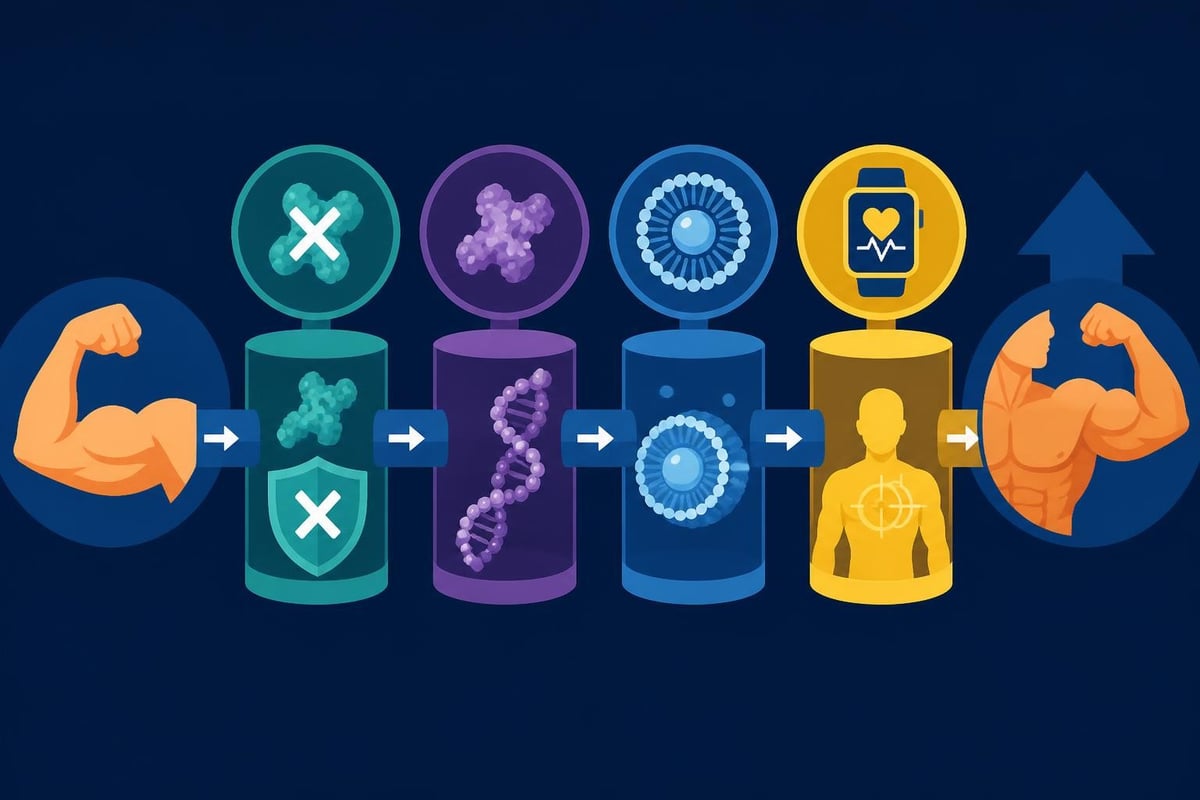
Building a Comprehensive Approach
The most sophisticated athletes recognize that peptides bodybuilding strategies function best within integrated programs addressing all performance determinants. This holistic perspective includes:
Training periodization that cycles intensity, volume, and exercise selection to prevent plateaus and overtraining while maximizing long-term progression.
Precision nutrition that moves beyond basic macronutrient targets to consider nutrient timing, food quality, digestive health, and individual metabolic responses.
Recovery protocols incorporating sleep optimization, stress management, active recovery modalities, and strategic deload periods.
Supplement foundation establishing core nutrients (protein, creatine, essential vitamins and minerals) before exploring advanced options.
Mindset and consistency cultivating the psychological resilience and daily habits that determine long-term success regardless of supplementation choices.
Peptides may occupy a place within this comprehensive framework for some athletes, but they neither replace nor outweigh these foundational elements. The most dramatic transformations consistently emerge from years of consistent effort across all these domains rather than from any single intervention.
For bodybuilders exploring these advanced options, partnering with knowledgeable providers becomes essential. Quality peptide sources that prioritize purity, provide transparent testing documentation, and support informed decision-making help minimize risks while maximizing potential benefits. The product selection available through reputable suppliers reflects the diversity of compounds athletes consider for various goals.
The exploration of peptides in bodybuilding represents a complex intersection of cutting-edge research, practical application, and individual decision-making that demands careful consideration of both potential benefits and inherent uncertainties. While these compounds offer intriguing mechanisms for potentially enhancing muscle growth, recovery, and body composition, they function best as targeted tools within comprehensive training and nutrition programs rather than shortcuts that bypass fundamental principles. Whether you're researching options for optimizing recovery, supporting lean mass gains, or exploring advanced performance strategies, Soma Peptide provides premium-quality peptides backed by rigorous testing and transparent documentation to support informed choices in your bodybuilding journey.