


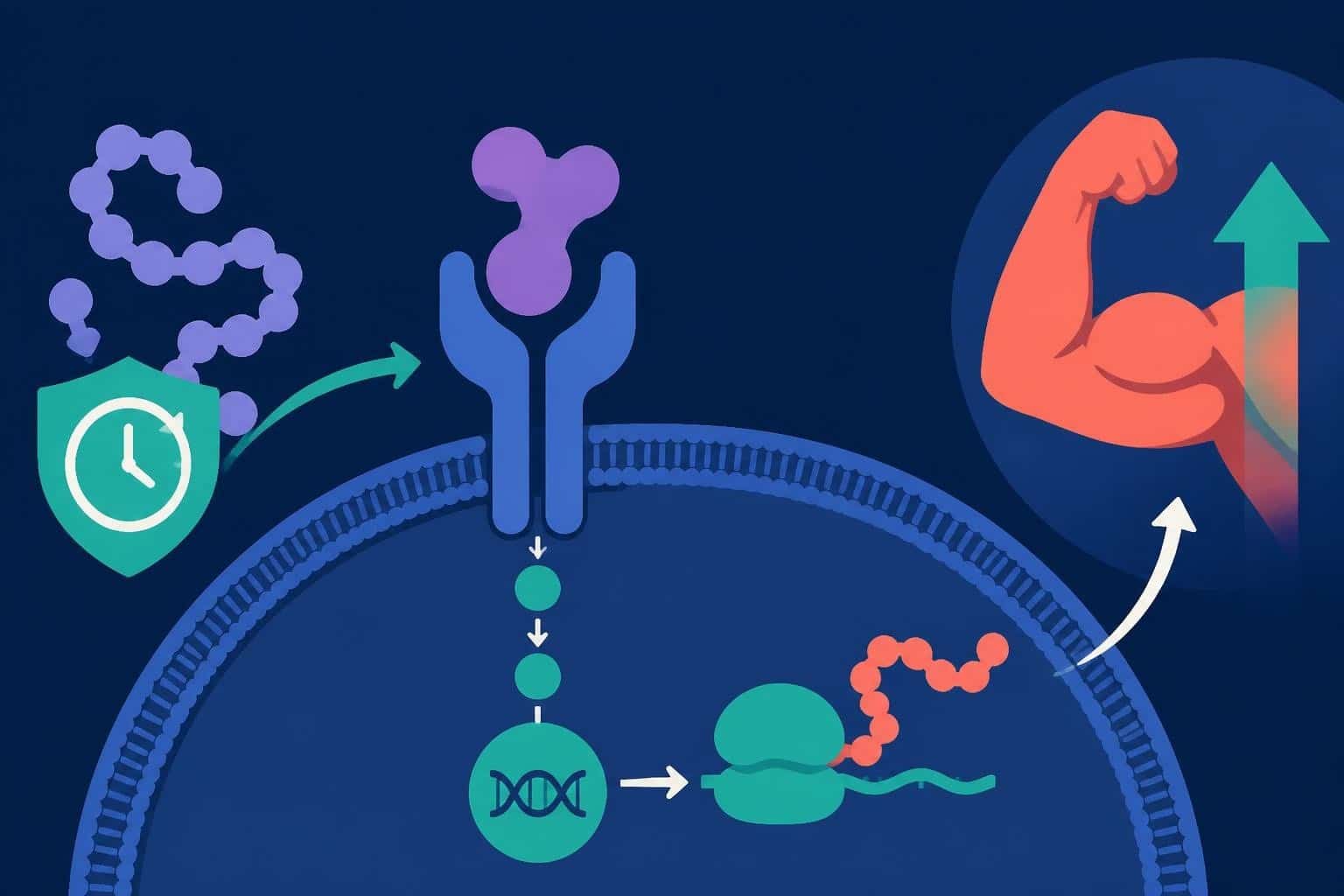
IGF-1 LR3 has emerged as one of the most discussed peptides in research circles focused on muscle growth and metabolic optimization. This modified form of Insulin-like Growth Factor 1 captures attention because of its extended half-life and unique binding characteristics, which distinguish it from naturally occurring IGF-1. Researchers and athletes alike examine igf lr3 results with keen interest, seeking to understand how this synthetic analog impacts muscle protein synthesis, fat metabolism, and overall body composition. While the compound remains in experimental stages without FDA approval for human use, the accumulating data from preclinical studies provides valuable insights into its potential mechanisms and observed effects.
Understanding IGF-1 LR3 Structure and Mechanism
IGF-1 LR3 represents a modified version of the naturally occurring Insulin-like Growth Factor 1, featuring two critical structural changes that dramatically alter its biological behavior. The peptide includes an additional 13 amino acids at its N-terminus, extending the original 70-amino-acid chain to 83 amino acids. This extension, combined with a substitution of glutamic acid for arginine at position 3, fundamentally changes how the molecule interacts with binding proteins in the body.
These modifications serve a specific purpose. Natural IGF-1 binds strongly to IGF-binding proteins (IGFBPs), which limits its bioavailability and reduces its half-life to just 10-12 minutes in circulation. The structural changes in IGF-1 LR3 reduce binding protein affinity by approximately 100-fold, allowing the peptide to remain active in the bloodstream for significantly longer periods.
Extended Half-Life Characteristics
The extended half-life represents the most significant advantage of IGF-1 LR3 over its natural counterpart. While precise measurements vary across studies, research suggests the modified peptide maintains activity for 20-30 hours compared to minutes for standard IGF-1. This prolonged presence means sustained receptor activation and potentially more consistent anabolic signaling.
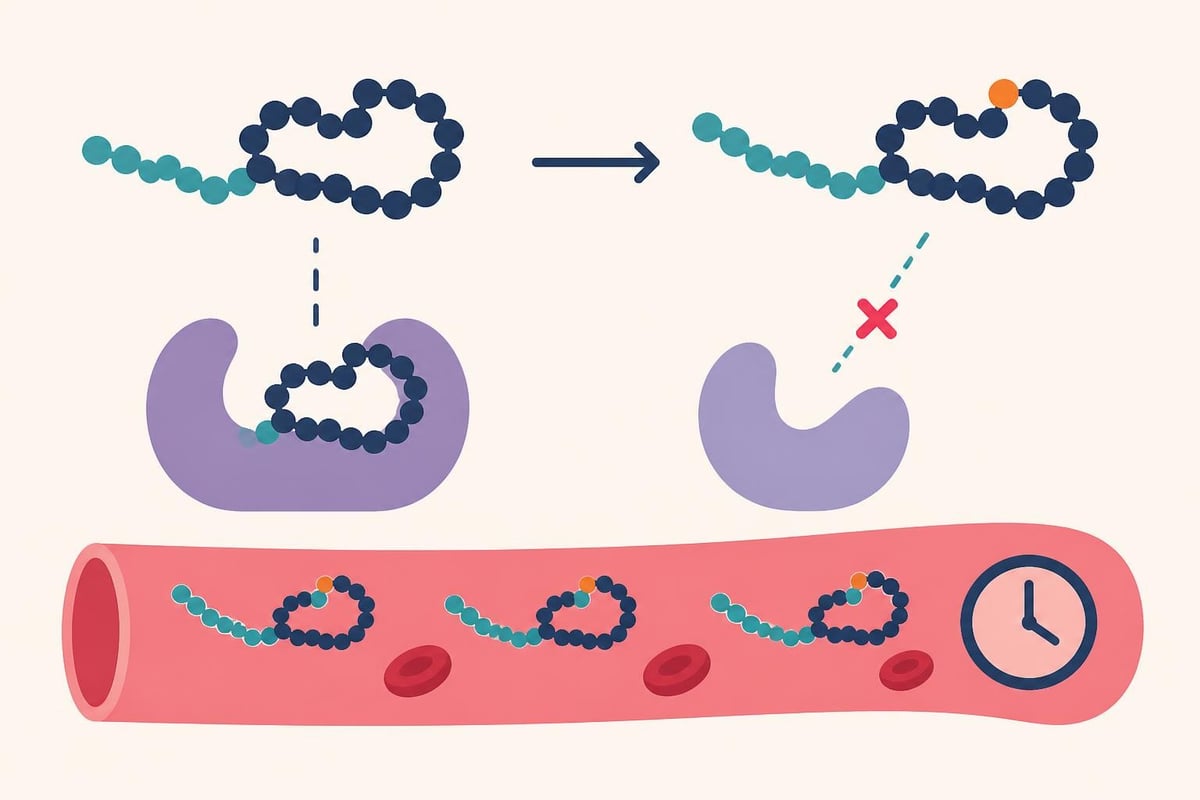
According to research compiled by peptide science institutes, the reduced binding to IGFBPs allows IGF-1 LR3 to interact more readily with IGF-1 receptors on target tissues. This mechanism theoretically enhances the peptide's ability to trigger downstream signaling pathways involved in protein synthesis, cellular proliferation, and glucose metabolism.
Muscle Growth and Hypertrophy Results
The most frequently reported igf lr3 results center on changes in muscle tissue composition and size. Preclinical research demonstrates that IGF-1 LR3 activates the PI3K/Akt/mTOR pathway, a critical signaling cascade for muscle protein synthesis. This activation leads to increased translation of mRNA into new proteins, providing the building blocks necessary for muscle fiber growth.
Mechanisms of Muscle Protein Synthesis
When IGF-1 LR3 binds to IGF-1 receptors on muscle cells, it initiates a cascade of intracellular events:
- mTOR activation: Stimulates ribosomal protein synthesis and inhibits protein breakdown
- Satellite cell proliferation: Encourages dormant muscle stem cells to activate and contribute new nuclei
- Glucose uptake enhancement: Increases GLUT4 translocation for improved nutrient delivery
- Myogenesis promotion: Supports the differentiation of myoblasts into mature muscle fibers
Studies referenced in comprehensive peptide databases indicate that these mechanisms work synergistically to create an anabolic environment conducive to muscle growth. The satellite cell activation proves particularly significant, as these cells provide additional nuclei needed for substantial hypertrophy beyond normal genetic limits.
Observed Timeframes for Muscle Development
Research data suggests that measurable igf lr3 results in muscle tissue typically manifest within specific timeframes:
| Timeline | Observed Changes | Mechanism |
|---|---|---|
| 1-2 weeks | Increased cell volumization, improved pumps | Enhanced glucose/amino acid uptake |
| 3-4 weeks | Measurable increases in lean mass | Protein synthesis upregulation |
| 6-8 weeks | Visible muscle hardness and density | Satellite cell incorporation |
| 12+ weeks | Significant hypertrophy in responsive individuals | Cumulative anabolic signaling |
These timeframes represent general patterns observed in experimental settings and vary considerably based on dosing protocols, training stimulus, and individual biological factors. The Peptide Association notes that most documented effects come from animal models, with human data remaining limited and largely anecdotal.
Body Composition and Fat Loss Outcomes
Beyond muscle development, igf lr3 results frequently include changes in body fat distribution and overall composition. The peptide influences multiple metabolic pathways that affect how the body stores and utilizes energy substrates.
IGF-1 LR3 enhances insulin sensitivity in peripheral tissues while simultaneously promoting lipolysis in adipocytes. This dual action creates conditions favorable for fat oxidation while preserving or building lean tissue. The improved insulin sensitivity means glucose preferentially enters muscle cells rather than being converted to triglycerides for fat storage.
Metabolic Rate and Energy Expenditure
Research indicates that IGF-1 signaling influences basal metabolic rate through several mechanisms. Increased lean muscle mass naturally elevates resting energy expenditure, as muscle tissue requires more calories for maintenance than adipose tissue. Additionally, the peptide appears to enhance mitochondrial biogenesis and function, potentially increasing cellular energy production efficiency.
Users examining their igf lr3 results often note improved nutrient partitioning, where consumed calories preferentially support muscle recovery and growth rather than fat accumulation. This effect becomes particularly pronounced when combined with appropriate training stimulus and nutritional protocols designed to support anabolic processes.
For those interested in comprehensive metabolic support, understanding how different peptides complement each other can be valuable. The peptide calculator tool helps researchers and clinicians determine optimal dosing strategies based on specific goals and individual parameters.
Recovery and Regeneration Benefits
One of the most consistent igf lr3 results reported across various protocols involves enhanced recovery capacity between training sessions. The peptide's influence on tissue repair mechanisms extends beyond simple muscle protein synthesis to encompass multiple aspects of the recovery process.

Tissue Repair Mechanisms
IGF-1 LR3 promotes recovery through several interconnected pathways:
- Collagen synthesis stimulation: Supports connective tissue repair in tendons and ligaments
- Anti-inflammatory signaling: Modulates cytokine release to reduce excessive inflammation
- Enhanced nutrient delivery: Improves blood flow and capillary density in muscle tissue
- Reduced muscle damage markers: Decreases circulating creatine kinase and lactate dehydrogenase
The Peptide Protocol Wiki documents that faster recovery represents one of the earliest noticeable effects when examining igf lr3 results. This accelerated repair allows for increased training frequency and volume, which can compound muscle-building efforts over time.
Joint and Connective Tissue Support
Beyond muscle tissue, IGF-1 LR3 appears to benefit connective tissues that often limit training intensity or frequency. Chondrocytes (cartilage cells) express IGF-1 receptors and respond to signaling by increasing proteoglycan synthesis, the primary structural component of cartilage matrix. This mechanism may explain reports of improved joint comfort and resilience during intensive training phases.
Similarly, tenocytes in tendon tissue respond to IGF-1 signaling by upregulating collagen production and organization. Stronger, more resilient tendons can handle greater mechanical loads, reducing injury risk while supporting progressive overload in training programs.
Dosing Protocols and Administration Considerations
Understanding optimal dosing represents a critical factor in achieving desired igf lr3 results while minimizing potential adverse effects. Research protocols vary widely, reflecting the experimental nature of this compound and the absence of standardized human clinical trials.
Common Dosing Ranges in Research
Most experimental protocols utilize subcutaneous or intramuscular administration, with dosing typically falling within these parameters:
- Conservative approach: 20-40 mcg daily or every other day
- Moderate protocol: 50-80 mcg daily, often split into two doses
- Aggressive research: 100-120 mcg daily in divided administrations
- Cycle length: 4-8 weeks followed by equal off-periods
According to clinical peptide resources, timing of administration may influence results. Some researchers prefer post-workout administration to capitalize on the muscle's heightened sensitivity to anabolic signals, while others implement pre-workout dosing to enhance nutrient uptake during training.
Frequency and Timing Strategies
The extended half-life of IGF-1 LR3 allows for less frequent administration compared to other growth factor peptides. Daily dosing maintains relatively stable blood levels, while every-other-day protocols still provide sufficient exposure given the 20-30 hour activity window.
| Administration Pattern | Advantages | Considerations |
|---|---|---|
| Once daily | Stable blood levels, consistent signaling | Requires daily compliance |
| Twice daily (split dose) | Maintains peak levels, reduces potential sides | More complex protocol |
| Every other day | Lower total weekly dose, reduced cost | Fluctuating blood levels |
| Pre-workout only | Targeted nutrient partitioning | Limited 24-hour anabolic support |
The selection of administration frequency should align with individual goals, tolerance factors, and practical considerations regarding protocol adherence. Many researchers examining igf lr3 results emphasize that consistency matters more than perfect timing.
Safety Profile and Potential Concerns
While examining igf lr3 results, understanding the safety landscape remains paramount. The peptide's powerful effects on cellular growth and metabolism come with theoretical and observed risks that warrant careful consideration.
Hypoglycemia Risk
The most commonly documented adverse effect involves blood glucose management. IGF-1 LR3 mimics insulin's effects on glucose uptake into cells, potentially causing hypoglycemia (low blood sugar) if not properly managed. Symptoms include:
- Shakiness and tremors
- Excessive sweating
- Rapid heartbeat
- Confusion or difficulty concentrating
- Weakness and fatigue
The Peptide Protocol Wiki outlines that hypoglycemia risk increases with higher doses, inadequate carbohydrate intake, or combination with other glucose-lowering agents. Researchers typically recommend consuming adequate carbohydrates around administration times and monitoring for hypoglycemic symptoms, especially during initial dosing phases.
Theoretical Oncogenic Concerns
IGF-1 signaling plays complex roles in cell proliferation and survival, raising theoretical concerns about cancer risk. While IGF-1 LR3 has not been directly linked to tumor formation in limited studies, the peptide's promotion of cellular growth and inhibition of apoptosis could theoretically support existing malignancies.
Research overviews from peptide science institutes emphasize that individuals with personal or family histories of cancer should exercise extreme caution. The lack of long-term human safety data makes definitive risk assessment impossible at this stage.

Other Reported Side Effects
Additional adverse effects documented in research contexts include:
- Joint discomfort: Paradoxically, some report temporary joint pain despite tissue-supportive mechanisms
- Water retention: Increased intracellular and extracellular fluid accumulation
- Headaches: Possibly related to blood sugar fluctuations or increased intracranial pressure
- Organ growth concerns: Theoretical risk of non-skeletal tissue enlargement with prolonged use
These effects vary considerably among individuals, with some researchers reporting minimal side effects while others discontinue due to tolerability issues. The extensive academic references compiled on IGF-1 LR3 reveal wide variability in individual responses.
Comparing Results Across Different Populations
The igf lr3 results observed can differ substantially based on training status, age, genetic factors, and concurrent interventions. Understanding these variables helps set realistic expectations and optimize protocols.
Trained Versus Untrained Individuals
Research suggests that training status significantly influences the magnitude of results. Individuals with established training histories and developed musculature may experience more modest absolute gains compared to novice trainers, though relative improvements in performance metrics can remain substantial.
Untrained individuals often show dramatic initial responses due to the combined effects of novel training stimulus and enhanced recovery capacity. However, attributing specific results solely to IGF-1 LR3 versus training adaptation becomes challenging in this population.
Age-Related Response Variations
Natural IGF-1 production declines with age, potentially making older individuals more responsive to exogenous administration. Some research protocols show enhanced muscle protein synthesis responses in aging populations compared to younger cohorts, possibly due to greater baseline deficiency.
However, older individuals also face increased safety considerations, including higher baseline cancer risk, cardiovascular concerns, and altered glucose metabolism that may amplify hypoglycemia risk.
Genetic and Individual Variability
IGF-1 receptor polymorphisms and variations in downstream signaling components create substantial individual variability in response. Some people demonstrate pronounced igf lr3 results at conservative doses, while others require higher amounts to achieve similar outcomes.
This genetic variability extends to side effect profiles, with some individuals experiencing minimal adverse effects while others develop intolerable symptoms at modest doses. The absence of predictive genetic testing makes protocol optimization a process of careful individual titration.
Synergistic Combinations and Stacking Approaches
Many researchers examining igf lr3 results explore combinations with other compounds to enhance effects or mitigate limitations. Understanding potential synergies and contraindications proves essential for protocol optimization.
Growth Hormone Secretagogue Combinations
Combining IGF-1 LR3 with growth hormone secretagogues creates complementary anabolic signaling. Growth hormone stimulates IGF-1 production in the liver while also exerting direct effects on lipolysis and tissue growth. When paired with exogenous IGF-1 LR3, the combination may provide both systemic and local growth factor elevation.
The CJC-1295 NO DAC / Ipamorelin Blend represents one such approach, stimulating natural growth hormone release through complementary pathways. This pairing with IGF-1 LR3 may amplify anabolic effects while maintaining more physiological hormone patterns compared to exogenous growth hormone administration.
Anabolic Steroid Interactions
Traditional anabolic steroids and IGF-1 LR3 operate through distinct but complementary mechanisms. Steroids primarily work through androgen receptor binding and enhanced protein synthesis, while IGF-1 LR3 activates separate pathways involving PI3K/Akt/mTOR signaling. The combination theoretically produces additive or synergistic effects on muscle growth.
However, this combination also compounds potential risks and side effects. The increased anabolic drive may accelerate non-muscle tissue growth, amplify cardiovascular strain, and create more pronounced metabolic disruptions. Such combinations should only be considered in research contexts with appropriate monitoring.
Recovery and Healing Peptide Stacks
Some protocols combine IGF-1 LR3 with peptides specifically targeting tissue repair and inflammation management. This approach aims to maximize training capacity by accelerating recovery between sessions while supporting long-term joint and connective tissue health.
Research exploring different peptide approaches continues to expand understanding of optimal combinations for specific goals. Each addition to a protocol introduces new variables and potential interactions requiring careful consideration.
Research Limitations and Knowledge Gaps
When evaluating igf lr3 results, acknowledging the significant limitations in current knowledge remains essential for proper context and realistic expectations.
Absence of Human Clinical Trials
Perhaps the most critical limitation involves the complete absence of controlled human clinical trials for IGF-1 LR3. All available data comes from animal models, in vitro studies, or anecdotal reports from self-experimentation. This evidence hierarchy limitation means:
- Efficacy claims lack validation: Effects observed in rodents may not translate to humans
- Safety profiles remain incomplete: Long-term consequences in human physiology are unknown
- Optimal dosing is speculative: Human-specific pharmacokinetics haven't been established
- Individual variability is poorly characterized: Predictors of response and side effects are undefined
The comprehensive study index reveals that while 40+ peer-reviewed studies exist, virtually none involve human subjects in controlled settings. This evidence gap makes definitive conclusions about human igf lr3 results impossible.
Regulatory and Legal Status
IGF-1 LR3 remains unapproved for human use by regulatory agencies worldwide. The compound exists in a legal gray area, marketed for research purposes only. This status creates several implications:
- Quality control variability: Without pharmaceutical oversight, purity and concentration vary between sources
- Contamination risks: Unregulated production may introduce harmful contaminants
- Legal consequences: Possession or distribution may carry legal risks in certain jurisdictions
- Medical support limitations: Healthcare providers cannot legally prescribe or monitor use
Regulatory discussions in the peptide community emphasize that this unapproved status reflects both safety concerns and the absence of clinical development programs rather than any demonstrated harm in human trials.
Monitoring and Assessment Strategies
For those conducting research with IGF-1 LR3, implementing comprehensive monitoring protocols helps track igf lr3 results while identifying potential adverse effects early.
Performance and Body Composition Metrics
Objective measurements provide the most reliable assessment of effects over time:
| Metric | Frequency | Purpose |
|---|---|---|
| Body weight | Daily | Track overall mass changes |
| Body composition (DEXA/BIA) | Bi-weekly | Quantify lean mass and fat changes |
| Circumference measurements | Weekly | Monitor specific muscle group development |
| Strength benchmarks | Weekly | Assess functional performance improvements |
| Progress photographs | Weekly | Visualize qualitative changes |
These objective data points help distinguish actual igf lr3 results from placebo effects or normal training progression. Consistent measurement timing and conditions improve data reliability.
Health Monitoring Parameters
Safety monitoring should include both subjective symptom tracking and objective laboratory assessments:
- Fasting glucose levels: Screen for glucose metabolism disruption
- HbA1c testing: Assess longer-term glycemic control if using extended periods
- Lipid panels: Monitor for metabolic changes
- Complete blood count: Check for hematological effects
- Comprehensive metabolic panel: Evaluate liver and kidney function
- IGF-1 levels: Confirm exogenous administration effects and recovery
Regular health monitoring allows early detection of concerning trends before they progress to clinical significance. The research overview from peptide experts recommends baseline testing before initiation and follow-up assessments every 4-6 weeks during active protocols.
Future Research Directions and Unanswered Questions
The current understanding of igf lr3 results leaves numerous questions that future research might address. These knowledge gaps represent opportunities for advancing peptide science while highlighting current uncertainties.
Controlled human trials remain the most critical research need. Properly designed studies would establish actual efficacy in human subjects, characterize dose-response relationships, identify predictive biomarkers for response, and quantify adverse event rates across diverse populations.
Mechanistic Understanding
While broad pathways are understood, specific questions remain about IGF-1 LR3's mechanisms:
- How do different tissues respond to equivalent circulating levels?
- What role do IGF-binding proteins play despite reduced affinity?
- How does the peptide interact with other growth factor signaling systems?
- What genetic polymorphisms predict response magnitude or side effects?
Answering these mechanistic questions would enable more targeted protocols and better prediction of individual responses.
Long-Term Outcome Studies
Current knowledge about igf lr3 results focuses almost exclusively on short-term effects measured over weeks to months. Critical long-term questions include:
- Do benefits persist after discontinuation or rapidly reverse?
- What happens to newly gained muscle tissue when signaling normalizes?
- Are there cumulative effects on cancer risk with repeated cycles?
- How do multiple exposure periods affect endocrine system function?
Without decades-long safety data, the long-term risk-benefit profile remains speculative. This uncertainty particularly matters for younger individuals considering extended or repeated use.
The scientific understanding of igf lr3 results continues evolving as research expands, though significant knowledge gaps remain given the absence of human clinical trials. For those interested in exploring premium quality peptides supported by rigorous quality control and purity standards, Soma Peptide offers a comprehensive range of research-grade compounds designed to support various health and performance goals. Whether your focus involves muscle growth, recovery enhancement, or metabolic optimization, access to reliably Soma Peptide represents the essential foundation for meaningful research outcomes.