


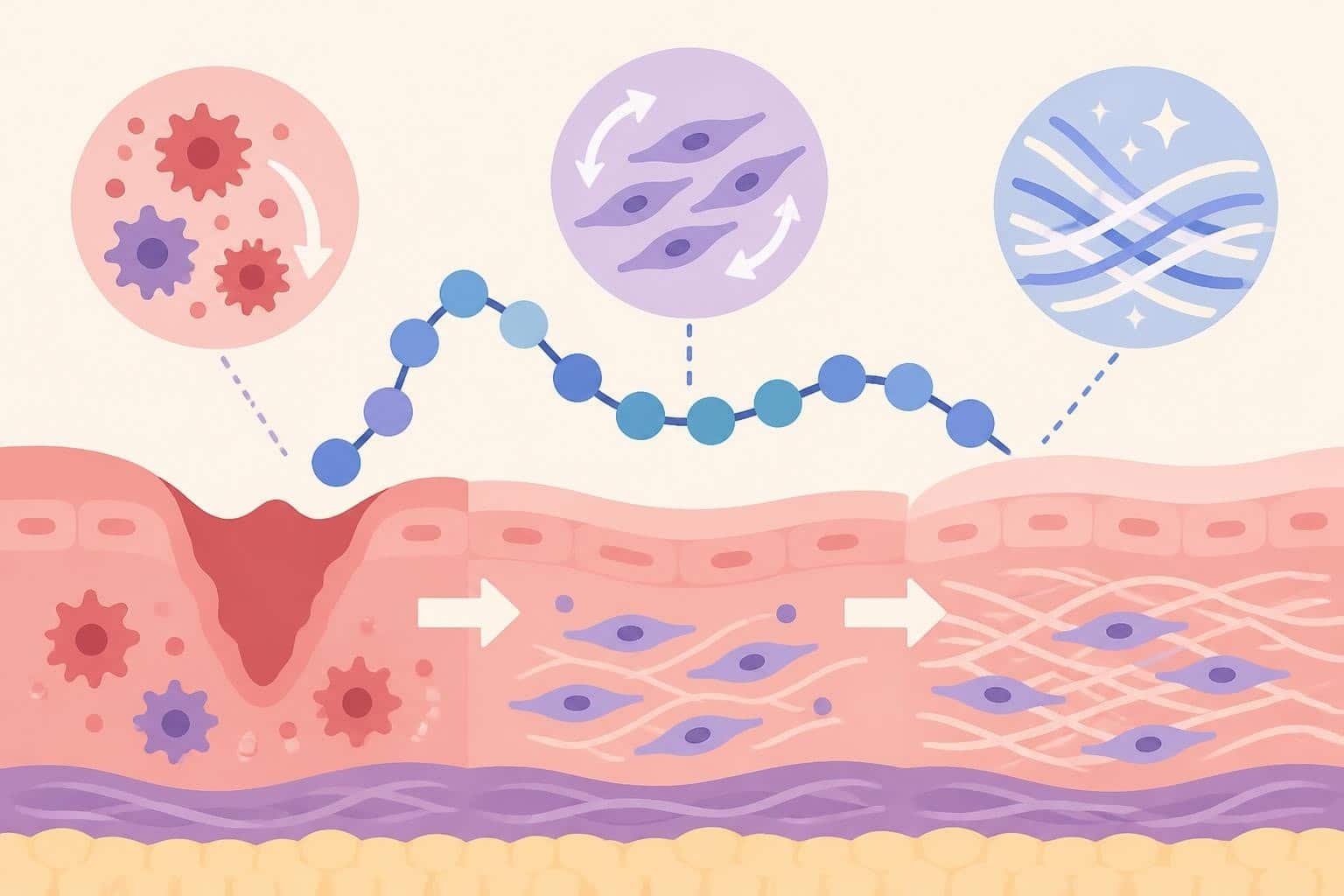
The human body's capacity to heal itself represents one of nature's most remarkable processes, yet modern science has discovered ways to enhance and accelerate these natural mechanisms. Peptides for healing have emerged as a powerful tool in regenerative medicine, offering targeted support for tissue repair, inflammation management, and recovery from injury. These short chains of amino acids function as cellular messengers, triggering specific biological responses that promote faster, more efficient healing across multiple tissue types. Understanding how these compounds work and their applications can help individuals make informed decisions about optimizing their recovery protocols.
Understanding the Science Behind Healing Peptides
Peptides are short sequences of amino acids, typically containing between 2 and 50 amino acid residues connected by peptide bonds. Unlike proteins, which contain hundreds or thousands of amino acids, peptides are small enough to penetrate cellular membranes and interact directly with specific receptors.
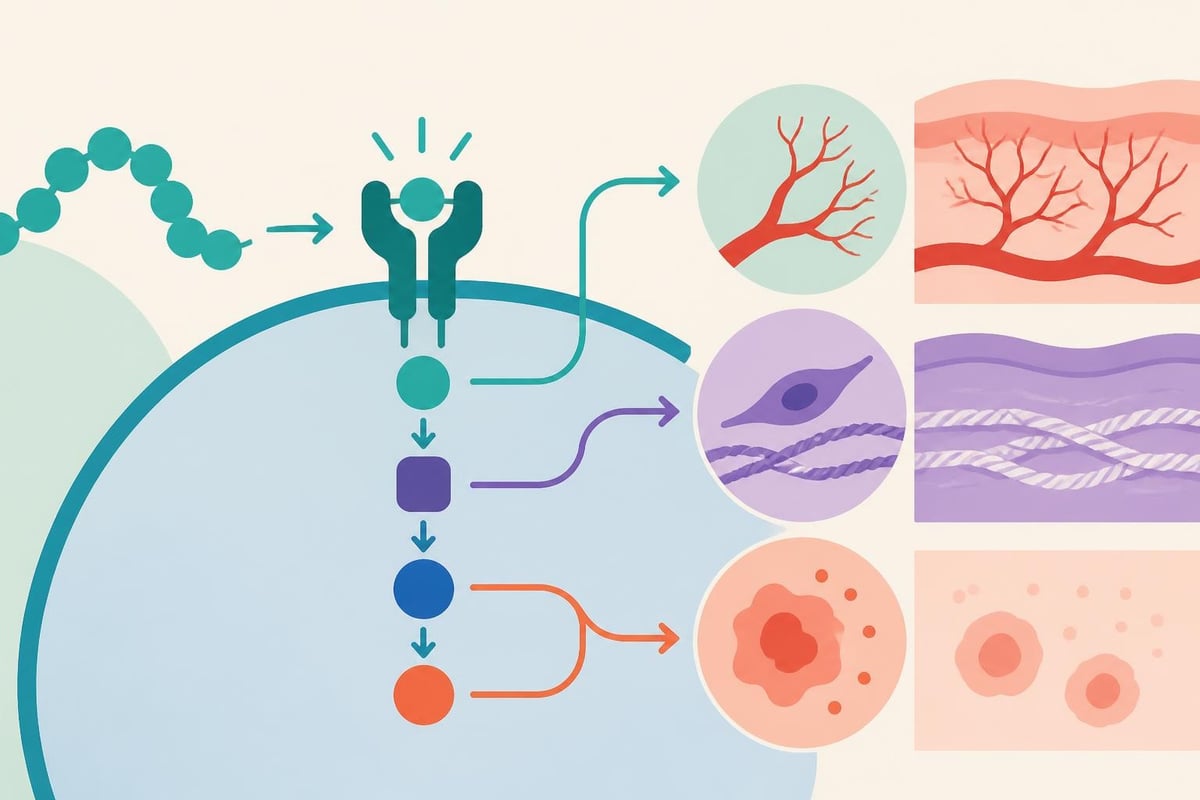
When introduced into the body, peptides for healing act as signaling molecules that communicate with cells to initiate or enhance natural repair processes. They bind to specific receptors on cell surfaces, triggering cascades of biological events that influence gene expression, protein synthesis, and cellular behavior. This targeted mechanism allows peptides to promote healing without the broader systemic effects associated with many conventional treatments.
Mechanisms of Action in Tissue Repair
The therapeutic effects of healing peptides operate through several distinct pathways:
- Angiogenesis promotion: Stimulating the formation of new blood vessels to improve nutrient and oxygen delivery to damaged tissues
- Collagen synthesis: Enhancing production of structural proteins essential for tissue integrity and wound closure
- Anti-inflammatory signaling: Modulating immune responses to reduce excessive inflammation that can impair healing
- Growth factor regulation: Influencing the release and activity of endogenous growth factors critical for cellular proliferation and differentiation
Research from computational peptide development studies demonstrates how advanced modeling techniques are helping scientists understand and predict the functional properties of therapeutic peptides, accelerating the development of more effective healing compounds.
Key Peptides Used in Healing Applications
Different peptides target specific aspects of the healing process, making some more suitable for particular injury types or recovery goals. Understanding the unique properties of major healing peptides helps in selecting the most appropriate option for individual needs.
BPC-157: The Versatile Tissue Repair Agent
BPC-157 (Body Protection Compound-157) is derived from a protective protein found in gastric juice. This pentadecapeptide has gained significant attention for its broad-spectrum healing properties across multiple tissue types.
Studies indicate BPC-157 supports healing in:
- Muscles and tendons
- Ligaments and bones
- Gastrointestinal tract
- Nervous system tissue
The compound works by enhancing growth hormone receptor expression and increasing vascular endothelial growth factor (VEGF) production. According to evidence reviewed by medical professionals, BPC-157 has shown promise in accelerating recovery from sports injuries and supporting gut health.
TB-500: Cellular Migration and Structural Support
TB-500 represents a synthetic version of Thymosin Beta-4, a naturally occurring peptide present in virtually all human cells. This compound plays a critical role in cellular migration, the process by which cells move to sites of injury to facilitate repair.
| Property | TB-500 Benefit |
|---|---|
| Actin regulation | Promotes cell structure and movement |
| Inflammation control | Reduces acute inflammatory responses |
| Tissue differentiation | Supports formation of new tissue cells |
| Angiogenesis | Encourages blood vessel development |
TB-500 upregulates actin, a protein essential for cellular structure and motility. This property makes it particularly valuable for injuries requiring significant cellular remodeling and tissue regeneration.
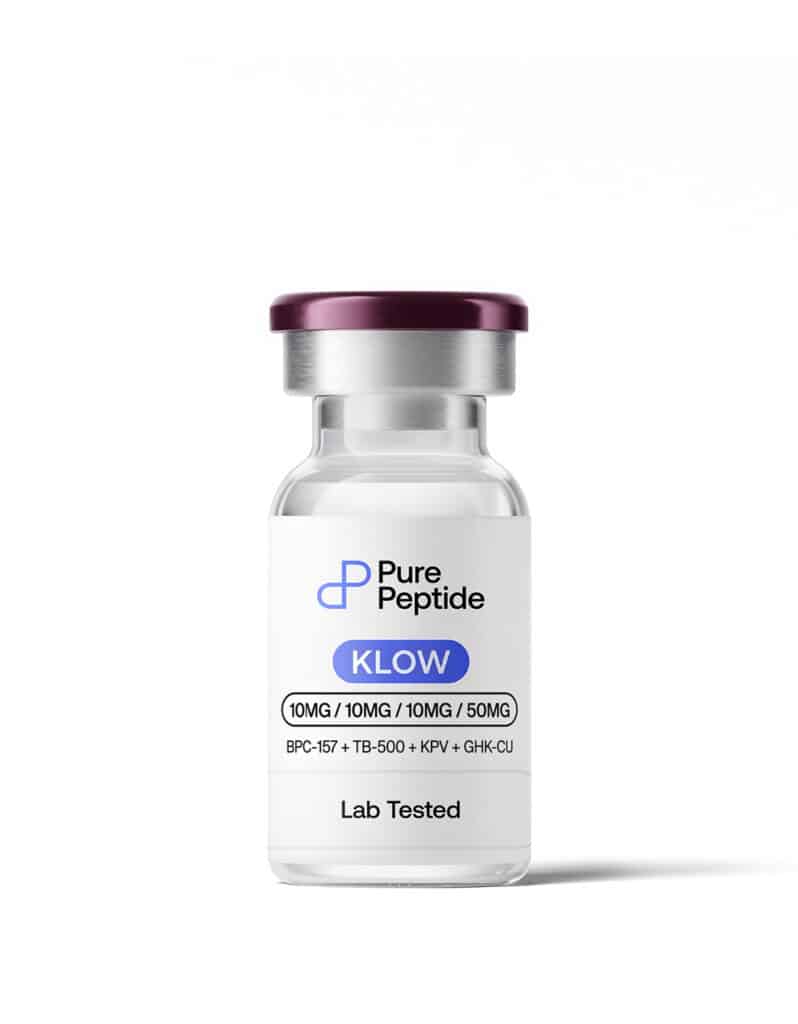
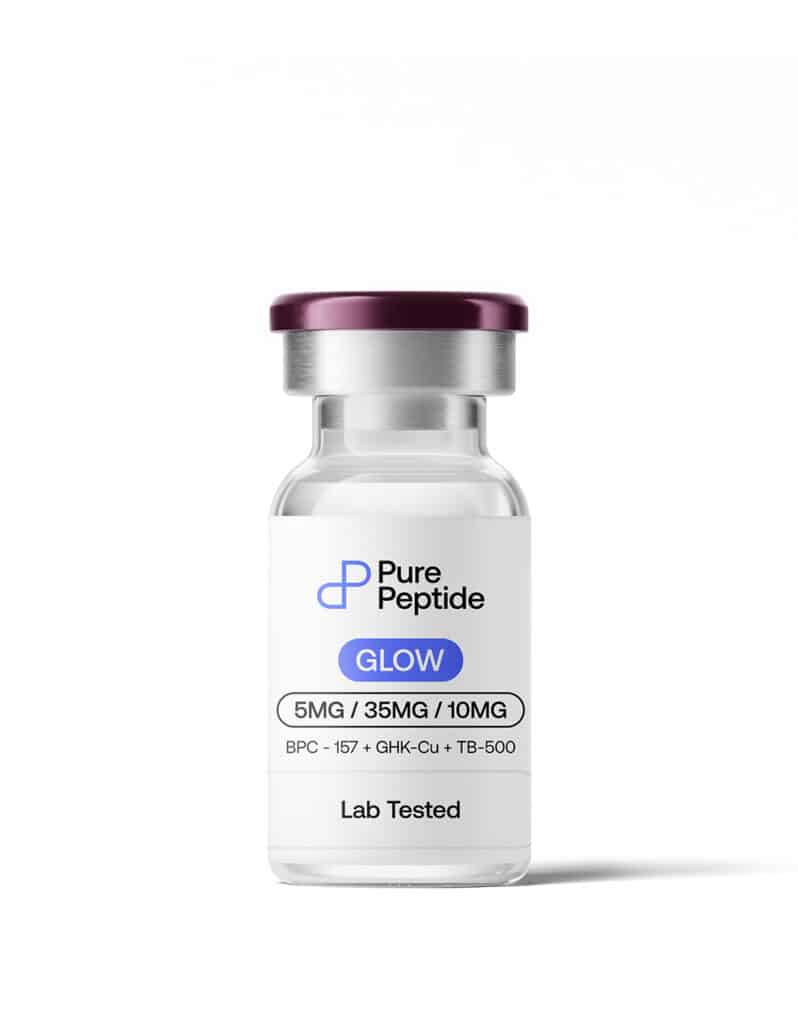
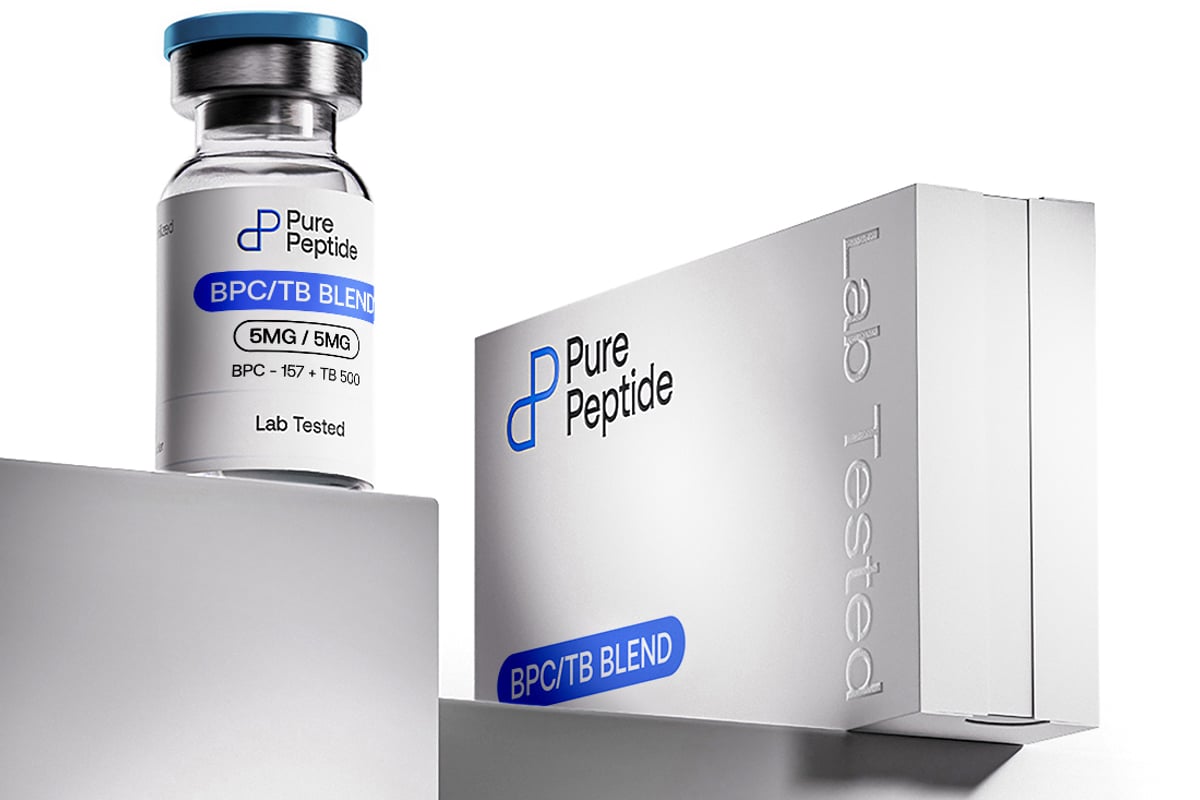
For individuals seeking comprehensive recovery support, the BPC-157 / TB-500 Blend combines these two powerhouse peptides to create synergistic effects that speed healing, improve tissue repair, and strengthen long-term recovery outcomes.
GHK-Cu: Copper-Enhanced Regeneration
GHK-Cu (Glycyl-L-Histidyl-L-Lysine-Copper) is a naturally occurring copper-binding peptide with remarkable regenerative properties. The copper component enhances the peptide's biological activity, creating a compound with multiple healing benefits.
This tripeptide supports:
- Collagen and elastin synthesis
- Tissue remodeling and scar reduction
- Antioxidant enzyme production
- Wound contraction and closure
Dermatological research has demonstrated GHK-Cu's effectiveness in skin healing and rejuvenation, making it a popular choice for both aesthetic and therapeutic applications. The peptide naturally declines with age, contributing to reduced healing capacity in older individuals.
Clinical Applications Across Injury Types
Peptides for healing have shown promise across a diverse range of injury types and medical conditions. Their versatility stems from their ability to influence fundamental cellular processes that underpin all healing responses.
Sports Injuries and Musculoskeletal Damage
Athletes and active individuals frequently turn to healing peptides to address injuries that would otherwise require extended recovery periods. These compounds have demonstrated particular effectiveness for:
Tendon and ligament injuries: Peptides promote collagen alignment and crosslinking, critical factors in restoring tensile strength to damaged connective tissue. The enhanced angiogenesis also ensures adequate nutrient supply during the repair phase.
Muscle strains and tears: By accelerating satellite cell activation and protein synthesis, healing peptides can reduce downtime following muscle injuries. They also help minimize scar tissue formation that can compromise muscle function.
Joint issues: Peptides support cartilage health and reduce inflammation in joint structures, offering potential benefits for both acute injuries and chronic conditions affecting joint integrity.
The recovery peptides category offers specialized options designed to support athletic performance and injury rehabilitation.
Post-Surgical Recovery Enhancement
Surgical procedures create controlled trauma that requires efficient healing to minimize complications and restore function. Peptides for healing can play a supportive role in post-operative recovery through several mechanisms:
- Reducing excessive inflammation at surgical sites
- Accelerating wound closure and tissue approximation
- Minimizing adhesion formation between tissues
- Supporting nerve regeneration in procedures involving nerve tissue
Medical professionals have observed that patients using healing peptides as part of their post-surgical protocols often experience faster return to normal activities and reduced pain during recovery.
Gastrointestinal Healing and Gut Health
The gastrointestinal tract possesses remarkable regenerative capacity, but certain conditions can impair its healing processes. BPC-157 has garnered particular attention for its protective effects on gut tissue.
Research suggests this peptide may support healing in conditions such as:
- Inflammatory bowel diseases
- Gastric ulcers
- Leaky gut syndrome
- Post-antibiotic gut damage
The compound appears to stabilize the gut barrier, promote epithelial cell regeneration, and modulate the inflammatory environment in the digestive tract.
Optimizing Healing Peptide Protocols
Effective use of peptides for healing requires attention to dosing, timing, and administration methods. While individual protocols should be developed with qualified healthcare guidance, understanding general principles helps maximize therapeutic benefits.
Dosing Considerations and Timing
Peptide dosing varies significantly based on the specific compound, the severity of injury, and individual factors such as body weight and healing capacity. General dosing principles include:
- Start conservative: Beginning with lower doses allows assessment of individual response and minimizes potential side effects
- Consistency matters: Regular administration maintains stable peptide levels that support ongoing healing processes
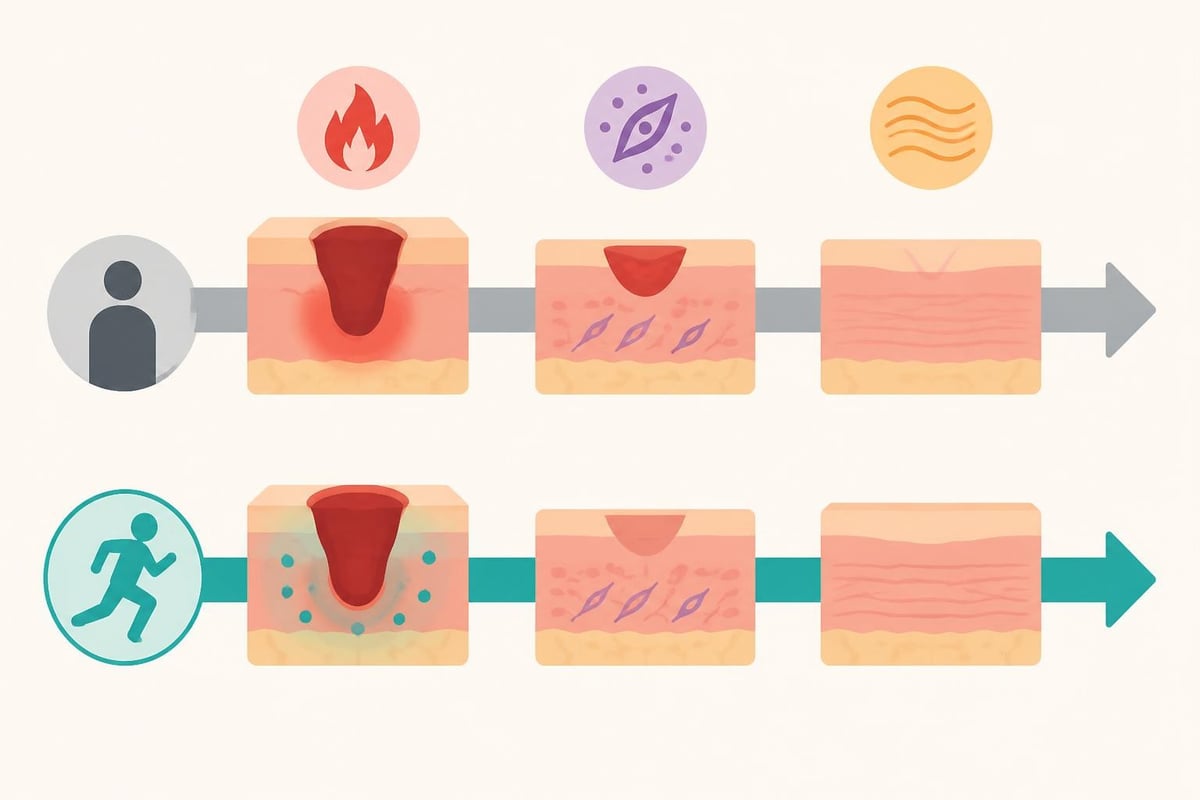
- Timing with injury phases: Adjusting peptide selection and dosing as healing progresses through inflammatory, proliferative, and remodeling phases
Many practitioners recommend loading phases with higher frequencies initially, followed by maintenance protocols at reduced frequencies as healing advances.
Administration Methods and Bioavailability
The route of administration significantly impacts peptide effectiveness. Common methods include:
| Method | Advantages | Considerations |
|---|---|---|
| Subcutaneous injection | High bioavailability, precise dosing | Requires injection technique |
| Intramuscular injection | Deep tissue delivery, sustained release | More invasive than subcutaneous |
| Topical application | Non-invasive, localized effect | Limited to surface injuries |
| Oral administration | Convenient, non-invasive | Lower bioavailability for many peptides |
Subcutaneous injection remains the most common and effective method for most healing peptides, offering optimal absorption and predictable blood levels.
Safety Profile and Considerations
Peptides for healing generally demonstrate favorable safety profiles compared to many conventional treatments. However, responsible use requires understanding potential concerns and contraindications.
Known Side Effects and Mitigation
Most individuals tolerate healing peptides well, with side effects typically mild when they occur:
- Injection site reactions: Redness, swelling, or mild discomfort at injection sites usually resolves quickly with proper technique and site rotation
- Vasodilation effects: Some peptides may cause temporary flushing or headaches, particularly at higher doses
- Fatigue or drowsiness: Certain compounds may influence energy levels, especially during initial use
Advanced functional peptide prediction methods are helping researchers better understand and anticipate peptide effects, contributing to safer, more effective formulations.
Quality and Purity Standards
The therapeutic potential of healing peptides depends entirely on their quality and purity. Substandard peptides may contain impurities, incorrect sequences, or inadequate concentrations that compromise effectiveness and safety.
Key quality indicators include:
- Third-party testing verification
- Certificate of Analysis (COA) availability
- Proper storage and handling procedures
- Transparent sourcing information
Reputable suppliers maintain rigorous quality control standards and provide documentation supporting the purity and identity of their peptides. The importance of verification through certificate of analysis cannot be overstated when selecting therapeutic peptides.
Emerging Research and Future Directions
The field of therapeutic peptides continues to evolve rapidly, with new compounds and applications emerging from ongoing research. Understanding these developments provides insight into the future of regenerative medicine.
Novel Peptide Development
Researchers are exploring generative AI approaches to peptide design that extend beyond natural amino acids, creating synthetic peptides with enhanced stability, bioavailability, and therapeutic effects. These innovations may yield compounds with superior healing properties compared to current options.
Areas of active investigation include:
- Modified peptides: Alterations to peptide structure that improve resistance to enzymatic degradation
- Targeted delivery systems: Technologies that direct peptides specifically to injury sites
- Combination therapies: Synergistic peptide formulations that address multiple aspects of healing simultaneously
- Peptide mimetics: Synthetic compounds that replicate peptide effects with improved pharmacological properties
Expanding Clinical Applications
Beyond traditional injury healing, peptides show promise for addressing age-related healing impairment, chronic wounds, and degenerative conditions. Studies exploring antimicrobial peptides like Melp5 demonstrate potential applications extending into infection control and immune support.
The integration of peptides into comprehensive healing protocols alongside conventional treatments represents a growing trend in regenerative medicine. Healthcare providers increasingly recognize these compounds as valuable tools in their therapeutic arsenal.
Practical Implementation Strategies
Successfully incorporating peptides for healing into recovery protocols requires strategic planning and consistent execution. Whether addressing acute injuries or supporting long-term tissue health, several practical considerations enhance outcomes.
Creating Comprehensive Recovery Protocols
Healing peptides work most effectively when integrated into holistic recovery strategies that address multiple factors influencing tissue repair:
Nutritional support: Adequate protein intake, micronutrient sufficiency, and hydration provide the raw materials cells need for repair processes that peptides stimulate.
Rest and load management: Balancing appropriate rest with controlled movement prevents re-injury while maintaining blood flow and mechanical stimulation necessary for optimal healing.
Sleep optimization: Deep sleep stages facilitate growth hormone release and cellular repair processes that complement peptide effects.
Stress management: Chronic stress elevates cortisol, which can impair healing responses and counteract peptide benefits.
Comprehensive resources on peptide applications help individuals understand how different compounds fit into broader wellness and recovery strategies.
Monitoring Progress and Adjusting Protocols
Effective use of healing peptides requires ongoing assessment and protocol refinement based on individual response:
- Establish baseline measurements: Document pain levels, range of motion, strength, or other relevant metrics before beginning peptide use
- Track subjective improvements: Note changes in pain, function, and quality of life throughout the healing process
- Consider objective assessments: Imaging studies or functional tests can provide concrete evidence of tissue healing
- Adjust as needed: Modify peptide selection, dosing, or frequency based on progress and response
Research featured on platforms like PeptideMark provides evidence-based guidance for optimizing peptide protocols across different injury types and healing goals.
Combining Peptides for Synergistic Effects
Some situations benefit from using multiple peptides simultaneously to address different aspects of the healing process. Strategic combinations can produce synergistic effects that exceed what individual peptides achieve alone.
Popular healing combinations include:
- BPC-157 + TB-500: Comprehensive soft tissue repair with enhanced cellular migration
- GHK-Cu + BPC-157: Skin and connective tissue healing with improved remodeling
- Growth hormone peptides + healing peptides: Enhanced recovery supported by anabolic signaling
When using multiple peptides, careful attention to total dosing, potential interactions, and individual tolerance ensures safe and effective protocols.
Peptides in Anti-Aging and Preventive Medicine
Beyond acute injury treatment, peptides for healing play an increasingly important role in preventive health and age-related tissue maintenance. As healing capacity naturally declines with age, therapeutic peptides offer a means of supporting optimal tissue function throughout the lifespan.
Age-Related Healing Impairment
Aging affects healing through multiple mechanisms:
- Reduced growth factor production
- Decreased cellular proliferation rates
- Impaired angiogenic responses
- Increased chronic inflammation
- Diminished stem cell function
Peptides can address several of these age-related changes by supplementing declining endogenous signaling molecules and stimulating cellular processes that become less efficient with advancing years.
Skincare applications of peptides demonstrate their effectiveness in counteracting visible signs of aging by supporting collagen production and tissue regeneration, principles that extend to internal tissue health as well.
Preventive Applications for Tissue Health
Rather than waiting for injury to occur, some individuals use healing peptides proactively to maintain tissue integrity and resilience:
Joint preservation: Low-dose peptide protocols may support cartilage health and reduce degenerative changes in individuals at risk for joint problems.
Tendon and ligament maintenance: Athletes with high training volumes use peptides to support connective tissue health and potentially prevent overuse injuries.
Skin health: Regular use of certain peptides supports dermal structure and function, maintaining skin as a protective barrier while promoting aesthetic benefits.
The muscle growth category includes peptides that support tissue development and maintenance, complementing healing-focused compounds in comprehensive wellness protocols.
Peptides for healing represent a sophisticated approach to supporting the body's natural repair mechanisms, offering targeted benefits for tissue regeneration, inflammation management, and recovery optimization. As research continues to expand our understanding of these powerful compounds, their applications in both acute injury treatment and long-term tissue health become increasingly clear. Whether you're recovering from sports injuries, supporting post-surgical healing, or maintaining tissue integrity as you age, premium quality peptides provide science-backed tools for enhanced recovery. Soma Peptide delivers rigorously tested, high-purity peptides with comprehensive quality documentation, ensuring you receive compounds that meet the highest standards for therapeutic effectiveness and safety.