


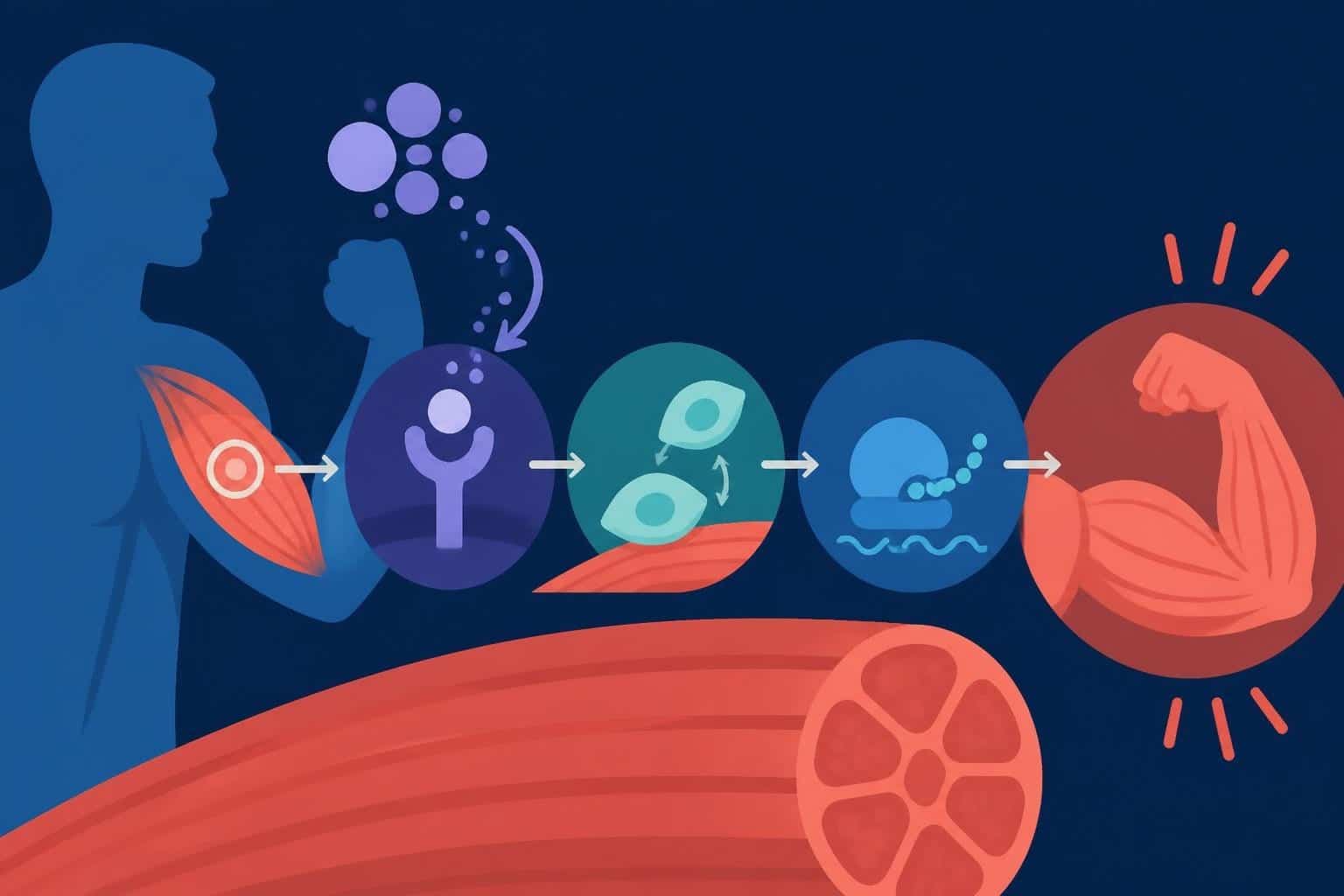
The search for effective strategies to enhance muscle growth and accelerate recovery has led researchers and athletes to explore peptides as targeted therapeutic agents. Unlike traditional supplements, peptides for muscle work by influencing specific biological pathways that regulate protein synthesis, hormone release, and tissue repair. These short-chain amino acid sequences have gained attention for their ability to support lean mass development and recovery without the broader systemic effects associated with anabolic steroids or synthetic hormones. Understanding how these molecules function within the body provides valuable insight into their potential applications for muscle enhancement.
Understanding Peptides and Their Role in Muscle Physiology
Peptides are chains of amino acids typically ranging from two to fifty units in length, positioned between individual amino acids and full proteins on the molecular spectrum. Their smaller size allows them to interact with specific cellular receptors and trigger targeted biological responses. In the context of muscle tissue, certain peptides can influence growth hormone secretion, increase insulin-like growth factor-1 (IGF-1) levels, enhance blood flow to working muscles, and promote satellite cell activation.
The mechanisms through which peptides for muscle operate differ significantly from conventional protein supplementation. Rather than simply providing raw amino acid building blocks, these compounds act as signaling molecules that communicate with cells to initiate specific processes. This targeted approach allows for more precise modulation of muscle-related pathways.
Growth Hormone Secretagogues and Muscle Development
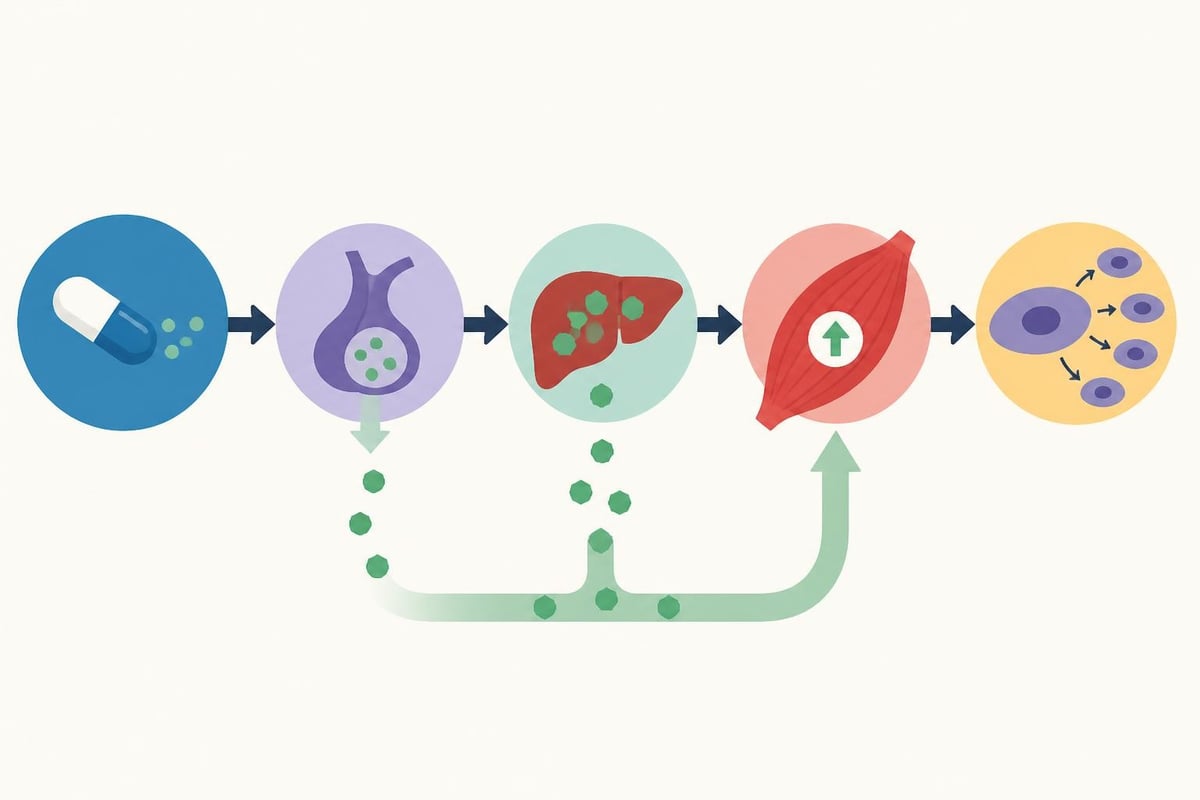
One of the most researched categories involves growth hormone secretagogues (GHS), which stimulate the pituitary gland to release endogenous growth hormone. Research indicates that compounds in this class can elevate growth hormone levels through natural pulsatile patterns, which differs from exogenous hormone replacement.
When growth hormone levels increase, the liver responds by producing more IGF-1, a key mediator of muscle protein synthesis and satellite cell proliferation. This cascade creates an anabolic environment conducive to muscle growth while simultaneously supporting fat oxidation and metabolic health.
Categories of Peptides Used for Muscle Enhancement
Different peptide classes target distinct pathways within muscle physiology. Understanding these categories helps researchers and practitioners select appropriate compounds for specific goals.
| Peptide Category | Primary Mechanism | Key Benefits |
|---|---|---|
| Growth Hormone Releasing Peptides (GHRPs) | Stimulate GH release via ghrelin receptor | Enhanced muscle protein synthesis, improved recovery |
| Growth Hormone Releasing Hormones (GHRHs) | Amplify natural GH pulses | Sustained anabolic environment, fat reduction |
| IGF-1 Variants | Direct IGF-1 receptor activation | Localized muscle growth, satellite cell activation |
| Repair and Recovery Peptides | Anti-inflammatory, tissue regeneration | Accelerated healing, reduced downtime |
Mechanisms That Support Lean Mass Development
The evidence shows that peptides for muscle enhancement work through multiple complementary pathways. First, they increase protein synthesis rates within muscle fibers by activating mTOR (mammalian target of rapamycin) signaling cascades. This cellular machinery controls the translation of genetic code into functional proteins that compose muscle tissue.
Second, certain peptides reduce protein degradation by inhibiting catabolic pathways. This dual action creates a positive net protein balance, the fundamental requirement for muscle hypertrophy. Third, some compounds enhance nutrient partitioning, directing amino acids and glucose preferentially toward muscle tissue rather than fat storage.
Evidence-Based Applications for Muscle Growth
Multiple studies have examined the effects of specific peptide compounds on lean body mass composition. Growth hormone secretagogues have demonstrated the ability to increase fat-free mass when combined with resistance training protocols. The magnitude of these effects varies based on dosing strategies, training intensity, and individual response patterns.
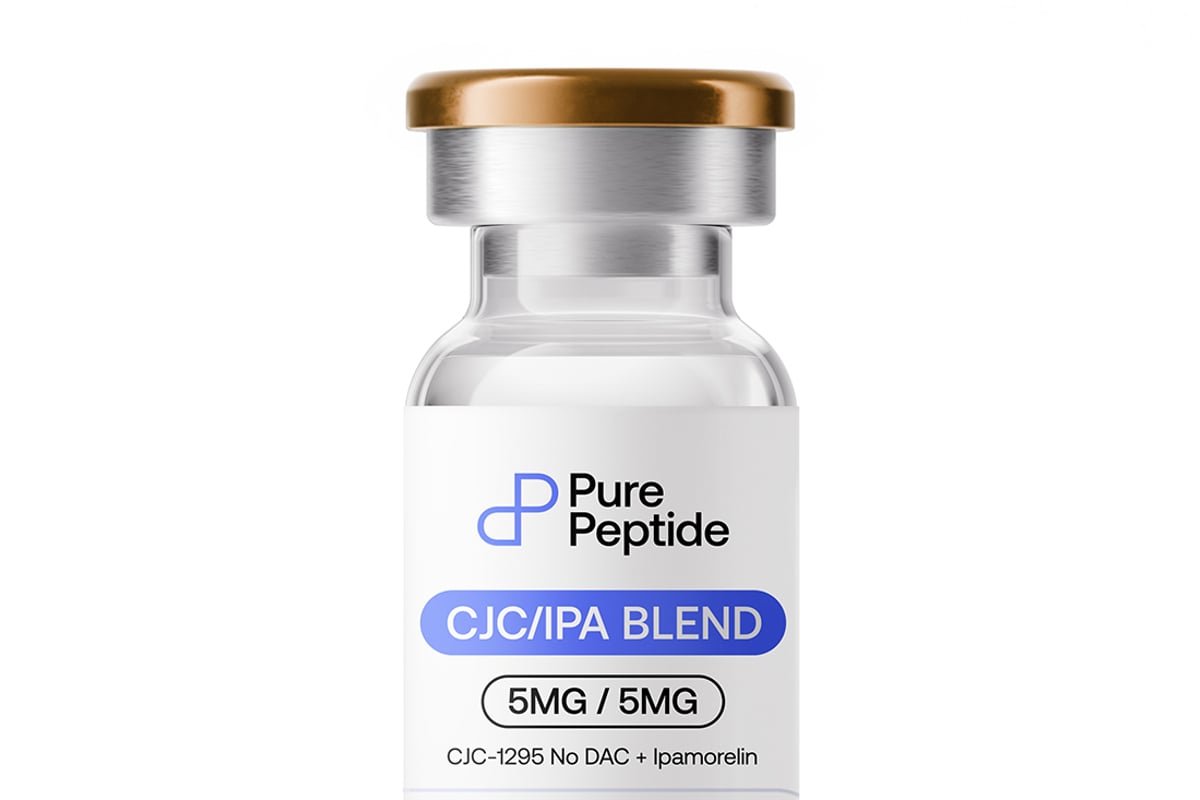
When CJC-1295 (No DAC) and Ipamorelin are combined, they work synergistically by stimulating GH release through complementary pathways. This pairing promotes a natural, controlled rise in growth hormone levels, potentially amplifying the effects of each compound while maintaining physiological balance. The CJC-1295 NO DAC / Ipamorelin Blend represents this strategic combination approach designed to optimize endogenous hormone production.
Dosing Protocols and Administration Strategies
Effective use of peptides for muscle requires attention to proper dosing and timing. Most growth hormone secretagogues demonstrate optimal efficacy when administered on an empty stomach, as food intake, particularly carbohydrates, can blunt the GH response. Common protocols involve administration before training sessions and before sleep, capitalizing on natural circadian hormone rhythms.
Standard dosing considerations include:
- Starting with conservative doses to assess individual tolerance
- Administering during fasted states for maximum receptor sensitivity
- Cycling protocols to prevent receptor desensitization
- Combining with appropriate training stimulus for synergistic effects
Timing relative to exercise appears particularly important. Research on peptides for muscle growth suggests that administration shortly before resistance training may enhance the anabolic response to mechanical loading by creating an optimal hormonal environment during the critical post-exercise recovery window.
Recovery Enhancement Through Peptide Therapy
Beyond direct muscle growth stimulation, certain peptides excel at accelerating recovery from training-induced damage and injury. This recovery dimension proves equally important for long-term muscle development, as inadequate recovery limits training frequency and intensity.
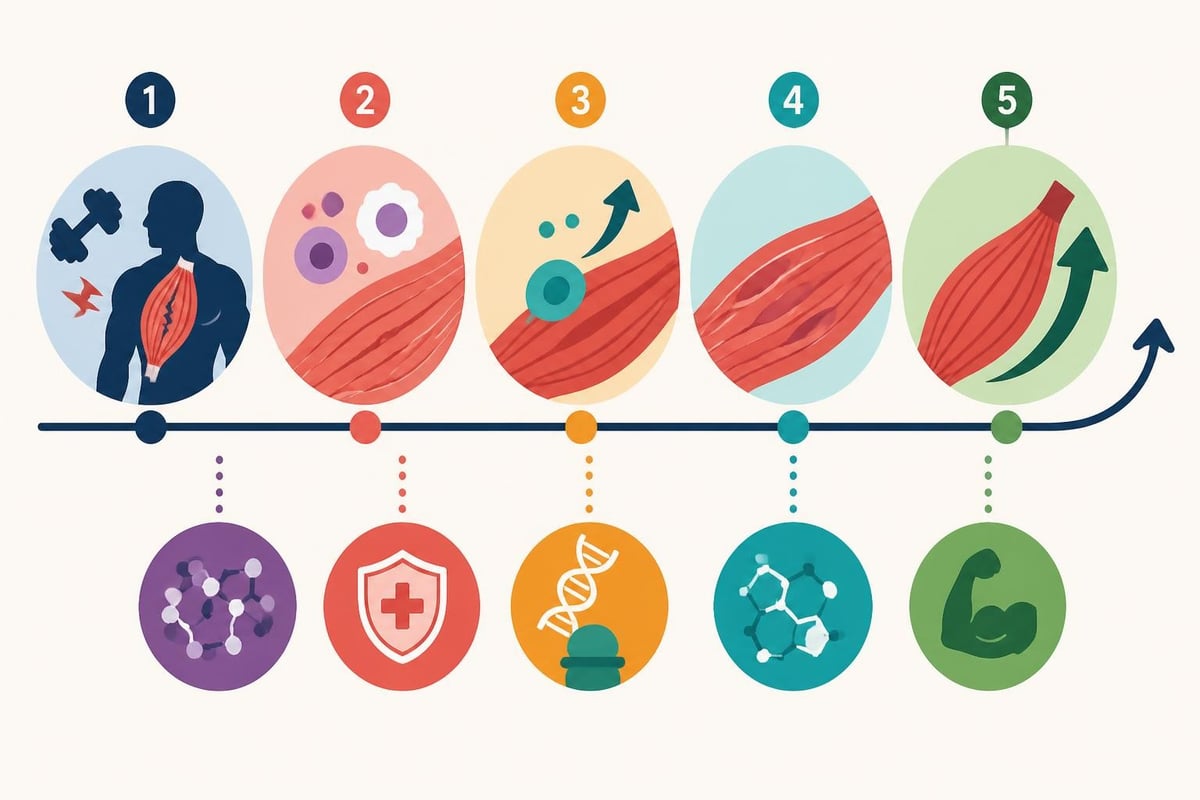
Recovery-focused peptides work through mechanisms distinct from growth hormone pathways. They modulate inflammatory responses, enhance collagen synthesis in connective tissues, improve vascular function for better nutrient delivery, and support cellular repair processes at the site of tissue damage.
Tissue Repair Mechanisms
The body's natural healing cascade involves multiple phases: inflammation, proliferation, and remodeling. Certain peptides can optimize each stage. During the inflammatory phase, some compounds help regulate cytokine release to prevent excessive inflammation while still allowing necessary immune responses. In the proliferation phase, peptides may enhance fibroblast activity and collagen deposition.
Key recovery benefits include:
- Reduced muscle soreness and inflammation following intense training
- Faster healing of minor strains and overuse injuries
- Improved joint and connective tissue integrity
- Enhanced sleep quality for optimal nocturnal recovery
The BPC-157 / TB-500 Blend combines two well-researched recovery peptides that work through complementary mechanisms to support comprehensive tissue repair and recovery enhancement.
Optimizing Results Through Lifestyle Integration
Peptides for muscle do not function in isolation. Their effectiveness depends heavily on the broader context of training, nutrition, and recovery practices. Even the most potent compounds cannot compensate for inadequate protein intake, insufficient training stimulus, or chronic sleep deprivation.
Protein consumption remains foundational, with research supporting intakes of 0.7 to 1.0 grams per pound of body weight for individuals seeking muscle growth. Peptides enhance how the body utilizes this protein rather than replacing the need for adequate intake. Similarly, progressive resistance training provides the mechanical stimulus that peptides amplify through their hormonal and recovery effects.
Synergistic Nutritional Strategies
Certain dietary approaches may enhance peptide effectiveness. Maintaining insulin sensitivity through balanced macronutrient distribution supports the anabolic actions of growth hormone and IGF-1. Adequate micronutrient status, particularly zinc and magnesium, supports endogenous hormone production that peptides are designed to optimize.
Timing nutrient intake around peptide administration also matters. While peptides themselves work best in fasted states, the post-administration period represents an opportunity to provide building blocks for the anabolic processes they initiate. A protein-rich meal 30 to 60 minutes after peptide use may maximize the muscle protein synthesis response.
Safety Considerations and Quality Standards
The therapeutic potential of peptides for muscle must be balanced against safety considerations. Sourcing peptides from manufacturers that employ rigorous quality control standards ensures product purity and minimizes contamination risks. Certificate of Analysis documentation provides transparency regarding actual peptide content and the absence of impurities.
Common side effects from growth hormone secretagogues tend to be mild and dose-dependent. These may include temporary water retention, increased hunger, or fatigue. More serious concerns arise primarily from contaminated products or excessive dosing that disrupts natural hormonal feedback loops.
| Safety Aspect | Consideration | Recommendation |
|---|---|---|
| Product Purity | Risk of contamination or underdosing | Verify third-party testing and COA documentation |
| Dosing | Receptor desensitization, hormonal disruption | Start conservatively, follow established protocols |
| Administration | Infection risk, injection site reactions | Use sterile technique, rotate injection sites |
| Monitoring | Assessing individual response | Track body composition, recovery metrics, side effects |
Regulatory Status and Athletic Considerations
Athletes subject to drug testing should be aware that many peptides for muscle fall under prohibited substance lists maintained by organizations like the World Anti-Doping Agency. Evidence-graded reviews confirm that growth hormone secretagogues and related compounds are banned in competitive sports due to their performance-enhancing potential.
This regulatory status reflects both the documented efficacy of these compounds and ongoing concerns about fairness in athletic competition. Individuals using peptides should understand the legal and competitive implications relevant to their specific circumstances.
Comparing Peptide Approaches to Traditional Methods
How do peptides for muscle compare to established muscle-building strategies? Traditional approaches rely primarily on optimized training programs, adequate protein intake, and sufficient recovery. These fundamentals remain essential regardless of peptide use.
Peptides offer a targeted enhancement layer that may accelerate results beyond what lifestyle factors alone provide. Comparative research on peptides suggests they can produce measurable improvements in lean mass accrual and recovery speed when added to solid training and nutrition foundations.
The advantage over anabolic steroids lies in peptides' more selective mechanisms. Rather than flooding the body with supraphysiological hormone levels across all tissues, peptides work by optimizing natural pathways with greater precision. This theoretically reduces the risk of certain side effects associated with traditional anabolics, though long-term safety data remains limited.
Individual Response Variability
Genetic factors, age, training status, and baseline hormone levels all influence how individuals respond to peptides for muscle enhancement. Younger individuals with already optimal natural hormone production may experience less dramatic effects compared to older adults experiencing age-related declines in growth hormone secretion.
Training experience also matters. Research guides on muscle growth peptides indicate that experienced lifters approaching their genetic potential may find peptides more impactful than novices who still respond robustly to basic training stimuli alone.
Advanced Protocols and Strategic Combinations
Experienced users often employ combination strategies that pair different peptide classes for complementary effects. A common approach involves using a growth hormone secretagogue alongside recovery-focused peptides to simultaneously optimize anabolic signaling and tissue repair capacity.
Example combination protocols:
- Morning administration of GHRP before fasted cardio for fat oxidation
- Pre-training dose of growth hormone releasing peptide to enhance workout performance
- Post-training recovery peptide to accelerate tissue repair
- Evening GHRH to amplify natural nocturnal GH pulse
These layered approaches require careful planning to avoid excessive total peptide burden and to manage the logistics of multiple administrations. Detailed recovery protocols outline evidence-based timing strategies for various peptide combinations.
Cycling strategies also deserve consideration. Some practitioners advocate periodic breaks to restore receptor sensitivity, while others maintain continuous use with rotating peptide selections. The optimal approach likely depends on individual goals, response patterns, and the specific compounds employed.
Measuring Progress and Adjusting Strategies
Objective assessment proves essential for determining whether peptides for muscle are producing desired results. Relying solely on subjective feelings or mirror assessments may lead to misinterpretation of actual progress.
Body composition analysis through methods like DEXA scanning, bioelectrical impedance, or skinfold measurements provides quantitative data on lean mass changes. Tracking strength progression across key lifts offers functional performance metrics. Recovery indicators might include training frequency tolerance, sleep quality scores, and subjective soreness ratings.
Performance Markers to Monitor
Beyond body composition, several markers can indicate whether peptides are exerting their intended effects. Improved workout recovery manifests as the ability to train with higher frequency or volume without accumulating excessive fatigue. Enhanced sleep quality, particularly deeper slow-wave sleep phases, often accompanies effective growth hormone optimization.
Some users notice improved skin quality and faster healing of minor cuts or abrasions, reflecting the systemic regenerative effects of certain peptide compounds. While not primary muscle-building metrics, these observations suggest successful pathway activation.
Long-Term Considerations for Sustainable Results
Peptides for muscle represent tools that must be integrated into sustainable long-term approaches rather than relied upon as shortcuts. The most successful outcomes occur when peptides amplify already sound training and nutrition practices rather than attempting to compensate for their absence.
Developing a thoughtful progression plan prevents the common pitfall of starting with excessively aggressive protocols that prove unsustainable. Beginning with single peptides at conservative doses allows assessment of individual response before adding complexity.
Guides mapping peptides to muscle growth goals emphasize the importance of matching specific compounds to individual objectives, whether prioritizing pure mass gain, lean recomposition, or recovery enhancement. This targeted selection process optimizes results while minimizing unnecessary compound exposure.
Building Knowledge and Making Informed Decisions
The rapidly evolving peptide research landscape requires ongoing education to make informed choices. Understanding what evidence shows about different compounds helps separate marketing claims from scientifically supported applications.
Consulting with knowledgeable healthcare practitioners who understand peptide therapy provides valuable guidance for protocol design and safety monitoring. While many resources exist online, professional oversight ensures responsible use and appropriate response to any adverse reactions.
Quality sourcing remains paramount. Selecting suppliers like Soma Peptide that prioritize purity verification, provide transparent testing documentation, and maintain consistent product quality protects against the risks associated with contaminated or underdosed products that plague less reputable sources.
Peptides for muscle represent a sophisticated approach to enhancing growth and recovery through targeted biological pathway modulation. When integrated thoughtfully with proper training, nutrition, and recovery practices, these compounds may accelerate progress beyond what traditional methods alone provide. If you're considering peptide therapy as part of your muscle development strategy, Soma Peptide offers rigorously tested, premium-quality compounds backed by comprehensive purity documentation to support your goals safely and effectively.