


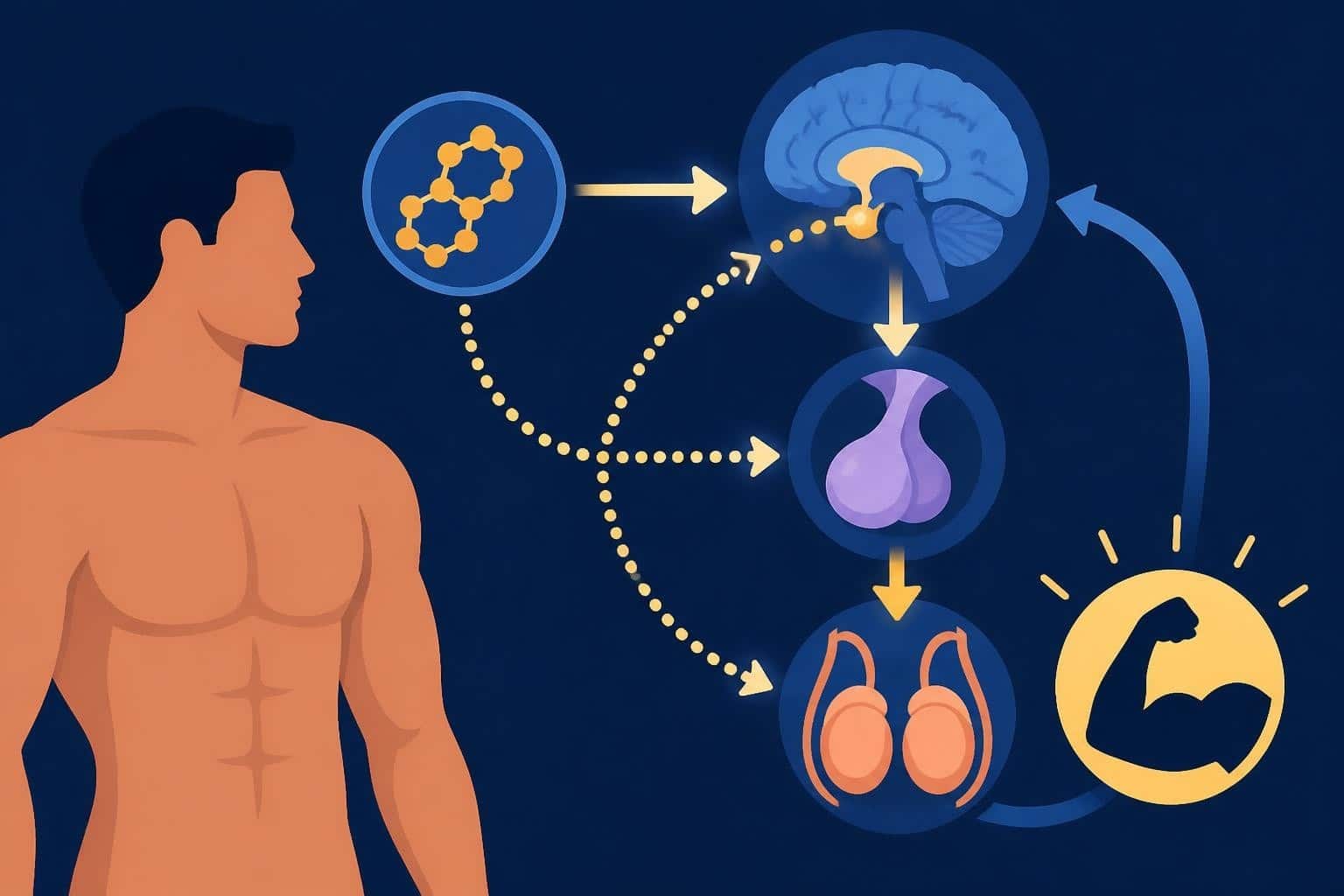
Testosterone plays a central role in male health, influencing muscle mass, bone density, energy levels, cognitive function, and overall vitality. As men age, testosterone levels naturally decline, with research indicating a gradual reduction of approximately 1% per year after age 30. This decline has led many individuals to explore therapeutic interventions that support endogenous hormone production. Peptides for testosterone have emerged as a compelling option, offering a mechanism-based approach to stimulating the body's own hormone synthesis rather than introducing synthetic hormones directly.
Understanding the Connection Between Peptides and Testosterone Production
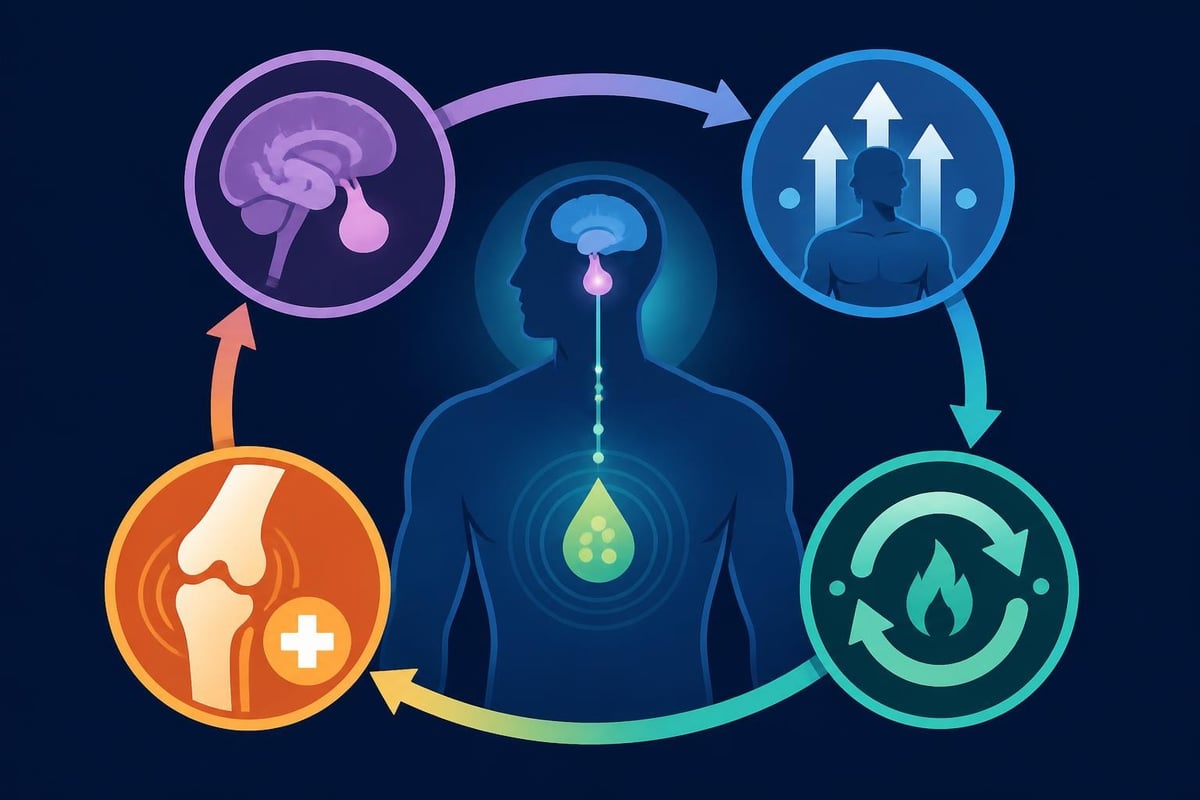
Peptides function as signaling molecules that communicate with specific receptors throughout the body. When it comes to testosterone optimization, certain peptides target the hypothalamic-pituitary-gonadal (HPG) axis, which governs natural hormone production. Unlike exogenous testosterone replacement therapy, which can suppress the body's own production, peptides for testosterone work by stimulating the cascade of events that lead to increased endogenous synthesis.
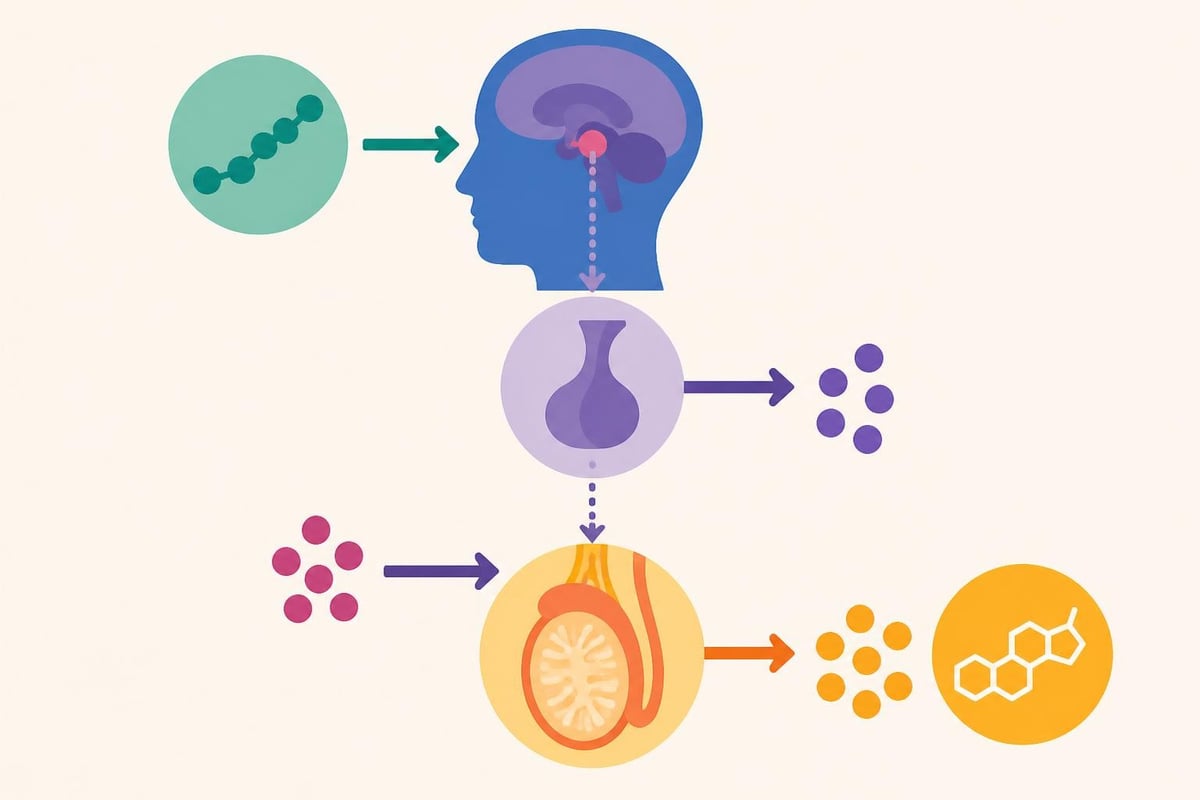
The mechanism begins at the hypothalamus, where peptides can influence the release of gonadotropin-releasing hormone (GnRH). This hormone then signals the anterior pituitary gland to secrete luteinizing hormone (LH) and follicle-stimulating hormone (FSH). LH directly stimulates Leydig cells in the testes to produce testosterone, while FSH supports spermatogenesis and overall testicular function.
The Role of Growth Hormone in Testosterone Regulation
Growth hormone (GH) and testosterone share an intricate relationship within the endocrine system. Research published by the National Institutes of Health demonstrates how peptide-induced GH elevation can indirectly support testosterone levels through multiple pathways. GH influences insulin-like growth factor 1 (IGF-1) production, which has been shown to enhance testicular steroidogenesis.
Several peptides classified as growth hormone secretagogues (GHS) stimulate the pituitary gland to release GH in a pulsatile pattern that mimics natural secretion. This physiological approach offers advantages over continuous hormone exposure, maintaining receptor sensitivity and reducing the risk of desensitization.
Key GH-related benefits that support hormonal optimization include:
- Enhanced protein synthesis and anabolic signaling
- Improved insulin sensitivity and glucose metabolism
- Increased lean body mass relative to fat mass
- Better recovery and cellular repair mechanisms
- Optimized sleep quality, which is critical for testosterone production
Primary Peptides Used for Testosterone Enhancement
Multiple peptide compounds have demonstrated potential in supporting testosterone production through various mechanisms. Understanding the distinct properties of each peptide allows for informed protocol development and personalized approaches.
Human Chorionic Gonadotropin (HCG)
HCG structurally mimics LH and directly stimulates Leydig cells to produce testosterone. This peptide has been extensively studied and is frequently used in both fertility treatments and hormone optimization protocols. HCG essentially bypasses the hypothalamus and pituitary, acting directly at the testicular level.
Human Chorionic Gonadotropin is often incorporated into testosterone replacement therapy (TRT) protocols to maintain testicular function and prevent atrophy. When used as a standalone intervention, it can significantly increase testosterone levels while preserving fertility and natural hormone production capacity.
Growth Hormone Releasing Peptides (GHRPs)
GHRPs such as Ipamorelin work by binding to ghrelin receptors, triggering GH release from the pituitary gland. While their primary action focuses on growth hormone, the downstream effects on IGF-1 and metabolic health contribute to an environment conducive to healthy testosterone levels.
The CJC-1295 NO DAC / Ipamorelin Blend combines a growth hormone-releasing hormone (GHRH) analog with a GHRP, creating synergistic effects that amplify natural GH secretion patterns. This combination has gained popularity for its ability to promote lean muscle development, enhance recovery, and support overall hormonal balance.
| Peptide Type | Primary Mechanism | Target Receptor | Direct Testosterone Effect |
|---|---|---|---|
| HCG | LH mimetic | LH/hCG receptor | High |
| GHRPs | GH secretagogue | Ghrelin receptor | Indirect |
| GHRH analogs | GH releasing hormone | GHRH receptor | Indirect |
| Kisspeptin | GnRH stimulation | KISS1 receptor | Moderate to High |
Emerging Peptides in Hormone Optimization
Recent research highlighted in Nature Reviews Endocrinology has explored novel peptides that influence reproductive hormone pathways. Kisspeptin, for instance, plays a critical role in regulating GnRH secretion and shows promise for addressing hypothalamic-level hormone deficiencies.
These emerging compounds represent the frontier of peptide research, offering potential solutions for individuals who may not respond optimally to traditional interventions.
Mechanisms of Action: How Peptides Stimulate Natural Production
The effectiveness of peptides for testosterone relies on their ability to work within the body's existing regulatory systems. Rather than overwhelming the endocrine system with exogenous hormones, peptides gently stimulate natural pathways.
Receptor binding specificity determines how effectively a peptide can trigger its intended response. High-affinity binding to target receptors ensures that even small doses can produce measurable physiological effects. This specificity also minimizes off-target effects and maintains the integrity of other hormonal pathways.
Pulsatile Versus Continuous Stimulation
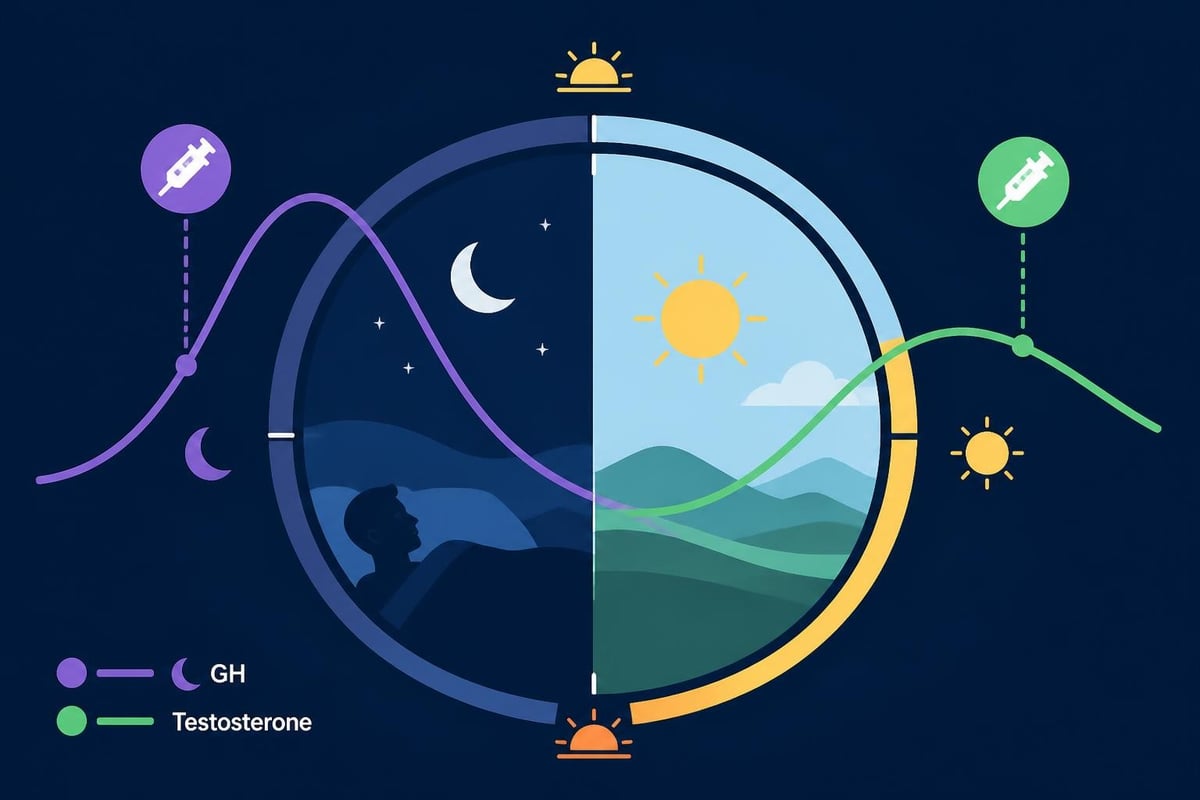
Natural hormone secretion follows circadian rhythms and pulsatile patterns. Testosterone levels peak in the early morning hours and gradually decline throughout the day. Peptides that preserve these natural rhythms tend to produce more sustainable results compared to continuous hormone exposure.
Dosing protocols for peptides typically account for these patterns:
- Morning administration to align with natural testosterone peaks
- Pre-sleep dosing for GH secretagogues to enhance nocturnal GH pulses
- Multiple small doses throughout the day to maintain steady stimulation
- Cycling protocols to prevent receptor downregulation
The peptide calculator offered by specialized providers can help individuals determine appropriate reconstitution and dosing strategies based on concentration and body weight.
Benefits Beyond Testosterone Elevation
While the primary focus of peptides for testosterone centers on hormone optimization, the systemic effects extend to multiple aspects of health and performance. These compounds influence metabolic pathways, recovery mechanisms, and cellular function in ways that support overall vitality.
Body Composition and Metabolic Health
Improved testosterone levels correlate strongly with favorable body composition changes. Higher testosterone supports increased muscle protein synthesis, enhanced lipolysis, and better insulin sensitivity. When combined with the metabolic benefits of growth hormone elevation, peptides create an anabolic environment conducive to lean mass development.
Men's health statistics from the CDC indicate increasing rates of metabolic syndrome and obesity, conditions that both contribute to and result from low testosterone levels. Addressing hormonal deficiencies through peptide interventions may help break this cycle.
Recovery and Performance Enhancement
Athletes and fitness enthusiasts often explore peptides for their recovery-enhancing properties. Testosterone influences muscle repair, reduces exercise-induced inflammation, and accelerates adaptation to training stress. Enhanced recovery capacity allows for increased training volume and intensity, leading to superior performance outcomes.
The connection between tissue repair and hormone optimization becomes particularly relevant for individuals recovering from injuries or managing chronic inflammatory conditions. Many peptides used in the broader category of regenerative medicine also influence hormonal pathways.
Cognitive Function and Mood Regulation
Testosterone receptors exist throughout the brain, particularly in regions governing cognition, mood, and motivation. Low testosterone has been associated with:
- Reduced cognitive processing speed
- Impaired spatial reasoning
- Decreased motivation and drive
- Increased risk of depressive symptoms
- Lower overall sense of well-being
By supporting healthy testosterone levels, peptides may contribute to improved mental clarity, emotional stability, and overall quality of life.
Protocol Design and Administration Considerations
Effective use of peptides for testosterone requires thoughtful protocol design that accounts for individual physiology, goals, and existing hormone status. Baseline hormone testing provides essential information for establishing starting points and monitoring progress.
Assessment and Monitoring
Comprehensive hormone panels should include:
- Total testosterone
- Free testosterone
- Sex hormone-binding globulin (SHBG)
- Luteinizing hormone (LH)
- Follicle-stimulating hormone (FSH)
- Estradiol
- Prolactin
- Thyroid function markers
These values establish baseline function and help identify the root causes of hormonal imbalance. Regular monitoring ensures protocols remain effective and safe as the body responds to intervention.
Dosing Strategies and Timing
Peptide protocols vary significantly based on the specific compounds used. HCG, for example, typically requires administration 2-3 times per week, with doses ranging from 250 to 500 IU per injection. Growth hormone secretagogues often use daily or multiple-daily dosing to maintain consistent stimulation.
| Protocol Component | Consideration | Implementation |
|---|---|---|
| Baseline testing | Pre-protocol hormones | Comprehensive panel |
| Initial dosing | Conservative start | 50-75% of target dose |
| Titration period | 4-6 weeks | Gradual increases based on response |
| Monitoring frequency | Every 6-8 weeks | Adjust based on lab values |
| Cycling strategy | On/off periods | Prevent desensitization |
Proper reconstitution and storage represent critical factors in peptide efficacy. Most peptides require refrigeration and use within specific timeframes after reconstitution with bacteriostatic water.
Synergistic Approaches and Combination Protocols
Many practitioners advocate for combining multiple peptides to address testosterone optimization from different angles simultaneously. This multifaceted approach can produce superior results compared to single-compound protocols.
Supporting Compounds and Lifestyle Factors
Peptides work most effectively when integrated into a comprehensive optimization strategy. Nutritional interventions that support hormone production include adequate dietary fat intake, sufficient protein consumption, and micronutrient optimization.
Key nutrients for testosterone synthesis:
- Zinc: Essential cofactor for testosterone production
- Vitamin D: Functions as a steroid hormone precursor
- Magnesium: Influences free testosterone availability
- Vitamin K2: Supports overall hormonal balance
Sleep quality represents another critical factor, with research consistently demonstrating the relationship between sleep duration, sleep quality, and testosterone levels. Most testosterone is produced during deep sleep phases, making adequate rest non-negotiable for hormone optimization.
Integration with Recovery Peptides
Some individuals combine testosterone-focused peptides with compounds that support tissue repair and recovery. While this article focuses specifically on peptides for testosterone, the BPC-157 / TB-500 Blend offers complementary benefits that may enhance overall protocol effectiveness through improved recovery capacity and reduced systemic inflammation.
Safety Considerations and Potential Side Effects
While peptides for testosterone offer advantages over traditional hormone replacement, they are not without potential risks and side effects. Understanding these considerations allows for informed decision-making and appropriate risk management.
Common Side Effects and Management
HCG can potentially cause:
- Estradiol elevation due to increased aromatization
- Water retention and bloating
- Acne or skin changes
- Testicular sensitivity or discomfort
Growth hormone secretagogues may produce:
- Increased hunger (particularly with ghrelin receptor agonists)
- Water retention
- Numbness or tingling in extremities
- Potential impact on blood glucose regulation
Monitoring and dose adjustment typically mitigate these effects. Working with knowledgeable healthcare providers ensures appropriate management of any adverse reactions.
Contraindications and Special Populations
Certain conditions warrant caution or contraindicate peptide use entirely. Active cancer, particularly hormone-sensitive malignancies, represents an absolute contraindication for compounds that increase testosterone or growth hormone. Men with elevated PSA levels or diagnosed prostate conditions require careful evaluation before initiating protocols.
Individuals with diabetes or prediabetes need close monitoring due to potential effects on insulin sensitivity and glucose metabolism, particularly with GH-influencing peptides.
Quality and Sourcing Considerations
The efficacy and safety of peptides for testosterone depend heavily on product quality and purity. The peptide industry includes providers with varying quality control standards, making source selection a critical decision point.
Purity Standards and Testing
High-quality peptide providers implement rigorous testing protocols including:
- High-performance liquid chromatography (HPLC) for purity verification
- Mass spectrometry for molecular weight confirmation
- Sterility testing to ensure absence of bacterial contamination
- Endotoxin testing to verify safety for injection
Reputable suppliers provide certificates of analysis (COAs) documenting these test results. Soma Peptide ensures the highest purity and efficacy through advanced purification methods and stringent quality control standards, representing the type of commitment necessary for therapeutic-grade compounds.
Reconstitution and Storage Best Practices
Proper handling maintains peptide integrity from receipt through administration:
- Store lyophilized peptides in the freezer until use
- Use only bacteriostatic water for reconstitution
- Inject bacteriostatic water slowly down the side of the vial
- Never shake; swirl gently to dissolve
- Store reconstituted peptides in the refrigerator
- Use within manufacturer-specified timeframes
These protocols prevent degradation and ensure consistent potency across the treatment period.
Future Directions in Peptide-Based Hormone Optimization
Research into peptides for testosterone continues to evolve, with ongoing studies exploring novel compounds and applications. The field is moving toward increasingly precise interventions that target specific aspects of the hormone production cascade.
Personalized medicine approaches using genetic testing and advanced hormone profiling may soon allow for customized peptide protocols tailored to individual receptor sensitivities and metabolic characteristics. This precision approach promises to maximize benefits while minimizing potential adverse effects.
The integration of peptide therapy with other emerging interventions, including senolytic compounds and metabolic optimizers, represents another frontier in comprehensive anti-aging and performance medicine. As our understanding of cellular signaling deepens, the ability to fine-tune multiple pathways simultaneously will likely produce synergistic effects beyond what single interventions can achieve.
Peptides for testosterone offer a scientifically grounded approach to supporting natural hormone production through multiple mechanisms, from direct testicular stimulation to growth hormone pathway activation. When implemented with appropriate monitoring, quality compounds, and comprehensive lifestyle optimization, these interventions can help restore and maintain healthy testosterone levels throughout the aging process. Soma Peptide provides premium quality peptides with verified purity and potency, supporting your journey toward optimal hormonal health and enhanced vitality with the highest standards in the industry.