


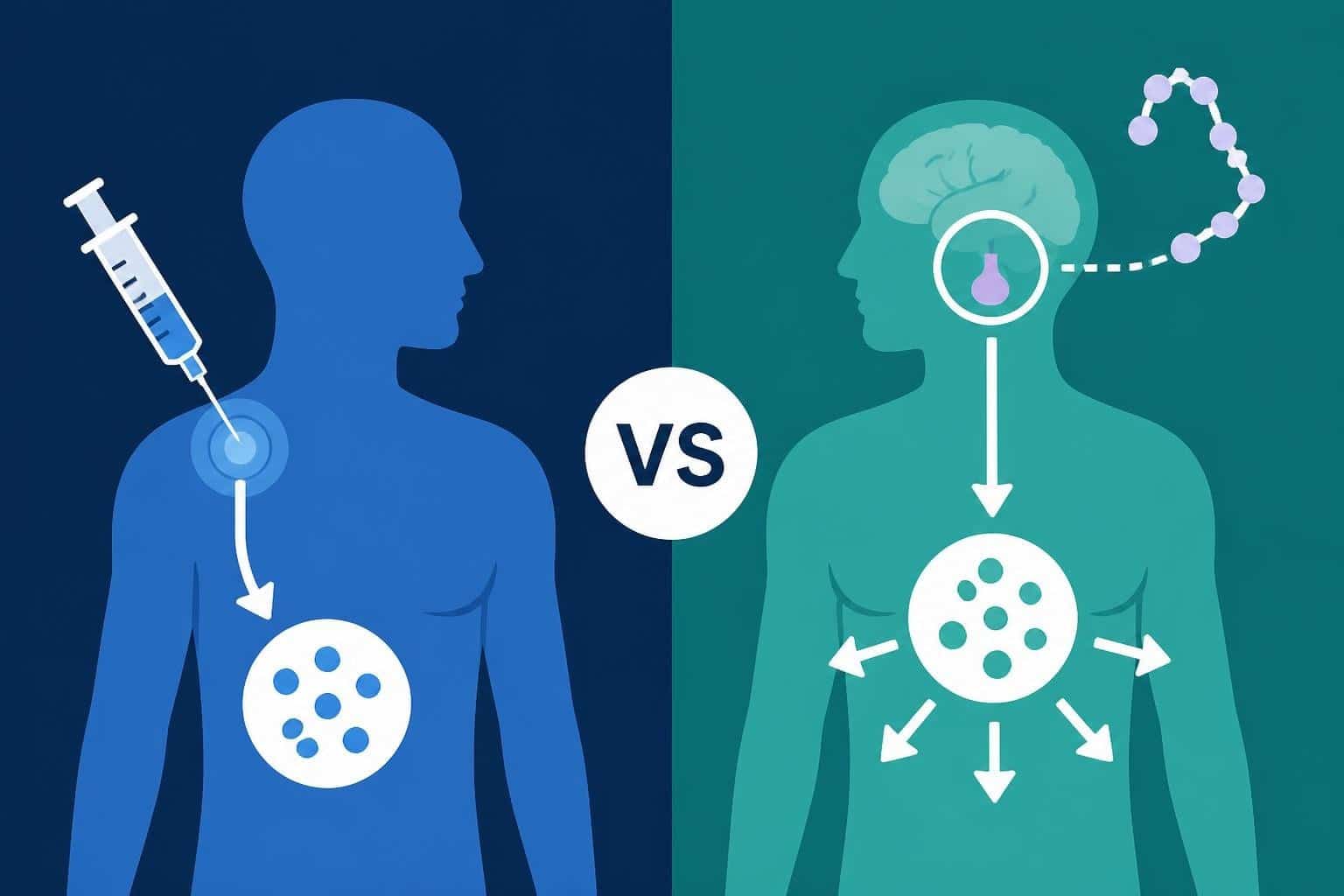
Growth hormone optimization has become a focal point in regenerative medicine, athletic performance, and longevity research. While synthetic human growth hormone (HGH) has been available for decades, a newer approach using hgh peptide therapy offers a more physiological method of enhancing growth hormone levels. This therapeutic strategy leverages specialized peptides that stimulate the body's natural production of growth hormone rather than introducing exogenous hormones directly. The distinction matters significantly for safety, efficacy, and regulatory compliance.
Understanding HGH Peptide Therapy Mechanisms
HGH peptide therapy works by activating the pituitary gland to release its own stores of growth hormone. Unlike direct HGH injections, peptide-based approaches utilize growth hormone secretagogues (GHS) that bind to specific receptors in the hypothalamus and pituitary.
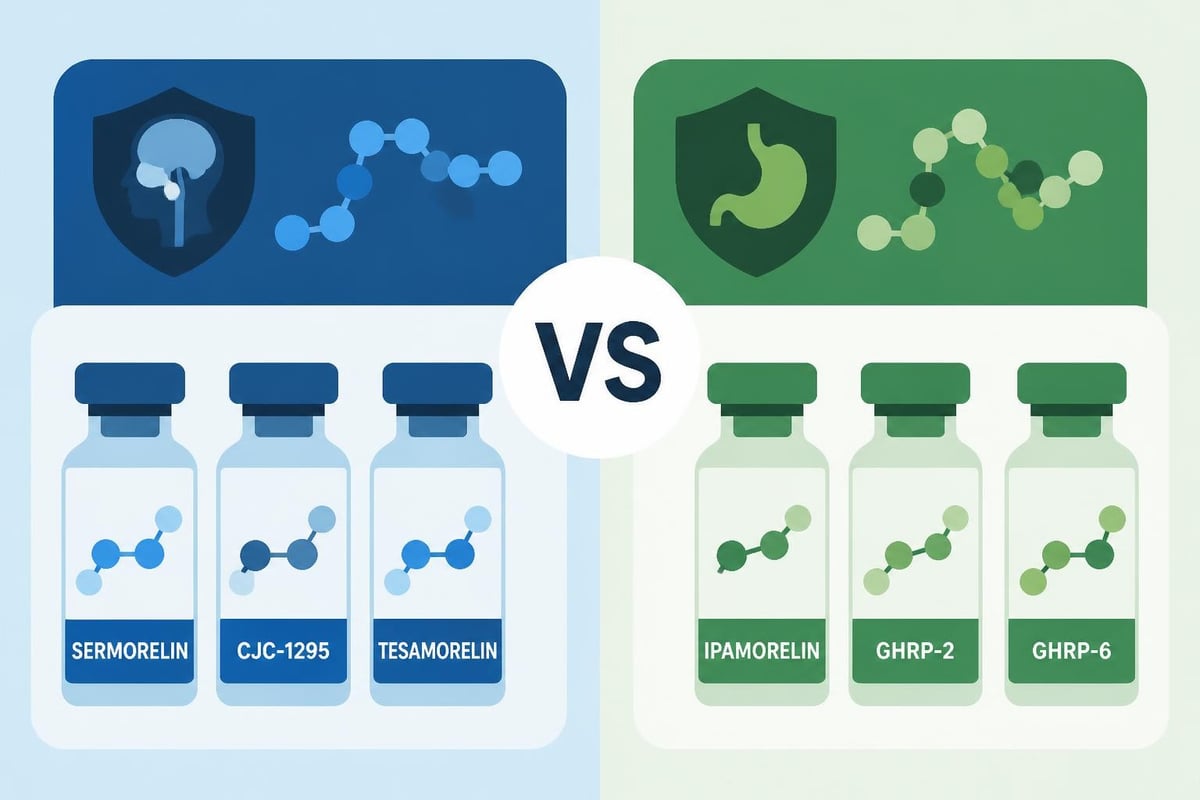
These peptides fall into two primary categories: growth hormone releasing hormones (GHRH) and growth hormone releasing peptides (GHRP). GHRH analogs stimulate the growth hormone releasing hormone receptor, while GHRPs activate the ghrelin receptor, also known as the growth hormone secretagogue receptor.
The synergistic effect of combining both categories creates a more robust and sustained growth hormone pulse compared to using either type alone. This combination approach mimics the body's natural pulsatile secretion pattern more closely than continuous HGH administration.
Common Peptides Used in Growth Hormone Therapy
Several peptides have gained prominence in clinical and research settings for their growth hormone stimulating properties:
- Sermorelin: A GHRH analog comprising the first 29 amino acids of the full GHRH molecule, providing targeted pituitary stimulation
- CJC-1295: Available in modified (with DAC) and unmodified (without DAC) forms, offering different half-lives and dosing schedules
- Ipamorelin: A selective GHRP that minimizes unwanted effects on cortisol and prolactin
- Tesamorelin: FDA-approved specifically for HIV-associated lipodystrophy, demonstrating clinical validation
- GHRP-2 and GHRP-6: Earlier generation GHRPs with broader receptor activation profiles
According to the Peptide Association’s comprehensive guide, sermorelin remains one of the most studied GHRH analogs, with established protocols for both therapeutic and performance applications.
Clinical Applications and Therapeutic Benefits
The applications of hgh peptide therapy extend across multiple medical and performance domains. Clinical research has documented benefits in body composition, metabolic function, recovery capacity, and age-related decline.
Body Composition and Metabolic Enhancement
Growth hormone plays a central role in regulating body composition through multiple pathways. It promotes lipolysis (fat breakdown) while simultaneously supporting protein synthesis and muscle preservation.
Studies have shown that peptide-based growth hormone enhancement can lead to:
- Reduction in visceral adipose tissue
- Increased lean body mass
- Improved insulin sensitivity
- Enhanced metabolic rate
- Better glucose utilization
WebMD’s analysis of HGH for weight loss highlights both the potential benefits and the importance of medical supervision when pursuing growth hormone optimization for metabolic purposes.
| Metabolic Outcome | Direct HGH | Peptide Therapy | Natural Baseline |
|---|---|---|---|
| Fat Mass Reduction | High | Moderate-High | Low |
| Lean Mass Gain | High | Moderate | Low |
| Insulin Sensitivity | Variable | Improved | Baseline |
| Cost per Month | $500-1500 | $150-400 | $0 |
| Regulation | Strict Rx | Varies by Jurisdiction | N/A |
Recovery and Tissue Repair
Beyond metabolic benefits, growth hormone significantly influences tissue repair, collagen synthesis, and recovery from physical stress. Athletes and active individuals often pursue hgh peptide therapy to accelerate recovery between training sessions and enhance adaptation to exercise.
The mechanisms include enhanced protein synthesis in muscle tissue, improved collagen production in connective tissues, and better sleep quality through optimization of sleep architecture. Deep sleep stages coincide with natural growth hormone pulses, creating a reinforcing cycle.

Dosing Protocols and Administration
Proper administration of hgh peptide therapy requires understanding optimal timing, dosing ranges, and combination strategies. Most protocols involve subcutaneous injection, typically administered in the evening to align with natural circadian rhythms.
Standard Dosing Guidelines
For GHRH analogs like sermorelin or CJC-1295 (no DAC):
- Starting dose: 100-200 mcg per injection
- Frequency: Once daily, typically before bed
- Titration: Gradual increases based on response and tolerability
- Duration: Cycles of 3-6 months with periodic assessment
For GHRP peptides like ipamorelin:
- Starting dose: 200-300 mcg per injection
- Frequency: 1-3 times daily for optimal pulsatile stimulation
- Timing: Before meals or bed to avoid interference from elevated glucose or insulin
- Combination: Often paired with GHRH analogs for synergistic effect
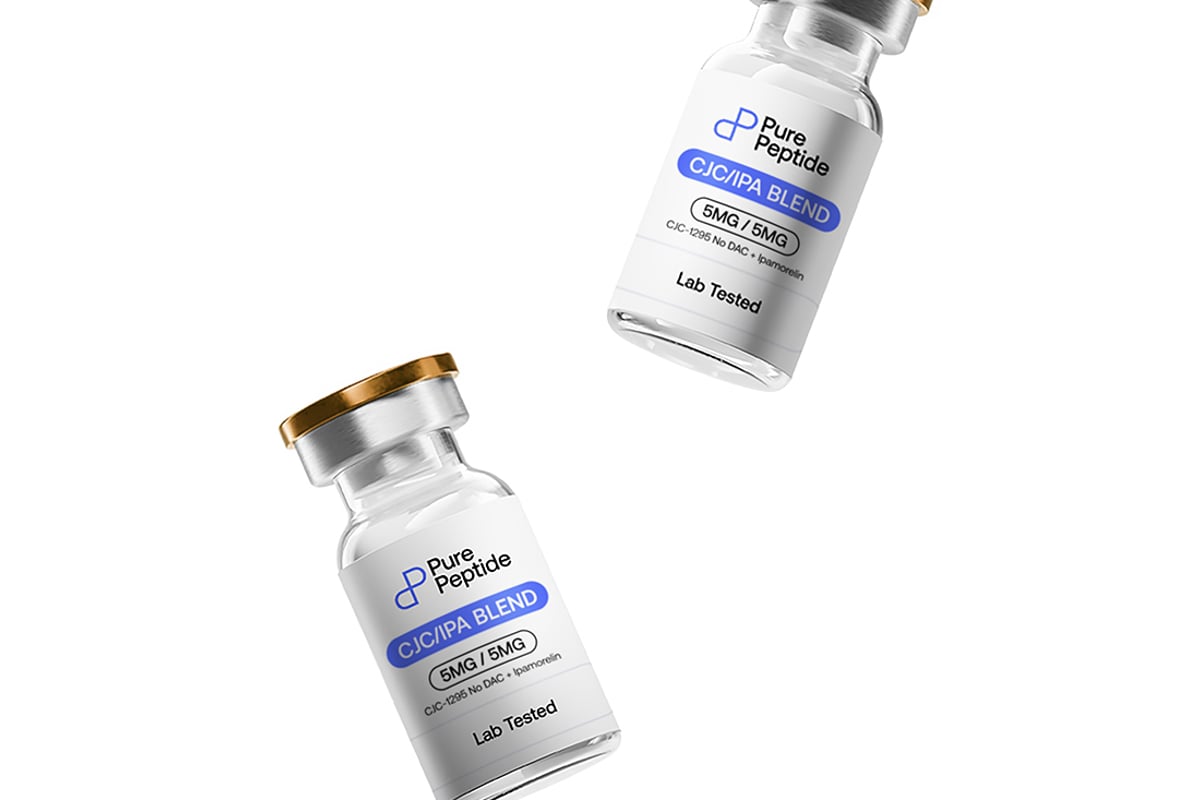
The CJC-1295 No DAC / Ipamorelin Blend represents a popular combination approach, leveraging complementary mechanisms to create more pronounced growth hormone elevation while maintaining natural pulsatile patterns. This synergistic pairing allows for lower doses of each compound while potentially achieving superior results compared to either peptide used alone.
Advanced Combination Strategies
Experienced practitioners often employ sophisticated protocols combining multiple peptides to target different pathways simultaneously. These might include:
- Morning dose of GHRP for metabolic activation
- Evening dose combining GHRH and GHRP for growth hormone pulse
- Addition of other supportive peptides for specific goals
Timing relative to meals, exercise, and sleep significantly impacts effectiveness. Most protocols emphasize administration on an empty stomach to minimize interference from elevated insulin and glucose.
Safety Considerations and Side Effects
While hgh peptide therapy generally demonstrates a favorable safety profile compared to direct HGH administration, potential side effects and contraindications require careful consideration. Research on growth hormone secretagogue safety provides valuable insights into risk assessment.
Common Side Effects
Most individuals tolerate peptide therapy well, but some experience mild adverse effects:
- Water retention and temporary edema
- Injection site reactions (redness, swelling)
- Increased hunger with certain GHRPs
- Temporary fatigue during initial adaptation
- Numbness or tingling in extremities
These effects typically diminish with continued use or dose adjustment. Starting with conservative doses and gradually titrating upward minimizes adverse reactions.
Contraindications and Precautions
Certain conditions warrant caution or exclusion from hgh peptide therapy:
- Active malignancy or cancer history
- Uncontrolled diabetes
- Severe retinopathy
- Pregnancy or breastfeeding
- Acute critical illness
The theoretical concern about growth hormone promoting cancer cell proliferation necessitates thorough screening and ongoing monitoring. However, physiological enhancement of natural growth hormone differs significantly from supraphysiological HGH dosing.
| Risk Factor | Direct HGH | Peptide Therapy | Mitigation Strategy |
|---|---|---|---|
| Insulin Resistance | Moderate-High | Low-Moderate | Monitor glucose, adjust dose |
| Cancer Promotion | Theoretical Risk | Theoretical Risk | Pre-treatment screening |
| Edema | Common | Less Common | Reduce sodium, adjust dose |
| Joint Pain | Common | Uncommon | Conservative dosing |
| Pituitary Suppression | Yes | Minimal | Cycling protocols |
Comparing HGH Peptide Therapy to Direct HGH
Understanding the differences between peptide-based approaches and direct growth hormone administration helps inform treatment selection. Each approach offers distinct advantages and limitations.
Direct HGH provides predictable, measurable increases in circulating growth hormone levels. It bypasses the pituitary entirely, delivering exogenous hormone regardless of natural production capacity. This approach works reliably but carries higher costs, stricter regulations, and potentially greater side effects.
HGH peptide therapy preserves natural feedback mechanisms. The pituitary responds to peptide stimulation but can modulate its response based on existing hormone levels and physiological needs. This self-regulating aspect reduces the risk of excessive hormone elevation.
Regulatory and Practical Differences
From a regulatory standpoint, direct HGH requires a prescription for approved indications such as growth hormone deficiency. Off-label use for anti-aging or performance enhancement exists but operates in a legal gray area.
Peptide regulations vary more by jurisdiction and specific compound. Some peptides have FDA approval for specific conditions, while others exist primarily in research or gray-market contexts. Understanding local regulations and working with qualified medical professionals ensures compliance and safety.
Cost represents another significant differentiator. Direct HGH therapy typically costs $500-1500 monthly, while peptide approaches often range from $150-400 monthly for comparable protocols.
Evidence and Research Status in 2026
The scientific foundation for hgh peptide therapy continues evolving. Current evidence on peptide HGH demonstrates both established benefits and areas requiring further investigation.
Robust evidence supports peptide therapy for:
- HIV-associated lipodystrophy (tesamorelin FDA-approved)
- Growth hormone deficiency in adults
- Age-related growth hormone decline
- Body composition optimization in metabolic syndrome
Emerging evidence suggests benefits for:
- Cognitive function and neuroprotection
- Cardiovascular health markers
- Bone density maintenance
- Skin quality and wound healing
Many studies remain limited by small sample sizes, short duration, or lack of placebo controls. The field would benefit from larger, longer-term randomized controlled trials examining diverse populations and outcome measures.
Quality and Purity Considerations
The therapeutic efficacy and safety of hgh peptide therapy depend critically on peptide quality. Purity levels, proper storage, and accurate dosing all influence outcomes. Soma Peptide emphasizes advanced purification methods and stringent quality control to ensure consistent potency and minimal contamination.
Third-party testing, certificates of analysis, and transparent sourcing help distinguish premium peptides from inferior products. Impurities or degraded peptides may produce unpredictable effects or diminished benefits.
Integration with Comprehensive Health Optimization
HGH peptide therapy works most effectively as part of a broader health optimization strategy. Nutrition, exercise, sleep, and stress management all influence growth hormone production and responsiveness.
Nutritional Foundations
Protein intake supports the anabolic effects of enhanced growth hormone. Adequate essential amino acids provide building blocks for tissue synthesis and repair. Most protocols recommend 1.2-2.0 grams of protein per kilogram of body weight daily.
Micronutrients including zinc, magnesium, and vitamin D influence growth hormone production and signaling. Deficiencies in these nutrients may limit therapeutic response.
Meal timing relative to peptide administration matters significantly. High carbohydrate or high-fat meals elevate insulin and glucose, potentially blunting growth hormone response to peptide stimulation.
Exercise Synergy
Resistance training and high-intensity interval training naturally stimulate growth hormone release. When combined with peptide therapy, exercise may create additive or synergistic effects.
Strategic timing of peptide administration relative to training sessions can enhance recovery and adaptation. Many practitioners recommend post-workout dosing to support muscle protein synthesis during the recovery window.
The muscle growth peptide category encompasses various compounds that complement growth hormone optimization for those focused on lean mass development and athletic performance.
Sleep Optimization
Growth hormone naturally pulses during deep sleep stages. Sleep quality and quantity directly influence endogenous production. Poor sleep undermines both natural production and therapeutic responses.
Optimizing sleep involves:
- Consistent sleep-wake schedules
- Dark, cool sleeping environments
- Limiting blue light exposure before bed
- Managing stress and cortisol levels
- Addressing sleep disorders like apnea
Some individuals report improved sleep quality when using hgh peptide therapy, creating a positive feedback loop of better sleep leading to enhanced growth hormone production.
Monitoring and Optimization Strategies
Effective hgh peptide therapy requires ongoing monitoring and protocol adjustment based on objective markers and subjective responses. Comprehensive resources on HGH therapy emphasize individualized approaches.
Key Biomarkers to Track
Regular assessment should include:
- IGF-1 levels: The primary downstream mediator of growth hormone action
- Fasting glucose and HbA1c: Monitoring metabolic effects
- Lipid panel: Tracking cardiovascular markers
- Body composition: DEXA scans or bioimpedance analysis
- Thyroid function: Growth hormone influences thyroid metabolism
IGF-1 serves as the most practical marker for growth hormone activity. Unlike growth hormone itself, which pulses throughout the day, IGF-1 remains relatively stable, making it easier to measure and interpret.
Target IGF-1 levels typically fall in the upper-normal range for age, generally 250-350 ng/mL for adults. Excessive elevation beyond normal ranges may increase risk without proportional benefits.
Subjective Response Indicators
Beyond laboratory values, monitoring subjective responses helps optimize protocols:
- Energy levels and vitality
- Recovery time between workouts
- Sleep quality and architecture
- Mood and cognitive clarity
- Skin quality and appearance
- Joint comfort and mobility
Keeping a detailed log helps identify patterns and correlate responses with protocol adjustments. Some individuals respond dramatically to conservative doses, while others require higher amounts for noticeable effects.
Long-Term Considerations and Cycling
While short-term peptide therapy appears generally safe, long-term continuous use raises questions about sustainability and potential downregulation. Many practitioners recommend cycling protocols with periodic breaks.
Cycling Strategies
Common approaches include:
- 3 months on, 1 month off: Allows periodic reset while maintaining benefits
- 5 days on, 2 days off weekly: Prevents receptor desensitization
- 6 months on, 2 months off: Longer cycles with substantial breaks
- Continuous with dose reduction: Maintenance dosing after initial optimization
The optimal cycling strategy likely varies by individual goals, age, baseline hormone status, and specific peptides used. Monitoring biomarkers helps guide cycling decisions.
During off periods, many individuals maintain improvements in body composition and metabolic markers, suggesting lasting adaptive changes beyond acute hormone elevation.
Sustainability and Lifestyle Integration
For hgh peptide therapy to provide lasting benefits, it must integrate sustainably into daily life. Injection protocols require commitment and consistency. Travel, schedule disruptions, and lifestyle changes can complicate adherence.
Simplified protocols using longer-acting peptides or less frequent dosing may improve sustainability for some individuals. Others find daily rituals create accountability and structure.
Cost considerations also influence long-term sustainability. While more affordable than direct HGH, ongoing peptide therapy still represents a significant investment. Balancing therapeutic goals with financial reality ensures protocols remain practical over extended periods.
HGH peptide therapy represents a sophisticated approach to growth hormone optimization that respects physiological feedback mechanisms while delivering measurable benefits for body composition, recovery, and metabolic health. Success requires quality peptides, appropriate protocols, comprehensive monitoring, and integration with foundational health practices. If you're ready to explore peptide therapy with premium-quality compounds backed by rigorous testing and purity standards, Soma Peptide provides the research-grade peptides and expert guidance to support your health optimization journey.