







Research peptides have emerged as one of the most investigated classes of biomolecules in modern science, drawing attention from laboratories worldwide for their diverse applications in tissue repair, metabolic regulation, and cellular regeneration. These short chains of amino acids, typically containing between 2 and 50 amino acid residues, function as signaling molecules that influence specific biological pathways with remarkable precision. As the scientific community continues to explore their mechanisms and potential, understanding the fundamentals of research peptides becomes essential for researchers, practitioners, and health-focused individuals seeking evidence-based approaches to recovery, performance, and longevity.
Understanding the Biochemistry of Research Peptides
Research peptides represent a distinct class of biomolecules positioned between individual amino acids and full proteins. Their intermediate size grants them unique properties: small enough to demonstrate excellent bioavailability and tissue penetration, yet complex enough to exhibit highly specific receptor interactions and biological effects.
Structural Classification and Function
The structure of a peptide determines its function, stability, and target specificity. Linear peptides consist of amino acids connected in a single chain, while cyclic peptides form ring structures that often demonstrate enhanced stability and resistance to enzymatic degradation. These structural variations influence half-life, receptor affinity, and ultimately the compound's efficacy in various applications.
Key structural categories include:
- Short-chain peptides (2-10 amino acids): Rapid absorption, targeted signaling
- Medium-chain peptides (11-30 amino acids): Balanced stability and bioactivity
- Long-chain peptides (31-50 amino acids): Complex interactions, sustained effects
Research peptides interact with specific cellular receptors, triggering cascades of biochemical events. For instance, growth hormone secretagogues bind to ghrelin receptors in the pituitary gland, prompting controlled release of endogenous growth hormone. This targeted mechanism distinguishes peptides from broader-spectrum compounds, enabling researchers to study specific pathways with minimal off-target effects.

Quality Standards and Purity Verification
The efficacy and safety of research peptides depend entirely on manufacturing quality and purity standards. In 2026, sophisticated analytical methods have become the industry standard for verification, with reputable suppliers implementing multiple layers of quality control throughout the production process.
Analytical Testing Methods
Modern peptide synthesis employs solid-phase peptide synthesis (SPPS) or liquid-phase techniques, followed by extensive purification through high-performance liquid chromatography (HPLC). The purity level achieved through these processes directly impacts the compound's performance and consistency.
| Testing Method | Purpose | Standard Threshold |
|---|---|---|
| HPLC Analysis | Purity verification | ≥98% for research grade |
| Mass Spectrometry | Molecular weight confirmation | ±0.1% accuracy |
| Amino Acid Analysis | Sequence verification | 100% sequence match |
| Endotoxin Testing | Contamination screening | <1.0 EU/mg |
Third-party verification has become increasingly important in the research peptide industry. Independent laboratories provide certificates of analysis (COA) that confirm composition, purity, and the absence of contaminants. Researchers should prioritize suppliers who provide batch-specific documentation and maintain transparent quality assurance protocols, such as those found in certificate of analysis programs.
Storage and Stability Considerations
Research peptides demonstrate varying stability profiles depending on their structure and formulation. Lyophilized (freeze-dried) peptides typically remain stable for extended periods when stored at appropriate temperatures, generally between 2-8°C for short-term storage and -20°C or colder for long-term preservation.
Once reconstituted, peptide solutions require refrigeration and should be used within timeframes specified by the manufacturer, often ranging from several days to a few weeks. Bacteriostatic water, containing 0.9% benzyl alcohol as a preservative, extends the viability of reconstituted solutions compared to sterile water alone.
Primary Applications in Research Settings
Research peptides serve diverse functions across multiple domains of scientific investigation. Their applications span tissue repair, metabolic regulation, immune modulation, and cellular rejuvenation, with each category encompassing specific compounds studied for distinct mechanisms and outcomes.
Tissue Repair and Recovery Compounds
Several research peptides have garnered substantial attention for their role in accelerating tissue healing and reducing recovery time following injury or physical stress. These compounds work through multiple pathways, including enhanced angiogenesis, reduced inflammation, and improved collagen synthesis.
The body defense peptide class includes compounds that support the natural healing response across various tissue types, from musculoskeletal structures to the gastrointestinal lining. Researchers investigating recovery applications often focus on these peptides for their broad-spectrum effects on tissue regeneration.
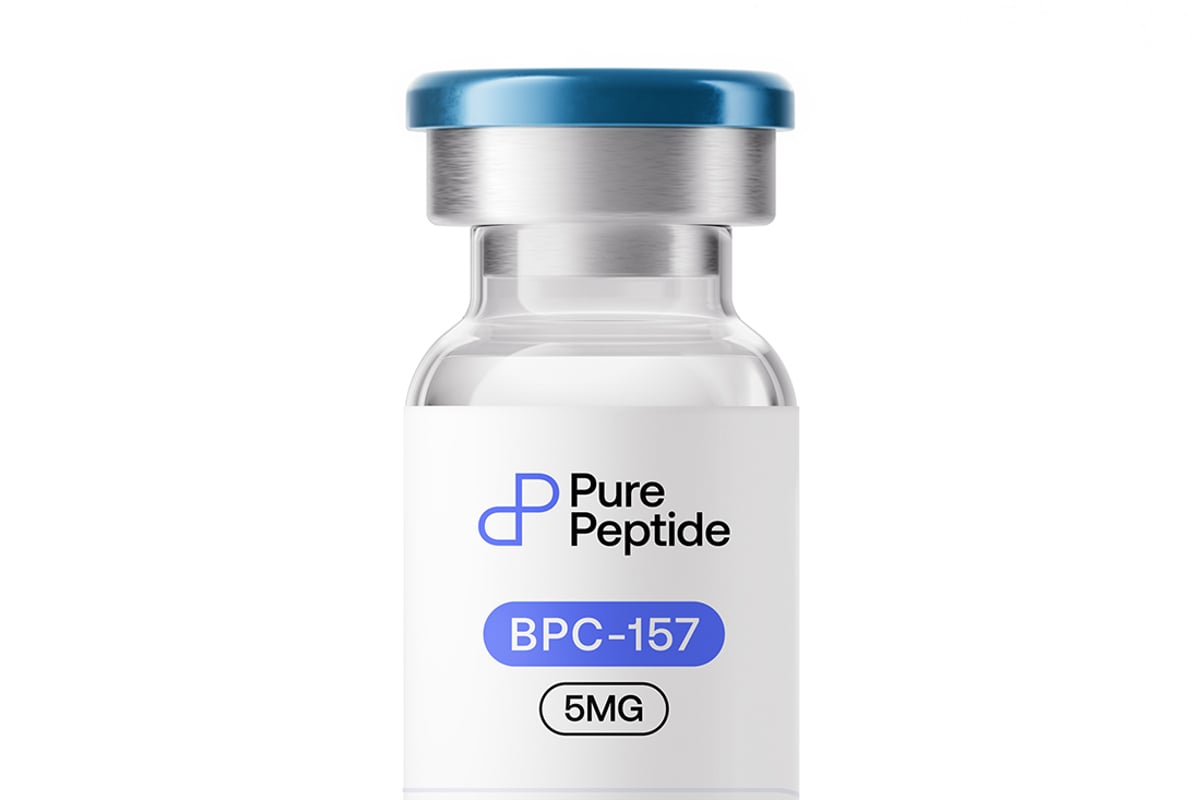
BPC-157 stands out among tissue repair compounds for its well-documented effects on accelerating healing across muscles, tendons, ligaments, and the digestive system. Studies suggest it promotes angiogenesis (blood vessel formation) in damaged tissue and helps modulate inflammatory responses, contributing to faster recovery times and improved tissue integrity.
Growth Hormone Secretagogues
Growth hormone releasing peptides (GHRPs) and growth hormone releasing hormone (GHRH) analogs represent a significant category within research peptides. These compounds stimulate the body's natural production and release of growth hormone rather than introducing exogenous hormone directly.
Mechanism distinctions:
- GHRP compounds bind to ghrelin receptors (GHS-R1a)
- GHRH analogs stimulate somatotroph cells in the anterior pituitary
- Combined protocols leverage synergistic effects between both classes
This approach offers researchers the ability to study pulsatile growth hormone patterns that more closely mimic natural physiological rhythms. The temporal dynamics of GH release influence downstream effects on tissue growth, metabolic function, and body composition differently than sustained elevation from exogenous sources.
Metabolic and Body Composition Research
The metabolic category of research peptides includes compounds that influence glucose regulation, fat oxidization, insulin sensitivity, and overall energy expenditure. These biomolecules activate specific receptor systems that govern metabolic homeostasis and substrate utilization.
Recent advances in multi-receptor agonists have expanded research possibilities in metabolic health. Triple agonist peptides that simultaneously activate GLP-1, GIP, and glucagon receptors demonstrate enhanced effects on fat mass reduction compared to earlier single-pathway compounds. This represents a significant evolution in metabolic research peptide development, with studies showing substantial improvements in body composition markers.
Researchers exploring weight loss applications find these metabolic peptides valuable for investigating the complex interplay between hormone signaling, energy balance, and adipose tissue regulation.
Safety Protocols and Responsible Research Practices
The investigation of research peptides requires adherence to rigorous safety protocols and ethical standards. These compounds are intended exclusively for laboratory research purposes, and their handling demands proper training, equipment, and documentation.
Laboratory Safety Requirements
Proper handling of research peptides begins with appropriate storage facilities, accurate measurement equipment, and sterile technique protocols. Research environments should maintain controlled temperature conditions, utilize certified analytical balances for precise measurement, and implement contamination prevention measures throughout all procedures.
Essential safety equipment includes:
- Refrigeration units with temperature monitoring (2-8°C range)
- Freezer storage for long-term preservation (-20°C or -80°C)
- Sterile reconstitution supplies and aseptic technique materials
- Accurate micropipettes and measurement tools (±1% precision)
- Personal protective equipment appropriate for laboratory work
Documentation practices form a critical component of responsible research. Detailed records of peptide source, lot numbers, reconstitution dates, storage conditions, and experimental protocols enable reproducibility and quality tracking. Many research institutions require standard operating procedures (SOPs) that specify exact protocols for peptide handling, storage rotation, and disposal.
Dosing Calculations and Concentration Management
Accurate dosing represents a fundamental aspect of peptide research. Most research peptides arrive in lyophilized form with specified mass (typically measured in milligrams), requiring reconstitution with bacteriostatic water or sterile water to achieve desired concentrations.
The calculation process involves determining the total peptide mass, selecting an appropriate reconstitution volume, and calculating the resulting concentration. Tools like a peptide calculator streamline this process, reducing calculation errors and ensuring precision in experimental protocols.

Regulatory Landscape and Compliance Considerations
The regulatory environment surrounding research peptides continues to evolve as scientific understanding advances and applications expand. In the United States, the Food and Drug Administration (FDA) maintains oversight of peptide compounds, with specific regulations governing their sale, distribution, and intended use.
Current Regulatory Framework
Research peptides fall into a complex regulatory category. While certain peptides have received FDA approval for specific medical indications, the majority remain classified as research-use compounds not approved for human consumption. The FDA has issued guidance documents clarifying that research peptides should be used exclusively in laboratory settings by qualified researchers.
The 503A and 503B compounding regulations have particular relevance for peptide availability. Recent FDA actions have impacted which peptides can be compounded by pharmacies, creating ongoing changes in the regulatory landscape. Independent databases like PeptideKnow track these regulatory updates, including compounding rules and FDA decisions affecting specific compounds.
International regulations vary significantly across jurisdictions. While some countries classify certain peptides as prescription medications, others maintain less restrictive frameworks for research compounds. Researchers must verify compliance with local and national regulations governing acquisition, storage, and use of peptide compounds.
Quality Oversight and Industry Standards
In the absence of universal manufacturing standards for research-use peptides, third-party verification systems have emerged to provide quality assurance. Platforms like PeptiNox offer independent verification of peptide vendors, establishing rigorous standards for supplier evaluation and transparency.
Reputable suppliers implement Good Manufacturing Practice (GMP) standards even when not legally required, demonstrating commitment to consistent quality and contamination control. These practices include environmental monitoring, equipment calibration, personnel training, and comprehensive batch testing protocols.
Evidence-Based Information Resources
The rapid expansion of peptide research has created both opportunities and challenges for accessing accurate, unbiased information. Several independent platforms have emerged to address this need, consolidating peer-reviewed research and providing structured compound profiles free from commercial bias.
Comprehensive Research Databases
Multiple evidence-based resources now serve researchers seeking authoritative information on peptide mechanisms, safety profiles, and published research findings:
ExaminePeptides offers summaries of research, safety signals, mechanisms, and legal status for over 117 peptides, providing a consolidated resource for understanding various compounds.
PepGuide functions as an open-access encyclopedia documenting 365 peptides with over 1,600 peer-reviewed citations, ensuring all claims link directly to primary sources.
PeptideIntel grounds each compound profile in peer-reviewed research from authoritative sources including NIH, PubMed, and FDA filings, emphasizing evidence-based information.
| Resource | Compounds Covered | Citation Standard | Special Features |
|---|---|---|---|
| ExaminePeptides | 117+ | Research summaries | Legal status tracking |
| PepGuide | 365+ | 1,600+ peer-reviewed | Open-access model |
| PeptideIntel | Extensive | NIH/PubMed/FDA | Evidence hierarchy |
| PeptideStat | 190+ | Evidence-led guides | Practical calculators |
Academic and Institutional Research
Beyond consolidated databases, primary research published in peer-reviewed journals provides the foundation for understanding peptide mechanisms and applications. Journals focusing on endocrinology, biochemistry, pharmacology, and sports medicine regularly publish studies investigating peptide compounds.
The Peptide Science Institute assigns evidence levels using a published framework and tracks FDA regulatory status, helping researchers evaluate the strength of available evidence for specific compounds. This systematic approach to evidence assessment proves invaluable when navigating conflicting claims or marketing hype.
Specialized Categories and Emerging Research Areas
Beyond the primary categories of tissue repair, growth hormone modulation, and metabolic regulation, research peptides encompass several specialized domains attracting increasing scientific attention.
Cellular Aging and Longevity Research
The intersection of peptide research and longevity science has produced compounds targeting fundamental aging mechanisms at the cellular level. Mitochondrial peptides, for example, influence energy production, oxidative stress management, and cellular resilience.
NAD+ precursors and related peptides support cellular energy metabolism and DNA repair mechanisms that typically decline with age. These compounds work by enhancing mitochondrial function and supporting the cellular machinery responsible for maintaining genomic integrity.
Copper-binding peptides represent another category within anti-aging research. These tripeptides promote collagen synthesis, support tissue remodeling, and contribute to skin regeneration processes. Their mechanisms extend beyond superficial effects, influencing extracellular matrix composition and cellular signaling pathways involved in tissue maintenance.
Immune Modulation and Antimicrobial Peptides
Antimicrobial peptides (AMPs) constitute an evolutionarily ancient defense mechanism present across species. These compounds demonstrate activity against bacteria, viruses, and fungi through mechanisms distinct from conventional antibiotics, making them subjects of intense research amid rising antibiotic resistance concerns.
Thymosin peptides, originally isolated from thymus tissue, influence immune cell development and function. Research explores their roles in wound healing, immune response modulation, and tissue protection, with applications spanning immunology, dermatology, and regenerative medicine.
Cognitive Function and Neuroprotection
Nootropic peptides targeting cognitive enhancement and neuroprotection represent an expanding research frontier. These compounds influence neurotransmitter systems, support synaptic plasticity, and may offer protective effects against neurodegenerative processes.
Certain peptides demonstrate ability to cross the blood-brain barrier, a prerequisite for direct central nervous system effects. Their mechanisms include modulation of acetylcholine, dopamine, and other neurotransmitter systems implicated in memory formation, focus, and cognitive processing speed.
Practical Considerations for Research Implementation
Implementing research peptide protocols requires careful planning, appropriate resources, and systematic approach to protocol design. Success depends not only on compound selection but also on proper preparation, storage management, and consistent execution.
Protocol Design and Experimental Variables
Effective research design accounts for multiple variables that influence peptide bioactivity and experimental outcomes. Timing protocols, for instance, significantly impact results. Growth hormone secretagogues demonstrate time-dependent effects, with administration timing relative to meals, sleep cycles, and physical activity affecting hormone pulsatility and downstream effects.
Critical protocol variables:
- Dosing frequency and timing relative to circadian rhythms
- Duration of research period and washout considerations
- Interaction potential with other compounds or interventions
- Individual variability factors affecting response patterns
Combining research peptides with complementary lifestyle interventions often yields more pronounced effects than isolated compound investigation. Nutrition optimization, training protocols, and recovery strategies create synergistic contexts that amplify peptide effects. Resources like The Father Forge offer structured approaches to fitness and mindset optimization that complement peptide research aimed at body composition and performance outcomes.
Source Verification and Vendor Selection
Selecting reliable suppliers represents perhaps the most critical decision in research peptide implementation. The market includes vendors ranging from legitimate research chemical suppliers to operations with questionable quality control and dubious sourcing practices.
Third-party verification platforms provide valuable guidance in vendor evaluation. Peptidology offers evidence-based vendor scorecards and maintains a moderated research community focused on laboratory applications and research integrity.
Key vendor evaluation criteria include transparency regarding manufacturing processes, willingness to provide batch-specific certificates of analysis, responsive customer support for technical inquiries, and clear labeling indicating research-use-only status. Established suppliers typically maintain consistent product availability, stable pricing structures, and documented track records within the research community.
Integration with Comprehensive Health Strategies
While research peptides offer targeted mechanisms for specific outcomes, their effects amplify within broader health optimization frameworks. Integrated approaches addressing nutrition, training, recovery, and stress management create physiological conditions that enhance peptide efficacy.
Nutritional Foundations
Adequate protein intake provides the amino acid building blocks necessary for endogenous peptide synthesis and tissue repair processes. Research suggests that protein requirements increase during periods of intensive training or recovery, with optimal intake supporting the anabolic processes that peptides aim to enhance.
Micronutrient status similarly influences peptide effectiveness. Copper availability, for example, directly impacts copper-binding peptides' functionality. Zinc, magnesium, and vitamin D status affect receptor sensitivity, enzyme function, and cellular signaling pathways through which peptides exert their effects.
Training and Recovery Optimization
Physical training creates the stimulus for adaptation, while recovery provides the opportunity for that adaptation to occur. Research peptides targeting tissue repair and growth hormone release demonstrate enhanced effects when combined with appropriate training protocols and adequate recovery periods.
Progressive overload principles, periodization strategies, and deload weeks all influence how effectively the body responds to both training stimuli and peptide interventions. The synergy between mechanical stress, hormonal signaling, and peptide-mediated recovery processes creates optimal conditions for tissue remodeling and performance enhancement.
Sleep quality represents another crucial variable. Growth hormone release follows circadian patterns, with peak secretion occurring during deep sleep stages. Research peptides affecting GH pathways demonstrate timing-dependent effects, with evening administration often aligning with natural secretory patterns.
Emerging Trends and Future Directions
The field of peptide research continues rapid evolution, with new compounds, delivery methods, and applications emerging regularly. Several trends characterize the current trajectory of research peptide development and investigation.
Multi-Targeting Peptides
Single-target peptides gave way to dual agonists, which are now being superseded by triple and even quadruple receptor agonists. These multi-targeting compounds offer enhanced efficacy by simultaneously engaging multiple complementary pathways, potentially offering greater effects with reduced dosing requirements.
The success of GLP-1/GIP dual agonists in metabolic research has spurred development of additional combination approaches. Researchers now investigate compounds targeting growth hormone, IGF-1, ghrelin, and other pathways simultaneously, exploring synergistic mechanisms that amplify individual effects.
Novel Delivery Systems
Traditional subcutaneous injection remains the primary administration route for most research peptides, but emerging delivery technologies promise improved convenience and bioavailability. Intranasal delivery, transdermal patches, and oral formulations with enhanced absorption represent active areas of development.
Microencapsulation technologies protect peptides from enzymatic degradation, potentially enabling oral administration of compounds traditionally requiring injection. Nanoparticle carriers and penetration enhancers similarly expand delivery options, though most remain in experimental phases as of 2026.
Personalized Research Approaches
The recognition of individual variability in peptide response has led to increased interest in personalized protocols. Genetic polymorphisms affecting receptor density, enzyme activity, and metabolic pathways influence how individuals respond to specific peptides.
Advanced testing methods including genomic analysis, metabolic profiling, and hormone panels enable more targeted peptide selection and protocol customization. This precision approach optimizes outcomes by matching compounds and dosing strategies to individual biochemistry rather than applying universal protocols.
Technical Resources and Community Knowledge
Beyond formal scientific literature, the research peptide community maintains various technical resources supporting protocol development, troubleshooting, and knowledge exchange. These platforms complement academic research with practical implementation insights.
Calculation Tools and Protocol Assistants
Accurate calculations form the foundation of effective research implementation. Concentration calculators, dosing converters, and reconstitution guides help researchers maintain precision throughout the preparation process. Many suppliers now provide integrated tools that account for specific peptide properties and standard reconstitution volumes.
Advanced protocols often involve stacking multiple compounds, requiring careful attention to potential interactions, timing considerations, and cumulative dosing loads. Protocol design tools help researchers visualize complex regimens and identify potential conflicts or suboptimal timing patterns.
Research Communities and Information Sharing
Moderated forums and research communities provide platforms for knowledge exchange, protocol discussion, and shared learning. PeptideInsight offers educational resources about therapeutic peptides drawn from published peer-reviewed research, maintaining independence from commercial interests.
These communities emphasize evidence-based discussion and discourage anecdotal claims unsupported by research. Experienced researchers share insights on protocol optimization, vendor evaluation, and troubleshooting common challenges, accelerating the learning curve for those new to peptide research.
Quality community platforms maintain clear guidelines distinguishing between established research findings and speculative applications, helping members navigate the sometimes-blurred lines between rigorous science and marketing claims.
Research peptides represent a sophisticated tool for investigating biological processes spanning tissue repair, metabolic regulation, and cellular regeneration, with applications grounded in peer-reviewed science and evolving regulatory frameworks. Success in peptide research depends on quality sourcing, proper handling protocols, evidence-based implementation, and integration with comprehensive health strategies. Whether you're exploring recovery optimization, body composition research, or longevity applications, Soma Peptide provides premium-quality compounds backed by rigorous testing standards and transparent quality documentation to support your research goals.