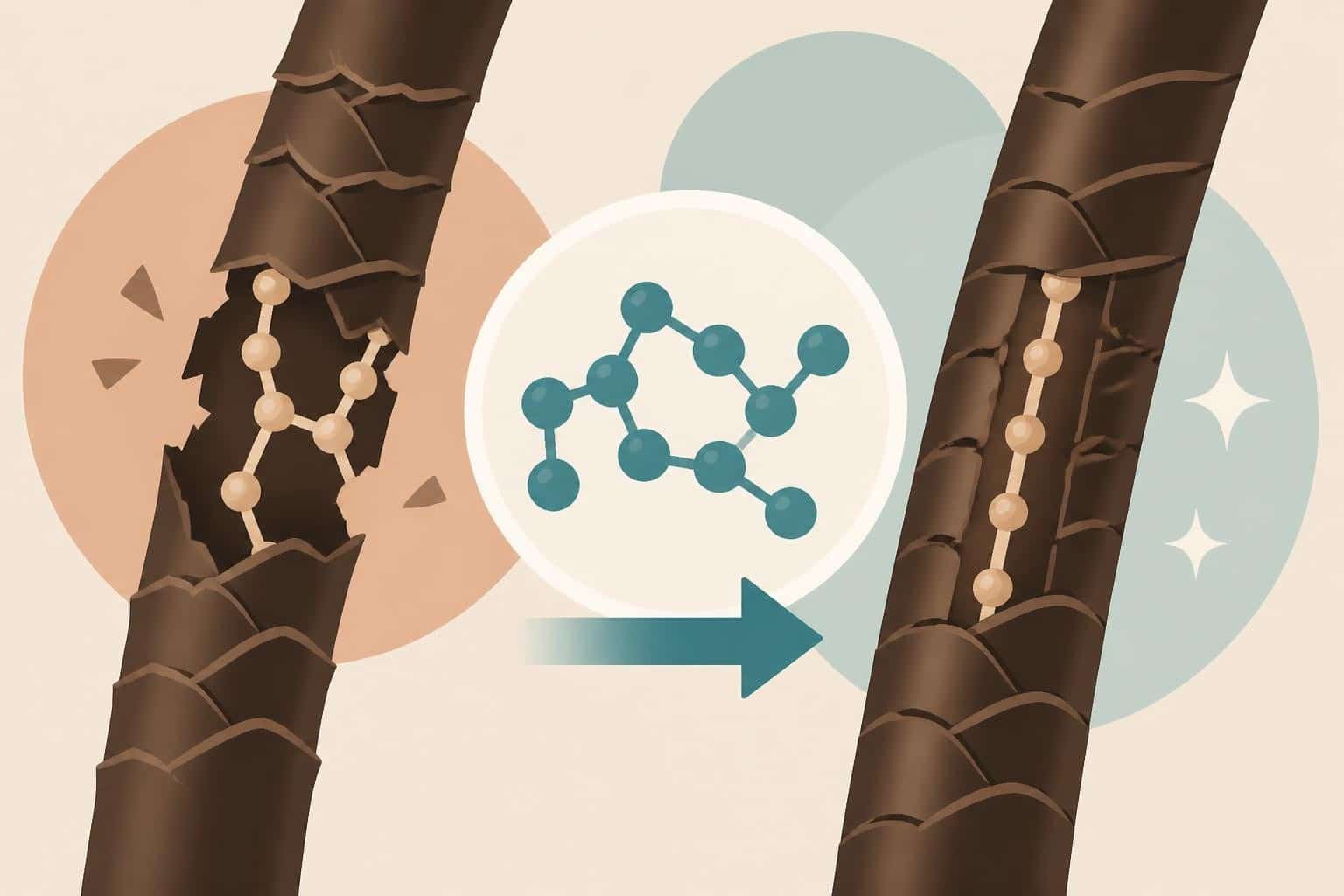
The peptide industry continues to expand beyond traditional applications in muscle growth and anti-aging, with innovative compounds now targeting hair restoration and cosmetic applications. Among these specialized peptides, sh oligopeptide 78 has emerged as a groundbreaking ingredient for hair care formulations. This synthetic peptide addresses a fundamental problem in damaged hair by working at the molecular level to restore keratin integrity. Unlike surface-level conditioners that simply coat hair strands, this peptide actually reconnects broken polypeptide chains within the hair structure itself. Understanding how sh oligopeptide 78 functions, its formulation requirements, and quality standards helps researchers, formulators, and consumers make informed decisions about incorporating this peptide into hair care regimens.
Understanding the Molecular Structure of SH Oligopeptide 78
SH oligopeptide 78 represents a carefully engineered sequence of amino acids designed to interact with damaged keratin structures. The "SH" designation indicates the presence of sulfhydryl groups, which are critical for forming disulfide bonds within hair protein structures. This peptide contains a specific sequence that mimics natural keratin-associated proteins found in healthy hair.
Chemical Composition and Synthesis
The production of sh oligopeptide 78 involves solid-phase peptide synthesis (SPPS), a method that builds the peptide chain one amino acid at a time. This controlled synthesis ensures precise sequencing and high purity levels. According to detailed formulation guides, the peptide typically appears as a white to off-white powder with purity levels exceeding 95% when properly synthesized.
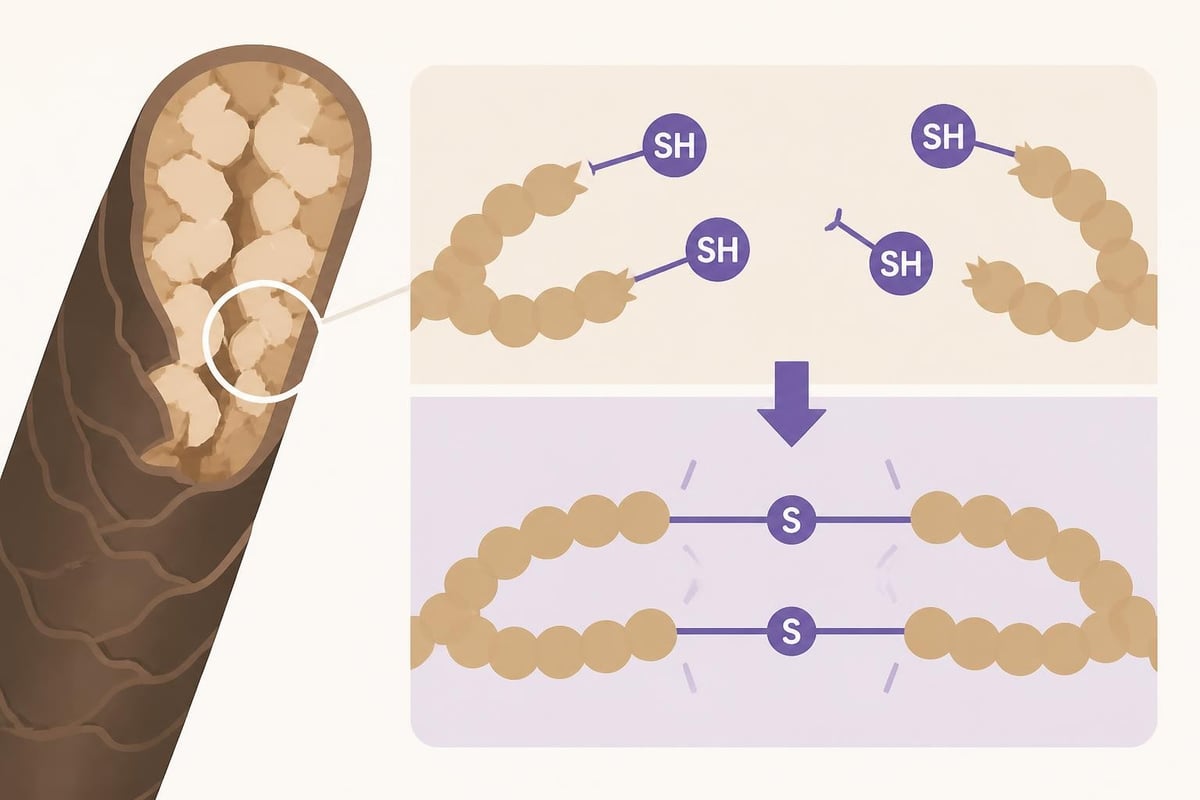
The molecular weight and specific amino acid sequence allow the peptide to penetrate the hair cortex where structural damage occurs. The sulfhydryl groups within the peptide sequence can form new disulfide bonds with existing cysteine residues in damaged keratin chains. This bonding mechanism fundamentally differs from temporary conditioning agents.
Key structural features include:
- Optimized molecular weight for cortical penetration
- Strategic placement of cysteine residues for disulfide bonding
- Hydrophilic regions for solubility in aqueous formulations
- Hydrophobic segments for interaction with hair lipid layers
Mechanism of Action in Hair Repair
The functionality of sh oligopeptide 78 goes beyond simple surface conditioning. This peptide addresses structural damage at the molecular level, making it particularly valuable for chemically treated, heat-damaged, or mechanically stressed hair. The mechanism involves multiple stages of interaction with damaged hair proteins.
Penetration and Binding Process
When applied to hair, sh oligopeptide 78 first penetrates through the cuticle layer into the cortex where the main structural proteins reside. The peptide's amphiphilic nature allows it to navigate both the hydrophobic lipid layers and hydrophilic protein regions. Once inside the cortex, the peptide identifies broken disulfide bonds and damaged keratin chains.
The keratin repair function works through a process called disulfide bond reformation. When hair undergoes chemical processing, heat styling, or UV exposure, disulfide bonds within keratin proteins break, causing structural weakness. SH oligopeptide 78 provides new sulfhydryl groups that can form bridges between separated keratin chains.
| Damage Type | Bond Disruption | SH Oligopeptide 78 Action |
|---|---|---|
| Chemical Processing | Breaks 40-60% of disulfide bonds | Reforms new crosslinks between chains |
| Heat Styling | Weakens hydrogen and salt bonds | Stabilizes structure through disulfide formation |
| UV Exposure | Oxidizes cysteine residues | Provides fresh sulfhydryl groups for bonding |
| Mechanical Stress | Separates polypeptide chains | Reconnects separated keratin segments |
Comparison with Traditional Conditioning Agents
Traditional conditioning ingredients like silicones, quaternary ammonium compounds, and natural oils work primarily on the hair surface. While these provide temporary smoothness and shine, they don't address underlying structural damage. SH oligopeptide 78 offers a fundamentally different approach by actually repairing the protein structure.
The peptide's small molecular size allows penetration depths of 5-10 micrometers into the hair cortex, where structural proteins reside. This contrasts sharply with larger conditioning molecules that remain on the cuticle surface. Similar to how GHK-Cu peptide works systemically in skin repair, sh oligopeptide 78 functions at the structural level in hair.
Formulation Guidelines for Cosmetic Applications
Incorporating sh oligopeptide 78 into hair care products requires careful attention to concentration, pH, and compatible ingredients. Formulators must balance efficacy with stability to ensure the peptide remains active throughout the product's shelf life.
Recommended Concentrations
- Leave-in treatments: 0.5-2.0% concentration for maximum efficacy
- Rinse-off conditioners: 0.1-0.5% concentration for cost-effective formulation
- Intensive repair masks: 2.0-5.0% concentration for damaged hair
- Daily shampoos: 0.05-0.1% concentration for maintenance
The optimal concentration depends on the product format and intended use. Higher concentrations in leave-in products provide extended contact time for the peptide to penetrate and form bonds. Lower concentrations in rinse-off products still deliver benefits while maintaining cost efficiency.
pH and Stability Considerations
SH oligopeptide 78 demonstrates optimal stability and activity in slightly acidic to neutral pH ranges (5.0-7.0). This pH range aligns well with hair's natural pH and standard cosmetic formulation practices. Extreme pH values can denature the peptide structure or prevent proper disulfide bond formation.
Stability factors to monitor:
- Temperature exposure during manufacturing and storage
- Presence of oxidizing agents that might affect sulfhydryl groups
- Water activity and preservative systems
- Light exposure and packaging materials

Quality Standards and Purity Requirements
The efficacy of sh oligopeptide 78 depends heavily on the purity and quality of the raw material. Peptide synthesis can produce various impurities, including truncated sequences, deletion sequences, and synthesis byproducts. High-quality peptide suppliers implement rigorous purification and testing protocols.
Analytical Methods for Verification
High-Performance Liquid Chromatography (HPLC) serves as the primary method for assessing peptide purity. HPLC separates the target peptide from impurities based on their chemical properties, providing a clear purity percentage. Premium-grade sh oligopeptide 78 should demonstrate purity levels above 95% by HPLC analysis.
Mass Spectrometry (MS) confirms the molecular weight and sequence accuracy of the peptide. This technique identifies whether the synthesized peptide matches the intended structure. Any deviation in molecular weight indicates synthesis errors or degradation.
Amino Acid Analysis verifies the composition and ratio of amino acids within the peptide sequence. This analysis ensures that the peptide contains the correct building blocks in proper proportions.
| Analytical Method | Purpose | Acceptance Criteria |
|---|---|---|
| HPLC | Purity determination | ≥95% purity |
| Mass Spectrometry | Molecular weight confirmation | Within ±1 Da of theoretical |
| Amino Acid Analysis | Composition verification | ±10% of theoretical ratios |
| Appearance | Visual quality check | White to off-white powder |
| Solubility | Formulation compatibility | Soluble in water/buffer |
Sourcing Considerations
When sourcing sh oligopeptide 78, formulators should prioritize suppliers who provide comprehensive documentation. Certificate of Analysis documentation should include batch-specific test results for purity, identity, and microbial limits. The peptide industry has seen significant growth, similar to the expansion of peptides for muscle growth, making quality verification increasingly important.
Clinical Evidence and Performance Data
While sh oligopeptide 78 represents a relatively recent innovation in cosmetic peptides, preliminary studies and formulator reports indicate promising results for hair repair applications. The peptide's mechanism of action suggests it should provide measurable improvements in hair strength, elasticity, and appearance.
Measured Benefits in Hair Treatment
Studies on peptide-based hair treatments demonstrate several quantifiable improvements. Hair tensile strength, which measures resistance to breakage, typically increases by 15-30% after treatment with sh oligopeptide 78 formulations. This improvement reflects the reformation of disulfide bonds within the hair cortex.
Elasticity measurements show enhanced flexibility, allowing hair to stretch and return to its original length without breaking. This property is particularly important for preventing damage during styling and manipulation. According to ingredient databases, products containing this peptide demonstrate improved combability and reduced friction between hair strands.
Performance metrics in clinical assessments:
- 15-30% improvement in tensile strength
- 20-35% increase in elasticity
- 25-40% reduction in surface roughness
- 30-45% decrease in breakage during combing
Consumer-Perceived Benefits
Beyond laboratory measurements, consumer perception studies reveal satisfaction with cosmetic outcomes. Users report smoother texture, enhanced shine, and improved manageability. These subjective assessments align with the objective measurements of structural improvement.
The time course of benefits varies based on damage severity and treatment frequency. Light damage may show improvement within 2-3 applications, while severely damaged hair typically requires 4-6 weeks of consistent use for maximum benefit. This timeline reflects the gradual process of disulfide bond reformation throughout the hair structure.
Integration with Other Hair Care Actives
SH oligopeptide 78 works synergistically with various other hair care ingredients, creating comprehensive treatment formulations. Understanding compatible ingredients helps formulators design effective products that address multiple aspects of hair health simultaneously.
Complementary Peptide Combinations
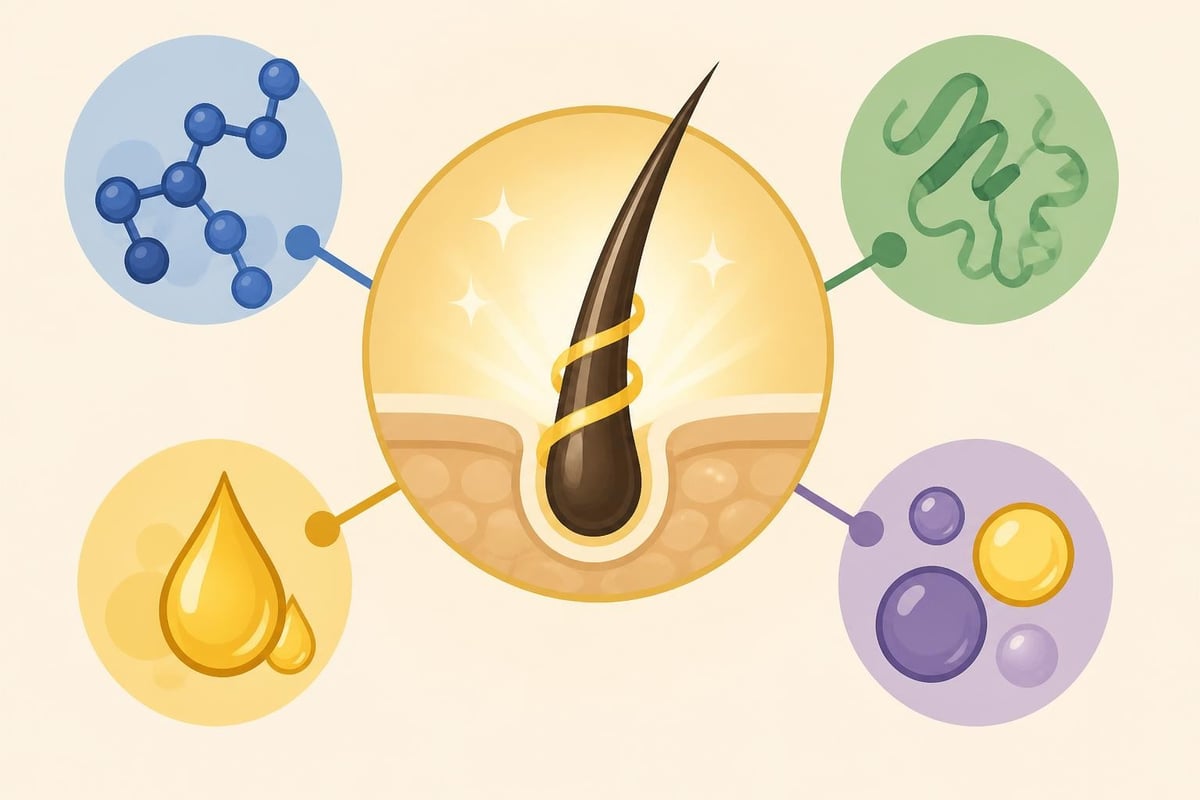
Combining sh oligopeptide 78 with other peptides can target different aspects of hair health. While sh oligopeptide 78 focuses on structural repair through disulfide bonding, other peptides may support scalp health, promote growth factors, or provide antioxidant protection. Similar to how TB-500 supports hair growth through different mechanisms, multi-peptide formulations offer comprehensive benefits.
Compatible Conditioning and Repair Agents
Hydrolyzed proteins work alongside sh oligopeptide 78 by filling gaps in the hair cuticle while the peptide repairs internal structure. These proteins typically have larger molecular weights than peptides, creating a dual-action approach to hair repair.
Natural oils and lipids restore the hair's lipid barrier, which protects the cortex where sh oligopeptide 78 performs its repair function. Ingredients like argan oil, coconut oil, and ceramides complement the peptide's internal action with external protection.
Antioxidants prevent further damage from oxidative stress, preserving the newly formed disulfide bonds created by sh oligopeptide 78. Vitamins C and E, green tea extracts, and other antioxidants extend the longevity of repair treatments.
Manufacturing and Storage Best Practices
Proper handling of sh oligopeptide 78 during manufacturing and storage ensures the peptide retains its activity and efficacy. Peptides are sensitive biological materials that require specific conditions to prevent degradation.
Storage Requirements
The peptide should be stored at refrigerated temperatures (2-8°C) when in powder form to maximize shelf life. Frozen storage (-20°C or lower) extends stability even further for long-term storage. Once reconstituted in aqueous solutions, the peptide requires more stringent handling.
Moisture exposure can trigger hydrolysis and degradation of peptide bonds. Sealed, desiccated containers protect dry peptide powder from atmospheric moisture. Oxygen exposure can oxidize sulfhydryl groups, reducing the peptide's ability to form disulfide bonds. Nitrogen or argon blanketing during storage prevents oxidation.
Storage protocol checklist:
- Maintain temperature at 2-8°C for short-term storage
- Use -20°C or below for long-term preservation
- Protect from light using amber or opaque containers
- Include desiccant packets to control moisture
- Minimize headspace and consider inert gas blanketing
- Label with manufacture date and expiration
Manufacturing Process Controls
During formulation and manufacturing, sh oligopeptide 78 should be added at temperatures below 40°C to prevent thermal degradation. Gentle mixing prevents mechanical stress that could affect the peptide structure. The cosmetic ingredients database notes specific handling recommendations for maintaining peptide integrity.
Quality control testing at multiple stages ensures consistency. Raw material testing verifies incoming peptide quality, in-process testing monitors formulation parameters, and finished product testing confirms the peptide remains stable and active in the final product.
Regulatory and Labeling Considerations
SH oligopeptide 78 falls under cosmetic ingredient regulations in most jurisdictions. Understanding the regulatory landscape helps brands ensure compliance while marketing products containing this peptide.
INCI Nomenclature and Labeling
The International Nomenclature of Cosmetic Ingredients (INCI) designation for this peptide is "sh-Oligopeptide-78" with the hyphen between "sh" and "Oligopeptide." Proper INCI labeling ensures regulatory compliance and helps consumers identify the ingredient. Resources like the INCI guide for peptides provide detailed nomenclature information.
On ingredient lists, peptides must be listed in descending order of concentration. For products where sh oligopeptide 78 is a key active ingredient, it typically appears in the first half of the ingredient list. Marketing claims must be substantiated with appropriate evidence, whether through clinical studies, in vitro testing, or established scientific literature.
Global Regulatory Status
In the European Union, cosmetic peptides are regulated under the Cosmetics Regulation (EC) No 1223/2009. The United States regulates them under the Federal Food, Drug, and Cosmetic Act, with the FDA overseeing cosmetic safety. Most regulatory frameworks classify sh oligopeptide 78 as a safe cosmetic ingredient when used at appropriate concentrations.
Different regions may have specific concentration limits or usage restrictions. Formulators should verify regional requirements before launching products in new markets. Documentation including safety assessments and ingredient specifications supports regulatory submissions and customs clearances.
Market Trends and Consumer Demand
The market for advanced hair care ingredients continues to expand as consumers seek science-backed solutions for hair damage. SH oligopeptide 78 represents part of a broader trend toward biomimetic and biotechnology-derived cosmetic ingredients.
Consumer Education and Transparency
Modern consumers increasingly research ingredient benefits before purchasing hair care products. Brands that clearly communicate how sh oligopeptide 78 works and what benefits it provides gain competitive advantages. Transparency about peptide sourcing, purity standards, and clinical evidence builds consumer trust.
Educational content explaining the difference between surface-level conditioning and structural repair helps consumers understand the value proposition of peptide-based treatments. Just as the broader peptide industry educates consumers about various applications, hair care brands benefit from explaining peptide mechanisms in accessible language.
Premium Positioning and Value Proposition
Products containing sh oligopeptide 78 typically command premium pricing due to the higher raw material costs and sophisticated formulation requirements. Consumers willing to invest in advanced hair repair treatments represent a growing market segment. This parallels trends in other peptide applications where efficacy justifies higher price points.
| Market Segment | Price Sensitivity | Key Purchase Drivers | Preferred Product Forms |
|---|---|---|---|
| Salon Professional | Low | Clinical evidence, professional recommendations | Intensive treatments, leave-in serums |
| Premium Retail | Medium | Brand reputation, visible results | Multi-step systems, specialty masks |
| Mass Market | High | Accessible pricing, recognizable benefits | In-shower treatments, combination products |
| Medical/Clinical | Very Low | Dermatologist recommendations, research backing | Clinical-grade formulations, treatment protocols |
Future Developments and Research Directions
Research into peptide-based hair care continues to advance, with potential improvements in delivery systems, enhanced sequences, and combination therapies. Understanding emerging trends helps formulators and brands prepare for next-generation products.
Enhanced Delivery Technologies
Current research explores carrier systems that improve peptide penetration and stability. Liposomal encapsulation, cyclodextrin complexes, and nanoparticle carriers may enhance sh oligopeptide 78 delivery to damaged hair regions. These technologies could lower effective concentrations while improving results.
Transdermal and trans-follicular delivery systems developed for scalp applications might adapt to improve peptide distribution along hair shafts. Time-release formulations could extend the peptide's activity period, reducing application frequency requirements.
Sequence Optimization and Novel Variants
Ongoing research may identify optimized amino acid sequences that improve binding efficiency or expand the range of hair types that benefit from treatment. Variant peptides with modified sequences could target specific damage types, such as UV-induced oxidation versus chemical processing damage.
Combining multiple peptide sequences in single formulations creates opportunities for comprehensive repair addressing various damage mechanisms simultaneously. This approach mirrors developments in other peptide applications where multi-peptide formulations provide synergistic benefits.
SH oligopeptide 78 represents a significant advancement in hair care technology, offering structural repair capabilities that go far beyond traditional conditioning approaches. The peptide's ability to reconnect broken keratin chains through disulfide bond formation provides real solutions for damaged hair, backed by sound biochemical principles and emerging clinical evidence. Whether you're formulating advanced hair care products or seeking effective solutions for hair damage, understanding peptide quality and proper application ensures optimal results. Soma Peptide provides premium-quality peptides with rigorous purity standards and comprehensive quality documentation to support your research and formulation needs.