



Thymosin alpha 1 peptide has emerged as one of the most extensively studied immunomodulatory peptides in modern medicine. Originally isolated from the thymus gland in the 1970s, this 28-amino acid peptide has garnered significant attention for its ability to enhance immune function, reduce inflammation, and potentially support the body's defense mechanisms against various diseases. With regulatory approval in over 35 countries and decades of clinical research backing its safety and efficacy, thymosin alpha 1 peptide represents a compelling option for those seeking to optimize immune health and cellular resilience.
Understanding Thymosin Alpha 1 Peptide Structure and Function
Thymosin alpha 1 peptide consists of a precisely ordered sequence of 28 amino acids that work together to modulate immune system activity. The peptide's molecular weight of approximately 3,108 Daltons allows it to interact effectively with various cellular receptors and signaling pathways throughout the body.
Molecular Characteristics
The peptide's structure enables it to resist enzymatic degradation better than many other bioactive peptides, contributing to its stability and effectiveness. This structural integrity allows thymosin alpha 1 peptide to maintain biological activity long enough to exert meaningful therapeutic effects.
Key structural features include:
- Acetylated N-terminus that enhances stability
- Specific amino acid sequence that targets immune cells
- Molecular configuration optimized for receptor binding
- Resistance to rapid proteolytic breakdown
The immunomodulatory properties of thymosin alpha 1 stem from its ability to influence multiple pathways simultaneously, creating a coordinated immune response rather than simply amplifying one aspect of immune function.
Mechanism of Action and Immune Modulation
Thymosin alpha 1 peptide works primarily by enhancing the maturation and differentiation of T-lymphocytes, which serve as the command center of the adaptive immune system. This modulation occurs through several distinct yet interconnected mechanisms.
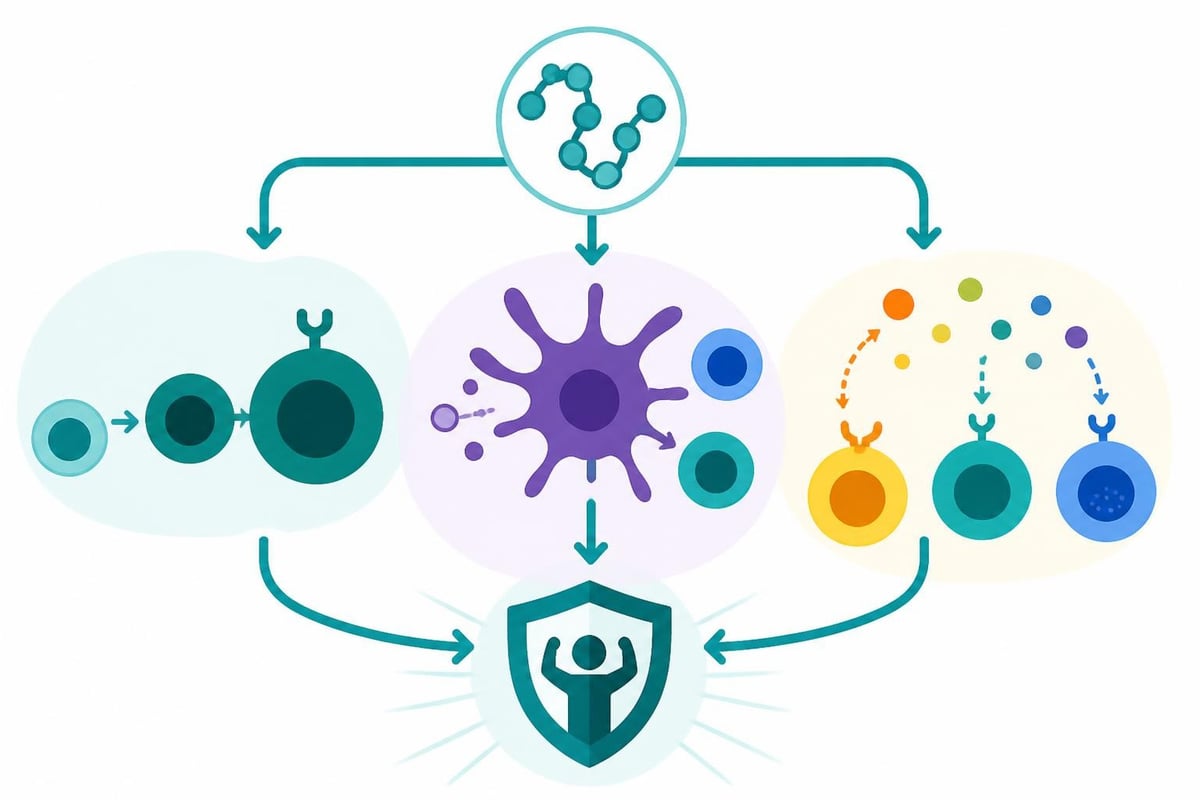
The peptide binds to specific receptors on immune cells, triggering a cascade of intracellular events that ultimately lead to enhanced immune surveillance and response capability. Unlike broad immunostimulants that simply activate the immune system indiscriminately, thymosin alpha 1 peptide helps restore balance and coordination.
Primary Mechanisms
| Immune Pathway | Effect of Thymosin Alpha 1 | Clinical Significance |
|---|---|---|
| T-cell differentiation | Promotes maturation of naive T-cells | Enhanced adaptive immunity |
| Dendritic cell function | Increases antigen presentation | Better pathogen recognition |
| Cytokine production | Modulates IL-2, IFN-γ, and other mediators | Balanced immune response |
| NK cell activity | Enhances natural killer cell function | Improved innate immunity |
The peptide also influences toll-like receptor (TLR) signaling, which represents one of the body's first lines of defense against pathogens. By modulating TLR pathways, thymosin alpha 1 peptide helps fine-tune the initial immune response to potential threats.
Research indicates that the peptide can shift immune responses away from excessive inflammatory states while simultaneously enhancing protective immunity. This dual action makes it particularly valuable in conditions where immune dysregulation plays a central role.
Clinical Applications and Research Evidence
The clinical utility of thymosin alpha 1 peptide extends across multiple therapeutic areas, supported by decades of research and real-world application. The peptide has been studied extensively in viral infections, cancer immunotherapy, and immune deficiency states.
Viral Infection Support
Thymosin alpha 1 peptide has demonstrated particular promise in supporting immune function during viral challenges. Clinical trials have shown that the peptide can enhance antiviral immunity through multiple complementary mechanisms.
The peptide has received regulatory approval in several countries for treating chronic hepatitis B and C, where it helps patients mount more effective immune responses against persistent viral infections. Studies have documented improved viral clearance rates and better clinical outcomes when thymosin alpha 1 peptide is incorporated into treatment protocols.
Applications in viral immunity include:
- Chronic hepatitis B management
- Hepatitis C adjunctive therapy
- Support during acute viral infections
- Enhancement of vaccine responses
- Immune recovery following viral illness
Cancer Immunotherapy
The role of thymosin alpha 1 peptide in oncology has garnered substantial research interest. The peptide appears to enhance the immune system's ability to recognize and eliminate cancer cells while potentially reducing some of the immunosuppressive effects associated with conventional cancer treatments.
Multiple clinical trials have explored thymosin alpha 1 peptide as an adjunct to chemotherapy, radiation, and other cancer therapies. The peptide's ability to support T-cell function and dendritic cell maturation may help maintain immune surveillance even during intensive cancer treatment.
Immune Deficiency and Aging
As individuals age, thymic function naturally declines, leading to reduced production of thymic peptides including thymosin alpha 1. This decline contributes to immunosenescence, the gradual deterioration of immune function that occurs with advancing age.
Supplementation with thymosin alpha 1 peptide may help compensate for this age-related decline in endogenous peptide production. Research on thymosin alpha 1 suggests that restoring optimal levels can support more robust immune responses in older adults and individuals with compromised immune function.

Dosing Protocols and Administration
The therapeutic use of thymosin alpha 1 peptide requires careful attention to dosing, timing, and administration methods to achieve optimal results. Most clinical applications utilize subcutaneous injection as the preferred route of administration.
Standard Dosing Guidelines
Typical therapeutic doses of thymosin alpha 1 peptide range from 1.6 mg to 3.2 mg administered twice weekly, though protocols vary based on the specific clinical indication and patient factors. Detailed dosing protocols emphasize the importance of consistent administration schedules.
The subcutaneous route allows for gradual absorption and sustained plasma levels, which appears to correlate with better clinical outcomes compared to bolus administration. Injection sites are typically rotated among the abdomen, thigh, or upper arm to minimize local reactions.
Considerations for optimal administration:
- Inject at consistent times to maintain stable plasma levels
- Rotate injection sites to prevent tissue irritation
- Store reconstituted peptide properly to maintain potency
- Follow appropriate reconstitution procedures
- Monitor response and adjust protocol as needed
Treatment duration varies considerably depending on the application. Acute viral infections might warrant 2-4 weeks of therapy, while chronic conditions or immune optimization protocols may extend for several months.
Reconstitution and Storage
Thymosin alpha 1 peptide is typically supplied as a lyophilized powder that requires reconstitution with bacteriostatic water before use. Proper reconstitution technique ensures the peptide maintains its structural integrity and biological activity.
Once reconstituted, the peptide should be stored under refrigeration and used within the timeframe specified by the manufacturer. Exposure to excessive heat or repeated freeze-thaw cycles can degrade the peptide and reduce its effectiveness.
Safety Profile and Considerations
One of the most compelling aspects of thymosin alpha 1 peptide is its favorable safety profile, established through decades of clinical use and extensive research. The peptide has demonstrated remarkable tolerability across diverse patient populations.
Adverse Event Profile
The most commonly reported side effects are mild and transient, typically resolving without intervention. These may include minor injection site reactions such as redness, swelling, or temporary discomfort.
| Adverse Event Category | Frequency | Severity | Management |
|---|---|---|---|
| Injection site reactions | Common (5-10%) | Mild | Rotation of sites |
| Flu-like symptoms | Uncommon (1-5%) | Mild to moderate | Supportive care |
| Headache | Uncommon (1-5%) | Mild | Analgesics if needed |
| Fatigue | Rare (<1%) | Mild | Rest, hydration |
Serious adverse events attributable to thymosin alpha 1 peptide remain exceedingly rare in clinical literature. The peptide does not appear to cause the severe immunostimulation or cytokine storm reactions associated with some other immune modulators.
Contraindications and Precautions
While generally well-tolerated, certain populations should exercise caution or avoid thymosin alpha 1 peptide. Individuals with active autoimmune conditions may need to consult with healthcare providers before beginning therapy, as immune modulation could theoretically influence disease activity.
Pregnant or nursing women should avoid thymosin alpha 1 peptide due to limited safety data in these populations. Similarly, individuals with known hypersensitivity to thymic peptides should not use this compound.
The safety profile of thymosin alpha 1 has been evaluated in numerous clinical trials spanning different age groups and health conditions, consistently demonstrating minimal risk when used appropriately.
Regulatory Status and Global Perspective
The regulatory landscape for thymosin alpha 1 peptide varies significantly across different countries and regions. Understanding this context helps inform appropriate use and access to the compound.
International Approval Status
Thymosin alpha 1 peptide has received regulatory approval in more than 35 countries for various clinical indications. These approvals primarily focus on hepatitis B and C treatment, though some jurisdictions recognize broader immunomodulatory applications.
In countries where it holds approval, the peptide is typically classified as a prescription medication requiring oversight from qualified healthcare providers. The specific approved indications and labeling vary by country based on the clinical evidence submitted during the regulatory review process.
The United States represents a notable exception, where thymosin alpha 1 peptide has not received FDA approval for any indication. However, the compound remains available through compounding pharmacies and is used in clinical practice under appropriate medical supervision.
Research and Development Trends
Ongoing research continues to expand our understanding of thymosin alpha 1 peptide's potential applications. Current investigational areas include its role in sepsis management, enhancement of vaccine responses, and support during critical illness.
The regulatory status and clinical applications continue to evolve as new evidence emerges from well-designed clinical trials and real-world experience.
Integration with Other Peptide Therapies
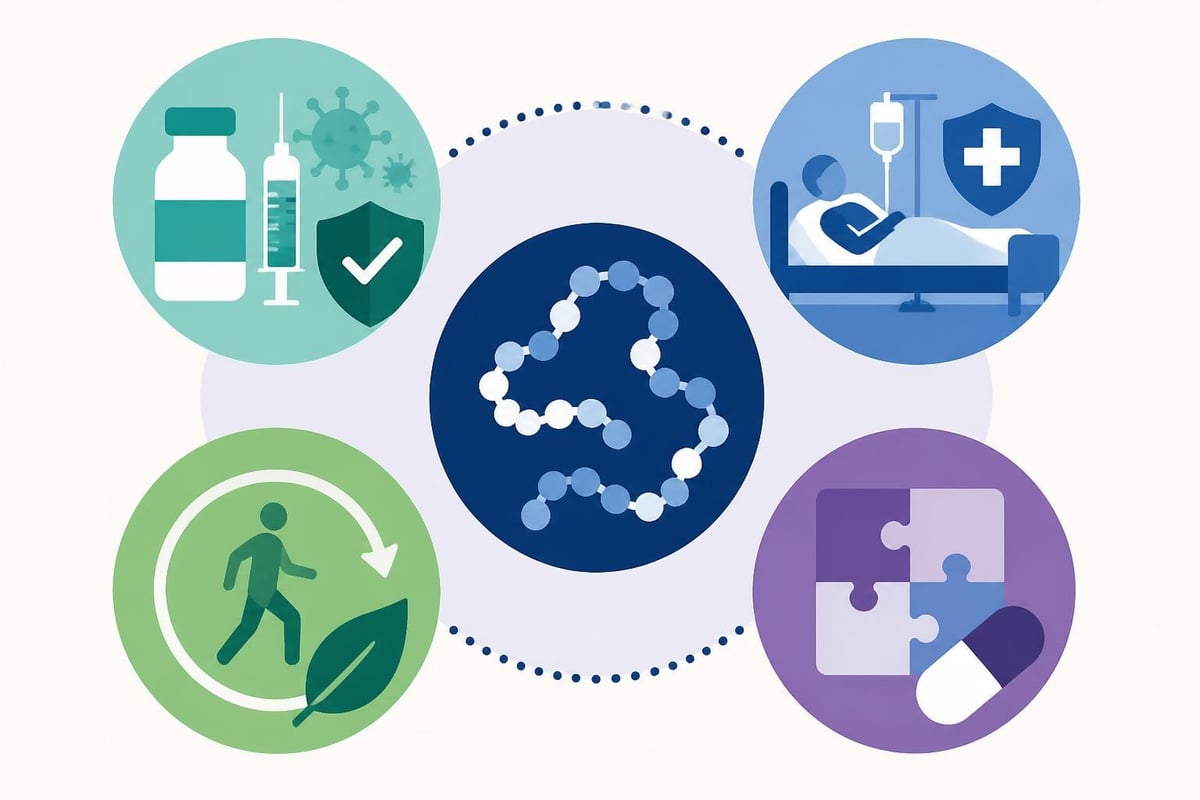
Many practitioners and researchers have explored combining thymosin alpha 1 peptide with other therapeutic peptides to achieve synergistic benefits. These combination approaches can address multiple aspects of health and recovery simultaneously.
For individuals focused on comprehensive recovery and tissue repair, combining immune support with regenerative peptides may offer advantages. For instance, NAD+ supports cellular energy production and mitochondrial function, which complements the immune optimization provided by thymosin alpha 1 peptide. This combination addresses both energy metabolism and immune resilience, potentially enhancing overall cellular health.
When designing combination protocols, careful consideration must be given to dosing schedules, potential interactions, and individual response patterns. The goal is to create a coordinated approach that leverages the unique mechanisms of each peptide without overwhelming the body's regulatory systems.
Quality and Purity Considerations
The therapeutic efficacy of thymosin alpha 1 peptide depends heavily on the quality and purity of the compound used. Variations in synthesis methods, purification techniques, and quality control can significantly impact biological activity.
Manufacturing Standards
High-quality thymosin alpha 1 peptide should be synthesized using solid-phase peptide synthesis (SPPS) with rigorous purification steps to remove impurities, truncated sequences, and synthesis byproducts. The final product should achieve at least 98% purity as verified by high-performance liquid chromatography (HPLC).
Critical quality parameters include:
- Amino acid sequence accuracy confirmed by mass spectrometry
- Purity level verified by analytical HPLC
- Sterility testing for injectable formulations
- Endotoxin testing to ensure safety
- Proper storage conditions maintained throughout distribution
Third-party testing and certificates of analysis provide additional assurance that the peptide meets established quality standards. Reputable suppliers should readily provide this documentation to verify product authenticity and purity.
For those seeking premium quality peptides backed by stringent quality control, exploring options from established suppliers in the peptides category ensures access to compounds that meet therapeutic-grade standards.
Future Directions and Emerging Research
The scientific understanding of thymosin alpha 1 peptide continues to evolve as researchers explore new applications and refine existing protocols. Several promising areas of investigation may expand the peptide's clinical utility in coming years.
Longevity and Healthspan
Emerging research examines whether thymosin alpha 1 peptide supplementation can support healthy aging by maintaining robust immune function throughout the lifespan. The peptide's ability to support thymic function may help preserve the immune system's capacity to respond to new challenges even as individuals age.
Studies are investigating optimal dosing strategies for longevity applications, which may differ from acute therapeutic protocols. The goal is to identify regimens that support sustained immune optimization without causing desensitization or diminished response over time.
Personalized Medicine Approaches
Advances in immunological profiling may enable more personalized application of thymosin alpha 1 peptide. By assessing individual immune parameters, practitioners could tailor dosing and timing to address specific deficiencies or imbalances.
Biomarkers such as T-cell subset ratios, cytokine profiles, and thymic function indicators might guide treatment decisions and help monitor therapeutic response. This precision medicine approach could enhance outcomes while minimizing unnecessary intervention.
The comprehensive research on thymosin alpha 1 continues to inform these evolving clinical strategies and personalized protocols.
Practical Implementation Strategies
Successfully incorporating thymosin alpha 1 peptide into a health optimization or therapeutic protocol requires attention to practical details beyond basic dosing information. These implementation strategies can help maximize benefits while ensuring safety and sustainability.
Monitoring and Assessment
Regular monitoring helps track response to thymosin alpha 1 peptide therapy and allows for protocol adjustments as needed. Depending on the specific application, relevant assessments might include immune function panels, viral load measurements, symptom tracking, or other clinical parameters.
Establishing baseline measurements before beginning therapy provides a reference point for evaluating progress. Follow-up assessments at appropriate intervals help determine whether the protocol is achieving desired outcomes or requires modification.
Lifestyle Integration
Thymosin alpha 1 peptide works most effectively when combined with foundational health practices that support optimal immune function. Adequate sleep, stress management, balanced nutrition, and regular physical activity all contribute to immune resilience and may enhance the peptide's effects.
Avoiding factors that suppress immune function, such as excessive alcohol consumption, chronic sleep deprivation, or severe caloric restriction, helps create an environment where thymosin alpha 1 peptide can exert maximal benefit.
The database of peptide information provides additional context on how lifestyle factors influence peptide effectiveness and immune function.
Thymosin alpha 1 peptide represents a well-researched immunomodulatory compound with decades of clinical evidence supporting its safety and efficacy across various applications. Its ability to enhance immune function while maintaining balance makes it a valuable tool for those seeking to optimize immune health, support recovery from illness, or address age-related immune decline. For individuals interested in accessing premium quality peptides manufactured to the highest purity standards, Soma Peptide offers a comprehensive range of therapeutic-grade compounds backed by rigorous quality control and advanced purification methods. Whether you're focused on immune optimization, recovery support, or longevity applications, Soma Peptide provides the quality and expertise needed to achieve your health goals.