



Growth hormone optimization has become a focal point for individuals seeking enhanced recovery, improved body composition, and better overall wellness. Rather than using synthetic human growth hormone directly, many researchers and practitioners have turned to peptides for hgh, compounds that stimulate the body's natural production of this critical hormone. These specialized peptides offer a more physiological approach to increasing growth hormone levels while potentially reducing some risks associated with exogenous hormone administration.
Understanding Growth Hormone-Releasing Peptides
Growth hormone-releasing peptides represent a class of compounds that work by signaling the pituitary gland to produce and release more human growth hormone. Unlike direct HGH administration, peptides for hgh function through the body's existing regulatory pathways, creating a more natural hormonal response.
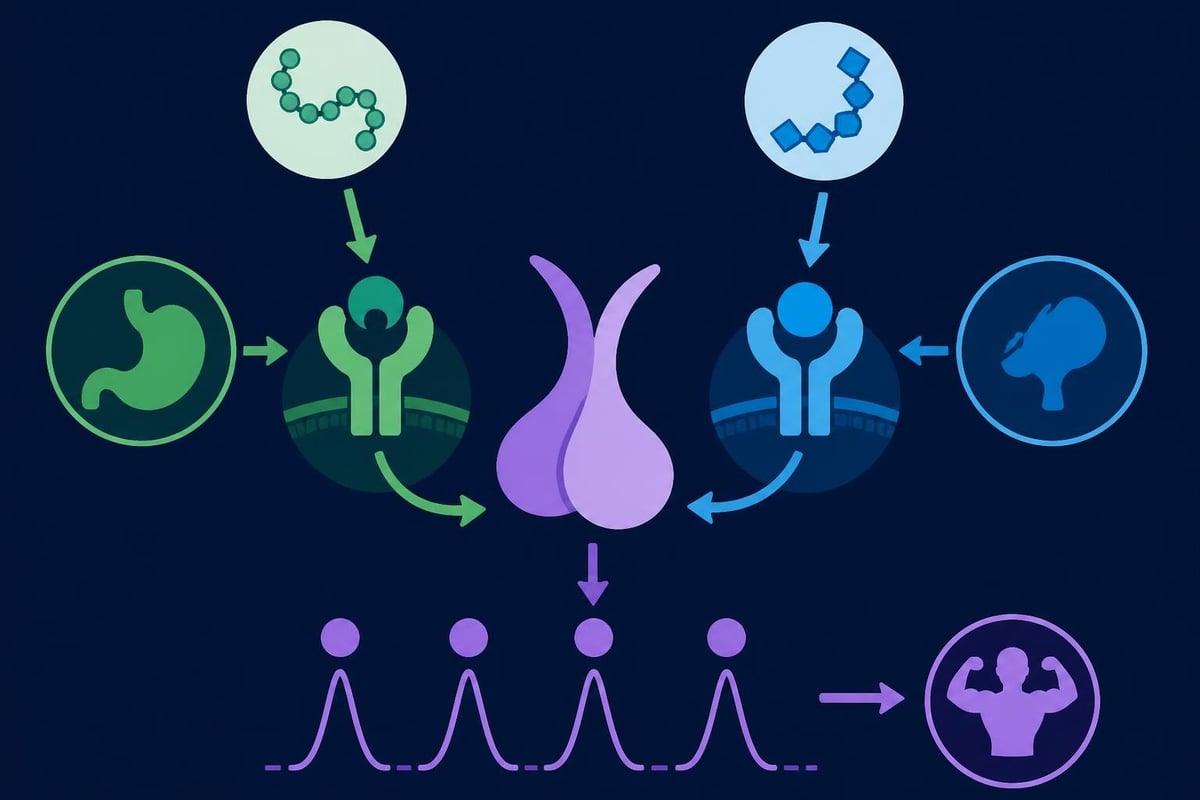
The mechanism behind these peptides involves binding to specific receptors, particularly the ghrelin receptor (also known as the growth hormone secretagogue receptor). When activated, this receptor triggers a cascade of cellular events that culminate in increased GH secretion. Research on HGH peptides has demonstrated their capacity to elevate growth hormone levels while maintaining the natural pulsatile pattern of release.
Key Mechanisms of Action
Receptor-Mediated Stimulation: Most peptides for hgh work by activating the growth hormone secretagogue receptor (GHS-R). This activation mimics the action of ghrelin, the body's natural hunger hormone that also stimulates GH release.
Amplified Pulsatile Secretion: Rather than providing constant hormone levels, these peptides enhance the body's natural pulses of growth hormone throughout the day and night. This pattern more closely resembles youthful GH secretion.
Synergistic Pathways: Different peptide classes work through complementary mechanisms. Some amplify GH pulses, while others increase baseline secretion, creating opportunities for synergistic combinations.
Major Classes of HGH-Stimulating Peptides
The landscape of peptides for hgh includes several distinct categories, each with unique properties and applications. Understanding these differences enables informed selection based on specific goals and individual physiology.
| Peptide Class | Primary Mechanism | Duration | Typical Application |
|---|---|---|---|
| GHRH Analogs | Direct pituitary stimulation | 30-60 minutes | Controlled GH pulses |
| GHRP Analogs | Ghrelin receptor activation | 2-3 hours | Appetite and GH boost |
| Hybrid Peptides | Combined GHRH/GHRP action | 1-2 hours | Synergistic effects |
| GH Fragments | Localized metabolic effects | 4-6 hours | Fat metabolism focus |
GHRH Analogs
Growth hormone-releasing hormone analogs include compounds like Sermorelin, CJC-1295, and Modified GRF 1-29. These peptides directly stimulate GHRH receptors on the pituitary gland, promoting the release of stored growth hormone.
Sermorelin research has shown that it maintains a relatively short half-life, making it useful for creating discrete GH pulses that mimic natural secretion patterns. CJC-1295, particularly the version without Drug Affinity Complex (DAC), offers similar benefits with slightly enhanced stability.
Growth Hormone-Releasing Peptides
The GHRP family includes compounds such as GHRP-2, GHRP-6, Ipamorelin, and Hexarelin. These peptides for hgh work primarily through ghrelin receptor activation, creating strong GH release signals while also influencing appetite and metabolic processes.
Ipamorelin has gained particular attention for its selectivity, producing robust GH release without significantly affecting cortisol or prolactin levels. This specificity makes it a favored choice for those seeking targeted growth hormone enhancement.
Physiological Benefits and Research Applications
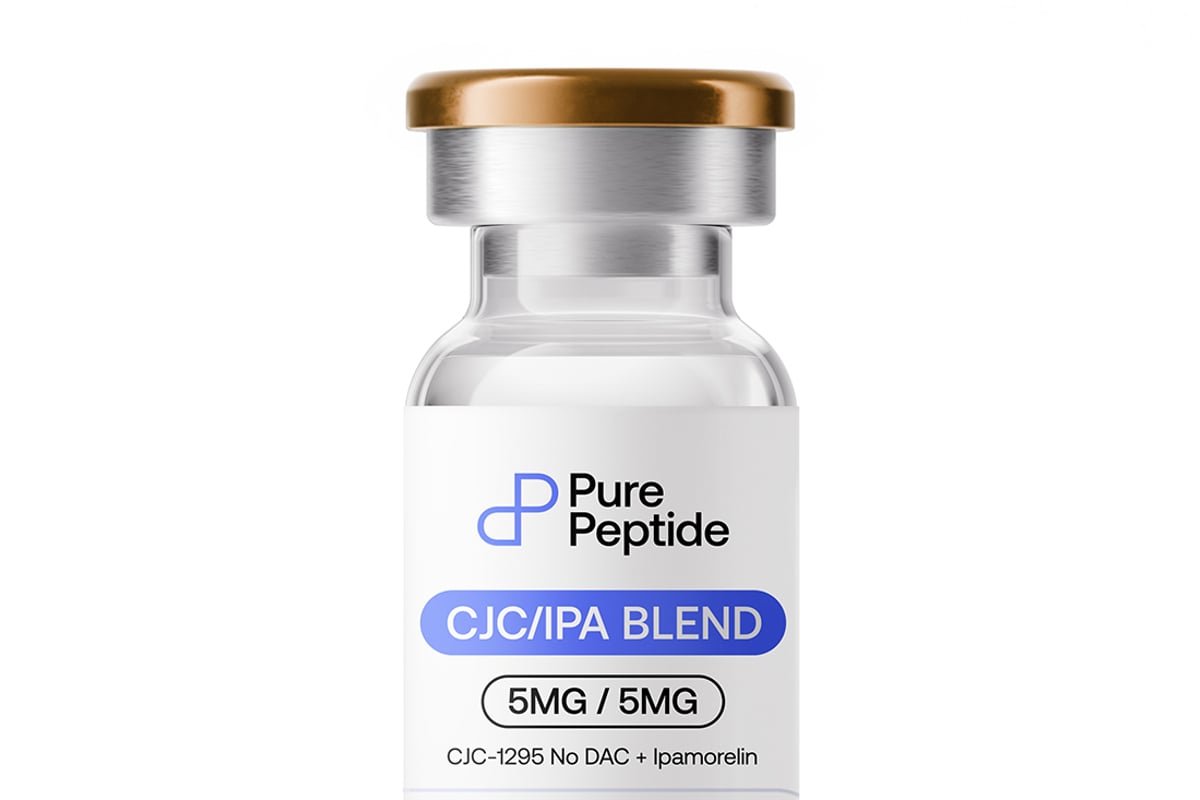
The use of peptides for hgh has been studied across numerous physiological systems, revealing a broad range of potential applications. When CJC-1295 (No DAC) and Ipamorelin are combined, they work synergistically by stimulating GH release through complementary pathways, potentially amplifying the effects of each compound while maintaining physiological balance. This combination represents one approach to maximizing natural growth hormone optimization.
Body Composition and Metabolic Effects
Fat Reduction: Elevated growth hormone levels enhance lipolysis, the breakdown of stored fat for energy. Clinical data on HGH suggests that sustained increases in GH can lead to measurable reductions in body fat percentage, particularly visceral adipose tissue.
Lean Mass Preservation: During caloric restriction, peptides for hgh may help preserve muscle tissue by promoting protein synthesis and reducing protein breakdown. This anabolic effect supports better body composition outcomes.
Metabolic Rate: Growth hormone influences overall metabolic rate by increasing cellular energy expenditure and improving insulin sensitivity in many tissues.
Recovery and Repair Mechanisms
Growth hormone plays essential roles in tissue repair and regeneration. Research indicates that peptides for hgh may support:
- Accelerated recovery from training or physical stress
- Enhanced collagen synthesis for connective tissue health
- Improved bone mineral density through stimulation of osteoblasts
- Better sleep quality, particularly deeper slow-wave sleep stages
Dosing Protocols and Administration Guidelines
Effective use of peptides for hgh requires understanding proper dosing, timing, and administration techniques. While individual needs vary significantly, established protocols provide starting frameworks.
Standard Dosing Approaches
Most GHRH and GHRP analogs are administered subcutaneously, typically in dosages ranging from 100 to 300 micrograms per injection. Timing proves critical, as these peptides work optimally when administered:
- Upon waking to coincide with natural morning GH pulse
- Post-workout to capitalize on exercise-induced GH sensitivity
- Before bed to enhance nocturnal GH secretion during deep sleep
Frequency typically ranges from once daily to three times daily, depending on the specific peptide and individual goals. Detailed protocols for HGH peptides emphasize the importance of consistency and proper injection technique.
Cycling and Duration Considerations
Unlike some performance-enhancing compounds, peptides for hgh generally don't require extended off-cycles for receptor sensitivity. However, strategic periodization may optimize results:
- Continuous use: 3-6 months for therapeutic or anti-aging applications
- Cycling protocols: 5 days on, 2 days off to prevent receptor desensitization
- Pulsed approach: Higher doses for 4-6 weeks followed by maintenance phases

Safety Profile and Considerations
The safety record of peptides for hgh has been generally favorable in research settings, particularly when compared to synthetic growth hormone administration. However, understanding potential effects and contraindications remains essential.
Common Effects and Side Responses
Most users of growth hormone-releasing peptides report minimal adverse effects. When side effects occur, they typically include:
- Temporary injection site reactions (redness, mild irritation)
- Transient water retention during initial weeks
- Increased hunger, particularly with GHRP-6 and GHRP-2
- Tingling sensations in extremities (usually mild and temporary)
Important Precautions
Certain populations should exercise additional caution with peptides for hgh:
Active Cancer Concerns: Since growth hormone promotes cell proliferation, individuals with active malignancies should avoid GH-stimulating peptides until cleared by oncological specialists.
Diabetes Management: Growth hormone affects glucose metabolism and insulin sensitivity. Those with diabetes require careful monitoring and potential medication adjustments.
Pregnancy and Lactation: Safety data remains limited for pregnant or nursing individuals, warranting avoidance during these periods.
Quality and Sourcing Considerations
The peptide marketplace has expanded dramatically, making quality assurance increasingly important. Certificate of analysis verification provides essential transparency regarding purity and composition.
Purity Standards and Testing
Premium peptides for hgh should meet stringent purity thresholds, typically exceeding 98% pure active compound. Advanced purification methods including:
- High-performance liquid chromatography (HPLC)
- Mass spectrometry validation
- Bacterial endotoxin testing
- Sterility assurance protocols
These quality control measures ensure that peptides contain the stated active ingredient at proper concentrations without harmful contaminants or degradation products.
Storage and Handling
Proper storage preserves peptide integrity and effectiveness:
| Storage Phase | Temperature | Duration | Notes |
|---|---|---|---|
| Lyophilized powder | Room temperature | 2-3 months | Away from light and moisture |
| Lyophilized powder | Refrigerated (2-8°C) | 12-24 months | Optimal long-term storage |
| Reconstituted solution | Refrigerated (2-8°C) | 14-30 days | Use bacteriostatic water |
| Reconstituted solution | Frozen (-20°C) | Not recommended | May damage peptide structure |
Comparing Peptides to Direct HGH Administration
Understanding the distinctions between peptides for hgh and synthetic growth hormone helps clarify which approach suits specific needs and circumstances.
Advantages of Peptide Secretagogues
Physiological Pattern: Peptides stimulate natural pulsatile release rather than providing constant exogenous hormone levels. This pattern better mimics youthful GH secretion.
Endogenous Production: By stimulating the body's own production, peptides maintain feedback loop integrity and may preserve natural hormone regulation better than external administration.
Cost Efficiency: Research-grade peptides typically cost substantially less than pharmaceutical-grade recombinant HGH, improving accessibility.
Regulatory Status: In research contexts, peptides often face different regulatory considerations than scheduled growth hormone preparations.
When Direct HGH May Be Indicated
Certain clinical situations may warrant growth hormone replacement therapy rather than secretagogues:
- Confirmed growth hormone deficiency diagnosed through stimulation testing
- Pituitary dysfunction preventing adequate endogenous production
- Severe wasting conditions requiring aggressive intervention
- Specific medical protocols under specialized endocrine supervision
Synergistic Combinations and Stacking Protocols
Many researchers and practitioners explore combining different peptides for hgh to achieve complementary effects and potentially enhanced results.
Complementary Peptide Pairings
GHRH + GHRP Combinations: Pairing a GHRH analog like CJC-1295 (No DAC) with a GHRP such as Ipamorelin creates synergistic GH release. The GHRH stimulates pituitary GH production while the GHRP amplifies release and suppresses somatostatin (GH's inhibitory hormone).
GH Peptides + Metabolic Support: Some protocols incorporate peptides like AOD-9604, an HGH fragment studied for its potential metabolic effects, alongside GH secretagogues for targeted fat metabolism support.
Recovery-Focused Stacks: Combining growth hormone-releasing peptides with recovery-supporting compounds creates comprehensive protocols addressing multiple aspects of tissue repair and adaptation.
Timing Optimization for Combinations
When using multiple peptides for hgh simultaneously, strategic timing maximizes synergy:
- Administer GHRH and GHRP together for maximal pulse amplitude
- Separate GH-focused peptides from those affecting other pathways by several hours
- Consider individual peptide half-lives when designing injection schedules
Individual Response Variation and Optimization
Response to peptides for hgh varies considerably based on numerous individual factors. Understanding these variables enables better protocol customization.
Factors Influencing Effectiveness
Age and Baseline GH Levels: Younger individuals with robust natural production may see less dramatic percentage increases than older adults with declining GH secretion. However, absolute benefits may still prove significant across age ranges.
Body Composition: Individuals with higher body fat percentages often experience attenuated GH responses. Weight reduction can improve peptide effectiveness.
Sleep Quality: Since growth hormone secretion concentrates during deep sleep, poor sleep architecture may limit the full benefits of peptides for hgh.
Nutrition and Macronutrient Timing: Growth hormone release shows sensitivity to nutrient intake, particularly carbohydrates and insulin levels. Many protocols recommend administering peptides in fasted or low-insulin states.
Integration with Lifestyle Factors
Maximizing the benefits of peptides for hgh requires addressing foundational lifestyle elements that influence growth hormone physiology.
Exercise and Training Considerations
Resistance Training: High-intensity resistance exercise naturally stimulates GH release. Post-workout peptide administration may capitalize on enhanced receptor sensitivity and create additive effects.
Cardiovascular Exercise: Moderate to high-intensity aerobic work promotes GH secretion, with the magnitude dependent on intensity and duration. Metabolic peptides may complement cardiovascular training adaptations.
Recovery Periods: Adequate rest between training sessions allows growth hormone to exert its anabolic and repair effects fully.
Nutritional Optimization
Dietary strategies that support peptides for hgh effectiveness include:
- Protein adequacy: Ensuring sufficient amino acids for growth hormone's anabolic actions
- Timed carbohydrate intake: Managing insulin levels around peptide administration
- Micronutrient sufficiency: Supporting hormone synthesis and receptor function
- Hydration: Maintaining fluid balance for optimal peptide transport and cellular function
Understanding peptides in food provides additional context for how dietary peptides differ from therapeutic secretagogues.

Monitoring and Assessment Approaches
Tracking progress while using peptides for hgh helps evaluate effectiveness and guide protocol adjustments. Multiple assessment methods provide complementary information.
Objective Measurements
Body Composition Analysis: Regular tracking of lean mass, fat mass, and body fat percentage reveals metabolic changes over time. Methods include:
- DEXA scanning for detailed compartmental analysis
- Bioelectrical impedance for convenient frequent measurements
- Circumference measurements and progress photography
Blood Markers: While direct GH testing proves challenging due to pulsatile secretion, surrogate markers provide useful information:
| Marker | Significance | Measurement Timing |
|---|---|---|
| IGF-1 | GH-stimulated growth factor | Fasted morning sample |
| IGFBP-3 | IGF-1 binding protein | Alongside IGF-1 |
| Glucose/Insulin | Metabolic effects | Fasted baseline |
| Lipid Panel | Fat metabolism changes | Every 3-6 months |
Subjective Indicators
Qualitative improvements often emerge before measurable physical changes:
- Enhanced recovery between training sessions
- Improved sleep depth and quality
- Better skin tone and reduced fine lines
- Increased overall energy and vitality
Regulatory and Legal Landscape
The regulatory status of peptides for hgh varies across jurisdictions and contexts. Understanding applicable regulations ensures compliant use.
Research Context
Many peptides exist in regulatory gray areas, often designated for research purposes rather than approved therapeutic use. Scientific databases support ongoing peptide research across various applications.
Clinical Applications
Some growth hormone-releasing peptides, including Sermorelin, have received approval for specific medical indications under physician supervision. These approved applications typically involve diagnosed growth hormone deficiency or specific conditions warranting intervention.
International Variations
Regulatory frameworks differ substantially between countries. What may be available for research in one jurisdiction might face tighter restrictions elsewhere. Individuals should verify local regulations and consult appropriate medical professionals.
Future Directions in Growth Hormone Peptide Research
The field of peptides for hgh continues evolving, with emerging research exploring novel compounds and applications.
Advanced Computational Approaches
Machine learning models now assist in predicting peptide properties and optimizing sequences for enhanced stability and receptor selectivity. These computational tools may accelerate development of next-generation GH secretagogues.
Targeted Delivery Systems
Research into improved delivery mechanisms aims to enhance bioavailability and convenience:
- Oral formulations with enhanced absorption
- Transdermal patches for sustained release
- Long-acting analogs requiring less frequent administration
Precision Medicine Applications
Genetic and metabolic profiling may enable personalized peptide selection and dosing, matching specific compounds to individual receptor variants and metabolic characteristics.
Quality Assurance in Peptide Selection
Choosing appropriate peptides for hgh requires careful evaluation of sourcing, purity, and supplier credibility. The expanding market includes vendors with varying quality standards.
Verification Methods
Reputable suppliers provide:
- Third-party testing: Independent laboratory verification of composition and purity
- Batch-specific documentation: Certificates of analysis for each production lot
- Transparent sourcing: Clear information about manufacturing processes and facilities
- Proper reconstitution guidance: Detailed instructions for preparation and storage
Comprehensive FAQ resources address common questions about peptide handling, storage, and usage protocols.
Red Flags to Avoid
Warning signs of questionable peptide sources include:
- Absence of testing documentation or certificates of analysis
- Prices significantly below market averages
- Vague or incomplete product descriptions
- Lack of customer service or technical support
- Unrealistic claims about results or timeframes
Peptides for hgh represent a scientifically grounded approach to supporting natural growth hormone optimization, offering potential benefits for body composition, recovery, and overall vitality when used appropriately. Whether your goals involve athletic performance enhancement, metabolic optimization, or age-management strategies, understanding the mechanisms, protocols, and quality considerations ensures informed decision-making. Soma Peptide provides premium-quality, rigorously tested peptides backed by comprehensive support and transparent quality documentation, helping you pursue your wellness objectives with confidence and precision.