






The field of molecular biology has witnessed remarkable advances in recent years, with innovative tools enabling researchers to manipulate genetic expression with unprecedented precision. Among these breakthrough technologies, the 2a peptide has emerged as a powerful mechanism for producing multiple proteins from a single genetic construct. Originally discovered in viral systems, this short amino acid sequence has transformed how scientists approach protein co-expression, opening new possibilities for therapeutic development, genetic research, and biotechnology applications. Understanding the fundamental properties and applications of this molecular tool provides valuable insights for researchers working across diverse fields, from regenerative medicine to pharmaceutical development.
The Molecular Mechanism Behind 2A Peptides
The 2a peptide represents a unique class of short oligopeptide sequences, typically ranging from 18 to 22 amino acids in length. These sequences induce ribosomal skipping during translation, effectively causing the ribosome to fail to form a peptide bond between specific amino acids.
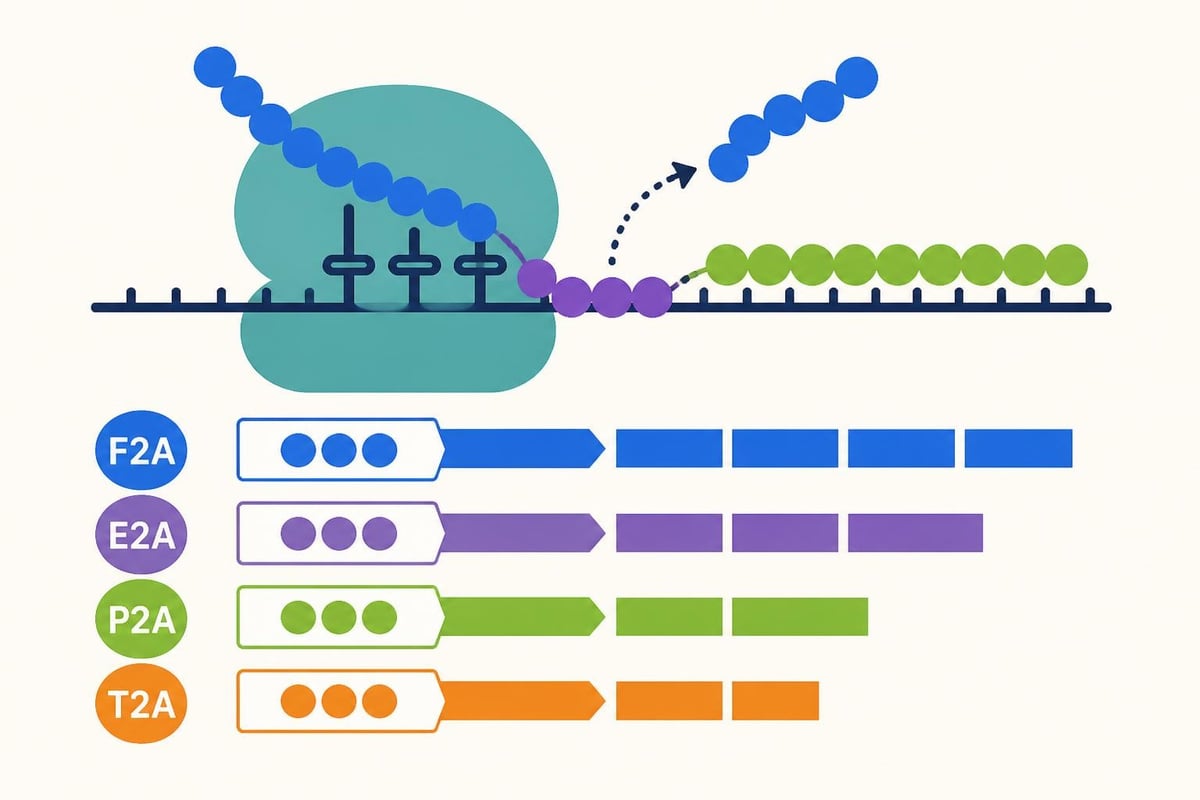
This mechanism occurs through a process called "ribosomal skipping" or "stop-carry on" translation. During protein synthesis, the ribosome encounters the 2A sequence and separates the growing polypeptide chain without terminating translation entirely. The result is two distinct protein products from what appears to be a single continuous open reading frame.
Origins in Viral Systems
The discovery of 2a peptide functionality traces back to research on picornaviruses and insect viruses. These pathogens evolved this elegant solution to express multiple proteins from compact genomic sequences, maximizing their limited genetic material.
Four main types of 2A peptides are commonly used in research:
- F2A from foot-and-mouth disease virus
- E2A from equine rhinitis A virus
- P2A from porcine teschovirus-1
- T2A from Thosea asigna virus
Each variant exhibits slightly different cleavage efficiencies, typically ranging from 70% to 99%, depending on the surrounding sequence context and cellular environment. Research on how different 2A peptides drive translational recoding has revealed important distinctions in their molecular mechanisms.
Applications in Genetic Engineering and Research
The practical applications of 2a peptide technology extend across numerous research domains, fundamentally changing how scientists design expression vectors and conduct experiments requiring multiple protein products.
Multi-Gene Expression Systems
Traditional approaches to expressing multiple proteins required separate promoters for each gene, consuming valuable vector space and complicating regulatory control. The 2a peptide revolutionized this process by enabling polycistronic expression in mammalian cells.
Researchers can now link multiple genes with 2A sequences, creating multicistronic vectors that express several proteins simultaneously from a single promoter. This approach offers several distinct advantages:
| Benefit | Description | Impact |
|---|---|---|
| Vector Economy | Reduced plasmid size | Improved transfection efficiency |
| Coordinated Expression | Single promoter control | Balanced protein ratios |
| Simplified Design | Fewer regulatory elements | Faster construct generation |
| Reduced Toxicity | Lower promoter load | Enhanced cell viability |
This technology proves particularly valuable in generating reporter systems, where fluorescent proteins need co-expression with genes of interest for tracking cellular processes.
Protein Imaging and Genome Editing
The utility of 2a peptide sequences extends significantly into visualization technologies and precision gene editing platforms. Studies have demonstrated effective use of 2A peptides in co-expressing proteins for imaging and genome editing, addressing challenges with uneven protein expression that previously complicated experimental interpretation.
In CRISPR-Cas9 systems, 2A peptides enable simultaneous expression of the Cas9 nuclease with guide RNAs and selection markers. This integration streamlines the creation of stable cell lines and transgenic organisms, reducing the time and resources required for genetic modifications.
Conditional Gene Expression Systems
Advanced genetic research often requires temporal or tissue-specific control over gene expression. The 2a peptide facilitates these sophisticated systems by linking regulatory proteins with effector genes. Research has shown success in establishing conditional transgenic systems using 2A peptides in model organisms, enabling precise control over when and where specific proteins are produced.
Structural Insights and Functional Mechanisms
Understanding the molecular architecture of 2a peptide function requires examining both the peptide sequence itself and its interaction with the ribosomal machinery during translation. Recent structural studies have provided unprecedented clarity into these processes.
The Cardiovirus 2A System
Among various 2A systems, the Cardiovirus 2A protein represents one of the most extensively studied examples. Detailed research has revealed structural and molecular insights into the Cardiovirus 2A protein’s function as a viral gene expression switch, demonstrating how this protein manipulates cellular translation machinery.
The cardiovirus 2A operates through a different mechanism than the shorter self-cleaving peptides, functioning as a protease that cleaves the nascent polypeptide. This alternative approach highlights the diversity of solutions viruses have evolved for polyprotein processing.
Sequence Determinants of Cleavage Efficiency
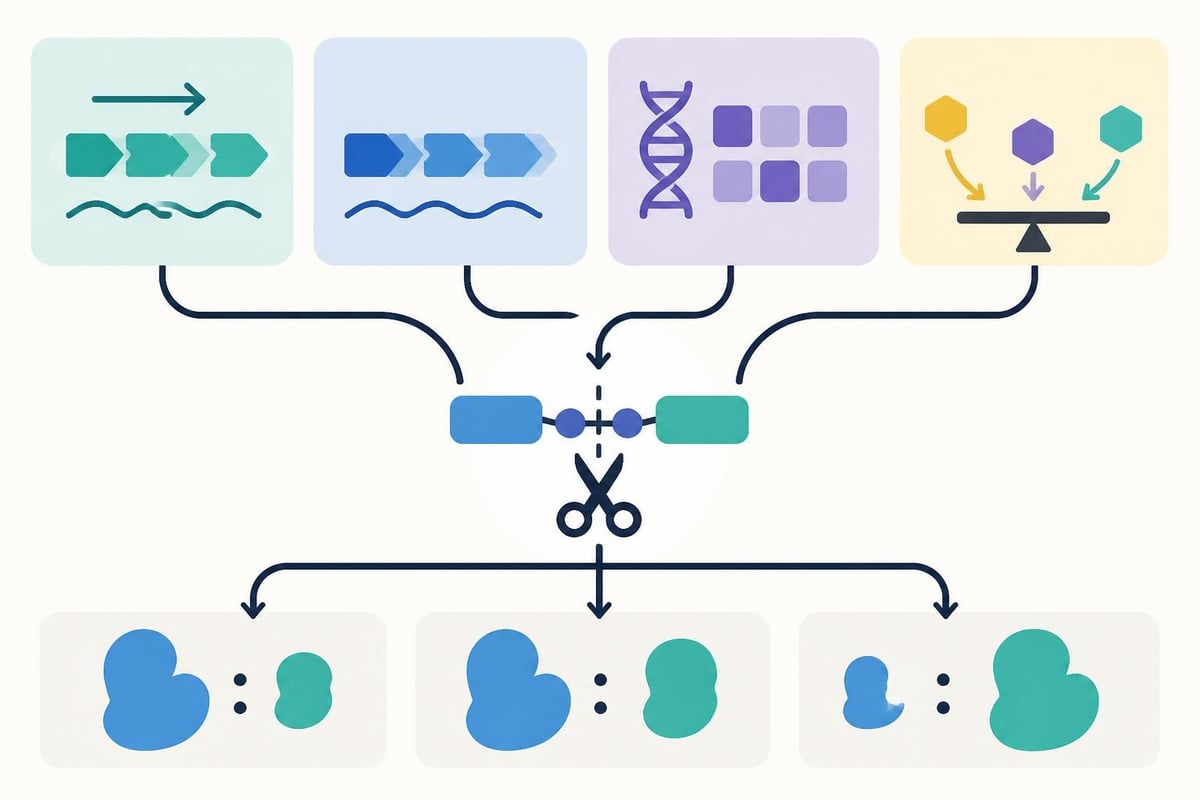
The effectiveness of 2a peptide-mediated cleavage depends on several sequence elements beyond the core peptide itself. Upstream and downstream sequences significantly influence cleavage rates, with certain amino acid combinations enhancing or reducing separation efficiency.
Key sequence factors include:
- The conserved GDVEXNPGP motif at the C-terminus
- Upstream residues that affect ribosome positioning
- Downstream sequences influencing ribosome re-engagement
- Overall codon usage patterns affecting translation speed
Optimizing these elements allows researchers to fine-tune expression levels of individual proteins within a polycistronic construct, achieving desired stoichiometric ratios for complex protein assemblies.
Specialized Applications in Peptide Therapeutics
The principles underlying 2a peptide function have direct relevance to therapeutic peptide development and delivery systems. Understanding these molecular mechanisms informs strategies for producing complex therapeutic proteins and designing next-generation treatments.
Cardiac Peptide Systems
Interestingly, the term "2A" also appears in cardiac physiology research, where a 24-amino-acid peptide derived from integral membrane protein 2A has been shown to stimulate atrial natriuretic peptide release. While distinct from the viral 2A peptides used in molecular biology, this connection illustrates the broader importance of small peptide sequences in biological regulation.
This cardiac peptide system demonstrates how short amino acid sequences can exert profound physiological effects, a principle that extends to therapeutic peptide development for recovery and regeneration.
Implications for Regenerative Medicine
The ability to express multiple therapeutic proteins simultaneously has significant implications for regenerative medicine applications. Peptide therapies often work synergistically, with combinations producing superior outcomes compared to single agents.
For instance, recovery-focused peptide combinations for tissue repair benefit from coordinated expression of complementary growth factors and signaling molecules. The 2a peptide technology enables researchers to develop vectors expressing multiple therapeutic peptides, ensuring balanced delivery to target tissues.
Technical Considerations for 2A Peptide Implementation
Successfully implementing 2a peptide technology requires careful attention to experimental design and awareness of potential limitations. Researchers must consider several technical factors to optimize results.
Residual Peptide Sequences
One important consideration is that 2A-mediated cleavage leaves residual amino acids on the separated proteins. The upstream protein retains approximately 18-22 additional amino acids at its C-terminus, while the downstream protein gains a proline residue at its N-terminus.
These additions can affect protein function, particularly for enzymes with critical active sites or proteins requiring specific termini for proper localization. Researchers must evaluate whether these modifications interfere with their proteins of interest.
Cleavage Efficiency Variations
No 2A peptide achieves 100% cleavage efficiency, meaning some uncleaved fusion proteins always remain. The proportion varies by peptide type, expression system, and protein context.
| 2A Variant | Typical Efficiency | Best Applications |
|---|---|---|
| T2A | 90-99% | Critical separations requiring maximum cleavage |
| P2A | 80-95% | General multi-gene expression |
| E2A | 75-90% | Tolerance for some fusion protein |
| F2A | 70-85% | Less critical applications |
Understanding these efficiency differences helps researchers select the appropriate 2A variant for specific experimental requirements. Applications demanding complete separation benefit from T2A sequences, while situations tolerating partial fusion can use less efficient variants.
Expression System Compatibility
The performance of 2a peptide sequences varies across different cellular contexts. Mammalian cells generally show higher cleavage efficiencies than bacterial systems, where the eukaryotic ribosomal skipping mechanism may not function optimally.
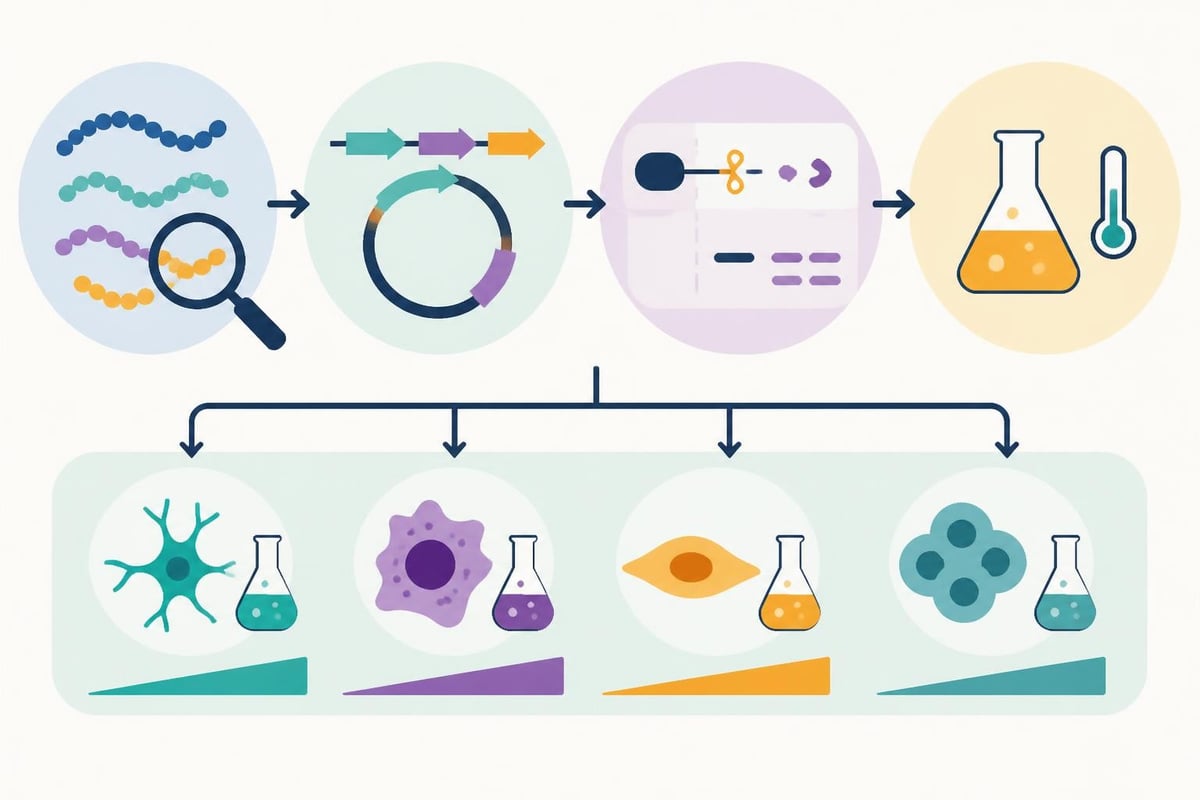
Researchers working with diverse expression platforms should validate 2A functionality in their specific system before committing to large-scale experiments. Pilot studies examining cleavage efficiency through Western blotting or mass spectrometry provide valuable optimization data.
Advanced Vector Design Strategies
Modern molecular biology leverages 2a peptide technology in increasingly sophisticated ways, combining multiple tools to achieve precise control over protein expression patterns.
Combining 2A with Other Genetic Elements
Researchers frequently integrate 2A peptides with internal ribosome entry sites (IRES), bidirectional promoters, and inducible systems to create complex expression platforms. These combinations enable temporal control, tissue specificity, and dose-dependent protein production.
For example, placing a 2A-linked construct under a tetracycline-responsive promoter allows researchers to turn on multiple proteins simultaneously by adding doxycycline to cell culture media. This approach proves invaluable for studying protein complexes and signaling pathways.
Tandem 2A Systems
Some applications require expression of three or more proteins from a single transcript. Researchers achieve this by placing multiple 2A sequences in series, creating polycistronic units capable of producing numerous distinct proteins.
Considerations for tandem 2A designs:
- Use different 2A variants to maintain cleavage efficiency
- Order proteins by desired expression level (3' proteins express at lower levels)
- Account for cumulative residual sequences on middle proteins
- Validate complete processing through analytical techniques
These complex systems find applications in synthetic biology, where entire metabolic pathways need coordinated expression, and in immunology research requiring multiple immune cell receptors.
Quality Control and Validation Methods
Implementing 2a peptide technology effectively requires robust validation approaches to confirm proper protein processing and expression levels. Quality control measures ensure experimental reliability and reproducibility.
Western Blot Analysis
The gold standard for confirming 2A-mediated cleavage involves Western blotting with antibodies recognizing each protein product. Successful cleavage produces bands at expected molecular weights for individual proteins, while incomplete processing yields higher molecular weight fusion products.
Quantitative Western blotting also reveals cleavage efficiency by comparing band intensities between cleaved and uncleaved species. This information guides optimization efforts and helps establish whether efficiency meets experimental requirements.
Mass Spectrometry Approaches
Advanced mass spectrometry techniques provide detailed information about 2A cleavage products, including precise molecular weights and identification of residual peptide sequences. These methods definitively confirm protein identities and detect any unexpected processing events.
Proteomic analysis of cells expressing 2A-linked constructs can also quantify relative protein levels, ensuring balanced expression across multiple gene products. This data proves particularly valuable when specific stoichiometric ratios are required for protein complex assembly.
Functional Assays
Ultimately, the success of 2a peptide implementation depends on whether separated proteins retain full biological activity. Functional assays specific to each protein confirm that residual sequences don't interfere with essential activities.
For fluorescent proteins, measuring emission spectra and quantum yields validates proper folding. For enzymes, activity assays demonstrate catalytic competence. For receptors, ligand binding studies confirm functional expression at the cell surface.
Emerging Applications and Future Directions
The versatility of 2a peptide technology continues driving innovation across molecular biology and therapeutic development. New applications emerge as researchers discover creative ways to leverage this molecular tool.
Cell Therapy Manufacturing
Adoptive cell therapies, including CAR-T cell treatments, increasingly utilize 2A peptides to co-express therapeutic receptors with safety switches, tracking markers, and metabolic enhancers. This integration streamlines manufacturing processes and improves therapeutic cell performance.
The ability to produce multiple therapeutic elements from a single genetic modification reduces vector complexity and regulatory burden, accelerating clinical translation of advanced cell therapies.
Synthetic Biology Circuits
Synthetic biology relies on precise control of multiple genes to construct artificial regulatory networks and metabolic pathways. The comprehensive overview provided by 2A peptides in molecular biology applications demonstrates their central role in these engineering efforts.
By enabling expression of entire pathways from compact genetic constructs, 2A technology facilitates the creation of engineered organisms for biomanufacturing, environmental remediation, and diagnostic applications.
Therapeutic Protein Production
The biopharmaceutical industry continues exploring 2A peptides for producing therapeutic proteins requiring multiple subunits or needing co-expression with chaperones and quality control factors. This approach may improve yields and product quality for challenging therapeutic proteins.
Companies developing peptide-based therapeutics, including those focused on supporting weight loss, muscle growth, recovery, and anti-aging, benefit from understanding these advanced expression technologies that may inform future therapeutic development strategies.
Optimizing 2A Peptide Selection for Specific Applications
Choosing the appropriate 2a peptide variant for a particular application requires evaluating multiple factors, including required cleavage efficiency, protein sensitivity to residual sequences, and expression system characteristics.
Decision Framework
Researchers should systematically assess their experimental requirements before selecting a 2A peptide. Critical applications demanding near-complete separation warrant T2A sequences despite their longer length, while less stringent applications may tolerate more efficient but less completely cleaving variants.
The following decision tree helps guide selection:
- Determine acceptable fusion protein percentage – If <5% acceptable, use T2A; if 5-15% acceptable, consider P2A; if >15% acceptable, E2A or F2A may suffice
- Evaluate protein tolerance to residual sequences – Test whether C-terminal additions affect upstream protein function
- Consider expression system – Mammalian cells support all variants; other systems require validation
- Account for downstream applications – Purification, crystallography, or therapeutic use may have specific requirements
Empirical Testing Strategies
When uncertainty exists about optimal 2A variant selection, parallel testing of multiple options provides empirical data for informed decisions. Constructing small panels with different 2A sequences between identical genes allows direct comparison of cleavage efficiency and protein function.
This systematic approach identifies the best balance between cleavage efficiency and any functional compromises introduced by residual sequences, ensuring optimal performance for specific experimental contexts.
The 2a peptide has fundamentally transformed molecular biology by enabling efficient multi-gene expression from compact genetic constructs, with applications spanning basic research to therapeutic development. Understanding these molecular tools and their optimization strategies empowers researchers to design more effective experiments and develop innovative biotechnology applications. Whether you're exploring therapeutic peptides for recovery, muscle growth, or anti-aging applications, Soma Peptide provides premium quality products backed by rigorous quality control, supporting your research and wellness goals with the highest purity standards.