


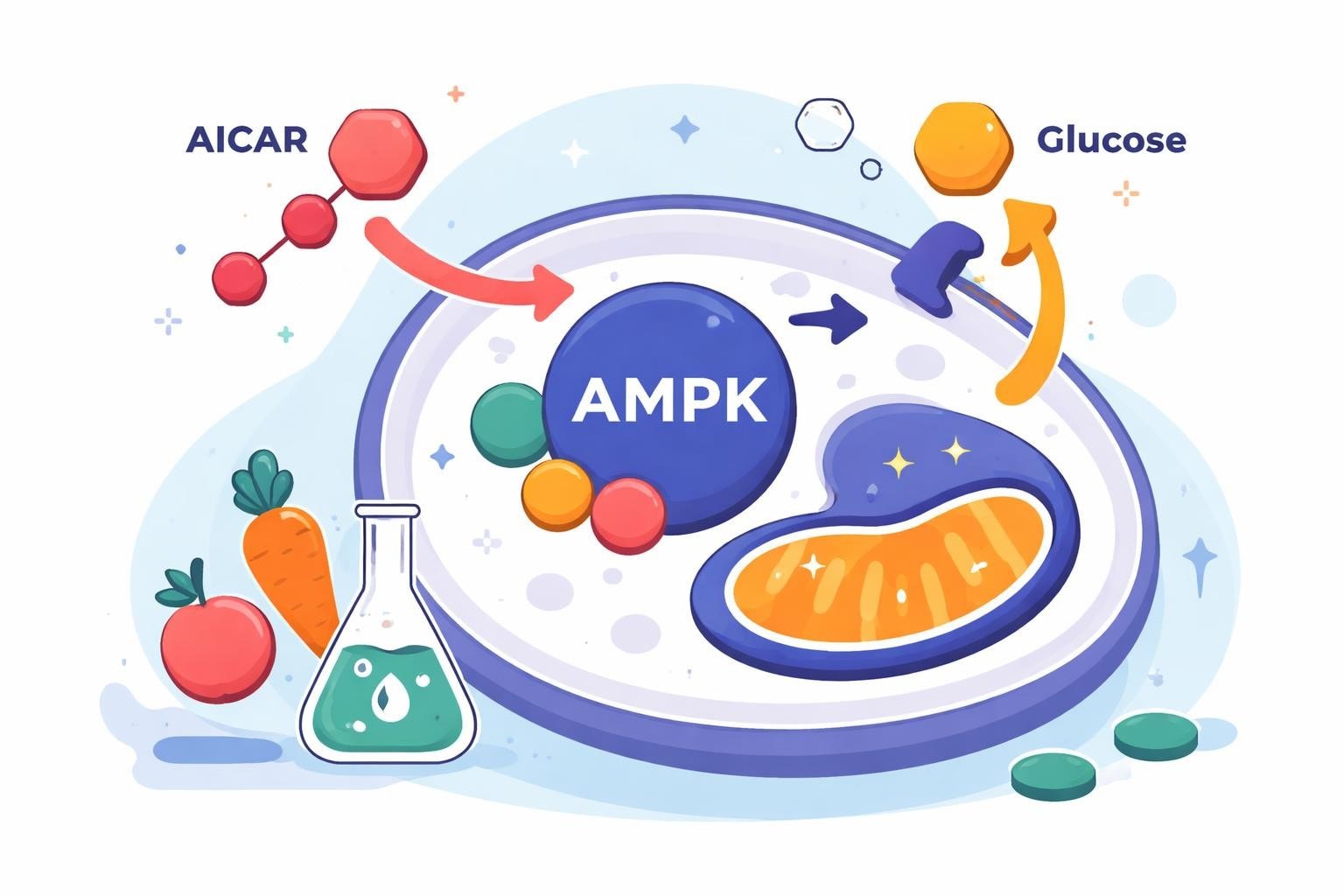
The world of metabolic research has uncovered numerous compounds capable of influencing cellular energy pathways, but few have generated as much scientific interest as AICAR peptide. This research compound activates AMP-activated protein kinase (AMPK), a critical enzyme that regulates cellular energy homeostasis, making it a focal point for studies involving endurance enhancement, metabolic disorders, and cellular energy optimization. Despite common classification, AICAR is technically not a peptide, but rather an analog of adenosine monophosphate (AMP) that mimics the effects of exercise at the cellular level.
Understanding AICAR's Biochemical Foundation
AICAR, formally known as 5-Aminoimidazole-4-carboxamide ribonucleotide, functions as a nucleotide analog that enters cells and undergoes phosphorylation to become ZMP (AICAR monophosphate). This transformed compound mimics AMP, the natural activator of AMPK, triggering a cascade of metabolic responses typically associated with energy depletion or physical exercise.
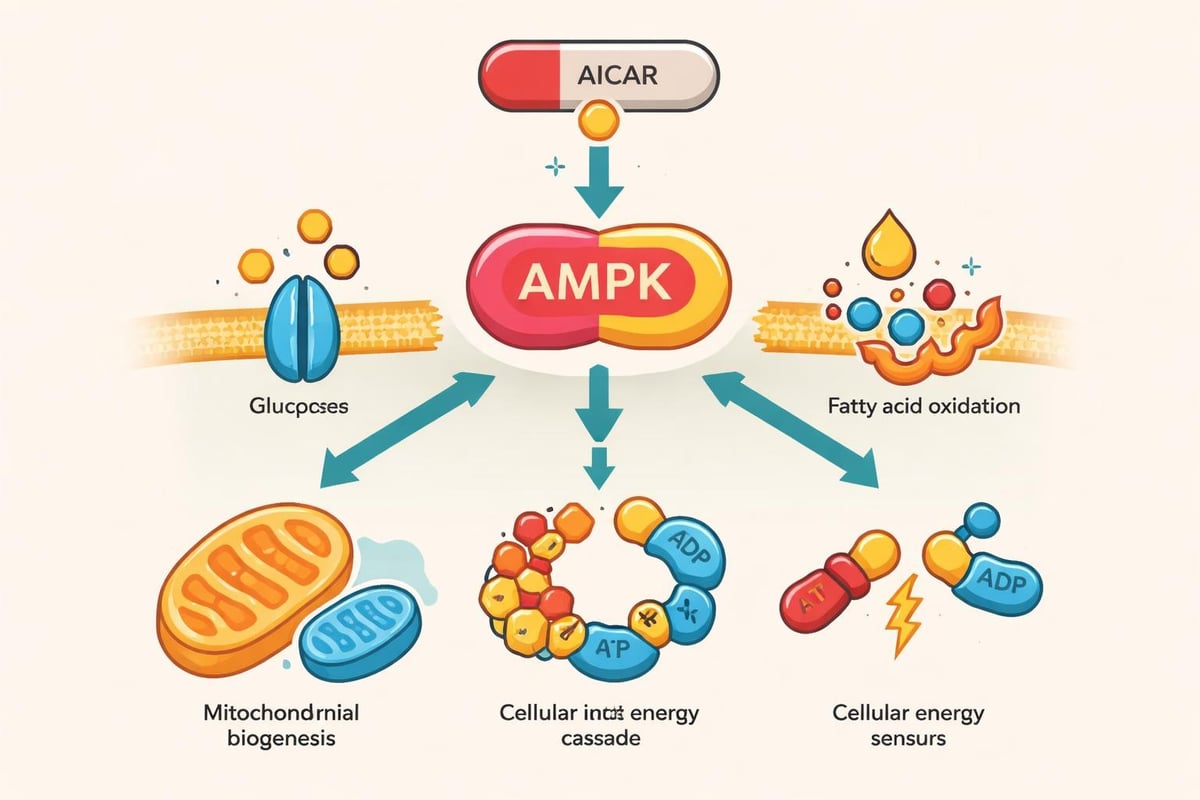
The activation of AMPK serves as the primary mechanism through which aicar peptide exerts its effects. When AMPK becomes activated, cells respond as if energy reserves are depleted, initiating compensatory mechanisms to restore balance. This includes increased glucose uptake, enhanced fatty acid oxidation, and improved mitochondrial biogenesis.
The AMPK Activation Pathway
AMPK functions as a metabolic master switch within cells. Under normal circumstances, this enzyme activates when cellular energy levels drop, signaling the need for energy production while simultaneously inhibiting energy-consuming processes.
Key metabolic responses triggered by AMPK activation include:
- Enhanced glucose transporter translocation to cell membranes
- Increased fatty acid oxidation in muscle tissue
- Inhibition of fatty acid and cholesterol synthesis
- Stimulation of mitochondrial biogenesis
- Improved insulin sensitivity in peripheral tissues
The aicar peptide essentially bypasses the need for actual energy depletion by chemically mimicking the signal that energy stores are low. This creates a unique opportunity for research into metabolic enhancement without requiring physical exertion.
Research Applications and Scientific Findings
Scientific investigation into aicar peptide has expanded across multiple disciplines, from metabolic disease research to exercise physiology and beyond. The compound's ability to simulate exercise-induced metabolic changes has made it particularly valuable for understanding cellular energy regulation.
Metabolic Research and Glucose Regulation
Studies examining AICAR's effects on glucose metabolism have revealed promising findings regarding insulin sensitivity and glucose uptake. The compound enhances glucose transporter activity independent of insulin signaling, suggesting potential applications in conditions characterized by insulin resistance.
Research into AICAR’s mechanism of action demonstrates its capacity to improve glucose homeostasis through multiple pathways. By activating AMPK, the compound stimulates glucose uptake in skeletal muscle while simultaneously reducing hepatic glucose production.
| Metabolic Parameter | Effect of AICAR | Mechanism |
|---|---|---|
| Glucose Uptake | Increased | GLUT4 translocation |
| Insulin Sensitivity | Enhanced | AMPK-mediated signaling |
| Fatty Acid Oxidation | Elevated | Mitochondrial enzyme activation |
| Glycogen Synthesis | Modified | Altered enzyme phosphorylation |
Endurance and Exercise Performance Studies
One of the most intriguing aspects of aicar peptide research involves its effects on endurance capacity. Animal studies have demonstrated that subjects treated with AICAR show increased running endurance even without training, earning it attention in exercise physiology research.
The endurance-enhancing effects stem from multiple mechanisms. AMPK activation promotes the conversion of fast-twitch muscle fibers toward oxidative, slow-twitch characteristics that excel at sustained activity. Additionally, enhanced mitochondrial density provides muscles with greater capacity for aerobic energy production.
Physiological adaptations observed in research models:
- Increased mitochondrial enzyme expression
- Enhanced capillary density in muscle tissue
- Improved oxidative capacity of muscle fibers
- Greater lipid utilization during sustained activity
- Delayed onset of muscular fatigue markers
Clinical Investigation and Therapeutic Potential
The therapeutic landscape for aicar peptide extends beyond athletic performance into potential medical applications. Researchers have explored its utility in various pathological conditions where metabolic dysfunction plays a central role.
Cardiovascular Research
Cardiovascular research has examined AICAR's potential protective effects on heart tissue. AMPK activation in cardiac muscle may help preserve function during periods of metabolic stress or ischemia. Studies suggest that the compound could influence cardiac remodeling and improve outcomes in experimental models of heart disease.
The cardioprotective mechanisms appear multifaceted. Enhanced glucose uptake by cardiomyocytes provides immediate energy substrate during stress, while improved mitochondrial function supports long-term cellular health. Detailed information on AICAR’s dosing and safety profile continues to inform research protocols in this area.
Anti-Inflammatory Properties
Emerging research has identified anti-inflammatory properties associated with AMPK activation. Studies exploring AICAR’s role in attenuating inflammatory mediator expression suggest potential applications in conditions characterized by chronic inflammation.
The anti-inflammatory effects appear related to AMPK's regulation of inflammatory signaling pathways. By modulating NF-κB activity and other pro-inflammatory transcription factors, aicar peptide may help reduce excessive inflammatory responses in various tissue types.

Cancer Research Applications
Oncology research has investigated AICAR's effects on tumor metabolism and growth. Studies examining the in vivo effects of AICAR on retinoblastoma growth have revealed potential anti-cancer properties through mechanisms including apoptosis induction and angiogenesis inhibition.
Cancer cells typically exhibit altered metabolism characterized by increased glucose consumption and lactate production, known as the Warburg effect. AMPK activation through aicar peptide may interfere with these metabolic adaptations, potentially limiting tumor growth and proliferation.
Dosing Protocols and Administration Considerations
Research protocols involving aicar peptide vary considerably based on study objectives and subject characteristics. Understanding appropriate dosing frameworks requires consideration of multiple factors including body weight, research endpoints, and duration of investigation.
Standard Research Dosing Ranges
Animal studies typically employ doses ranging from 250 to 500 milligrams per kilogram of body weight, administered intraperitoneally. Translation to human equivalent doses requires careful calculation using established conversion factors that account for differences in metabolic rate and body surface area.
Typical administration protocols in research settings:
- Frequency: Daily or multiple times per week
- Route: Subcutaneous or intraperitoneal injection
- Duration: Ranging from acute single-dose studies to chronic investigations lasting several weeks
- Timing: Often administered before anticipated metabolic stress or at consistent daily intervals
Those interested in proper peptide administration techniques can reference comprehensive guides on how to inject peptides safely to ensure optimal handling and delivery.
Factors Influencing Dosing Decisions
Multiple variables influence appropriate dosing for aicar peptide research. Subject weight represents the primary determinant, but metabolic state, concurrent interventions, and specific research objectives all play roles in protocol development.
Researchers must also consider the compound's pharmacokinetic profile. AICAR undergoes rapid cellular uptake and phosphorylation, with effects typically manifesting within hours of administration. However, the duration of AMPK activation varies based on dose and tissue type, necessitating careful timing of measurements and assessments.
Safety Profile and Adverse Effect Monitoring
Understanding the safety profile of aicar peptide requires examination of both acute and chronic administration data from various research models. While generally well-tolerated in controlled research settings, the compound does present certain considerations that warrant monitoring.
Documented Safety Concerns
Research has identified several potential adverse effects associated with AICAR administration. Most notably, excessive AMPK activation may theoretically interfere with normal anabolic processes, as the enzyme typically suppresses protein synthesis and other energy-consuming activities during activation.
| Potential Concern | Mechanism | Monitoring Strategy |
|---|---|---|
| Hypoglycemia | Enhanced glucose uptake | Blood glucose tracking |
| Hepatic Effects | Altered hepatic metabolism | Liver enzyme assessment |
| Cardiovascular Changes | Modified cardiac metabolism | Heart rate and rhythm monitoring |
| Gastrointestinal Disturbance | Altered gut energy metabolism | Symptom documentation |
Short-term studies generally report minimal adverse effects at standard research doses. However, long-term safety data in human subjects remains limited, emphasizing the importance of continued investigation and careful monitoring in research applications.
Contraindications and Precautions
Certain conditions may warrant additional caution when considering aicar peptide for research purposes. Subjects with pre-existing metabolic disorders, particularly those affecting glucose regulation, require careful evaluation before protocol initiation.
Situations requiring enhanced monitoring or protocol modification:
- Pre-existing hypoglycemia or blood sugar dysregulation
- Hepatic impairment affecting metabolic processes
- Concurrent use of medications affecting glucose metabolism
- Cardiovascular conditions sensitive to metabolic changes
- History of adverse reactions to nucleotide analogs

Comparison with Related Compounds and Peptides
The landscape of metabolic research compounds extends well beyond aicar peptide, encompassing various agents that influence energy pathways through different mechanisms. Understanding these distinctions helps clarify AICAR's unique position and potential applications.
AMPK Activators and Metabolic Modulators
Several compounds activate AMPK or influence similar pathways, each with distinct characteristics and applications. Metformin, a widely prescribed diabetes medication, activates AMPK through different mechanisms than AICAR, primarily by inhibiting complex I of the mitochondrial electron transport chain.
Resveratrol and berberine represent natural compounds that also activate AMPK, though with generally less potency than synthetic agents. These compounds offer the advantage of extensive safety data from dietary consumption but typically require higher doses to achieve significant AMPK activation.
The shop at Soma Peptide offers various research compounds that work through complementary pathways to support metabolic research and optimization.
Synergistic Approaches in Research
Some research protocols investigate combinations of aicar peptide with other metabolic modulators to achieve synergistic effects. Pairing AMPK activation with compounds that influence other metabolic pathways may provide enhanced outcomes compared to single-agent approaches.
For instance, combining AICAR with compounds that stimulate mitochondrial biogenesis through pathways independent of AMPK could theoretically amplify improvements in oxidative capacity. Similarly, pairing AMPK activation with agents that enhance insulin signaling might provide complementary benefits for glucose regulation.
Practical Considerations for Research Implementation
Implementing aicar peptide in research protocols requires attention to multiple practical considerations beyond basic dosing and safety. Proper storage, reconstitution, and handling all influence compound stability and research outcomes.
Storage and Stability Requirements
AICAR requires specific storage conditions to maintain stability and potency. In powder form, the compound remains stable when stored at temperatures between -20°C and -80°C, protected from moisture and light. Once reconstituted, solutions should be refrigerated and used within timeframes specified by stability testing data.
Optimal handling practices include:
- Storing lyophilized powder in sealed containers with desiccant
- Using sterile bacteriostatic water for reconstitution
- Avoiding repeated freeze-thaw cycles with reconstituted solutions
- Protecting solutions from direct light exposure
- Maintaining aseptic technique during all handling procedures
Research Design Considerations
Effective research protocols incorporate appropriate controls, measurement timepoints, and assessment methods to capture AICAR's effects accurately. The timing of measurements relative to administration significantly impacts results, as AMPK activation follows a temporal pattern following dosing.
Baseline metabolic assessments provide essential reference points for evaluating changes induced by aicar peptide. Parameters such as fasting glucose, insulin sensitivity indices, lipid profiles, and exercise performance metrics all offer valuable insights into compound effects.
Integration with Comprehensive Wellness Protocols
While aicar peptide shows promise in metabolic research, optimal outcomes typically emerge when integrated within comprehensive approaches addressing multiple aspects of health and performance. Nutrition, exercise, recovery, and other lifestyle factors all interact with metabolic pathways influenced by AMPK activation.
Nutritional Considerations
The metabolic effects of AICAR may be influenced by nutritional status and dietary composition. Since the compound enhances glucose uptake and fatty acid oxidation, substrate availability impacts the magnitude and character of its effects.
Research suggests that carbohydrate availability influences AICAR's effects on exercise performance and metabolic adaptation. Similarly, adequate protein intake supports the maintenance of muscle mass during periods of enhanced AMPK activation, which otherwise might suppress anabolic processes.
Those exploring comprehensive approaches to wellness can find additional supportive compounds at Soma Peptide that address complementary aspects of metabolic health and performance optimization.
Exercise and Physical Activity Interactions
The relationship between aicar peptide and exercise represents a particularly fascinating area of investigation. Since AICAR mimics aspects of exercise-induced metabolic signaling, questions arise regarding optimal timing and combination with actual physical training.
Some research suggests that AICAR administration before exercise might enhance training adaptations by amplifying metabolic signals. Conversely, other perspectives propose that the compound's exercise-mimicking effects might be most valuable during periods when training is limited by injury or other constraints.
Future Directions in AICAR Research
The evolving understanding of AMPK biology and metabolic regulation continues to reveal new potential applications for aicar peptide. Emerging research areas promise to expand our knowledge of this compound's capabilities and limitations.
Precision Medicine Applications
Personalized approaches to metabolic health may incorporate genetic and biomarker data to identify individuals most likely to respond favorably to AMPK activation. Variations in genes encoding AMPK subunits or downstream targets could influence individual responses to aicar peptide.
Biomarker development could enable real-time monitoring of AMPK activation status, allowing for dose optimization and response assessment. Such tools would significantly enhance research precision and potentially support therapeutic applications in the future.
Novel Formulations and Delivery Methods
Current research primarily employs injectable administration of aicar peptide, but alternative delivery methods could improve convenience and potentially enhance tissue-specific targeting. Oral formulations face challenges related to bioavailability, but specialized delivery systems might overcome these barriers.
Topical or transdermal delivery represents another avenue of investigation, potentially allowing for localized AMPK activation in specific tissues. Such approaches could prove valuable for applications targeting skin, muscle, or other accessible tissues while minimizing systemic exposure.
Research into aicar peptide continues to unveil promising applications across metabolic health, endurance, and cellular energy optimization, though much remains to be discovered about optimal protocols and long-term effects. Whether you're exploring metabolic enhancement, recovery support, or anti-aging strategies, working with high-quality research compounds makes all the difference. Soma Peptide provides premium-grade peptides backed by rigorous purity standards and advanced purification methods, supporting your research and wellness goals with products you can trust.