Growth hormone optimization has become a focal point for individuals seeking enhanced recovery, improved body composition, and anti-aging benefits. Among the peptides gaining attention in this space, cjc 1295 without dac stands out as a particularly effective option for those who prefer more natural growth hormone pulsatility. This modified growth hormone releasing hormone (GHRH) analog offers distinct advantages over its longer-acting counterpart, providing users with greater control over their supplementation protocols while supporting the body's natural hormonal rhythms.
Understanding CJC 1295 Without DAC Structure and Function
CJC 1295 without DAC represents a synthetic analog of growth hormone releasing hormone that has been modified to enhance stability and potency. The absence of Drug Affinity Complex (DAC) fundamentally changes how this peptide behaves in the body compared to its modified version.
The peptide consists of 29 amino acids that closely mimic the structure of natural GHRH. According to research, this formulation maintains the core functionality of growth hormone releasing hormone while offering improved resistance to enzymatic degradation. Without the DAC component, the peptide has a significantly shorter half-life, typically ranging from 30 minutes to two hours.
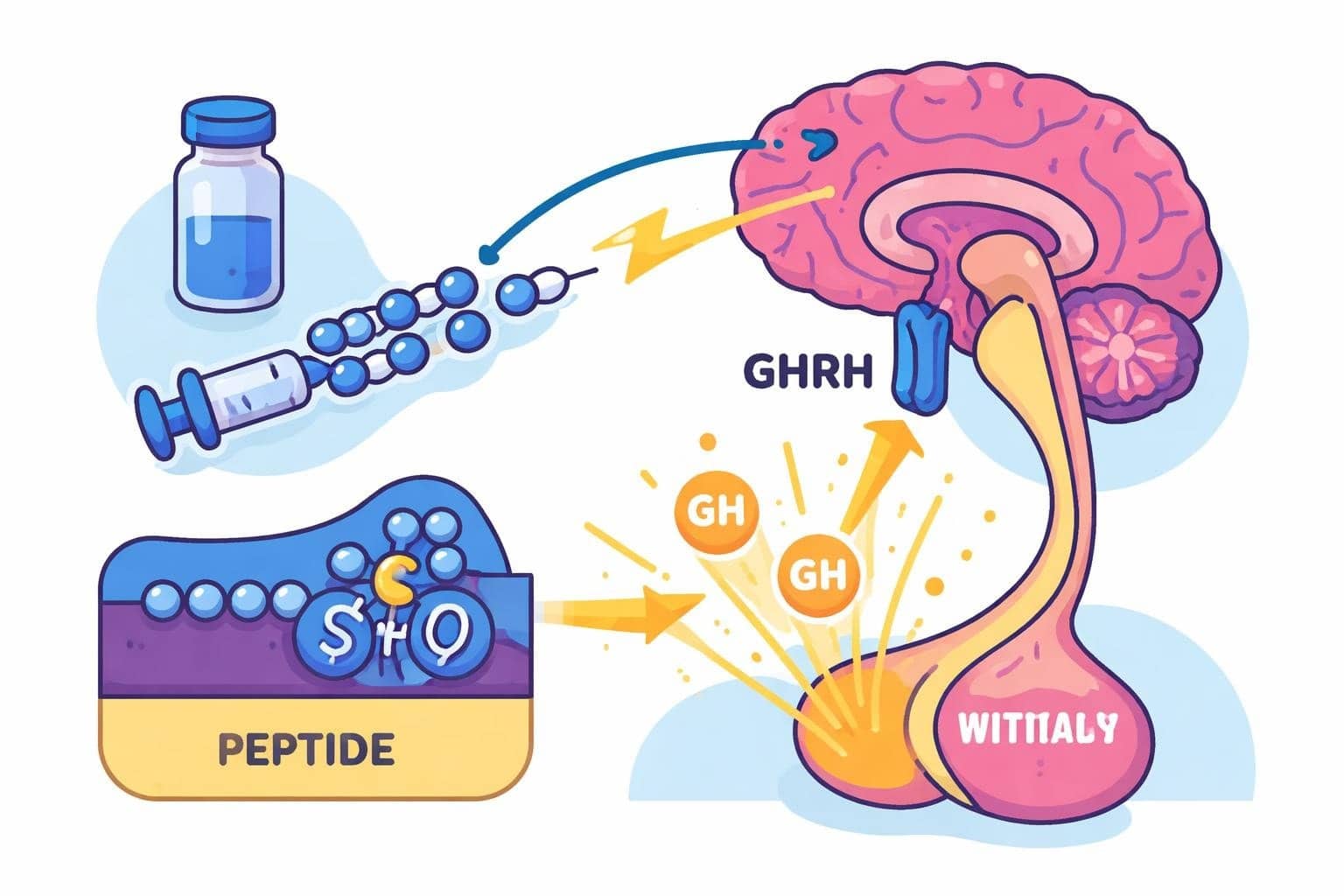
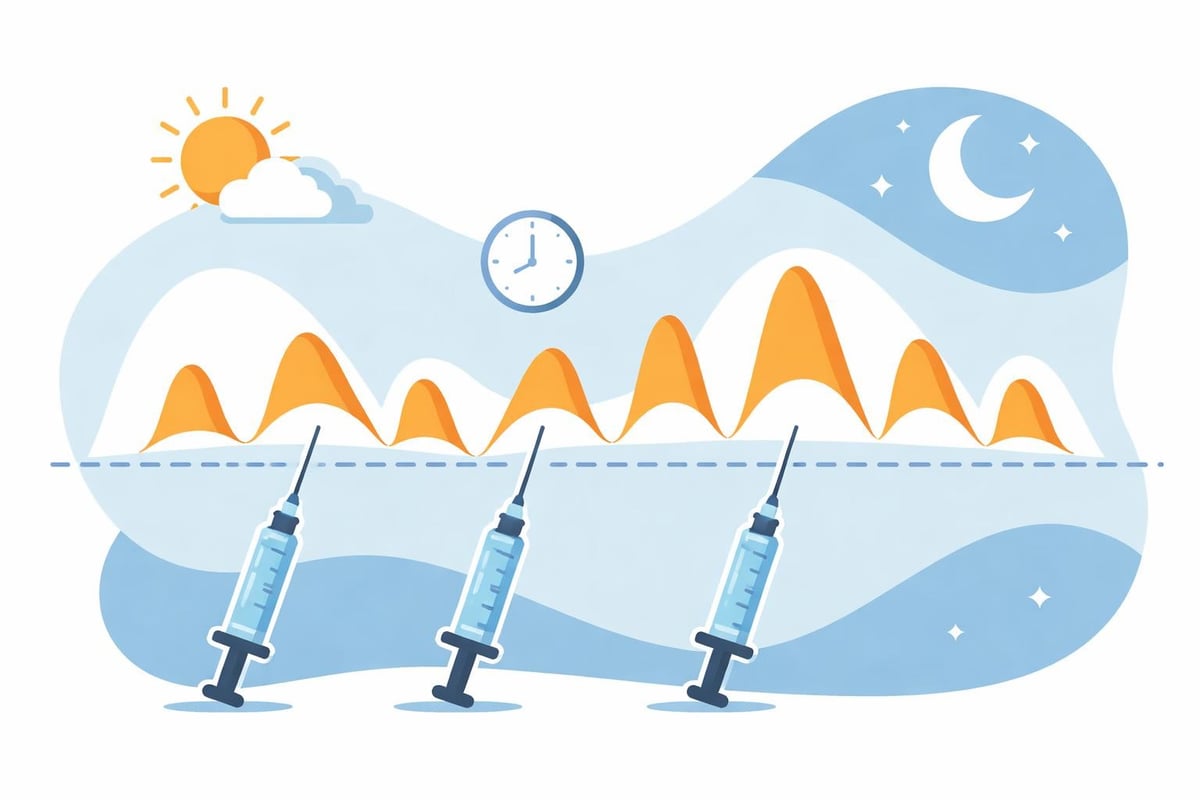
This shorter duration of action creates growth hormone pulses that more closely resemble the body's natural secretion patterns. The pituitary gland responds to CJC 1295 without DAC by releasing growth hormone in waves rather than maintaining sustained elevation throughout the day.
Mechanism of Action
The peptide works by binding to growth hormone releasing hormone receptors on somatotroph cells within the anterior pituitary gland. This binding triggers a cascade of cellular events that ultimately result in the synthesis and secretion of growth hormone into the bloodstream.
Key mechanisms include:
- Activation of adenylyl cyclase and increased cyclic AMP production
- Stimulation of intracellular calcium mobilization
- Enhanced gene transcription for growth hormone production
- Amplification of natural GHRH signaling pathways
The body's natural feedback mechanisms remain largely intact when using cjc 1295 without dac, as the peptide's short half-life allows for periods of receptor downtime between administrations.
Comparing CJC 1295 With and Without DAC
Understanding the distinction between these two formulations proves essential for selecting the appropriate option for specific goals. The differences between CJC 1295 with and without DAC significantly impact dosing frequency, growth hormone release patterns, and overall user experience.
| Feature | CJC 1295 Without DAC | CJC 1295 With DAC |
|---|---|---|
| Half-Life | 30 minutes to 2 hours | 6-8 days |
| Injection Frequency | 2-3 times daily | 1-2 times weekly |
| GH Release Pattern | Pulsatile (natural) | Sustained elevation |
| Receptor Sensitivity | Maintained | Potential desensitization |
| Flexibility | High dosing control | Less frequent administration |
The DAC-free version requires more frequent administration but offers several distinct advantages. Users maintain tighter control over their growth hormone levels, can adjust dosing based on training schedules, and preserve the body's natural circadian rhythm of GH secretion.
Advantages of the Non-DAC Formulation
The shorter half-life initially seems like a disadvantage, but it provides meaningful benefits for knowledgeable users. Timing injections around workouts or before sleep allows individuals to maximize growth hormone availability during critical windows for muscle recovery and cellular repair.
Research participants often report fewer side effects with the non-DAC version, likely because the body experiences breaks from elevated growth hormone rather than continuous exposure. This intermittent pattern may reduce the likelihood of developing insulin resistance or experiencing water retention.
Those exploring premium peptide options should consider their lifestyle and commitment level when choosing between formulations.
Dosing Protocols and Administration Guidelines
Proper dosing represents a critical factor in achieving desired outcomes while minimizing potential adverse effects. Clinical protocols for CJC 1295 without DAC typically involve multiple daily administrations to maintain optimal growth hormone stimulation.
Standard Dosing Framework
Most protocols utilize doses ranging from 100 to 200 micrograms per injection. The total daily amount generally falls between 300 and 600 micrograms, divided across two to three administrations.
Common administration schedules:
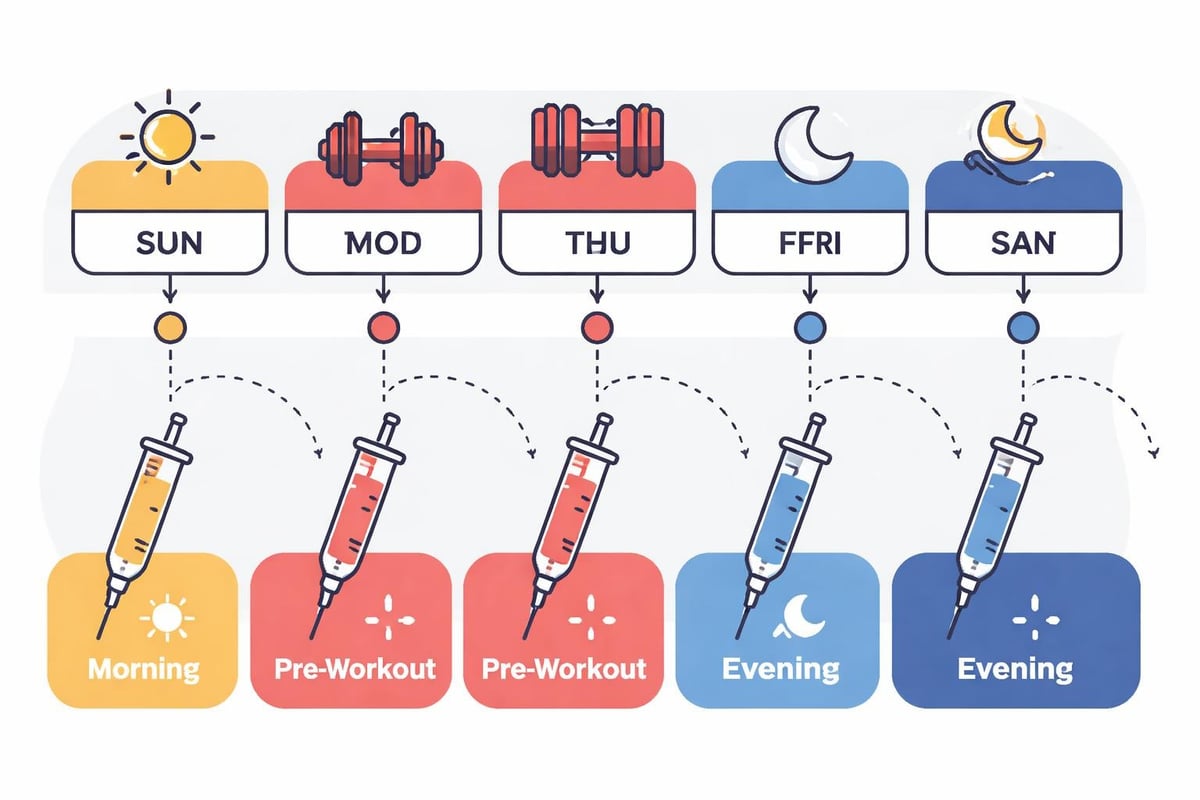
- Twice-daily protocol: Morning (upon waking) and evening (before bed)
- Three-times-daily protocol: Morning, post-workout, and before bed
- Training-focused protocol: Pre-workout and before sleep on training days
The subcutaneous injection route proves most effective, with absorption occurring through fatty tissue beneath the skin. Proper injection technique ensures consistent bioavailability and reduces the risk of complications.
Timing considerations significantly influence effectiveness. Administering cjc 1295 without dac during fasted states or before sleep capitalizes on periods when the body naturally produces higher growth hormone levels, creating an additive effect.
Cycling and Duration
Most experts recommend cycling peptide use to prevent receptor desensitization and maintain effectiveness over time. A typical cycle might last 8 to 12 weeks, followed by a 4-week break before resuming.
During the active cycle, consistent daily administration produces the most predictable results. Missing doses or irregular timing can disrupt the establishment of stable growth hormone patterns.
Benefits and Expected Outcomes
Users of cjc 1295 without dac report a range of benefits associated with optimized growth hormone levels. While individual responses vary based on factors like age, baseline hormone status, and lifestyle, several outcomes appear consistently across user experiences.
Body Composition Improvements
Enhanced growth hormone availability promotes favorable changes in body composition through multiple mechanisms. Increased lipolysis (fat breakdown) occurs as growth hormone stimulates hormone-sensitive lipase, an enzyme that releases fatty acids from stored triglycerides.
Simultaneously, protein synthesis receives a boost, supporting muscle tissue preservation and growth. This dual action creates an environment conducive to simultaneous fat loss and muscle development, often termed "recomposition."
Documented body composition benefits include:
- Reduction in visceral and subcutaneous fat deposits
- Preservation of lean muscle mass during caloric restriction
- Enhanced muscle fullness and definition
- Improved metabolic rate and energy expenditure
Recovery and regeneration processes also accelerate under optimized growth hormone conditions. Athletes frequently report reduced muscle soreness following intense training sessions and faster recovery between workouts.
Anti-Aging and Wellness Effects
Growth hormone plays crucial roles in cellular repair, collagen synthesis, and tissue regeneration. These functions contribute to various anti-aging effects that extend beyond physical appearance.
Skin quality often improves as collagen production increases, potentially reducing fine lines and improving elasticity. Hair and nail growth may accelerate, reflecting enhanced protein synthesis throughout the body.
Sleep quality improvements represent another frequently reported benefit. Growth hormone naturally peaks during deep sleep stages, and supplementation that respects this pattern may enhance sleep architecture and restorative processes.
| Benefit Category | Typical Timeframe | Intensity Level |
|---|---|---|
| Energy increase | 1-2 weeks | Moderate |
| Fat loss | 3-6 weeks | Moderate to High |
| Muscle growth | 4-8 weeks | Moderate |
| Skin improvements | 6-12 weeks | Mild to Moderate |
| Recovery enhancement | 2-4 weeks | High |
Those interested in comprehensive anti-aging support might explore specialized peptide combinations designed to address multiple aspects of cellular aging.
Combining with Other Peptides for Enhanced Results
Growth hormone releasing peptides work synergistically with growth hormone secretagogues, creating an amplification effect that exceeds the sum of individual contributions. Research on peptide stacking demonstrates significant advantages when combining complementary compounds.
Popular Peptide Combinations
The most common pairing involves cjc 1295 without dac with ipamorelin, a growth hormone releasing peptide (GHRP). This combination stimulates growth hormone release through two distinct pathways, creating a powerful synergistic effect.
Ipamorelin activates ghrelin receptors, while CJC 1295 without DAC works through GHRH receptors. When administered together, the dual stimulation produces growth hormone spikes significantly larger than either peptide alone.
Users exploring ipamorelin protocols should consider timing both peptides simultaneously for maximum synergy. Typical doses involve 100-200 mcg of each peptide per administration.
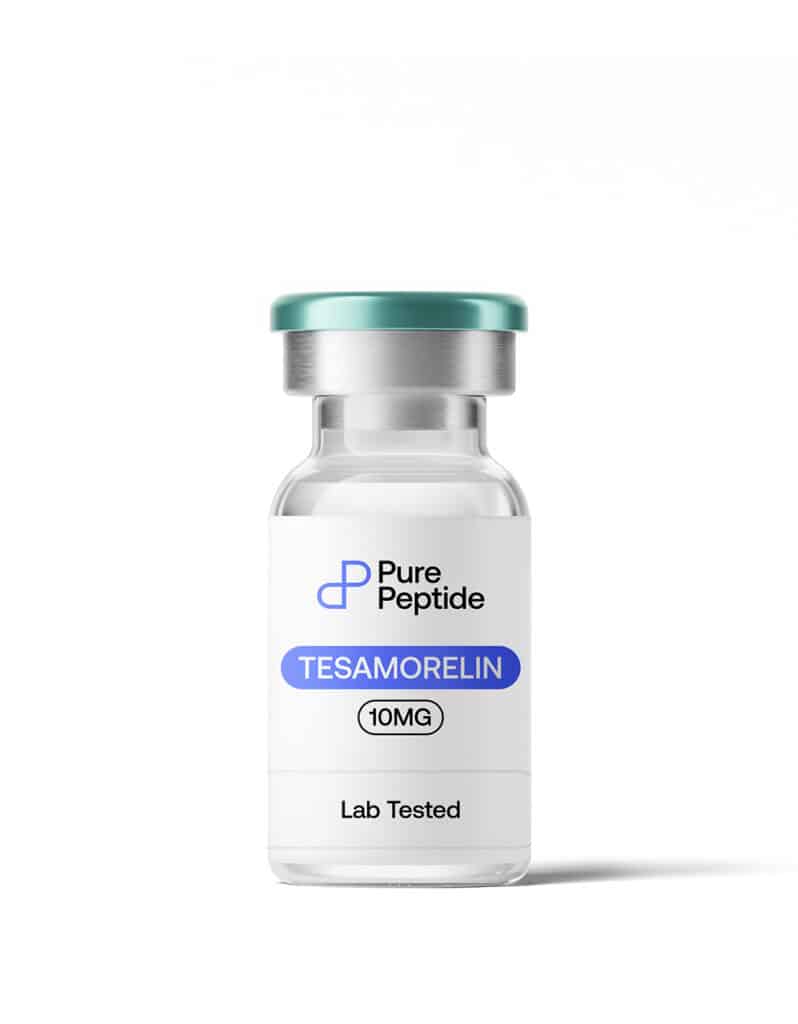
Another effective combination pairs CJC 1295 without DAC with tesamorelin, though this approach is less common due to overlapping mechanisms. Some advanced users incorporate tesamorelin during specific phases of their protocols to address particular goals.
Stacking Considerations
When combining peptides, total dosing requires careful consideration to prevent excessive growth hormone elevation. Starting with lower doses of each compound allows users to assess tolerance before increasing to standard levels.
Key stacking principles:
- Begin with 50% of standard doses when first combining peptides
- Monitor for side effects more carefully than with single-peptide use
- Maintain consistent timing across all compounds in the stack
- Consider cycling different combinations to prevent adaptation
The financial investment increases when stacking multiple peptides, but many users find the enhanced results justify the additional cost. Quality peptide sources become even more critical when using multiple compounds simultaneously.
Safety Profile and Potential Side Effects
While generally well-tolerated, cjc 1295 without dac can produce side effects, particularly when doses exceed recommended ranges or individual sensitivity factors come into play. Understanding potential adverse effects enables proactive management and appropriate protocol adjustments.
Common Side Effects
Most reported side effects remain mild and transient, resolving as the body adapts to enhanced growth hormone levels. Water retention represents the most frequent complaint, manifesting as temporary bloating or slight weight gain from fluid accumulation.
Injection site reactions occur occasionally, including redness, swelling, or mild discomfort at the administration location. Proper rotation of injection sites and sterile technique minimize these issues.
Some users experience headaches during initial weeks of use, likely related to changes in fluid balance or slight increases in intracranial pressure. These typically diminish with continued use or slight dose reduction.
Less common but notable effects include:
- Numbness or tingling in extremities (paresthesia)
- Joint discomfort or stiffness
- Increased hunger or appetite changes
- Flushing or warmth sensation post-injection
- Fatigue or drowsiness following administration
Serious adverse effects remain rare when proper dosing guidelines are followed. However, individuals with pre-existing conditions should exercise additional caution and consider medical consultation before beginning peptide protocols.
Contraindications and Precautions
Certain populations should avoid cjc 1295 without dac or use it only under medical supervision. Active cancer patients represent a primary contraindication, as growth hormone may potentially influence cell proliferation rates.
Individuals with diabetes or insulin resistance require careful monitoring, since growth hormone can affect glucose metabolism and insulin sensitivity. Regular blood glucose testing becomes essential for this population.
Pregnant or nursing women should avoid peptide use due to insufficient safety data in these populations. The effects on fetal development and infant health remain unknown.
Quality Considerations and Purity Standards
The effectiveness and safety of cjc 1295 without dac depend heavily on product quality and purity. Peptides require sophisticated manufacturing processes, and variations in production methods significantly impact the final product.
Analytical Testing and Verification
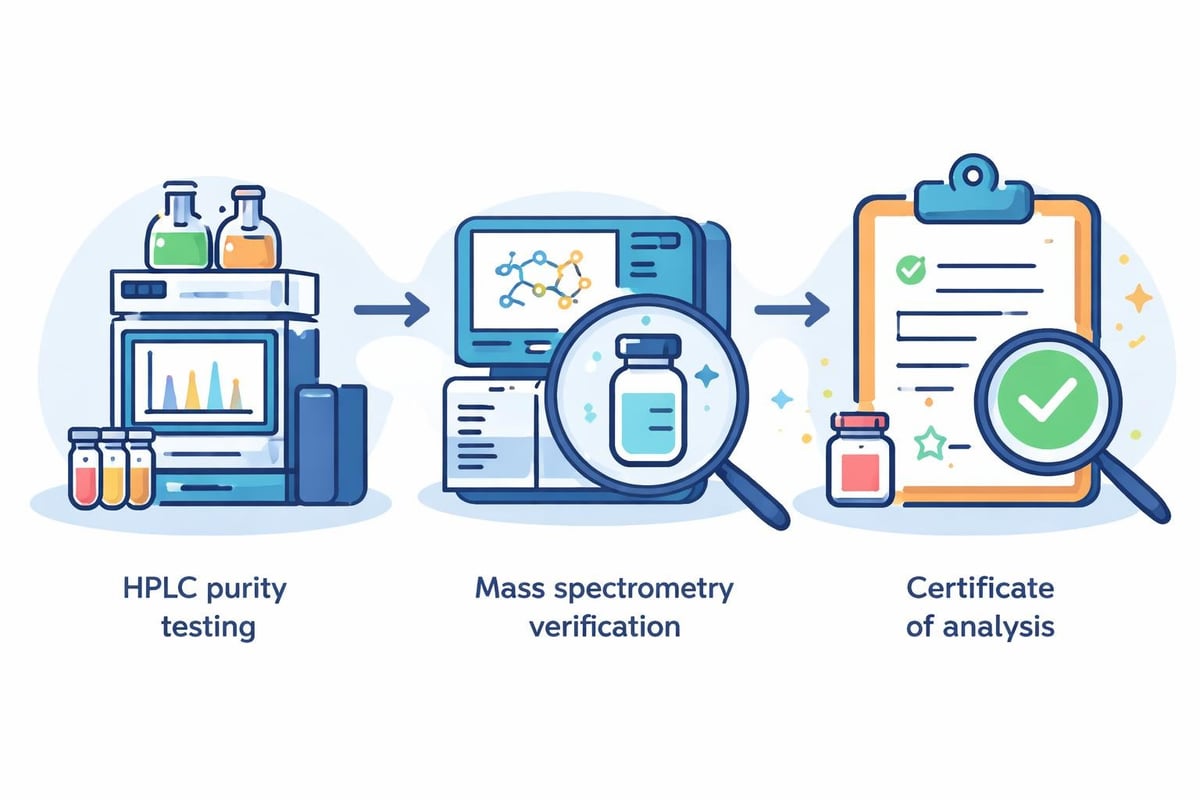
Reputable suppliers provide high-performance liquid chromatography (HPLC) analysis results demonstrating purity levels. Quality peptides typically achieve 98% or higher purity, with minimal contamination from synthesis byproducts or degradation fragments.
Mass spectrometry offers additional verification of molecular identity and structure. This analytical technique confirms that the peptide contains the correct amino acid sequence and molecular weight expected for authentic CJC 1295 without DAC.
Third-party testing provides independent validation of product quality. Certificates of analysis from accredited laboratories offer the highest level of assurance regarding purity and composition.
Storage and Handling Requirements
Proper storage preserves peptide integrity and potency throughout the product's shelf life. Lyophilized (freeze-dried) peptides remain stable at room temperature for short periods but require refrigeration for long-term storage.
Once reconstituted with bacteriostatic water, the peptide solution demands refrigeration at 2-8°C (36-46°F). Under these conditions, reconstituted cjc 1295 without dac typically maintains stability for several weeks.
Freezing reconstituted peptides is not recommended, as ice crystal formation can damage the delicate protein structure. Light exposure also degrades peptides over time, making opaque or amber vials preferable for storage.
Those seeking verified quality should review certificates of analysis before making purchasing decisions.
Legal Status and Regulatory Considerations
The regulatory landscape surrounding peptides continues to evolve, with varying regulations across different jurisdictions. Understanding the legal framework ensures compliance and informed decision-making.
Peptide legal status varies significantly by country and intended use. In the United States, CJC 1295 without DAC exists in a regulatory gray area. The FDA has not approved it for human use, but it remains legal for research purposes.
Compounding pharmacies may prepare peptides under specific circumstances, though FDA guidance on this practice continues to develop. Healthcare providers can prescribe compounded peptides when commercially available alternatives do not meet patient needs.
Athletes competing in sanctioned sports should note that growth hormone secretagogues typically appear on prohibited substance lists. WADA (World Anti-Doping Agency) classifications include GHRH analogs as banned performance-enhancing substances.
International shipping of peptides faces additional complexity due to customs regulations and import restrictions. Purchasers should verify local laws before ordering peptides from international sources.
Optimizing Results Through Lifestyle Integration
The effectiveness of cjc 1295 without dac extends beyond the peptide itself. Supporting protocols and lifestyle factors significantly influence outcomes and determine whether users achieve their desired results.
Nutritional Considerations
Growth hormone elevation affects nutrient partitioning and metabolic processes. Adequate protein intake becomes particularly important, as enhanced protein synthesis requires sufficient amino acid availability. Most experts recommend consuming 1.0 to 1.5 grams of protein per pound of lean body mass daily.
Carbohydrate timing merits attention, as growth hormone and insulin exert opposing effects on metabolism. Some users prefer lower-carbohydrate approaches to maximize fat mobilization, while others time carbohydrate intake strategically around training sessions.
Micronutrient status influences growth hormone production and receptor sensitivity. Zinc, magnesium, and vitamin D play particularly important roles in maintaining optimal hormonal function.
Training and Recovery Protocols
Resistance training provides a powerful stimulus for muscle growth when combined with enhanced growth hormone availability. Progressive overload principles remain essential, as the peptide amplifies training adaptations rather than replacing proper programming.
Sleep optimization cannot be overstated. Growth hormone naturally peaks during deep sleep stages, and CJC 1295 without DAC administered before bed may enhance this natural surge. Aiming for 7-9 hours of quality sleep nightly maximizes recovery and adaptation.
Stress management supports optimal results by preventing excessive cortisol elevation that can interfere with growth hormone action. Meditation, adequate rest days, and avoiding overtraining contribute to favorable hormonal environments.
Growth hormone optimization through cjc 1295 without dac offers a sophisticated approach to improving body composition, recovery, and overall wellness when implemented with proper protocols and quality products. Success requires attention to dosing precision, complementary lifestyle factors, and sourcing from verified suppliers who prioritize purity and potency. Whether you're pursuing enhanced athletic performance, body recomposition, or anti-aging benefits, Soma Peptide provides the premium quality peptides and expert guidance needed to achieve your goals safely and effectively.