



Alpha peptides represent a fascinating category of biomolecules that have gained significant attention in recent years across multiple industries, from skincare and cosmetics to therapeutic applications. These peptide structures are characterized by their distinctive alpha-helix configuration, a coiled arrangement of amino acids that forms the foundation for numerous biological functions. Understanding the unique properties and applications of alpha peptides has become increasingly important for researchers, healthcare professionals, and consumers seeking advanced solutions for anti-aging, muscle recovery, and overall wellness optimization.
What Are Alpha Peptides and Their Structural Characteristics
Alpha peptides are short chains of amino acids that form a specific three-dimensional structure known as an alpha helix. This configuration represents one of the most common secondary structures found in proteins, characterized by a right-handed spiral formation where the peptide backbone coils around an imaginary axis.
The structural stability of alpha peptides comes from hydrogen bonding between the carbonyl oxygen of one amino acid and the amide hydrogen of another amino acid located four residues away in the sequence. This regular pattern creates a stable, rod-like structure that is fundamental to many biological processes.
Key Structural Features
- Helical pitch: Alpha peptides complete one full turn approximately every 3.6 amino acid residues
- Hydrogen bonding pattern: Consistent bonding creates structural stability and predictability
- Side chain orientation: Amino acid side chains project outward from the helix core
- Amphipathic properties: Many alpha peptides display both hydrophobic and hydrophilic characteristics
The classification of peptides has evolved significantly, with researchers developing sophisticated methods to categorize peptides based on their structural and functional properties. This classification system helps scientists understand how different peptide configurations contribute to specific biological activities.

Applications of Alpha Peptides in Skincare and Anti-Aging
The cosmetics and skincare industries have embraced alpha peptides for their remarkable ability to support skin health and combat visible signs of aging. These molecules work by signaling cells to perform specific functions, particularly stimulating collagen production and enhancing skin repair mechanisms.
Alpha peptides penetrate the skin barrier more effectively than larger protein molecules, making them ideal active ingredients in topical formulations. Their small molecular size allows for better absorption and bioavailability when applied to the skin surface.
Benefits in Dermatological Applications
| Application | Mechanism | Expected Outcome |
|---|---|---|
| Collagen synthesis | Stimulates fibroblast activity | Improved skin firmness and elasticity |
| Wrinkle reduction | Enhances cellular communication | Smoother skin texture |
| Barrier function | Supports lipid production | Enhanced moisture retention |
| Wound healing | Accelerates tissue repair | Faster recovery from damage |
The industrial applications of alpha peptides extend beyond basic skincare, encompassing advanced formulations designed for specific dermatological concerns. These applications leverage the unique properties of alpha peptides to deliver targeted results.
Products containing alpha peptides often combine multiple peptide sequences to create synergistic effects. For example, specialized blends may incorporate different peptide types to address multiple aging pathways simultaneously, providing comprehensive anti-aging support.
Alpha Peptides in Therapeutic and Wellness Applications
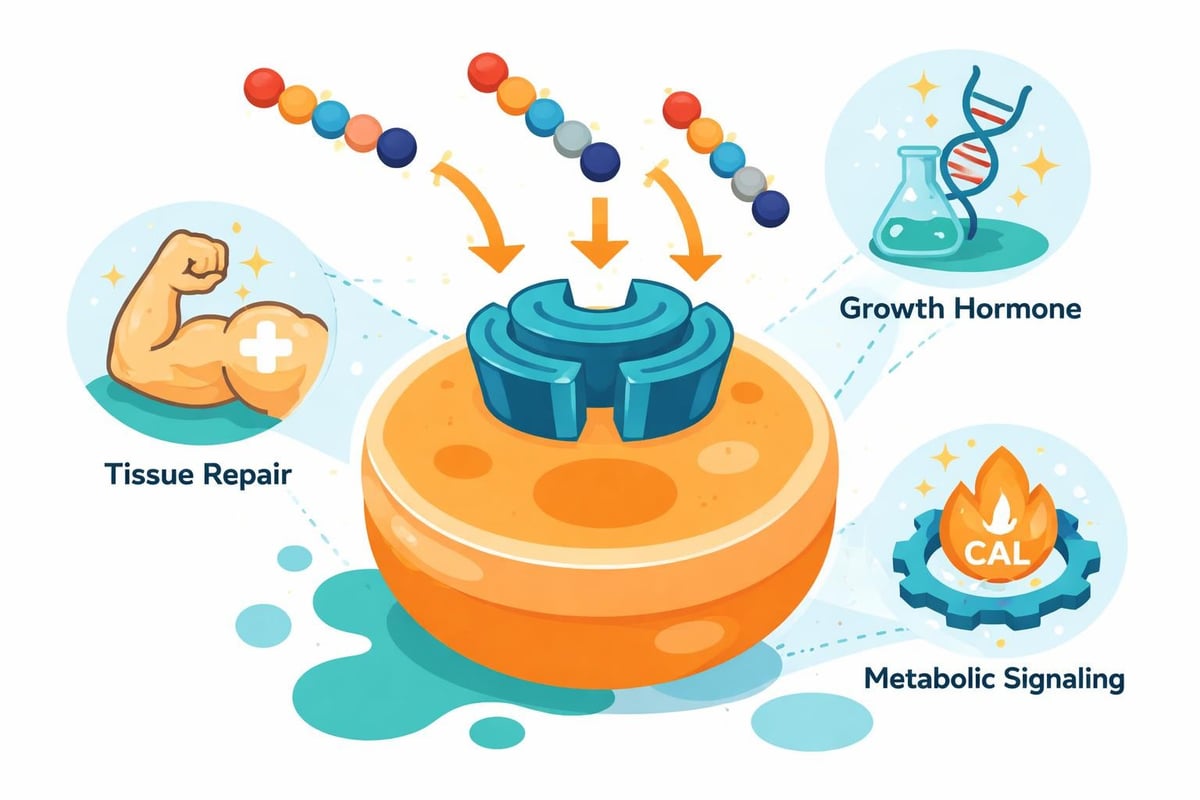
Beyond cosmetic uses, alpha peptides play crucial roles in therapeutic applications, particularly in areas related to muscle growth, recovery, and metabolic optimization. The ability of these peptides to influence cellular signaling pathways makes them valuable tools for supporting various physiological processes.
Research has demonstrated that specific alpha peptides can enhance growth hormone secretion, improve tissue repair, and support metabolic function. These properties have made them increasingly popular among individuals seeking to optimize physical performance and recovery.
Growth Hormone Modulation
Certain alpha peptides function as growth hormone secretagogues, meaning they stimulate the body's natural production of growth hormone. This mechanism differs from direct hormone replacement by working with the body's endogenous systems.
- Supports natural pulsatile hormone release patterns
- Maintains feedback loop integrity
- Reduces risk of receptor desensitization
- Provides more physiological hormone profiles
The production and application of peptides in therapeutic contexts requires careful consideration of bioactivity, stability, and delivery methods. Manufacturing processes must ensure peptide integrity while maintaining biological activity.
Products like CJC-1295 No DAC represent alpha peptide applications designed to support growth hormone optimization through controlled release mechanisms, offering sustained biological activity.
Recovery and Tissue Repair Applications
Alpha peptides have shown remarkable promise in supporting tissue repair and accelerating recovery from injury or intense physical activity. These applications stem from the peptides' ability to modulate inflammatory responses and promote cellular regeneration.
The mechanism of action typically involves binding to specific receptors on cell surfaces, triggering intracellular signaling cascades that promote healing and reduce inflammation. This targeted approach allows for precise modulation of recovery processes without broad systemic effects.
Mechanisms Supporting Recovery
- Inflammation modulation: Alpha peptides can help regulate inflammatory pathways, reducing excessive inflammation while maintaining necessary immune responses
- Angiogenesis promotion: Supporting new blood vessel formation enhances nutrient and oxygen delivery to damaged tissues
- Collagen synthesis: Stimulating collagen production accelerates structural tissue repair
- Neural protection: Some alpha peptides offer neuroprotective effects, supporting nerve tissue recovery
Advanced peptide research continues to unveil new applications for recovery and regeneration. Studies have identified specific alpha peptide sequences that demonstrate superior efficacy in particular tissue types or injury scenarios.
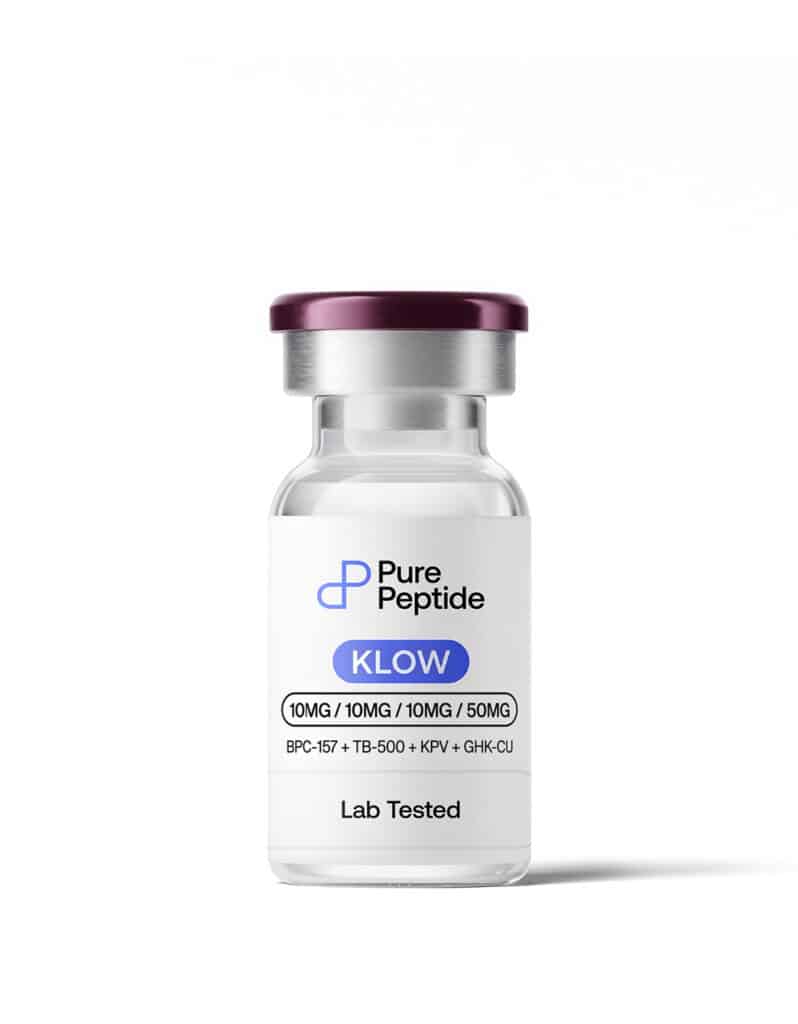
Combination products like BPC-157 TB-500 Blend leverage multiple peptide mechanisms to provide comprehensive recovery support, addressing different aspects of the healing process simultaneously.
Quality Standards and Purity Considerations
The effectiveness of alpha peptides depends critically on their purity, structural integrity, and proper storage. Manufacturing processes must employ advanced purification techniques to ensure the final product contains the correct amino acid sequence without contaminants or degradation products.
High-performance liquid chromatography (HPLC) represents the gold standard for peptide purification, separating the target peptide from synthesis byproducts, truncated sequences, and other impurities. The purity percentage directly impacts biological activity and safety profile.
Critical Quality Parameters
| Parameter | Importance | Target Specification |
|---|---|---|
| Sequence accuracy | Ensures correct biological activity | 100% sequence match |
| Purity level | Minimizes side effects and maximizes efficacy | ≥98% by HPLC |
| Endotoxin content | Prevents inflammatory responses | <1.0 EU/mg |
| Sterility | Ensures safe administration | No microbial growth |
| Peptide content | Verifies actual active ingredient amount | ±10% of stated value |
Soma Peptide's commitment to quality ensures that all peptide products undergo rigorous testing protocols. Advanced purification methods remove impurities while maintaining the delicate structural integrity that defines alpha peptide functionality.
Storage conditions significantly affect alpha peptide stability. Most peptides require refrigeration or freezing to maintain potency, with lyophilized (freeze-dried) forms offering enhanced stability compared to liquid formulations. Proper reconstitution using bacteriostatic water helps preserve peptide integrity during preparation.

Metabolic and Weight Management Applications
Alpha peptides have emerged as valuable tools in metabolic optimization and weight management strategies. Certain peptide sequences influence appetite regulation, glucose metabolism, and fat utilization, making them relevant for individuals seeking to improve body composition.
The metabolic effects of alpha peptides often work through multiple pathways simultaneously. Some peptides mimic or modulate incretin hormones, affecting insulin secretion and glucose disposal. Others influence satiety signals in the hypothalamus, helping regulate food intake and energy balance.
Metabolic Mechanisms
Research has identified several ways alpha peptides support metabolic function:
- Incretin mimicry: Some peptides replicate the effects of GLP-1, enhancing insulin secretion in response to meals
- Appetite regulation: Modulation of satiety hormones helps control caloric intake
- Lipolysis enhancement: Supporting fat breakdown and utilization as an energy source
- Thermogenesis: Increasing metabolic rate through brown adipose tissue activation
Products like Tirzepatide and Semaglutide represent advanced applications of peptide science in metabolic management, offering mechanisms that address multiple aspects of weight regulation simultaneously.
The advancement in peptide classification has improved our understanding of how different peptide structures relate to specific metabolic effects, enabling more targeted therapeutic approaches.
Safety Profile and Proper Administration
Understanding the safety profile of alpha peptides requires consideration of dosing, administration routes, and individual response variability. While peptides generally demonstrate favorable safety profiles compared to synthetic drugs, proper protocols ensure optimal outcomes while minimizing potential adverse effects.
The route of administration significantly impacts peptide bioavailability and efficacy. Subcutaneous injection remains the most common delivery method for therapeutic peptides, offering reliable absorption and sustained activity. Proper injection technique using appropriate injection syringes ensures accurate dosing and minimizes discomfort.
Administration Best Practices
- Rotate injection sites: Prevents tissue damage and maintains absorption consistency
- Follow reconstitution protocols: Use proper diluents and mixing techniques
- Maintain sterile technique: Reduces infection risk and ensures product integrity
- Adhere to recommended dosing: Prevents tolerance development and optimizes results
- Monitor individual response: Adjust protocols based on personal outcomes and tolerability
Common side effects typically remain mild and transient, often resolving as the body adapts to peptide therapy. These may include injection site reactions, temporary changes in appetite, or mild headaches. Serious adverse effects are rare when peptides are used appropriately under professional guidance.
Future Directions in Alpha Peptide Research
The field of peptide science continues to evolve rapidly, with new discoveries expanding our understanding of alpha peptide applications. Computational approaches now enable researchers to predict peptide activity and design novel sequences with specific properties.
Machine learning algorithms analyze vast databases of peptide structures and their associated biological activities, identifying patterns that inform the development of next-generation therapeutic peptides. This approach accelerates the discovery process and improves the precision of peptide design.
Research initiatives explore alpha peptides for emerging applications including:
- Neuroprotection: Supporting cognitive function and protecting against neurodegenerative processes
- Cardiovascular health: Modulating blood pressure and supporting vascular function
- Immune modulation: Balancing immune responses for autoimmune and inflammatory conditions
- Longevity support: Activating cellular pathways associated with healthy aging
The development of computational tools for predicting peptide activity represents a significant advancement, enabling more targeted research efforts and faster translation from laboratory discovery to practical application.
Innovative products like MOTS-C demonstrate how emerging peptide research translates into accessible wellness solutions, offering novel mechanisms for metabolic optimization and cellular health support.
Integration into Comprehensive Wellness Strategies
Alpha peptides achieve optimal results when integrated into comprehensive wellness protocols that address multiple aspects of health. Rather than functioning as standalone solutions, these molecules work synergistically with proper nutrition, exercise, sleep optimization, and stress management.
A holistic approach recognizes that peptide effects are amplified when the body operates in a state of metabolic balance and hormonal optimization. Adequate protein intake provides the amino acid building blocks necessary for peptide synthesis and tissue repair. Quality sleep supports the natural pulsatile hormone release patterns that peptides often enhance.
Synergistic Lifestyle Factors
| Factor | Contribution | Integration Strategy |
|---|---|---|
| Nutrition | Provides substrate for synthesis | High-quality protein, balanced macronutrients |
| Exercise | Stimulates natural peptide release | Resistance training and HIIT protocols |
| Sleep | Optimizes hormone secretion patterns | Consistent schedule, 7-9 hours nightly |
| Stress management | Reduces cortisol interference | Meditation, adaptogenic support |
| Hydration | Supports cellular function | Adequate water intake throughout day |
Professional guidance helps individuals develop personalized protocols that account for specific goals, health status, and response patterns. The available product range at Soma Peptide enables customized approaches that address individual needs.
Monitoring progress through objective markers provides valuable feedback for protocol optimization. Body composition analysis, performance metrics, and subjective wellness assessments help track outcomes and inform adjustments to peptide selection or dosing strategies.
Alpha peptides represent a powerful category of biomolecules with diverse applications ranging from skincare and anti-aging to metabolic optimization and recovery enhancement. Their unique structural properties and ability to modulate cellular signaling pathways make them valuable tools for individuals seeking to optimize health and performance. Whether you're interested in supporting muscle growth, accelerating recovery, or addressing metabolic concerns, Soma Peptide offers premium quality alpha peptides manufactured to the highest purity standards, ensuring you receive effective products backed by advanced purification methods and rigorous quality control.