


The pursuit of a sun-kissed glow has led researchers and consumers alike to explore innovative alternatives to traditional tanning methods. Among the most discussed developments in this field are synthetic peptides designed to stimulate melanin production without extensive UV exposure. These compounds have garnered significant attention in both scientific research and wellness communities, offering a fundamentally different approach to achieving skin pigmentation. Understanding the mechanisms, applications, and considerations surrounding these substances is essential for anyone interested in peptide-based approaches to skin health.
Understanding Melanin Production and Peptide Mechanisms
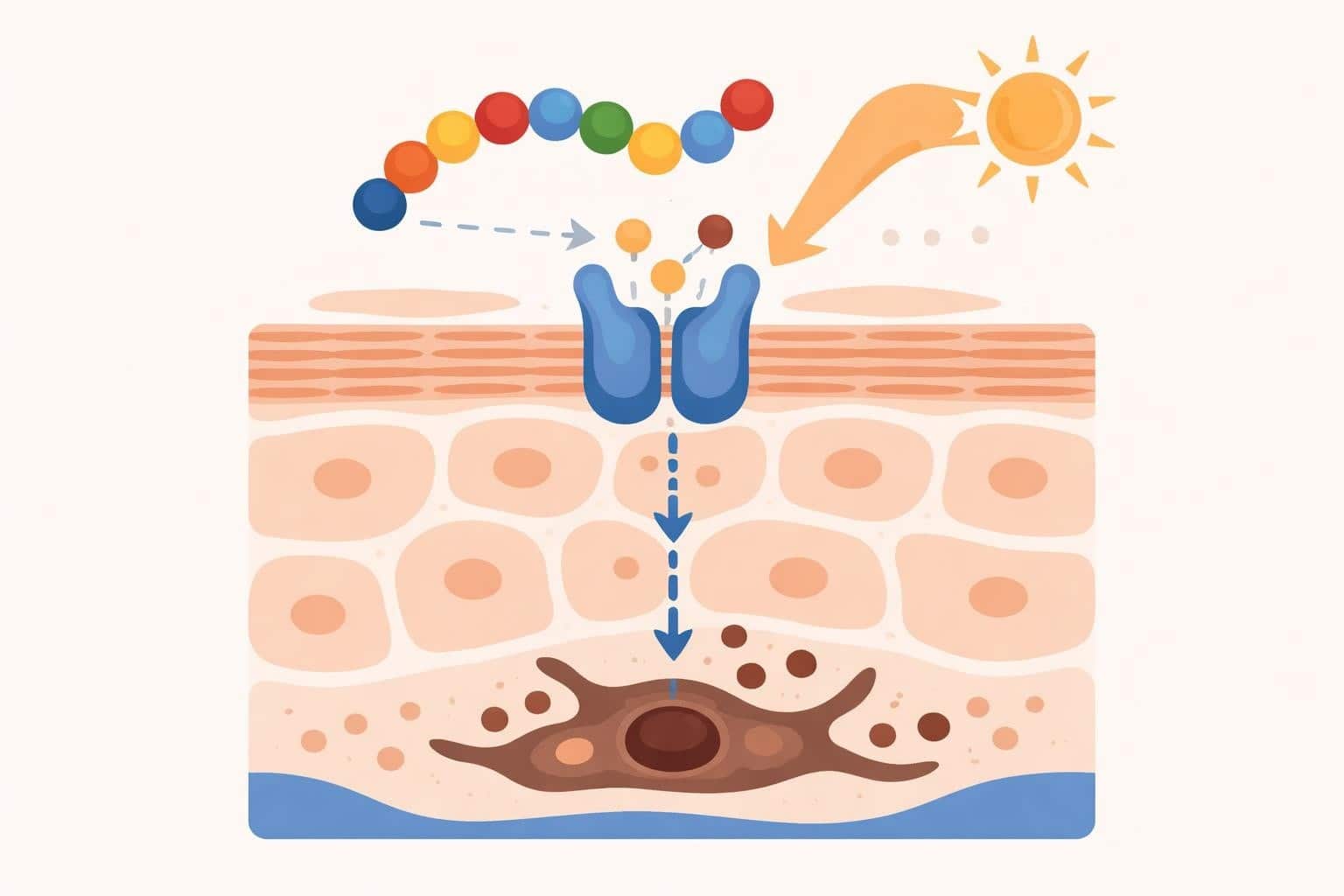
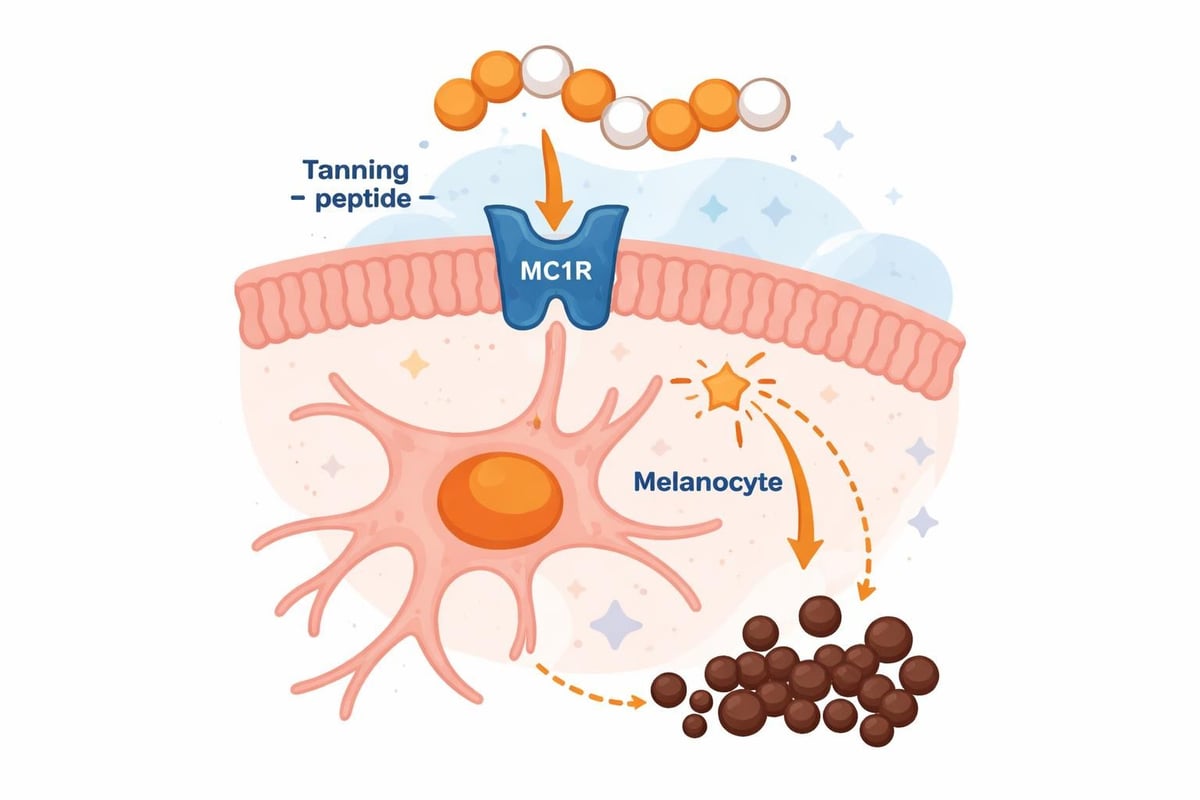
The human body produces melanin through a complex biological process involving specialized cells called melanocytes. These cells contain melanocortin-1 receptors (MC1R) that respond to specific signaling molecules to trigger pigment production. When activated, these receptors initiate a cascade of cellular events that increase melanin synthesis and distribution throughout the skin.
The Role of Alpha-Melanocyte Stimulating Hormone
Natural tanning occurs when ultraviolet radiation triggers the release of alpha-melanocyte stimulating hormone (α-MSH) in the skin. This peptide hormone binds to MC1R receptors on melanocytes, signaling them to produce more melanin as a protective response. The pro-opiomelanocortin (POMC) peptides play a crucial role in this biological tanning response, demonstrating the body's innate peptide-based mechanisms for skin pigmentation.
Synthetic versions of these peptides mimic this natural process by directly activating melanocortin receptors. This approach bypasses the need for UV exposure, theoretically reducing sun damage while still achieving increased pigmentation. The concept represents a significant departure from traditional tanning methods and has implications for both cosmetic applications and medical treatments.
Types of Melanotropic Peptides
Several synthetic peptides have been developed to stimulate melanin production, each with distinct characteristics and research profiles. Understanding the differences between these compounds is essential for informed decision-making.
Melanotan I (Afamelanotide)
Afamelanotide represents the first generation of synthetic melanotropic peptides. Developed initially for medical purposes, this compound gained regulatory approval in certain jurisdictions for treating photosensitivity disorders. Its longer chain structure and specific binding affinity make it more selective for MC1R receptors compared to its successors.
This tanning peptide has undergone extensive clinical trials and received approval from regulatory bodies including the European Medicines Agency. The medical applications focus primarily on erythropoietic protoporphyria, a rare genetic disorder that causes severe photosensitivity. Patients using this compound under medical supervision report improved tolerance to sunlight and enhanced quality of life.
Melanotan II and Its Broader Effects
Melanotan II emerged as a more potent analog with a shorter peptide sequence and broader receptor activity. This compound binds not only to MC1R but also to other melanocortin receptors throughout the body. The expanded receptor profile leads to additional effects beyond skin pigmentation, including potential influences on appetite regulation and other physiological processes.
Research into this tanning peptide has revealed both its efficacy in promoting melanogenesis and its complex side effect profile. The compound's ability to stimulate melanin production with minimal UV exposure has made it a subject of considerable interest, though its non-selective receptor binding raises important safety considerations.
| Peptide Type | Receptor Selectivity | Regulatory Status | Primary Applications |
|---|---|---|---|
| Afamelanotide | High MC1R selectivity | FDA/EMA approved | Medical photosensitivity disorders |
| Melanotan II | Multiple MC receptors | Research only | Investigational tanning studies |
| Synthetic analogs | Varies by compound | Experimental | Laboratory research |
Mechanisms of Action and Biological Effects
The process by which a tanning peptide influences skin pigmentation involves multiple cellular and molecular events. When these compounds enter the bloodstream and reach melanocytes, they initiate a series of reactions that fundamentally alter melanin production patterns.
Cellular Signaling Pathways
Upon binding to melanocortin receptors, these peptides activate intracellular signaling cascades involving cyclic AMP (cAMP) and protein kinase A. This activation increases the expression of genes responsible for melanin synthesis, including tyrosinase and related enzymes. The upregulation of these proteins accelerates melanin production and distribution to surrounding skin cells.
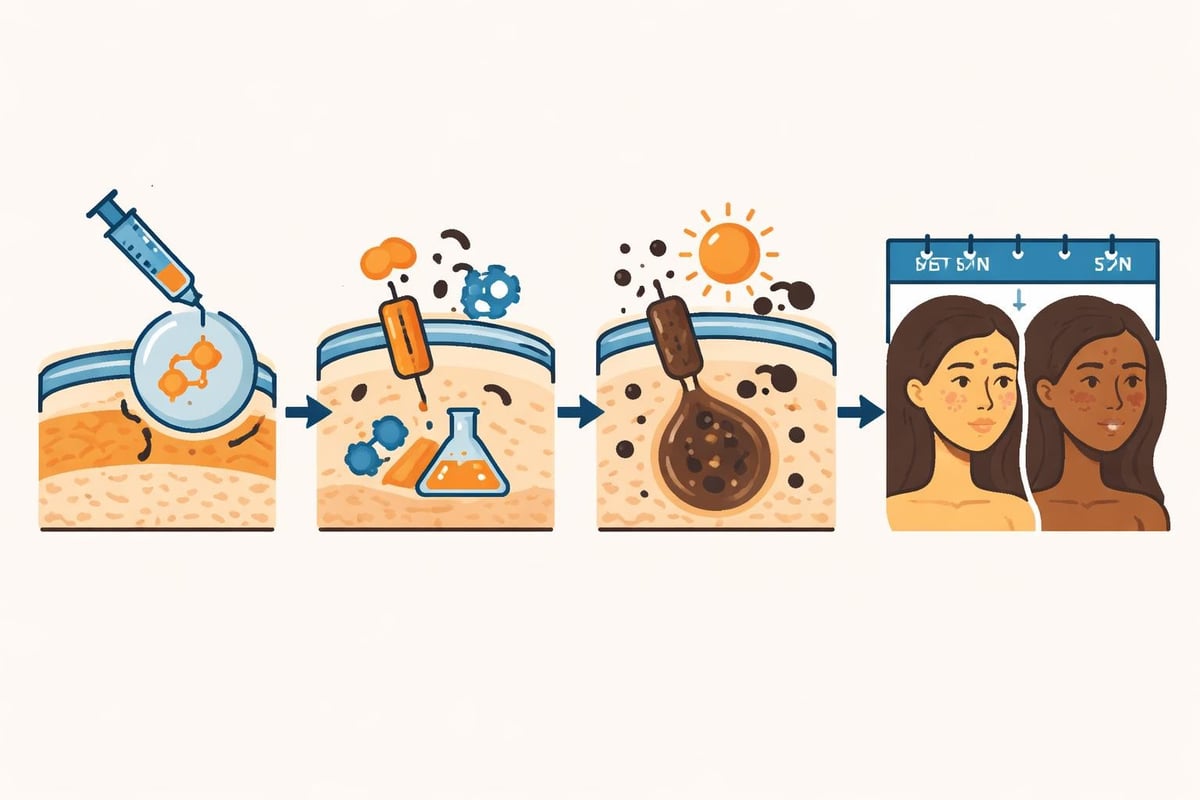
The timeline for visible pigmentation changes typically spans several days to weeks, depending on individual factors such as baseline skin type, dosing protocols, and natural melanocyte density. Unlike UV-induced tanning, which primarily affects sun-exposed areas, systemic peptide administration can produce more uniform pigmentation across the entire body.
Key biological effects include:
- Enhanced melanocyte activity and proliferation
- Increased tyrosinase enzyme expression
- Accelerated melanin synthesis and transfer
- Prolonged pigmentation retention compared to UV tanning
- Potential photoprotective benefits through elevated baseline melanin
Individual Variation in Response
Genetic factors significantly influence how individuals respond to melanotropic peptides. People with naturally low MC1R activity or certain genetic polymorphisms may experience less pronounced pigmentation changes. Conversely, those with highly responsive melanocortin systems might achieve deeper pigmentation with lower doses.
Research Applications and Clinical Investigations
Scientific interest in tanning peptide compounds extends beyond cosmetic applications. Researchers have investigated these molecules for various medical conditions and physiological processes, contributing to a growing body of knowledge about melanocortin system biology.
Photoprotection Studies
One area of active investigation examines whether peptide-induced melanin provides meaningful protection against UV radiation. Studies suggest that increased baseline melanin from these compounds may offer some photoprotective benefits, though this protection differs from naturally acquired tans. The research on Melanotan II highlights both the potential benefits and limitations of peptide-induced pigmentation.
Clinical trials have measured minimal erythema dose (MED) in subjects using these peptides, finding modest improvements in UV tolerance. However, researchers emphasize that this protection does not eliminate the need for traditional sun safety measures, as peptide-induced melanin may not provide the same spectrum of photoprotection as melanin developed through gradual UV exposure.
Metabolic and Appetite Effects
Research has revealed unexpected metabolic effects associated with certain melanotropic peptides, particularly those with broader receptor activity. Studies on compounds affecting MC4R have documented changes in appetite regulation, energy expenditure, and body composition. These findings have sparked interest in potential applications beyond pigmentation.
Research domains include:
- Dermatological applications for photosensitivity disorders
- Metabolic studies on appetite and energy balance
- Sexual health research related to MC receptor activation
- Neuroprotective effects in preclinical models
- Inflammatory response modulation
For those interested in how peptides support various physiological goals, exploring the broader premium quality peptide offerings reveals the diverse applications of these compounds in health and wellness research.
Safety Considerations and Risk Assessment
The use of any tanning peptide involves important safety considerations that must be thoroughly understood. While approved medical formulations undergo rigorous testing and quality control, unregulated sources present significant risks that cannot be overstated.
Known Side Effects and Adverse Reactions
Clinical trials and user reports have documented various side effects associated with melanotropic peptides. Common reactions include nausea, facial flushing, and injection site reactions. More concerning effects such as changes in existing moles, new mole formation, and alterations in blood pressure have also been reported.
The comprehensive analysis of Melanotan 2 research and risks provides detailed information about documented adverse events. These findings underscore the importance of medical supervision and appropriate risk assessment before considering any peptide-based intervention.
| Risk Category | Potential Effects | Severity Level | Monitoring Requirements |
|---|---|---|---|
| Dermatological | Mole changes, freckle darkening | Moderate to High | Regular skin examinations |
| Cardiovascular | Blood pressure changes, flushing | Moderate | Periodic BP monitoring |
| Gastrointestinal | Nausea, appetite changes | Low to Moderate | Symptom tracking |
| Injection-related | Site reactions, infection risk | Low to Moderate | Proper technique, sterility |
Quality Control and Purity Concerns
One of the most significant safety issues involves the purity and composition of products obtained from unregulated sources. Unlike pharmaceutical-grade peptides that undergo strict quality control, products from questionable suppliers may contain contaminants, incorrect concentrations, or even entirely different compounds.
Advanced purification methods and stringent quality standards, such as those emphasized in certificate of analysis documentation, demonstrate the critical importance of verification and testing. Consumers should understand that product quality directly impacts both efficacy and safety outcomes.
Regulatory Status and Legal Considerations
The legal landscape surrounding melanotropic peptides varies significantly across jurisdictions. Understanding these regulations is essential for anyone considering or researching these compounds.
Approved Medical Applications
Afamelanotide holds regulatory approval in the European Union, United States, and Australia for treating erythropoietic protoporphyria under the brand name Scenesse. This approval followed extensive clinical trials demonstrating safety and efficacy for this specific medical indication. The compound is administered exclusively through healthcare providers as subcutaneous implants.
This regulatory approval represents the only legitimate medical use of a tanning peptide in mainstream healthcare. All other applications remain investigational or explicitly unapproved for human use in most jurisdictions.
Research and Unregulated Markets
Despite lacking approval for cosmetic tanning purposes, various melanotropic peptides circulate in gray markets worldwide. These products are often marketed as research chemicals not intended for human consumption, though their actual use frequently differs from these disclaimers. Regulatory agencies in multiple countries have issued warnings about these products.
Regulatory considerations include:
- Prescription requirements for approved formulations
- Import restrictions and customs enforcement
- Product marketing and labeling regulations
- Healthcare provider oversight requirements
- Consumer protection laws and enforcement actions
Those seeking information about peptides for research purposes should consult resources like the comprehensive FAQ section to understand proper applications and considerations.

Practical Considerations for Research Applications
For researchers and clinicians investigating melanotropic peptides, several practical factors influence study design and implementation. Understanding these elements contributes to more rigorous and informative research outcomes.
Dosing Protocols and Administration
Published research protocols for tanning peptide administration vary considerably based on compound type, study objectives, and subject characteristics. Afamelanotide studies typically use subcutaneous implants delivering controlled release over extended periods. Investigational protocols for other compounds have explored various subcutaneous injection schedules.
Dose-response relationships demonstrate significant individual variation, with factors including body weight, baseline skin type, and genetic polymorphisms influencing optimal dosing. Researchers must carefully balance efficacy goals against the potential for adverse effects, adjusting protocols based on observed responses.
Monitoring and Assessment Methods
Rigorous research protocols incorporate multiple assessment methods to evaluate both efficacy and safety. Objective pigmentation measurement using spectrophotometry or colorimetry provides quantifiable data on melanin changes. Subjective assessments through standardized photography and visual grading scales complement these objective measures.
Essential monitoring components:
- Baseline and serial pigmentation measurements
- Comprehensive dermatological examinations
- Cardiovascular parameter tracking
- Adverse event documentation
- Laboratory testing for systemic effects
- Quality of life and patient-reported outcomes
For institutions conducting peptide research, partnering with suppliers who maintain rigorous quality standards ensures experimental validity and participant safety.
Integration with Comprehensive Wellness Approaches
While melanotropic peptides represent a targeted intervention for pigmentation, optimal outcomes often involve broader consideration of skin health and overall wellness. This holistic perspective recognizes that skin appearance and health result from multiple interacting factors.
Complementary Nutritional Support
Melanin synthesis requires specific nutrients and cofactors, including copper, vitamins A and C, and certain amino acids. Research subjects using tanning peptide compounds may benefit from ensuring adequate nutritional support for melanogenesis. Dietary interventions emphasizing antioxidant-rich foods may also help protect against oxidative stress associated with increased melanin production.
Hydration status influences skin health and appearance independent of pigmentation levels. Adequate water intake supports optimal cellular function and may influence how evenly pigmentation develops and appears.
Sun Protection Remains Essential
A critical misconception involves viewing peptide-induced pigmentation as eliminating the need for sun protection. Even with elevated melanin levels, the skin remains vulnerable to UV damage, particularly UVA radiation that penetrates deeply and contributes to photoaging and cancer risk.
Comprehensive approaches combine any potential pigmentation benefits with proven sun safety practices including broad-spectrum sunscreen use, protective clothing, and limiting exposure during peak UV hours. This integrated strategy optimizes both appearance goals and long-term skin health.
Similar to how peptide blends like CJC-1295 and Ipamorelin work synergistically for growth hormone optimization, combining appropriate peptides with supporting interventions may enhance overall outcomes.
Future Directions in Melanotropic Peptide Research
The field of peptide-based pigmentation continues evolving as researchers explore new compounds, delivery methods, and applications. Emerging areas of investigation promise to expand our understanding of melanocortin biology and its therapeutic potential.
Next-Generation Compounds
Scientists are developing novel melanotropic peptides with improved selectivity profiles, aiming to maximize desired effects while minimizing off-target activity. These compounds incorporate modifications to the peptide backbone or sequence that alter receptor binding characteristics. The goal involves creating tanning peptide options with superior safety profiles and more predictable responses.
Research into topical formulations represents another frontier, potentially allowing localized pigmentation effects without systemic exposure. However, delivering peptides through the skin barrier presents significant technical challenges that researchers continue addressing through novel penetration enhancing technologies.
Personalized Approaches Based on Genetic Profiling
Advances in genetic testing may enable personalized protocols based on individual MC1R variants and other relevant polymorphisms. This precision medicine approach could optimize dosing strategies and identify individuals most likely to benefit from or experience adverse effects with these compounds.
Emerging research areas include:
- Structure-activity relationship studies for improved selectivity
- Combination therapies integrating multiple peptides
- Long-term outcome studies on pigmentation durability
- Comparative effectiveness research versus traditional methods
- Economic analyses of medical versus cosmetic applications
The broader peptide industry continues advancing purification and synthesis technologies, improving both quality and accessibility. Staying informed about these developments helps researchers and consumers make evidence-based decisions.
Ethical and Social Considerations
Beyond scientific and medical dimensions, tanning peptide use intersects with broader ethical and social questions about body modification, beauty standards, and health autonomy. These considerations merit thoughtful reflection.
Body Autonomy and Informed Choice
Competent adults generally have the right to make informed decisions about their bodies, including choices regarding appearance modification. However, true informed consent requires accurate information about risks, benefits, and alternatives. The complexity of peptide pharmacology and individual variation in responses makes comprehensive education essential.
Healthcare providers and researchers bear responsibility for ensuring individuals understand both what is known and what remains uncertain about these compounds. Balanced information presentation helps people make choices aligned with their values and risk tolerance.
Cultural Beauty Standards and Pressure
The demand for tanning products, including peptides, reflects cultural beauty standards that often privilege certain skin tones. Critical examination of these standards and their origins contributes to more nuanced discussions about why people seek pigmentation changes and whether these motivations reflect authentic personal preferences or internalized societal pressures.
Supporting diverse representations of beauty and challenging narrow standards may reduce pressure to modify natural appearance. Simultaneously, respecting individual choices about body modification remains important, even while questioning the cultural forces shaping those choices.
Understanding tanning peptide mechanisms, applications, and safety considerations enables informed decision-making for researchers, healthcare providers, and consumers. While these compounds demonstrate fascinating biological effects and potential applications, they also require careful consideration of risks, quality standards, and regulatory status. Whether your interest lies in peptide research or exploring evidence-based approaches to wellness and appearance goals, working with reputable suppliers who prioritize purity and transparency is essential. Soma Peptide offers premium quality peptides with rigorous quality control and comprehensive support for your research and health optimization journey.