




The search for effective fat loss solutions has led many individuals to explore peptide therapies as an alternative or complement to traditional diet and exercise approaches. Peptides represent a class of compounds that can influence metabolic pathways, appetite regulation, and energy expenditure, offering targeted mechanisms for reducing body fat while preserving lean muscle mass. Understanding which peptides demonstrate the strongest clinical evidence and practical efficacy is essential for making informed decisions about metabolic optimization strategies.
Understanding Peptide Mechanisms in Fat Loss
Peptides work through diverse biological pathways to influence body composition. Some compounds mimic naturally occurring hormones that regulate appetite and satiety, while others stimulate growth hormone release or directly affect metabolic rate. The effectiveness of any peptide depends on its specific mechanism of action, bioavailability, and how well it aligns with individual metabolic profiles.
GLP-1 and GIP Receptor Agonists
The glucagon-like peptide-1 (GLP-1) receptor agonists represent one of the most clinically validated approaches to peptide-based fat loss. These compounds work by enhancing insulin secretion in response to food intake, slowing gastric emptying, and reducing appetite through central nervous system pathways. The result is decreased caloric intake and improved metabolic parameters.
Dual and triple agonists take this approach further by activating multiple receptor pathways simultaneously. Compounds that target both GLP-1 and glucose-dependent insulinotropic polypeptide (GIP) receptors demonstrate enhanced efficacy compared to single-pathway agonists. The synergistic effects of multi-receptor activation create more pronounced fat loss while maintaining favorable safety profiles in clinical studies.
Growth Hormone Pathway Modulation
Growth hormone secretagogues represent another major category of peptides studied for fat loss applications. These compounds stimulate the pituitary gland to release growth hormone, which subsequently affects lipolysis, protein synthesis, and metabolic rate. The indirect mechanism provides benefits beyond simple caloric restriction, including preservation of lean tissue during periods of energy deficit.
Key considerations for growth hormone pathway peptides include:
- Pulsatile release patterns that mimic natural secretion
- Synergistic effects when combined with GHRH analogs
- Individual response variability based on age and baseline GH levels
- Potential effects on insulin sensitivity and glucose metabolism

Top-Tier Clinical Evidence Peptides
When evaluating the best peptide for fat loss based on rigorous clinical trials, several compounds consistently demonstrate superior results. These peptides have undergone extensive research in human populations with measurable endpoints including body weight reduction, visceral fat loss, and improvements in metabolic markers.
Semaglutide and Tirzepatide
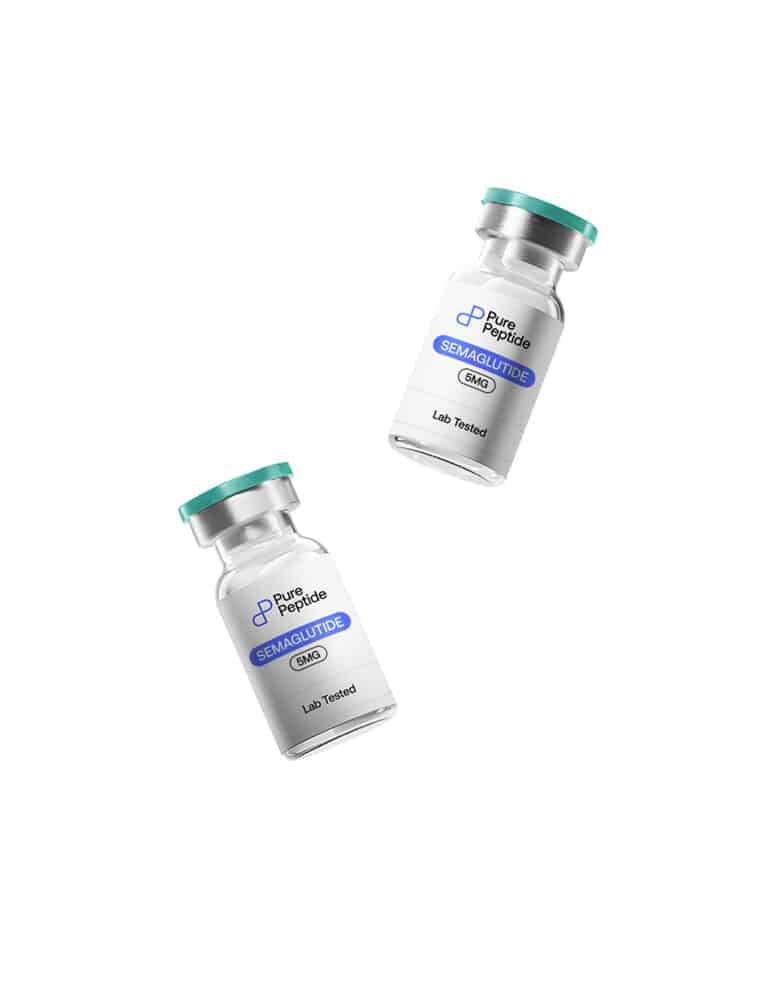
Semaglutide has established itself as a gold standard in peptide-based weight management, with FDA approval for chronic weight management in adults with obesity or overweight conditions. Clinical trials show average weight reductions of 12-15% over 68 weeks, with significant improvements in cardiovascular risk factors. The once-weekly dosing schedule enhances compliance compared to daily administration protocols.
Tirzepatide represents an advancement over single-agonist approaches by activating both GLP-1 and GIP receptors. Studies demonstrate weight loss of 15-22% depending on dose, surpassing results seen with GLP-1-only compounds. The dual mechanism addresses multiple aspects of metabolic dysfunction simultaneously, making it one of the most effective peptides studied for weight loss.
| Peptide | Average Weight Loss | Mechanism | Administration |
|---|---|---|---|
| Semaglutide | 12-15% | GLP-1 agonist | Once weekly |
| Tirzepatide | 15-22% | GLP-1/GIP dual agonist | Once weekly |
| Retatrutide | 18-24% | Triple agonist (GLP-1/GIP/GCGR) | Once weekly |
Triple Agonist Innovation
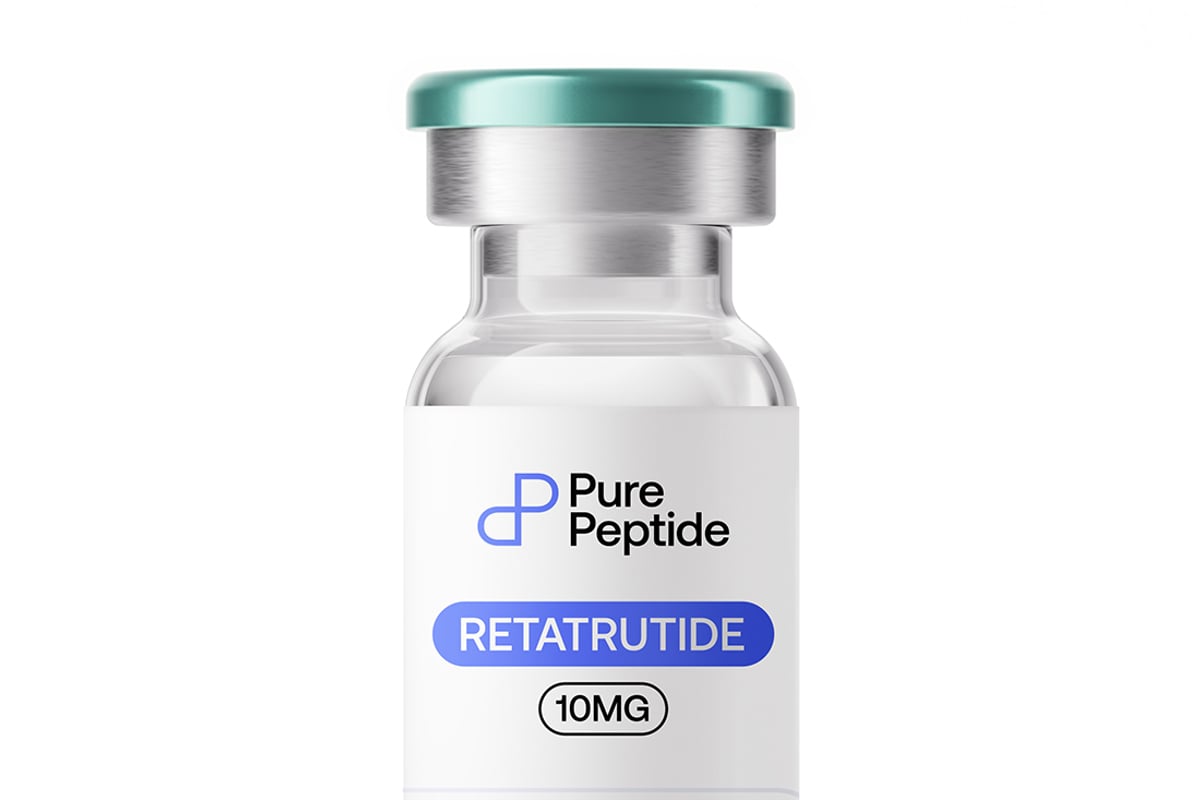
Retatrutide represents the cutting edge of metabolic peptide development as a triple receptor agonist. By activating GLP-1, GIP, and glucagon receptors simultaneously, this compound demonstrates the potential for even greater fat mass reduction compared to dual agonists. Phase 2 clinical trials show promising results with weight loss approaching 24% at higher doses over 48 weeks.
The triple mechanism provides complementary benefits: GLP-1 activation reduces appetite and slows gastric emptying, GIP enhances insulin sensitivity and may affect fat storage, while glucagon receptor activation increases energy expenditure and promotes lipolysis. This comprehensive metabolic approach positions retatrutide as a leading candidate for the best peptide for fat loss based on emerging evidence.
Growth Hormone Releasing Peptides for Body Composition
Beyond appetite regulation, peptides that influence growth hormone secretion offer distinct advantages for body recomposition. These compounds may help preserve or even increase lean muscle mass while facilitating fat loss, creating a more favorable body composition outcome compared to simple caloric restriction.
Tesamorelin for Visceral Fat Reduction
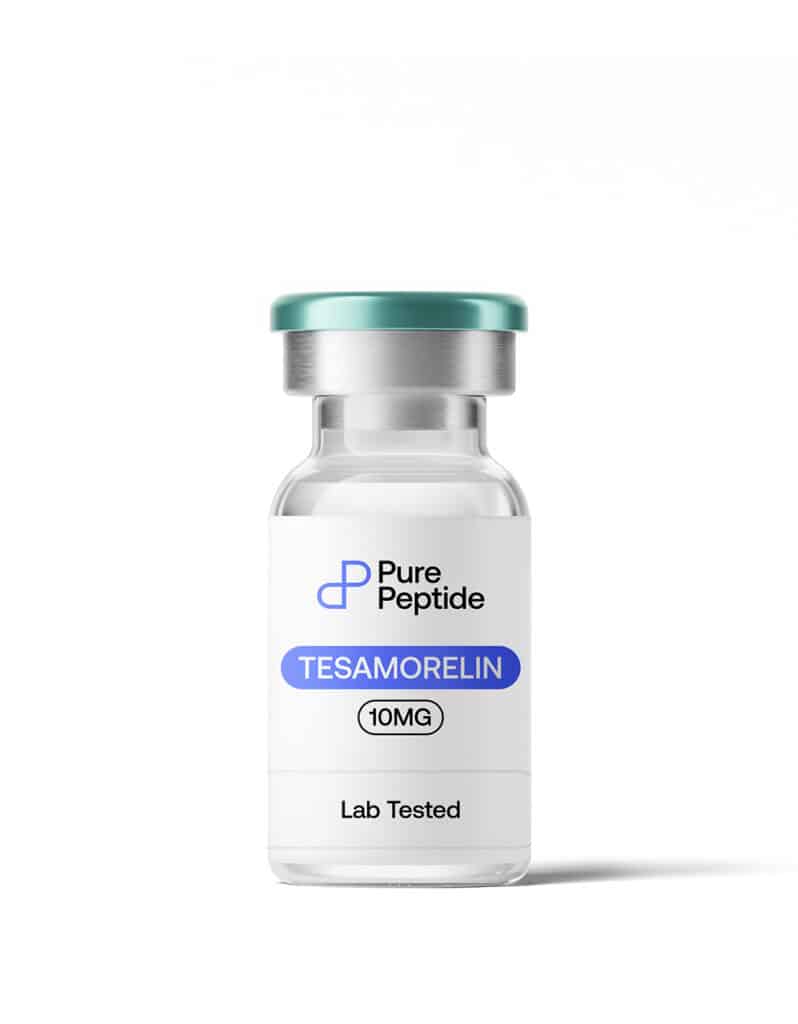
Tesamorelin stands out as the only FDA-approved growth hormone-releasing hormone (GHRH) analog, specifically indicated for reducing excess abdominal fat in HIV-associated lipodystrophy. Its mechanism involves stimulating pituitary growth hormone release, which subsequently promotes lipolysis and reduces visceral adipose tissue accumulation.
Clinical studies demonstrate significant reductions in visceral adipose tissue without the appetite suppression seen with GLP-1 agonists. This makes tesamorelin particularly valuable for individuals seeking fat loss while maintaining or increasing caloric intake to support muscle growth or athletic performance. The compound's selectivity for abdominal fat offers targeted benefits for metabolic health improvement.
CJC-1295 and Ipamorelin Combinations
The pairing of CJC-1295 (No DAC) with Ipamorelin creates a synergistic growth hormone release profile. CJC-1295 acts as a GHRH analog extending the half-life of growth hormone-releasing hormone, while Ipamorelin functions as a ghrelin mimetic that stimulates GH release through a complementary pathway. Together, they produce a more sustained and physiological elevation in growth hormone levels.
Benefits of this combination approach include:
- Enhanced lipolysis without severe appetite suppression
- Preservation of lean muscle mass during caloric deficit
- Improved recovery and sleep quality
- More natural pulsatile GH release compared to exogenous growth hormone
The CJC-1295 No DAC / Ipamorelin Blend provides a convenient option for those seeking the benefits of combined growth hormone pathway stimulation.
Emerging and Research-Stage Compounds
While established peptides dominate clinical discussions, several emerging compounds show promise in preclinical and early-stage human research. These peptides often target novel mechanisms or offer unique advantages over current options, though their evidence base remains less robust than approved therapies.
AOD-9604 and Modified Growth Hormone Fragments
AOD-9604 represents a modified fragment of human growth hormone (amino acids 176-191) designed to retain lipolytic effects while eliminating effects on insulin sensitivity and glucose metabolism. This selectivity theoretically provides fat loss benefits without the metabolic concerns associated with full growth hormone administration.
Research suggests AOD-9604 may stimulate lipolysis and inhibit lipogenesis through mechanisms involving beta-3 adrenergic receptors. However, clinical evidence in humans remains limited compared to approved therapies. The compound has shown variable results across different study populations, with some trials demonstrating modest fat loss while others show minimal effects.
MOTS-c Mitochondrial Peptide
MOTS-c represents a mitochondria-derived peptide that influences metabolic function through effects on cellular energy utilization and glucose metabolism. Unlike appetite-suppressing or growth hormone-stimulating peptides, MOTS-c works at the cellular level to optimize metabolic efficiency and insulin sensitivity.
Preclinical research demonstrates improvements in:
- Glucose uptake and insulin sensitivity
- Mitochondrial function and energy production
- Metabolic adaptation to dietary stress
- Age-related metabolic decline
While human data remains limited, MOTS-c shows potential as a metabolic optimizer that may complement other fat loss strategies by improving cellular energy utilization and metabolic flexibility.

Comparing Efficacy and Practical Considerations
Selecting the best peptide for fat loss requires balancing clinical efficacy against practical factors including administration requirements, side effect profiles, cost, and individual goals. Different peptides excel in different contexts, and the optimal choice depends on specific circumstances and metabolic objectives.
Efficacy Hierarchy Based on Clinical Evidence
When ranking peptides strictly by weight loss magnitude demonstrated in controlled trials, multi-receptor agonists consistently outperform other categories. Retatrutide and tirzepatide show the largest average reductions in body weight and fat mass, followed by semaglutide. Growth hormone pathway peptides like tesamorelin demonstrate more modest total weight loss but offer superior visceral fat targeting.
| Peptide Category | Primary Benefit | Evidence Level | Best Application |
|---|---|---|---|
| Triple agonists | Maximum weight loss (18-24%) | High (Phase 2/3 trials) | Significant obesity |
| Dual agonists | Strong weight loss (15-22%) | Very high (FDA approved) | Moderate to severe obesity |
| GLP-1 agonists | Moderate weight loss (12-15%) | Very high (FDA approved) | Moderate obesity |
| GHRH analogs | Visceral fat reduction | High (FDA approved for specific indication) | Metabolic health focus |
| GH secretagogues | Body recomposition | Moderate (limited controlled trials) | Lean mass preservation |
Side Effect Profiles and Tolerability
Gastrointestinal effects represent the most common side effects across GLP-1 and multi-receptor agonists. Nausea, vomiting, diarrhea, and constipation occur with varying frequency depending on dose escalation speed and individual sensitivity. These effects typically diminish over time as tolerance develops, though they can limit compliance in some individuals.
Growth hormone pathway peptides generally produce different side effect patterns, including potential water retention, joint discomfort, and transient changes in insulin sensitivity. The severity and frequency of these effects vary based on dose, administration timing, and individual factors like age and baseline growth hormone status.
Cost and Accessibility Factors
Economic considerations significantly impact peptide selection for many individuals. FDA-approved compounds like semaglutide and tirzepatide command premium pricing, particularly without insurance coverage. Research peptides and non-approved compounds typically cost less but require careful sourcing to ensure purity and authenticity.
Soma Peptide maintains rigorous quality control standards across their product line, ensuring customers receive compounds meeting high purity specifications through advanced purification methods and independent testing protocols.
Strategic Stacking and Combination Approaches
Advanced protocols often involve combining multiple peptides to address different aspects of metabolism and body composition simultaneously. This approach can potentially enhance results beyond what single compounds achieve, though it also increases complexity and requires careful management of dosing and timing.
Complementary Mechanism Combinations
Pairing appetite-regulating peptides with growth hormone secretagogues creates a comprehensive approach targeting both caloric intake and metabolic rate. For example, using a GLP-1 agonist to reduce appetite while employing growth hormone-releasing peptides to preserve lean mass during caloric deficit addresses two critical aspects of successful fat loss.
The best peptide stacking strategies consider individual goals, baseline metabolic status, and practical factors like injection frequency and cost. Common combinations include:
- GLP-1 agonist + CJC-1295/Ipamorelin for appetite control with lean mass preservation
- Tirzepatide + Tesamorelin for comprehensive fat loss with visceral targeting
- MOTS-c + growth hormone secretagogue for metabolic optimization and recovery enhancement
Timing and Administration Protocols
Optimizing peptide effectiveness requires attention to administration timing relative to meals, exercise, and sleep cycles. GLP-1 agonists work best when timed to align with eating patterns, while growth hormone-releasing peptides typically perform better when administered before sleep or around workout sessions to capitalize on natural secretion patterns.
Sequential approaches may also prove valuable, starting with aggressive fat loss using multi-receptor agonists before transitioning to maintenance protocols involving metabolic optimizers or body recomposition-focused peptides. This phased strategy can help achieve initial weight loss goals while establishing sustainable long-term metabolic health.
Safety Monitoring and Medical Supervision
Regardless of which peptide proves best for fat loss in a particular context, appropriate medical oversight remains essential for safe and effective use. Peptides influence complex metabolic pathways, and their effects extend beyond simple weight reduction to include changes in insulin sensitivity, lipid profiles, and hormonal balance.
Essential Health Markers to Monitor
Regular monitoring should include comprehensive metabolic panels, lipid profiles, hemoglobin A1c, and thyroid function tests. For growth hormone pathway peptides, additional considerations include insulin-like growth factor-1 (IGF-1) levels and glucose tolerance testing. Baseline assessments before starting peptide therapy provide critical reference points for evaluating both efficacy and safety.
Cardiovascular monitoring gains importance with significant weight loss, as rapid fat reduction can affect blood pressure, heart rate, and electrolyte balance. The clinical evidence for peptide safety continues to evolve, making ongoing medical assessment a prudent approach.
Contraindications and Special Populations
Certain medical conditions warrant caution or contraindicate specific peptides. GLP-1 agonists require careful evaluation in individuals with personal or family history of medullary thyroid carcinoma or multiple endocrine neoplasia syndrome type 2. Growth hormone pathway peptides need consideration of potential effects in individuals with diabetes, active malignancy, or history of certain tumors.
Pregnancy and lactation represent absolute contraindications for fat loss peptides. Age-related considerations also apply, as older adults may show different response patterns and side effect profiles compared to younger populations. Individual medical history should always guide peptide selection and protocol design.
Individual Response Variability
The concept of a single "best peptide for fat loss" oversimplifies the reality that individual responses vary significantly based on genetics, metabolic status, lifestyle factors, and concurrent health conditions. What produces exceptional results for one person may prove less effective for another, even with identical dosing and protocols.
Genetic and Metabolic Factors
Genetic polymorphisms affecting hormone receptors, metabolic enzymes, and signaling pathways influence how individuals respond to specific peptides. Some people show heightened sensitivity to GLP-1 agonists with robust appetite suppression and weight loss at lower doses, while others require higher doses to achieve similar effects. Growth hormone secretagogue responses similarly vary based on baseline growth hormone status and receptor sensitivity.
Metabolic health at baseline significantly impacts peptide effectiveness. Individuals with insulin resistance, metabolic syndrome, or established type 2 diabetes often show different response patterns compared to metabolically healthy individuals seeking optimization. Comprehensive peptide guides emphasize the importance of personalizing approaches based on individual metabolic profiles.
Lifestyle Integration and Sustainability
No peptide delivers optimal results without supporting lifestyle factors. Nutrition quality, meal timing, exercise programming, sleep adequacy, and stress management all influence how effectively peptides translate biological mechanisms into measurable fat loss. The best peptide for fat loss in any individual context is the one that integrates successfully into a sustainable lifestyle approach.
Long-term success requires transitioning from active fat loss phases to maintenance protocols that preserve results while supporting overall health. This may involve adjusting doses, changing peptides, or implementing cycling strategies that prevent tolerance development and maintain metabolic responsiveness.
Quality and Sourcing Considerations
The efficacy and safety of any peptide depend fundamentally on its purity, composition accuracy, and proper storage. Pharmaceutical-grade peptides undergo rigorous quality control to ensure they contain the stated compound at specified concentrations without significant contamination or degradation. Research peptides vary more widely in quality depending on source and manufacturing standards.
Purity Standards and Testing
High-quality peptides typically demonstrate purity levels exceeding 98% as verified by high-performance liquid chromatography (HPLC) analysis. Independent third-party testing provides additional assurance beyond manufacturer claims. Certificates of analysis should specify not only purity percentage but also identify potential contaminants and confirm molecular weight.
Storage and handling significantly affect peptide stability. Most peptides require refrigeration in reconstituted form and protection from light and excessive heat. Proper reconstitution with appropriate bacteriostatic water and adherence to storage guidelines prevent degradation that could reduce efficacy or introduce safety concerns.
Regulatory Status and Legal Considerations
Understanding the regulatory status of different peptides helps navigate legal and safety considerations. FDA-approved compounds like semaglutide, tirzepatide, and tesamorelin carry the highest regulatory validation for specific indications. Research peptides intended for laboratory use exist in a different regulatory category with important implications for sourcing and use.
Working with reputable suppliers that prioritize quality control and transparent testing helps ensure the compounds received match what's expected. The comprehensive product selection available through established peptide providers should include detailed specifications and testing documentation.
Selecting the best peptide for fat loss depends on individual goals, metabolic status, and practical considerations including administration requirements and cost. Multi-receptor agonists like retatrutide and tirzepatide demonstrate the strongest clinical evidence for significant weight reduction, while growth hormone pathway peptides offer unique advantages for body recomposition and visceral fat targeting. Success requires not only choosing an appropriate compound but also implementing proper protocols, monitoring key health markers, and integrating peptide therapy within a comprehensive lifestyle approach. Soma Peptide provides premium quality peptides with rigorous purity standards and advanced testing to support your metabolic optimization journey with compounds you can trust.