


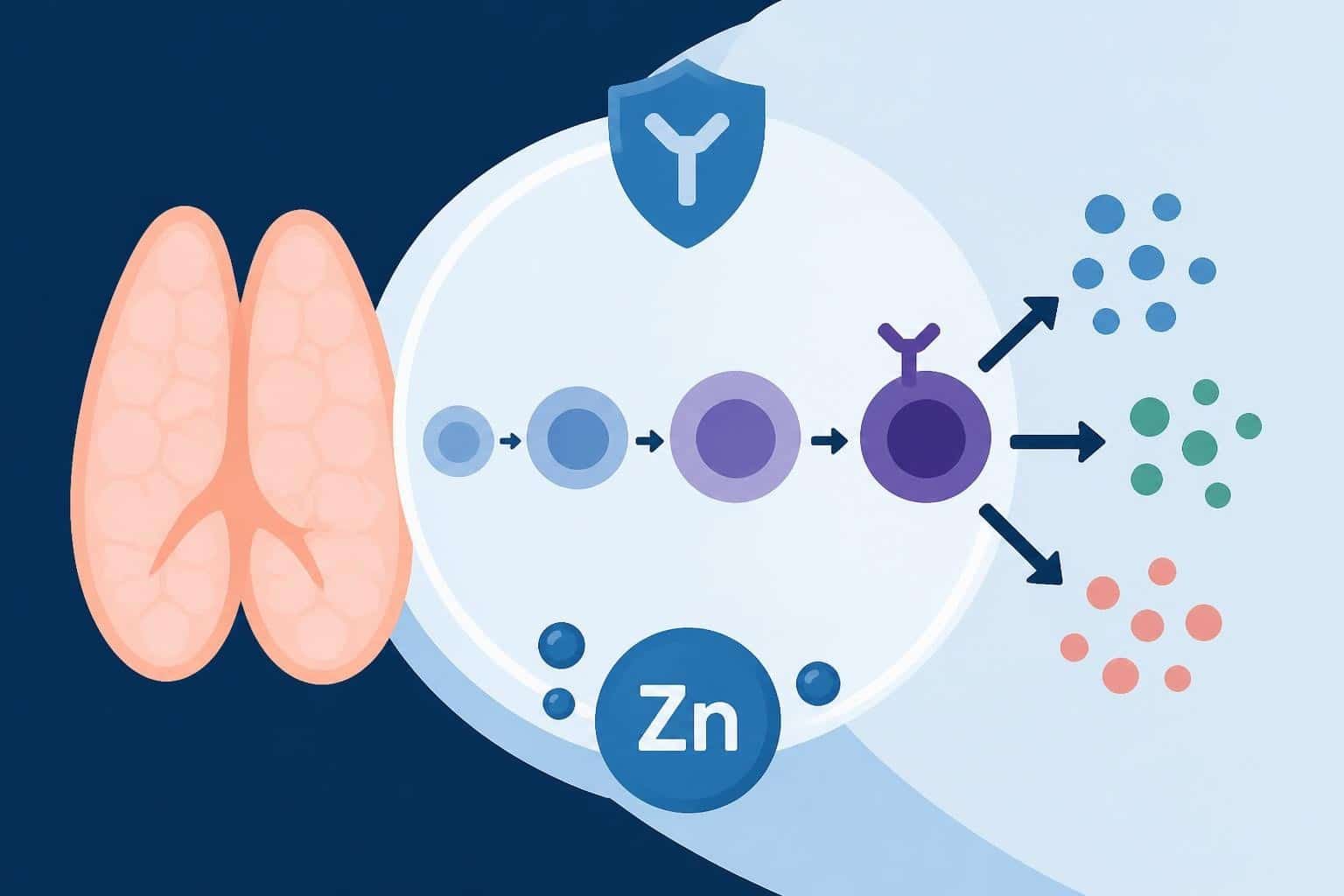
Thymulin peptide has emerged as a compelling subject of research within immunology and peptide science, representing a unique class of thymic hormones that play critical roles in immune system regulation. As a zinc-dependent nonapeptide originally identified in thymic tissue, this compound has captured the attention of researchers investigating immune function, T-cell development, and inflammatory responses. For those exploring therapeutic peptides in 2026, understanding thymulin's mechanisms and potential applications offers valuable insights into how peptide-based interventions may support immune health and overall wellness.
Understanding Thymulin Peptide Structure and Function
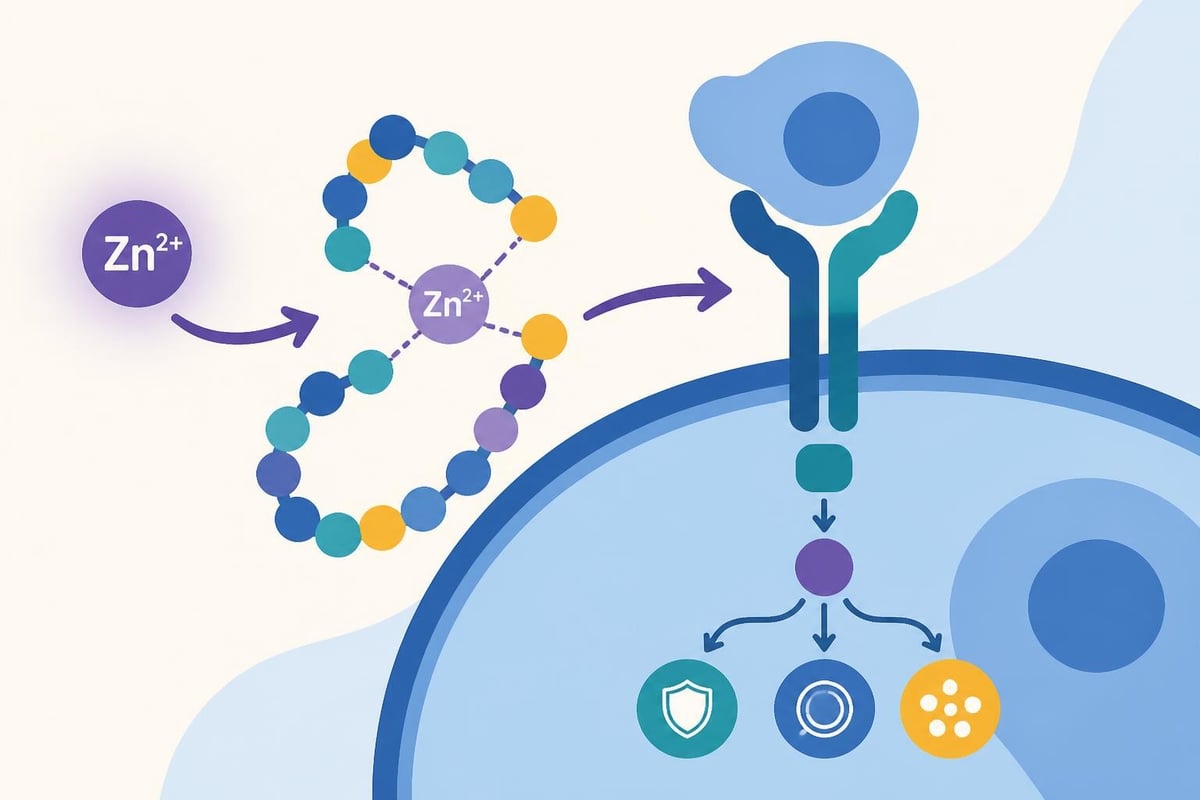
Thymulin peptide distinguishes itself through its unique chemical structure as a nonapeptide, meaning it comprises nine amino acids arranged in a specific sequence. What makes this compound particularly interesting is its absolute requirement for zinc to maintain biological activity. The peptide forms a complex with zinc ions, and this metal-binding property is essential for its ability to interact with cellular receptors and exert physiological effects.
The thymus gland produces thymulin naturally, and its secretion follows patterns that correlate with thymic function throughout the lifespan. Research has shown that thymulin production peaks during youth and gradually declines with age, mirroring the general involution of thymic tissue that occurs as part of the aging process.
Zinc Dependency and Biological Activity
The relationship between zinc and thymulin cannot be overstated. Without adequate zinc binding, the peptide loses its conformational structure and becomes biologically inactive. This zinc dependency has important implications for both research applications and potential therapeutic use:
- Structural stability: Zinc maintains the peptide's three-dimensional configuration
- Receptor binding: The zinc-thymulin complex enables proper interaction with target cell receptors
- Bioavailability: Zinc status in the body may influence thymulin's effectiveness
- Quality considerations: Pharmaceutical preparations must ensure proper zinc chelation
Research indicates that zinc deficiency can impair thymulin activity, which may contribute to immune dysfunction observed in zinc-deficient states. This connection highlights the importance of maintaining adequate mineral status for optimal peptide function.
Thymulin's Role in T-Cell Development and Maturation
One of the primary functions attributed to thymulin peptide involves its influence on T-lymphocyte development. The thymus serves as the training ground for T-cells, where immature precursor cells undergo differentiation into mature, functional immune cells capable of recognizing and responding to specific antigens.
Thymulin participates in several stages of this maturation process. Research suggests it influences the expression of surface markers that distinguish different T-cell populations, including helper T-cells, cytotoxic T-cells, and regulatory T-cells. Each of these subsets performs distinct functions within the adaptive immune system, and proper differentiation is critical for balanced immune responses.
Influence on Immune Cell Populations
| T-Cell Type | Function | Thymulin's Influence |
|---|---|---|
| CD4+ Helper Cells | Coordinate immune responses | Supports maturation and marker expression |
| CD8+ Cytotoxic Cells | Eliminate infected cells | Enhances differentiation pathways |
| Regulatory T-Cells | Maintain immune tolerance | Modulates development and function |
| Memory T-Cells | Provide long-term immunity | May support formation and persistence |
The peptide's effects extend beyond the thymus itself. Studies have demonstrated that thymulin can influence peripheral T-cell populations, suggesting it continues to play immunomodulatory roles even after T-cells have left the thymic environment. This broader influence makes it particularly relevant for researchers investigating immune system regulation across different tissue compartments.
Anti-Inflammatory Properties and Cytokine Modulation
Beyond its developmental roles, thymulin peptide has attracted attention for its potential anti-inflammatory effects. Research examining inflammation-bearing mice has revealed that thymulin can prevent excessive production of pro-inflammatory cytokines and stress proteins like Hsp70, suggesting it may help maintain immune balance during inflammatory challenges.
Cytokines serve as chemical messengers that coordinate immune responses, but their overproduction can lead to excessive inflammation and tissue damage. Thymulin appears to exert regulatory effects on several key cytokines:
- TNF-alpha: A primary pro-inflammatory mediator
- Interleukin-6: Involved in acute-phase responses
- Interleukin-1beta: Promotes inflammatory cascades
- Interferon-gamma: Coordinates cellular immunity
By modulating these signaling molecules, thymulin may help prevent the runaway inflammatory responses that characterize various pathological conditions. This regulatory capacity positions it as a compound of interest for researchers investigating inflammatory disorders and immune dysregulation.
Mechanisms of Anti-Inflammatory Action
The precise mechanisms through which thymulin exerts anti-inflammatory effects continue to be elucidated. Current evidence suggests multiple pathways may be involved, including direct effects on immune cell signaling, modulation of transcription factors that control inflammatory gene expression, and influence on the balance between pro-inflammatory and anti-inflammatory mediators.
Some research indicates that thymulin may act through specific receptors on immune cells, triggering intracellular signaling cascades that ultimately reduce inflammatory output. The peptide's ability to influence heat shock protein expression also suggests it may affect cellular stress responses, which are intimately connected with inflammatory pathways.

Research Applications and Studied Conditions
Thymulin peptide has been investigated in various research contexts, with studies exploring its potential relevance to multiple conditions involving immune dysfunction. While much of this work remains in experimental stages, the findings have generated considerable interest within the peptide research community.
Autoimmune conditions represent one area where thymulin's immunomodulatory properties have garnered attention. Since autoimmune disorders involve the immune system attacking the body's own tissues, interventions that help restore immune balance hold theoretical promise. Research into thymulin’s role in autoimmune modulation has explored how it might influence the regulatory mechanisms that normally prevent self-directed immune responses.
Age-Related Immune Decline
The age-associated decline in thymic function and thymulin production has led researchers to investigate whether supplementing or mimicking thymulin might help address immunosenescence-the gradual deterioration of immune function that occurs with aging. This decline contributes to:
- Reduced vaccine responses in older populations
- Increased susceptibility to infections
- Higher cancer incidence due to diminished immune surveillance
- Delayed wound healing and tissue repair
- Accumulation of senescent cells that drive chronic inflammation
Studies exploring thymulin in the context of aging have examined whether it can help maintain T-cell populations and function in older organisms. While human applications remain largely theoretical, animal research has provided intriguing preliminary data suggesting potential benefits for age-related immune parameters.
Neuroprotective and Cognitive Research
Emerging research has begun exploring potential connections between thymulin peptide and neurological function. The immune system and nervous system engage in extensive crosstalk, with immune signaling molecules influencing neural processes and vice versa. This neuroimmune interface has opened new avenues for investigating how immune-active peptides might affect brain health.
Some experimental work suggests thymulin may have neuroprotective properties, potentially through mechanisms involving reduction of neuroinflammation or support of neural cell survival. The blood-brain barrier typically restricts many compounds from accessing the central nervous system, but research is exploring whether thymulin or modified versions might influence brain-immune interactions.
Cognitive Function and Immune Signaling
The relationship between immune function and cognitive performance has become increasingly apparent in recent years. Chronic low-grade inflammation, often termed "inflammaging," has been associated with cognitive decline and neurodegenerative conditions. Given thymulin's anti-inflammatory properties, researchers have speculated about potential applications in supporting cognitive health, though this remains an early-stage research area.
Supporting overall recovery and cellular resilience through various peptide approaches continues to generate interest. For those exploring comprehensive recovery support, Soma Peptide offers formulations designed to promote tissue repair and regeneration through evidence-based peptide combinations.
Dosing Considerations and Administration in Research
Research applications of thymulin peptide typically involve subcutaneous or intramuscular administration, though various delivery methods have been explored in experimental settings. Dosing protocols vary considerably across studies, reflecting differences in research objectives, model systems, and specific outcomes being measured.
The zinc-dependent nature of thymulin necessitates careful attention to formulation. Research-grade preparations must ensure proper zinc chelation to maintain biological activity. Storage conditions also matter, as peptides can degrade under inappropriate temperature or pH conditions.
| Administration Route | Typical Research Range | Frequency | Considerations |
|---|---|---|---|
| Subcutaneous | Variable by protocol | Once to twice daily | Most common in studies |
| Intramuscular | Study-dependent | Daily to weekly | Depot formulations explored |
| Intravenous | Investigational | Single to multiple doses | Rapid systemic distribution |
Research participants and investigators must account for individual variation in response. Factors including baseline immune status, age, nutritional status (particularly zinc levels), and concurrent health conditions can all influence outcomes. This variability underscores the importance of controlled experimental designs and careful monitoring.
Quality and Purity Standards in Peptide Research
The reliability of thymulin research depends significantly on the quality of peptide preparations used. Synthesis methods, purification processes, and quality control testing all impact whether research findings accurately reflect the peptide's true biological properties. Contaminated or improperly synthesized peptides can produce misleading results and compromise scientific validity.
Advanced purification methods such as high-performance liquid chromatography (HPLC) help ensure peptide purity, removing synthesis byproducts, truncated sequences, and other contaminants. Mass spectrometry confirms the correct molecular weight and sequence, while analytical techniques verify proper zinc chelation for thymulin specifically.
Verification and Testing Protocols
Reputable peptide suppliers implement multiple verification steps to ensure product quality. These typically include:
- Identity confirmation through mass spectrometry
- Purity analysis via HPLC (typically >98% purity standards)
- Sequence verification to confirm correct amino acid order
- Sterility testing for injectable preparations
- Endotoxin screening to ensure safety
- Zinc content analysis for thymulin preparations
For researchers and clinicians interested in exploring peptide-based approaches, working with suppliers who provide comprehensive quality documentation is essential. Certificate of analysis documentation offers transparency regarding the specific batch being used and enables reproducibility in research settings.
Current Limitations and Future Research Directions
Despite promising preliminary findings, thymulin peptide research faces several limitations that warrant acknowledgment. Much of the existing evidence comes from animal studies or in vitro cellular experiments, with human clinical trials remaining relatively sparse as of 2026. Translation from laboratory findings to clinical applications requires extensive additional research to establish safety, efficacy, and optimal protocols.
The complexity of immune system regulation presents both opportunities and challenges. While thymulin's immunomodulatory effects offer potential benefits, the immune system's intricate balance means that interventions affecting one component can have unexpected downstream effects. Comprehensive studies examining long-term effects and potential interactions with other immune processes remain necessary.
Areas Requiring Further Investigation
Future research directions for thymulin peptide include several promising areas:
- Large-scale human trials to establish clinical efficacy
- Mechanism elucidation to fully understand molecular pathways
- Combination approaches with other immunomodulatory compounds
- Delivery optimization to improve bioavailability and targeting
- Biomarker development for monitoring treatment response
- Long-term safety assessment across diverse populations
Researchers are also exploring modified versions of thymulin that might offer enhanced stability, improved receptor binding, or tissue-specific targeting. These next-generation approaches build on fundamental knowledge of the natural peptide while attempting to optimize properties for specific applications.
Comparing Thymulin to Other Immunomodulatory Peptides
Within the broader landscape of peptide therapeutics, thymulin occupies a specific niche focused on thymic function and T-cell regulation. Other peptides target different aspects of immune function, and understanding these distinctions helps clarify thymulin's unique properties.
Thymosin peptides, for instance, represent a related but distinct family of thymic compounds. While thymulin is a nonapeptide requiring zinc, thymosins vary in size and don't share the same metal dependency. Detailed comparisons of thymic peptides reveal both overlapping and complementary effects on immune function.
Some peptides focus primarily on tissue repair and regeneration rather than immune modulation, though these functions often interconnect. The immune system plays crucial roles in healing processes, clearing damaged tissue and coordinating repair mechanisms. Peptides supporting recovery may work synergistically with immune-active compounds, though research examining such combinations remains limited.
Practical Considerations for Research and Application
For researchers planning to investigate thymulin peptide, several practical factors deserve consideration beyond the scientific hypotheses driving the work. Proper handling, storage, and reconstitution procedures ensure that the peptide maintains its biological activity throughout the study period.
Lyophilized (freeze-dried) thymulin should be stored at appropriate temperatures, typically -20°C or colder for long-term stability. Once reconstituted, the peptide solution requires refrigeration and should be used within timeframes specified by stability data. Repeated freeze-thaw cycles can damage peptide structure and should be avoided.
Reconstitution typically involves:
- Using sterile bacteriostatic water or appropriate buffer
- Adding liquid slowly along the vial wall rather than directly onto the peptide
- Allowing gentle dissolution without vigorous shaking
- Inspecting the solution for clarity and absence of particulates
- Calculating concentration accurately based on peptide mass and diluent volume
Documentation practices in research settings should capture batch numbers, reconstitution details, storage conditions, and any observations about peptide appearance or behavior. This information proves invaluable for troubleshooting unexpected results and ensuring experimental reproducibility.
Regulatory Status and Research Access
As of 2026, thymulin peptide remains primarily a research compound rather than an approved pharmaceutical agent for specific therapeutic indications. Regulatory status varies across jurisdictions, with most countries classifying it as an investigational substance requiring appropriate oversight for human research applications.
Researchers accessing thymulin for legitimate scientific investigations must comply with applicable regulations governing research peptides. Institutional review boards, ethics committees, and regulatory agencies provide oversight to ensure research safety and scientific validity. Understanding research peptide regulations helps investigators navigate compliance requirements.
The distinction between research applications and clinical use carries important implications. While promising research may suggest potential benefits, establishing true therapeutic value requires rigorous clinical trial evidence, regulatory review, and approval processes designed to protect public health.
Integration with Comprehensive Wellness Approaches
Thymulin peptide research fits within broader frameworks of immune health and wellness optimization. While the peptide itself targets specific immune mechanisms, comprehensive approaches to supporting immune function typically involve multiple factors including nutrition, sleep, stress management, and physical activity.
Zinc status deserves particular attention given thymulin's zinc dependency. Adequate dietary zinc intake supports not only thymulin activity but also numerous other immune functions. Research resources exploring thymulin often emphasize the importance of addressing nutritional status alongside any peptide-based interventions.
For individuals interested in exploring peptide approaches to wellness, working with knowledgeable healthcare providers ensures appropriate integration with overall health strategies. Peptides represent powerful biological tools, but their optimal application occurs within comprehensive, individualized programs addressing multiple dimensions of health.
Those seeking to learn more about peptide science and applications can explore educational resources and research updates that provide evidence-based information about various peptide compounds and their studied effects.
Thymulin peptide represents a fascinating area of immunology research with potential implications for immune regulation, anti-inflammatory approaches, and age-related immune support. While significant questions remain and human applications require further validation, the existing evidence highlights this compound's unique properties and mechanisms. For those interested in exploring premium-quality peptides backed by rigorous testing and purity standards, Soma Peptide offers a comprehensive range of products designed to support various wellness goals through advanced peptide science.