


Imagine unlocking new levels of health and vitality with bioregulator peptides, the latest breakthrough in wellness science for 2026. These powerful molecules are changing the way we think about aging, recovery, and overall well-being.
In this comprehensive guide, you'll discover what bioregulator peptides are, how they function in the body, and the science driving their rise. We'll explore the specific health benefits, profile the leading peptides, and discuss safety considerations to help you make informed choices.
Ready to transform your wellness journey? Dive in to learn how to harness bioregulator peptides for optimal health with practical, step-by-step strategies.
Understanding Bioregulator Peptides: The Science Explained
Unlocking the secrets of bioregulator peptides opens a new frontier in health optimization. These microscopic messengers are transforming the way we think about cellular repair, aging, and the body’s ability to heal itself.

What Are Bioregulator Peptides?
Bioregulator peptides are short chains of amino acids that act as master switches for our genes and cellular functions. Unlike cosmetic or performance peptides, bioregulator peptides directly influence the body’s internal balance by modulating gene expression and supporting tissue regeneration.
These unique molecules are classified based on their function and source:
- Natural bioregulator peptides: Derived from animal tissues, especially organs like the thymus or pineal gland.
- Synthetic bioregulator peptides: Engineered to mimic natural sequences, offering targeted effects and enhanced stability.
Their development began in the mid-20th century, with Russian scientists pioneering research into tissue-specific peptides for longevity and health restoration. Breakthroughs revealed that bioregulator peptides could interact with DNA and trigger beneficial changes in gene activity.
Key molecular mechanisms include:
- Regulation of gene expression at the epigenetic level
- Facilitation of cell signaling for tissue repair
- Maintenance of homeostasis within organs
Recent studies (2023-2026) have demonstrated how these peptides can slow cellular aging, enhance organ function, and improve resilience to stress. For those interested in an in-depth look at their origins and clinical research, the review on peptide bioregulators provides valuable insights into their historical development and applications.
A comparison of natural versus synthetic bioregulator peptides:
| Type | Source | Key Features | Application Example |
|---|---|---|---|
| Natural | Animal organs | Biocompatible, tissue-specific | Thymalin for immune health |
| Synthetic | Lab-synthesized | Enhanced purity, targeted action | Epitalon for anti-aging |
In summary, bioregulator peptides represent a distinct class of molecules with profound regulatory effects, setting them apart from other peptide types.
How Bioregulator Peptides Work in the Body
Bioregulator peptides function as molecular conductors, orchestrating the body’s genetic and cellular symphony. Their primary action involves binding to DNA regions and influencing gene expression, which leads to optimized protein synthesis and cellular renewal.
These peptides modulate the activity of vital organs and tissues by:
- Directing the repair and regeneration of cells
- Supporting the body’s stress response mechanisms
- Enhancing the immune system’s balance and reducing abnormal inflammation
Recent scientific data highlights their ability to improve markers of longevity, such as telomere length and DNA repair efficiency. For example, studies have shown that pineal and thymic bioregulator peptides can activate telomerase, protect against oxidative damage, and promote healthy aging at the cellular level.
Specific pathways include:
- Pineal peptides: Influence circadian rhythms and neuroprotection
- Thymic peptides: Regulate immune competency and resilience
- Vascular peptides: Support cardiovascular health and tissue oxygenation
By modulating gene expression and cellular functions, bioregulator peptides help restore equilibrium across multiple body systems. This emerging science signals a new era for personalized wellness strategies, providing tools to enhance recovery, resilience, and vitality.
Key Health Benefits of Bioregulator Peptides
The remarkable rise of bioregulator peptides has brought a new era in wellness, with science revealing their profound effects on human health. These small yet powerful molecules work at the genetic and cellular level, unlocking benefits that touch nearly every system in the body. Let’s explore the key health advantages that make bioregulator peptides a cornerstone of cutting-edge wellness strategies.

Cellular Longevity and Anti-Aging
One of the most sought-after benefits of bioregulator peptides is their impact on cellular longevity and the fight against aging. These peptides, such as Epitalon, help protect and lengthen telomeres, which are essential for maintaining youthful cell function. By reducing oxidative stress and slowing cellular senescence, they support healthier aging from within.
Clinical studies have documented that bioregulator peptides can extend lifespan markers and improve overall vitality. For those interested in targeted anti-aging approaches, anti-aging peptide solutions highlight the growing range of options available. Regular integration of these peptides into wellness routines may help preserve youthfulness at the molecular level.
Enhanced Recovery and Repair
Bioregulator peptides accelerate the body’s natural healing processes, making them invaluable for recovery and tissue repair. They promote regeneration in muscles, cartilage, and nerves, helping to restore function after injury or strain. These peptides also help reduce inflammation and alleviate pain, supporting faster and more complete recovery.
Practical use cases include post-injury rehabilitation and management of chronic conditions. By harnessing the restorative power of bioregulator peptides, individuals can return to activity sooner and with less discomfort. The science behind these benefits is transforming how we approach healing and resilience.
Immune System Optimization
Optimizing immune health is another significant advantage of bioregulator peptides. They help balance immune responses, reducing the risk of autoimmunity while enhancing resistance to infections. Clinical trials have shown measurable improvements in immune markers following peptide supplementation.
Key benefits include:
- Improved response to pathogens
- Lowered inflammation
- Enhanced adaptation to stressors
By modulating immune function, bioregulator peptides contribute to a robust defense system, making them a strategic addition to any wellness protocol.
Cognitive and Mental Health Support
The brain also benefits from bioregulator peptides, which offer neuroprotective effects and boost brain plasticity. These peptides can improve mood, enhance stress resilience, and promote cognitive clarity. Protocols using peptides like Pinealon and Cortagen are being explored for neurodegenerative conditions, memory support, and mental sharpness.
With regular use, bioregulator peptides may help maintain mental acuity as we age and support emotional well-being. The ability to influence both brain structure and function makes them a valuable tool for cognitive health.
Hormonal and Metabolic Balance
Bioregulator peptides support hormonal regulation and metabolic health, addressing common challenges such as weight management and energy balance. By influencing endocrine glands like the thyroid and pancreas, they promote optimal hormone production and metabolic efficiency.
Clinical data demonstrate improvements in metabolic syndrome markers and hormone levels with consistent peptide use. For individuals seeking better energy, glucose control, or hormonal balance, bioregulator peptides provide a targeted, evidence-based solution.
Leading Bioregulator Peptides in 2026: Profiles and Uses
The landscape of bioregulator peptides in 2026 is more dynamic than ever. These innovative molecules are transforming personal wellness by supporting longevity, enhancing recovery, and optimizing immune and metabolic function. Let’s explore the leading bioregulator peptides, their mechanisms, clinical applications, and practical uses in the modern wellness routine.
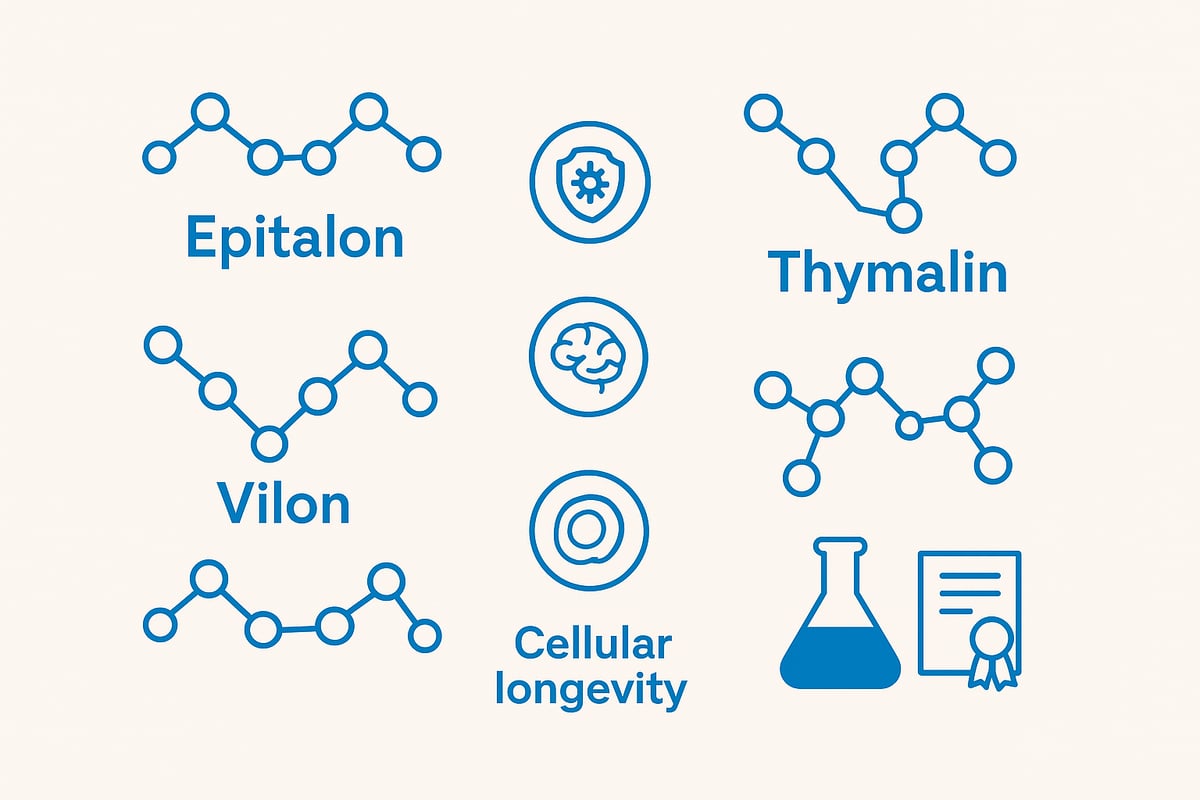
Epitalon (Epithalon)
Epitalon stands out among bioregulator peptides for its role in cellular rejuvenation. This synthetic tetrapeptide is renowned for activating telomerase, an enzyme that protects and lengthens telomeres, which are critical for cellular lifespan. Epitalon influences gene expression and supports DNA repair, making it a core peptide in anti-aging science.
Clinically, Epitalon is used to promote longevity, enhance immune resilience, and improve sleep quality. In 2026, popular administration forms include oral capsules and subcutaneous injections, with protocols tailored to individual health goals.
Recent studies highlight Epitalon’s potential for lifespan extension, improved mitochondrial function, and reduction of age-related biomarkers. For an in-depth look at its properties, see the Epitalon peptide profile.
Thymalin and Thymagen
Thymalin and Thymagen are bioregulator peptides derived from the thymus gland, essential for immune system regulation. Thymalin supports the maturation and balance of immune cells, while Thymagen modulates immune responses to maintain homeostasis.
These peptides are widely applied in protocols for immunodeficiency, infection prevention, and healthy aging. Elderly individuals have shown improved immune markers and reduced infection rates during clinical trials involving Thymalin.
In 2026, Thymalin and Thymagen are typically administered via injection or oral formulations, with dosing personalized for immune optimization. Their ability to restore immune balance makes them vital in both preventive and therapeutic wellness strategies.
Vilon and Pinealon
Vilon and Pinealon represent a unique class of bioregulator peptides with specialized actions. Vilon is known for protecting the cell nucleus and facilitating efficient DNA repair, which is crucial for maintaining genomic stability.
Pinealon, on the other hand, is valued for its neuroprotective effects. It enhances cognitive function, supports brain plasticity, and helps manage stress-related conditions. Pinealon is often included in protocols for memory enhancement and neurodegenerative disease management.
Both peptides are integral to bioregulator peptides regimens focused on longevity and cognitive health. Their mechanisms highlight the intricate relationship between cellular repair and overall brain function.
Cartalax, Chonluten, and Livagen
Cartalax, Chonluten, and Livagen are bioregulator peptides designed to target specific organs and tissues. Cartalax supports cartilage regeneration and joint health, making it popular among those recovering from injuries or managing chronic joint conditions.
Chonluten specializes in respiratory tissue repair, aiding lung health and recovery from respiratory challenges. Livagen, meanwhile, optimizes liver function and detoxification, contributing to metabolic health and resilience.
Real-world examples include accelerated recovery from sports injuries, improved lung capacity after illness, and enhanced liver enzyme profiles. These peptides are typically administered in cycles, tailored to the individual’s health needs.
Prostamax, Testagen, and Pancragen
Prostamax, Testagen, and Pancragen are bioregulator peptides that address hormonal and metabolic balance. Prostamax focuses on prostate health and male hormonal regulation, supporting urinary and reproductive function.
Testagen is used to optimize overall endocrine health, benefiting both men and women by balancing hormone levels. Pancragen, meanwhile, targets pancreatic function, aiding in glucose control and metabolic stability.
Clinical data show improvements in hormonal markers, metabolic syndrome parameters, and energy levels. These peptides are increasingly integrated into comprehensive wellness protocols for those seeking optimal metabolic and hormonal health.
Safety, Sourcing, and Quality Considerations
As the popularity of bioregulator peptides grows, so does the importance of safety and quality. It’s essential to source peptides from reputable suppliers who provide pharmaceutical-grade products and certificates of analysis. Third-party testing ensures purity and potency, helping users avoid contaminants and substandard compounds.
Regulatory standards for bioregulator peptides continue to evolve in 2026. Always verify compliance with local guidelines and consult with healthcare professionals before starting any protocol. Choosing clinically validated, high-quality peptides is the foundation for both safety and effectiveness.
Step-by-Step Guide: Integrating Bioregulator Peptides into Your Wellness Routine
Embarking on a journey with bioregulator peptides requires a thoughtful and systematic approach. By following a structured process, you can maximize benefits, minimize risks, and align your wellness journey with the latest science. This step-by-step guide provides clear pathways for integrating bioregulator peptides into your daily routine, ensuring every stage supports your unique health goals.
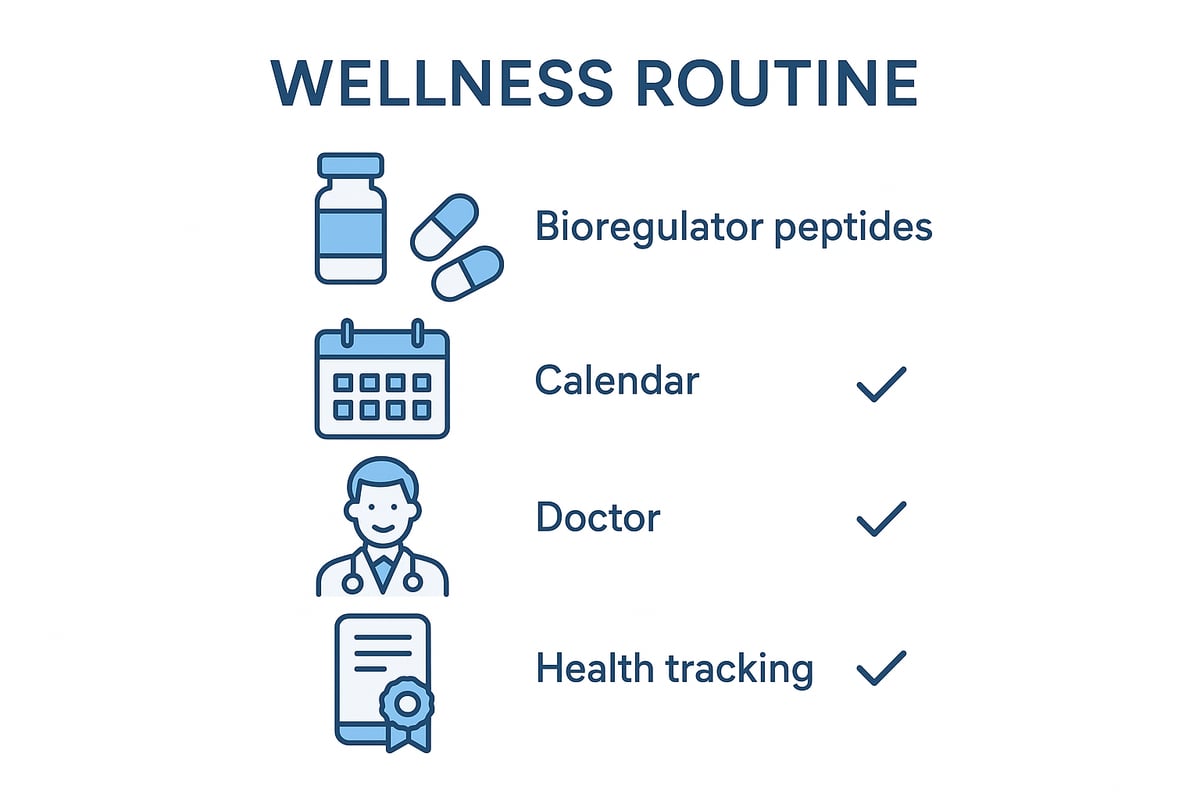
Step 1: Assessing Your Health Goals and Needs
The first step in utilizing bioregulator peptides is to define your wellness objectives. Are you focused on anti-aging, recovery after injury, cognitive enhancement, or immune support? Pinpointing your primary goals helps you select the most appropriate bioregulator peptides for your needs.
Consult with a healthcare provider or peptide specialist before starting any protocol. A professional assessment ensures that your medical history, lifestyle, and current health status are considered. This approach reduces the risk of adverse effects and enhances the likelihood of achieving your desired outcomes.
For example, if your goal is cognitive support, a specialist may recommend specific bioregulator peptides tailored to brain health. If your focus is tissue repair, a different set of peptides might be more appropriate. By clarifying your health priorities, you set a strong foundation for success.
Step 2: Selecting the Right Bioregulator Peptides
Choosing the right bioregulator peptides involves understanding their specific functions and clinical evidence. Each peptide targets distinct biological pathways, so aligning their effects with your goals is essential. Consider factors such as longevity, immune support, or metabolic balance when making your selection.
Peptides are available in various forms, including oral capsules, injectables, and topical solutions. Your practitioner can recommend the best format based on absorption rates, convenience, and your personal preferences. Reviewing published research and clinical protocols helps ensure your choices are evidence-based.
Example protocols may involve using epitalon for aging-related concerns, or thymalin for immune optimization. By matching your needs to the proven benefits of bioregulator peptides, you create a personalized strategy that is both safe and effective.
Step 3: Sourcing High-Quality Peptides Safely
Quality is paramount when integrating bioregulator peptides into your wellness routine. Not all suppliers adhere to the same standards, so it is vital to verify product purity and authenticity. Look for suppliers who provide certificates of analysis and utilize third-party laboratory testing.
When evaluating a source, request documentation that confirms the absence of contaminants and verifies peptide identity. This step is crucial for safety and efficacy. For further details on what to look for, see this Certificate of analysis for peptides resource, which outlines best practices for quality assurance.
Regulatory compliance is another key consideration. Ensure that your chosen products meet the legal requirements in your country and are produced under pharmaceutical-grade conditions. By taking these precautions, you minimize risks and set the stage for optimal results.
Step 4: Establishing a Peptide Administration Schedule
After selecting and sourcing your bioregulator peptides, create a clear administration schedule. Dosing frequency, timing, and duration should be tailored to your specific protocol and health objectives. Your healthcare provider can assist in designing a plan that maximizes benefits while minimizing potential side effects.
Monitor your body's response closely during the initial weeks. Adjustments to dosing or timing may be needed based on how you feel and any measurable changes. Keep a log of your peptide usage, noting effects and any adverse reactions.
Consistency is key with bioregulator peptides. Following a schedule not only supports better results but also makes it easier to track progress and identify areas for improvement.
Step 5: Tracking Progress and Optimizing Results
Tracking your progress is essential for making the most of bioregulator peptides. Use health tracking apps, regular lab assessments, and biomarker testing to measure outcomes. Common markers include telomere length, immune system indicators, and metabolic parameters.
Set specific milestones and review your progress periodically with your healthcare provider. If you notice positive trends, maintain your current protocol. If results plateau or adverse effects occur, your strategy may need adjustment. This data-driven approach ensures that your bioregulator peptides regimen remains aligned with your evolving health needs.
By systematically following these steps, you can harness the full potential of bioregulator peptides in your wellness routine. Personalized protocols, quality assurance, and ongoing assessment are the cornerstones of safe, effective, and transformative results.
Safety, Side Effects, and Myths: What You Need to Know
Bioregulator peptides have gained attention for their promising health benefits, but several myths and misconceptions can cloud public understanding. Some believe these compounds are untested or inherently risky, while others assume all peptides function identically. In truth, bioregulator peptides are distinct from cosmetic or performance peptides, with a growing body of research supporting their safety and targeted effects. Recognizing fact from fiction is crucial for anyone considering these advanced therapies.
Evidence-Based Safety and Side Effects
The current scientific literature indicates that bioregulator peptides, when used appropriately, have a favorable safety profile. Most reported side effects are mild, such as temporary redness at injection sites or minor digestive discomfort with oral forms. Serious adverse events remain rare according to recent clinical reports between 2023 and 2026. For a comprehensive summary of the latest safety data and physiological effects, refer to this recent research progress of biologically active peptides. Always remember that individual responses can vary, and monitoring is essential.
Populations Requiring Extra Caution
While bioregulator peptides are generally well-tolerated, certain groups should exercise extra caution. These include:
- Pregnant or breastfeeding women
- Individuals with autoimmune diseases
- Patients with known allergies to peptide preparations
- Those undergoing immunosuppressive therapy
Consulting a qualified healthcare provider is critical for these populations, as personalized risk assessment helps prevent complications.
Regulatory Considerations and Medical Supervision
Regulatory standards for bioregulator peptides differ worldwide. In some regions, these substances are classified as prescription-only, while others allow over-the-counter access. Regardless of local guidelines, medical supervision is strongly advised to ensure proper dosing, minimize risks, and tailor protocols to individual needs. Personalized monitoring, including regular health assessments, helps optimize benefits while reducing the chance of adverse effects. Relying on reputable sources and staying informed about evolving regulations are key steps for safe and effective use.
The Future of Bioregulator Peptides: Trends and Innovations for 2026 and Beyond
The landscape of bioregulator peptides is rapidly evolving, with 2026 poised to be a pivotal year for this groundbreaking field. Innovations in research, technology, and accessibility are setting the stage for transformative changes in how these peptides support wellness. As interest grows, understanding the trends shaping the future of bioregulator peptides is essential for anyone seeking to unlock their full potential.
Emerging Research and Breakthroughs
In recent years, the science of bioregulator peptides has advanced at an unprecedented pace. Researchers are now identifying new peptides and synthetic analogs with highly targeted effects on cellular function, gene expression, and tissue regeneration. These discoveries are not only expanding the catalog of available bioregulator peptides but are also deepening our understanding of their mechanisms.
Key breakthroughs include the development of next-generation peptides designed for enhanced stability and specificity. Scientists are leveraging high-throughput screening and AI-driven modeling to predict peptide interactions and optimize their therapeutic profiles. This approach is accelerating the discovery process and enabling the customization of peptides for individual health needs.
Personalized peptide protocols based on genetic profiling are emerging, allowing practitioners to tailor interventions with remarkable precision. These advances mark a significant leap from the early days of peptide research, as outlined in “The History of Bioregulators”, and point toward a future where bioregulator peptides are highly individualized.
Integration with Other Wellness Technologies
The integration of bioregulator peptides with other wellness technologies is creating new opportunities for comprehensive health management. Wearable health trackers, digital health platforms, and AI-powered analytics are being used to monitor responses to peptide protocols in real-time. This synergy allows for dynamic adjustments and more precise outcomes.
Bioregulator peptides are also being combined with nutraceuticals, gene therapies, and advanced supplementation strategies to enhance their effects. For example, pairing peptides that support cellular repair with antioxidants can amplify benefits for longevity and recovery. Digital platforms are making it easier to track progress, adjust dosing, and communicate with healthcare providers.
This convergence of technology and biology is making bioregulator peptides more accessible and effective for a broader range of users. It signals a shift toward a truly personalized and data-driven approach to wellness.
Accessibility and Market Growth
Global interest in bioregulator peptides is driving significant market expansion. As regulatory frameworks evolve, more high-quality peptide products are reaching consumers through reputable suppliers and healthcare providers. This growth is evident in both clinical settings and the wellness industry at large.
According to recent analyses, the market for synthetically produced peptides is expanding rapidly. The article “A growing market for synthetically produced peptides” highlights how increased demand is fueling innovation in manufacturing, quality assurance, and delivery systems. This trend is lowering costs and improving access without compromising safety.
Market projections suggest that bioregulator peptides will become mainstream components of health and wellness routines by the end of the decade. Insurance coverage, pricing models, and consumer education are all evolving to support wider adoption and ensure that the benefits of these peptides are available to diverse populations.
Expert Perspectives and Patient Success Stories
Leading scientists and clinicians are optimistic about the future of bioregulator peptides. Their research points to expanding clinical applications, from anti-aging and immune modulation to cognitive enhancement and metabolic support. Many practitioners are already seeing transformative results in patients who integrate these peptides into their routines.
Patient stories are increasingly featured in medical journals and wellness communities. Individuals report improvements in energy, mental clarity, recovery from injuries, and overall quality of life. These testimonials, alongside clinical data, are encouraging more people to explore bioregulator peptides as part of a holistic health strategy.
Support networks and educational resources are also growing. Online communities, professional forums, and telemedicine platforms are making it easier for users to share experiences, access expert advice, and stay up-to-date with the latest advances in bioregulator peptides.
Ethical, Legal, and Societal Considerations
As the use of bioregulator peptides expands, ethical and legal considerations are becoming increasingly important. Questions regarding safety, equitable access, and long-term effects are at the forefront of regulatory discussions. Global differences in approval pathways and quality standards require careful navigation by both providers and consumers.
Ethical frameworks are being developed to guide responsible use, especially as personalized therapies become more common. Transparency in sourcing, rigorous clinical validation, and informed consent are central to maintaining trust and safety in the field of bioregulator peptides.
Looking ahead, the next decade will likely see continued dialogue among scientists, policymakers, and the public. Balancing innovation with safety and accessibility remains a central challenge, but the future is bright for those seeking to leverage bioregulator peptides for optimal wellness.
As we’ve explored in this guide, bioregulator peptides are shaping the future of wellness by supporting everything from cellular longevity to immune balance and faster recovery. If you’re ready to experience the next level of health and want to integrate only the purest and most effective peptides into your routine, it’s important to source from a company with rigorous quality control and advanced purification methods. Take the next step toward your wellness goals with confidence—discover Soma Peptide’s premium selection tailored for weight management, muscle growth, and anti-aging support.
Shop Now