


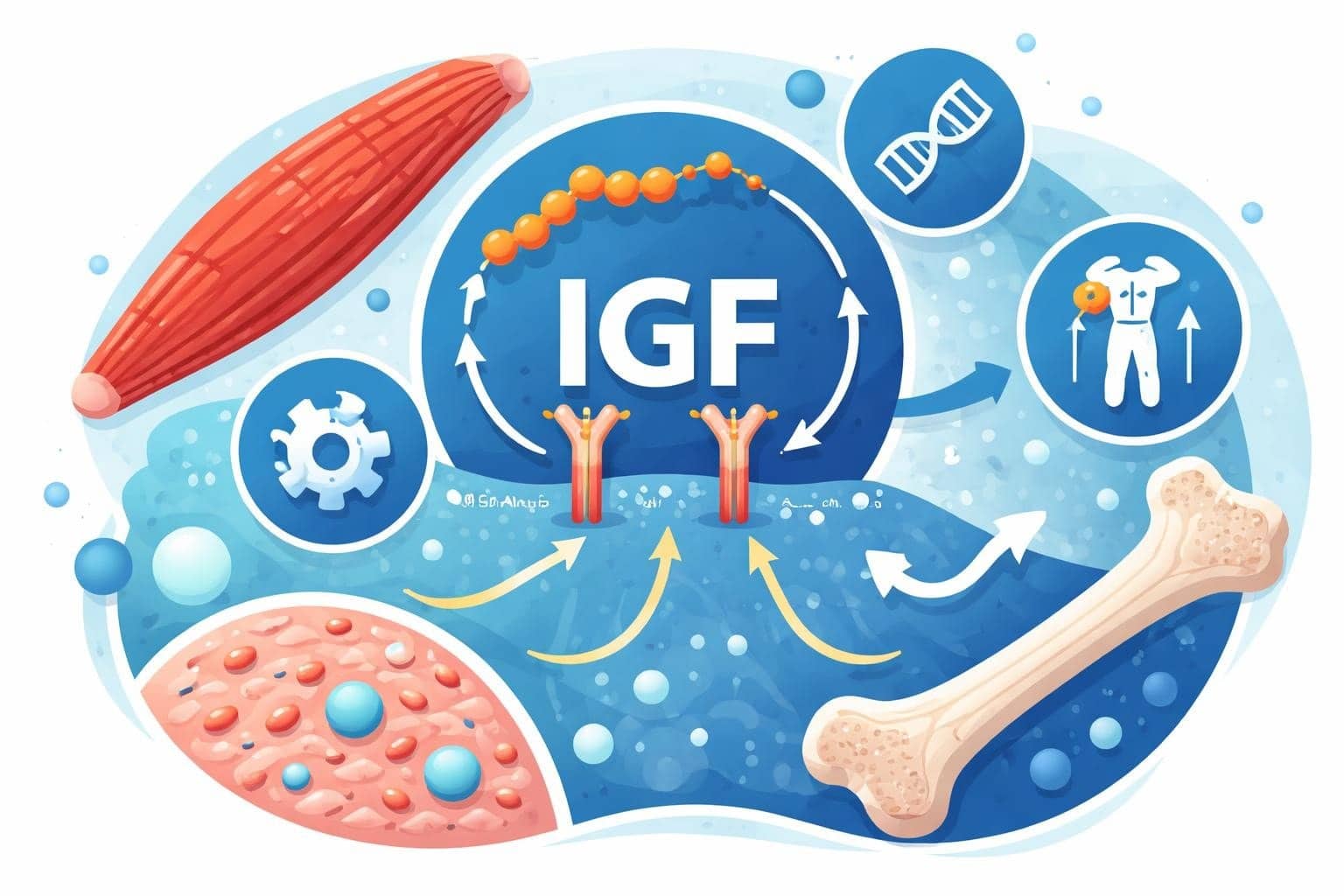
Insulin-like growth factor peptides have emerged as essential research compounds in the fields of performance optimization, recovery, and cellular regeneration. Understanding the intricate mechanisms by which an igf peptide functions provides valuable insights into how these powerful molecules support muscle development, tissue repair, and metabolic health. As peptide science advances, researchers and practitioners continue to uncover new applications for these compounds, making them increasingly relevant for those seeking comprehensive wellness solutions. This exploration examines the fundamental aspects of igf peptide variants, their biological mechanisms, practical applications, and critical quality considerations that define their effectiveness.
Understanding IGF Peptide Fundamentals
The term igf peptide refers to members of the insulin-like growth factor family, which are naturally occurring proteins that regulate cellular growth and development throughout the body. These peptides share structural similarities with insulin but perform distinct functions within the endocrine system. The primary forms include IGF-1 and IGF-2, though IGF-1 receives the majority of research attention due to its significant role in post-natal growth and tissue maintenance.
Molecular Structure and Classification
IGF peptides consist of approximately 70 amino acids arranged in a specific sequence that determines their biological activity. The molecular weight typically ranges from 7,500 to 7,700 daltons, making them relatively small proteins capable of crossing cellular membranes and interacting with specific receptors. The three-dimensional structure includes disulfide bonds that stabilize the molecule and enable proper receptor binding.
These peptides exist in multiple variants, each with distinct characteristics:
- Native IGF-1: The naturally occurring form produced primarily in the liver in response to growth hormone stimulation
- IGF-1 LR3: A synthetic analog with modified amino acid composition that extends its half-life
- IGF-1 DES: A truncated version lacking the N-terminal tripeptide, resulting in enhanced local tissue effects
- IGF-2: A related peptide with higher concentrations during fetal development
The structural modifications in synthetic variants significantly impact their pharmacokinetics and therapeutic applications. For instance, IGF-1 LR3 demonstrates prolonged activity compared to native IGF-1, making it particularly valuable for sustained anabolic effects.
Biological Production and Regulation
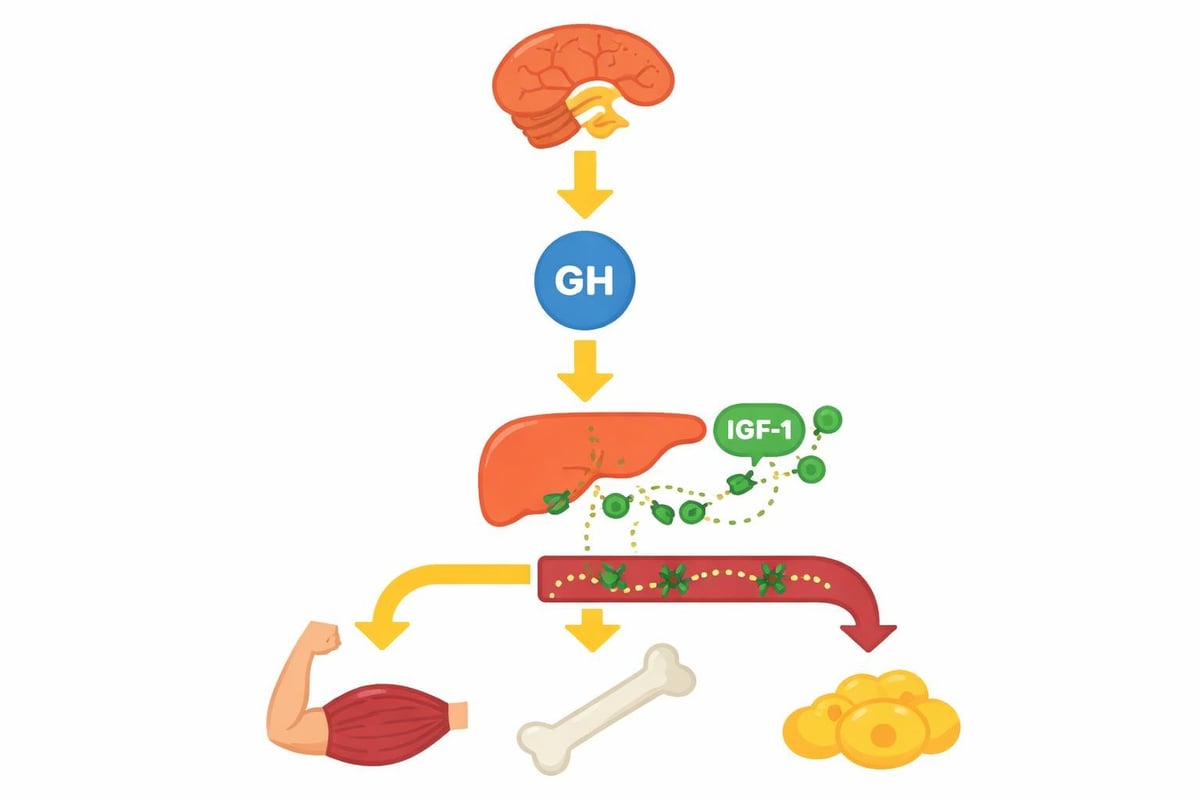
The body produces igf peptide primarily in the liver, though localized production occurs in nearly all tissues. Growth hormone released from the pituitary gland serves as the primary trigger for hepatic IGF-1 synthesis. This relationship between growth hormone and IGF-1 represents a critical axis in human development and metabolism.
Research has shown that E-peptides play a crucial role in controlling IGF-1 bioavailability, adding another layer of complexity to how these compounds function within physiological systems. The regulation involves multiple binding proteins that either enhance or inhibit IGF-1 activity depending on metabolic conditions.
Mechanisms of Action and Cellular Effects
An igf peptide exerts its effects through specific receptor-mediated pathways that activate downstream signaling cascades. Understanding these mechanisms clarifies why these peptides demonstrate such broad-ranging physiological impacts across multiple organ systems and tissue types.
Receptor Binding and Signal Transduction
IGF peptides bind primarily to the IGF-1 receptor (IGF-1R), a tyrosine kinase receptor present on cell surfaces throughout the body. This binding initiates autophosphorylation of the receptor, which activates two major signaling pathways: the PI3K/Akt pathway and the MAPK/ERK pathway. These cascades regulate critical cellular processes including protein synthesis, glucose uptake, cell survival, and proliferation.
The PI3K/Akt pathway particularly influences anabolic processes by:
- Activating mTOR, which stimulates protein synthesis
- Inhibiting GSK-3β, which promotes glycogen synthesis
- Suppressing FOXO transcription factors, which reduces protein breakdown
- Enhancing glucose transporter expression on cell membranes
The MAPK/ERK pathway contributes to cell differentiation and growth through transcription factor activation. Together, these pathways explain the comprehensive anabolic effects observed with igf peptide administration.
Tissue-Specific Responses
Different tissues respond uniquely to igf peptide exposure based on receptor density, local binding protein concentrations, and the presence of splice variants. Skeletal muscle demonstrates particularly robust responses, with IGF-1 promoting satellite cell activation, myofibril protein synthesis, and enhanced glucose uptake for energy metabolism.
| Tissue Type | Primary Response | Mechanism |
|---|---|---|
| Skeletal Muscle | Hypertrophy and repair | Satellite cell activation, protein synthesis |
| Bone | Increased density | Osteoblast proliferation, mineral deposition |
| Adipose | Reduced fat mass | Enhanced lipolysis, improved insulin sensitivity |
| Nervous System | Neuroprotection | Reduced oxidative stress, enhanced myelination |
| Connective Tissue | Collagen synthesis | Fibroblast activation, matrix production |
The mechano growth factor (MGF), a splice variant of IGF-1, plays a specialized role in muscle tissue repair following mechanical stress. This variant demonstrates localized autocrine and paracrine effects that support recovery from training-induced damage.
Applications for Performance and Recovery
The use of igf peptide in performance optimization and recovery protocols has generated substantial research interest. These applications focus on leveraging the anabolic and regenerative properties to support training adaptations and accelerate healing processes.
Muscle Growth and Strength Development
IGF peptides facilitate muscle hypertrophy through multiple complementary mechanisms. Beyond stimulating protein synthesis, these compounds activate satellite cells, which are muscle stem cells responsible for adding new nuclei to growing muscle fibers. This process enables long-term adaptations that support sustained muscle growth beyond normal genetic limitations.
Research protocols typically involve:
- Strategic timing relative to training sessions to maximize anabolic signaling
- Dose titration based on individual response and tolerance
- Cycling patterns to maintain receptor sensitivity
- Combination with proper nutrition to provide substrate for growth
The enhanced nutrient partitioning effects of igf peptide compounds also contribute to improved body composition by directing calories preferentially toward muscle tissue rather than fat storage. This makes them particularly valuable during muscle-building phases where caloric surpluses might otherwise lead to unwanted fat accumulation.
Recovery Enhancement and Tissue Repair
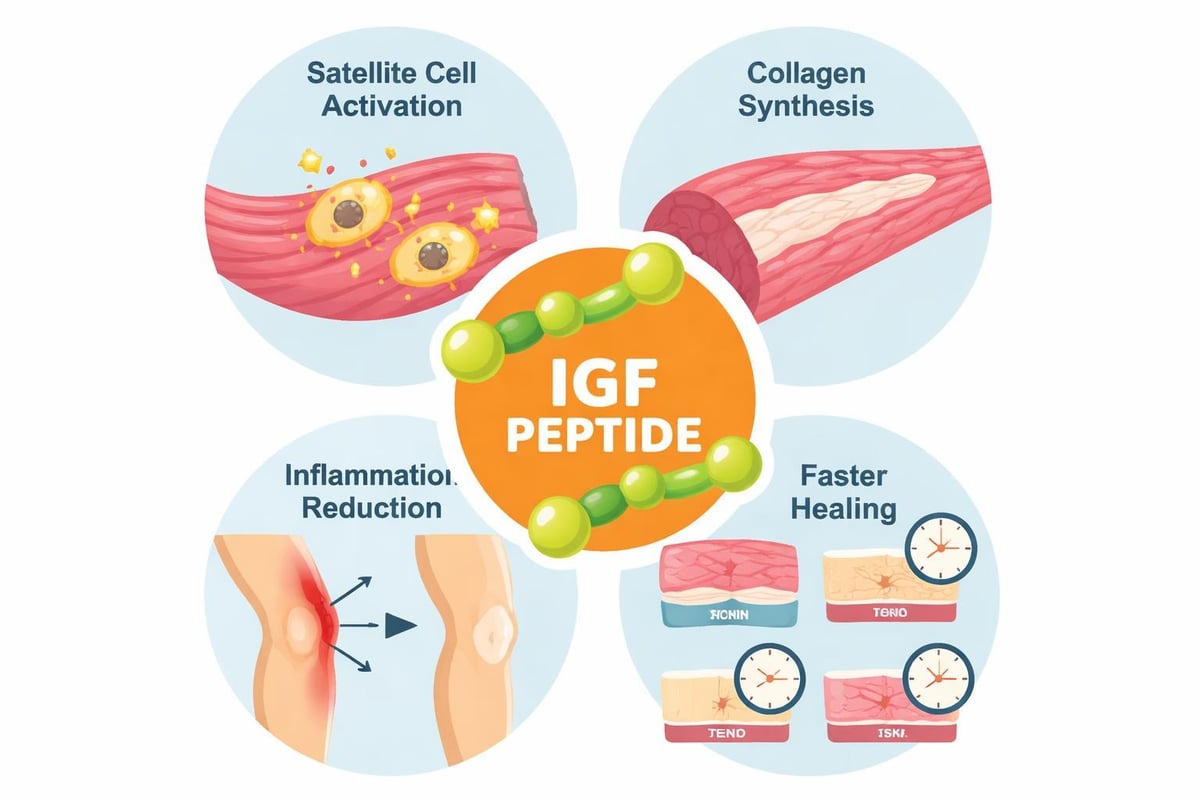
The regenerative properties of igf peptide extend beyond muscle tissue to encompass tendons, ligaments, cartilage, and bone. These compounds accelerate healing by promoting cell proliferation, reducing inflammation, and supporting collagen synthesis. Athletes recovering from injuries or managing chronic overuse conditions may find particular value in these effects.
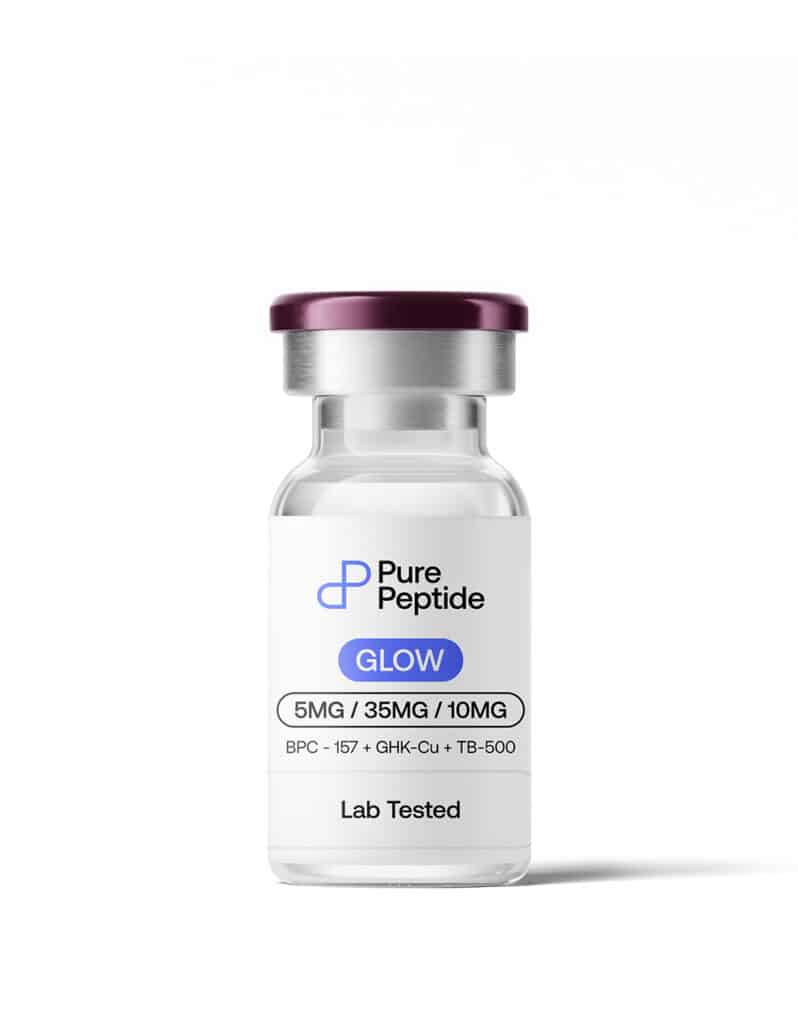
For comprehensive recovery support, many practitioners combine igf peptide with other regenerative compounds. The BPC-157 and TB-500 blend available at specialized peptide suppliers offers complementary mechanisms that address different aspects of tissue repair and inflammation modulation.
Anti-Aging and Metabolic Benefits
Beyond performance applications, igf peptide demonstrates significant potential for supporting healthy aging and metabolic function. The natural decline in growth hormone and IGF-1 levels with age contributes to many characteristics of aging, including muscle loss, increased fat accumulation, reduced bone density, and declining cognitive function.
Age-Related Changes and IGF Peptide
Beginning in the third decade of life, endogenous IGF-1 production gradually decreases at approximately 1-2% per year. By age 60, many individuals have IGF-1 levels 50% lower than peak values observed in early adulthood. This decline correlates with numerous age-related changes in body composition and function.
Strategic supplementation with igf peptide may help address several age-related concerns:
- Sarcopenia Prevention: Maintaining muscle mass and strength that naturally decline with aging
- Bone Health: Supporting bone mineral density to reduce fracture risk
- Metabolic Function: Improving insulin sensitivity and glucose metabolism
- Skin Quality: Enhancing collagen production for improved elasticity and appearance
- Cognitive Health: Supporting neuronal function and reducing oxidative damage
Those interested in comprehensive anti-aging protocols often explore the Glow Blend formulations that combine multiple peptides targeting different aspects of cellular rejuvenation and appearance optimization.
Metabolic Optimization
IGF peptides significantly influence metabolic health through effects on glucose metabolism, lipid profiles, and insulin sensitivity. The compounds promote glucose uptake in muscle tissue while reducing hepatic glucose production, creating a favorable metabolic environment for fat loss and muscle preservation.
The metabolic benefits include:
- Enhanced insulin sensitivity in peripheral tissues
- Improved mitochondrial function and energy production
- Increased basal metabolic rate through lean tissue maintenance
- Better nutrient partitioning directing nutrients toward muscle versus fat
- Reduced visceral adiposity associated with metabolic disease risk
These effects make igf peptide particularly valuable for individuals managing metabolic syndrome, type 2 diabetes risk factors, or age-related metabolic decline. The comprehensive approach to metabolic health extends beyond simple weight management to address fundamental cellular energy dynamics.
Variants and Specialized Forms
The development of synthetic igf peptide variants has created options with distinct pharmacokinetic profiles and application-specific advantages. Understanding these differences enables selection of the most appropriate compound for specific goals and protocols.
IGF-1 LR3 Characteristics
IGF-1 LR3 represents one of the most widely researched synthetic variants. The modification involves substituting arginine for glutamic acid at position 3 and adding a 13-amino acid N-terminal extension. These changes reduce binding to IGF binding proteins, resulting in significantly extended biological half-life and enhanced potency.
Technical specifications of IGF-1 LR3 reveal a molecular weight of approximately 9,117 daltons and a half-life exceeding 20 hours compared to approximately 10 minutes for native IGF-1. This extended activity allows for less frequent administration while maintaining stable blood levels.
The compound demonstrates particularly strong effects on:
- Sustained muscle protein synthesis over extended periods
- Systemic anabolic signaling across multiple tissue types
- Long-term metabolic improvements requiring consistent IGF-1 receptor activation
- Protocols where daily administration presents practical challenges
Research institutions examining IGF-1 LR3 efficacy and safety profiles have documented favorable outcomes in multiple application areas, though individual responses vary based on baseline IGF-1 status, concurrent hormone levels, and overall metabolic health.
IGF-1 DES Applications
IGF-1 DES lacks the first three amino acids of the N-terminus, creating a truncated peptide with unique properties. This modification dramatically reduces binding to IGF binding proteins even more than LR3, resulting in extremely potent local tissue effects. The half-life remains short at approximately 20-30 minutes, making it ideal for localized, acute applications.
This variant shows particular promise for:
- Site-specific muscle development when administered locally
- Acute recovery protocols immediately post-training
- Targeting specific muscle groups requiring extra development attention
- Applications where systemic effects should be minimized
The short half-life requires strategic timing but offers the advantage of precise control over when and where IGF signaling occurs. Many advanced protocols incorporate both long-acting and short-acting variants to optimize both systemic and local tissue responses.
Quality Considerations and Purity Standards
The effectiveness and safety of any igf peptide depends fundamentally on manufacturing quality, purity standards, and proper handling. Understanding these factors enables informed selection of compounds that deliver consistent results while minimizing potential risks.
Manufacturing and Purification Methods
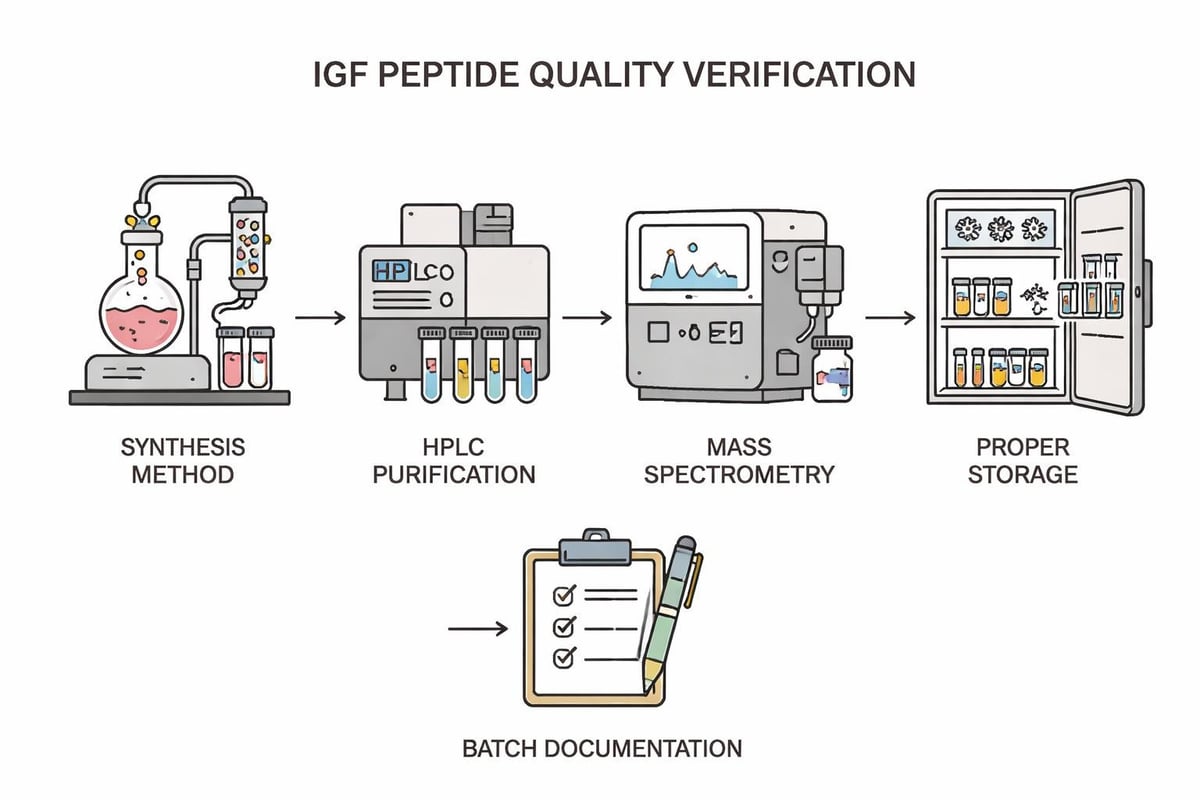
Pharmaceutical-grade igf peptide production typically employs solid-phase peptide synthesis (SPPS) or recombinant DNA technology. SPPS builds the peptide chain sequentially by adding one amino acid at a time to a growing chain attached to a solid support resin. Recombinant methods involve inserting the gene sequence into bacterial or yeast cells, which then produce the peptide through their natural protein synthesis machinery.
Following synthesis, multiple purification steps remove:
- Incomplete peptide sequences (deletion sequences)
- Extended sequences with extra amino acids
- Modified sequences with incorrect amino acid substitutions
- Bacterial endotoxins and other contaminants
- Residual solvents and reagents from synthesis
High-performance liquid chromatography (HPLC) serves as the primary purification method, capable of achieving purity levels exceeding 98%. Mass spectrometry confirms the correct molecular weight, while amino acid sequencing verifies the exact composition. These analytical techniques ensure the final product matches intended specifications.
| Quality Metric | Acceptable Standard | Testing Method |
|---|---|---|
| Purity | ≥98% | HPLC |
| Identity | Correct sequence | Mass spectrometry |
| Endotoxin Level | <1 EU/mg | LAL assay |
| Sterility | No growth | USP sterility test |
| pH | 3.0-8.0 | pH meter |
Reputable suppliers provide certificates of analysis documenting these quality parameters for each production batch. Third-party verification adds additional assurance that products meet stated specifications.
Storage and Handling Protocols
Proper storage significantly impacts igf peptide stability and potency. Lyophilized (freeze-dried) peptides demonstrate excellent stability when stored at -20°C to -80°C, typically remaining viable for 2-3 years. Once reconstituted with bacteriostatic water or sterile saline, refrigeration at 2-8°C extends usability to approximately 30 days.
Critical handling considerations include:
- Avoiding repeated freeze-thaw cycles that denature peptide structure
- Using appropriate reconstitution volumes to achieve desired concentrations
- Employing sterile technique during reconstitution and administration
- Protecting from light exposure that may degrade certain peptides
- Confirming reconstitution solution compatibility with specific peptides
Those new to peptide protocols should also obtain proper injection supplies and bacteriostatic water to ensure safe and effective administration. Proper technique minimizes contamination risk and ensures accurate dosing.
Safety Profile and Monitoring Considerations
Understanding the safety profile of igf peptide requires examination of potential effects, individual variability in response, and appropriate monitoring strategies. While research indicates generally favorable safety characteristics when used appropriately, several considerations merit attention.
Documented Safety Data
Clinical research on igf peptide compounds has documented relatively mild and infrequent adverse effects in most study populations. The safety data on IGF-1 LR3 from research trials reveals that common side effects, when they occur, typically include transient hypoglycemia, joint discomfort, and localized injection site reactions.
More comprehensive research databases on IGF-1 LR3 compile findings across multiple studies, providing broader context for safety assessment. The accumulated evidence suggests that appropriate dosing protocols minimize risk while maintaining therapeutic benefits.
Individual factors influencing safety include:
- Baseline IGF-1 and insulin levels
- Existing metabolic conditions, particularly glucose regulation disorders
- Concurrent medication use that may interact with IGF signaling
- Genetic factors affecting IGF receptor sensitivity
- Overall health status and organ function
Monitoring and Risk Mitigation
Responsible use of igf peptide involves regular monitoring of relevant biomarkers and clinical parameters. Blood glucose levels warrant particular attention, as IGF peptides enhance insulin sensitivity and glucose uptake. Individuals with diabetes or pre-diabetic conditions require especially careful management to prevent hypoglycemic episodes.
Recommended monitoring includes:
- Fasting glucose and insulin levels every 4-6 weeks
- IGF-1 blood levels to confirm appropriate dosing
- Body composition measurements to track effectiveness
- Joint health assessment, particularly in older individuals
- Periodic comprehensive metabolic panels
Healthcare oversight provides additional safety assurance, particularly for individuals with pre-existing conditions or those using multiple therapeutic compounds. The complexity of endocrine interactions justifies professional guidance in protocol development and implementation.
Integration with Comprehensive Wellness Protocols
Maximizing the benefits of igf peptide requires integration into broader wellness strategies that address nutrition, training, recovery, and overall lifestyle factors. Peptides function most effectively when supporting optimized foundational health practices rather than compensating for poor habits.
Nutritional Synergy
The anabolic effects of igf peptide require adequate nutritional substrate to manifest fully. Protein intake of 1.6-2.2 grams per kilogram bodyweight provides essential amino acids for muscle protein synthesis. Carbohydrate timing around training sessions optimizes glycogen replenishment and supports the glucose-partitioning effects of IGF compounds.
Specific nutritional considerations include:
- Protein Quality: Complete amino acid profiles from diverse sources
- Micronutrient Sufficiency: Adequate zinc, magnesium, and vitamin D for hormone function
- Essential Fatty Acids: Omega-3s for inflammation modulation and cell membrane health
- Hydration: Adequate fluid intake to support increased metabolic activity
- Meal Timing: Strategic nutrient delivery aligned with training and peptide administration
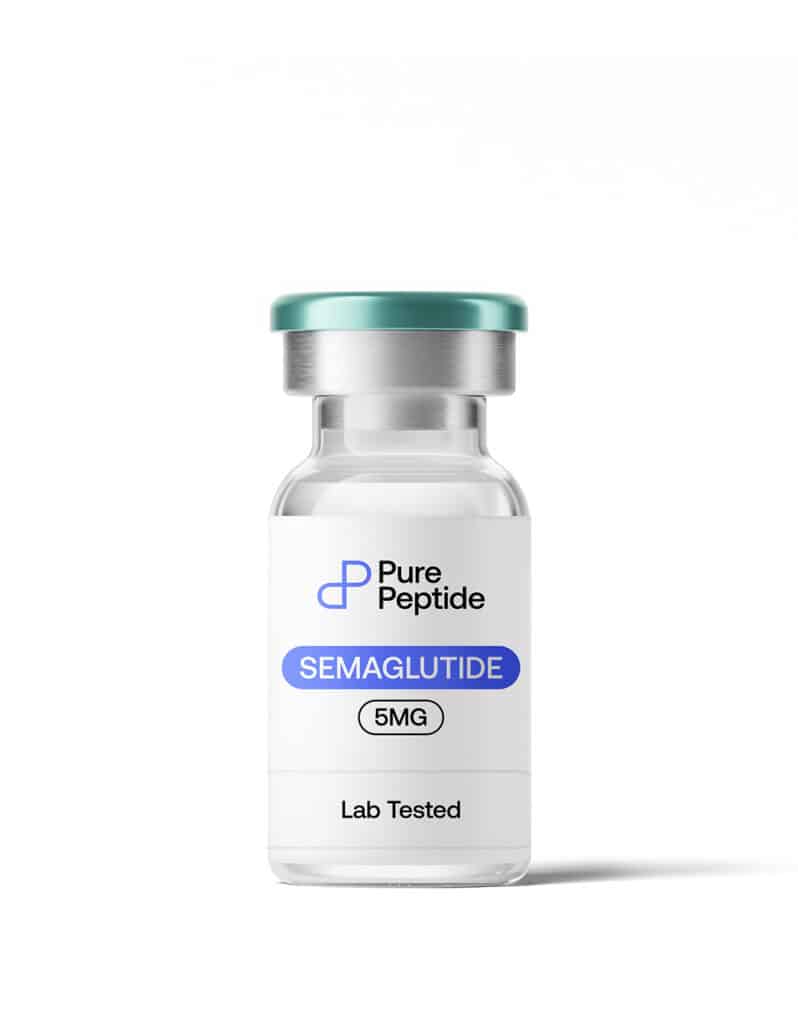
For those pursuing concurrent fat loss goals, compounds like Semaglutide may complement igf peptide by managing appetite and supporting adherence to caloric targets while preserving lean tissue.
Training Optimization
Training stimulus determines how the body utilizes the enhanced recovery and growth signaling provided by igf peptide. Progressive overload principles remain essential, with systematic increases in training volume, intensity, or frequency providing the mechanical stress that stimulates adaptation.
Optimal training approaches include:
- Periodized programs that vary stimulus and allow for adaptation
- Adequate training volume to justify enhanced recovery capacity
- Progressive intensity increases that challenge developing capabilities
- Deload periods that prevent overtraining despite enhanced recovery
- Movement quality emphasis to minimize injury risk during accelerated development
The enhanced recovery capacity afforded by igf peptide enables higher training frequencies and volumes than typical natural recovery allows. However, progressive implementation prevents overwhelming adaptive capacity and maintains long-term progress.
Regulatory and Sourcing Considerations
The regulatory landscape surrounding igf peptide varies significantly across jurisdictions and contexts. Understanding these nuances ensures compliance with applicable regulations while obtaining compounds that meet appropriate quality standards.
Research Compound Status
Many igf peptide products are marketed as research compounds intended for laboratory investigation rather than human consumption. This designation reflects regulatory frameworks in various countries where these compounds have not completed the approval process for therapeutic use in humans. Researchers and practitioners must understand the legal status in their specific jurisdiction.
Legitimate research compound suppliers operate with transparency regarding:
- Product intended use and limitations
- Quality testing and analytical verification
- Regulatory compliance in their operating jurisdiction
- Clear communication about legal status
- Educational resources rather than medical claims
Those exploring peptide options can review various formulations through trusted suppliers' product catalogs, which provide detailed specifications and intended applications for each compound.
Selecting Reputable Suppliers
The proliferation of peptide suppliers has created a quality spectrum ranging from pharmaceutical-grade manufacturers to questionable sources offering unverified products. Due diligence in supplier selection directly impacts both safety and effectiveness.
Evaluation criteria for suppliers include:
- Third-party testing verification with accessible certificates of analysis
- Transparent manufacturing and sourcing information
- Responsive customer support for technical questions
- Established track record with verifiable reviews
- Clear policies on storage, shipping, and returns
- Educational resources demonstrating expertise
Reputable suppliers maintain comprehensive FAQ sections addressing common questions about storage, reconstitution, and usage. They also provide contact options for personalized assistance with product selection and protocol development.
Advanced Protocol Strategies
Experienced users of igf peptide often develop sophisticated protocols that optimize results through strategic timing, combination approaches, and cycling patterns. These advanced strategies build upon foundational understanding to maximize benefits while managing potential adaptations.
Combination Protocols
Synergistic effects occur when igf peptide is combined with compounds that work through complementary mechanisms. Growth hormone secretagogues represent one common combination, as they stimulate natural growth hormone release, which in turn promotes endogenous IGF-1 production. This creates a comprehensive anabolic environment through both exogenous and endogenous pathways.
Popular combination approaches include:
- IGF + Growth Hormone Peptides: Such as Ipamorelin or CJC-1295 for enhanced growth hormone axis stimulation
- IGF + Selective Androgens: For maximized anabolic signaling through multiple pathways
- IGF + Recovery Peptides: Like TB-500 for comprehensive tissue repair support
- IGF + Metabolic Compounds: Such as Tesamorelin for body composition optimization
Each combination requires careful consideration of dosing, timing, and individual response to prevent receptor saturation or hormonal imbalances. Conservative approaches with gradual implementation allow for response assessment and protocol adjustment.
Cycling and Tolerance Management
Extended continuous use of igf peptide may lead to receptor downregulation, where cells reduce receptor density in response to sustained elevated signaling. Cycling patterns that alternate periods of use with periods of rest help maintain receptor sensitivity and preserve responsiveness to the compound.
Common cycling strategies include:
- 8-12 weeks on followed by 4-8 weeks off
- 5 days on, 2 days off weekly pattern during usage periods
- Pulse protocols with strategic high-dose days followed by lower doses
- Seasonal approaches aligned with training periodization
The optimal cycling approach depends on individual goals, baseline hormone status, and response patterns. Some individuals maintain sensitivity with continuous use, while others benefit from structured breaks. Monitoring results and adjusting based on observed responses ensures continued effectiveness.
Understanding the science, applications, and quality standards surrounding igf peptide enables informed decisions about incorporating these powerful compounds into wellness and performance protocols. The research demonstrates significant potential across muscle development, recovery enhancement, metabolic optimization, and anti-aging applications when used appropriately with attention to quality and safety.
For those seeking premium quality peptides backed by rigorous testing and purity standards, Soma Peptide offers comprehensive solutions designed to support your health and performance goals. With advanced purification methods, transparent quality documentation, and expert guidance, Soma Peptide ensures you receive compounds that deliver consistent results aligned with the latest research findings. Explore the full range of peptide options and discover how these innovative compounds can enhance your wellness journey.