


The landscape of weight management has evolved significantly in recent years, with peptide therapies emerging as a powerful tool for individuals seeking effective fat loss solutions. As scientific understanding of metabolic processes deepens, more people are exploring how to buy peptides for weight loss through reputable suppliers who prioritize purity and efficacy. The growing interest in these biological compounds stems from their targeted mechanisms of action, which work at the cellular level to influence appetite, energy expenditure, and metabolic rate. However, navigating the peptide marketplace requires careful consideration of quality standards, regulatory frameworks, and individual health objectives to ensure safe and effective outcomes.
Understanding Peptides and Their Role in Weight Management
Peptides are short chains of amino acids that serve as signaling molecules throughout the human body. These biological compounds communicate instructions to cells, tissues, and organs, influencing numerous physiological processes including metabolism, appetite regulation, and fat storage.
When considering whether to buy peptides for weight loss, it's essential to understand how these molecules function differently from traditional diet pills or supplements. Unlike stimulant-based products that artificially suppress appetite or increase energy expenditure, peptides work by mimicking natural hormones and signaling pathways already present in the body.
Mechanisms of Action in Fat Loss
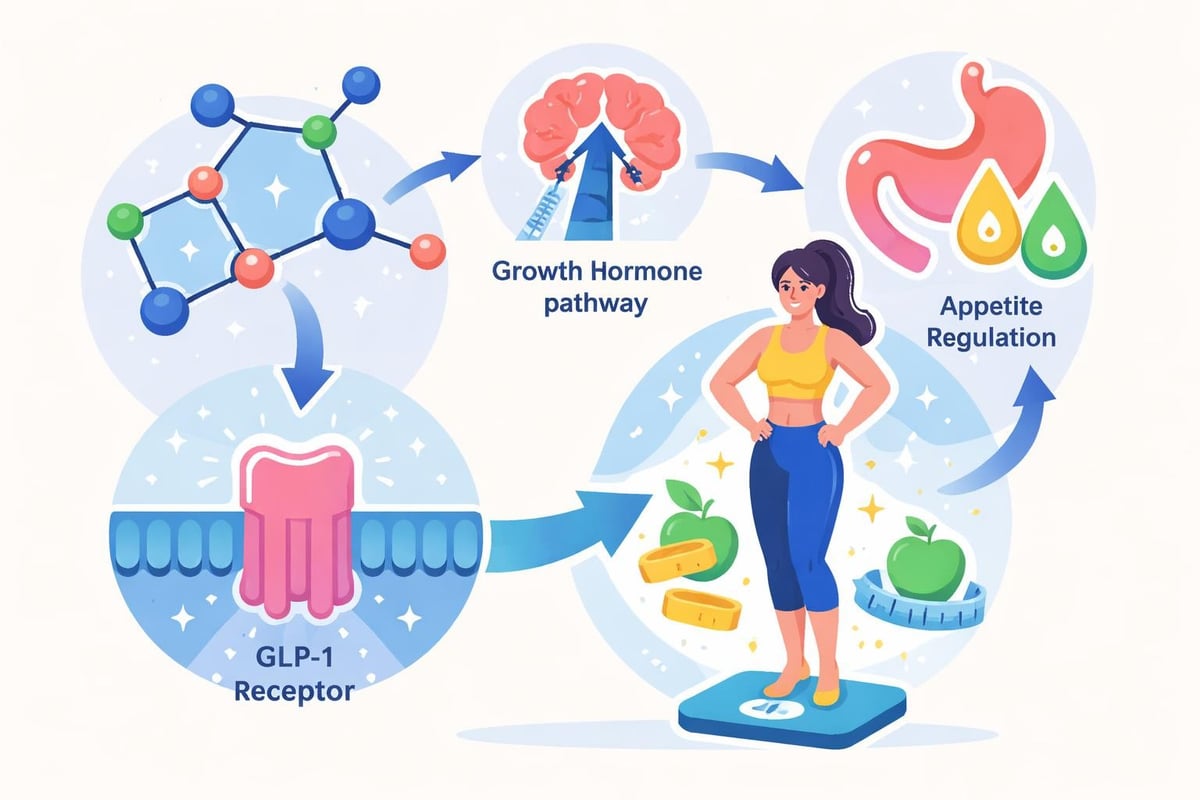
The effectiveness of weight loss peptides stems from several distinct mechanisms:
- GLP-1 receptor activation that slows gastric emptying and promotes satiety
- Growth hormone secretion that enhances lipolysis and preserves lean muscle mass
- Metabolic rate enhancement through increased cellular energy expenditure
- Insulin sensitivity improvement that optimizes nutrient partitioning
- Appetite hormone regulation affecting ghrelin and leptin signaling
Research published in various medical journals demonstrates that specific peptides can significantly impact body composition when combined with appropriate nutrition and exercise protocols. According to Healthline’s analysis of peptides for weight loss, these compounds show promise in clinical settings, though individual results vary based on numerous factors.
The decision to buy peptides for weight loss should be informed by understanding which specific compounds align with individual health goals. Different peptides target distinct pathways, making personalized selection crucial for optimal outcomes.
Types of Weight Loss Peptides Available in 2026
The peptide market has expanded considerably, offering various compounds with unique properties and applications. Understanding the differences between these options helps consumers make informed decisions when they buy peptides for weight loss.
GLP-1 Receptor Agonists
This category represents the most extensively researched weight loss peptides currently available. These compounds mimic glucagon-like peptide-1, a hormone naturally produced in the intestines that regulates blood sugar and appetite.
| Peptide | Primary Function | Typical Duration |
|---|---|---|
| Semaglutide | Appetite suppression, glucose control | Weekly administration |
| Tirzepatide | Dual GIP/GLP-1 activation | Weekly administration |
| Retatrutide | Triple receptor agonist | Extended release |
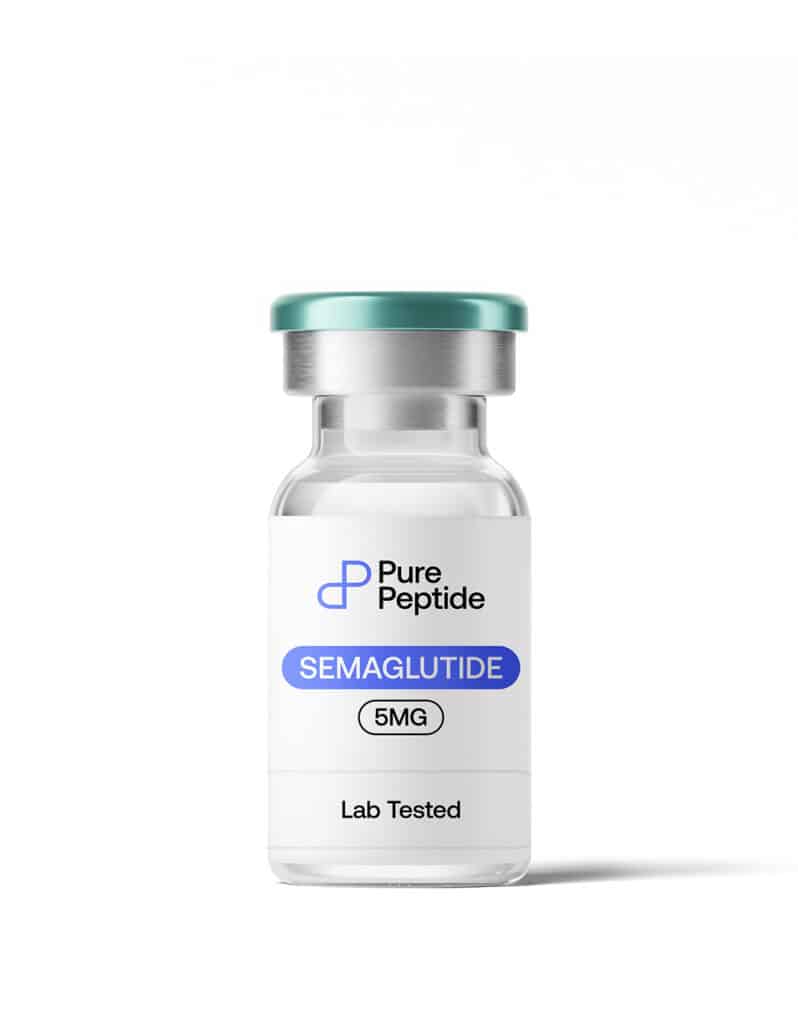
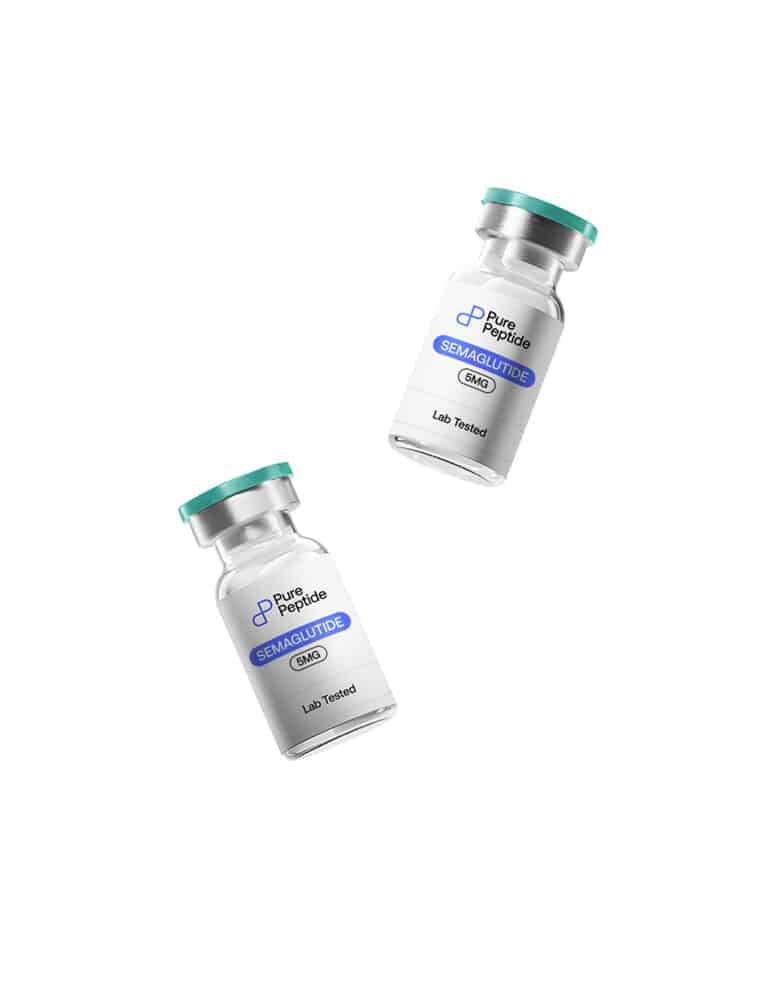
Soma Peptide’s semaglutide represents one option in this category, manufactured to exacting purity standards. The compound has gained significant attention following clinical trials demonstrating substantial weight reduction in participants.
For those exploring advanced options, retatrutide offers a novel triple-agonist approach that simultaneously activates GLP-1, GIP, and glucagon receptors. This multi-pathway activation may provide enhanced metabolic benefits compared to single-receptor compounds.
Growth Hormone Secretagogues
These peptides stimulate the body's natural production of growth hormone, which plays multiple roles in body composition:
- Enhanced lipolysis through hormone-sensitive lipase activation
- Muscle preservation during caloric restriction
- Improved recovery supporting consistent training
- Metabolic optimization increasing resting energy expenditure
Popular compounds in this category include CJC-1295, ipamorelin, and various blends designed to maximize growth hormone release. The CJC-1295/Ipamorelin blend combines complementary mechanisms for synergistic effects.
Metabolic Enhancement Peptides
Several peptides influence weight loss through direct metabolic effects rather than hormone mimicry. MOTS-C exemplifies this category, functioning as a mitochondrial-derived peptide that enhances cellular energy production and glucose metabolism.
The diversity of available peptides means individuals can select compounds matching their specific needs, whether prioritizing appetite control, metabolic enhancement, or body composition improvement.
Quality Standards and Purity Considerations
Perhaps the most critical factor when deciding to buy peptides for weight loss involves evaluating supplier quality standards. The efficacy and safety of peptide therapy depend entirely on product purity, accurate dosing, and proper manufacturing processes.
Manufacturing and Testing Requirements
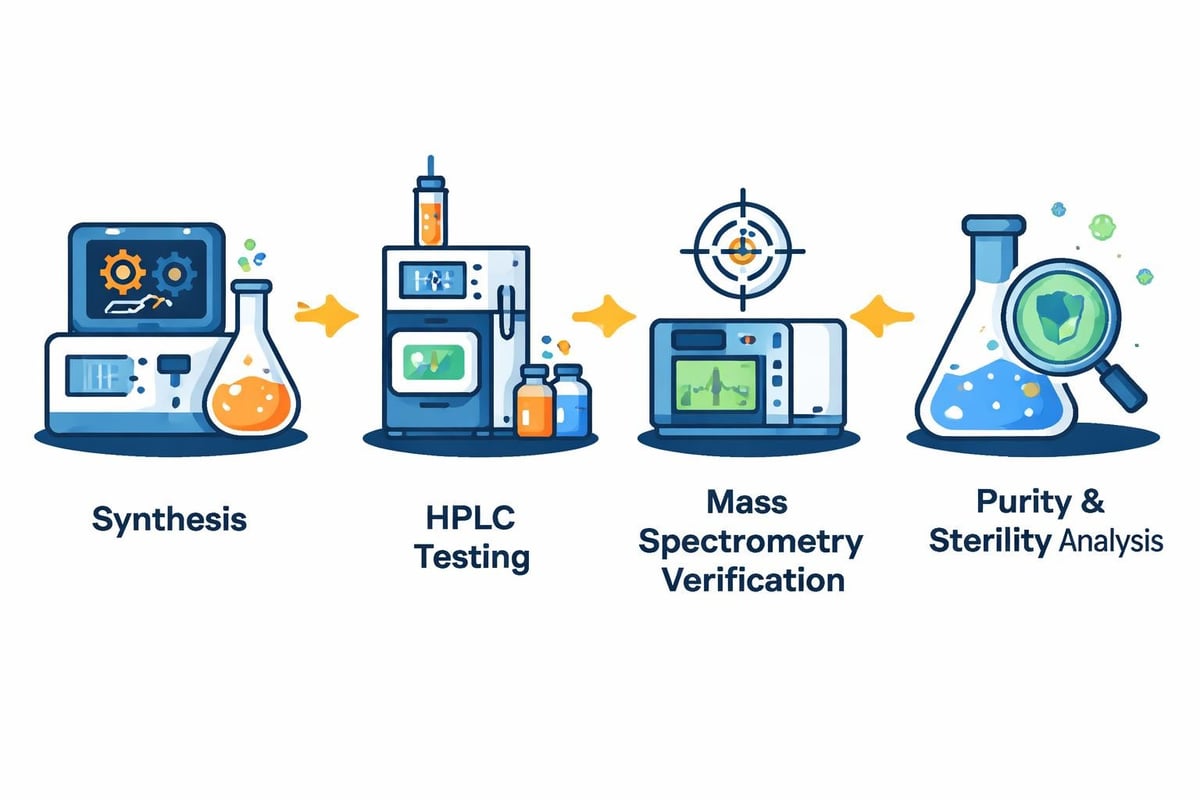
Reputable peptide suppliers implement rigorous quality control measures throughout the production cycle:
- Synthesis verification using high-performance liquid chromatography (HPLC)
- Mass spectrometry analysis confirming molecular structure
- Purity testing ensuring compounds exceed 98% purity thresholds
- Sterility assessment preventing microbial contamination
- Endotoxin screening eliminating harmful bacterial byproducts
When you buy peptides for weight loss, requesting third-party testing documentation should be standard practice. Certificate of Analysis reports provide objective verification of product specifications, offering transparency that separates legitimate suppliers from questionable sources.
Storage and Handling Protocols
Peptide stability requires specific storage conditions to maintain molecular integrity:
| Storage Phase | Temperature | Duration | Requirements |
|---|---|---|---|
| Pre-reconstitution | -20°C to -80°C | 6-12 months | Dark, dry environment |
| Post-reconstitution | 2°C to 8°C | 30-60 days | Refrigerated, sealed |
| During transport | Insulated cooling | 24-48 hours | Ice packs, temperature monitoring |
Proper reconstitution using bacteriostatic water ensures peptide solutions remain stable and contamination-free throughout their usable lifespan. This seemingly minor detail significantly impacts both safety and effectiveness.
Regulatory Framework and Safety Considerations
The regulatory environment surrounding peptides continues evolving as authorities respond to increasing consumer interest. Understanding the current landscape helps individuals make informed decisions when they buy peptides for weight loss.
FDA Approval Status
Currently, only specific peptides have received FDA approval for weight management. These include pharmaceutical-grade versions of semaglutide and tirzepatide prescribed under medical supervision. However, concerns about unapproved peptides being promoted by influencers have prompted regulatory scrutiny.
The distinction between research peptides and FDA-approved medications carries important implications:
- Approved medications undergo extensive clinical trials and post-market surveillance
- Research compounds are technically intended for laboratory investigation
- Compounded versions occupy a regulatory middle ground with varying oversight
- International sources may not adhere to domestic quality standards
Despite regulatory complexities, evidence-based research continues demonstrating peptide efficacy for metabolic optimization when sourced from quality suppliers and used appropriately.
Potential Side Effects and Contraindications
Like any bioactive compound, peptides can produce side effects that vary by compound type and individual response. Common experiences include:
- Gastrointestinal disturbances (nausea, changes in bowel habits)
- Injection site reactions (redness, mild discomfort)
- Temporary fatigue during initial adaptation
- Headaches or dizziness in sensitive individuals
More serious but less common effects require medical attention. Understanding potential side effects enables proactive monitoring and appropriate response protocols.
Certain populations should exercise additional caution or avoid specific peptides entirely, including pregnant or nursing women, individuals with active cancers, and those with certain endocrine disorders. Professional medical guidance becomes essential in these contexts.
Selecting a Reputable Peptide Supplier
The decision of where to buy peptides for weight loss carries significant implications for both safety and results. The marketplace contains suppliers ranging from pharmaceutical-grade manufacturers to questionable vendors offering products of uncertain quality.
Key Evaluation Criteria
Transparency and Documentation: Legitimate suppliers provide comprehensive product information, including synthesis methods, testing results, and proper usage guidelines. The availability of certificates of analysis demonstrates commitment to quality assurance.
Customer Support and Education: Reputable companies invest in customer education rather than simply processing transactions. Access to knowledgeable support staff, detailed FAQs, and educational resources indicates a customer-focused approach.
Product Range and Specialization: While breadth of selection matters, specialization in peptides specifically suggests deeper expertise compared to general supplement retailers. A comprehensive peptide catalog with detailed product specifications demonstrates category focus.
Pricing and Value Assessment
When evaluating where to buy peptides for weight loss, price considerations should balance affordability with quality expectations:
- Below-market pricing often signals inferior purity or questionable sourcing
- Premium pricing should correlate with superior testing and customer service
- Bulk discounts may offer value for committed users with established protocols
- Bundled supplies including injection syringes and alcohol pads provide convenience
Recent comparative studies of weight-loss medications highlight the cost-effectiveness of peptide approaches relative to long-term pharmaceutical interventions, though individual circumstances vary significantly.
Customer Reviews and Reputation
Third-party feedback provides valuable insights into supplier reliability and product effectiveness. Examining verified customer reviews helps identify consistent patterns in quality, shipping reliability, and customer satisfaction.
Social proof extends beyond individual testimonials to include professional endorsements, scientific advisory boards, and industry certifications that validate supplier credibility.
Implementation Protocols and Best Practices
Successfully leveraging peptides for weight loss extends beyond simply making a purchase. Optimal outcomes require proper implementation, consistent monitoring, and integration with comprehensive lifestyle approaches.
Dosing and Administration Guidelines
Each peptide requires specific dosing protocols based on its mechanism of action and pharmacokinetic profile:
Initial Titration Phase: Most protocols begin with conservative doses that gradually escalate over several weeks. This approach minimizes side effects while allowing physiological adaptation.
Maintenance Dosing: Once therapeutic levels are established, maintenance protocols sustain desired effects while preventing tolerance development.
Administration Timing: Some peptides perform optimally when administered at specific times relative to meals, sleep cycles, or training sessions.
Proper injection technique using sterile supplies prevents complications and ensures consistent absorption. Subcutaneous administration typically occurs in abdominal tissue, rotating sites to prevent lipodystrophy.
Integration with Nutrition and Training
While peptides provide powerful metabolic support, they function most effectively within comprehensive wellness protocols:
- Caloric structure aligned with weight loss goals while preserving metabolic function
- Protein optimization supporting muscle retention during fat loss phases
- Resistance training maintaining lean tissue and metabolic rate
- Cardiovascular exercise enhancing energy expenditure and metabolic flexibility
- Sleep prioritization supporting hormonal optimization and recovery
The synergy between peptide therapy and lifestyle factors determines ultimate success. Examining the evidence reveals that peptides amplify the effects of proper nutrition and training rather than replacing these fundamentals.
Monitoring Progress and Adjustments
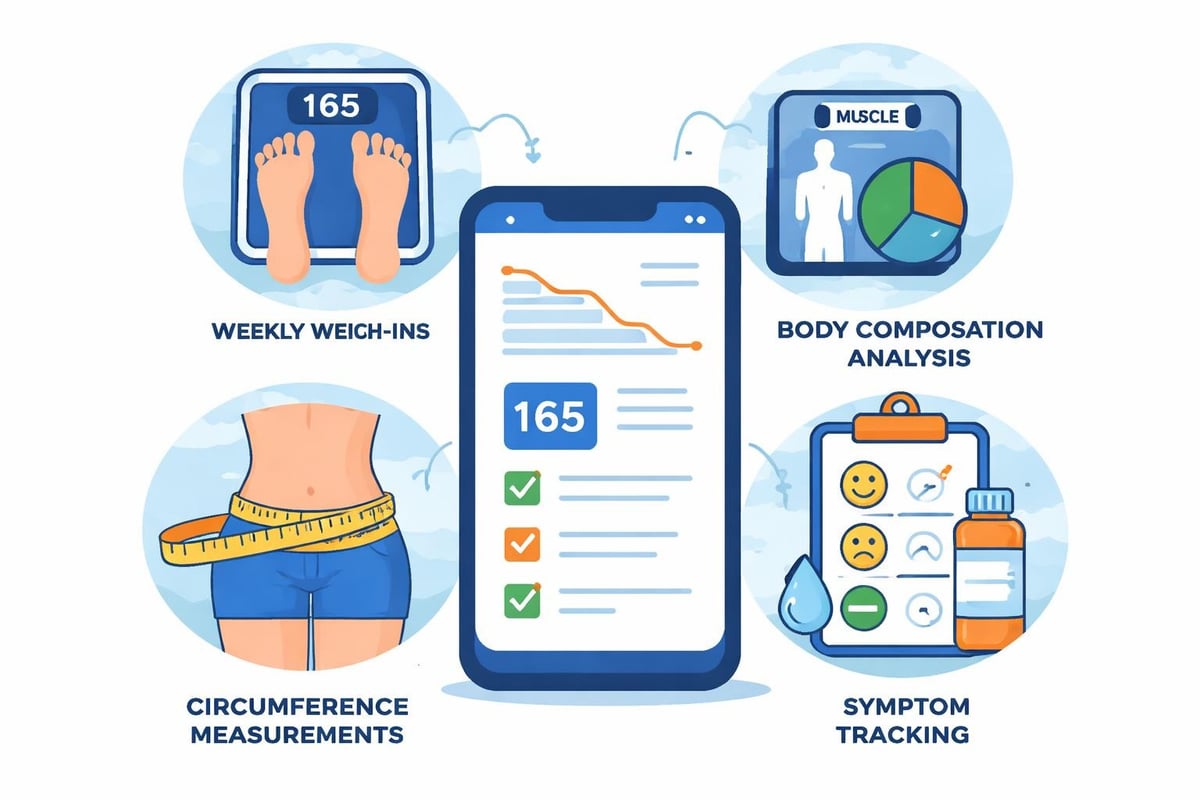
Effective peptide protocols include systematic tracking of multiple variables:
| Metric | Frequency | Purpose |
|---|---|---|
| Body weight | Weekly | Trend assessment |
| Body composition | Bi-weekly | Fat vs. muscle changes |
| Circumference measurements | Bi-weekly | Regional fat distribution |
| Energy levels | Daily | Subjective well-being |
| Side effects | Daily | Safety monitoring |
Data-driven adjustments based on objective measurements optimize protocols over time. When progress stalls or side effects emerge, modifications to dosing, timing, or compound selection may be warranted.
Combining Multiple Peptides for Enhanced Results
Advanced protocols often incorporate multiple peptides targeting complementary pathways. When individuals buy peptides for weight loss with stacking intentions, understanding synergistic combinations becomes essential.
Synergistic Compound Pairing
Certain peptide combinations produce additive or synergistic effects:
Appetite Control Plus Metabolic Enhancement: Pairing GLP-1 agonists with growth hormone secretagogues addresses both caloric intake and energy expenditure simultaneously.
Recovery Support During Caloric Restriction: Adding compounds like BPC-157 or the BPC-157/TB-500 blend may support tissue recovery when training volume remains high despite reduced calories.
Mitochondrial Function: Incorporating NAD+ alongside weight loss peptides supports cellular energy production and metabolic efficiency.
These combinations require careful planning to avoid excessive side effects or contradictory mechanisms. Professional guidance helps navigate complex multi-peptide protocols safely.
Cycling Strategies
Long-term peptide use often employs cycling strategies to maintain sensitivity and prevent adaptation:
- On-cycle phases lasting 8-16 weeks with active peptide administration
- Off-cycle periods allowing receptor resensitization
- Maintenance protocols using reduced frequencies or doses
- Rotation strategies alternating between different compounds
Cycling approaches prevent tolerance while extending the useful lifespan of peptide protocols over months or years.
Medical Supervision and Professional Guidance
While individuals can buy peptides for weight loss through various channels, medical oversight provides significant advantages in safety, efficacy, and protocol optimization.
Benefits of Professional Monitoring
Healthcare providers familiar with peptide therapy offer multiple benefits:
- Baseline health assessment identifying contraindications or risk factors
- Personalized protocol design matching compounds to individual physiology
- Laboratory monitoring tracking metabolic markers and safety parameters
- Complication management addressing side effects promptly and effectively
- Legal compliance ensuring appropriate use within regulatory frameworks
The American Council on Exercise perspective on peptides emphasizes the importance of professional oversight given the lack of standardized regulation in certain market segments.
Finding Qualified Practitioners
Not all healthcare providers possess equivalent knowledge regarding peptide therapy. Seeking practitioners with specific training in regenerative medicine, functional medicine, or sports medicine increases the likelihood of receiving informed guidance.
Telemedicine options have expanded access to peptide-knowledgeable providers, though in-person consultations remain valuable for comprehensive health assessments.
Addressing Common Misconceptions
The growing popularity of peptides for weight loss has generated considerable misinformation requiring clarification. Examining myths versus reality helps consumers make evidence-based decisions.
Myth: Peptides Produce Effortless Weight Loss
Reality: While peptides provide powerful metabolic support, they amplify rather than replace proper nutrition and exercise. Individuals maintaining poor dietary habits and sedentary lifestyles typically experience minimal results regardless of peptide quality.
Myth: All Peptide Sources Are Equivalent
Reality: Manufacturing quality varies dramatically across suppliers. Peptides from questionable sources may contain impurities, incorrect dosing, or even entirely different compounds than advertised. When choosing where to buy peptides for weight loss, source verification proves essential.
Myth: Peptides Work Immediately
Reality: Most protocols require several weeks before producing noticeable effects. GLP-1 agonists may reduce appetite within days, but significant fat loss typically requires 4-8 weeks of consistent use combined with appropriate lifestyle factors.
Myth: Natural Alternatives Match Peptide Efficacy
Reality: While proper nutrition optimizes endogenous peptide production, exogenous peptides achieve concentrations and receptor activation levels impossible through diet alone. The compounds represent distinct interventions with unique capabilities.
Future Developments in Peptide-Based Weight Management
The field of peptide therapeutics continues advancing rapidly, with 2026 bringing several noteworthy developments that may influence how individuals buy peptides for weight loss in coming years.
Emerging Compounds and Mechanisms
Research pipelines contain numerous peptides targeting novel pathways:
- Multi-receptor agonists activating three or more complementary pathways simultaneously
- Brain-targeted compounds influencing central appetite regulation with greater specificity
- Muscle-preserving agents maintaining lean tissue during aggressive fat loss phases
- Metabolic flexibility enhancers improving substrate utilization efficiency
Clinical trials currently underway may validate several of these compounds for eventual regulatory approval and broader availability.
Delivery System Innovations
Traditional injection-based administration faces potential competition from alternative delivery methods:
Oral formulations utilizing absorption enhancers and protective coatings represent a major development focus, potentially improving compliance and convenience.
Transdermal systems offer non-invasive administration, though peptide molecular size presents significant challenges requiring innovative solutions.
Extended-release technologies could reduce administration frequency from daily to weekly or even monthly intervals.
Personalization and Precision Medicine
Advances in genetic testing and metabolic profiling enable increasingly personalized peptide selection. Understanding individual receptor polymorphisms, metabolic characteristics, and hormonal baselines allows practitioners to predict which compounds will produce optimal responses in specific individuals.
This precision approach may dramatically improve outcomes while reducing trial-and-error protocol adjustments currently common in peptide therapy.
Cost Considerations and Long-Term Sustainability
Financial investment represents an important consideration when deciding to buy peptides for weight loss. Understanding total costs and developing sustainable approaches ensures protocols remain viable long-term.
Comprehensive Cost Analysis
Beyond the direct cost of peptides themselves, complete protocols include:
- Injection supplies (syringes, alcohol pads, sharps containers)
- Reconstitution supplies and storage equipment
- Laboratory testing for safety monitoring
- Professional consultation fees when applicable
- Adjunct supplements supporting overall protocol effectiveness
Budgeting for these comprehensive costs prevents protocol interruptions that compromise results.
Maximizing Value and Efficiency
Several strategies optimize cost-effectiveness:
Bulk purchasing from suppliers offering volume discounts reduces per-dose costs for individuals committed to extended protocols.
Strategic compound selection matching peptides to specific needs prevents paying premium prices for unnecessary features.
Referral programs like Soma Peptide’s refer-a-friend option provide savings through customer sharing.
Maintenance protocols using reduced doses or frequencies after initial results sustain outcomes while controlling ongoing expenses.
Insurance and Reimbursement Considerations
Insurance coverage for peptides remains limited primarily to FDA-approved compounds prescribed for specific medical conditions. Most individuals purchasing research peptides pay out-of-pocket, though Health Savings Accounts (HSAs) may cover certain expenses depending on specific plan provisions and documentation.
The regulatory landscape may shift as peptides gain broader medical acceptance, potentially expanding coverage options in future years.
Navigating the world of peptides for weight loss requires balancing scientific understanding, quality considerations, and practical implementation strategies. The compounds offer legitimate metabolic support when sourced from reputable suppliers, used appropriately, and integrated within comprehensive wellness protocols. Soma Peptide provides premium-quality peptides manufactured to exacting purity standards, supported by transparent testing documentation and knowledgeable customer service to help individuals achieve their weight management goals safely and effectively.