



The growing interest in peptide-based therapies has brought considerable attention to immune-modulating compounds that offer therapeutic potential beyond conventional treatments. Among these, ta1 peptide stands out as a powerful immunomodulator with well-documented effects on cellular immunity and T-cell function. Originally isolated from thymic tissue, this 28-amino acid peptide has demonstrated remarkable capabilities in enhancing immune responses, supporting recovery from various conditions, and potentially extending healthspan. Understanding the science behind ta1 peptide provides valuable insights for those seeking to optimize their immune function and overall wellness.
Understanding TA1 Peptide Structure and Origin
Ta1 peptide, scientifically known as Thymosin Alpha-1, represents a naturally occurring thymic peptide that plays a fundamental role in immune system development and function. The compound consists of a precise sequence of 28 amino acids with a molecular weight of approximately 3,108 Daltons, making it relatively small compared to other peptide therapeutics.
This bioactive peptide was first identified in the 1960s as part of thymosin fraction 5, a mixture of peptides derived from the thymus gland. The thymus serves as the primary site for T-cell maturation, where developing immune cells learn to distinguish self from non-self and acquire their functional capabilities.
Molecular Characteristics
The structural integrity of ta1 peptide directly influences its biological activity. According to detailed molecular specifications, the peptide maintains stability under specific storage conditions and requires careful handling to preserve its therapeutic potential.
Key molecular features include:
- Specific amino acid sequence critical for receptor binding
- Hydrophilic properties enabling cellular interaction
- Stability profile requiring refrigerated storage
- High purity requirements for therapeutic applications
The peptide's compact structure allows it to interact effectively with specific receptors on immune cells, initiating cascades of immunological responses that enhance both innate and adaptive immunity.

Mechanisms of Immune System Modulation
The therapeutic value of ta1 peptide stems from its multifaceted mechanisms of action within the immune system. Rather than simply boosting immune responses indiscriminately, this peptide acts as a sophisticated modulator, enhancing protective responses while maintaining balance.
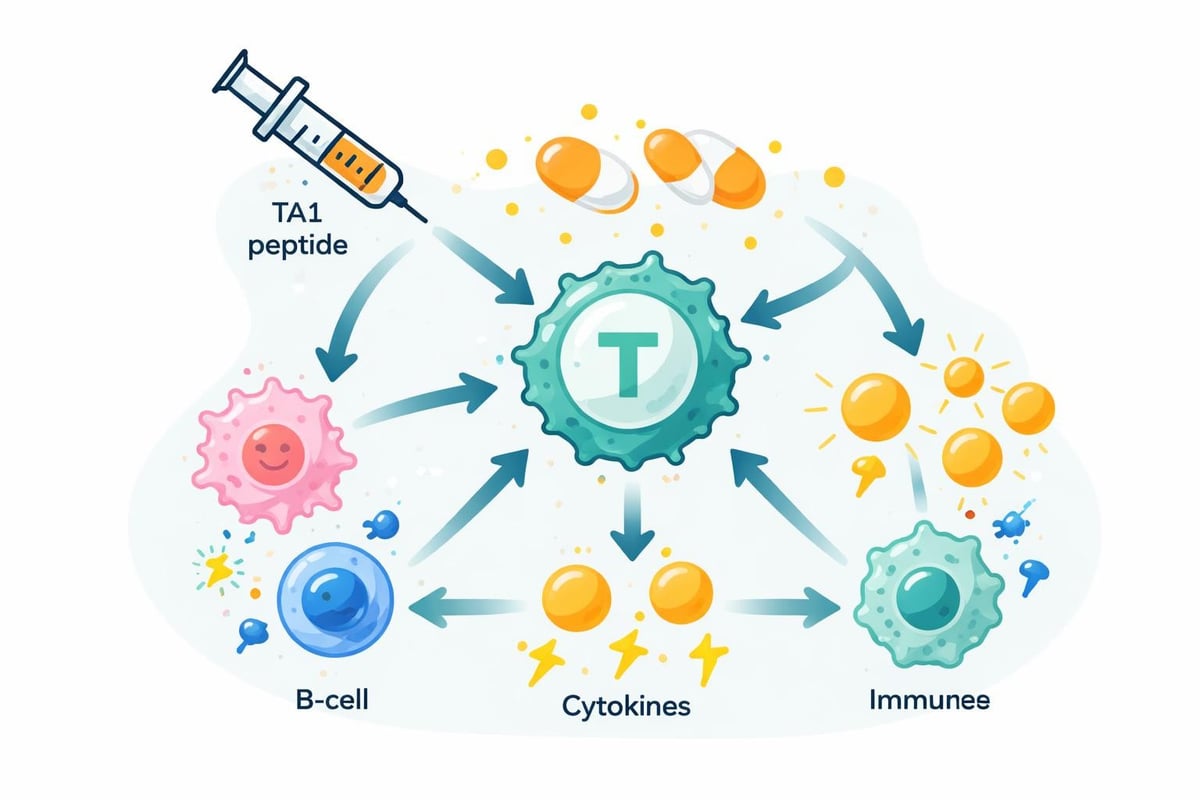
Research on how it works demonstrates that ta1 peptide binds to specific receptors on T-lymphocytes and dendritic cells, triggering intracellular signaling pathways that influence gene expression and cellular function. This binding initiates a cascade of events that ultimately enhance the immune system's ability to respond to threats.
T-Cell Activation and Differentiation
T-cells represent the cornerstone of adaptive immunity, and ta1 peptide directly influences their development and function. The peptide promotes the differentiation of precursor cells into mature, functional T-cells capable of recognizing and responding to specific antigens.
| Immune Function | Effect of TA1 Peptide | Clinical Significance |
|---|---|---|
| T-cell maturation | Enhances differentiation | Improved adaptive immunity |
| Cytokine production | Increases IL-2, IFN-gamma | Enhanced immune signaling |
| NK cell activity | Boosts natural killer function | Stronger innate defense |
| Dendritic cell function | Improves antigen presentation | Better immune coordination |
The peptide's influence extends to both CD4+ helper T-cells and CD8+ cytotoxic T-cells, each playing distinct roles in orchestrating immune responses and eliminating infected or abnormal cells.
Cytokine Regulation
Ta1 peptide significantly influences the production and balance of various cytokines, which serve as chemical messengers coordinating immune responses. By modulating cytokine profiles, the peptide helps optimize immune function without triggering excessive inflammation.
The compound particularly enhances production of interleukin-2 (IL-2) and interferon-gamma (IFN-γ), both crucial for effective cell-mediated immunity. This balanced enhancement supports robust immune responses while minimizing the risk of immune overactivation.
Clinical Applications and Therapeutic Benefits
The diverse mechanisms through which ta1 peptide operates translate into broad therapeutic potential across multiple clinical contexts. Research has explored its applications in infectious diseases, cancer immunotherapy, vaccine enhancement, and chronic inflammatory conditions.
Clinical efficacy data across various dosages reveals consistent benefits in immune enhancement, with optimal responses typically observed at doses ranging from 1.6 mg to 3.2 mg administered subcutaneously.
Infectious Disease Support
One of the most compelling applications involves supporting immune function during viral and bacterial infections. Ta1 peptide has demonstrated particular promise in enhancing responses to hepatitis B and C, where immune dysfunction contributes to chronic infection and progressive liver damage.
Benefits in infectious disease contexts include:
- Enhanced viral clearance rates
- Improved seroconversion in chronic hepatitis
- Reduced viral load measurements
- Better treatment outcomes when combined with antiviral therapy
- Accelerated recovery from acute infections
The peptide's ability to boost both innate and adaptive immunity makes it valuable for individuals with compromised immune function who face higher infection risks.
Cancer Immunotherapy Adjuvant
Emerging research explores ta1 peptide as an adjuvant in cancer treatment, where it may help overcome tumor-induced immunosuppression. Many cancers develop mechanisms to evade immune surveillance, and immunomodulators like ta1 peptide can potentially restore the immune system's ability to recognize and attack malignant cells.
Studies have investigated its role in various cancer types, including melanoma, lung cancer, and hepatocellular carcinoma, often in combination with conventional therapies like chemotherapy or radiation.
Vaccine Response Enhancement
The ability of ta1 peptide to enhance immune responses extends to improving vaccine efficacy, particularly in immunocompromised populations who may not mount adequate responses to standard immunizations. Research has examined its use in elderly individuals, where age-related immune decline can reduce vaccine effectiveness.
Similar to how other peptides support specific functions, ta1 peptide fills a niche in optimizing immune performance during critical periods requiring enhanced protection.
Dosing Protocols and Administration
Proper administration of ta1 peptide requires understanding optimal dosing strategies, timing considerations, and delivery methods to maximize therapeutic benefits while maintaining safety. The peptide is typically administered via subcutaneous injection, allowing for consistent absorption and bioavailability.
Standard Dosing Guidelines
Clinical protocols generally employ doses between 1.6 mg and 6.4 mg administered once or twice weekly, though specific regimens vary based on the clinical indication and individual response. Patient outcomes demonstrate improvements across multiple health parameters when administered according to structured protocols.
Common dosing approaches include:
- Immune maintenance protocol: 1.6-3.2 mg twice weekly for ongoing immune support
- Acute infection protocol: 3.2-6.4 mg twice weekly during active infection periods
- Cancer adjuvant protocol: 1.6 mg daily or 3.2 mg three times weekly alongside conventional treatment
- Preventive protocol: 1.6 mg once or twice weekly during high-risk periods
Cycle length typically ranges from 4 to 12 weeks for acute applications, with longer-term use appropriate for chronic conditions under medical supervision.
Injection Technique and Safety
For those new to peptide administration, understanding proper injection techniques ensures safe and effective delivery. Subcutaneous injection into abdominal tissue or thigh areas provides reliable absorption with minimal discomfort.
Rotation of injection sites prevents tissue irritation and maintains consistent absorption rates. Proper reconstitution with bacteriostatic water and adherence to sterile technique are essential for maintaining peptide integrity and preventing contamination.
Safety Profile and Considerations
Ta1 peptide demonstrates a favorable safety profile across clinical studies, with most adverse effects being mild and transient. Understanding potential side effects, contraindications, and monitoring requirements helps ensure safe and effective use.
Reported Side Effects
The majority of individuals tolerate ta1 peptide well, with serious adverse events being rare in clinical trials. Most reported effects resolve quickly without intervention.
| Side Effect Category | Common Effects | Frequency |
|---|---|---|
| Injection site reactions | Mild redness, swelling | 5-10% of users |
| Systemic effects | Mild fatigue, headache | 2-5% of users |
| Immune-related | Transient fever (rare) | <1% of users |
| Serious adverse events | Extremely rare | <0.1% of users |
The low incidence of significant adverse effects contributes to ta1 peptide's appeal as a therapeutic option for immune support.
Contraindications and Precautions
While generally well-tolerated, certain populations should exercise caution or avoid ta1 peptide. Individuals with autoimmune conditions require careful evaluation, as immune enhancement could theoretically exacerbate autoimmune activity, though clinical evidence of this remains limited.
Pregnant or nursing women should consult healthcare providers before use, as safety data in these populations remains insufficient. Those with known hypersensitivity to thymic peptides should avoid ta1 peptide to prevent allergic reactions.
Integration with Comprehensive Wellness Strategies
Maximizing the benefits of ta1 peptide often involves integrating it into broader health optimization strategies. While the peptide offers significant immune support independently, combining it with appropriate lifestyle factors and complementary interventions can enhance outcomes.
Nutritional Support for Immune Function
Adequate nutrition provides the building blocks necessary for optimal immune cell production and function. Key nutrients supporting the effects of ta1 peptide include high-quality proteins for T-cell synthesis, vitamin D for immune regulation, zinc for thymic function, and omega-3 fatty acids for inflammation modulation.
Maintaining stable blood sugar through balanced macronutrient intake prevents immune suppression associated with metabolic dysfunction. Just as weight management peptides work synergistically with dietary interventions, ta1 peptide achieves optimal results when supported by appropriate nutrition.
Sleep and Stress Management
Sleep represents a critical period for immune system maintenance and repair. During deep sleep stages, the body produces cytokines and immune cells essential for defense against pathogens. Chronic sleep deprivation undermines immune function, potentially limiting the benefits of ta1 peptide.
Similarly, chronic psychological stress elevates cortisol levels that suppress immune activity. Stress management techniques including meditation, regular exercise, and adequate recovery periods complement ta1 peptide's immune-enhancing effects.

Complementary Peptide Therapies
For individuals pursuing comprehensive health optimization, ta1 peptide can be combined with other peptides addressing different physiological systems. Recovery-focused peptides support tissue repair, while anti-aging peptides target cellular longevity mechanisms.
When combining multiple peptides, proper timing and dosing considerations ensure each compound achieves its therapeutic potential without interference. Consultation with knowledgeable practitioners helps design safe, effective multi-peptide protocols.
Quality Considerations and Sourcing
The therapeutic efficacy and safety of ta1 peptide depend critically on product quality. Differences in synthesis methods, purification processes, and handling practices significantly impact the final product's purity, potency, and safety profile.
Purity and Testing Standards
Pharmaceutical-grade ta1 peptide should meet stringent purity standards, typically exceeding 98% as verified by high-performance liquid chromatography (HPLC). Reputable suppliers provide certificates of analysis documenting purity, identity, and absence of contaminants.
Essential quality markers include:
- HPLC purity verification (>98%)
- Mass spectrometry confirmation of molecular weight
- Bacterial endotoxin testing
- Sterility verification for injectable products
- Proper storage and handling throughout supply chain
Lower-quality products may contain impurities, degradation products, or incorrect dosing that compromise effectiveness and safety.
Storage and Handling
Maintaining ta1 peptide stability requires proper storage conditions from manufacture through administration. Lyophilized (freeze-dried) powder typically remains stable at refrigerated temperatures (2-8°C) for extended periods, while reconstituted solutions require refrigeration and use within specified timeframes.
Exposure to heat, light, or repeated freeze-thaw cycles can degrade the peptide structure, reducing biological activity. Following manufacturer guidelines for storage and reconstitution preserves therapeutic potential.
Regulatory Status and Availability
The regulatory status of ta1 peptide varies across jurisdictions, influencing availability and appropriate use contexts. Understanding these regulatory frameworks helps individuals navigate access while ensuring legal compliance.
Global Regulatory Landscape
In some countries, ta1 peptide has achieved regulatory approval for specific medical indications, particularly in treating chronic hepatitis B. The compound has been approved in several Asian and European nations as an immunomodulator for infectious diseases and cancer.
According to comprehensive information about Thymosin Alpha-1, regulatory pathways have varied globally, with ongoing research supporting expanded applications. In North America, ta1 peptide remains available primarily through research and compounding contexts rather than as an FDA-approved pharmaceutical product.
Research and Clinical Use
Much of the current use involves research applications and off-label prescribing by physicians familiar with peptide therapeutics. Clinical trials continue exploring new indications and optimizing protocols for existing applications.
Individuals interested in ta1 peptide should work with healthcare providers knowledgeable about peptide therapy who can provide appropriate guidance, monitoring, and support throughout treatment.
Emerging Research and Future Directions
Ongoing research continues expanding our understanding of ta1 peptide mechanisms and potential applications. Recent studies explore novel therapeutic contexts while refining protocols for established uses.
Longevity and Healthspan Applications
Emerging interest focuses on ta1 peptide's potential role in healthy aging and longevity interventions. Age-related immune decline (immunosenescence) contributes to increased infection susceptibility, reduced vaccine responses, and higher cancer risk among elderly populations.
By supporting thymic function and T-cell populations, ta1 peptide may help maintain immune competence with advancing age. Some researchers investigate its potential to slow cellular senescence processes that drive age-related decline.
Combination Therapy Innovations
Future therapeutic approaches may increasingly employ ta1 peptide in sophisticated combination protocols. Pairing it with targeted cancer therapies, checkpoint inhibitors, or other immunomodulators could enhance treatment outcomes beyond what single agents achieve.
Similar innovation occurs across peptide therapeutics, where compounds like growth hormone secretagogues demonstrate enhanced benefits when properly combined with complementary interventions.
Personalized Medicine Applications
Advances in immunological testing may enable more personalized ta1 peptide protocols tailored to individual immune profiles. Measuring specific T-cell populations, cytokine levels, and immune function markers could guide dosing adjustments and treatment timing for optimal results.
This precision medicine approach maximizes therapeutic benefits while minimizing unnecessary exposure, representing the future direction of peptide-based interventions.
Ta1 peptide represents a scientifically validated approach to immune system enhancement with applications spanning infectious disease, cancer support, and healthy aging. Understanding its mechanisms, proper administration, and quality requirements enables informed decisions about incorporating this powerful immunomodulator into comprehensive wellness strategies. When you're ready to explore premium-quality peptides backed by rigorous testing and purity standards, Soma Peptide offers the reliability and expertise needed to support your health optimization journey with confidence.