

The decision to buy semaglutide peptide requires comprehensive understanding of quality standards, safety profiles, and clinical applications. As a glucagon-like peptide-1 (GLP-1) receptor agonist, semaglutide has transformed metabolic health management through its dual benefits for glycemic control and weight management. Research institutions and healthcare practitioners increasingly recognize the importance of sourcing peptides from verified suppliers who maintain rigorous purity standards and provide complete transparency through documentation. This guide examines the critical factors that informed buyers consider when selecting semaglutide peptide suppliers in 2026.
Understanding Semaglutide Peptide Composition and Mechanism
Semaglutide belongs to the incretin mimetic class of peptides, designed to replicate the action of naturally occurring GLP-1 hormones in the human body. The peptide consists of 31 amino acids with specific modifications that extend its half-life significantly beyond native GLP-1.
Molecular Structure and Bioavailability
The peptide's engineered structure includes strategic amino acid substitutions and a fatty acid side chain attachment. These modifications enable prolonged circulation time, allowing for once-weekly administration protocols rather than multiple daily doses.
Key structural features include:
- Extended half-life of approximately 165 hours
- Enhanced resistance to dipeptidyl peptidase-4 (DPP-4) degradation
- Optimized albumin binding for sustained release
- Modified peptide backbone for improved stability
The mechanism of action involves binding to GLP-1 receptors in pancreatic beta cells, the brain, and the gastrointestinal tract. This multi-target approach explains the peptide's comprehensive effects on glucose homeostasis, appetite regulation, and metabolic function.

Quality Standards When You Buy Semaglutide Peptide
Peptide purity directly impacts efficacy and safety outcomes. When evaluating suppliers, understanding the analytical methods used for quality verification becomes essential for making informed purchasing decisions.
Analytical Testing Methods
| Testing Method | Purpose | Acceptable Standard |
|---|---|---|
| HPLC (High-Performance Liquid Chromatography) | Purity verification | ≥98% purity |
| Mass Spectrometry | Molecular weight confirmation | ±1 Da accuracy |
| Peptide Content Analysis | Active ingredient quantification | 95-105% of stated amount |
| Endotoxin Testing | Bacterial contamination screening | <1.0 EU/mg |
| Sterility Testing | Microbial contamination | No growth detected |
Premium suppliers provide third-party certificate of analysis documentation for each batch. These certificates verify that the peptide meets pharmaceutical-grade specifications and contains no harmful contaminants.
Manufacturing and Purification Standards
The synthesis process for semaglutide peptide involves solid-phase peptide synthesis (SPPS) followed by multiple purification steps. Advanced purification methods remove truncated sequences, deletion peptides, and other synthesis byproducts that could compromise efficacy.
Reputable manufacturers maintain:
- ISO-certified production facilities with controlled environments
- Good Manufacturing Practice (GMP) compliance for pharmaceutical standards
- Validated analytical methods traceable to international standards
- Complete batch documentation including synthesis and purification records
- Stability testing data confirming proper storage parameters
The production environment must maintain strict temperature control, humidity regulation, and contamination prevention protocols throughout the synthesis and packaging process.
Clinical Efficacy and Research-Backed Applications
Before you buy semaglutide peptide, understanding the clinical evidence supporting its use provides context for realistic expectations and appropriate application protocols.
Weight Management Applications
Clinical trials demonstrate significant body weight reduction with semaglutide administration. The clinical efficacy data shows average weight loss ranging from 12% to 17% of initial body weight over 68-week study periods.
Documented metabolic benefits include:
- Reduction in visceral adipose tissue accumulation
- Improved insulin sensitivity markers
- Decreased inflammatory biomarker levels
- Enhanced lipid profile measurements
- Reduced cardiovascular risk factors
Research published in systematic reviews demonstrates consistent outcomes across diverse patient populations. A comprehensive meta-analysis of once-weekly semaglutide trials confirms both glycemic control and weight reduction benefits with favorable safety profiles.
Glycemic Control and Metabolic Health
The peptide's impact on glucose regulation extends beyond simple blood sugar reduction. Semaglutide enhances glucose-dependent insulin secretion while simultaneously suppressing inappropriate glucagon release.
| Metabolic Parameter | Typical Improvement Range |
|---|---|
| HbA1c Reduction | 1.5-2.0% decrease |
| Fasting Plasma Glucose | 30-50 mg/dL reduction |
| Postprandial Glucose | 40-70 mg/dL reduction |
| Body Weight | 10-15% total loss |
| Systolic Blood Pressure | 3-7 mmHg reduction |

Safety Considerations and Risk Assessment
Comprehensive safety evaluation remains paramount when deciding to buy semaglutide peptide. Understanding potential adverse effects and contraindications enables informed decision-making and appropriate risk management.
Common Adverse Effects
The safety profile data compiled from multiple clinical trials identifies gastrointestinal symptoms as the most frequently reported adverse effects. These typically occur during dose escalation phases and often diminish with continued use.
Frequently reported effects include:
- Nausea (mild to moderate, typically transient)
- Diarrhea or constipation patterns
- Abdominal discomfort or bloating
- Reduced appetite (therapeutic effect)
- Occasional vomiting episodes
Most gastrointestinal symptoms resolve within 4-8 weeks as physiological adaptation occurs. Gradual dose titration protocols significantly reduce the severity and frequency of these effects.
Contraindications and Precautions
Certain medical conditions and patient characteristics warrant special consideration or contraindicate semaglutide use entirely. Healthcare providers should evaluate individual patient profiles before recommending peptide therapy.
Contraindicated conditions:
- Personal or family history of medullary thyroid carcinoma
- Multiple endocrine neoplasia syndrome type 2 (MEN 2)
- Previous serious hypersensitivity to semaglutide or formulation components
- Acute pancreatitis history or active pancreatic disease
- Severe renal impairment without appropriate monitoring
The comprehensive safety research continues to expand as long-term observational studies provide additional data on extended use patterns and outcomes.
Dosing Protocols and Administration Guidelines
Proper dosing represents a critical factor when you buy semaglutide peptide. Following evidence-based protocols optimizes therapeutic benefits while minimizing adverse effects.
Standard Titration Schedule
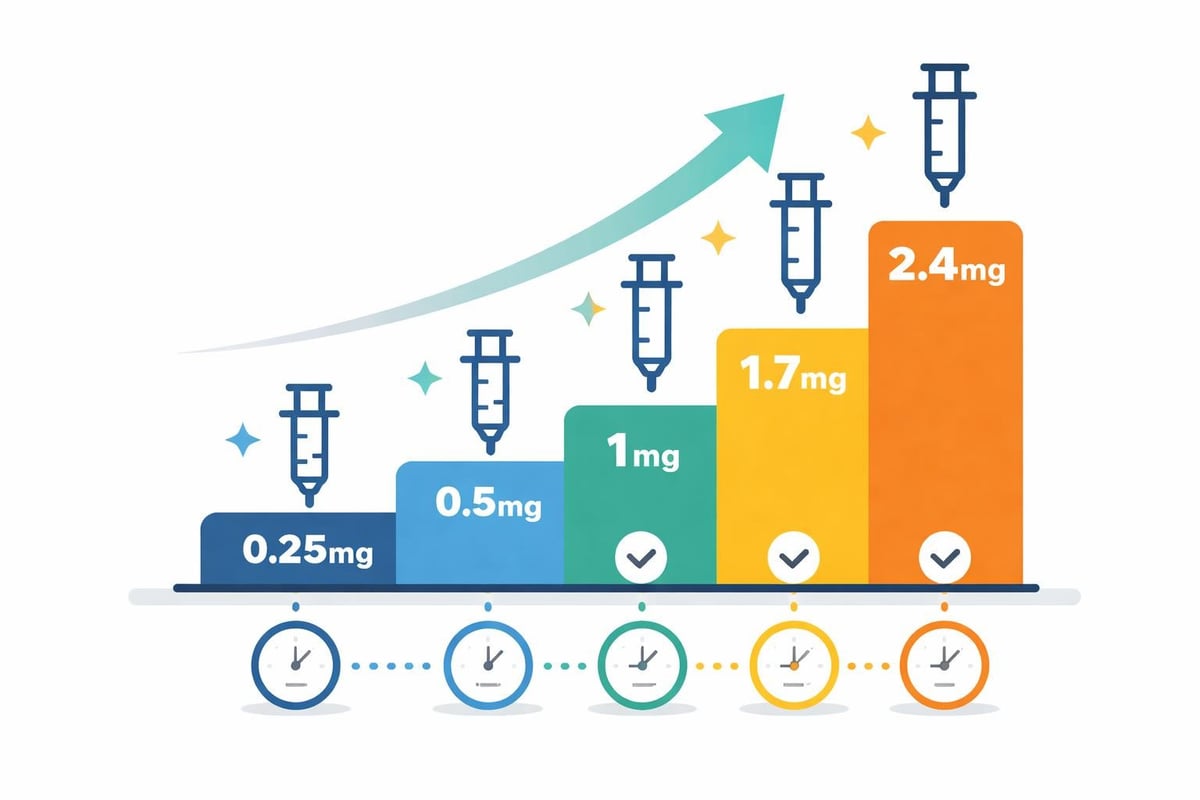
Clinical protocols employ gradual dose escalation to improve gastrointestinal tolerability and achieve optimal therapeutic response. The standard titration schedule spans multiple weeks:
| Week | Dose | Purpose |
|---|---|---|
| 1-4 | 0.25 mg weekly | Initial tolerance assessment |
| 5-8 | 0.5 mg weekly | Early therapeutic response |
| 9-12 | 1.0 mg weekly | Moderate therapeutic level |
| 13-16 | 1.7 mg weekly | Enhanced response (if needed) |
| 17+ | 2.4 mg weekly | Maximum therapeutic dose |
Not all individuals require progression to maximum doses. Response monitoring at each titration level determines whether dose advancement provides additional benefit.
Reconstitution and Storage Requirements
When you buy semaglutide peptide in lyophilized form, proper reconstitution ensures peptide stability and bioavailability. The process requires bacteriostatic water and sterile technique throughout preparation.
Reconstitution protocol steps:
- Remove lyophilized peptide vial from refrigerated storage
- Allow vial to reach room temperature (15-20 minutes)
- Add calculated volume of bacteriostatic water slowly down vial wall
- Gently swirl (never shake) until completely dissolved
- Inspect solution for clarity and absence of particulates
- Store reconstituted peptide at 2-8°C (refrigerated)
- Use within 28 days of reconstitution
Proper storage maintains peptide integrity throughout the usage period. Exposure to excessive heat, light, or temperature fluctuations compromises molecular structure and reduces efficacy.
Supplier Verification and Procurement Standards
The marketplace for peptides includes suppliers with varying quality standards. Identifying reputable sources when you buy semaglutide peptide protects both investment and health outcomes.
Documentation Requirements
Legitimate suppliers provide comprehensive documentation supporting their product claims. Before purchasing, request and verify the following materials:
- Current Certificate of Analysis (COA) for specific batch numbers
- Third-party testing verification from accredited laboratories
- Manufacturing facility certifications and licenses
- Detailed product specifications including purity percentages
- Proper storage and handling instructions
- Expiration dating based on stability testing
The Soma Peptide shop exemplifies transparent supplier practices by maintaining publicly accessible quality documentation and independent verification results.
Red Flags and Warning Signs
Certain supplier characteristics indicate potential quality concerns or fraudulent operations. Awareness of these warning signs prevents costly purchasing mistakes.
Avoid suppliers who:
- Refuse to provide certificates of analysis
- Offer pricing significantly below market rates
- Cannot verify source manufacturing facilities
- Lack responsive customer service channels
- Provide vague or incomplete product descriptions
- Show no evidence of proper storage conditions
Price considerations remain important, but the lowest cost option frequently correlates with inferior purity standards or questionable sourcing practices.
Integration with Comprehensive Health Protocols
Semaglutide peptide produces optimal results when incorporated within broader health optimization strategies. Isolated peptide use without lifestyle modifications yields diminished outcomes compared to integrated approaches.
Nutritional Synergy
The appetite-suppressing effects of semaglutide create opportunities for improved dietary choices. However, adequate protein intake and micronutrient sufficiency remain essential during treatment periods.
Nutritional priorities during semaglutide use:
- Maintain minimum 0.8-1.0g protein per pound of target body weight
- Ensure adequate hydration (minimum 64oz daily)
- Prioritize nutrient-dense whole foods over processed alternatives
- Monitor and supplement key micronutrients (vitamin D, B12, iron)
- Consume sufficient dietary fiber (25-35g daily)
Severe caloric restriction combined with semaglutide may accelerate weight loss but risks muscle mass depletion and metabolic adaptation. Sustainable protocols balance moderate caloric deficit with adequate nutritional support.
Complementary Peptide Strategies
Some practitioners incorporate additional peptides to address specific health objectives alongside semaglutide therapy. The anti-aging peptide category includes options for tissue repair, cognitive function, and longevity optimization.
| Combination Approach | Primary Benefit | Synergistic Mechanism |
|---|---|---|
| Semaglutide + BPC-157 | Enhanced tissue repair during weight loss | Protective effects on gut lining |
| Semaglutide + Thymosin Beta-4 | Improved recovery and inflammation control | Complementary healing pathways |
| Semaglutide + NAD+ precursors | Enhanced cellular energy metabolism | Mitochondrial function support |
Advanced protocols involving multiple peptides require careful planning and monitoring to optimize outcomes while managing potential interactions.
Regulatory Considerations and Legal Framework
Understanding the regulatory status of semaglutide peptide informs appropriate procurement and use decisions. The legal landscape varies significantly across jurisdictions and application contexts.
Research and Personal Use Distinctions
Semaglutide carries FDA approval for specific medical indications under prescription oversight. However, peptides marketed for research purposes exist in a separate regulatory category with different compliance requirements.
Suppliers typically label products as "research chemical" or "not for human consumption" to distinguish from pharmaceutical-grade medications requiring prescription authorization. Buyers should understand the legal implications within their specific jurisdiction.
Quality Verification Beyond Labels
Regardless of regulatory classification, quality verification remains essential. Research-grade peptides should meet the same purity standards as pharmaceutical preparations to ensure accurate study outcomes and safety.
The evaluation of oral semaglutide formulations in systematic reviews demonstrates the importance of formulation quality on bioavailability and therapeutic outcomes. Subcutaneous administration bypasses some absorption variables but still requires high-purity peptide for consistent results.
Cost Analysis and Value Optimization
When you buy semaglutide peptide, understanding the cost structure helps identify genuine value versus misleading pricing strategies. Multiple factors influence final per-dose costs beyond the initial purchase price.
Pricing Variables
| Cost Factor | Impact on Total Price | Optimization Strategy |
|---|---|---|
| Peptide purity level | Higher purity commands premium | Balance purity needs with application |
| Vial size and concentration | Bulk purchasing reduces per-mg cost | Calculate actual dosage requirements |
| Shipping and handling | International shipping adds 15-30% | Consolidate orders when possible |
| Reconstitution supplies | Adds $20-40 per order | Source bacteriostatic water efficiently |
| Storage requirements | Minimal if existing refrigeration | Factor in long-term stability limits |
Calculating cost-per-dose rather than cost-per-vial provides accurate comparison across suppliers. A seemingly expensive high-concentration vial may deliver better value than cheaper low-concentration alternatives.
Long-Term Investment Perspective
Effective semaglutide protocols typically span 3-6 months for initial results and 12+ months for sustained outcomes. Budgeting for extended treatment duration prevents premature discontinuation and optimization of investment.
Monthly cost estimates for therapeutic dosing (1.0-2.4mg weekly) range from $150-400 depending on supplier, purity grade, and purchase volume. Compare these figures against potential health benefits and alternative intervention costs.
Monitoring and Outcome Assessment
Successful semaglutide peptide use requires systematic monitoring to verify therapeutic response and identify any concerning developments early in treatment.
Key Performance Indicators
Establish baseline measurements before initiating peptide therapy and track changes at regular intervals:
- Body composition metrics (weight, body fat percentage, waist circumference)
- Metabolic markers (fasting glucose, HbA1c, lipid panel)
- Cardiovascular parameters (blood pressure, resting heart rate)
- Subjective assessments (appetite, energy, mood, sleep quality)
- Adverse effect monitoring (gastrointestinal symptoms, injection site reactions)
Monthly assessment intervals during the first three months provide sufficient data to evaluate response patterns. Quarterly evaluations suffice once stable dosing and consistent results are achieved.
When to Adjust or Discontinue
Not all individuals respond optimally to semaglutide peptide. Recognition of inadequate response or concerning adverse effects should prompt protocol modification or discontinuation.
Consider protocol changes when:
- Minimal weight loss (<3%) after 12 weeks at therapeutic doses
- Persistent severe gastrointestinal symptoms beyond initial titration
- Development of contraindicated conditions during treatment
- Achievement of target outcomes allowing maintenance transition
- Emergence of concerning laboratory abnormalities
The research hub continuously updates with new findings that may inform protocol adjustments and optimal use strategies.
Making an informed decision to buy semaglutide peptide requires understanding quality standards, clinical applications, safety profiles, and proper administration protocols. Success depends on sourcing from verified suppliers who maintain pharmaceutical-grade purity and provide complete documentation. Soma Peptide delivers premium quality semaglutide and comprehensive peptide solutions backed by rigorous testing, transparent certification, and expert support to help you achieve your health optimization goals with confidence.