


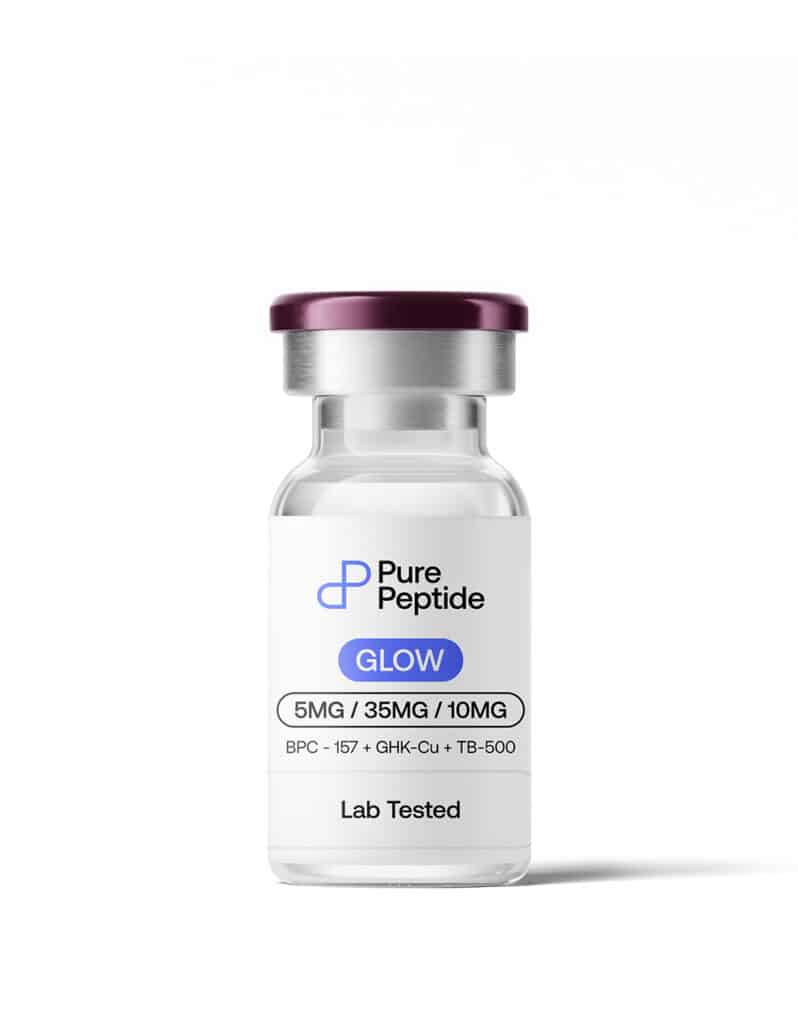

BPC 157 peptide has emerged as one of the most discussed compounds in regenerative medicine and recovery research. This synthetic peptide sequence, derived from a protective protein found naturally in gastric juice, has captured significant attention for its potential healing properties. As interest in peptide therapy continues to grow in 2026, understanding the science, applications, and quality considerations surrounding this compound becomes increasingly important for those exploring advanced recovery solutions.
What Is BPC 157 Peptide and How Does It Work
BPC 157 peptide is a pentadecapeptide composed of 15 amino acids arranged in a specific sequence. The designation "BPC" stands for Body Protective Compound, reflecting its origins from a protective gastric protein. Unlike many therapeutic peptides that occur naturally in the human body, this particular sequence represents a synthetic derivative created for research purposes.
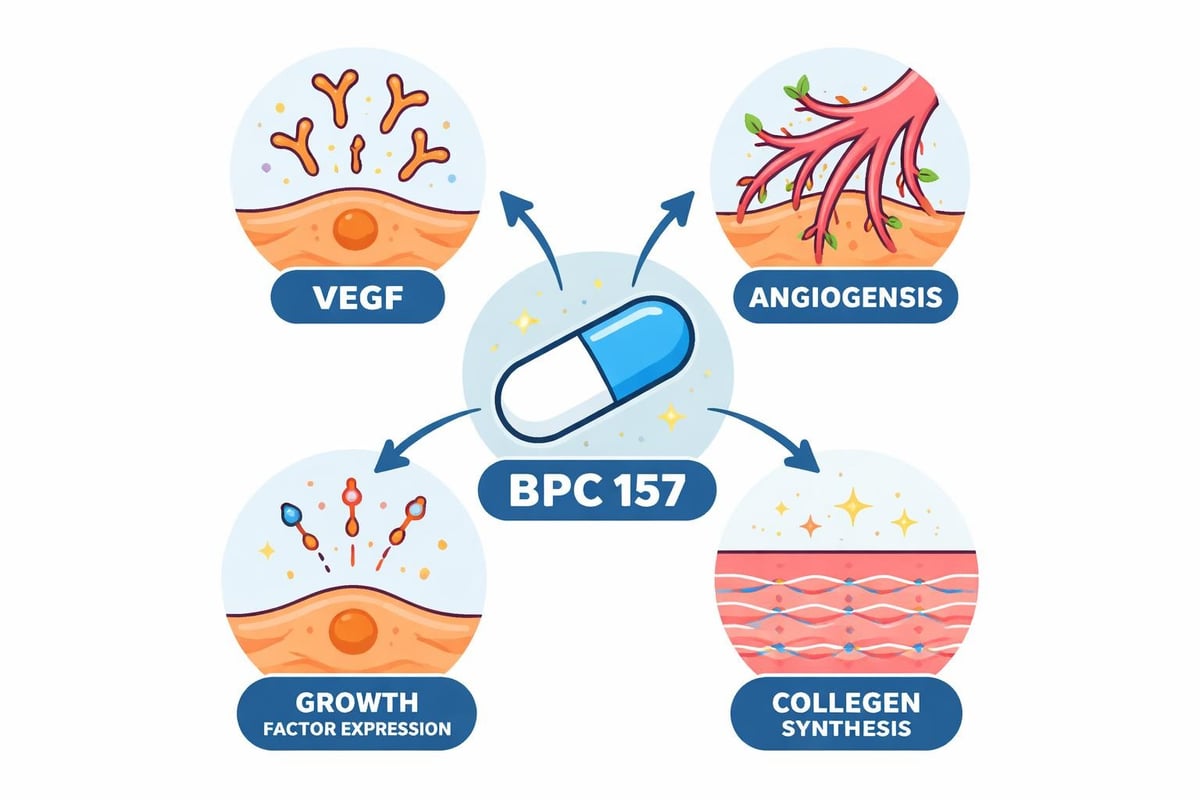
The compound operates through multiple biological pathways simultaneously. Primary mechanisms include:
- Stimulation of angiogenesis (new blood vessel formation)
- Modulation of growth factor expression
- Enhancement of fibroblast activity for tissue repair
- Regulation of nitric oxide production
- Support of collagen synthesis
Research suggests that BPC 157 peptide influences the vascular endothelial growth factor (VEGF) pathway, which plays a crucial role in blood vessel development and tissue healing. This mechanism appears particularly relevant for injuries affecting connective tissues, muscles, tendons, and ligaments.
Cellular Communication and Healing Pathways
At the cellular level, this peptide appears to facilitate communication between damaged tissues and the body's natural repair systems. Scientists have observed its potential to accelerate healing timelines in various tissue types through enhanced cellular migration and proliferation.
The compound demonstrates stability in gastric acid, which distinguishes it from many other peptide sequences that degrade rapidly in harsh pH environments. This characteristic has made it a subject of interest for both oral and injectable administration routes in research settings.
Research Applications and Observed Benefits
Scientific investigation into BPC 157 peptide spans numerous areas of regenerative medicine. While most studies have been conducted in laboratory and animal models, the findings provide valuable insights into potential therapeutic applications.
Musculoskeletal Recovery Support
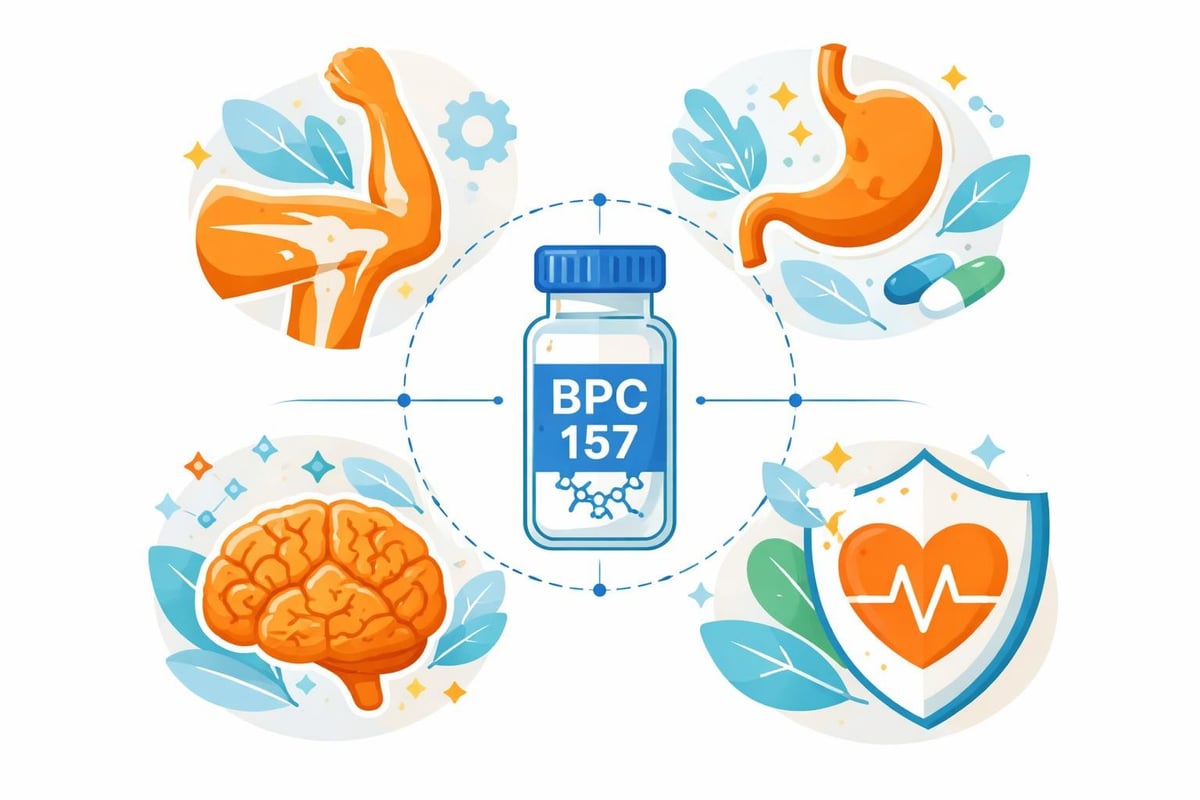
Tendon and ligament injuries represent one of the most extensively studied applications. Research has examined how the peptide may influence healing rates in damage to Achilles tendons, medial collateral ligaments, and other connective tissue structures.
| Tissue Type | Observed Response | Timeline |
|---|---|---|
| Tendons | Enhanced collagen organization | 2-4 weeks |
| Ligaments | Improved tensile strength | 3-6 weeks |
| Muscle tissue | Accelerated regeneration | 1-3 weeks |
| Bone | Enhanced fracture healing | 4-8 weeks |
Studies have also explored its effects on muscle tears and strains, with some research indicating potential benefits for recovery from both acute injuries and overuse conditions.
Gastrointestinal Healing Properties
Given its origins from a gastric protective protein, considerable research has focused on digestive system applications. Comprehensive reviews of BPC-157’s multifunctional properties highlight its potential role in supporting intestinal healing and protecting against various forms of gastrointestinal damage.
The peptide has been studied for its effects on:
- Inflammatory bowel conditions
- Stomach ulcer healing
- Intestinal barrier integrity
- Esophageal tissue protection
- Liver damage recovery
These applications leverage the compound's anti-inflammatory properties and its ability to promote endothelial cell function in the gut lining.
Neurological and Systemic Effects
Beyond localized tissue repair, research has examined broader systemic effects. Some studies suggest the bpc 157 peptide may cross the blood-brain barrier and influence neurological healing processes, though this remains an active area of investigation.
Researchers have also explored cardiovascular applications, particularly regarding blood vessel health and protection against certain types of cardiac damage in experimental models.
Quality Considerations and Purity Standards
The efficacy of any peptide therapy depends fundamentally on the quality and purity of the compound being used. For bpc 157 peptide, several critical factors determine therapeutic potential and safety profiles.
Manufacturing and Purification Methods
Advanced synthesis techniques ensure that peptide sequences maintain their intended structure without contamination or degradation. Key quality markers include:
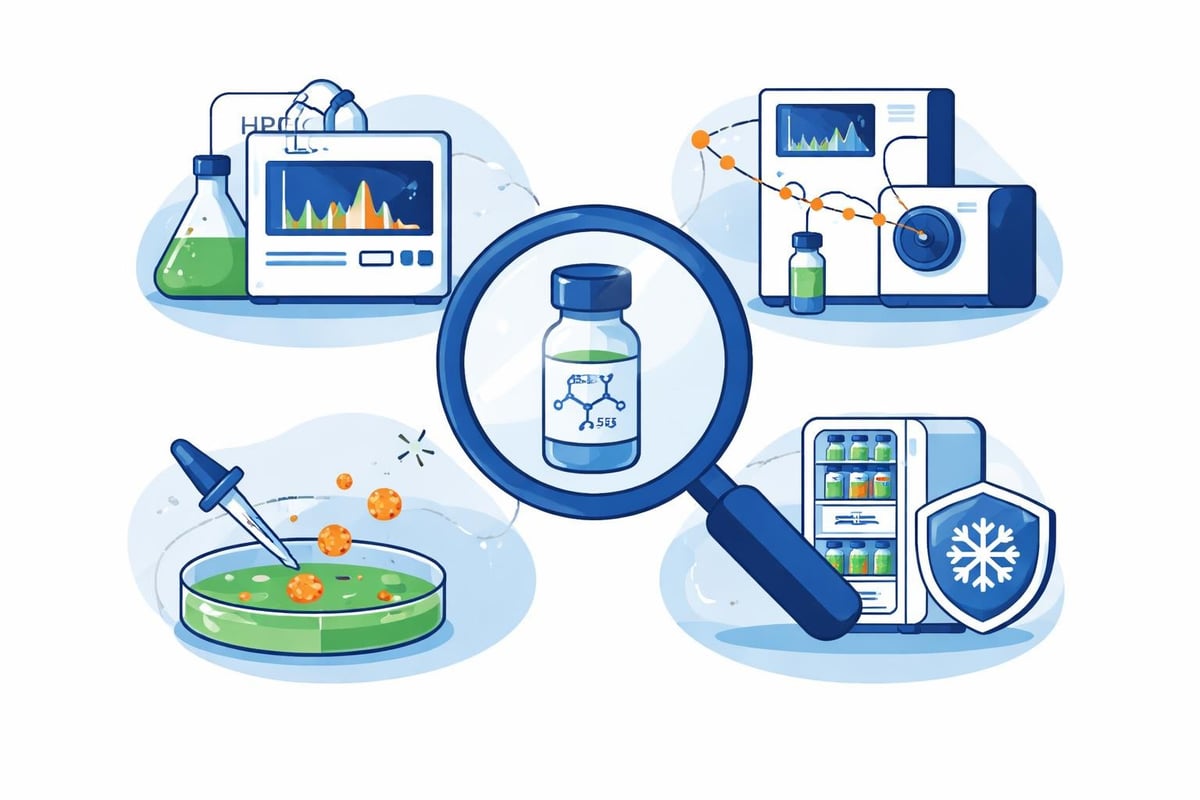
- Purity levels exceeding 98% verified through HPLC testing
- Proper molecular weight confirmation via mass spectrometry
- Absence of bacterial endotoxins and heavy metals
- Correct amino acid sequence verification
- Appropriate lyophilization for stability
The purification process significantly impacts the final product's effectiveness. Companies committed to quality, such as those offering premium peptides for muscle growth, implement rigorous testing protocols at multiple production stages.
Storage and Stability Factors
Proper storage maintains peptide integrity over time. BPC 157 peptide typically requires refrigeration in its reconstituted form, while lyophilized powder remains stable at room temperature for extended periods when protected from light and moisture.
| Form | Storage Temperature | Typical Stability |
|---|---|---|
| Lyophilized powder | 2-8°C (refrigerated) | 2-3 years |
| Lyophilized powder | Room temperature | 3-6 months |
| Reconstituted solution | 2-8°C (refrigerated) | 14-30 days |
| Frozen solution | -20°C or below | 3-6 months |
Understanding proper peptide storage considerations helps maintain potency throughout the product's usable life.
Administration Methods and Dosing Considerations
Research protocols have explored various administration routes for BPC 157 peptide, each with distinct characteristics and applications. The optimal approach depends on the specific therapeutic goal and target tissue.
Injectable Administration
Subcutaneous and intramuscular injections represent the most commonly studied delivery methods. Subcutaneous administration typically targets systemic effects, while localized intramuscular injections may be used near injury sites.
Dosing in research settings has varied considerably, typically ranging from 200 to 500 micrograms daily, though some protocols have explored higher amounts. The frequency usually involves once or twice daily administration for periods spanning several weeks.
Oral Administration Options
Despite being a peptide, which typically degrades in the digestive system, BPC 157 peptide demonstrates unusual stability in gastric environments. This characteristic has prompted investigation into oral administration, particularly for gastrointestinal applications.
Oral dosing protocols in studies have generally employed higher amounts than injectable routes to account for potential absorption variables. Detailed scientific guides on BPC-157 provide insights into various administration methodologies and their respective outcomes.
Regulatory Status and Safety Considerations
The regulatory landscape surrounding BPC 157 peptide remains complex and continues to evolve. Understanding current classifications and limitations provides essential context for anyone considering peptide therapies.
Current FDA Classification
As of 2026, BPC 157 peptide does not hold FDA approval for therapeutic use in humans. The FDA and regulatory status of BPC-157 indicates it remains classified as an investigational compound available only for research purposes.
This classification has important implications:
- Not approved for medical treatment of any condition
- Available primarily through research chemical suppliers
- Should not be marketed as a dietary supplement
- Requires careful consideration regarding intended use
Safety Profile and Reported Effects
Research to date suggests a generally favorable safety profile in animal studies, with relatively few adverse effects reported at standard research doses. However, comprehensive human clinical trials remain limited.
Commonly monitored parameters include:
- Injection site reactions (mild redness or irritation)
- Potential effects on blood pressure regulation
- Interactions with wound healing processes
- Long-term safety data (currently limited)
- Quality and purity-related concerns
The growing trend of unapproved peptide injections promoted through social media highlights the importance of informed decision-making and awareness of regulatory status.
Combining BPC 157 With Other Recovery Protocols
Many researchers and practitioners explore synergistic approaches combining BPC 157 peptide with complementary therapies for enhanced recovery outcomes. Understanding potential combinations provides a more comprehensive recovery strategy.
Peptide Stacking Strategies
Combining multiple peptides with complementary mechanisms can address different aspects of healing and recovery. Common combinations pair BPC 157 with growth hormone secretagogues or other tissue-repair compounds.
For example, some protocols combine it with peptides that support weight loss and metabolic function, creating a comprehensive approach to body composition and recovery optimization.
Integration With Traditional Recovery Methods
Peptide protocols typically work best when integrated with proven recovery fundamentals:
- Adequate protein intake supporting tissue repair
- Progressive rehabilitation exercises
- Sufficient sleep for recovery optimization
- Stress management techniques
- Appropriate rest periods between training sessions
Those exploring anti-aging applications often incorporate lifestyle modifications alongside peptide protocols for maximum benefit.
Practical Implementation Considerations
Successfully implementing a BPC 157 peptide protocol requires attention to multiple practical factors beyond simply obtaining the compound itself.
Sourcing and Supplier Evaluation
The peptide market includes suppliers with varying commitment to quality standards. Critical evaluation factors include third-party testing documentation, customer reviews, industry reputation, manufacturing transparency, and customer support quality.
Working with established providers who maintain rigorous quality control ensures you receive compounds meeting purity and potency specifications. Companies should provide certificates of analysis documenting actual test results for each batch.
Monitoring Progress and Adjustments
Systematic tracking helps assess protocol effectiveness and guides potential modifications. Useful monitoring approaches include baseline measurements before starting, regular progress photographs, subjective pain or function ratings, objective performance metrics, and periodic reassessment of goals.
Some individuals work with healthcare practitioners familiar with peptide research to optimize protocols based on individual response patterns and specific recovery objectives.
Cost-Benefit Analysis
Peptide protocols represent an investment in recovery and performance optimization. Evaluating cost-effectiveness involves comparing peptide expenses against alternative therapies, considering time savings from accelerated recovery, assessing quality of life improvements, and factoring in long-term health maintenance benefits.
Budget-conscious approaches might involve strategic timing of peptide use during critical recovery periods rather than continuous year-round administration.
Individual Response Variability
Not everyone responds identically to BPC 157 peptide protocols. Understanding factors that influence individual responses helps set realistic expectations and optimize outcomes.
Biological Factors Affecting Response
Age, baseline health status, injury severity, genetic factors, and concurrent medications all influence how individuals respond to peptide therapy. Younger individuals with otherwise good health may experience faster visible results compared to those with multiple health challenges.
The specific nature of the injury or condition being addressed also matters significantly. Acute injuries often respond differently than chronic degenerative conditions that have developed over years.
Optimizing Individual Protocols
Personalization improves outcomes. Considerations include adjusting dosing based on body weight and response, modifying injection timing relative to training or therapy, selecting administration routes appropriate for goals, and combining with complementary ancillary support compounds.
Patience proves essential, as tissue healing follows biological timelines that cannot be rushed beyond certain limits regardless of intervention.
Future Research Directions
The scientific community continues expanding investigation into BPC 157 peptide applications and mechanisms. Several promising research directions may shape understanding in coming years.
Clinical Trial Development
The transition from animal and laboratory research to controlled human clinical trials represents the next critical step. Well-designed trials would provide definitive data on efficacy, optimal dosing, safety profiles, and specific medical applications.
As regulatory frameworks evolve, increased clinical investigation may clarify which applications show the strongest evidence base and which require further study.
Mechanistic Understanding
While researchers have identified several pathways through which the bpc 157 peptide appears to work, complete mechanistic understanding remains incomplete. Ongoing research explores molecular signaling cascades, gene expression changes, and cellular responses in greater detail.
This deeper understanding could lead to optimized synthetic variants or combination approaches that enhance therapeutic potential while minimizing any limitations of the current compound.
Understanding BPC 157 peptide requires balancing scientific research findings with practical quality and regulatory considerations. The compound shows promising potential across multiple recovery applications, though comprehensive human clinical trials remain limited. Whether you're exploring peptides for recovery, performance, or health optimization, working with premium quality compounds tested for purity and potency is essential. Soma Peptide provides rigorously tested peptides with transparent quality documentation, supporting your journey toward optimal recovery and performance goals with the highest standards in the industry.