GHK-Cu, also known as copper peptide, has emerged as one of the most extensively researched peptides for tissue regeneration, wound healing, and anti-aging applications. As interest in this naturally occurring copper complex continues to grow in 2026, understanding how to buy GHK-Cu safely and effectively has become essential for researchers and practitioners alike. The compound's ability to influence gene expression, promote collagen synthesis, and support tissue remodeling makes it a valuable addition to therapeutic protocols, but sourcing high-quality GHK-Cu requires careful consideration of multiple factors.
Understanding GHK-Cu and Its Biological Significance
GHK-Cu represents a tripeptide naturally found in human plasma, saliva, and urine that forms a complex with copper ions. This molecular structure enables the peptide to facilitate numerous biological processes at the cellular level.
The Molecular Foundation of Copper Peptides
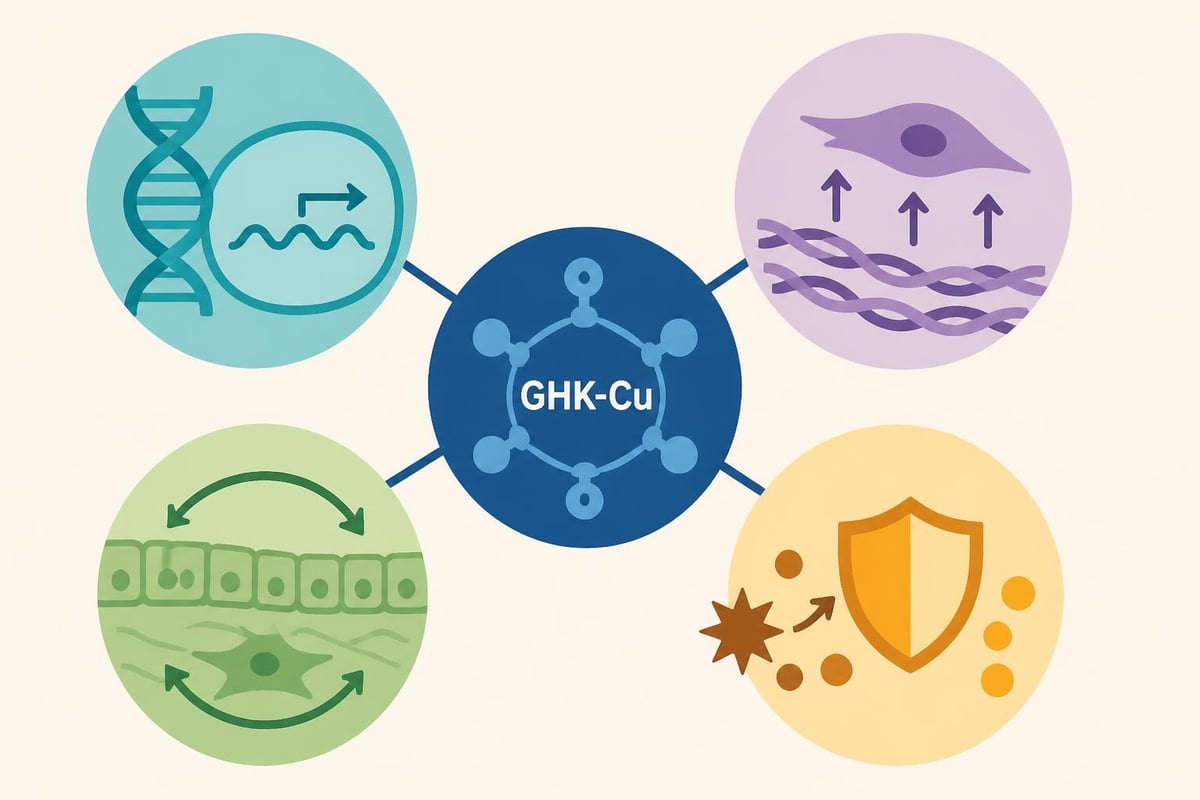
The compound consists of three amino acids (glycyl-L-histidyl-L-lysine) bound to a copper ion, creating a powerful biological signal that cells recognize and respond to. According to research on GHK-Cu mechanisms, this structure allows the peptide to modulate gene expression patterns, influencing over 4,000 genes related to tissue repair and regeneration.
Research demonstrates that GHK-Cu concentrations naturally decline with age, dropping from approximately 200 ng/mL at age 20 to around 80 ng/mL by age 60. This reduction correlates with decreased tissue regeneration capacity and increased signs of aging.
- Gene Expression Modulation: Influences genes controlling inflammation, tissue remodeling, and antioxidant responses
- Collagen Synthesis: Stimulates production of collagen types I, II, and III
- Wound Healing: Accelerates tissue repair and reduces scarring
- Antioxidant Properties: Protects against oxidative damage through copper sequestration
Clinical Applications and Research Evidence
The therapeutic potential of GHK-Cu extends across multiple domains. Studies on GHK-Cu efficacy highlight significant benefits in dermatological applications, wound management, and hair restoration protocols.
| Application Area | Primary Benefits | Typical Results Timeline |
|---|---|---|
| Skin Rejuvenation | Reduced wrinkles, improved elasticity | 4-8 weeks |
| Wound Healing | Faster closure, reduced scarring | 2-4 weeks |
| Hair Restoration | Increased follicle size, density | 8-16 weeks |
| Inflammation Control | Reduced inflammatory markers | 1-3 weeks |
Clinical observations indicate that GHK-Cu demonstrates particular efficacy when addressing age-related tissue degradation. The peptide's ability to reset gene expression patterns to more youthful profiles makes it valuable for regenerative medicine applications.
Quality Standards When You Buy GHK-Cu
Purchasing GHK-Cu requires stringent attention to quality verification, as the efficacy and safety of peptide therapy depend entirely on product purity and authenticity. The peptide market in 2026 has matured significantly, yet quality variations persist.
Purity Verification and Testing Protocols
Reputable suppliers provide comprehensive testing documentation for every batch. When you buy GHK-Cu, expect to receive third-party verified certificates of analysis confirming minimum 98% purity levels.
Essential Quality Markers:
- High-performance liquid chromatography (HPLC) analysis results
- Mass spectrometry verification of molecular weight
- Endotoxin testing confirming bacterial contamination absence
- Heavy metal screening ensuring safety standards
- Sterility testing for injectable preparations
The GHK-Cu peptide options at Soma Peptide exemplify industry-leading quality standards with comprehensive testing protocols and transparent documentation. Advanced purification methods eliminate contaminants that could compromise therapeutic outcomes or cause adverse reactions.
Manufacturing Standards and Regulatory Compliance
Legitimate peptide manufacturers operate under Good Manufacturing Practice (GMP) guidelines, ensuring consistent quality across production batches. These facilities maintain controlled environments that prevent contamination and degradation.
Research-grade GHK-Cu should originate from facilities that implement:
- Environmental monitoring systems tracking temperature, humidity, and particulate levels
- Validated production processes with documented standard operating procedures
- Regular equipment calibration and maintenance schedules
- Personnel training programs ensuring proper handling techniques
- Traceability systems linking each vial to source materials and production records
When evaluating suppliers, verify their commitment to these standards through facility certifications and transparent disclosure of manufacturing practices.
Dosing Protocols and Administration Methods
Understanding proper dosing represents a critical component when you buy GHK-Cu, as therapeutic outcomes depend on appropriate administration strategies. The peptide demonstrates versatility through multiple delivery methods, each offering distinct advantages.
Injectable Administration Guidelines
Subcutaneous injection remains the most common administration route, providing reliable absorption and bioavailability. Standard GHK-Cu dosing protocols typically range from 1-3 mg per injection, administered 2-3 times weekly.
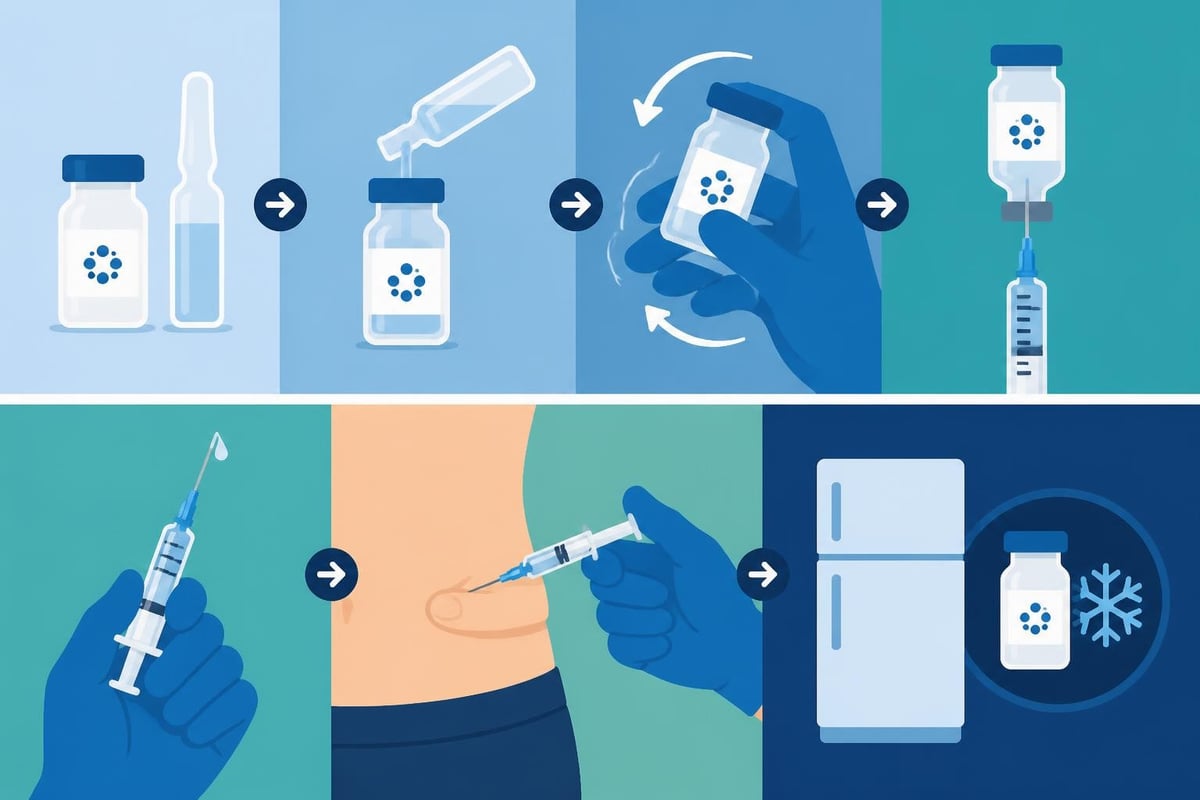
Reconstitution Process:
- Verify lyophilized peptide integrity and batch documentation
- Calculate required bacteriostatic water volume (typically 2-3 mL per 5 mg vial)
- Inject water slowly along vial wall, avoiding direct stream onto peptide
- Allow gentle dissolution without shaking or agitation
- Store reconstituted solution at 2-8°C for maximum 14 days
Injection sites should rotate between abdomen, thighs, or upper arms to prevent tissue irritation. Proper sterile technique using alcohol swabs and fresh needles prevents infection risk.
Topical and Alternative Delivery Systems
Topical formulations offer non-invasive options particularly suited for dermatological applications. When formulated with appropriate penetration enhancers, GHK-Cu can effectively reach dermal layers where it stimulates collagen production and tissue remodeling.
| Delivery Method | Bioavailability | Primary Applications | Dosing Frequency |
|---|---|---|---|
| Subcutaneous | 95-100% | Systemic effects, hair growth | 2-3x weekly |
| Topical | 15-30% | Skin rejuvenation, wound healing | Daily |
| Oral | 5-10% | Limited application | Not recommended |
| Transdermal | 40-60% | Regional targeting | Daily |
The selection between delivery methods should align with therapeutic goals and individual tolerance profiles. Topical applications minimize systemic exposure while providing targeted benefits for skin health.
Evaluating Suppliers and Making Informed Purchases
The decision to buy GHK-Cu involves careful supplier evaluation to ensure product authenticity, quality, and customer support. The peptide industry has evolved considerably, with established vendors implementing rigorous quality control alongside newer entrants of variable reliability.
Key Supplier Selection Criteria
Professional peptide suppliers distinguish themselves through transparent business practices and verifiable quality commitments. Soma Peptide’s comprehensive testing standards exemplify the documentation serious suppliers provide to validate product integrity.
Supplier Evaluation Checklist:
- Published certificates of analysis for each product batch
- Responsive customer service with technical knowledge
- Secure payment processing and data protection
- Clear shipping policies with appropriate cold chain management
- Educational resources demonstrating industry expertise
- Positive customer reviews from verified purchasers
- Reasonable pricing reflecting quality product costs
Beware of suppliers offering prices significantly below market averages, as this often indicates compromised quality or product substitution. Authentic, properly manufactured GHK-Cu involves substantial production costs that reputable suppliers cannot undercut without sacrificing quality.
Understanding Pricing Structures and Value
GHK-Cu pricing varies based on quantity, purity level, and supplier overhead costs. In 2026, expect to invest $45-$85 per 50 mg vial from established suppliers maintaining strict quality standards.
Volume purchasing typically reduces per-unit costs, but only commit to larger quantities after verifying product quality through initial smaller purchases. Calculate total protocol costs including:
- Base peptide price per milligram
- Reconstitution supplies (bacteriostatic water, syringes, alcohol swabs)
- Storage requirements (refrigeration)
- Shipping costs and delivery timeframes
- Potential customs considerations for international orders
The anti-aging peptide category offers various options that may complement GHK-Cu protocols, allowing comprehensive approaches to regenerative therapy.
Storage, Stability, and Handling Best Practices
Proper storage practices directly impact GHK-Cu potency and therapeutic effectiveness. Understanding stability requirements ensures maximum value from your investment when you buy GHK-Cu.
Lyophilized Peptide Storage Requirements
Unreconstituted GHK-Cu in lyophilized (freeze-dried) form demonstrates excellent stability when stored correctly. Sealed vials maintain potency for 24-36 months under optimal conditions.
Optimal Storage Conditions:
- Temperature: -20°C to -80°C for long-term storage
- Short-term: 2-8°C acceptable for up to 6 months
- Protection from light exposure using amber vials or foil wrapping
- Desiccant packets preventing moisture accumulation
- Sealed containers minimizing air exposure
Allow vials to reach room temperature before opening to prevent condensation that could degrade the peptide. Never expose lyophilized peptides to temperature fluctuations or humid environments.
Reconstituted Solution Management
Once reconstituted with bacteriostatic water, GHK-Cu stability decreases significantly. The comprehensive peptide information resources emphasize proper handling of reconstituted solutions to maintain therapeutic efficacy.
| Storage Parameter | Lyophilized Form | Reconstituted Solution |
|---|---|---|
| Optimal Temperature | -20°C to -80°C | 2-8°C (refrigerated) |
| Maximum Stability | 24-36 months | 14-21 days |
| Light Protection | Recommended | Essential |
| Freeze-Thaw Cycles | Avoid | Never freeze |
Label each vial with reconstitution date and concentration to track shelf life accurately. Discard solutions showing discoloration, particulates, or cloudiness, as these indicate degradation or contamination.

Safety Considerations and Potential Side Effects
While GHK-Cu demonstrates an excellent safety profile in research settings, understanding potential adverse effects and contraindications ensures responsible use. The peptide's naturally occurring status contributes to its favorable tolerability compared to synthetic compounds.
Common Side Effects and Management Strategies
Most individuals tolerate GHK-Cu well, with side effects typically remaining mild and transient. Clinical research on GHK-Cu safety indicates minimal adverse event rates across diverse populations.
Reported Side Effects:
- Injection site reactions (redness, mild swelling, temporary discomfort)
- Mild headaches during initial treatment phases
- Temporary skin flushing or warmth
- Rare allergic reactions in sensitive individuals
- Metallic taste when using oral formulations
These effects generally resolve within 24-48 hours without intervention. Persistent or worsening reactions warrant discontinuation and medical consultation.
Contraindications and Precautionary Measures
Certain populations should exercise caution or avoid GHK-Cu entirely. Pregnant or nursing women lack sufficient safety data supporting use during these periods. Individuals with copper metabolism disorders (Wilson's disease, Menkes disease) should not use copper-containing peptides.
Additional Precautions:
- Active cancer patients should consult oncologists before use due to tissue growth promotion
- Individuals with bleeding disorders should monitor clotting parameters
- Those taking immunosuppressants may experience altered peptide effects
- Kidney or liver dysfunction may affect peptide clearance rates
The frequently asked questions section addresses common safety concerns and provides guidance for specific health situations.
Combining GHK-Cu with Complementary Peptides
Strategic peptide combinations can enhance overall therapeutic outcomes when protocols address multiple physiological pathways. When you buy GHK-Cu as part of a comprehensive approach, understanding synergistic relationships optimizes results.
Synergistic Peptide Combinations
GHK-Cu pairs effectively with several other peptides targeting complementary mechanisms. These combinations should follow proper timing protocols to prevent interference between compounds.
Popular GHK-Cu Combinations:
- BPC-157: Enhanced tissue repair and gut healing alongside GHK-Cu's regenerative effects
- TB-500: Combined benefits for hair growth protocols and tissue recovery
- CJC-1295: Growth hormone optimization supporting GHK-Cu's anabolic tissue effects
- Thymosin Beta-4: Accelerated wound healing with reduced inflammation
When combining peptides, maintain separate injection sites and timing intervals of at least 30-60 minutes between administrations. This practice prevents potential interactions and ensures optimal absorption of each compound.
Timing and Sequencing Protocols
The CJC-1295 product information details proper administration timing that applies broadly to peptide protocols. GHK-Cu typically administers best during evening hours when natural tissue repair processes peak.
| Peptide | Optimal Timing | Combination Notes |
|---|---|---|
| GHK-Cu | Evening, before bed | Aligns with repair cycles |
| BPC-157 | Morning or evening | Can administer with GHK-Cu |
| TB-500 | Post-workout or evening | Separate from GHK-Cu by 1 hour |
| CJC-1295 | Before bed | Separate from GHK-Cu by 1 hour |
Cycling protocols prevent receptor desensitization and maintain peptide effectiveness. Consider 4-6 week active phases followed by 2-4 week rest periods for optimal long-term results.
Research Developments and Future Applications
The scientific understanding of GHK-Cu continues expanding in 2026, with emerging research revealing new therapeutic applications and refined protocols. Staying current with peptide research developments helps optimize treatment approaches.
Emerging Clinical Applications
Recent investigations explore GHK-Cu's potential in neurological health, metabolic function, and systemic aging interventions. Preliminary data suggests the peptide may influence brain-derived neurotrophic factor (BDNF) expression and neuroprotective pathways.
Areas of Active Research:
- Cognitive function and neurodegenerative disease prevention
- Metabolic syndrome and insulin sensitivity improvements
- Cardiovascular tissue remodeling and vascular health
- Bone density maintenance and osteoporosis prevention
- Immune system modulation and autoimmune condition management
These applications require additional clinical validation before becoming standard practice, but early results demonstrate GHK-Cu's versatility beyond established uses.
Optimized Formulation Technologies
Advances in peptide delivery systems aim to enhance GHK-Cu bioavailability and target specificity. Liposomal encapsulation, nanoparticle carriers, and sustained-release formulations represent promising developments that may improve therapeutic outcomes.
The peptide guide on GHK-Cu mechanisms discusses how improved delivery systems could revolutionize topical applications, potentially achieving systemic effects through transdermal absorption. These innovations may reduce injection frequency while maintaining therapeutic efficacy.
Verifying Product Authenticity and Avoiding Counterfeits
The growing demand for GHK-Cu has unfortunately attracted counterfeit products and misrepresented formulations. Learning to verify authenticity protects both health and financial investment when you buy GHK-Cu.
Authentication Methods and Red Flags
Legitimate suppliers implement verification systems allowing customers to confirm product authenticity. Batch codes, QR verification systems, and tamper-evident packaging provide security layers against counterfeiting.
Warning Signs of Counterfeit Products:
- Missing or generic labeling without batch numbers
- Prices substantially below market averages
- Absence of third-party testing documentation
- Suppliers refusing to provide certificates of analysis
- Unprofessional website presentation or communication
- No physical business address or contact information
- Unrealistic claims about potency or effects
The peptide aesthetics applications overview emphasizes the importance of authentic products for achieving desired cosmetic outcomes safely.
Testing Options for Product Verification
For high-value purchases or when supplier credibility remains uncertain, independent laboratory testing provides definitive verification. Several analytical laboratories offer peptide authentication services at reasonable costs.
Available Testing Services:
- HPLC analysis confirming peptide identity and purity
- Mass spectrometry verifying molecular weight accuracy
- Amino acid sequencing for structural confirmation
- Potency assays measuring biological activity
- Contamination screening for harmful substances
While testing adds upfront costs, it eliminates uncertainty and ensures therapeutic protocols use genuine, effective compounds. Consider this investment particularly valuable when establishing relationships with new suppliers.
Long-Term Protocol Planning and Result Tracking
Successful GHK-Cu therapy requires systematic planning and objective result monitoring. When you buy GHK-Cu for extended protocols, establishing clear metrics and tracking systems maximizes benefits and justifies continued investment.
Setting Realistic Expectations and Timelines
GHK-Cu produces gradual improvements rather than dramatic overnight changes. Understanding typical response timelines prevents premature discontinuation before benefits manifest.
Expected Timeline by Application:
- Skin improvements: Initial changes at 3-4 weeks, significant results by 8-12 weeks
- Hair regrowth: Stabilization at 4-6 weeks, new growth at 12-16 weeks
- Wound healing: Accelerated closure within 1-2 weeks, remodeling over 4-8 weeks
- Systemic anti-aging: Subtle improvements beginning at 6-8 weeks, cumulative benefits over months
The Soma Peptide calculator tool assists with dosing calculations and protocol planning for optimal results.
Objective Measurement and Documentation
Subjective impressions alone inadequately assess peptide therapy effectiveness. Implementing objective measurement systems provides data-driven insights for protocol adjustments.
| Measurement Type | Assessment Method | Frequency |
|---|---|---|
| Skin elasticity | Cutometer readings | Monthly |
| Wrinkle depth | Digital imaging with standardized lighting | Bi-weekly |
| Hair density | Follicle counts via dermoscopy | Monthly |
| Wound healing | Photographic documentation with measurements | Weekly |
| Overall wellbeing | Standardized questionnaires | Bi-weekly |
Maintain consistent measurement conditions (time of day, lighting, hydration status) to ensure data reliability. Progressive photographs from identical angles provide powerful visual documentation of changes over time.
Successfully navigating the GHK-Cu landscape requires attention to quality standards, proper administration techniques, and realistic expectations about therapeutic timelines. The peptide's remarkable safety profile and diverse applications make it valuable for regenerative medicine protocols when sourced from reputable suppliers committed to purity and transparency. Whether you're exploring GHK-Cu for skin rejuvenation, hair restoration, or systemic anti-aging benefits, Soma Peptide provides premium quality copper peptides backed by comprehensive testing and expert support to ensure optimal therapeutic outcomes.