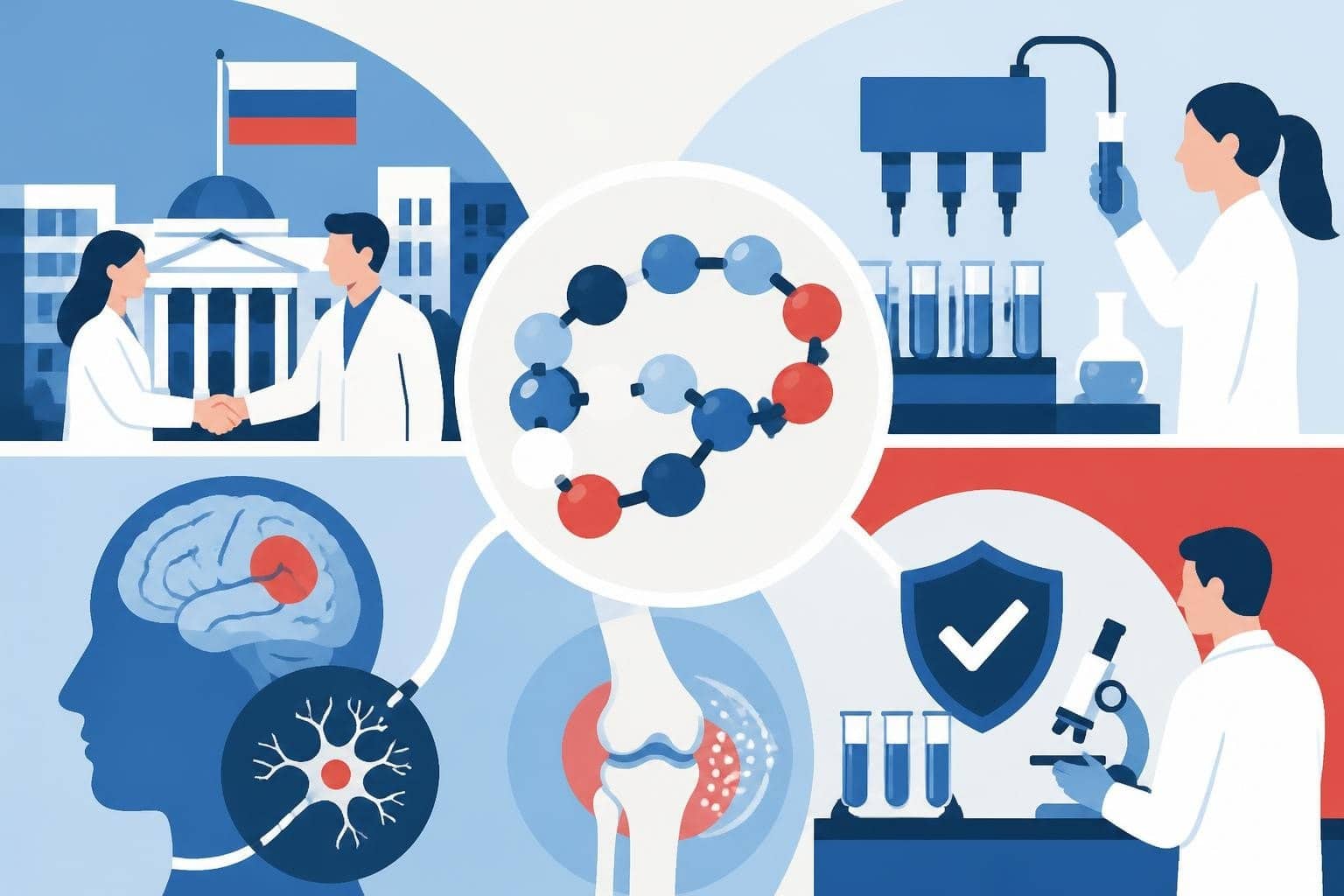
The field of peptide research has witnessed remarkable contributions from Russian scientific institutions over the past several decades. Russian peptides have emerged as a distinct category within the broader therapeutic peptide landscape, characterized by unique compounds, extensive clinical research, and specific applications in neurological health, tissue regeneration, and age-related conditions. These bioactive molecules represent decades of focused research from Soviet-era institutions that continued their work into modern times, producing compounds that have gained international attention for their potential therapeutic benefits and distinctive mechanisms of action.
The Origins and Development of Russian Peptide Research
Russian peptide research originated during the Soviet era when government-funded institutions prioritized biomedical research focused on enhancing human performance and longevity. Scientists at institutions such as the Institute of Bioorganic Chemistry and the Saint Petersburg Institute of Bioregulation and Gerontology dedicated substantial resources to understanding how short-chain amino acid sequences could influence physiological processes.
The research methodology employed by these institutions differed from Western approaches in several key aspects. Russian scientists often focused on observational studies with longer follow-up periods and emphasized practical clinical applications over mechanistic understanding. This approach led to the development of compounds that showed promising results in Russian clinical settings but sometimes faced challenges when subjected to Western validation protocols.
Key Russian Research Institutions
Several prominent institutions have shaped the landscape of russian peptides development:
- Saint Petersburg Institute of Bioregulation and Gerontology: Focused on age-related applications and longevity research
- Institute of Bioorganic Chemistry: Specialized in peptide synthesis and molecular design
- Pacific Institute of Bioorganic Chemistry: Conducted extensive research on peptides derived from marine organisms
- Moscow Research Institutes: Contributed to neurological and psychiatric applications
These institutions produced a substantial body of research that forms the foundation for understanding russian peptides today. The evolution of peptide biopharmaceuticals within these institutions demonstrates a systematic approach to identifying bioactive sequences and developing them into therapeutic compounds.

Prominent Russian Peptides and Their Applications
The category of russian peptides encompasses several distinct compounds, each with specific therapeutic targets and mechanisms. Understanding these individual peptides provides insight into the breadth of applications and potential benefits associated with this research tradition.
Semax: Cognitive Enhancement and Neuroprotection
Semax represents one of the most extensively studied russian peptides, developed at the Institute of Molecular Genetics. This synthetic peptide derives from adrenocorticotropic hormone (ACTH) fragments and demonstrates significant effects on cognitive function and neuroprotection.
Primary mechanisms include:
- Enhancement of brain-derived neurotrophic factor (BDNF) expression
- Modulation of dopamine and serotonin neurotransmitter systems
- Improvement of cerebral blood flow
- Protection against oxidative stress in neural tissues
Clinical applications in Russian medical practice have included treatment for stroke recovery, attention disorders, and cognitive decline. The compound's ability to cross the blood-brain barrier efficiently contributes to its neurological effects.
Selank: Anxiolytic and Immunomodulatory Properties
Selank, another prominent example of russian peptides, was developed as a synthetic analog of the naturally occurring immunopeptide tuftsin. This compound exhibits dual action as both an anxiolytic agent and immune system modulator.
| Property | Mechanism | Clinical Application |
|---|---|---|
| Anxiolytic Effect | GABA-A receptor modulation | Anxiety disorders, stress management |
| Immune Modulation | IL-6 and TNF-alpha regulation | Immune support, inflammation control |
| Cognitive Support | Acetylcholine enhancement | Memory, focus, mental clarity |
Research indicates Selank may offer advantages over traditional benzodiazepines by providing anxiety reduction without sedation or dependency risks. This profile makes it particularly interesting for individuals seeking cognitive support without the drawbacks of conventional pharmaceuticals.
Khavinson Peptides: Bioregulatory Sequences
Professor Vladimir Khavinson developed a series of short peptides known as bioregulatory peptides or cytomaxes. These di-peptides and tri-peptides target specific organs and tissues, theoretically supporting cellular function and regeneration.
The Khavinson peptide system includes numerous compounds designed for different physiological targets. Studies on tripeptides and their effects on tissue cultures demonstrate the concept of tissue-specific bioregulation that underlies this approach.
Scientific Validation and Research Challenges
The scientific community's approach to russian peptides involves both appreciation for extensive clinical observations and critical evaluation of research methodologies. Understanding both the strengths and limitations of existing research helps contextualize these compounds within modern peptide therapeutics.
Russian Clinical Data Characteristics
Russian peptide research often features:
- Large observational cohorts: Studies frequently include hundreds or thousands of participants tracked over extended periods
- Practical outcome measures: Focus on functional improvements and quality-of-life metrics rather than purely biochemical markers
- Combination protocols: Use of peptides alongside other interventions, making isolation of effects challenging
- Publication practices: Research often published in Russian-language journals with limited international distribution
These characteristics have led to a situation where substantial clinical experience exists within Russian medical practice, but Western researchers sometimes struggle to replicate findings or verify claimed benefits through double-blind, placebo-controlled trials.

Contemporary Research Efforts
Recent years have seen increased efforts to bridge the gap between Russian clinical experience and Western scientific standards. The critical review of compounds like Semax, Selank, and Khavinson peptides highlights both the potential benefits and the need for additional rigorous research.
Investigations into specific applications have yielded promising results. Studies examining mood-stabilizing effects of peptide compounds contribute to understanding neuropsychiatric applications. Research on bioregulatory peptides for prostate health demonstrates therapeutic potential in urological conditions.
Quality Standards and Purity Considerations
The therapeutic potential of russian peptides depends fundamentally on manufacturing quality and purity standards. As these compounds gain international attention, ensuring consistent quality becomes paramount for both safety and efficacy.
Synthesis Methods and Purification
Modern peptide synthesis employs solid-phase peptide synthesis (SPPS) or liquid-phase methods, with purity requirements typically exceeding 95% for research applications and 98% for therapeutic use. Russian peptides manufactured for international markets must meet these stringent standards.
Critical quality factors include:
- Amino acid sequence accuracy
- Removal of synthesis byproducts and truncated sequences
- Sterility and endotoxin testing
- Stability under storage conditions
- Verification through mass spectrometry and HPLC analysis
Companies providing peptides must implement comprehensive quality control protocols that verify both structural integrity and biological activity. The similarity to biomimetic peptide design principles emphasizes the importance of precise molecular structure for therapeutic effect.
Regulatory Landscape
The regulatory status of russian peptides varies significantly across jurisdictions. In Russia, many of these compounds hold pharmaceutical registration and prescription status. However, in the United States and European Union, most russian peptides remain classified as research compounds rather than approved medications.
This regulatory complexity requires consumers to exercise careful judgment when sourcing peptides. Working with suppliers who prioritize transparency, provide certificates of analysis, and maintain rigorous quality standards ensures access to compounds that match research specifications.
Therapeutic Applications and Emerging Research
The potential applications of russian peptides span numerous health domains, with ongoing research continuing to elucidate mechanisms and identify optimal use cases. Understanding these applications helps contextualize how these compounds fit within broader therapeutic strategies.
Neurological and Cognitive Health
Russian peptides demonstrate particular promise in neurological applications. The neuroprotective properties observed in compounds like Semax suggest potential benefits for:
- Stroke recovery and traumatic brain injury rehabilitation
- Age-related cognitive decline and dementia prevention
- Attention disorders and executive function enhancement
- Mood regulation and stress resilience
Research into peptide carriers for therapeutic nucleic acids demonstrates advancing technology that may enhance delivery of neuroprotective compounds across the blood-brain barrier.
Tissue Regeneration and Anti-Aging
The bioregulatory concept underlying many russian peptides aligns closely with regenerative medicine principles. Studies examining peptide effects on liver tissue cultures across age groups reveal age-specific responses that inform therapeutic applications.
Applications in regenerative medicine include:
- Tissue repair: Supporting healing after injury or surgery
- Cellular function optimization: Enhancing metabolic efficiency in aging tissues
- Hormonal balance: Supporting endocrine system function
- Immune system modulation: Maintaining appropriate immune responses
The connection to compounds like TB-500 for tissue repair illustrates how russian peptides complement other therapeutic peptides in comprehensive wellness protocols.
Cardiovascular and Metabolic Support
Emerging research explores cardiovascular applications of russian peptides. Investigation of peptide agonists targeting specific receptors for cardiovascular protection demonstrates potential mechanisms for supporting vascular health and reducing atherosclerotic risk.
| Application Area | Potential Benefits | Research Status |
|---|---|---|
| Endothelial Function | Improved vascular reactivity, reduced inflammation | Preliminary animal studies |
| Lipid Metabolism | Cholesterol regulation, triglyceride management | Early clinical observations |
| Blood Pressure | Vascular tone modulation, stress response | Limited controlled trials |
| Cardiac Protection | Reduced oxidative damage, improved contractility | Ongoing investigation |
Integration with Modern Peptide Therapeutics
Russian peptides represent one component of the broader peptide therapeutic landscape. Understanding how these compounds relate to other peptide categories helps practitioners and consumers make informed decisions about peptide protocols.
Complementary Approaches
Many individuals combine russian peptides with other therapeutic peptides to address multiple health goals simultaneously. For example, someone interested in both cognitive enhancement and physical performance might combine a nootropic russian peptide with growth hormone secretagogues or recovery peptides.
The key to successful combination protocols involves:
- Understanding individual peptide mechanisms to avoid redundancy
- Timing administration appropriately based on half-lives and action profiles
- Monitoring responses to identify synergistic or antagonistic effects
- Working with knowledgeable practitioners to design comprehensive protocols
Resources available through platforms like Soma Peptide’s blog provide educational content helping consumers understand these integration principles.
Quality Sourcing Considerations
The effectiveness of any peptide protocol depends on sourcing compounds from reputable suppliers. When evaluating russian peptides providers, consider:
Manufacturing transparency: Suppliers should disclose synthesis methods, purification techniques, and quality control procedures.
Third-party testing: Independent verification of purity and identity through certificates of analysis from accredited laboratories.
Storage and handling: Proper storage conditions during shipping and clear instructions for reconstitution and storage.
Customer education: Reputable suppliers provide comprehensive information about proper usage, dosing considerations, and expected effects.

Dosing Protocols and Administration Methods
Russian peptides typically require specific dosing protocols and administration routes to achieve optimal effects. Understanding these practical considerations ensures safe and effective usage.
Common Administration Routes
Subcutaneous injection: Most russian peptides demonstrate bioavailability through subcutaneous administration, allowing for controlled dosing and consistent absorption.
Intranasal delivery: Compounds like Semax are often formulated for intranasal administration, facilitating direct delivery to the central nervous system and bypassing first-pass metabolism.
Oral administration: While less common due to digestive degradation, some formulations include bioavailability enhancers or protective coatings.
Dosing Considerations
Typical dosing for russian peptides varies significantly based on the specific compound, intended application, and individual factors. General principles include:
- Starting with lower doses to assess individual response
- Gradually titrating upward based on effects and tolerance
- Cycling periods of use with breaks to maintain responsiveness
- Adjusting timing based on desired effects (morning for cognitive enhancement, evening for recovery)
The individualized nature of optimal dosing emphasizes the importance of working with knowledgeable practitioners and maintaining detailed records of responses.
Future Directions in Russian Peptide Research
The field of russian peptides continues to evolve as international research interest grows and methodological approaches converge. Several trends shape the future development of these compounds.
Mechanistic Understanding
Contemporary research increasingly focuses on elucidating precise molecular mechanisms underlying observed clinical effects. This mechanistic research:
- Identifies specific receptor targets and signaling pathways
- Clarifies dose-response relationships and therapeutic windows
- Reveals potential adverse effects and contraindications
- Informs development of next-generation analogs with enhanced properties
Studies examining peptide effects on tissue development in organotypic cultures exemplify this mechanistic approach, bridging observational clinical data with controlled experimental investigation.
Combination Therapeutics
Future applications may increasingly involve russian peptides as components of multi-modal therapeutic strategies. The synergistic potential of combining peptides with other interventions including:
- Nutritional optimization and targeted supplementation
- Lifestyle modifications addressing sleep, stress, and exercise
- Conventional pharmaceutical agents where appropriate
- Other peptide therapeutics targeting complementary pathways
This integrative approach recognizes that peptides function most effectively within comprehensive wellness protocols rather than as isolated interventions.
Standardization and Quality Improvement
As the market for russian peptides expands, industry-wide quality standards continue to develop. Initiatives aimed at standardization include:
- Establishment of reference standards for identity verification
- Harmonization of purity testing methodologies across laboratories
- Development of stability data to inform storage recommendations
- Creation of good manufacturing practice guidelines specific to peptides
These standardization efforts protect consumers and ensure that research findings translate to commercially available products.
Russian peptides represent a unique contribution to therapeutic peptide research, offering distinct compounds with potential applications across neurological health, tissue regeneration, and anti-aging protocols. As research continues bridging Russian clinical experience with Western scientific validation, these compounds increasingly integrate into evidence-based wellness strategies. Whether you're exploring cognitive enhancement, recovery optimization, or age-related health concerns, accessing premium-quality peptides through trusted suppliers ensures you receive compounds that meet rigorous purity and efficacy standards. Soma Peptide provides extensively tested, pharmaceutical-grade peptides backed by comprehensive quality assurance protocols, supporting your health optimization goals with compounds you can trust.