



The decision to buy tirzepatide peptide represents a significant investment in metabolic health and weight management research. As a dual glucose-dependent insulinotropic polypeptide (GIP) and glucagon-like peptide-1 (GLP-1) receptor agonist, tirzepatide has emerged as one of the most promising compounds in the peptide therapy landscape. Understanding the quality standards, sourcing considerations, and clinical applications becomes essential for anyone looking to incorporate this peptide into their research or therapeutic protocol.
Understanding Tirzepatide Peptide Chemistry and Mechanism
Tirzepatide functions through a unique dual-agonist mechanism that sets it apart from earlier single-receptor therapies. This synthetic peptide simultaneously activates both GIP and GLP-1 receptors, creating a synergistic effect on glucose metabolism, insulin secretion, and appetite regulation. The comprehensive pharmacological analysis published in the International Journal of Molecular Sciences demonstrates how this dual activation produces superior metabolic outcomes compared to single-agonist approaches.
The molecular structure consists of 39 amino acids with specific modifications that enhance stability and bioavailability. These structural features allow for once-weekly subcutaneous administration while maintaining therapeutic plasma concentrations throughout the dosing interval.
Clinical Applications and Research Outcomes
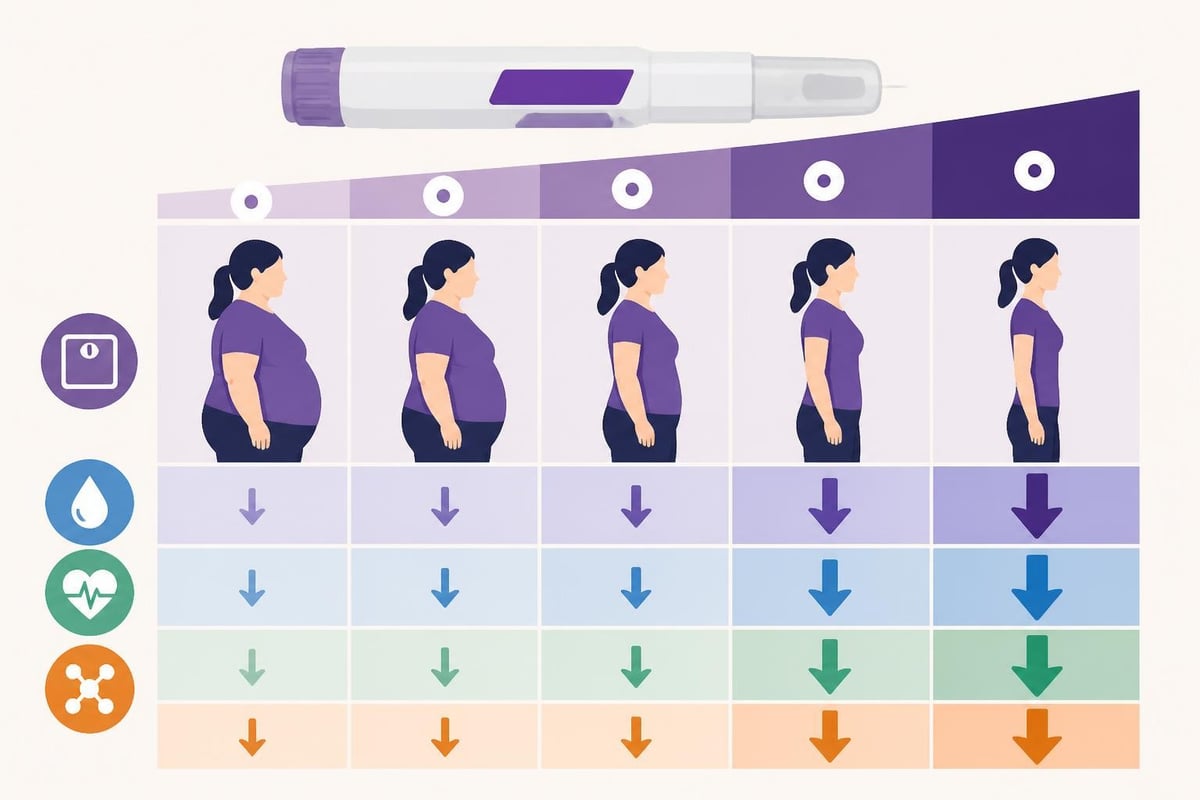
When evaluating whether to buy tirzepatide peptide, understanding its proven clinical applications provides critical context. The compound has demonstrated remarkable efficacy across multiple metabolic parameters:
- Weight Management: Clinical trials show average weight reductions of 15-22% from baseline
- Glycemic Control: HbA1c reductions averaging 1.5-2.5% in diabetic populations
- Cardiovascular Markers: Improvements in blood pressure, lipid profiles, and inflammatory markers
- Metabolic Flexibility: Enhanced insulin sensitivity and beta-cell function
Research data compiled by PeptideHelper’s tirzepatide bibliography reveals over 50 peer-reviewed studies documenting these outcomes across diverse patient populations.
Quality Standards When You Buy Tirzepatide Peptide
Peptide purity directly impacts both safety and efficacy. When sourcing tirzepatide, several quality markers distinguish pharmaceutical-grade products from inferior alternatives.
Purity Specifications and Testing
Premium tirzepatide should meet stringent purity thresholds verified through independent laboratory testing. High-performance liquid chromatography (HPLC) analysis serves as the gold standard for confirming peptide identity and quantifying purity levels.
| Quality Metric | Minimum Standard | Premium Standard |
|---|---|---|
| Purity (HPLC) | 95% | 98%+ |
| Endotoxin Level | <10 EU/mg | <5 EU/mg |
| Water Content | <8% | <5% |
| Peptide Content | >95% | >98% |
Manufacturing Process Indicators: Look for suppliers utilizing advanced purification methods including reverse-phase chromatography, lyophilization under controlled conditions, and nitrogen flushing to prevent oxidation. The detailed pharmacological review on NCBI Bookshelf emphasizes how manufacturing quality directly influences therapeutic outcomes.
Certificates of analysis (COAs) from third-party laboratories should accompany every batch. These documents verify the absence of contaminants, confirm amino acid sequence accuracy, and validate stated purity levels.
Legitimate Sources vs. Questionable Vendors
The market for research peptides includes both reputable suppliers and problematic sources. Distinguishing between them requires careful evaluation of specific criteria.
Verification Strategies
Before you buy tirzepatide peptide, implement a systematic verification process. Guidance on identifying legitimate tirzepatide sources highlights several red flags that indicate potential quality issues:
- Absence of third-party testing documentation
- Pricing significantly below market averages
- Vague or missing manufacturing information
- No batch tracking or lot numbers
- Limited contact information or customer support
Reputable suppliers maintain transparent communication channels, provide detailed product specifications, and offer comprehensive documentation for each product batch.
Regulatory Compliance Considerations
The regulatory landscape for research peptides continues evolving. Tirzepatide received FDA approval for specific therapeutic indications, which affects how it can be marketed and distributed. Understanding these distinctions helps ensure compliance and product authenticity.
Legitimate research chemical suppliers clearly label products for research purposes and maintain proper licensing. They also stay current with FDA guidance and international regulatory standards affecting peptide distribution.

Pricing Structure and Market Analysis
Cost represents a significant consideration when planning to buy tirzepatide peptide. Multiple factors influence pricing across the market.
Price Determinants
Several variables create the price range observed across different suppliers:
- Synthesis scale: Larger production runs reduce per-unit costs
- Purity level: Higher purity grades command premium pricing
- Testing rigor: Comprehensive quality control increases costs
- Supply chain: Direct manufacturer relationships versus multiple intermediaries
- Packaging quality: Proper storage containers and sterilization protocols
Current market pricing for research-grade tirzepatide typically ranges from $180 to $400 per vial, depending on concentration and purity level. Bulk purchasing often provides cost advantages, though proper storage capabilities become essential when ordering larger quantities.
Cost-Benefit Evaluation
While exploring the best peptides available for metabolic support, tirzepatide consistently demonstrates superior efficacy that may justify its premium pricing. The comprehensive evidence guide from GetPeptideWise provides detailed cost-effectiveness analyses comparing tirzepatide to alternative interventions.
| Peptide Type | Average Monthly Cost | Weight Loss Efficacy | Metabolic Benefits |
|---|---|---|---|
| Tirzepatide | $240-$320 | Superior (15-22%) | Comprehensive |
| GLP-1 Only | $180-$240 | Moderate (10-15%) | Good |
| Older Peptides | $120-$180 | Limited (5-10%) | Modest |
Storage and Handling Requirements
Proper storage protocols preserve tirzepatide's therapeutic potency from the moment you buy tirzepatide peptide through its entire usage period.
Temperature Management
Lyophilized (freeze-dried) tirzepatide demonstrates optimal stability when stored at -20°C to -80°C. Once reconstituted with bacteriostatic water, refrigeration at 2-8°C becomes necessary, with most formulations maintaining potency for 28 days under these conditions.
Key Storage Guidelines:
- Protect from direct light exposure
- Avoid repeated freeze-thaw cycles
- Store away from moisture
- Use sterile reconstitution techniques
- Monitor refrigerator temperature consistency
Reconstitution Best Practices
The reconstitution process significantly impacts peptide integrity. Using pharmaceutical-grade bacteriostatic water, gentle mixing without aggressive shaking, and proper sterile technique ensures optimal potency retention. Many researchers overlook these critical steps, potentially compromising their investment.
Dosing Protocols and Administration
Understanding appropriate dosing frameworks helps maximize value when you buy tirzepatide peptide for research applications.
Escalation Schedules
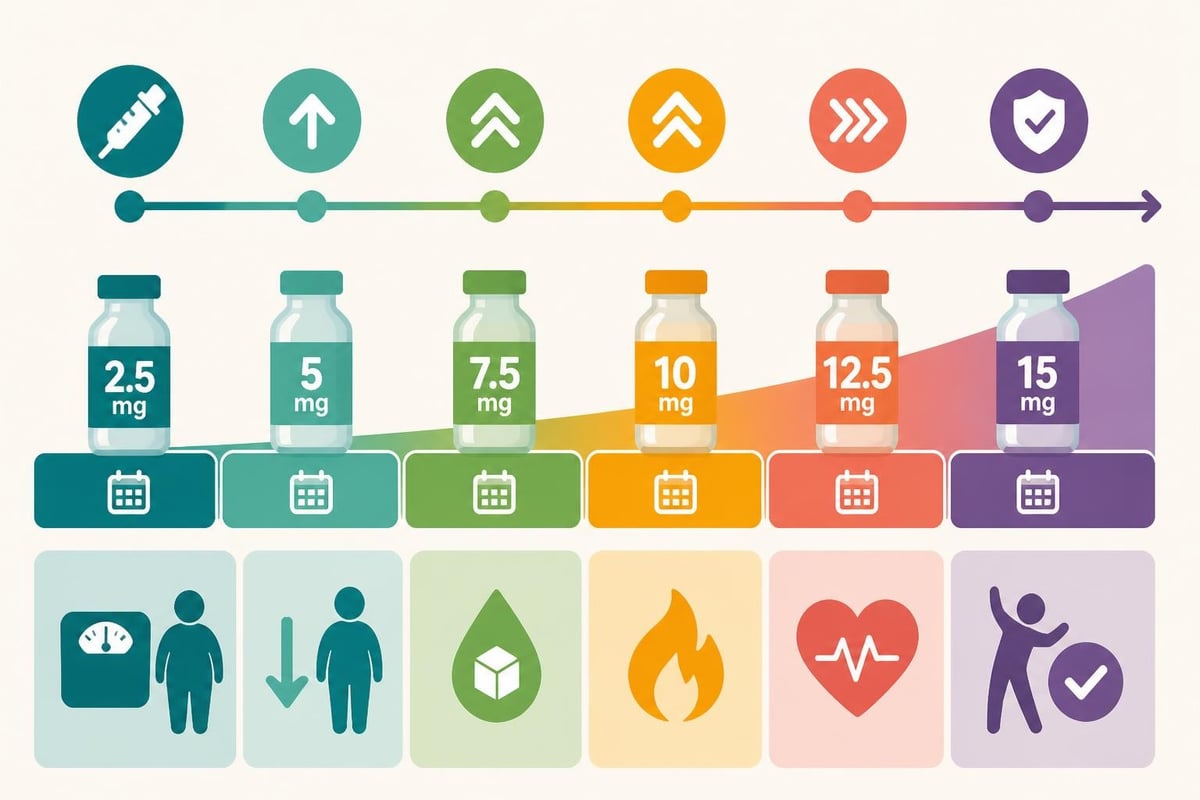
Clinical protocols typically employ gradual dose escalation to optimize tolerability while achieving therapeutic targets. The StatPearls clinical overview outlines standard escalation patterns:
- Weeks 1-4: 2.5 mg weekly (initiation phase)
- Weeks 5-8: 5 mg weekly (first escalation)
- Weeks 9-12: 7.5 mg weekly (intermediate dose)
- Weeks 13+: 10-15 mg weekly (maintenance range)
This graduated approach allows for metabolic adaptation and minimizes adverse effects while progressively enhancing therapeutic outcomes.
Individual Response Variables
Response to tirzepatide varies based on baseline metabolic status, body composition, concurrent medications, and genetic factors affecting receptor sensitivity. Monitoring key biomarkers throughout treatment helps optimize dosing decisions:
- Fasting glucose levels
- HbA1c measurements
- Body weight trajectory
- Appetite and satiety signals
- Gastrointestinal tolerance
Comparing Tirzepatide to Other Metabolic Peptides
The peptide landscape includes multiple options for metabolic support. Evaluating tirzepatide against alternatives provides important decision-making context.
While tirzepatide excels in weight management and glycemic control, other peptides target specific aspects of metabolic health. For instance, Retatrutide functions as a triple agonist, activating GLP-1, GIP, and glucagon receptors, potentially offering even broader metabolic benefits for specific research applications.
Mechanism Comparison Table
| Peptide | Receptor Targets | Primary Benefits | Typical Applications |
|---|---|---|---|
| Tirzepatide | GIP + GLP-1 | Weight loss, glucose control | Metabolic syndrome, T2DM |
| Semaglutide | GLP-1 only | Appetite suppression | Weight management |
| Retatrutide | GIP + GLP-1 + GCGR | Enhanced fat oxidation | Advanced metabolic optimization |
| Tesamorelin | GHRH analog | Visceral fat reduction | Lipodystrophy, body composition |
Each compound offers distinct advantages depending on specific metabolic goals and individual response patterns.
Safety Profile and Side Effect Management
The Hospital Pharmacy review provides extensive safety data from large-scale clinical trials. Understanding potential adverse effects helps establish appropriate monitoring protocols.
Common Side Effects
Most individuals tolerate tirzepatide well, though gastrointestinal effects represent the most frequently reported concerns:
- Nausea (typically mild to moderate, decreasing over time)
- Diarrhea or constipation
- Reduced appetite (desired therapeutic effect)
- Injection site reactions
- Fatigue during initial adjustment period
These effects generally diminish as the body adapts to the peptide's metabolic influence. Proper dose escalation significantly reduces the incidence and severity of adverse reactions.
Contraindications and Precautions
Certain populations should exercise caution or avoid tirzepatide entirely. Personal or family history of medullary thyroid carcinoma, multiple endocrine neoplasia syndrome type 2, or severe gastrointestinal disease warrant careful risk-benefit evaluation. Consultation with qualified healthcare professionals becomes essential for anyone with pre-existing medical conditions.
Integration with Comprehensive Metabolic Protocols
Tirzepatide performs optimally when incorporated into a holistic approach to metabolic health. Isolated peptide use without attention to foundational lifestyle factors typically produces suboptimal outcomes.
Synergistic Lifestyle Factors
Maximizing value when you buy tirzepatide peptide requires simultaneous optimization of:
- Nutritional strategy: Adequate protein intake, micronutrient sufficiency, appropriate caloric deficit
- Movement patterns: Resistance training to preserve lean mass, cardiovascular activity for metabolic health
- Sleep quality: 7-9 hours nightly to support hormonal balance and recovery
- Stress management: Cortisol regulation through mindfulness, time management, and recovery practices
The peptide enhances these fundamental elements rather than replacing them. Research consistently demonstrates superior outcomes when peptide therapy complements rather than substitutes for healthy lifestyle practices.
Third-Party Testing and Transparency
Independent verification through third-party testing represents the most reliable quality assurance method. When evaluating suppliers, prioritize those who regularly submit products for external analysis.
Testing Methodologies
Comprehensive peptide testing employs multiple analytical techniques:
- HPLC (High-Performance Liquid Chromatography): Confirms purity and identifies impurities
- Mass Spectrometry: Verifies exact molecular weight and amino acid sequence
- Endotoxin Testing: Ensures absence of bacterial contamination
- Sterility Testing: Confirms microbiological safety
Suppliers confident in their manufacturing processes willingly share these test results. Hesitation to provide documentation typically signals quality concerns. Those exploring premium peptide options should insist on complete transparency regarding testing protocols and results.
Long-Term Storage Planning
For researchers planning to buy tirzepatide peptide in bulk, long-term storage considerations become paramount. Improper storage can degrade even the highest-quality peptides, wasting both financial investment and research potential.
Stability Data
Lyophilized tirzepatide maintains potency for 24-36 months when stored at -20°C or colder. However, exposure to temperature fluctuations, humidity, or light accelerates degradation. Investing in proper storage equipment protects your peptide investment:
- Medical-grade freezers with temperature monitoring
- Desiccant packets to control moisture
- Amber or opaque vials to block light
- Backup power systems to prevent thaw events
- Temperature logging for quality assurance
Emerging Research and Future Applications
The scientific community continues exploring tirzepatide's potential beyond its current approved indications. Ongoing research investigates applications in non-alcoholic fatty liver disease, polycystic ovary syndrome, cardiovascular risk reduction, and neuroprotection.
Early-stage studies suggest tirzepatide may influence inflammatory pathways, mitochondrial function, and cellular aging processes. While these applications remain investigational, they highlight the compound's versatility as a metabolic modulator.
Understanding the evolving research landscape helps researchers make informed decisions about whether to buy tirzepatide peptide for specific investigational purposes. Staying current with emerging literature through resources like PubMed’s tirzepatide research database ensures access to the latest scientific developments.
Documentation and Record Keeping
Maintaining detailed records serves multiple purposes: tracking individual response patterns, ensuring regulatory compliance, and optimizing future protocols. Comprehensive documentation should include:
- Source verification: Supplier information, batch numbers, COA documentation
- Storage logs: Temperature records, reconstitution dates, expiration tracking
- Usage tracking: Dosing schedule, injection sites, timing consistency
- Response monitoring: Weight, glucose levels, body composition changes
- Adverse event documentation: Side effects, intensity, resolution strategies
This systematic approach transforms peptide use from guesswork into data-driven optimization.
Navigating the decision to buy tirzepatide peptide requires careful attention to quality standards, supplier verification, and proper handling protocols. Understanding the compound's unique dual-agonist mechanism and clinical applications enables informed decision-making that maximizes both safety and efficacy. When you're ready to explore premium-quality peptides backed by rigorous testing and transparent manufacturing practices, Soma Peptide offers the reliability and expertise necessary for successful metabolic optimization research. Our commitment to advanced purification methods and stringent quality control ensures every product meets the highest standards for purity and potency.