Growth hormone optimization has become a cornerstone of modern performance enhancement and anti-aging protocols. Among the various peptides available, cjc 1295 dac stands out as a synthetic analog designed to extend growth hormone release over prolonged periods. This modified peptide incorporates Drug Affinity Complex technology, which fundamentally changes how the compound interacts with the body's endocrine system. Understanding the science, benefits, and practical application of this peptide helps researchers and individuals make informed decisions about their wellness protocols.
Understanding the Science Behind CJC 1295 DAC
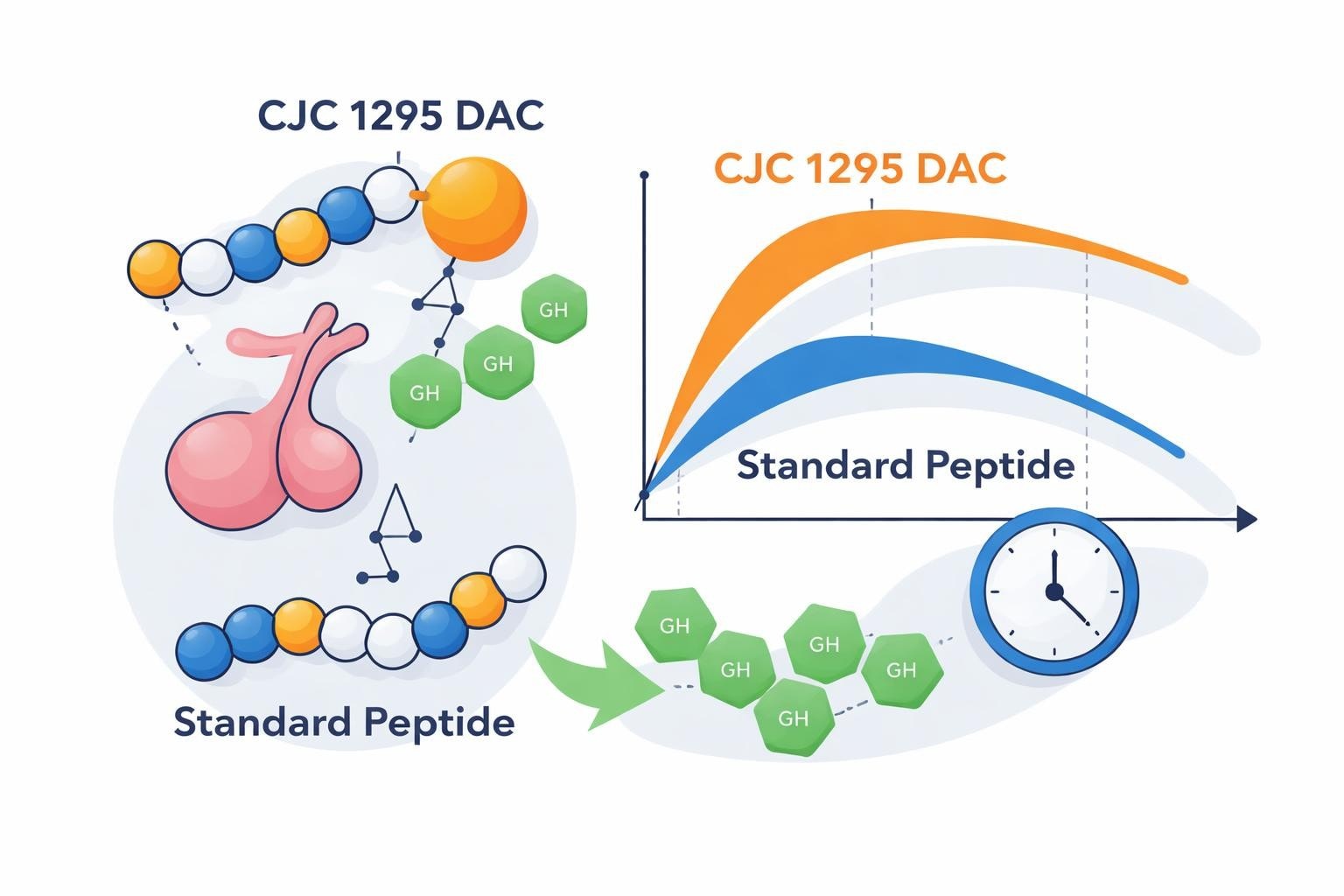
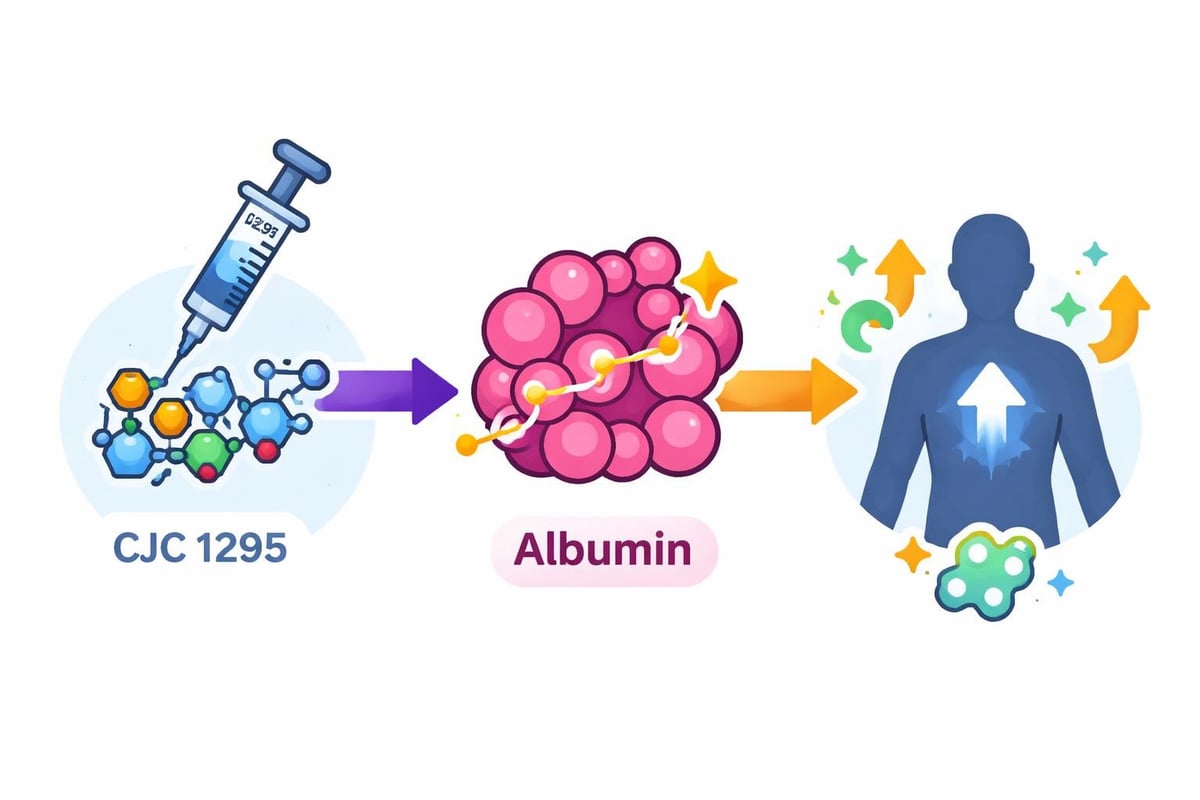
The foundation of cjc 1295 dac lies in its ability to stimulate growth hormone-releasing hormone (GHRH) receptors with exceptional duration. The Drug Affinity Complex modification allows the peptide to bind with serum albumin in the bloodstream, creating a reservoir effect that extends its half-life to approximately 6-8 days. This stands in stark contrast to standard peptides that may only remain active for minutes.
Molecular Structure and Mechanism
CJC-1295 consists of 30 amino acids with a specific modification that enables albumin binding. The DAC component attaches covalently to lysine groups on albumin proteins, protecting the peptide from rapid degradation and elimination. This mechanism ensures sustained stimulation of the pituitary gland without the need for multiple daily administrations.
Key structural advantages include:
- Extended plasma half-life reaching 6-8 days
- Resistance to enzymatic breakdown
- Steady-state growth hormone elevation
- Reduced injection frequency requirements
- Maintained receptor sensitivity over time
The pharmacokinetic profile of cjc 1295 dac differs substantially from its non-DAC counterpart. Research indicates that this modification allows for continuous GHRH receptor activation, promoting pulsatile growth hormone release that mimics natural physiological patterns. The detailed pharmacokinetic data demonstrates how albumin binding creates a slow-release mechanism superior to traditional peptide administration.
Clinical Benefits and Research Findings
Research on cjc 1295 dac has revealed multiple physiological benefits extending beyond simple growth hormone elevation. Clinical studies demonstrate improvements in body composition, recovery markers, and metabolic function when administered according to proper protocols.
Body Composition Enhancement
Growth hormone plays a crucial role in lipid metabolism and lean tissue development. Studies utilizing cjc 1295 dac show measurable improvements in body composition parameters:
| Metric | Average Change | Timeframe |
|---|---|---|
| Lean Body Mass | +2-4 kg | 12-16 weeks |
| Body Fat Percentage | -2-5% | 12-16 weeks |
| Visceral Fat | -8-12% | 16-20 weeks |
| Muscle Density | +6-9% | 12-16 weeks |
The sustained growth hormone elevation promotes lipolysis while simultaneously supporting protein synthesis. This dual action makes cjc 1295 dac particularly valuable for individuals seeking simultaneous fat loss and muscle preservation.
Recovery and Regeneration
Athletes and active individuals report enhanced recovery capabilities when incorporating this peptide. The clinical research demonstrates improvements in sleep quality, tissue repair, and inflammation reduction. Growth hormone's role in collagen synthesis contributes to improved joint health and connective tissue integrity.
Recovery benefits include:
- Faster muscle tissue repair following training
- Enhanced sleep architecture and depth
- Improved joint comfort and mobility
- Accelerated wound healing capacity
- Reduced inflammatory markers
Metabolic and Anti-Aging Effects
Beyond body composition, cjc 1295 dac influences multiple metabolic pathways. Elevated growth hormone levels support glucose metabolism, bone density maintenance, and cellular regeneration. These effects contribute to the peptide's reputation in anti-aging protocols.
Research participants often report improvements in skin quality, energy levels, and cognitive function. The comprehensive overview notes these secondary benefits stem from growth hormone's systemic influence on cellular metabolism and repair processes.
Dosing Protocols and Administration Guidelines
Proper administration of cjc 1295 dac requires understanding optimal dosing ranges, injection timing, and cycle duration. The extended half-life fundamentally changes how this peptide should be utilized compared to shorter-acting alternatives.
Standard Dosing Recommendations
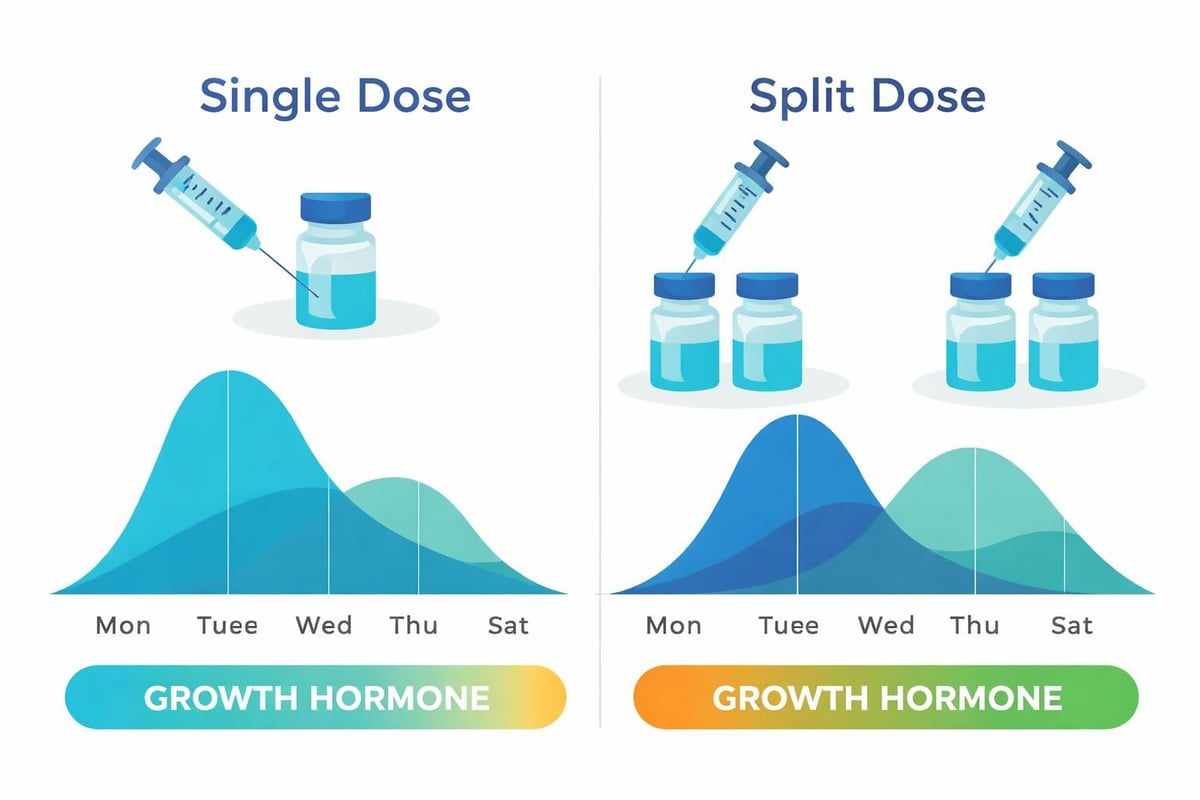
Research protocols typically employ doses ranging from 1-2 mg per week, divided into one or two administrations. The sustained release mechanism eliminates the need for daily injections, making compliance significantly easier.
Weekly protocol options:
- Single injection: 1-2 mg once weekly
- Split protocol: 0.5-1 mg twice weekly
- Conservative approach: 0.6-1 mg once weekly
- Advanced protocol: 2 mg once weekly (experienced users)
The dosing guidelines emphasize starting with conservative doses to assess individual tolerance and response. Subcutaneous administration in the abdominal region provides optimal absorption and consistent bioavailability.
Injection Technique and Timing
Subcutaneous injection remains the preferred route for cjc 1295 dac administration. Proper technique ensures optimal absorption while minimizing injection site reactions. Users should rotate injection sites to prevent lipohypertrophy or tissue irritation.
| Injection Site | Absorption Rate | Convenience | Recommended |
|---|---|---|---|
| Abdominal | Excellent | High | Yes |
| Thigh | Good | Moderate | Yes |
| Upper arm | Fair | Low | Conditional |
| Gluteal | Good | Low | Optional |
Timing considerations differ from non-DAC variants. Since the peptide maintains steady levels, specific timing around meals or training becomes less critical. Many protocols suggest evening administration to align with natural growth hormone secretion patterns, though this remains debatable given the sustained-release nature.
Cycle Duration and Recovery
Research protocols typically run 12-16 weeks for initial assessment, followed by evaluation periods. Unlike some peptides requiring daily administration, the convenience of weekly dosing makes longer cycles more practical.
Typical cycle structure:
- Initial phase: 4-6 weeks at conservative dose
- Assessment period: Evaluate response and adjust if needed
- Continuation: 8-12 additional weeks at optimal dose
- Recovery: 4-8 weeks off-cycle for receptor sensitivity
- Repeat: Based on goals and response
The extended half-life requires consideration when planning recovery periods. Complete clearance may take 2-3 weeks after final administration, meaning physiological effects persist beyond the last injection.
Comparing DAC Versus Non-DAC Variants
Understanding the differences between cjc 1295 dac and its non-DAC counterpart helps determine which variant best suits individual goals and preferences. The comparison information highlights distinct pharmacological profiles.
Pharmacokinetic Differences
The primary distinction lies in duration of action and administration frequency. Modified CJC without DAC requires multiple daily injections but offers more precise control over growth hormone pulses. The DAC variant provides sustained elevation with minimal intervention.
Key comparison points:
- Half-life: 6-8 days (DAC) versus 30 minutes (Non-DAC)
- Injection frequency: Weekly (DAC) versus 2-3x daily (Non-DAC)
- GH pattern: Sustained elevation (DAC) versus sharp pulses (Non-DAC)
- Convenience: High (DAC) versus Low (Non-DAC)
- Flexibility: Lower (DAC) versus Higher (Non-DAC)
Practical Considerations
For individuals seeking convenience and sustained benefits, cjc 1295 dac offers clear advantages. The reduced injection frequency improves compliance while maintaining consistent growth hormone stimulation. However, those who prefer controllable pulsatile release may favor the non-DAC variant combined with growth hormone-releasing peptides like BPC-157 for synergistic effects.
The detailed analysis notes that both variants demonstrate efficacy, with selection depending primarily on lifestyle factors and protocol preferences.
Safety Considerations and Side Effects
While generally well-tolerated in research settings, cjc 1295 dac may produce side effects related to elevated growth hormone levels. Understanding potential adverse reactions enables proactive management and informed decision-making.
Common Side Effects
Most reported side effects remain mild and transient, resolving as the body adapts to elevated growth hormone levels. The sustained release pattern may produce different side effect profiles compared to immediate-release peptides.
Reported reactions include:
- Injection site redness or swelling
- Transient water retention
- Mild joint discomfort (initial phase)
- Headaches or flushing
- Numbness or tingling sensations
- Fatigue during adaptation period
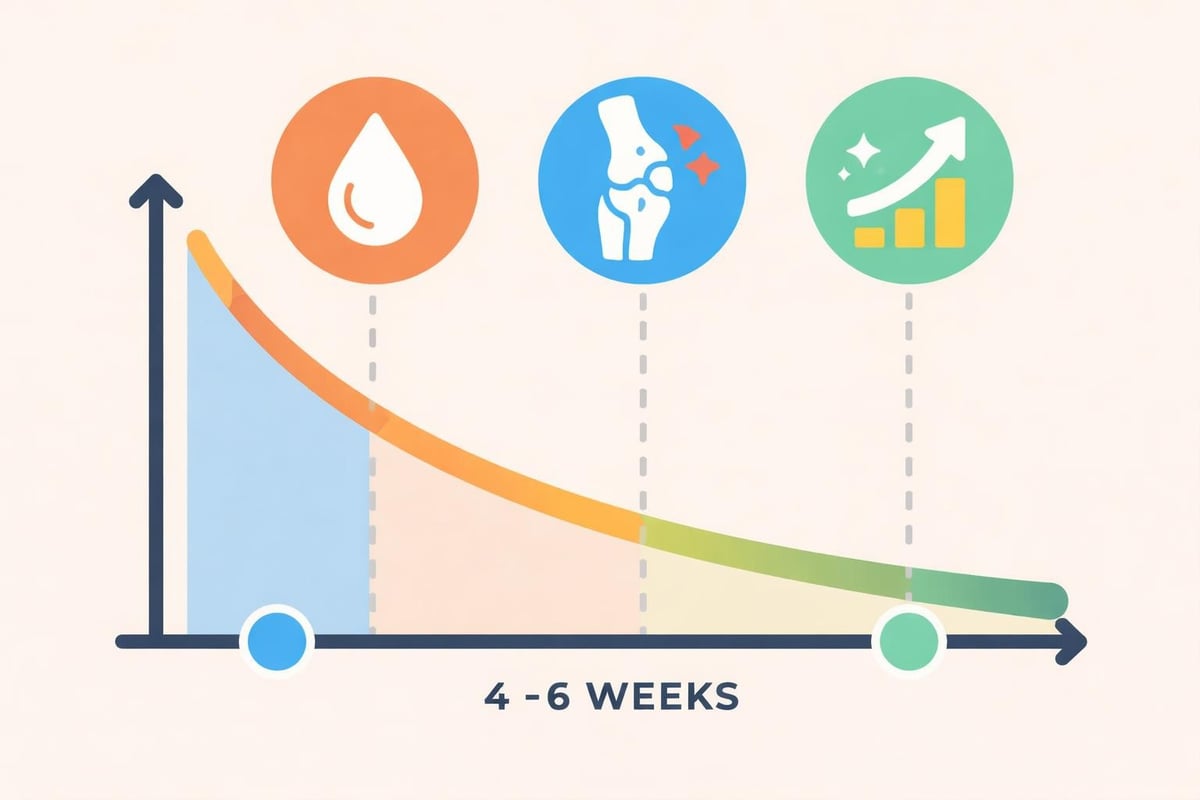
These effects typically diminish after 2-4 weeks as physiological adaptation occurs. Starting with conservative doses minimizes the likelihood of pronounced reactions.
Contraindications and Precautions
Certain populations should exercise caution or avoid cjc 1295 dac entirely. Active cancer, uncontrolled diabetes, and severe organ dysfunction represent contraindications to growth hormone manipulation. The safety information emphasizes the importance of medical supervision for individuals with pre-existing conditions.
Integration with Comprehensive Wellness Protocols
Maximizing the benefits of cjc 1295 dac requires integration within broader health optimization strategies. Peptide therapy functions most effectively when combined with proper nutrition, training, and recovery practices.
Nutritional Optimization
Growth hormone elevation increases metabolic demands and protein requirements. Adequate protein intake supports the anabolic effects of increased IGF-1 production, while proper micronutrient status ensures optimal hormone synthesis.
Nutritional priorities:
- Protein intake: 1.6-2.2g per kg body weight
- Healthy fats: 25-35% of total calories
- Complex carbohydrates: Timed around activity
- Micronutrient sufficiency: Zinc, magnesium, vitamin D
- Hydration: Increased needs due to metabolic elevation
Training Considerations
Resistance training and high-intensity exercise synergize with elevated growth hormone levels. The combination promotes superior muscle protein synthesis and body composition changes compared to peptide use alone.
Strategic program design includes progressive overload, adequate volume, and planned recovery periods. The enhanced recovery capacity from cjc 1295 dac may allow for increased training frequency or volume, though individual response varies.
Synergistic Peptide Combinations
Many protocols combine cjc 1295 dac with complementary peptides for enhanced effects. Popular combinations include growth hormone secretagogues or recovery-focused peptides like those available through specialized peptide suppliers.
Common stacks incorporate:
- GHRP-6 or GHRP-2 for enhanced pulsatile release
- Ipamorelin for additional growth hormone stimulation
- Recovery peptides for comprehensive tissue repair
- Metabolic peptides like semaglutide for body composition goals
Quality Standards and Sourcing Considerations
Peptide purity and quality directly impact efficacy and safety. The molecular composition of cjc 1295 dac requires precise synthesis and handling to maintain biological activity.
Purity Requirements
Research-grade peptides should demonstrate minimum 98% purity verified through high-performance liquid chromatography (HPLC) testing. Contamination or degradation products compromise both effectiveness and safety, making quality verification essential.
Quality indicators include:
- Third-party HPLC testing certificates
- Mass spectrometry verification
- Proper storage and handling protocols
- Sterile reconstitution supplies like injection syringes
- Clear chain of custody documentation
Storage and Handling
Proper storage preserves peptide integrity throughout its shelf life. Lyophilized cjc 1295 dac remains stable when stored at -20°C, while reconstituted solutions require refrigeration at 2-8°C. Exposure to heat, light, or contamination degrades the peptide and reduces efficacy.
Reconstitution should occur using bacteriostatic water with gentle mixing to prevent protein denaturation. Once reconstituted, solutions typically maintain potency for 30-60 days under proper refrigeration.
The sustained growth hormone elevation provided by cjc 1295 dac offers a convenient, effective approach to supporting body composition, recovery, and metabolic health. Understanding proper dosing protocols, quality standards, and integration strategies maximizes the potential benefits while minimizing adverse effects. For those seeking premium-quality peptides backed by rigorous purity testing and quality control standards, Soma Peptide provides research-grade compounds designed to support your wellness and performance goals with confidence.