Copper peptides represent one of the most extensively researched bioactive compounds in regenerative medicine and cosmetic science. These small protein fragments, when complexed with copper ions, demonstrate remarkable abilities to promote tissue repair, enhance collagen production, and combat visible signs of aging. Among copper-binding peptides, GHK-Cu (glycyl-L-histidyl-L-lysine copper complex) stands as the most studied and applied variant, with decades of clinical research supporting its effectiveness. Understanding the science behind cu peptide compounds helps both consumers and practitioners make informed decisions about incorporating these powerful molecules into health and wellness protocols.
Understanding the Molecular Structure of CU Peptide
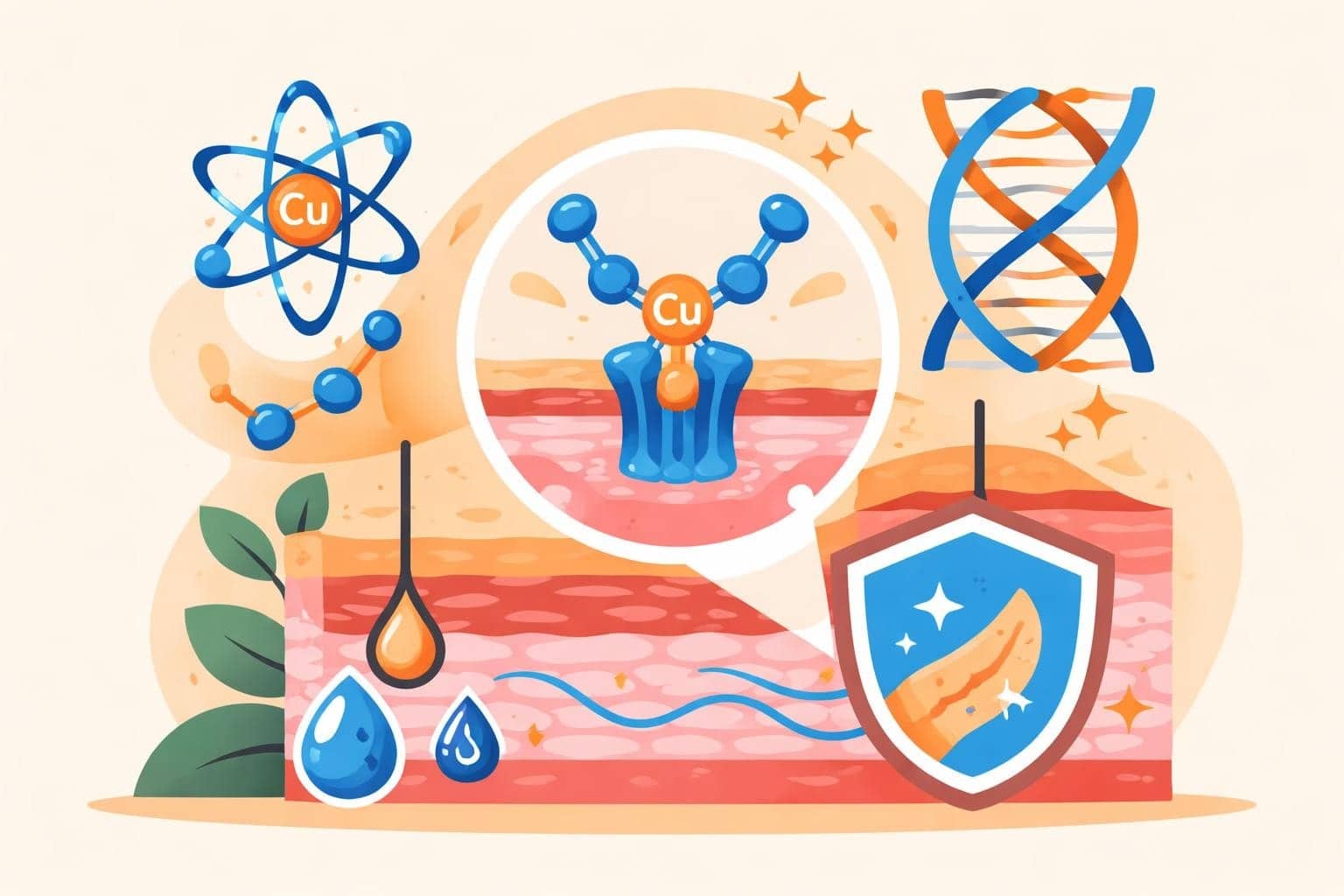
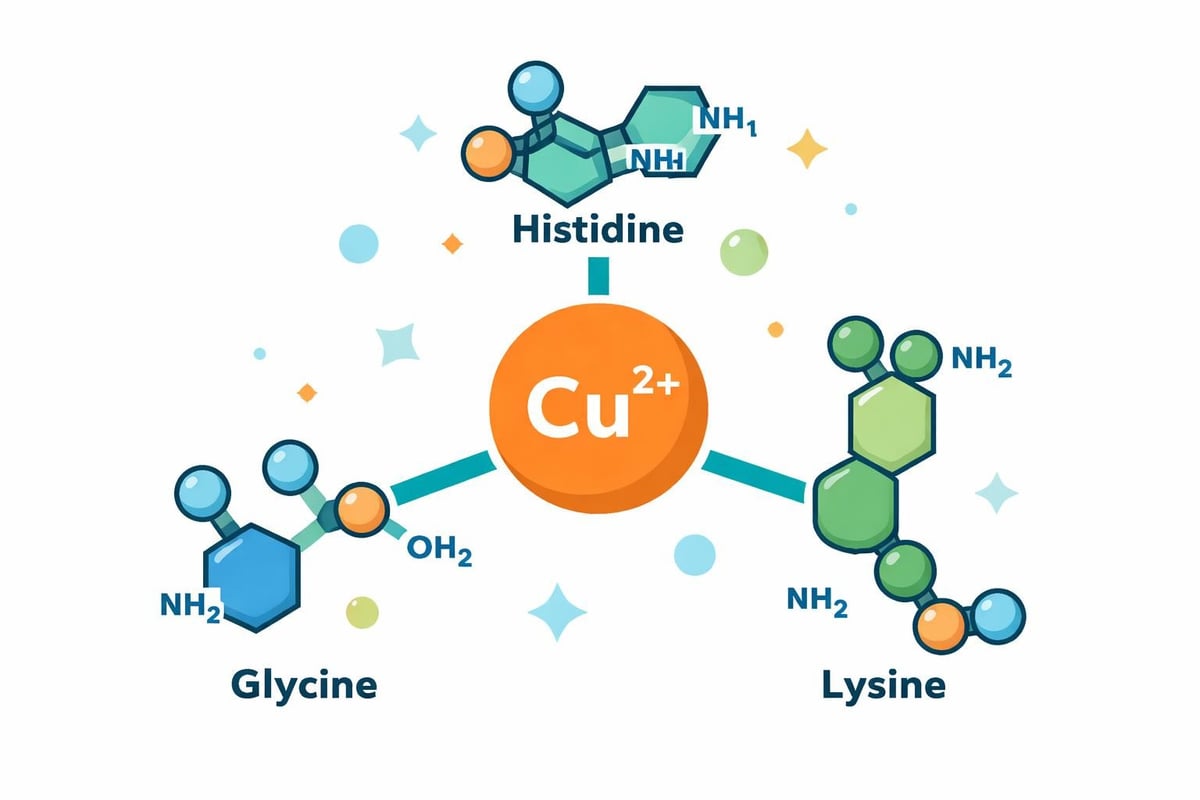
The fundamental chemistry of cu peptide revolves around the coordination between specific amino acid sequences and copper ions. GHK-Cu consists of a tripeptide sequence-glycine, histidine, and lysine-that forms a stable complex with copper(II) ions. This molecular arrangement creates a compound significantly more bioavailable than either the peptide or copper alone.
The copper ion sits at the center of the complex, coordinated by nitrogen atoms from the histidine residue and the terminal amino group. This specific binding configuration enables antimicrobial and medicinal applications through precise interactions with cellular receptors. The resulting complex maintains stability across various pH levels and demonstrates resistance to enzymatic degradation.
Chemical Properties and Stability
Cu peptide exhibits distinct chemical characteristics that influence its biological activity:
- Molecular weight: Approximately 340 Daltons for GHK-Cu
- Copper content: Roughly 20% by weight
- Solubility: Highly soluble in aqueous solutions
- pH stability: Maintains integrity between pH 5.5-7.5
- Temperature sensitivity: Requires storage below 25°C for optimal stability
The concentration of cu peptide in human plasma naturally decreases with age, dropping from approximately 200 ng/mL at age 20 to around 80 ng/mL by age 60. This decline correlates with reduced tissue regeneration capacity and visible aging markers.
Biological Mechanisms and Cellular Actions
The therapeutic potential of cu peptide stems from its multifaceted interactions with cellular processes. Unlike single-pathway compounds, GHK-Cu influences numerous biological systems simultaneously, creating synergistic benefits for tissue health and regeneration.
At the cellular level, cu peptide modulates gene expression patterns. Research demonstrates that this compound can influence over 4,000 genes, with approximately 31% being upregulated and 23% downregulated. These genetic changes promote tissue repair while suppressing inflammatory and fibrotic pathways.
Primary Mechanisms of Action
-
Collagen and elastin synthesis stimulation: Cu peptide activates fibroblasts to increase production of structural proteins essential for skin firmness and elasticity.
-
Angiogenesis promotion: The compound stimulates formation of new blood vessels, improving nutrient delivery to healing tissues.
-
Antioxidant activity: GHK-Cu functions as a copper-regulating agent, preventing free copper from generating harmful reactive oxygen species.
-
Metalloproteinase modulation: The peptide influences matrix metalloproteinases (MMPs) that break down damaged collagen while promoting synthesis of new, healthy tissue.
The interaction between cu peptide and cellular receptors triggers cascading signaling pathways. When GHK-Cu binds to specific integrin receptors on cell surfaces, it initiates processes that enhance cellular migration, proliferation, and differentiation-all critical for effective wound healing.
Applications in Skin Health and Anti-Aging
The cosmetic and dermatological applications of cu peptide have generated substantial clinical interest. Evidence-based reviews of GHK-Cu formulations demonstrate consistent benefits across multiple skin parameters, making it a cornerstone ingredient in professional skincare protocols.
Topical application of cu peptide produces measurable improvements in skin texture, firmness, and overall appearance. Clinical trials document reduction in fine lines and wrinkles, improvement in skin thickness, and enhanced clarity after 12 weeks of consistent use.
| Skin Parameter | Improvement After 12 Weeks | Measurement Method |
|---|---|---|
| Wrinkle depth | 18-27% reduction | Profilometry |
| Skin elasticity | 23-31% increase | Cutometry |
| Skin thickness | 14-20% increase | Ultrasound |
| Skin density | 16-22% increase | Optical coherence |
Wound Healing and Scar Reduction
Beyond cosmetic benefits, cu peptide demonstrates remarkable wound healing properties. The compound accelerates closure of acute wounds while improving the quality of scar tissue formation. In clinical studies, wounds treated with GHK-Cu showed:
- Faster epithelialization rates
- Reduced inflammation duration
- Improved collagen organization
- Decreased scar tissue formation
- Enhanced tensile strength of healed tissue
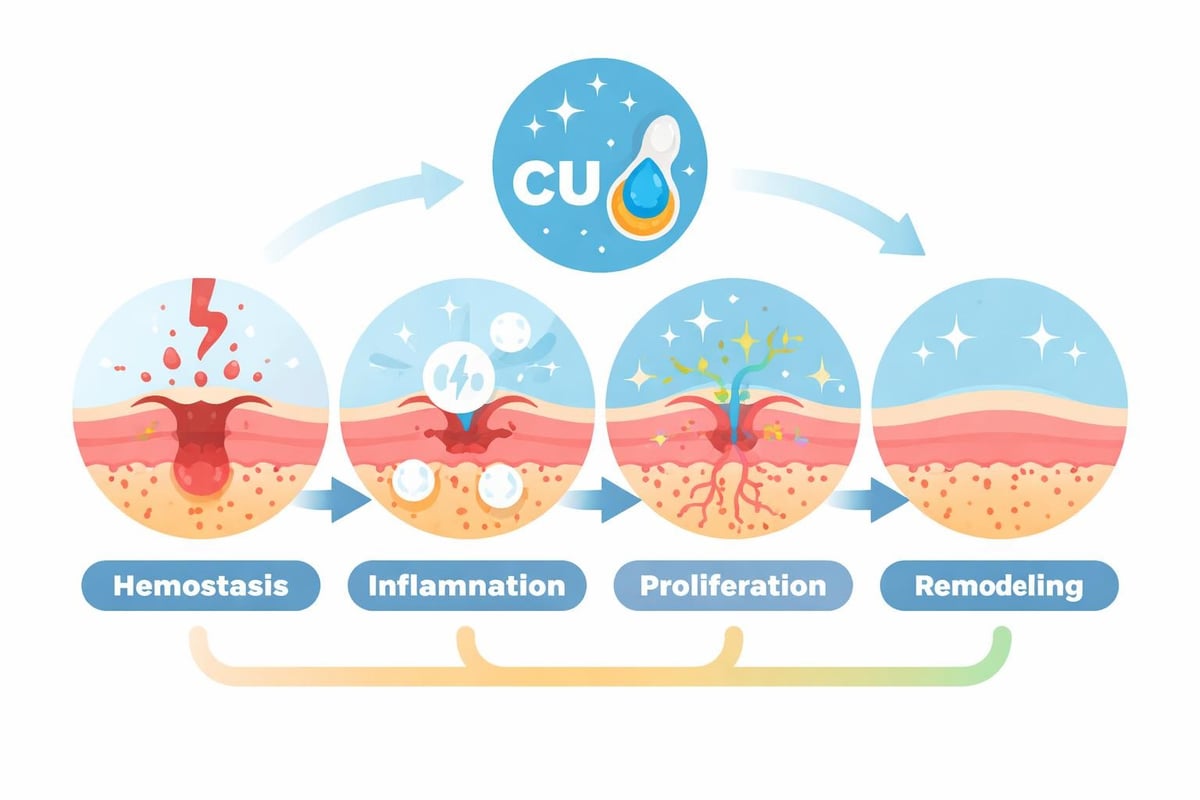
The mechanism involves cu peptide recruiting immune cells to the wound site, stimulating keratinocyte migration, and promoting organized collagen deposition rather than random scar tissue formation.
Neurological Research and Copper Interactions
Emerging research explores the relationship between copper-binding peptides and neurological function. While cu peptide like GHK-Cu shows promise in neuroprotection, understanding copper's role in peptide aggregation provides important context for neurological applications.
Studies examining how copper affects amyloid-beta peptide aggregation reveal complex interactions between metal ions and protein structures. These findings inform development of therapeutic strategies targeting neurodegenerative conditions where metal-peptide interactions play significant roles.
The neuroprotective potential of cu peptide extends to:
- Supporting nerve growth factor production
- Enhancing brain-derived neurotrophic factor expression
- Reducing oxidative stress in neural tissues
- Promoting myelin sheath repair
- Improving cognitive function markers in preliminary studies
Research into copper’s influence on peptide-peptide binding forces helps scientists understand both beneficial and potentially problematic metal-peptide interactions, guiding therapeutic development.
Quality Standards and Purity Considerations
The effectiveness of cu peptide depends critically on purity, proper formulation, and storage conditions. Contaminated or degraded peptides may produce reduced benefits or unexpected reactions.
Premium cu peptide should meet specific quality benchmarks:
- Purity level: Minimum 98% by HPLC analysis
- Copper content verification: Confirmed through atomic absorption spectroscopy
- Endotoxin testing: Less than 1.0 EU/mg
- Heavy metal screening: Below detection limits for lead, mercury, cadmium
- Sterility testing: For injectable formulations
- Certificate of Analysis: Documentation from independent laboratories
Soma Peptide's commitment to stringent quality control standards ensures customers receive peptides that meet pharmaceutical-grade specifications. Third-party testing validates both identity and purity of cu peptide products before distribution.
Storage and Handling Best Practices
Proper storage preserves cu peptide stability and effectiveness:
- Refrigeration: Store lyophilized powder at 2-8°C
- Protection from light: Use amber vials or opaque containers
- Moisture control: Keep desiccant packets with stored peptides
- Reconstitution: Use sterile bacteriostatic water for injectable forms
- Post-reconstitution storage: Refrigerate and use within 30 days
Dosage Protocols and Administration Methods
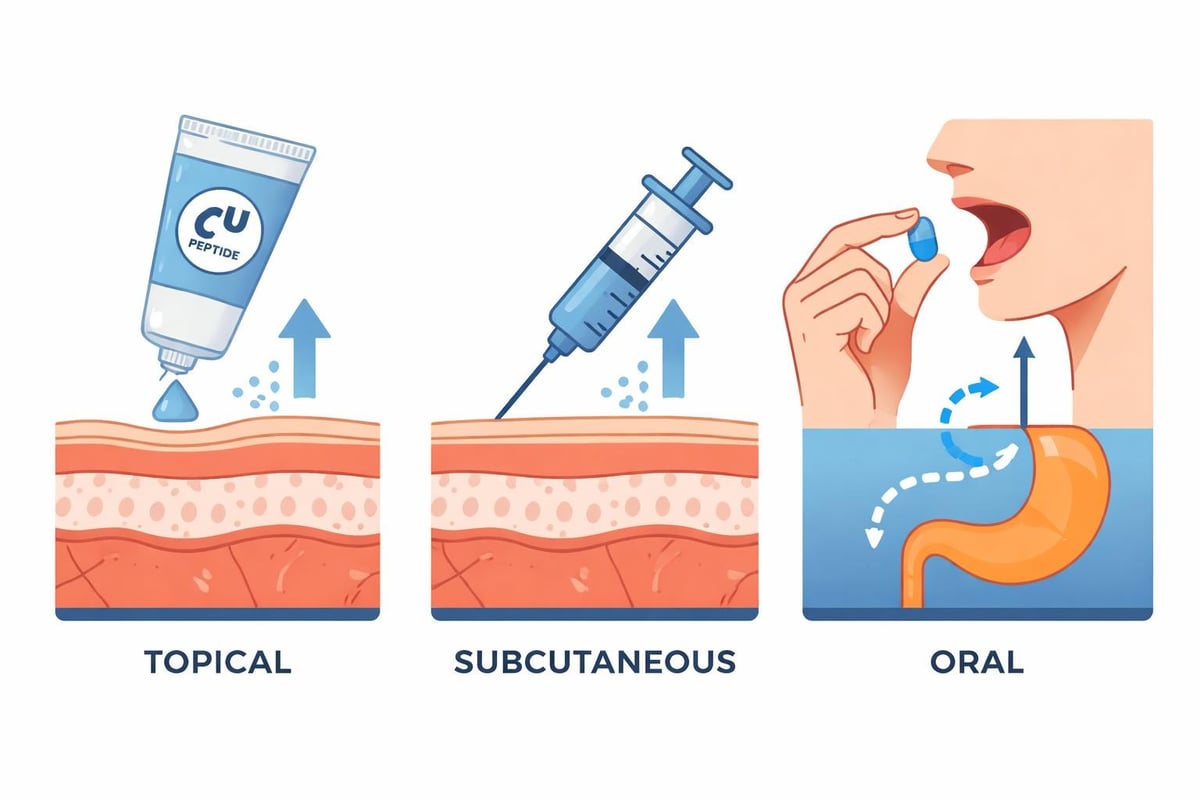
Cu peptide can be administered through various routes, each offering distinct advantages based on therapeutic goals. Understanding optimal dosing helps maximize benefits while maintaining safety.
Topical Application
For skincare and localized wound healing, topical cu peptide concentrations typically range from 0.05% to 3%:
- Low concentration (0.05-0.5%): Daily maintenance and sensitive skin
- Medium concentration (0.5-1%): Anti-aging protocols and general skin health
- High concentration (1-3%): Intensive treatment and professional applications
Apply topical formulations to clean, dry skin twice daily for optimal results. Combining cu peptide with other peptides like those available in Soma Peptide’s product catalog can create synergistic effects for comprehensive wellness support.
Injectable Administration
Subcutaneous injection of cu peptide follows different protocols:
| Application | Dosage Range | Frequency | Duration |
|---|---|---|---|
| General wellness | 1-2 mg | 3x weekly | 8-12 weeks |
| Intensive healing | 2-3 mg | Daily | 4-8 weeks |
| Maintenance | 1 mg | 2x weekly | Ongoing |
Injectable cu peptide requires proper reconstitution with bacteriostatic water and sterile injection techniques. Rotate injection sites to prevent tissue irritation.
Oral Supplementation
While less common, oral cu peptide supplements exist with dosages typically ranging from 1-5 mg daily. Bioavailability through oral routes remains lower than topical or injectable methods due to digestive breakdown.
Safety Profile and Contraindications
Cu peptide demonstrates an excellent safety record across decades of clinical use. Adverse reactions remain rare when using pharmaceutical-grade compounds at recommended dosages.
Common mild effects may include:
- Temporary tingling sensation at application sites
- Minor skin irritation in sensitive individuals
- Slight redness following topical application
- Mild injection site reactions (subcutaneous use)
These effects typically resolve within hours without intervention.
Contraindications and Precautions
Certain populations should exercise caution with cu peptide:
- Copper metabolism disorders: Individuals with Wilson's disease or copper toxicity conditions
- Pregnancy and lactation: Insufficient data on safety during these periods
- Active infections: May theoretically enhance microbial copper availability
- Malignancy concerns: Those with active cancer should consult oncologists, given peptides’ diverse roles in cancer biology
Anyone with medical conditions or taking medications should consult healthcare providers before starting cu peptide protocols. This precaution ensures compatibility with existing treatments and individual health status.
Integration with Other Peptide Therapies
Cu peptide functions effectively both independently and in combination with other bioactive peptides. Strategic combination protocols can address multiple health goals simultaneously.
Synergistic peptide combinations include:
For weight management: Cu peptide paired with metabolic peptides creates comprehensive body composition support. Understanding approaches like CJC-1295 for weight loss helps design effective multi-peptide protocols.
For recovery and healing: Combining cu peptide with tissue repair peptides accelerates post-injury or post-surgical healing while improving tissue quality.
For anti-aging: Stack GHK-Cu with collagen peptides and growth hormone secretagogues for comprehensive age management targeting multiple pathways.
When combining peptides, consider:
- Timing of administration to avoid interference
- Total injection volume for subcutaneous protocols
- Cumulative effects on specific pathways
- Individual response monitoring
For questions about combining cu peptide with other compounds, consult the Soma Peptide FAQ section for guidance specific to product offerings.
Future Directions in CU Peptide Research
Scientific exploration of cu peptide continues expanding into new therapeutic territories. Current research investigates applications beyond established uses in dermatology and wound care.
Promising research areas include:
- Bone health: Studies examining cu peptide effects on osteoblast activity and bone mineral density
- Hair growth: Investigation of copper peptides' influence on hair follicle stem cells and growth cycles
- Cardiovascular support: Research into vascular health and endothelial function
- Athletic performance: Studies on muscle recovery and connective tissue resilience
- Immune modulation: Exploration of cu peptide effects on immune system regulation
Advances in delivery systems aim to enhance cu peptide bioavailability and targeted delivery. Nanoparticle encapsulation, liposomal formulations, and sustained-release technologies represent active development areas that may significantly improve therapeutic outcomes.
The growing body of clinical evidence supports cu peptide as a versatile therapeutic agent with applications spanning dermatology, regenerative medicine, and potentially systemic health optimization. As research methodologies improve and longer-term studies complete, the full scope of cu peptide benefits continues emerging.
Cu peptide represents a scientifically validated approach to supporting skin health, wound healing, and tissue regeneration through multiple biological pathways. The compound's safety profile, combined with decades of research demonstrating effectiveness, positions it as a valuable tool in both cosmetic and therapeutic applications. Whether you're seeking to address visible aging signs, support recovery processes, or optimize overall tissue health, Soma Peptide provides pharmaceutical-grade peptides manufactured under strict quality control standards to ensure you receive compounds that meet the highest purity and efficacy requirements for your wellness journey.