



The pursuit of effective fat-loss solutions has driven peptide research into fascinating territory, with frag 176 191 emerging as one of the most studied compounds in metabolic optimization. This modified peptide fragment represents a targeted approach to fat reduction, derived from human growth hormone but designed to deliver specific benefits without the broader systemic effects associated with full HGH administration. Understanding how this peptide works, its research foundation, and practical considerations can help individuals make informed decisions about incorporating it into their wellness protocols.
What Is Frag 176 191 and How Does It Work
Frag 176 191 is a modified fragment of the C-terminal region of human growth hormone, specifically comprising amino acids 176 through 191. This synthetic peptide fragment was developed through deliberate molecular engineering to isolate the fat-reducing properties of HGH while minimizing other effects on insulin sensitivity and cellular growth.
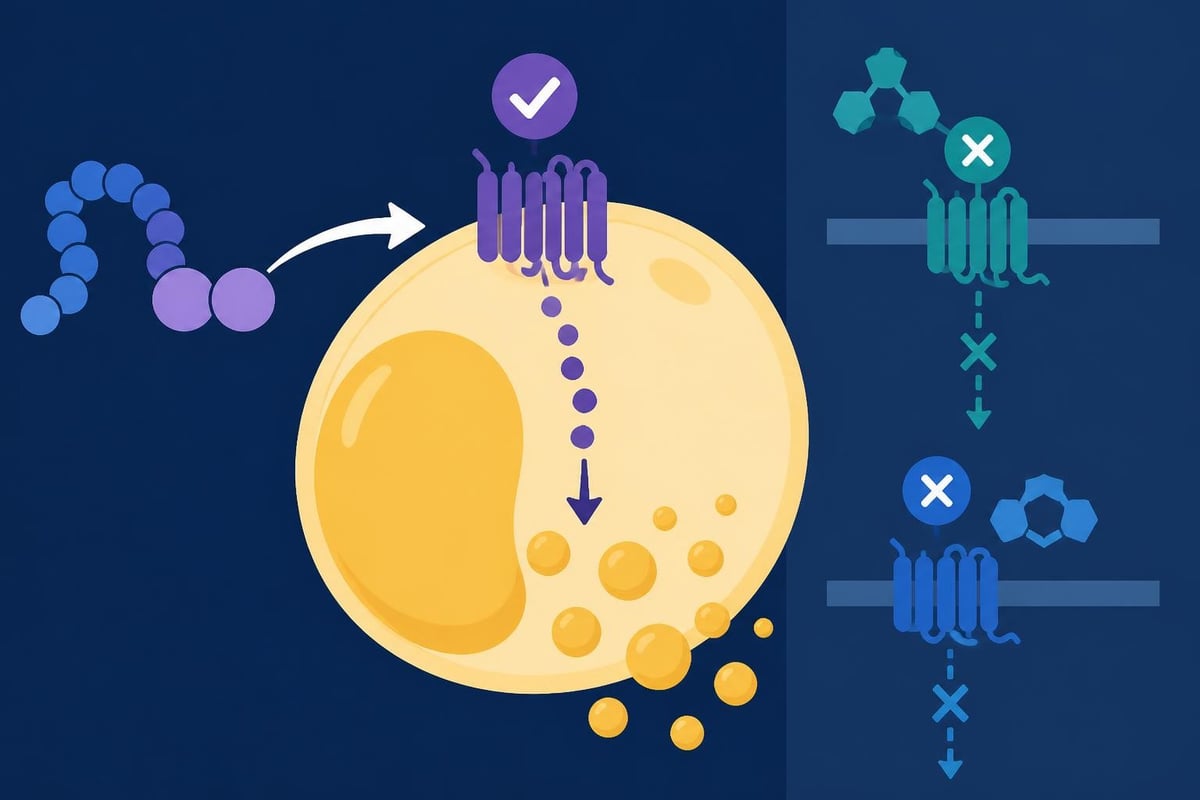
The peptide's mechanism centers on its interaction with beta-3 adrenergic receptors found on adipose tissue. By binding to these receptors, frag 176 191 stimulates lipolysis, the breakdown of stored triglycerides into free fatty acids that can be used for energy. This targeted action makes it particularly interesting for those focused on body composition optimization.
Structural Differences from Full Growth Hormone
Unlike complete human growth hormone molecules, this fragment lacks the binding sites responsible for glucose metabolism interference. The molecular modifications mean it doesn't activate insulin-like growth factor 1 (IGF-1) production or influence blood sugar regulation in the same way full HGH does.
Key structural characteristics include:
- Molecular weight: Approximately 1,815 Da
- Amino acid sequence: 16 specific amino acids from the HGH C-terminus
- Stability: Enhanced resistance to enzymatic degradation
- Receptor selectivity: Preferential binding to fat tissue receptors
Research indicates the peptide maintains approximately 12.5 times the fat-burning potency of standard HGH while avoiding the hyperglycemic effects that can occur with full hormone administration.
Research Findings and Clinical Evidence
Scientific investigation into frag 176 191 has produced compelling data regarding its effects on adipose tissue metabolism. Laboratory studies have consistently demonstrated the peptide's ability to promote fat oxidation, particularly in areas with stubborn fat deposits resistant to diet and exercise interventions.
Animal model research published in various metabolic journals has shown significant reductions in body fat percentage without corresponding decreases in lean muscle mass. These findings suggest a selective action on adipocytes rather than a generalized catabolic effect across all tissue types.
Fat Reduction Mechanisms
The peptide operates through multiple complementary pathways to enhance fat metabolism. It increases the rate at which adipocytes release stored lipids, enhances mitochondrial fat oxidation, and may suppress lipogenesis, the formation of new fat cells from excess calories.
| Metabolic Effect | Mechanism | Research Support |
|---|---|---|
| Lipolysis Enhancement | Beta-3 receptor activation | Strong laboratory evidence |
| Fat Oxidation | Mitochondrial pathway upregulation | Multiple animal studies |
| Lipogenesis Inhibition | Reduced triglyceride synthesis | Preliminary findings |
| Lean Mass Preservation | No IGF-1 suppression | Comparative trials |
Clinical observations suggest the peptide may be particularly effective when combined with proper nutrition and regular physical activity. The research profile indicates synergistic effects when metabolic conditions favor fat utilization over storage.
Comparative Effectiveness Studies
When evaluated alongside other peptides targeting fat loss, frag 176 191 demonstrates unique advantages in selectivity and safety profile. Unlike compounds that broadly stimulate metabolism or appetite suppression, this fragment specifically targets adipose tissue without significantly affecting other endocrine systems.
Research comparing frag 176 191 to full growth hormone administration found comparable fat-loss effects at substantially lower doses, with reduced side effect profiles. This efficiency stems from the peptide's targeted mechanism rather than systemic metabolic acceleration.
Optimal Protocols and Administration Guidelines
Implementing frag 176 191 effectively requires attention to dosing schedules, timing, and complementary lifestyle factors. Research-based protocols typically involve subcutaneous injection, which provides reliable absorption and bioavailability compared to oral administration, which would result in peptide degradation in the digestive system.
Standard research protocols have explored dosing ranges between 250 micrograms and 1000 micrograms per administration, typically divided into one or two daily doses. The dosing guidelines from various research institutions suggest starting at lower ranges and adjusting based on individual response and goals.
Timing Considerations for Maximum Effectiveness
Strategic timing relative to meals and exercise can significantly influence outcomes. Many protocols recommend administration during fasting states when insulin levels are low, as elevated insulin can interfere with the lipolytic signaling the peptide promotes.
Effective timing strategies include:
- Morning administration: 30-45 minutes before breakfast or morning cardio
- Pre-workout dosing: 20-30 minutes before training sessions
- Evening protocol: At least 2 hours after last meal before bed
- Split dosing: Dividing daily amount into morning and pre-bed administrations
Research suggests maintaining consistent administration times helps establish predictable metabolic patterns that optimize fat mobilization throughout the day.

Integration with Comprehensive Body Composition Strategies
While frag 176 191 shows promise as a metabolic tool, it functions most effectively within a broader approach to health and body composition. The peptide should be viewed as one component of a comprehensive strategy that includes proper nutrition, regular exercise, adequate recovery, and stress management.
Nutritional considerations play a crucial role in maximizing peptide effectiveness. Maintaining a moderate caloric deficit, ensuring adequate protein intake for muscle preservation, and timing nutrient consumption around administration windows can enhance results. The metabolic support offered by frag 176 191 complements these foundational practices rather than replacing them.
For individuals dealing with persistent body composition challenges despite consistent training and nutrition efforts, professional guidance can make a significant difference. Facilities like Ignite Chiropractic and Wellness offer comprehensive wellness-based care that addresses multiple factors influencing metabolic health, helping create the optimal physiological environment for peptide protocols to work effectively.
Exercise Synergies and Recovery Protocols
Combining frag 176 191 with strategic exercise programming appears to amplify fat-loss outcomes. Resistance training preserves lean muscle mass while the peptide preferentially targets adipose tissue, creating favorable changes in body composition ratios rather than simple weight reduction.
Cardiovascular exercise, particularly in fasted states following peptide administration, may enhance fat oxidation by creating conditions where the body must rely on freed fatty acids for fuel. However, recovery remains equally important, as chronic overtraining can elevate cortisol and interfere with optimal fat metabolism.
Some individuals integrate additional recovery modalities to support their protocols. Advanced therapies available at centers like Mountain Health and Performance include class 4 laser therapy and whole body red light therapy, which may complement peptide-based approaches by reducing inflammation and supporting tissue health during body composition transformation phases.
Safety Profile and Potential Side Effects
The targeted nature of frag 176 191 contributes to a generally favorable safety profile in research settings. By avoiding the insulin and IGF-1 pathways affected by full growth hormone, the peptide sidesteps many concerns associated with broader HGH use. However, understanding potential effects remains important for informed decision-making.
Commonly reported experiences in research subjects include:
- Mild injection site reactions (redness, slight swelling)
- Temporary headaches, particularly during initial use
- Occasional feelings of lethargy or fatigue
- Minor sleep disturbances in some individuals
These effects typically diminish with continued use as the body adapts to the peptide. The safety considerations documented across multiple research sources indicate that serious adverse events remain rare when proper protocols are followed.
Contraindications and Precautions
Certain populations should exercise additional caution or avoid frag 176 191 entirely. Individuals with active cancer, severe diabetes, or critical medical conditions should consult healthcare providers before considering peptide protocols. Pregnant or nursing women should avoid use due to insufficient safety data in these populations.
| Population | Recommendation | Reason |
|---|---|---|
| Healthy Adults | Generally appropriate with guidance | Standard research demographics |
| Diabetics | Requires medical oversight | Potential metabolic interactions |
| Pregnant/Nursing | Avoid use | Insufficient safety data |
| Cancer Patients | Avoid use | Growth factor concerns |
| Adolescents | Avoid use | Developing endocrine systems |
Quality sourcing becomes paramount for safety, as peptide purity and composition directly impact both effectiveness and risk profile. Third-party testing, proper storage, and verified supplier credentials help ensure the peptide being administered matches expected specifications.
Advanced Considerations for Long-Term Use
Extended protocols involving frag 176 191 raise additional considerations beyond short-term implementation. Research examining prolonged use suggests benefits may plateau after certain timeframes, prompting some protocols to incorporate cycling strategies with periods of active use followed by breaks.
Cycling approaches serve multiple purposes: they may help maintain receptor sensitivity, allow assessment of maintained results without peptide support, and provide metabolic rest periods. Common cycling patterns range from 8-12 weeks of use followed by 4-6 week breaks, though optimal timing varies based on individual response and goals.
Monitoring and Assessment Metrics
Tracking progress provides valuable feedback for protocol adjustments. Beyond simple scale weight, comprehensive assessment should include:
- Body composition analysis: DEXA scans, bioelectrical impedance, or skinfold measurements
- Circumference measurements: Waist, hips, thighs, and other target areas
- Progress photography: Consistent lighting and positioning for visual comparison
- Performance markers: Strength levels, endurance capacity, recovery speed
- Metabolic indicators: Fasting glucose, lipid panels, hormone levels
Regular monitoring helps distinguish between actual fat loss and temporary water weight fluctuations. The research evidence suggests meaningful fat reduction typically becomes measurable after 4-6 weeks of consistent use combined with appropriate nutrition and training.

Combination Strategies with Complementary Peptides
Many advanced protocols explore synergistic combinations of frag 176 191 with other peptides targeting complementary pathways. While the fragment specifically addresses fat metabolism, other compounds may enhance muscle preservation, improve recovery, or support overall metabolic health during caloric restriction phases.
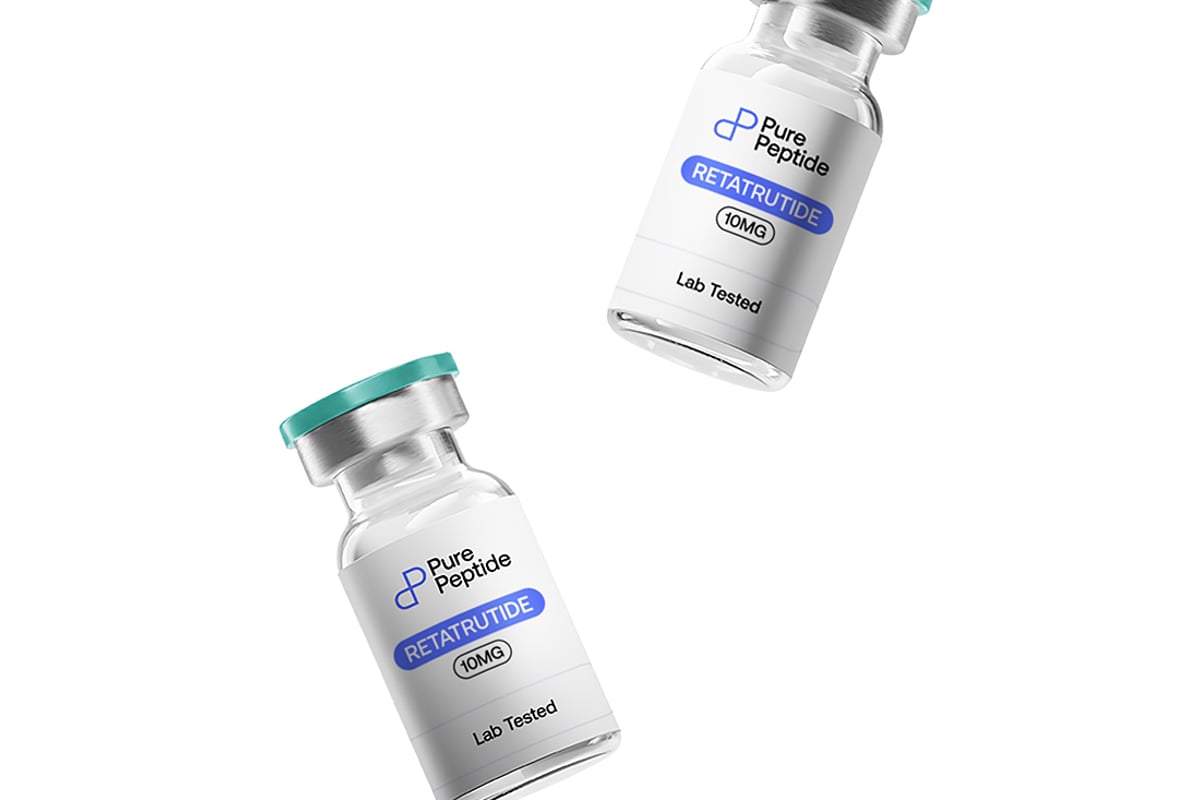
One particularly relevant combination involves pairing frag 176 191 with peptides that support metabolic efficiency at the cellular level. Retatrutide, for instance, represents a next-generation metabolic peptide classified as a triple agonist because it activates GLP-1, GIP, and GCGR receptors. By engaging this broader range of receptors, Retatrutide has demonstrated greater potential for reducing body fat mass compared to earlier single or dual-agonist therapies. When strategic timing separates different peptide administrations, individuals may experience enhanced overall results from addressing multiple metabolic pathways simultaneously.
Stacking Considerations and Timing Separations
Combining multiple peptides requires careful attention to administration timing, receptor dynamics, and potential interactions. Some protocols suggest spacing different peptide injections by several hours to avoid receptor competition or interference with distinct signaling pathways.
Common combination frameworks include:
- Fat loss stack: Frag 176 191 with metabolic support peptides
- Body recomposition stack: Fragment plus muscle-preserving compounds
- Recovery-focused approach: Fat-loss peptides alongside healing and repair factors
- Comprehensive optimization: Multiple peptides targeting metabolism, recovery, and cellular health
The mechanism of action for each compound should be understood before combination use to ensure complementary rather than conflicting effects. Professional guidance becomes particularly valuable when designing multi-peptide protocols.
Nutritional Optimization for Enhanced Results
Dietary strategies significantly influence frag 176 191 effectiveness. The peptide creates metabolic conditions favoring fat utilization, but nutritional choices determine whether freed fatty acids are actually oxidized for energy or potentially re-stored.
Maintaining adequate protein intake proves particularly important, typically 0.8-1.2 grams per pound of bodyweight for individuals engaged in resistance training. This supports muscle preservation while the peptide preferentially targets fat stores. Strategic carbohydrate timing around training sessions can support performance while maintaining the metabolic environment that allows the peptide to work optimally.
Macronutrient Distribution Strategies
Different macronutrient approaches may complement frag 176 191 protocols depending on individual metabolic characteristics and preferences:
| Approach | Protein | Carbohydrates | Fats | Best For |
|---|---|---|---|---|
| Moderate | 30-35% | 35-40% | 25-35% | Balanced energy needs |
| Lower-Carb | 35-40% | 20-30% | 35-45% | Insulin-sensitive individuals |
| Carb-Cycling | 30-40% | Varies by day | Varies by day | Training-focused protocols |
| Higher-Protein | 40-45% | 25-30% | 25-30% | Aggressive fat loss phases |
Meal frequency and timing windows interact with peptide administration schedules. Some individuals achieve better results with intermittent fasting approaches that extend the low-insulin periods when frag 176 191 works most effectively, while others prefer more frequent smaller meals to manage hunger and energy levels throughout the day.
Real-World Implementation Challenges and Solutions
Transitioning from theoretical understanding to practical application often reveals obstacles not immediately apparent in research literature. Common challenges include managing injection consistency, navigating social situations while maintaining protocol adherence, and addressing psychological aspects of body composition change.
Injection anxiety represents a barrier for some individuals new to peptide protocols. Starting with smaller needles, proper technique education, and rotating injection sites can minimize discomfort. Many users report that initial apprehension quickly diminishes as the process becomes routine and results begin manifesting.
Maintaining Consistency During Travel and Schedule Disruptions
Modern lifestyles often involve irregular schedules, travel, and varying daily demands that can complicate consistent peptide administration. Successful long-term implementation requires developing systems that accommodate these realities rather than requiring perfect conditions.
Practical solutions include:
- Portable cooling solutions: Insulated bags with ice packs for peptide storage during travel
- Discrete injection kits: Compact, organized supplies for administration anywhere
- Timing flexibility: Understanding which aspects of protocols are rigid versus adaptable
- Preparation strategies: Pre-loading syringes when appropriate and safe to do so
- Backup plans: Alternative timing options when preferred windows aren't available
The comprehensive overview provided by various research resources emphasizes that consistency matters more than perfection. Missing occasional doses or adjusting timing based on life circumstances typically has minimal impact compared to abandoning protocols entirely due to unrealistic expectations.
Quality Assessment and Sourcing Considerations
The effectiveness and safety of any peptide protocol depends fundamentally on product quality. Frag 176 191, like all research peptides, requires proper synthesis, purification, and handling to maintain molecular integrity and deliver expected effects.
Third-party testing certificates of analysis should verify peptide purity, typically expected at 98% or higher for research-grade compounds. These documents confirm the actual amino acid sequence matches specifications, identify potential contaminants, and validate proper storage conditions have been maintained throughout the supply chain.
Reconstitution and Storage Best Practices
Proper preparation and storage directly impact peptide viability and effectiveness:
- Reconstitution media: Bacteriostatic water prevents microbial growth in multi-dose vials
- Mixing technique: Gentle swirling rather than vigorous shaking preserves molecular structure
- Storage temperature: Refrigeration at 2-8°C (36-46°F) for reconstituted peptides
- Freeze protection: Avoid freezing reconstituted solutions, which can damage peptide bonds
- Light exposure: Minimize UV and bright light exposure, which can degrade sensitive molecules
Lyophilized (freeze-dried) peptides in unopened vials remain stable for extended periods when stored properly, while reconstituted solutions typically maintain potency for 30-60 days under refrigeration. Dating vials upon reconstitution helps track freshness and ensures use within optimal timeframes.
Integration with Comprehensive Wellness Programs
Frag 176 191 represents one tool within broader health optimization frameworks. The most successful outcomes typically occur when peptide protocols complement rather than substitute for fundamental wellness practices including stress management, sleep optimization, and regular medical monitoring.
Sleep quality particularly influences fat metabolism and body composition outcomes. The growth hormone release that occurs during deep sleep stages creates natural metabolic conditions that may work synergistically with frag 176 191 administration. Prioritizing 7-9 hours of quality sleep, maintaining consistent sleep-wake schedules, and creating optimal sleep environments supports peptide effectiveness.
Stress management also plays a crucial role, as chronic elevated cortisol can interfere with fat metabolism and promote abdominal fat storage regardless of other interventions. Incorporating stress-reduction practices such as meditation, adequate recovery between training sessions, and lifestyle balance creates the physiological environment where fat-loss peptides can function optimally.
Regular health monitoring through comprehensive lab work allows assessment of how peptide protocols affect various biomarkers. Baseline testing before protocol initiation, followed by periodic reassessment, helps identify any unintended effects and confirms that metabolic markers remain within healthy ranges throughout implementation.
Realistic Expectations and Timeline Considerations
Understanding realistic outcomes helps maintain motivation and appropriate protocol adjustments. While frag 176 191 demonstrates fat-reducing properties in research settings, individual results vary based on genetics, starting body composition, adherence quality, and numerous other factors.
Research suggests noticeable body composition changes typically require 4-8 weeks of consistent use combined with appropriate nutrition and training. Early changes may include reduced water retention and slight increases in definition, followed by more substantial fat reduction in subsequent weeks. The research findings indicate that patient, consistent implementation yields superior long-term results compared to aggressive short-term approaches.
Setting process-oriented goals rather than focusing exclusively on outcome measures helps maintain sustainable progress. Tracking adherence to injection schedules, nutrition targets, training consistency, and recovery practices provides controllable focal points that ultimately drive the body composition changes individuals seek.
Individual Variability and Response Factors
Multiple factors influence how individuals respond to frag 176 191 protocols:
- Starting body composition: Those with higher body fat percentages may see different response patterns than lean individuals
- Metabolic health: Insulin sensitivity, thyroid function, and hormonal balance affect outcomes
- Training status: Experienced athletes versus beginners may require different complementary approaches
- Age factors: Metabolic rate and hormone production naturally decline with age, influencing peptide effectiveness
- Genetic variables: Individual genetic polymorphisms affect receptor sensitivity and metabolic pathways
Recognizing this variability helps frame realistic expectations and emphasizes the importance of individualized protocols rather than assuming universal responses to standardized approaches.
Frag 176 191 represents a targeted approach to fat metabolism that continues generating research interest and practical application across the wellness community. When implemented within comprehensive body composition strategies that include proper nutrition, strategic training, and recovery optimization, this peptide fragment offers a scientifically-grounded tool for individuals pursuing specific physique goals. For those seeking premium quality peptides manufactured under stringent purity standards and advanced purification methods, Soma Peptide provides research-grade compounds designed to support weight loss, body composition optimization, and metabolic health goals with the reliability and consistency serious practitioners demand.