


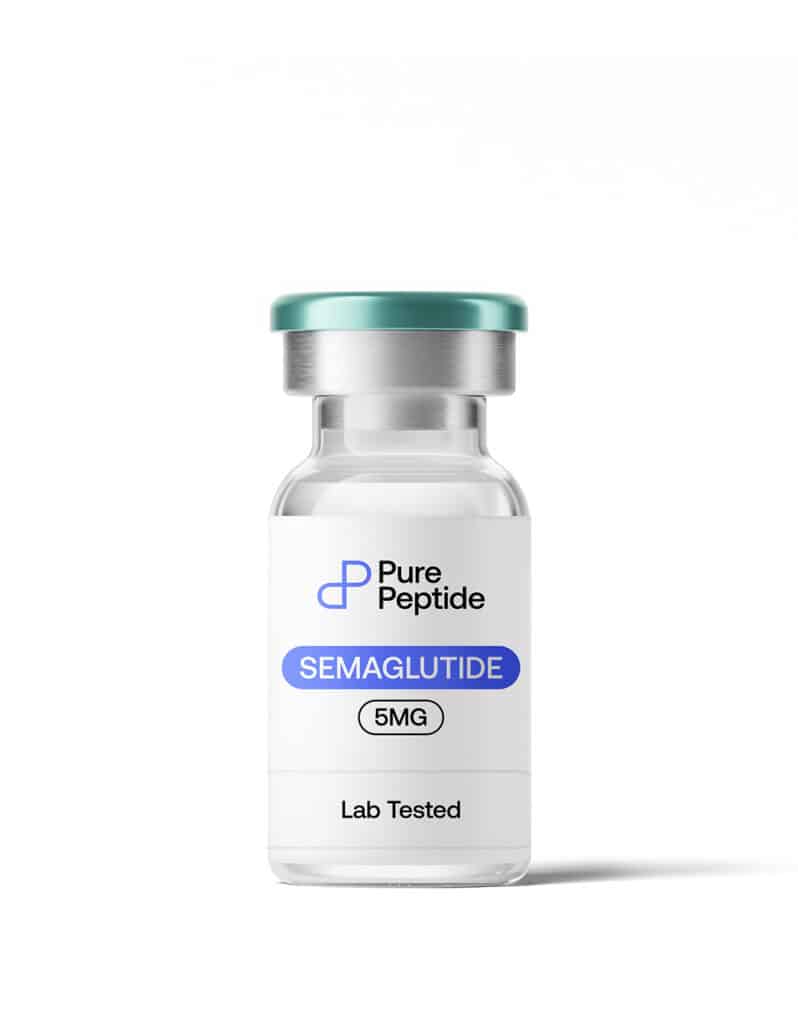
The growing interest in metabolic health optimization has driven significant attention toward glucagon-like peptide-1 (GLP-1) receptor agonists. As researchers and health professionals explore therapeutic applications, the demand for glp 1 peptide for sale has increased substantially. Understanding the science behind these peptides, quality standards, and proper sourcing becomes essential for anyone considering their use in research or clinical applications. This comprehensive guide examines what makes premium GLP-1 peptides stand out and how to evaluate suppliers in this rapidly evolving market.
Understanding GLP-1 Peptides and Their Mechanisms
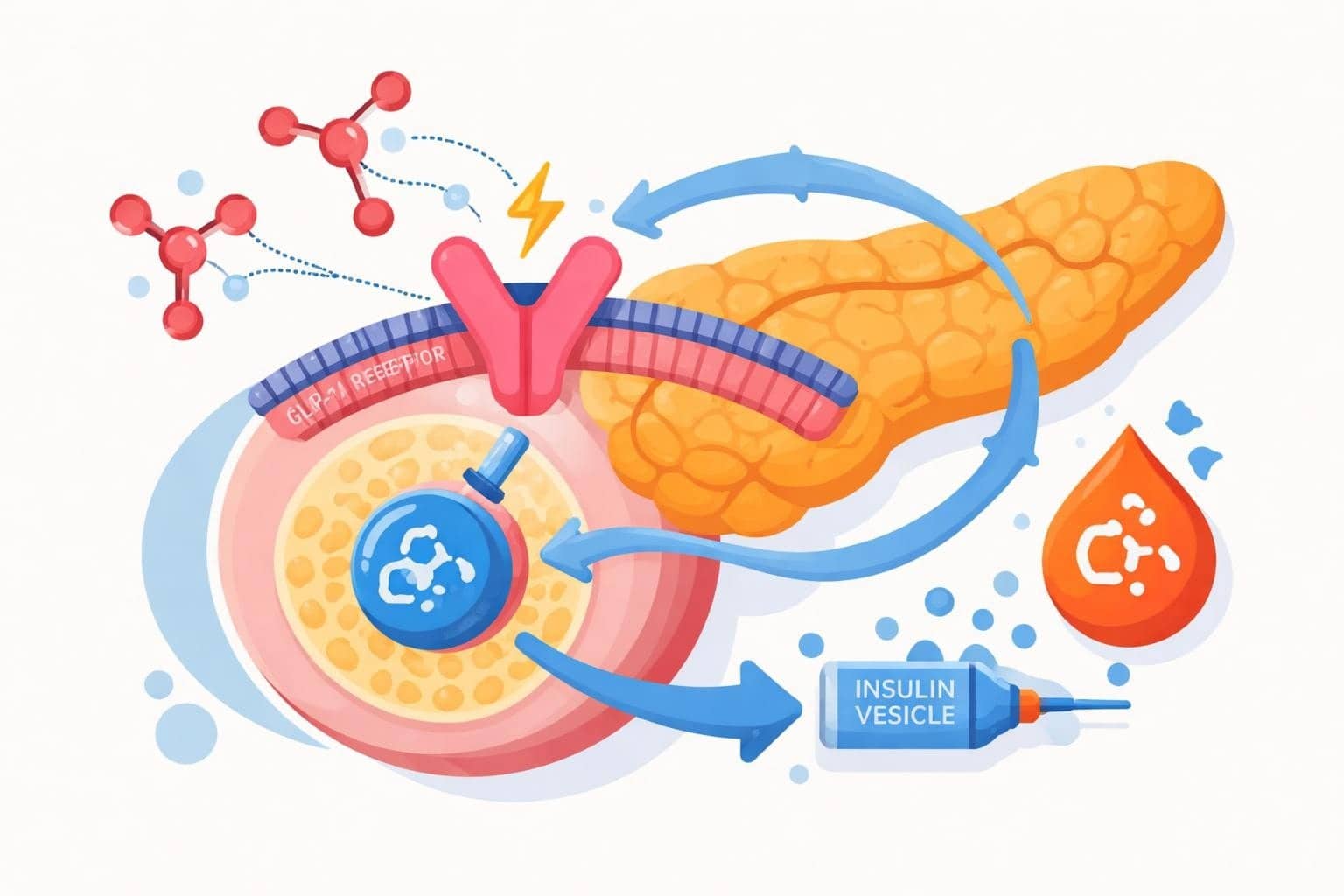
GLP-1 peptides belong to the incretin hormone family, naturally produced in the intestinal L-cells following nutrient intake. These bioactive molecules play a crucial role in glucose homeostasis by stimulating insulin secretion in a glucose-dependent manner.
The therapeutic potential of GLP-1 receptor agonists extends beyond glycemic control. Research has documented significant cardiovascular benefits in patients with type 2 diabetes, making these peptides valuable in comprehensive metabolic health strategies. The mechanism involves binding to GLP-1 receptors on pancreatic beta cells, which triggers a cascade of intracellular events leading to enhanced insulin synthesis and secretion.
Biological Activity and Receptor Interactions
When evaluating glp 1 peptide for sale, understanding receptor pharmacology becomes paramount. Native GLP-1 has a short half-life of approximately two minutes due to rapid degradation by dipeptidyl peptidase-4 (DPP-4). Modified synthetic analogs resist enzymatic breakdown, extending their biological activity from hours to days.
Key characteristics include:
- Receptor specificity: High affinity for GLP-1 receptors distributed throughout the body
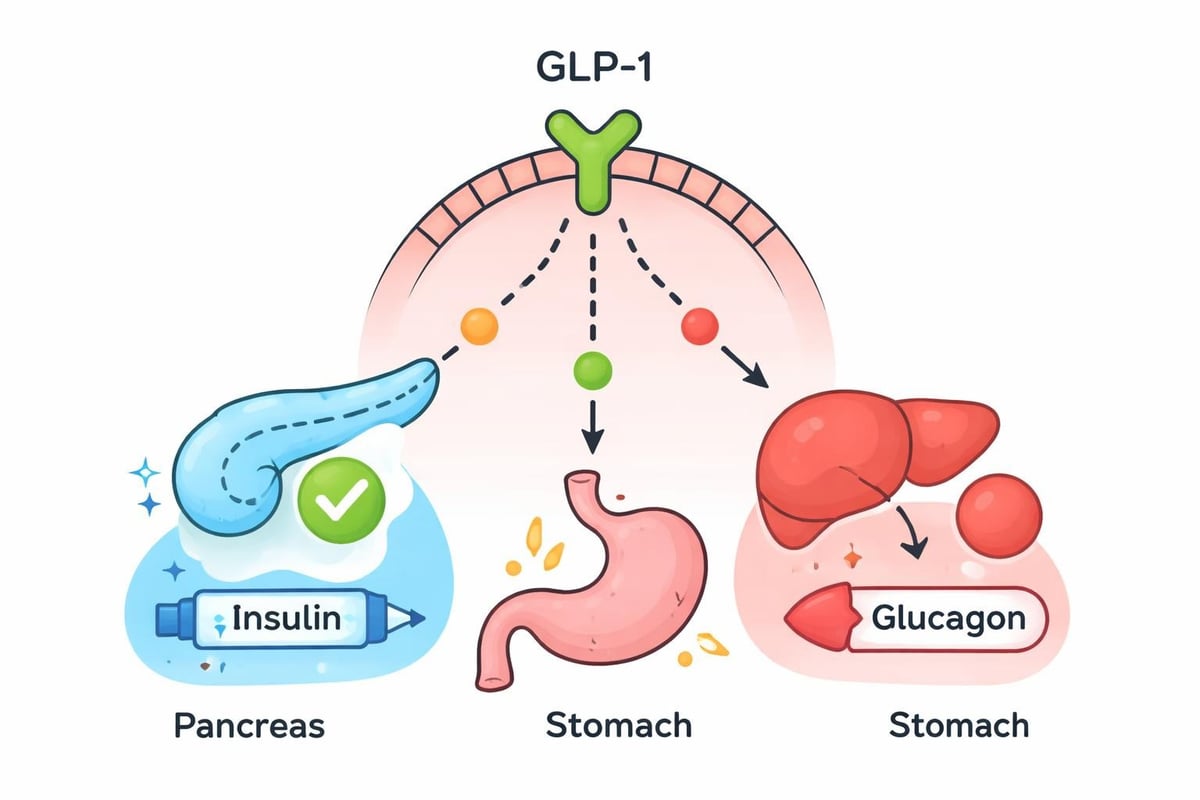
- Insulinotropic effects: Glucose-dependent insulin secretion without hypoglycemia risk
- Glucagon suppression: Reduced hepatic glucose output during elevated blood glucose
- Gastric emptying delay: Prolonged satiety and reduced appetite signals
The molecular structure variations among different GLP-1 analogs determine their pharmacokinetic profiles, potency, and duration of action. These differences significantly impact clinical applications and research protocols.
Quality Standards for Premium GLP-1 Peptides
Sourcing glp 1 peptide for sale requires rigorous evaluation of purity standards and manufacturing processes. The peptide synthesis industry has established benchmarks that separate pharmaceutical-grade products from lower-quality alternatives.
Purity Assessment Methods
Premium peptide suppliers employ multiple analytical techniques to verify product quality:
| Analysis Method | Purpose | Industry Standard |
|---|---|---|
| HPLC (High-Performance Liquid Chromatography) | Purity verification | ≥98% purity |
| Mass Spectrometry | Molecular weight confirmation | ±0.1% accuracy |
| Amino Acid Analysis | Sequence verification | Complete profile |
| Endotoxin Testing | Bacterial contamination | <1 EU/mg |
| Sterility Testing | Microbial detection | Zero growth |
Advanced purification methods, including reverse-phase chromatography and lyophilization, ensure peptides maintain structural integrity. Soma Peptide implements these stringent quality control measures across their weight loss peptide offerings, providing researchers with reliable materials for their investigations.
Manufacturing Process Considerations
The synthesis pathway significantly influences peptide quality. Solid-phase peptide synthesis (SPPS) remains the preferred method for producing GLP-1 analogs, offering precise control over sequence assembly and modification sites.
Critical manufacturing factors include:
- Raw material sourcing: Pharmaceutical-grade amino acids and coupling reagents
- Synthesis environment: Climate-controlled, contamination-free facilities
- Purification cycles: Multiple rounds to eliminate truncated sequences
- Stability testing: Accelerated aging studies under various conditions
- Certificate of Analysis: Comprehensive documentation for each batch
When searching for glp 1 peptide for sale, requesting detailed CoA documentation helps verify manufacturer credibility and product authenticity.
Clinical Applications and Research Directions
The therapeutic landscape for GLP-1 receptor agonists continues expanding beyond traditional metabolic applications. Recent comprehensive analyses of effectiveness and risks have illuminated new possibilities while reinforcing safety profiles established through extensive clinical trials.
Metabolic Health and Weight Management
GLP-1 peptides demonstrate remarkable efficacy in weight reduction through multiple complementary mechanisms. Beyond appetite suppression and delayed gastric emptying, these molecules influence energy expenditure and fat oxidation pathways.
Clinical studies consistently report:
- Average weight loss ranging from 10-15% of baseline body weight
- Improved insulin sensitivity independent of weight reduction
- Favorable changes in lipid profiles and inflammatory markers
- Reduced hepatic steatosis in patients with fatty liver disease
For researchers exploring metabolic interventions, understanding how peptides support muscle growth alongside weight management provides valuable context for comprehensive protocol design.
Cardiovascular and Neuroprotective Benefits
Emerging evidence suggests GLP-1 receptor activation extends protective effects beyond pancreatic and gastrointestinal tissues. Cardiovascular outcomes studies have demonstrated reduced major adverse cardiac events in high-risk populations.
The neuroprotective potential has attracted significant attention. Investigations into GLP-1 receptor agonists for cognitive and mental health disorders reveal promising applications in neurodegenerative conditions, including Alzheimer's disease and Parkinson's disease.

Evaluating Suppliers and Purchase Considerations
The marketplace for glp 1 peptide for sale includes diverse suppliers with varying quality commitments. Distinguishing reputable vendors from questionable sources protects research integrity and ensures reproducible results.
Supplier Credibility Indicators
Premium peptide suppliers demonstrate transparency across multiple dimensions:
Documentation standards:
- Third-party testing verification
- Batch-specific certificates of analysis
- Storage and handling recommendations
- Reconstitution protocols
- Stability data under various conditions
Regulatory compliance:
- Good Manufacturing Practice (GMP) certification
- Laboratory accreditation (ISO 17025)
- Proper licensing for peptide distribution
- Clear labeling indicating research use only
Customer support:
- Technical expertise available for consultation
- Responsive communication channels
- Clear return and replacement policies
- Educational resources about proper handling
Companies like Soma Peptide prioritize these credibility markers, establishing trust through consistent quality delivery and comprehensive customer support systems.
Price-Quality Relationship Analysis
While cost considerations influence purchasing decisions, extremely low prices often indicate compromised quality. Premium glp 1 peptide for sale reflects substantial investments in synthesis optimization, purification processes, and quality verification.
| Price Range | Typical Quality Level | Considerations |
|---|---|---|
| Very Low | Questionable purity | High contamination risk, unreliable results |
| Below Market | Minimal testing | Limited documentation, variable potency |
| Market Standard | Verified purity | Appropriate for most research applications |
| Premium | Pharmaceutical-grade | Extensive testing, optimal for sensitive protocols |
Investing in verified, high-purity peptides ultimately proves more economical than repeating experiments with compromised materials or risking invalid research outcomes.
Storage, Handling, and Stability Protocols
Proper peptide management extends product viability and maintains biological activity throughout research timelines. GLP-1 peptides require specific environmental conditions to prevent degradation and maintain structural integrity.
Optimal Storage Conditions
Lyophilized peptides demonstrate superior stability compared to reconstituted solutions. When evaluating glp 1 peptide for sale, understanding storage requirements helps calculate total cost of ownership including necessary equipment.
Lyophilized powder storage:
- Temperature: -20°C to -80°C for long-term storage
- Humidity: Desiccated environment essential
- Light exposure: Protected from direct sunlight
- Duration: 2-3 years under optimal conditions
Reconstituted solution storage:
- Temperature: 2-8°C for short-term (up to 30 days)
- Container: Sterile, non-reactive glass or polypropylene
- Aliquoting: Single-use portions prevent freeze-thaw cycles
- Duration: Maximum 4 weeks refrigerated
Temperature fluctuations during shipping represent a critical vulnerability. Reputable suppliers utilize cold-chain logistics with temperature monitoring to ensure products arrive within specifications.
Reconstitution Best Practices
The reconstitution process significantly impacts peptide stability and activity. Following manufacturer-specific protocols prevents common pitfalls that compromise research materials.
- Solvent selection: Bacteriostatic water or sterile saline depending on application
- Gentle mixing: Allow natural dissolution without vigorous shaking
- Concentration calculation: Verify final concentration matches protocol requirements
- pH considerations: Ensure solution pH remains within peptide stability range
- Filtration: Sterile filtering through 0.22μm membrane when necessary
Researchers seeking comprehensive peptide solutions should explore various options including those available through Soma Peptide’s product categories for complementary therapeutic applications.

Emerging Research and Future Applications
The scientific community continues uncovering novel applications for GLP-1 receptor agonists. Recent workshop proceedings exploring GLP-1 receptor agonists for central nervous system disorders highlight expanding therapeutic frontiers that extend well beyond traditional metabolic indications.
Prediabetes Intervention Strategies
Early intervention in metabolic dysfunction represents a paradigm shift in preventive medicine. Systematic reviews evaluating GLP-1 receptor agonists in prediabetes populations demonstrate significant potential for preventing progression to type 2 diabetes.
Key findings include:
- Reduced conversion rates from prediabetes to diabetes by 40-60%
- Sustained improvements in glucose tolerance tests
- Weight stabilization preventing metabolic deterioration
- Potential disease modification rather than symptom management
These developments suggest broader applications for glp 1 peptide for sale in preventive health strategies, expanding market demand beyond established therapeutic categories.
Combination Therapy Protocols
Researchers increasingly explore synergistic effects when combining GLP-1 peptides with other therapeutic agents. Dual and triple agonists targeting multiple incretin pathways demonstrate enhanced efficacy profiles.
Promising combination approaches include:
Metabolic combinations:
- GLP-1/GIP dual agonists for superior weight loss
- GLP-1 with insulin sensitizers for comprehensive glucose control
- GLP-1 peptides alongside recovery-focused compounds for athletic performance
Tissue-specific targeting:
- Cardiovascular protection protocols
- Neuroprotective combination strategies
- Anti-aging interventions leveraging metabolic optimization
As research protocols grow more sophisticated, demand for premium glp 1 peptide for sale with verified purity and potency increases correspondingly.
Regulatory Landscape and Compliance Requirements
The regulatory environment surrounding peptide research continues evolving as therapeutic applications expand. Understanding current guidelines ensures compliant research practices and appropriate product utilization.
Research Use Classification
Most glp 1 peptide for sale from specialized suppliers carries "research use only" designation, distinguishing these materials from pharmaceutical products approved for human clinical use. This classification carries specific implications:
- Not intended for human consumption
- Requires institutional oversight for research protocols
- Exempt from certain pharmaceutical manufacturing requirements
- Subject to laboratory safety standards and handling protocols
Comprehensive resources on GLP-1 receptor agonists provide detailed information about clinical applications, helping researchers understand the distinction between approved therapeutics and research-grade materials.
Documentation and Traceability
Premium suppliers maintain comprehensive documentation trails ensuring product authenticity and supporting research reproducibility. Essential documentation includes:
| Document Type | Purpose | Retention Period |
|---|---|---|
| Synthesis Records | Manufacturing transparency | Indefinite |
| Analytical Testing | Quality verification | 5+ years |
| Chain of Custody | Traceability assurance | Throughout product life |
| Safety Data Sheets | Handling guidelines | Current version accessible |
| Batch Genealogy | Source material tracking | Indefinite |
These documentation standards support researchers in maintaining laboratory compliance and defending research methodologies during peer review and publication processes.
Selecting the Right GLP-1 Peptide Variant
Multiple GLP-1 receptor agonists exist, each with distinct characteristics influencing research applications. When searching for glp 1 peptide for sale, understanding variant differences enables optimal selection for specific protocols.
Comparing GLP-1 Analog Characteristics
Different modifications to the native GLP-1 structure produce varying pharmacological profiles:
Short-acting analogs:
- Rapid onset of action (within 15-30 minutes)
- Duration: 4-8 hours
- Applications: Acute glucose control studies, meal-related research
- Examples: Exenatide immediate-release variants
Long-acting analogs:
- Extended half-life (several days)
- Duration: 7+ days per administration
- Applications: Chronic intervention studies, weight management research
- Examples: Semaglutide, dulaglutide variants
Modified peptides:
- Enhanced stability through structural modifications
- Improved receptor affinity and selectivity
- Applications: Mechanistic studies, receptor pharmacology research
Selection criteria should align with research objectives, experimental timeline, and desired pharmacokinetic profile. Consulting with suppliers offering technical expertise helps identify the most appropriate variant for specific applications.
Dosing Considerations for Research Protocols
Research involving glp 1 peptide for sale requires careful dose-response consideration. Biological activity varies significantly among analogs, necessitating protocol-specific optimization.
Factors influencing dosing decisions:
- Receptor affinity: Higher affinity peptides achieve effects at lower concentrations
- Half-life duration: Longer-acting variants require less frequent administration
- Study endpoints: Different outcomes may require varying exposure levels
- Model system: In vitro versus in vivo applications demand different approaches
- Safety margins: Establishing appropriate dose ranges without adverse effects
Researchers benefit from starting with established dose ranges documented in peer-reviewed literature, then optimizing based on specific experimental conditions and observed responses.
Quality Assurance and Vendor Verification
Implementing systematic vendor evaluation processes protects research investments and ensures consistent material quality. The marketplace for glp 1 peptide for sale includes numerous suppliers, making structured assessment essential.
Initial Vendor Screening Criteria
Before establishing supplier relationships, researchers should verify fundamental credibility markers:
- Business registration and operating history
- Scientific credentials of technical staff
- Published quality control procedures
- Customer references and testimonials
- Response time to technical inquiries
Premium suppliers readily provide this information, viewing transparency as competitive advantage rather than burden. Hesitation or evasiveness regarding basic credentials serves as significant red flag.
Ongoing Quality Monitoring
After initial supplier selection, maintaining quality oversight ensures continued material reliability:
Periodic verification:
- Random independent testing of received peptides
- Documentation review for each new batch
- Tracking consistency across multiple orders
- Monitoring industry reputation and feedback
Performance indicators:
- Reproducibility of research results using supplier peptides
- Stability matching manufacturer specifications
- Accurate labeling and concentration verification
- Absence of unexpected contaminants
Companies specializing in peptides, such as those offering comprehensive product selections like Soma Peptide, typically welcome quality verification as demonstration of their commitment to excellence.
Understanding the critical factors in sourcing premium glp 1 peptide for sale empowers researchers to make informed decisions that enhance research quality and reproducibility. From purity standards and analytical verification to proper storage protocols and regulatory compliance, every element contributes to successful research outcomes. For those seeking pharmaceutical-grade peptides backed by rigorous quality control and expert technical support, Soma Peptide delivers the consistency and reliability essential for advancing scientific understanding and therapeutic innovation.