The intersection of nanotechnology and peptide science has produced remarkable innovations in therapeutic development, with gold peptide complexes emerging as a transformative approach to drug delivery and targeted treatment. These hybrid structures combine the unique properties of gold nanoparticles with bioactive peptides, creating stable platforms that enhance the effectiveness of therapeutic interventions. As researchers continue to explore the potential of these nanoscale compounds, the applications expand across multiple medical disciplines, from cancer treatment to tissue regeneration.
Understanding Gold Peptide Technology
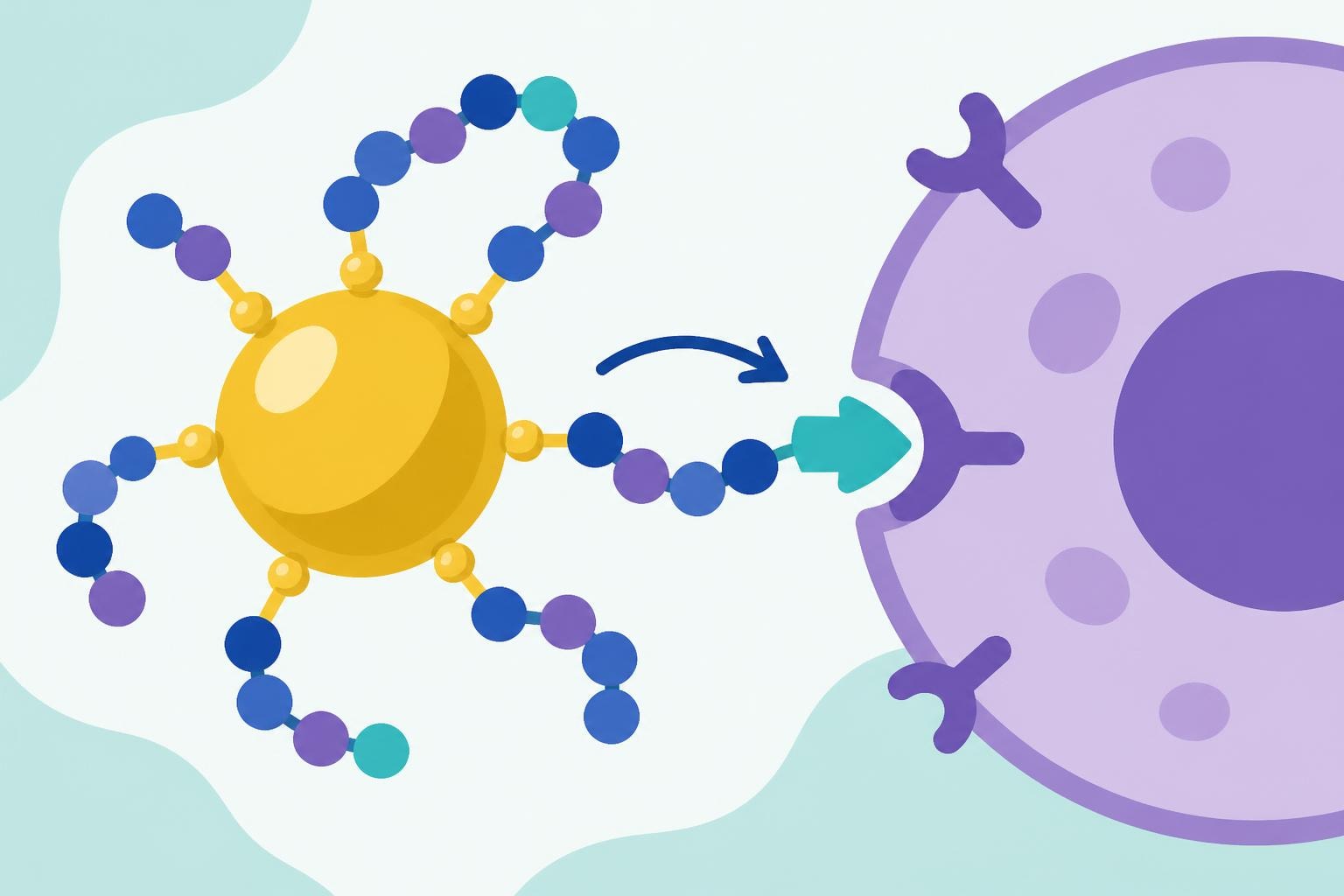
Gold peptide compounds represent a sophisticated fusion of noble metal nanoparticles and amino acid sequences. The term refers to therapeutic structures where gold nanoparticles serve as carriers, stabilizers, or enhancers for peptide-based drugs. This combination leverages gold's biocompatibility, stability, and unique optical properties alongside the biological activity of peptides.
The development of these hybrid molecules addresses a critical challenge in modern medicine: delivering fragile therapeutic peptides to their intended targets while maintaining their structural integrity and biological function. Traditional peptide therapeutics often face rapid degradation in biological systems, limiting their clinical utility.
Why Gold Nanoparticles Matter
Gold has been used in medicine for centuries, but modern nanotechnology has unlocked unprecedented capabilities. At the nanoscale, gold exhibits remarkable properties that make it ideal for biomedical applications:
- Biocompatibility: Gold nanoparticles demonstrate minimal toxicity in biological systems
- Surface chemistry: Easy functionalization with peptides, antibodies, and other molecules
- Optical properties: Unique light absorption and scattering characteristics
- Stability: Resistance to oxidation and degradation in physiological conditions
- Size control: Precise synthesis at scales ranging from 1-100 nanometers
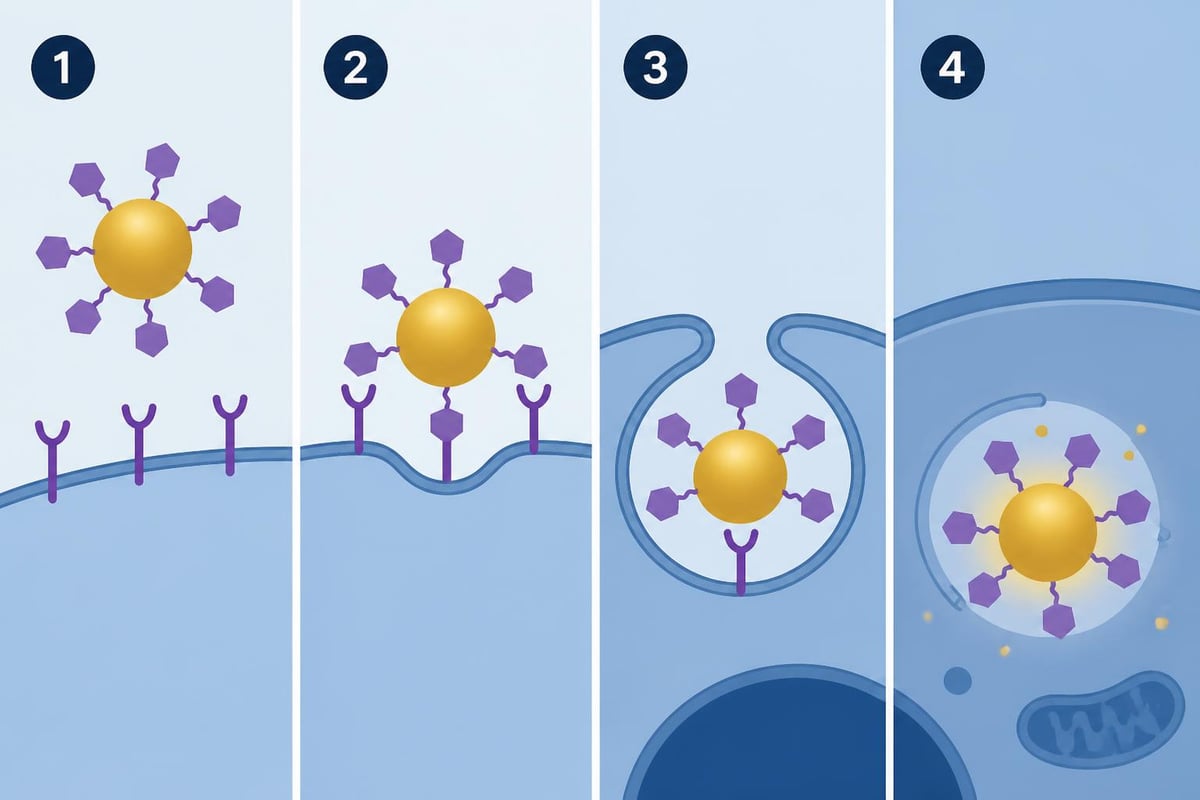
These characteristics enable gold nanoparticle platforms to enhance the anticancer activity of therapeutic peptides, improving their stability and cellular uptake. The synergy between gold's physical properties and peptides' biological functions creates opportunities that neither component could achieve independently.
Mechanisms of Gold Peptide Formation
The creation of gold peptide complexes involves several sophisticated approaches, each designed to optimize the interaction between metal and amino acid components. Understanding these mechanisms reveals why these hybrids demonstrate superior performance compared to standalone peptides.
Conjugation Methods
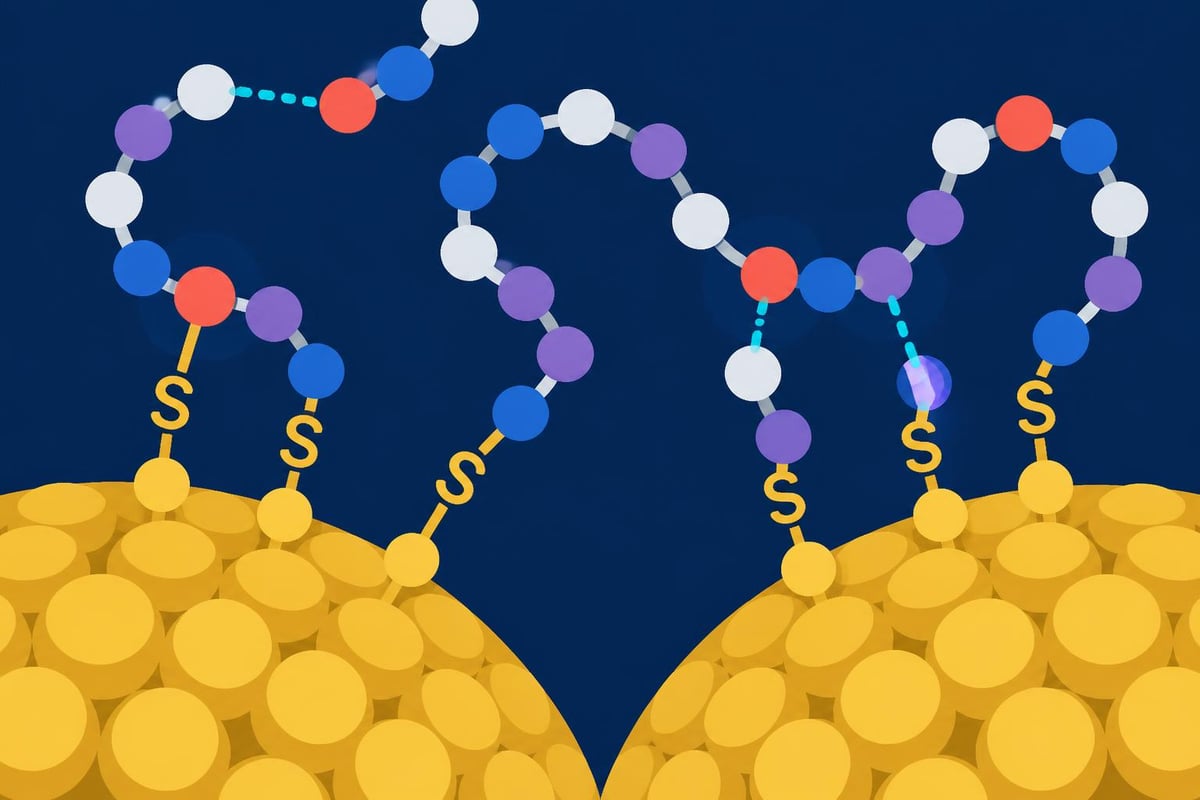
Researchers employ multiple strategies to attach peptides to gold nanoparticles. The most common approach utilizes thiol-gold chemistry, where cysteine residues in peptides form strong covalent bonds with gold surfaces. This method produces stable conjugates resistant to biological degradation.
Alternative techniques include electrostatic adsorption, where charged peptides interact with oppositely charged gold surfaces, and direct synthesis, where peptides template the formation of gold nanoparticles. Each method offers distinct advantages depending on the intended application and therapeutic goals.
| Conjugation Method | Binding Type | Stability | Best Application |
|---|---|---|---|
| Thiol-gold bonding | Covalent | High | Long-term delivery |
| Electrostatic | Ionic | Moderate | Controlled release |
| Direct synthesis | Templated | Variable | Customized structures |
| Biotin-avidin | Non-covalent | High | Reversible binding |
The choice of conjugation strategy significantly impacts the therapeutic performance of the final gold peptide complex. Research demonstrates that gold nanoparticles can stabilize peptide-drug conjugates, enhancing targeted delivery to cancer cells through improved circulation time and cellular recognition.
Structural Optimization
Beyond simple attachment, the arrangement of peptides on gold nanoparticle surfaces influences biological activity. Peptide density, orientation, and spacing all affect how these complexes interact with cellular targets. High-density peptide coatings may provide better stability, while controlled spacing can enhance receptor binding.
Scientists manipulate these parameters through careful control of synthesis conditions, including pH, temperature, peptide-to-gold ratios, and reaction time. This precision engineering allows customization for specific therapeutic applications.
Therapeutic Applications
The versatility of gold peptide technology enables diverse medical applications, each capitalizing on different aspects of the hybrid structure's properties.
Cancer Treatment Advancement
Oncology represents one of the most promising fields for gold peptide applications. These complexes can deliver pro-apoptotic peptides directly to tumor cells while sparing healthy tissue. The gold component enables passive targeting through the enhanced permeability and retention effect, where nanoparticles accumulate in tumor vasculature.
Active targeting strategies attach recognition peptides to gold surfaces, guiding the complex to specific cancer cell markers. This dual approach-combining peptide therapeutics with gold-based delivery-dramatically improves treatment efficacy while reducing systemic toxicity.
Studies show that gold nanoparticle–peptide hybrids effectively deliver intracellular peptide drugs, demonstrating potential in treating conditions ranging from acute lung injury to various malignancies.
Antimicrobial and Regenerative Medicine
The combination of antimicrobial peptides with gold nanoparticles creates powerful therapeutic agents against resistant bacterial strains. Research indicates that antimicrobial peptide-gold nanoscale formulations demonstrate high skin regenerative potential, offering solutions for wound healing and tissue repair.
The gold peptide approach addresses multiple challenges simultaneously: the gold component disrupts bacterial membranes through physical mechanisms, while peptides provide selective antimicrobial activity. This synergy reduces the likelihood of resistance development, a critical advantage in modern medicine.
Anti-Aging and Tissue Recovery
Beyond treating disease, gold peptide technology shows promise in regenerative applications relevant to recovery and tissue repair. Specific peptide sequences stimulate collagen production, cellular proliferation, and extracellular matrix remodeling. When conjugated to gold nanoparticles, these bioactive signals persist longer in tissues and demonstrate enhanced cellular uptake.
The stability offered by gold conjugation extends the effective lifespan of peptides that would otherwise degrade rapidly. This property proves particularly valuable for applications requiring sustained therapeutic effects, such as muscle recovery after injury or age-related tissue degeneration.
Quality and Purity Considerations
The therapeutic effectiveness of gold peptide complexes depends critically on manufacturing quality, purity standards, and characterization methods. These factors determine both safety and efficacy in clinical applications.
Manufacturing Standards
Production of pharmaceutical-grade gold peptide compounds requires rigorous control over multiple parameters:
- Starting material purity (both gold precursors and peptides)
- Synthesis environment sterility
- Particle size distribution uniformity
- Surface chemistry consistency
- Endotoxin removal and testing
Advanced purification methods, including centrifugation, dialysis, and chromatography, ensure removal of unreacted components and byproducts. The final product must meet stringent specifications for particle size, peptide loading, and biological activity.
Companies specializing in premium quality peptides understand that purity directly correlates with therapeutic outcomes. Even minor contamination can compromise efficacy or introduce adverse effects.
Characterization Techniques
Comprehensive analysis of gold peptide complexes employs multiple complementary methods:
- Transmission electron microscopy for size and shape determination
- Dynamic light scattering for hydrodynamic diameter measurement
- UV-visible spectroscopy for gold nanoparticle concentration
- Mass spectrometry for peptide identification and quantification
- Zeta potential analysis for surface charge characterization
These analytical techniques ensure that each batch meets predetermined specifications. Research exploring reactions of gold compounds with proteins and peptides using advanced mass spectrometry demonstrates the complexity of these interactions and the importance of thorough characterization.
Comparison with Traditional Peptide Therapeutics
Understanding how gold peptide complexes differ from conventional peptide drugs highlights the advantages driving their development and adoption.
| Feature | Traditional Peptides | Gold Peptide Complexes |
|---|---|---|
| Stability in blood | Hours | Days to weeks |
| Cellular uptake | Limited | Enhanced |
| Targeting capability | Minimal | Programmable |
| Manufacturing complexity | Moderate | High |
| Cost of production | Lower | Higher |
| Therapeutic dose | Higher | Lower |
The enhanced properties of gold peptide formulations often justify the increased manufacturing complexity. Reduced dosing frequency, improved patient outcomes, and the ability to target specific tissues offset production costs in many applications.
Bioavailability Enhancement
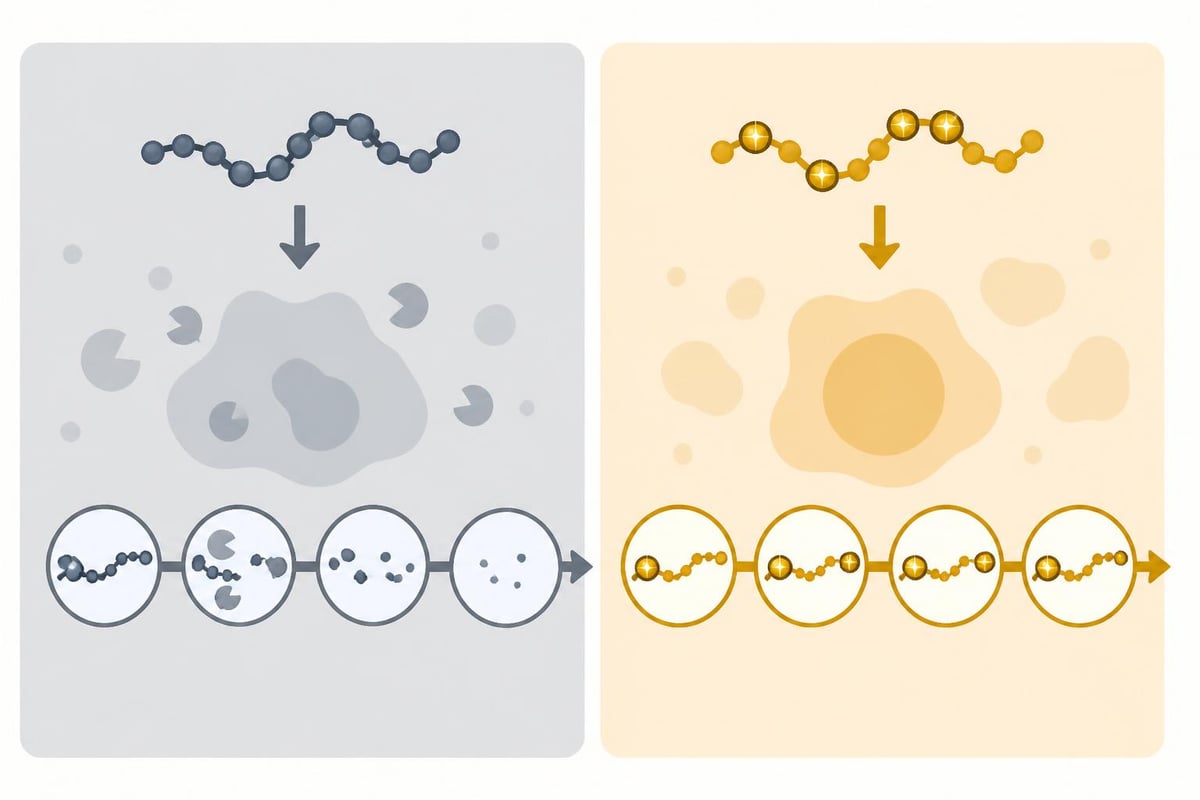
One of the most significant advantages of gold peptide technology lies in improved bioavailability. Naked peptides face multiple challenges when administered therapeutically: enzymatic degradation, rapid renal clearance, and poor membrane permeability. Gold conjugation addresses each of these limitations.
The protective effect of gold nanoparticles shields peptide bonds from protease attack, extending circulation time. Additionally, the nanoparticle size prevents rapid kidney filtration while remaining small enough to penetrate tissues. For applications requiring intracellular delivery, gold surfaces can be further modified with cell-penetrating sequences.
Future Directions and Research
The field of gold peptide therapeutics continues evolving rapidly, with several promising directions emerging from current research efforts.
Personalized Medicine Applications
Advances in synthesis techniques now enable rapid customization of gold peptide complexes for individual patients. By selecting specific peptide sequences and adjusting nanoparticle properties, researchers can create tailored therapeutics matched to patient genetics, disease characteristics, and treatment responses.
This personalization extends to combination therapies, where multiple peptide types coexist on single gold nanoparticles. Such multifunctional platforms can simultaneously target different disease pathways, improving treatment efficacy beyond what single-agent therapies achieve.
Smart Delivery Systems
Next-generation gold peptide complexes incorporate stimuli-responsive elements that release therapeutic peptides only under specific conditions. These "smart" systems respond to pH changes, temperature variations, enzyme presence, or external stimuli like light or magnetic fields.
For cancer treatment, pH-sensitive linkers release peptides in the acidic tumor microenvironment. In antimicrobial applications, bacterial enzyme-cleavable bonds ensure peptide release only where infection exists. These innovations maximize therapeutic impact while minimizing off-target effects.
Integration with Existing Therapies
Gold peptide technology complements established treatment modalities rather than replacing them. Combination approaches pairing these complexes with conventional drugs, radiation therapy, or immunotherapy demonstrate synergistic effects exceeding additive benefits.
The versatility of peptide selection allows researchers to design gold peptide complexes that enhance primary treatments-sensitizing cancer cells to chemotherapy, protecting healthy tissues from radiation damage, or modulating immune responses. Products focused on weight loss and metabolic health increasingly explore these combination strategies.
Regulatory and Safety Perspectives
As gold peptide therapeutics advance toward clinical adoption, regulatory frameworks and safety assessments play crucial roles in their development trajectory.
Toxicology Considerations
Gold nanoparticles generally demonstrate excellent biocompatibility, with minimal acute toxicity at therapeutic doses. However, long-term accumulation studies remain essential, particularly for chronic disease applications requiring repeated dosing. Size, surface chemistry, and coating materials all influence biodistribution and clearance pathways.
Peptide components typically present lower safety concerns due to their biological origin and enzymatic degradability. The combination of gold and peptides requires evaluation as a complete system, as interactions between components may introduce unexpected effects.
Clinical Translation Pathway
Moving gold peptide complexes from laboratory research to approved therapeutics follows established regulatory pathways, with modifications addressing nanotechnology-specific concerns. Developers must demonstrate:
- Manufacturing consistency and scalability
- Comprehensive characterization of physical and chemical properties
- Detailed pharmacokinetic and biodistribution data
- Efficacy in relevant disease models
- Safety across multiple species and dose ranges
Several gold peptide formulations have progressed through early clinical trials, validating the therapeutic concept and informing regulatory strategies for future candidates. When selecting premium quality peptides for research or therapeutic development, understanding these regulatory requirements ensures appropriate product selection.
Practical Implementation Considerations
For organizations and researchers working with gold peptide technology, several practical factors influence successful implementation and optimal outcomes.
Storage and Handling
Gold peptide complexes require careful storage to maintain stability and activity. Most formulations remain stable as lyophilized powders at controlled temperatures, typically requiring refrigeration or freezing. Reconstitution protocols must be followed precisely to ensure proper complex formation and prevent aggregation.
Light exposure can affect certain gold nanoparticle formulations, necessitating storage in amber vials or opaque containers. Additionally, some conjugation chemistries produce pH-sensitive complexes requiring specific buffer conditions for optimal stability.
Dosing and Administration
The enhanced potency of gold peptide therapeutics often allows lower doses compared to unconjugated peptides. This reduction minimizes potential side effects while maintaining therapeutic efficacy. However, optimal dosing depends on multiple factors including particle size, peptide density, target tissue, and disease severity.
Administration routes vary based on therapeutic goals-intravenous injection for systemic delivery, topical application for skin conditions, or localized injection for targeted tissue effects. Each route requires appropriate formulation adjustments to ensure safety and effectiveness.
Gold peptide technology represents a significant advancement in therapeutic development, combining the stability and targeting capabilities of gold nanoparticles with the biological activity of peptide drugs. This synergistic approach addresses longstanding challenges in drug delivery while opening new possibilities across multiple medical disciplines. When exploring peptide-based solutions for health optimization, Soma Peptide provides premium quality products manufactured under stringent quality control standards, ensuring you receive the highest purity and efficacy for your wellness goals.