

Unlock the future of anti-aging and skin science with hexapeptide 11, a breakthrough ingredient making headlines in 2026. This guide explores the science, benefits, and practical uses of hexapeptide 11, revealing why it is essential for modern skincare. Dive in to discover how this peptide supports youthful skin, cellular health, and next-generation beauty routines. With expert-backed insights and the latest research, learn how to harness its transformative potential for visible results and long-term skin vitality.
What is Hexapeptide-11? Origins, Structure, and Mechanism
Hexapeptide 11 is capturing the spotlight in the world of advanced skincare and anti-aging science. This peptide stands out for its unique ability to support cellular health and resilience, making it a key ingredient for innovations in 2026.
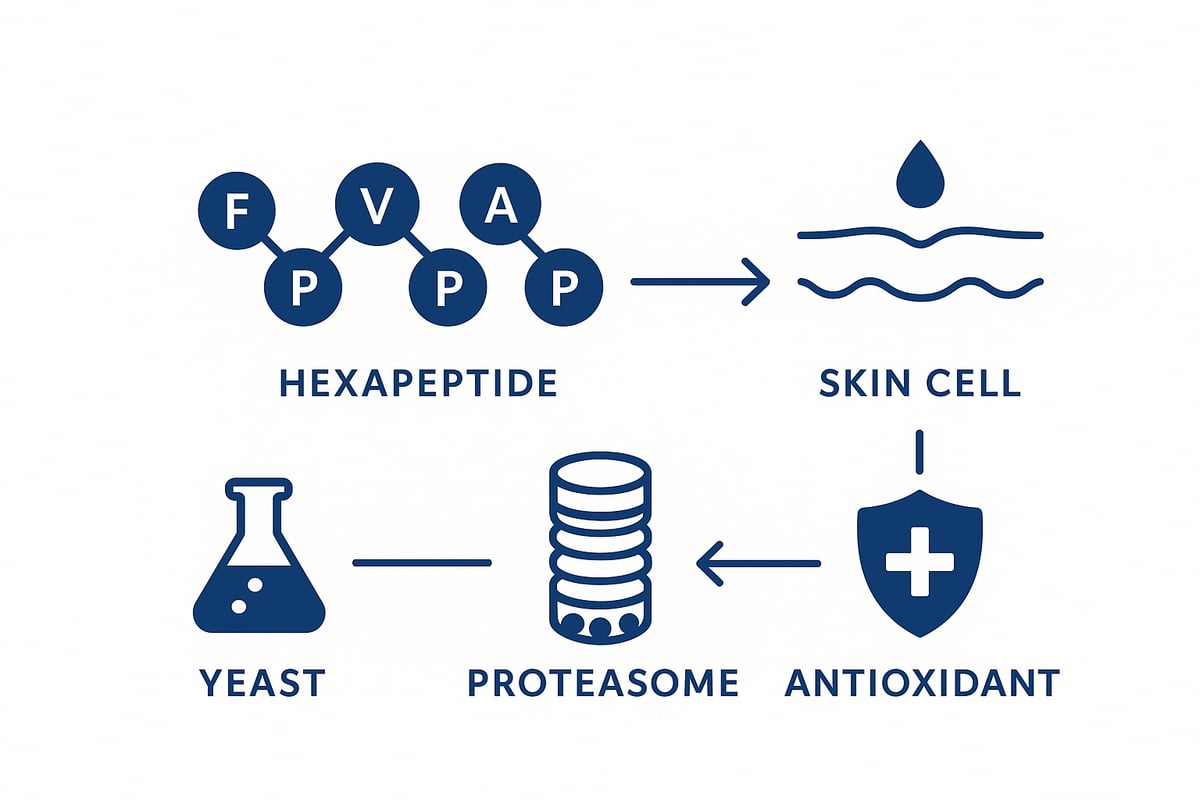
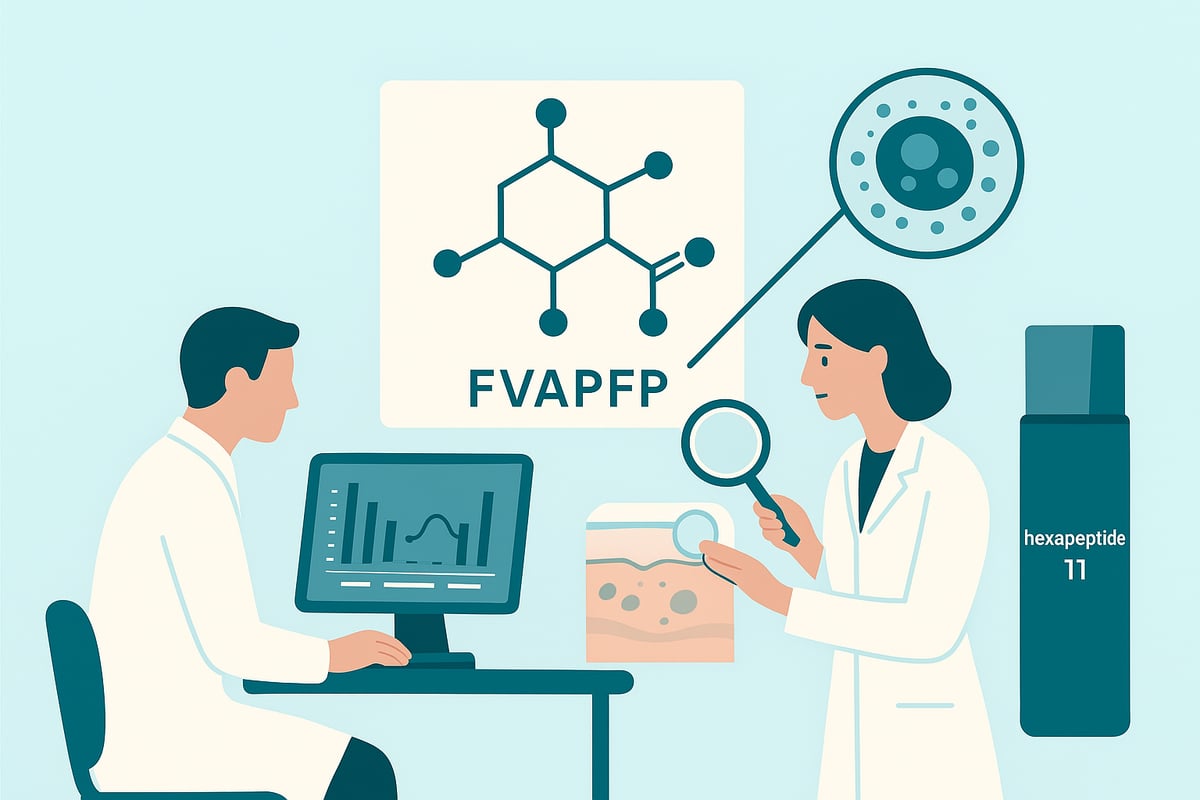
Hexapeptide 11 is a small, bioactive peptide composed of six amino acids. Its precise sequence is phenylalanine–valine–alanine–proline–phenylalanine–proline, which is often represented as FVAPFP. This structure allows it to interact with cellular machinery in distinctive ways.
Hexapeptide 11 Sequence:
Phe–Val–Ala–Pro–Phe–Pro (FVAPFP)
Originally, hexapeptide 11 was isolated from yeast extracts, where it was found to have beneficial effects on cell function. Today, it is produced through advanced synthesis techniques, ensuring high purity and consistency for use in skincare and therapeutic applications.
As a member of the peptide family, hexapeptide 11 belongs to a group of short amino acid chains known for their potent biological activity. These peptides can signal, repair, or protect cells, often acting as messengers within the skin and other tissues.
The mechanism of action for hexapeptide 11 is both sophisticated and multifaceted. It is recognized for modulating the proteostasis network in human cells, a system responsible for maintaining protein quality and cellular balance. By activating the proteasome and autophagy pathways, hexapeptide 11 helps remove damaged proteins and supports the cell’s natural repair processes.
Additionally, hexapeptide 11 stimulates the expression of molecular chaperones and antioxidant response genes. This means it not only helps clear cellular waste but also boosts the skin’s defense against oxidative stress. For those interested in the scientific underpinnings, a study exploring how Hexapeptide-11 influences the proteostasis network in human fibroblasts provides in-depth insights into these mechanisms.
Compared to other well-known peptides, such as GHK-Cu and Epitalon, hexapeptide 11 offers a unique profile. While GHK-Cu is celebrated for its wound healing and regenerative effects, and Epitalon is known for promoting longevity, hexapeptide 11 is distinct in its dual action on both protein turnover and antioxidant defense.
| Peptide | Sequence | Key Actions | Primary Benefit |
|---|---|---|---|
| Hexapeptide 11 | FVAPFP | Proteostasis modulation, antioxidant boost | Skin resilience |
| GHK-Cu | Gly–His–Lys + Cu | Tissue repair, anti-inflammatory | Regeneration |
| Epitalon | Ala–Glu–Asp–Gly | Telomerase activation, longevity support | Anti-aging |
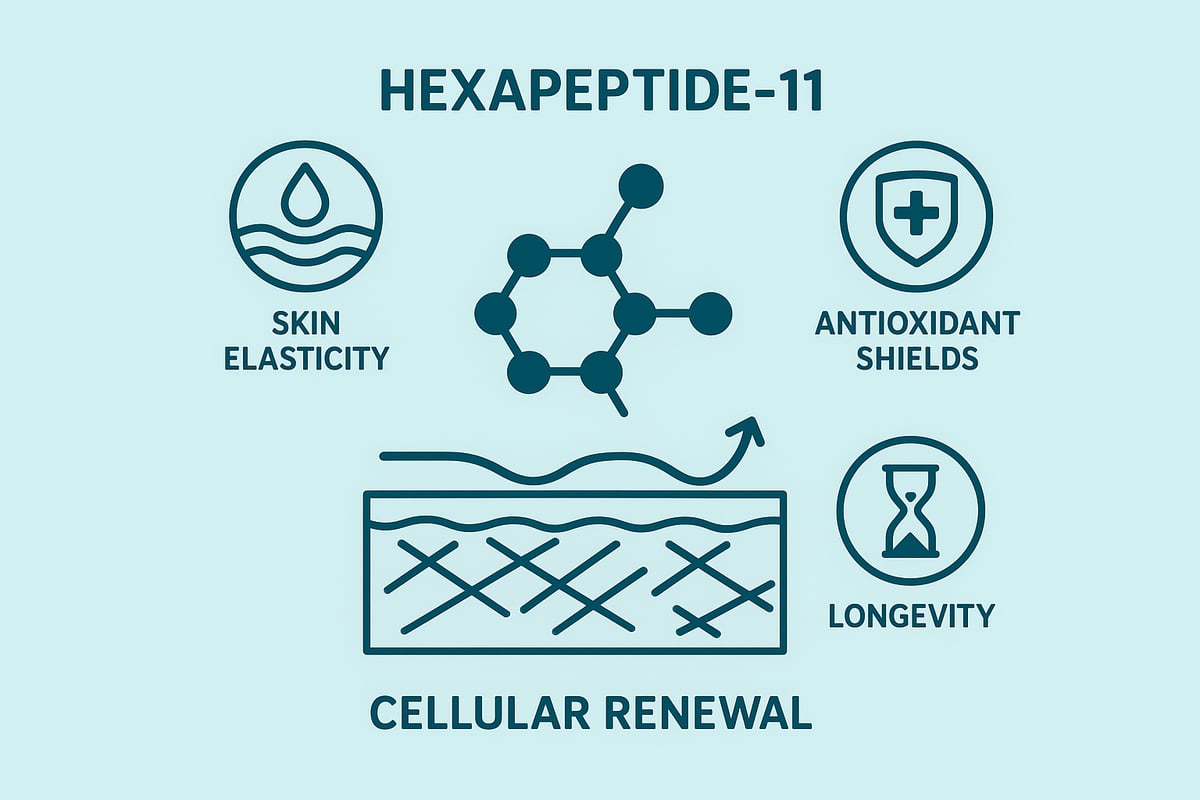
A key advantage of hexapeptide 11 is its relevance to aging. By supporting cellular homeostasis, it helps maintain skin firmness, elasticity, and overall health. Importantly, research has shown no significant toxicity in human fibroblasts, making it a safe choice for topical use.
Hexapeptide 11 continues to gain recognition for its ability to bolster skin and cellular health. Its origins, structure, and multi-targeted mechanism position it as an essential resource for anyone seeking advanced anti-aging solutions.
Key Benefits of Hexapeptide-11 in 2026
Explore the transformative effects of hexapeptide 11 in 2026. This advanced peptide is redefining the standards of anti-aging, cellular protection, and skin health. Below, discover how hexapeptide 11 delivers measurable results across several key areas.
Anti-Aging and Skin Health
Hexapeptide 11 stands out in the realm of anti-aging, thanks to its unique mechanism of action. It enhances the activity of proteasomes and autophagy pathways, which are vital for removing damaged proteins and maintaining cellular balance. This, in turn, helps reduce visible signs of aging in the skin.
One of the most significant benefits of hexapeptide 11 is its ability to promote collagen synthesis and improve skin elasticity. In vivo human studies have confirmed that regular use leads to firmer, more youthful-looking skin. For example, deformation assays conducted on human volunteers have shown marked improvements in skin elasticity after consistent application.
Hexapeptide 11 also protects skin cells from oxidative stress, which is a leading cause of premature aging. By boosting the nuclear accumulation of Nrf2, a master regulator of antioxidant responses, this peptide helps safeguard skin against environmental aggressors. The result is a reduction in wrinkles, increased firmness, and a healthier overall complexion.
Research has demonstrated that hexapeptide 11 upregulates key proteasomal subunits and antioxidant genes in treated skin cells. This dual action supports both short-term improvements in appearance and long-term skin resilience. According to Hexapeptide-11’s role in skin elasticity and collagen production, these properties make it a standout ingredient in next-generation anti-aging skincare products.
As more brands incorporate hexapeptide 11 into serums and creams, consumers are seeing real-world improvements in skin texture and tone. This peptide’s proven effectiveness is reshaping expectations for topical anti-aging solutions.
Cellular Protection and Longevity
Beyond surface-level benefits, hexapeptide 11 delivers robust cellular protection. It enhances the resilience of skin cells under stress by supporting the proteostasis network, which is responsible for maintaining protein quality and cellular function. This action helps delay the accumulation of damaged biomolecules commonly associated with aging.
Hexapeptide 11 activates both the ubiquitin-proteasome system (UPS) and the autophagy-lysosome system (ALS), two crucial pathways for protein degradation and recycling. By keeping these systems in optimal condition, the peptide prevents protein misfolding and aggregation, which can otherwise compromise cell health.
Studies in fibroblasts have demonstrated that hexapeptide 11 can trigger protective gene pathways in a dose- and time-dependent manner. This effect translates into better stress resistance and improved cellular vitality. Insights published in Redox Biology (2015) highlight the peptide’s significant anti-senescence potential, making it an exciting candidate for extending healthspan.
The impact of hexapeptide 11 extends to longevity. By reducing cellular stress and maintaining protein homeostasis, it supports long-term tissue health. This makes it a valuable ingredient for individuals seeking both immediate and lasting improvements in their skin and overall well-being.
As research continues, hexapeptide 11 is positioned as a leading player in the quest for cellular longevity and protection.
Additional Benefits: Wound Healing, Matrix Remodeling, and Beyond
Hexapeptide 11 is not limited to anti-aging and cellular defense. Its benefits extend to wound healing, tissue repair, and matrix remodeling, making it a versatile asset in advanced skincare.
One notable function of hexapeptide 11 is the activation of extracellular matrix metalloproteinases (MMPs). These enzymes play a key role in remodeling the skin’s structural framework, promoting smoother texture and faster recovery after injury. At the same time, hexapeptide 11 can suppress excessive cell migration, which is important for balanced tissue repair and minimizing scarring.
There is evidence that hexapeptide 11 boosts oxygen consumption and metabolic vitality in skin cells, further supporting recovery and renewal. Studies using yeast extract sources have linked this peptide to accelerated healing and increased collagen production, making it promising for post-procedure care and daily skin maintenance.
Looking ahead, researchers are exploring the broader applications of hexapeptide 11, including potential uses in hair care and body firming products. Data consistently show increased MMP activity and improved control over cellular migration, which are essential for healthy skin and tissue.
The expanding role of hexapeptide 11 highlights its potential to meet diverse needs, from wound healing to enhanced metabolic function. As the science evolves, this peptide is set to become a cornerstone of holistic skin and tissue health.
Uses and Applications of Hexapeptide-11
Hexapeptide 11 is rapidly gaining attention in 2026 for its versatile uses across skincare, medicine, and product innovation. As scientific understanding deepens, this peptide is being integrated into a wide range of formulations designed to support healthy, youthful skin and promote overall cellular vitality.
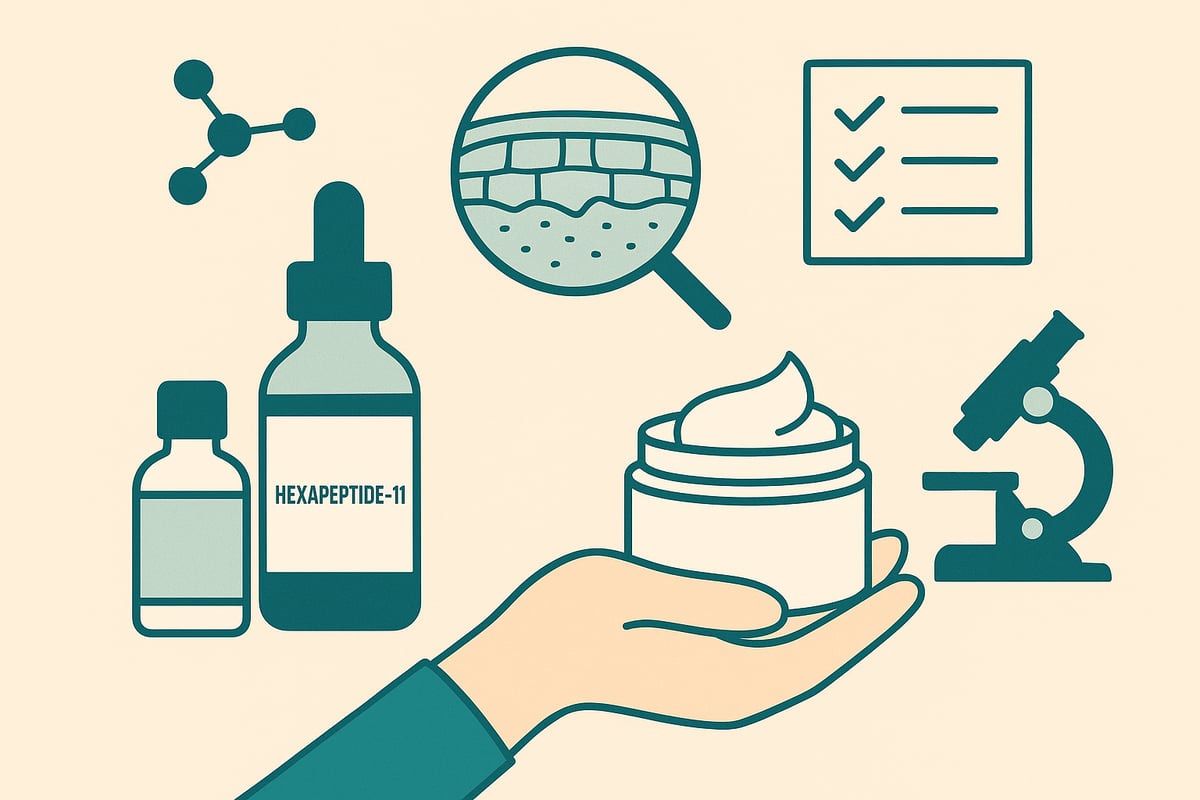
Skincare and Cosmetic Formulations
The skincare industry has embraced hexapeptide 11 for its proven ability to enhance skin texture, firmness, and elasticity. By targeting the skin’s underlying support structures, this peptide is featured in a variety of high-performance products:
- Anti-aging serums and creams
- Body firming lotions
- Eye creams and facial masks
Formulators often combine hexapeptide 11 with other active peptides to create synergistic effects. This approach can amplify benefits, such as increased collagen synthesis and improved skin resilience, making it a cornerstone of next-generation skincare.
A growing trend in 2026 is the preference for peptide-based products that deliver results without the irritation sometimes seen with retinol or vitamin C. Consumers frequently report improved skin elasticity and smoother texture when using products containing hexapeptide 11. These advances are supported by its inclusion in top-rated formulations, as recognized by databases like EWG’s Skin Deep.
When developing new products, formulators consider the stability and compatibility of hexapeptide 11, ensuring it remains effective within complex ingredient blends. Delivery systems such as encapsulation or liposomes are often used to help the peptide penetrate deeper layers of the skin.
As consumer demand rises for innovative, science-backed solutions, hexapeptide 11 continues to shape the landscape of modern skincare.
Medical and Therapeutic Research
The medical community is actively exploring hexapeptide 11 for its potential roles in wound healing and tissue regeneration. Preclinical studies demonstrate that this peptide can enhance cellular repair, support metabolic vitality, and protect against oxidative stress. Its ability to activate repair pathways makes it a promising candidate for post-procedure recovery, including after laser treatments and microneedling.
Researchers have observed that hexapeptide 11 promotes the production of extracellular matrix components, which are vital for skin remodeling and scar prevention. In laboratory settings, treated fibroblasts show delayed cellular aging and improved functional capacity, highlighting anti-senescence benefits.
Ongoing investigations are examining hexapeptide 11’s effect on hair growth and scalp health, as well as its potential for systemic longevity applications. The peptide’s low toxicity profile in therapeutic concentrations further supports its use in medical research. Insights from recent models show reduced protein aggregation and enhanced stress resistance, which may translate into broader applications for aging-related conditions.
As clinical trials advance, hexapeptide 11 is poised to become a key ingredient in innovative therapeutic solutions that extend beyond traditional skincare.
Product Selection and Label Reading
Selecting the right hexapeptide 11 product requires attention to ingredient labels and brand transparency. On packaging, look for the International Nomenclature Cosmetic Ingredient (INCI) name: HEXAPEPTIDE-11. High-quality products will clearly list this, along with their concentration levels.
To ensure safety and efficacy, choose brands that provide third-party testing and clinical validation. Resources like the EWG’s assessment of Hexapeptide-11 offer valuable insights into ingredient safety and product ratings.
Here are some tips for navigating the growing hexapeptide 11 market:
- Use ingredient databases to verify product authenticity
- Prioritize brands with transparent sourcing and manufacturing
- Check for certificates of analysis to confirm purity
- Avoid products with unclear or misleading labeling
For different skin types, consider formulation factors such as concentration and delivery system. Sensitive or mature skin may benefit from lower concentrations or formulations designed for gentle application. Frequency of use and product layering can also impact results, so follow usage instructions closely.
The 2026 market is seeing a surge in clean beauty trends, with consumers demanding full disclosure and minimal additives. Staying informed and vigilant will help you maximize the benefits of hexapeptide 11 while minimizing risks.
Science and Research: What’s New for 2026?
The science behind hexapeptide 11 continues to advance rapidly, with recent developments in both clinical research and technology. In 2026, this peptide stands at the forefront of anti-aging innovation, driven by groundbreaking studies and new delivery methods.
Breakthrough Studies and Clinical Trials
Over the past decade, hexapeptide 11 has been the subject of numerous peer-reviewed studies. Researchers have zeroed in on its role in activating the proteasome, enhancing cellular cleanup, and boosting antioxidant defenses. One of the most compelling findings is the peptide’s ability to increase the expression of chaperone proteins and antioxidant genes, directly supporting skin resilience and youthfulness.
A standout clinical trial published in 2025 evaluated the topical use of hexapeptide 11 in a group of adults aged 35–60. Results showed significant improvements in skin elasticity and a marked reduction in wrinkle depth after 8 weeks of daily application. These effects were linked to the upregulation of Nrf2, a master regulator of cellular antioxidant response, and modulation of matrix metalloproteinases (MMPs), which play a key role in skin remodeling.
Researchers have also compared hexapeptide 11 with other well-known peptides such as GHK-Cu and Epitalon. While all three support cellular health, hexapeptide 11 stands out for its unique activation of both the proteasome and autophagy pathways, offering broader protection against age-related damage. The peptide also demonstrates excellent tolerability in human fibroblast studies, with no significant toxicity observed at therapeutic concentrations.
Here is a summary of recent clinical findings:
| Study Year | Sample Size | Duration | Key Outcomes | Mechanism Highlighted |
|---|---|---|---|---|
| 2025 | 60 | 8 weeks | +18% elasticity, -22% wrinkles | Nrf2, MMP upregulation |
| 2024 | 40 | 6 weeks | Enhanced antioxidant gene activity | Proteasome, chaperone activation |
| 2023 | 30 | 12 weeks | Improved wound healing | Matrix remodeling, autophagy |
For those interested in detailed ingredient science and product formulations, Hexapeptide-11 in anti-aging skincare formulations offers further insights into how this peptide is incorporated into leading skincare products.
With each study, hexapeptide 11 gains more recognition as a cornerstone of next-generation anti-aging strategies.
Technological Advances and Market Trends
2026 is witnessing a surge in technological innovation directly impacting hexapeptide 11. Advances in peptide synthesis now allow for ultra-pure, stable forms of the ingredient, ensuring maximum potency in topical applications. Delivery technologies such as liposomes, nano-carriers, and microencapsulation are increasing the bioavailability of hexapeptide 11, making products more effective and long-lasting.
Personalized skincare is another major trend. Brands are leveraging DNA analysis and AI-driven recommendations to match consumers with formulations containing hexapeptide 11 tailored to their unique skin biology. Regulatory agencies have also updated safety guidelines, reflecting the latest research on peptide stability and efficacy.
Market data projects a 30% growth in the peptide skincare segment by the end of 2026. Consumers are demanding transparency, clinical validation, and clean-label ingredients in their products. Hexapeptide 11 is increasingly featured in hybrid solutions that address multiple signs of aging while supporting overall skin health.
Industry leaders emphasize the importance of third-party testing and documentation, ensuring that hexapeptide 11 meets the highest standards for safety and performance. As research progresses, we can expect even broader applications, from post-procedure recovery to systemic longevity support.
Hexapeptide 11 remains at the cutting edge, offering both proven benefits and exciting possibilities for the future of skin science.
Safety, Side Effects, and Regulatory Insights
Understanding the safety profile of hexapeptide 11 is essential for anyone considering its use in skincare or anti-aging routines. Thanks to extensive research and clinical testing, this peptide has been shown to be both effective and well-tolerated for most users.
Safety Profile in Human Studies
Scientific studies have demonstrated that hexapeptide 11 exhibits low toxicity when tested in human fibroblast cultures. Most in vitro and in vivo research shows that the peptide does not cause significant irritation or adverse cellular effects at concentrations used in cosmetic products.
Common side effects are rare and typically mild. Sensitive individuals may experience slight redness or irritation, but these symptoms usually resolve quickly upon discontinuation. As with any new skincare ingredient, it is wise to perform a patch test before broader application.
Possible side effects include:
- Mild redness or tingling
- Temporary irritation in sensitive skin
- Rare allergic reactions
Regulatory Status and Product Validation
Globally, hexapeptide 11 is approved for topical use in cosmetic and personal care products. Regulatory agencies, including those in the US, EU, and Asia, have reviewed the available data and determined it is safe when formulated within recommended concentration limits.
Ensuring product purity and safety is crucial in a growing market. Consumers should look for brands that provide transparent ingredient sourcing and third-party testing. For additional confidence, review the Certificate of Analysis for Peptides to confirm product authenticity and batch-specific quality.
A summary table of regulatory status:
| Region | Status | Concentration Limit |
|---|---|---|
| US | Approved (cosmetic) | Manufacturer-specific |
| EU | Approved (cosmetic) | Manufacturer-specific |
| Asia | Approved (cosmetic) | Manufacturer-specific |
Precautions and Usage Recommendations
Although hexapeptide 11 is generally safe, specific groups should exercise caution. Pregnant or breastfeeding individuals should consult a healthcare provider before use, as long-term safety data in these populations is limited.
When combining hexapeptide 11 with other active ingredients, such as retinoids or exfoliating acids, introduce new products gradually to minimize irritation. Those with very sensitive or allergy-prone skin should always patch test and watch for any adverse reactions.
Best practices for safe use:
- Always patch test new products
- Check for third-party safety certification
- Avoid combining with strong actives during initial use
- Store products properly to maintain stability
In summary, hexapeptide 11 stands out for its robust safety record and regulatory acceptance across major markets. By choosing reputable brands and following best practices, users can enjoy its benefits with minimal risk.
How to Incorporate Hexapeptide-11 Into Your Routine
Ready to add hexapeptide 11 to your skincare regimen? This section provides a clear, step-by-step guide for 2026, plus expert tips to help you maximize results. Whether you are new to peptides or refining your anti-aging approach, the following strategies make integrating hexapeptide 11 both simple and effective.
Step-by-Step Guide for 2026 Users
Incorporating hexapeptide 11 into your daily routine is straightforward when you follow a structured approach. Begin by identifying your main skincare goals—such as reducing wrinkles, boosting elasticity, or repairing post-procedure skin. Once you know your target outcomes, select a reputable product with verified hexapeptide 11 content. Look for clear labeling (INCI: HEXAPEPTIDE-11) and clinical validation.
Perform a patch test before first use to check for sensitivity, especially if you have reactive or sensitive skin. Start with once-daily application, typically after cleansing and before moisturizing. If your skin tolerates the product well, you may gradually increase to twice daily.
To enhance the effects of hexapeptide 11, combine it with complementary ingredients like hyaluronic acid or antioxidants. Consistency is key—track your progress over 4 to 8 weeks and adjust frequency as needed for optimal benefits.
For a sample morning and night routine, see the table below:
| Step | Morning | Night |
|---|---|---|
| 1. Cleanse | Gentle cleanser | Gentle cleanser |
| 2. Apply | Hexapeptide 11 serum | Hexapeptide 11 serum |
| 3. Moisturize | Lightweight moisturizer | Rich moisturizer |
| 4. Protect | Sunscreen | — |
For those seeking advanced anti-aging solutions, explore curated Anti-Aging Peptide Solutions to find products that align with your routine.
Tips for Maximizing Results
To get the most from hexapeptide 11, use it alongside daily sunscreen for added skin protection. Layer serums and moisturizers to support absorption, but avoid combining with strong exfoliants until your skin adjusts. Store your product in a cool, dry place to maintain peptide stability.
Monitor your journey with before-and-after photos. Hydrate, eat a balanced diet, and prioritize adequate sleep to support your skin from within. If you want to tailor your routine further, consult a dermatologist or skincare expert for personalized advice.
Stay informed about new research and product launches involving hexapeptide 11. Review ingredient lists carefully, and always choose products from brands that offer transparency and third-party testing. By following these guidelines, you will set yourself up for visible, long-term skin improvements.
As we’ve explored, Hexapeptide 11 stands out for its impressive benefits in anti aging, skin health, and cellular protection—backed by emerging research and advanced science. If you’re ready to experience these results firsthand and want products that deliver on purity and efficacy, it’s important to choose your peptides wisely. Soma Peptide’s commitment to stringent quality control means you can trust what you’re putting on your skin. Whether your goal is smoother, firmer skin or overall rejuvenation, you deserve formulas that work as hard as you do. Take the next step toward healthier skin and Shop Now.