



The landscape of synthetic peptides continues to evolve, with researchers identifying compounds that offer unique therapeutic potential beyond traditional growth hormone secretagogues. Hexarelin peptide stands out among growth hormone-releasing peptides (GHRPs) due to its distinctive dual mechanism of action, combining potent growth hormone stimulation with cardioprotective properties not observed in other members of this peptide class. Originally developed in the 1990s, this synthetic hexapeptide has captured scientific attention for its ability to interact with multiple receptor systems, offering potential applications that extend far beyond simple hormone modulation.
Understanding Hexarelin's Molecular Mechanism
Hexarelin peptide functions primarily as a growth hormone secretagogue, stimulating the pituitary gland to release growth hormone through interaction with the ghrelin receptor (also known as the growth hormone secretagogue receptor or GHS-R1a). This mechanism mirrors the body's natural growth hormone release pathway, creating physiological pulses rather than continuous elevation.
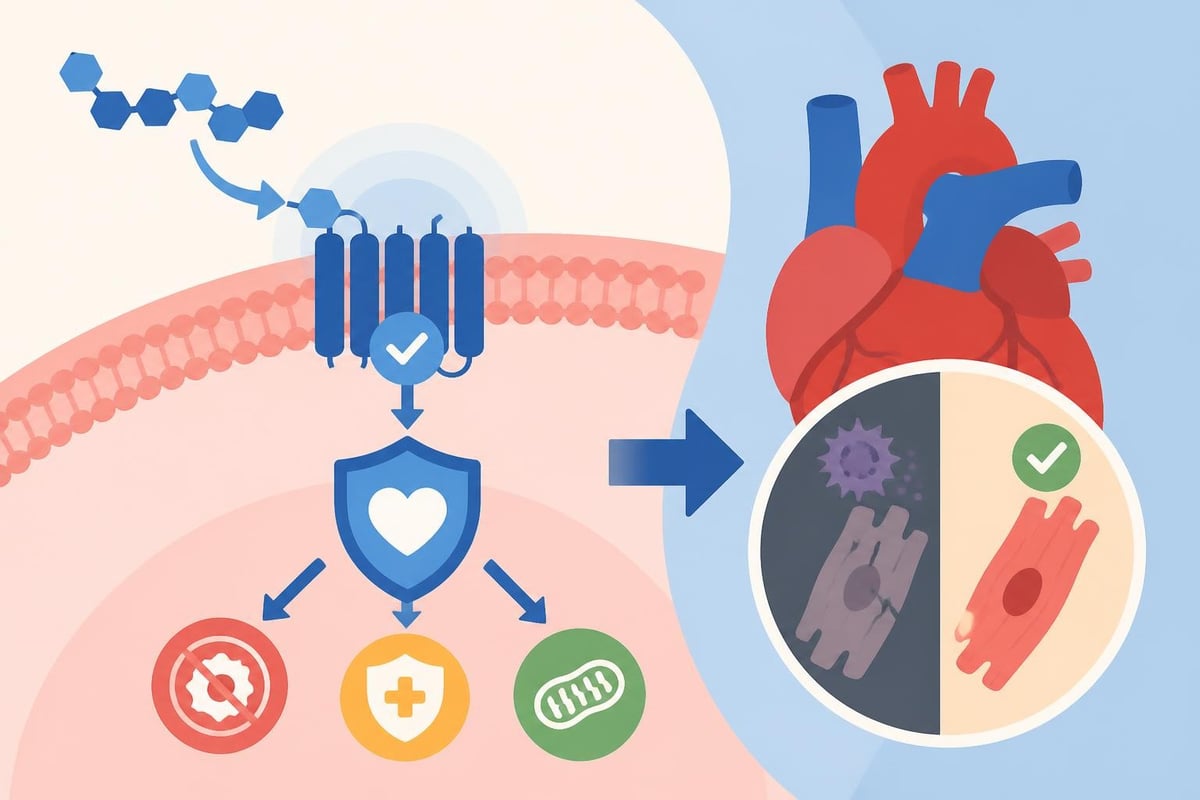
What distinguishes hexarelin from other GHRPs is its additional interaction with the CD36 receptor, a scavenger receptor found on various cell types, including cardiomyocytes. Research demonstrates that this unique binding profile contributes to cardioprotective effects independent of growth hormone release, suggesting multiple therapeutic pathways activated by a single compound.
Receptor Binding Characteristics
The binding affinity and selectivity of hexarelin peptide differ from related compounds in meaningful ways:
- GHS-R1a activation: Produces robust growth hormone release with high receptor affinity
- CD36 receptor engagement: Triggers cardioprotective signaling pathways
- Minimal cortisol elevation: Unlike some GHRPs, maintains favorable hormonal balance
- Dose-dependent response: Exhibits predictable growth hormone release patterns
These characteristics position hexarelin as a compound with multifaceted biological activity, enabling researchers to explore applications beyond traditional growth hormone optimization.

Growth Hormone Release Potency and Patterns
Clinical studies have consistently demonstrated that hexarelin peptide ranks among the most potent growth hormone secretagogues available. Dose-response research published in peer-reviewed journals reveals that hexarelin produces substantial growth hormone elevation at relatively low doses, with peak responses occurring within 15-30 minutes of administration.
The magnitude of growth hormone release induced by hexarelin often exceeds that of GHRH (growth hormone-releasing hormone) itself, making it a valuable tool for investigating growth hormone physiology and potential therapeutic applications. This potency stems from its strong affinity for the ghrelin receptor and its ability to overcome somatostatin-mediated growth hormone inhibition.
Comparative Efficacy Data
| Peptide | Relative GH Potency | Peak Response Time | Duration of Effect |
|---|---|---|---|
| Hexarelin | Very High (4-5x baseline) | 15-30 minutes | 2-3 hours |
| GHRP-6 | High (3-4x baseline) | 20-40 minutes | 2-4 hours |
| GHRP-2 | High (3-4x baseline) | 20-35 minutes | 2-4 hours |
| Ipamorelin | Moderate (2-3x baseline) | 25-45 minutes | 2-3 hours |
The growth hormone released through hexarelin administration follows natural pulsatile patterns, which may offer advantages over continuous growth hormone elevation. This pulsatile release more closely mimics physiological secretion, potentially reducing the risk of receptor desensitization and maintaining more natural downstream signaling cascades.
Cardiovascular and Cardioprotective Properties
Perhaps the most intriguing aspect of hexarelin peptide is its cardioprotective activity, which operates through mechanisms independent of growth hormone release. Clinical investigations have identified several pathways through which hexarelin influences cardiovascular function and cardiac tissue health.
The CD36 receptor activation by hexarelin triggers intracellular signaling cascades that protect cardiac cells from ischemic damage, reduce inflammation in cardiovascular tissues, and potentially improve cardiac function following injury. These effects have been observed in both animal models and preliminary human studies, suggesting therapeutic potential for various cardiovascular conditions.
Key cardiovascular effects include:
- Protection against ischemia-reperfusion injury
- Reduction of inflammatory markers in cardiac tissue
- Improved left ventricular function in certain conditions
- Enhanced endothelial function and vascular health
- Potential anti-fibrotic effects in cardiac remodeling
These cardiovascular benefits distinguish hexarelin from other growth hormone secretagogues and have prompted ongoing research into cardiac-specific applications. The ability to support both metabolic optimization through growth hormone and direct cardiac protection creates a unique therapeutic profile.
Clinical Research and Investigation Status
While hexarelin peptide has been extensively studied in research settings, it remains an investigational compound without FDA approval for specific medical conditions. Current research status indicates ongoing investigation into multiple potential therapeutic applications, with particular focus on growth hormone deficiency states and cardiovascular protection.
Early clinical trials examined hexarelin's efficacy in diagnosing growth hormone deficiency, where its potent stimulatory effects provided a useful provocative test. Subsequent research expanded to explore metabolic effects, body composition changes, and the previously mentioned cardiovascular benefits.
Research Application Areas
Researchers have investigated hexarelin peptide across several domains:
- Endocrine function: Growth hormone deficiency diagnosis and potential replacement strategies
- Cardiology: Cardiac protection, heart failure management, post-infarction recovery
- Metabolism: Body composition optimization, fat reduction, muscle preservation
- Aging research: Age-related decline in growth hormone and metabolic function
- Bone health: Potential effects on bone density and skeletal integrity
The breadth of research applications reflects hexarelin's multifaceted biological activity and its interaction with multiple physiological systems. However, translation from research findings to clinical practice requires additional investigation and regulatory approval processes.
Dosing Protocols and Administration Considerations
Research protocols for hexarelin peptide typically involve subcutaneous or intravenous administration, with dosing ranges varying based on the specific research objective. Clinical studies have employed doses ranging from 0.5 mcg/kg to 2.0 mcg/kg body weight, with most growth hormone stimulation protocols using the lower to middle portion of this range.
The timing of hexarelin administration significantly influences growth hormone release patterns. Administration on an empty stomach, particularly before sleep or after exercise, may optimize growth hormone response by minimizing interference from elevated blood glucose or fatty acids, which can blunt growth hormone secretion.
| Protocol Type | Typical Dose Range | Frequency | Primary Objective |
|---|---|---|---|
| GH Stimulation Test | 1.0-2.0 mcg/kg | Single dose | Diagnostic assessment |
| Research Protocol | 0.5-1.5 mcg/kg | 1-3x daily | Growth hormone optimization |
| Cardioprotection Study | 1.0-2.0 mcg/kg | 1-2x daily | Cardiovascular effects |
Subcutaneous administration represents the most common route in research settings, offering ease of use and consistent bioavailability. The peptide demonstrates good stability when properly stored and reconstituted according to standard peptide handling protocols.
Metabolic Effects and Body Composition
The growth hormone elevation induced by hexarelin peptide creates downstream metabolic effects that influence body composition, energy metabolism, and substrate utilization. Increased growth hormone levels stimulate IGF-1 (insulin-like growth factor 1) production in the liver, which mediates many of growth hormone's anabolic and metabolic effects.
These metabolic shifts typically favor fat oxidation, protein synthesis, and improved insulin sensitivity when growth hormone remains within physiological ranges. Research subjects have demonstrated changes in body composition consistent with enhanced lipolysis and lean tissue preservation, though individual responses vary based on numerous factors including diet, exercise, baseline hormone levels, and overall health status.
Observed metabolic changes include:
- Increased fat oxidation and reduction in adipose tissue
- Enhanced protein synthesis and nitrogen retention
- Improved glucose metabolism and insulin sensitivity
- Elevated energy expenditure and metabolic rate
- Enhanced recovery from exercise and physical stress
Those exploring peptides for metabolic support often investigate various options to identify compounds that align with their specific goals. For individuals focused on comprehensive recovery and tissue repair, the BPC-157 / TB-500 Blend offers synergistic healing support through complementary mechanisms that address inflammation, tissue regeneration, and structural recovery.
Safety Profile and Hormonal Considerations
The safety profile of hexarelin peptide has been evaluated across multiple clinical studies, with most research indicating good tolerability at investigated doses. Published safety data suggests that adverse effects remain generally mild and transient, with the most common being temporary increases in hunger (due to ghrelin receptor activation) and minor injection site reactions.
Unlike some growth hormone secretagogues, hexarelin produces minimal elevation in cortisol or prolactin at standard research doses, maintaining a more favorable hormonal profile. However, as with any compound affecting growth hormone release, consideration must be given to potential effects on glucose metabolism, fluid retention, and other growth hormone-mediated processes.
Hormonal Response Patterns
The hormonal cascade initiated by hexarelin extends beyond simple growth hormone release:
- Immediate phase (0-30 minutes): Rapid GH surge, minimal cortisol elevation
- Secondary phase (30-120 minutes): Peak GH levels, IGF-1 synthesis begins
- Extended phase (2-24 hours): Metabolic shifts, substrate utilization changes
- Adaptive phase (ongoing): Potential receptor sensitivity modulation
Understanding these temporal patterns helps researchers design protocols that optimize benefits while minimizing potential desensitization. Some research suggests that intermittent administration patterns may maintain receptor sensitivity better than continuous daily use, though optimal protocols remain under investigation.
Comparative Analysis with Other Growth Hormone Secretagogues
When evaluating hexarelin peptide within the broader context of growth hormone secretagogues, several distinctive characteristics emerge. Compared to GHRP-2 and GHRP-6, hexarelin demonstrates higher potency for growth hormone release but may also show greater tendency toward receptor desensitization with continuous use. Comparative research highlights these trade-offs, suggesting that hexarelin may be optimally employed in specific research contexts rather than as a general-purpose growth hormone secretagogue.
The cardioprotective properties unique to hexarelin create differentiation from compounds like Ipamorelin or sermorelin, which primarily function through growth hormone pathways without significant CD36 receptor interaction. This distinction makes hexarelin particularly interesting for research focused on cardiovascular health in addition to metabolic optimization.
Comparative advantages:
- Potency: Superior growth hormone release per dose
- Cardioprotection: Unique CD36 receptor-mediated effects
- Research depth: Extensive clinical investigation and published data
- Dual mechanisms: Both growth hormone and direct tissue effects
Comparative limitations:
- Desensitization potential: May require cycling or intermittent protocols
- Hunger stimulation: Stronger ghrelin effects than some alternatives
- Regulatory status: Investigational compound without specific approvals
For those seeking growth hormone optimization through peptide protocols, understanding the full spectrum of available compounds helps inform appropriate selection. Resources like the peptide calculator assist with proper dosing calculations across different molecular weights and concentrations.
Research Applications in Specific Populations
Clinical investigations have examined hexarelin peptide effects across various population groups, yielding insights into how different physiological states influence response patterns. Research in elderly populations has explored whether hexarelin can partially restore age-related declines in growth hormone secretion, with mixed results suggesting that while hexarelin remains effective at stimulating release, overall growth hormone production capacity may still be limited by pituitary aging.
Studies in specific patient populations have investigated hexarelin's effects in conditions such as acromegaly and hyperprolactinemia, revealing important information about its selectivity and hormonal interactions. These investigations help define appropriate research contexts and identify potential contraindications.
Population-Specific Considerations
Different groups may experience varied responses to hexarelin peptide:
| Population | Response Characteristics | Research Focus |
|---|---|---|
| Healthy adults | Robust GH response, consistent patterns | Baseline physiological data |
| Elderly individuals | Reduced but present GH response | Age-related decline mitigation |
| Athletes | Variable response based on training status | Performance and recovery applications |
| Metabolic conditions | Altered insulin and glucose interactions | Therapeutic potential assessment |
Understanding population-specific responses helps refine research protocols and identify which groups may derive the greatest benefit from hexarelin-based interventions. This targeted approach aligns with precision medicine principles that recognize individual variation in peptide responses.
Future Research Directions and Emerging Applications
The research landscape surrounding hexarelin peptide continues to evolve, with emerging studies exploring novel applications beyond traditional growth hormone replacement concepts. Current research initiatives are investigating hexarelin's potential in neuroprotection, wound healing, and metabolic syndrome management, expanding the compound's therapeutic possibilities.
Particular interest centers on hexarelin's cardioprotective mechanisms, with researchers exploring whether these effects could translate to clinical applications in heart failure, post-myocardial infarction recovery, or prevention of cardiac remodeling. The CD36 receptor pathway represents a relatively unexplored therapeutic target, and hexarelin's ability to modulate this system positions it as a valuable research tool.
Emerging research areas include:
- Neuroprotective effects and cognitive function
- Wound healing acceleration and tissue regeneration
- Metabolic syndrome and insulin resistance
- Cardiac rehabilitation and heart failure management
- Age-related frailty and sarcopenia
As research methodologies advance and understanding of peptide pharmacology deepens, hexarelin may find applications in contexts not yet fully explored. The compound's unique combination of potent growth hormone release and independent cardioprotective activity creates research opportunities that extend across multiple medical disciplines.
Integration with Comprehensive Peptide Protocols
Many researchers and practitioners explore hexarelin peptide as part of broader peptide protocols designed to address multiple physiological targets simultaneously. Combining growth hormone secretagogues with tissue-specific repair peptides, metabolic modulators, or anti-aging compounds creates synergistic approaches that may exceed the benefits of single-compound protocols.
When designing comprehensive peptide regimens, consideration must be given to mechanism overlap, timing of administration, and potential interactions between compounds. Hexarelin's potent growth hormone release may complement peptides focused on localized tissue repair or metabolic optimization, creating coordinated physiological responses.
Those interested in exploring premium quality peptides for various applications can review the full range of offerings at Soma Peptide’s shop, where advanced purification methods and stringent quality control ensure consistent product quality. Understanding the differences between various peptide options helps inform appropriate selection based on individual goals and research objectives.
Practical Considerations for Peptide Quality and Sourcing
The efficacy and safety of any peptide protocol depends fundamentally on the quality and purity of the compounds used. Hexarelin peptide, like all synthetic peptides, requires proper synthesis, purification, and storage to maintain stability and biological activity. Contamination with synthesis byproducts, improper storage conditions, or degradation can significantly compromise both effectiveness and safety.
Quality indicators include:
- Purity verification: HPLC analysis confirming >98% purity
- Sterility testing: Ensuring absence of microbial contamination
- Molecular verification: Mass spectrometry confirming correct molecular weight
- Certificate of analysis: Documentation of testing results and specifications
- Proper storage: Lyophilized storage at appropriate temperatures
Reputable suppliers provide comprehensive testing documentation and maintain proper storage conditions throughout the supply chain. Those seeking verification of product quality can review certificates of analysis that document purity, sterility, and molecular confirmation.
The handling and reconstitution of hexarelin peptide also influence its effectiveness. Bacteriostatic water represents the standard reconstitution solvent, and proper technique during reconstitution prevents contamination and maintains peptide integrity. Once reconstituted, refrigerated storage and timely use ensure optimal activity.
Understanding Research Context and Regulatory Status
It remains essential to understand that hexarelin peptide is currently classified as an investigational compound without FDA approval for specific medical conditions. Detailed regulatory information clarifies that hexarelin's current status limits its use to research contexts and investigational protocols rather than routine clinical practice.
This regulatory classification does not diminish the scientific value of research conducted with hexarelin, nor does it negate the substantial body of clinical data demonstrating its biological activity and safety profile in investigated populations. Rather, it reflects the regulatory pathway required for any compound to achieve approval for specific therapeutic indications.
Ongoing research continues to build the evidence base that may eventually support regulatory submissions for particular applications. The extensive clinical investigation of hexarelin provides a foundation for understanding its pharmacology, safety parameters, and potential therapeutic contexts.
Those exploring peptide therapies should work with knowledgeable practitioners who understand both the scientific evidence supporting various compounds and the regulatory frameworks governing their use. Informed decision-making requires balancing research findings, individual circumstances, and appropriate medical oversight.
Hexarelin peptide represents a unique intersection of potent growth hormone stimulation and cardioprotective activity, supported by extensive clinical research and a well-characterized safety profile. Whether your goals involve metabolic optimization, recovery enhancement, or exploring cutting-edge peptide research, the quality and purity of compounds used fundamentally determine outcomes. Soma Peptide provides rigorously tested, premium quality peptides backed by comprehensive quality control standards, supporting your journey toward optimal health and performance with confidence in product integrity.