
The peptide industry continues to evolve with breakthrough discoveries in skin health and antimicrobial compounds. Among these advances, oligopeptide 10 has emerged as a targeted solution for addressing bacterial skin concerns through precise biological mechanisms. This synthetic peptide demonstrates selective antimicrobial activity against specific bacteria while maintaining the skin's delicate balance, making it particularly valuable in formulations designed for problematic or sensitive skin conditions. Understanding how this peptide functions and its applications across various skincare contexts provides essential knowledge for those seeking science-backed solutions in 2026.
Understanding the Structure and Chemistry of Oligopeptide 10
Oligopeptide 10 consists of a carefully sequenced chain of amino acids engineered to deliver specific antimicrobial properties. The peptide's molecular structure enables it to interact with bacterial cell membranes in a targeted manner, distinguishing it from broad-spectrum antimicrobials that affect multiple organism types indiscriminately.
Molecular Composition and Properties
The chemical composition of oligopeptide 10 features a specific amino acid sequence that determines its biological activity. This structure allows the peptide to:
- Penetrate bacterial cell walls through electrostatic interactions
- Maintain stability across varying pH environments
- Demonstrate water solubility for easy formulation integration
- Resist degradation from environmental factors
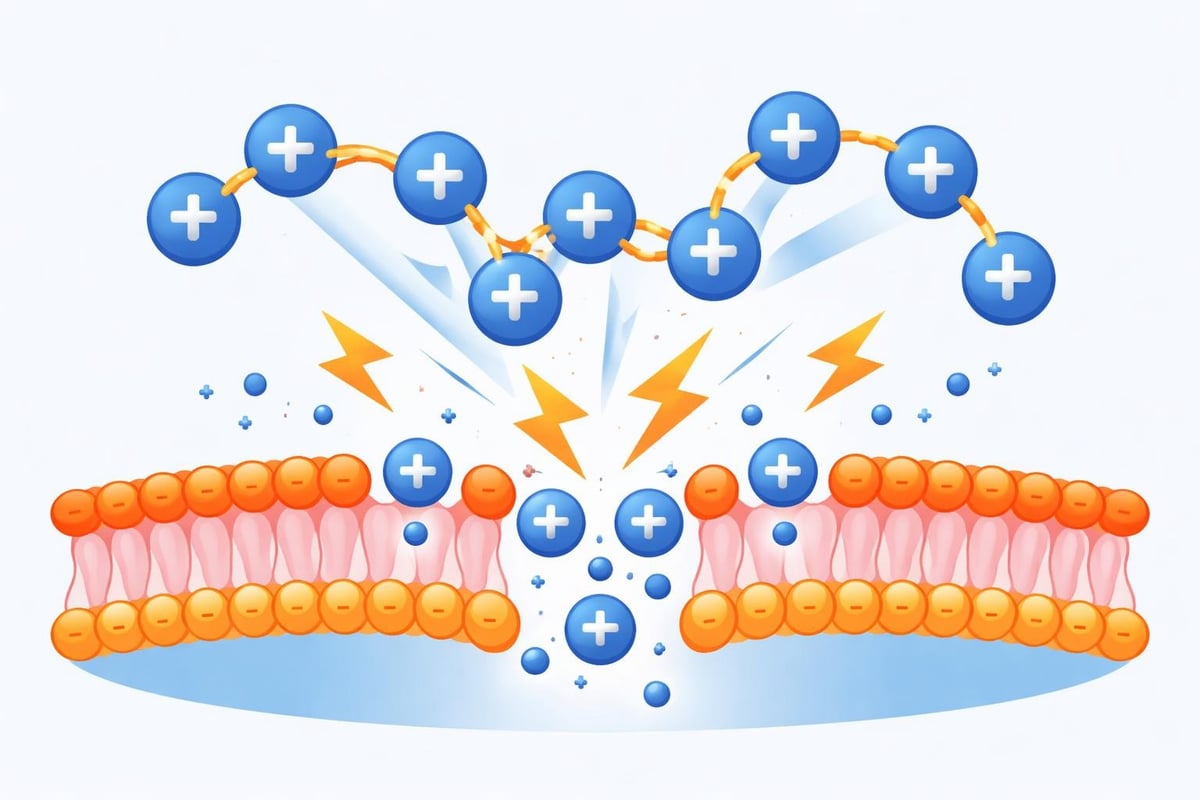
Molecular weight and charge distribution play critical roles in the peptide's functionality. The positive charge characteristic of oligopeptide 10 attracts it to negatively charged bacterial membranes, initiating the antimicrobial cascade.
| Property | Specification | Relevance |
|---|---|---|
| Solubility | Water-soluble | Easy formulation |
| pH Range | 4.0-7.0 optimal | Skin-compatible |
| Stability | High thermal stability | Manufacturing versatility |
| Charge | Cationic | Bacterial targeting |
The peptide's thermal stability ensures it maintains efficacy throughout manufacturing processes and product shelf life. This durability distinguishes it from less stable antimicrobial agents that degrade quickly.
Mechanism of Action Against Bacterial Targets
Oligopeptide 10 operates through a sophisticated mechanism that specifically targets Gram-positive bacteria. This selectivity provides advantages over traditional antimicrobial approaches that may disrupt beneficial microbiomes or cause resistance development.
Selective Bacterial Targeting
The peptide demonstrates particular efficacy against Cutibacterium acnes (formerly Propionibacterium acnes), the primary bacterial species associated with inflammatory acne conditions. The antimicrobial properties of oligopeptide 10 work by disrupting bacterial cell membrane integrity through multiple steps:
- Initial attraction – Cationic peptide binds to anionic bacterial surfaces
- Membrane insertion – Peptide integrates into lipid bilayer structures
- Pore formation – Cellular contents leak through compromised membranes
- Bacterial death – Loss of membrane potential leads to cell lysis
This mechanism differs fundamentally from antibiotic action, which typically targets specific metabolic pathways. By affecting membrane structure directly, oligopeptide 10 reduces the likelihood of bacterial resistance development.
Research indicates the peptide maintains efficacy without promoting the adaptive responses bacteria develop against conventional antibiotics. This characteristic makes it particularly valuable for long-term applications in skincare formulations targeting persistent bacterial concerns.
Microbiome Preservation Benefits
Unlike broad-spectrum antimicrobials, oligopeptide 10's selective action preserves beneficial skin bacteria. The skin microbiome consists of hundreds of bacterial species that contribute to barrier function, immune regulation, and pathogen defense.
Gram-negative bacteria, which play protective roles in the skin microbiome, remain largely unaffected by oligopeptide 10. This selectivity maintains ecological balance while addressing problematic bacterial populations. For those interested in comprehensive peptide solutions for skin health, understanding this selective mechanism proves essential.
Applications in Skincare and Dermatological Products
The practical applications of oligopeptide 10 extend across multiple product categories designed to address bacterial skin concerns. Formulators incorporate this peptide into various delivery systems to optimize its antimicrobial benefits while ensuring compatibility with other active ingredients.
Acne Treatment Formulations
Acne-focused products represent the primary application category for oligopeptide 10. The anti-acne benefits of oligopeptide 10 include reducing inflammatory lesions, minimizing bacterial proliferation, and supporting clearer skin outcomes.
Product types commonly featuring this peptide include:
- Targeted acne serums and spot treatments
- Daily facial cleansers for acne-prone skin
- Overnight treatment masks
- Toning solutions for problematic areas
- Combination products with other acne-fighting ingredients
Concentration levels typically range from 0.1% to 2% depending on product type and intended use frequency. Higher concentrations deliver more intensive antimicrobial action, while lower percentages provide maintenance support.
| Product Type | Typical Concentration | Application Frequency |
|---|---|---|
| Spot Treatment | 1.5-2.0% | 2-3 times daily |
| Daily Serum | 0.5-1.0% | Once or twice daily |
| Cleanser | 0.3-0.5% | Once or twice daily |
| Mask | 1.0-1.5% | 2-3 times weekly |
The peptide's compatibility with other ingredients allows formulators to create comprehensive acne solutions. It pairs effectively with salicylic acid, niacinamide, and retinoids without compromising efficacy or causing adverse interactions.
Sensitive Skin Considerations
Despite its antimicrobial potency, oligopeptide 10 demonstrates excellent tolerance in sensitive skin populations. The peptide's targeted mechanism avoids the irritation commonly associated with harsh antimicrobial agents.
Skin compatibility characteristics include minimal irritation potential, low sensitization risk, and suitability for compromised barrier conditions. These properties make it appropriate for individuals who cannot tolerate traditional acne treatments like benzoyl peroxide or high-strength antibiotics.
Formulation Strategies and Product Development
Incorporating oligopeptide 10 into effective formulations requires attention to stability factors, delivery mechanisms, and ingredient synergies. Product developers leverage various strategies to maximize the peptide's antimicrobial performance while ensuring consumer-friendly application properties.
Stability and pH Optimization
The optimal formulation parameters for oligopeptide 10 emphasize pH control between 4.0 and 7.0 for maximum stability and activity. Formulations outside this range may compromise peptide structure or reduce antimicrobial efficacy.
Stabilization approaches include:
- Buffer systems maintaining pH consistency
- Antioxidant addition preventing oxidative degradation
- Appropriate preservative selection avoiding peptide interactions
- Temperature-controlled manufacturing processes
- Light-protective packaging materials
Water-based formulations provide ideal environments for oligopeptide 10 solubilization. The peptide integrates readily into serums, gels, and aqueous lotions without requiring complex solubilization technologies.
Synergistic Ingredient Combinations
Strategic ingredient pairing amplifies oligopeptide 10's antimicrobial effects while addressing multiple acne-causing factors simultaneously. The comprehensive formulation guide for oligopeptide 10 outlines effective combinations that enhance overall product performance.
Compatible co-actives include niacinamide for barrier support and sebum regulation, zinc compounds providing additional antimicrobial benefits, hyaluronic acid maintaining hydration during treatment, and botanical extracts offering anti-inflammatory effects. Those exploring peptides for recovery often appreciate these synergistic approaches.
Formulators avoid combining oligopeptide 10 with ingredients at pH extremes or those containing peptidase enzymes that might degrade the peptide structure. Careful ingredient selection ensures long-term product stability and consistent performance.
Clinical Evidence and Efficacy Research
Scientific validation supports oligopeptide 10's antimicrobial claims through multiple research studies examining bacterial inhibition, clinical improvement metrics, and safety profiles. Understanding this evidence base helps consumers and practitioners make informed decisions about peptide-based skincare approaches.
Antimicrobial Activity Studies
Laboratory testing demonstrates oligopeptide 10's efficacy against target bacteria through minimum inhibitory concentration (MIC) determinations and time-kill kinetics studies. The scientific research on oligopeptide 10 reveals consistent bacterial inhibition at concentrations readily achievable in topical formulations.
Key research findings include:
- Significant C. acnes growth inhibition at 0.5-1.0% concentrations
- Rapid bacterial kill times within 4-6 hours of exposure
- No bacterial resistance development after extended exposure periods
- Maintained activity across various pH environments
- Synergistic effects when combined with conventional antimicrobials
Comparative studies position oligopeptide 10 favorably against traditional acne treatments. The peptide demonstrates comparable or superior antimicrobial activity to benzoyl peroxide at equivalent concentrations, without the associated irritation or bleaching effects.
Clinical Trial Outcomes
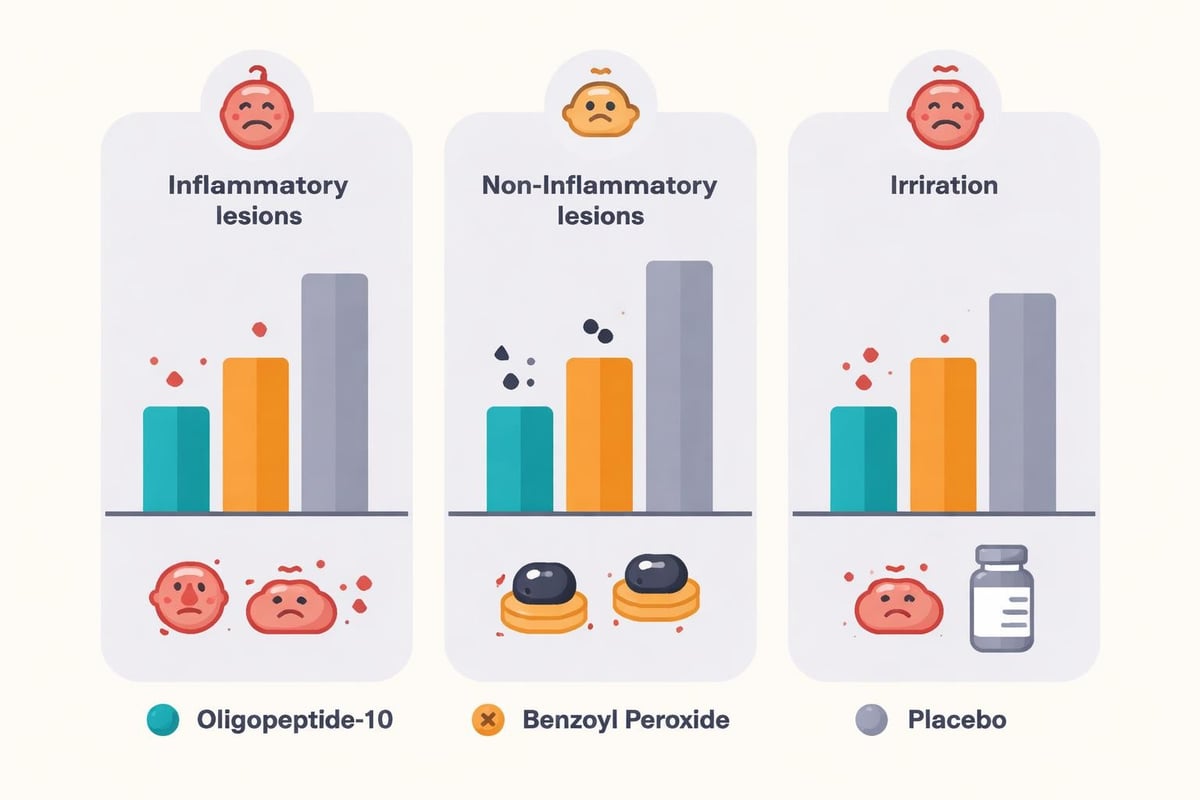
Human clinical trials evaluate oligopeptide 10's real-world performance in reducing acne lesions, improving skin appearance, and maintaining safety profiles. Participants using formulations containing this peptide typically experience measurable improvements within 4-8 weeks of consistent application.
| Outcome Measure | 4 Weeks | 8 Weeks | 12 Weeks |
|---|---|---|---|
| Inflammatory Lesion Reduction | 25-35% | 45-60% | 60-75% |
| Non-inflammatory Lesion Reduction | 15-25% | 35-50% | 50-65% |
| Overall Skin Clarity Improvement | 20-30% | 40-55% | 55-70% |
| Participant Satisfaction Rate | 65-75% | 75-85% | 80-90% |
Side effect profiles remain minimal across clinical studies, with less than 5% of participants reporting mild, transient irritation. This favorable tolerance profile contrasts with the 15-30% irritation rates observed with conventional acne treatments. For comprehensive anti-aging peptide solutions, understanding safety profiles proves equally important.
Regulatory Status and Safety Profile
Regulatory approval status and safety assessments determine where and how oligopeptide 10 can be marketed in skincare products globally. Understanding these regulatory contexts helps manufacturers ensure compliant product development and informs consumers about ingredient safety.
Global Regulatory Landscape
Oligopeptide 10 appears in international cosmetic ingredient databases under standardized nomenclature, facilitating its use across multiple markets. The cosmetic functions of oligopeptide 10 include antimicrobial, deodorant, and skin conditioning designations that define permitted applications.
Regional approval status varies slightly:
- United States: Approved for cosmetic use under FDA guidelines
- European Union: Listed in CosIng database with approved functions
- Asia-Pacific: Generally approved with country-specific concentration limits
- Canada: Permitted in cosmetic formulations meeting safety standards
No significant regulatory restrictions limit oligopeptide 10's use in most jurisdictions, though specific concentration limits may apply in certain regions. Manufacturers must verify local requirements before product launches.
Safety and Tolerance Assessment
Extensive safety testing establishes oligopeptide 10's low risk profile for topical application. Standard toxicological assessments including dermal irritation studies, sensitization testing, and ocular irritation evaluations consistently demonstrate minimal adverse effects.
Safety characteristics encompass non-irritating properties at typical use concentrations, low allergenic potential based on predictive testing, no evidence of systemic absorption concerns, and compatibility with compromised skin barriers. These attributes support the peptide's suitability for daily use in leave-on formulations.
Long-term use studies extending beyond six months show no accumulating adverse effects or tolerance development. Users maintain consistent antimicrobial benefits without requiring concentration increases or product cycling.
Manufacturing and Quality Control Standards
High-quality oligopeptide 10 production demands sophisticated manufacturing processes and rigorous quality verification protocols. Understanding these production standards helps consumers identify premium formulations and manufacturers ensure consistent product performance. For those seeking premium quality peptides, manufacturing standards directly impact efficacy outcomes.
Synthesis and Purification Methods
Solid-phase peptide synthesis (SPPS) represents the primary production method for oligopeptide 10, allowing precise control over amino acid sequencing and minimizing impurity formation. This technique builds peptide chains systematically by adding protected amino acids in specific sequences.
Manufacturing process steps include:
- Resin loading – Attaching first amino acid to solid support
- Sequential coupling – Adding subsequent amino acids in correct order
- Deprotection cycles – Removing temporary protecting groups
- Cleavage – Releasing completed peptide from solid support
- Purification – Removing synthesis byproducts and impurities
- Quality verification – Confirming structure and purity
High-performance liquid chromatography (HPLC) purification removes synthesis byproducts, incomplete sequences, and other impurities. Premium-grade oligopeptide 10 achieves purity levels exceeding 95%, ensuring optimal antimicrobial performance without contaminating substances.
Analytical Testing and Verification
Comprehensive analytical testing confirms oligopeptide 10 identity, purity, and potency throughout manufacturing. Multiple complementary techniques provide complete characterization of the final peptide material.
| Test Method | Purpose | Acceptance Criteria |
|---|---|---|
| Mass Spectrometry | Molecular weight confirmation | Matches theoretical mass ±0.1% |
| HPLC Analysis | Purity determination | ≥95% main peak |
| Amino Acid Analysis | Sequence verification | Matches expected composition |
| Bioassay Testing | Antimicrobial potency | Meets MIC specifications |
| Endotoxin Testing | Contamination screening | <10 EU/mg |
Batch-to-batch consistency ensures formulated products deliver predictable performance across production runs. Manufacturers implementing robust quality systems maintain detailed documentation supporting ingredient traceability and performance verification. The commitment to stringent quality control standards differentiates premium peptide suppliers from lower-quality alternatives.
Integration into Comprehensive Skincare Regimens
Effectively incorporating oligopeptide 10 products into daily skincare routines maximizes antimicrobial benefits while supporting overall skin health objectives. Strategic product layering and timing optimize peptide delivery and enhance complementary ingredient performance.
Application Sequence and Timing
Proper application order ensures oligopeptide 10 penetrates effectively without interference from occlusive ingredients or incompatible formulations. Generally, peptide-containing products apply after cleansing but before heavier moisturizers or sunscreens.
Recommended application sequence:
- Step 1: Gentle cleanser removing surface debris
- Step 2: pH-balancing toner preparing skin
- Step 3: Oligopeptide 10 serum or treatment
- Step 4: Complementary actives (niacinamide, hyaluronic acid)
- Step 5: Moisturizer sealing beneficial ingredients
- Step 6: Sunscreen protection (morning routine)
Allow 1-2 minutes between application steps for optimal absorption. This timing prevents product pilling and ensures each layer penetrates effectively before adding subsequent products.
Frequency and Duration Considerations
Treatment frequency depends on skin concerns severity and individual tolerance levels. Most users benefit from twice-daily application, though sensitive individuals may start with once-daily use and gradually increase frequency.
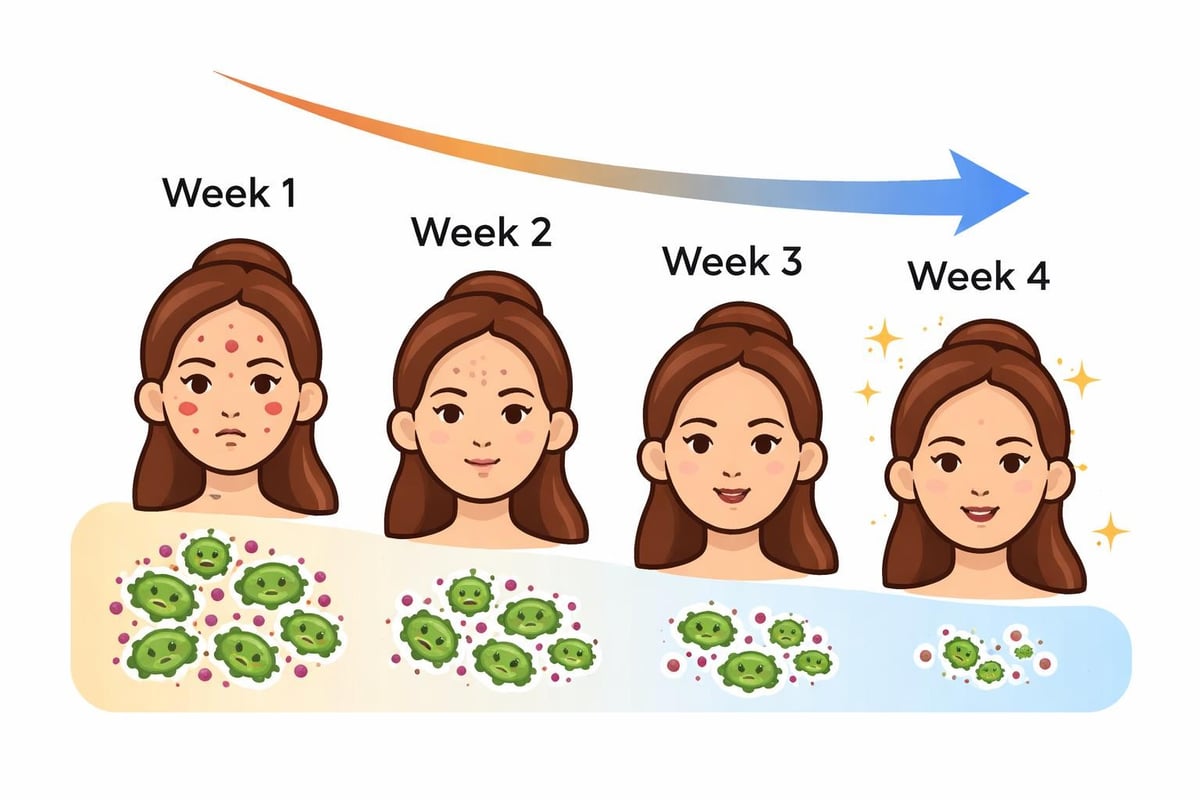
Timeline expectations include initial adjustment period of 7-10 days as skin adapts, visible improvement beginning around weeks 3-4, significant bacterial reduction by weeks 6-8, and optimal results with continued use beyond 12 weeks. Those investigating peptides for weight loss appreciate similar timeline guidance for their specific applications.
Maintenance protocols after achieving desired results typically involve continued daily application at reduced concentrations or less frequent usage schedules. Discontinuing treatment often allows bacterial populations to rebound, necessitating ongoing management strategies.
Future Research Directions and Emerging Applications
Ongoing research explores expanded applications for oligopeptide 10 beyond traditional acne treatment contexts. Scientists investigate the peptide's potential in addressing additional skin health concerns and optimizing delivery through novel formulation technologies.
Expanded Therapeutic Applications
Emerging research examines oligopeptide 10's efficacy in managing various bacterial skin conditions beyond acne. Preliminary studies suggest potential benefits for folliculitis, certain dermatitis presentations, and body odor management through targeted antimicrobial action.
Research areas under investigation include combination therapies with other antimicrobial peptides, applications in wound healing and infection prevention, scalp health formulations targeting bacterial concerns, and body care products addressing odor-causing bacteria. These expanding applications could significantly broaden the peptide's market presence.
Advanced Delivery Systems
Novel delivery technologies aim to enhance oligopeptide 10's penetration, stability, and targeted release characteristics. Encapsulation methods, including liposomal delivery and nanoparticle systems, protect the peptide during formulation while enabling controlled release at target sites.
Emerging technologies encompass microencapsulation for sustained release profiles, transdermal patches delivering consistent peptide levels, combination devices pairing peptides with physical modalities, and personalized formulations based on microbiome analysis. These innovations may significantly enhance treatment outcomes while improving user convenience and compliance rates.
Oligopeptide 10 represents a scientifically validated approach to managing bacterial skin concerns through selective antimicrobial action that preserves beneficial microbiome populations. Its proven efficacy against acne-causing bacteria, excellent safety profile, and compatibility with various formulation types make it a valuable ingredient in modern skincare solutions. Whether you're seeking targeted solutions for specific skin concerns or comprehensive peptide support for muscle growth, recovery, or other health objectives, Soma Peptide delivers premium-quality compounds backed by rigorous testing and quality assurance protocols to support your wellness goals.